Kangra – Where Ancient Temples, Mountain Valleys and Royal Heritage Meet
Kangra is one of the most fascinating destinations in Himachal Pradesh, where ancient history, sacred temples, Himalayan landscapes, traditional art and mountain culture come together. The region is known for the historic Kangra Fort, powerful pilgrimage sites, the famous Kangra miniature painting tradition, tea gardens, the Dhauladhar mountains and scenic valleys. From exploring ancient monuments and temples to enjoying local food, tea gardens and mountain views, Kangra offers a wide range of experiences for first-time visitors.
The wider Kangra region also provides access to popular destinations such as Dharamshala, McLeod Ganj, Palampur, Bir Billing and several important religious and natural attractions. Whether you are interested in history, spirituality, food, art, wildlife, trekking or photography, Kangra provides an excellent introduction to the cultural and natural diversity of Himachal Pradesh.
History
Kangra has a long and remarkable history that stretches back to ancient Himalayan kingdoms. The region was historically associated with the ancient Trigarta kingdom and later became an important centre of the Katoch dynasty.
Because of its fertile valley and strategic location, Kangra attracted the attention of many rulers and powerful kingdoms over the centuries. Kangra Fort became an important symbol of the region's political and military importance.
Ancient Trigarta
The Kangra region is traditionally associated with the ancient kingdom of Trigarta, which is mentioned in historical and religious sources. Its location between important Himalayan routes contributed to its significance.
Katoch Dynasty
The Katoch dynasty played a major role in the history of Kangra. The dynasty's influence can still be seen in Kangra Fort, historic temples, royal traditions and the region's cultural heritage.
Maharaja Sansar Chand
Maharaja Sansar Chand was one of the most prominent Katoch rulers. His reign is particularly remembered for the development of the Kangra school of miniature painting and the strengthening of Katoch influence in the region.
Mughal Influence
Kangra's strategic importance brought it into contact with the Mughal Empire. The fort and surrounding kingdom became involved in several political struggles between regional rulers and larger imperial powers.
Sikh Period
In the early nineteenth century, Kangra came under the influence of Maharaja Ranjit Singh and the Sikh Empire. This period marked another important stage in the region's political history.
British Period
The Kangra region eventually came under British administration. New administrative systems and infrastructure were introduced while traditional temples, villages and cultural practices continued to shape local life.
Kangra Earthquake of 1905
The devastating Kangra earthquake of 1905 caused extensive destruction throughout the valley. Many historic buildings and temples were damaged, and the disaster became one of the most important events in the modern history of the region.
Geography
Kangra is located in the western Himalayan region of Himachal Pradesh and is dominated by the beautiful Kangra Valley and the Dhauladhar mountain range.
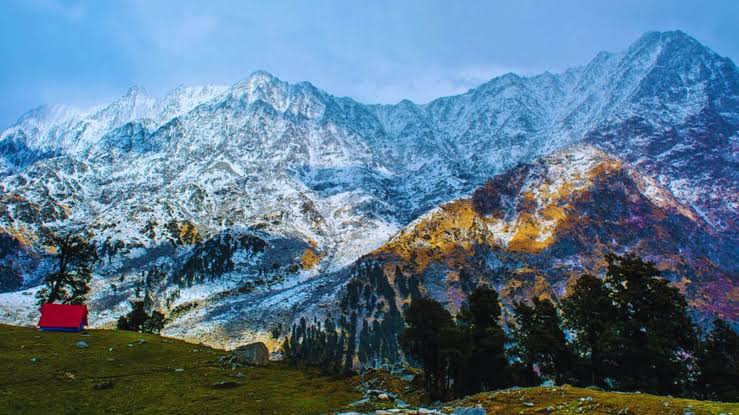
The landscape includes fertile valleys, rivers, forests, tea gardens, agricultural fields and dramatic mountain slopes. The contrast between the green valley and the snow-covered Dhauladhar range is one of Kangra's most recognizable sights.
Kangra Valley
The Kangra Valley is a broad and fertile Himalayan valley surrounded by mountains. Agriculture, villages, temples and tea gardens are spread across the valley.
Dhauladhar Range
The Dhauladhar mountains rise dramatically above Kangra Valley. Their snow-covered peaks provide a spectacular backdrop to towns such as Dharamshala and Palampur.
Beas River
The Beas River is an important geographical feature of the wider Kangra region. It supports agriculture and creates scenic river valleys across parts of the district.
Pong Dam Lake
Pong Dam Lake, also known as Maharana Pratap Sagar, is a large reservoir on the Beas River. Its wetlands are particularly important for migratory birds and make the area an excellent destination for bird watching.
Forests of Kangra
Kangra contains forests of pine, deodar, oak and other Himalayan vegetation. These forests support birds and wildlife while also providing scenic trekking and walking environments.
Climate
Kangra experiences different weather conditions depending on elevation. The valley can become warm during summer, while higher areas remain cooler. Monsoon brings significant rainfall and greenery, while winter brings colder temperatures and snow to higher mountains.
Culture and Traditions
Kangra has a rich cultural identity shaped by Hindu traditions, Katoch history, Himalayan village life, Buddhist influences and the artistic traditions of the Kangra Valley.
Kangri Language
Kangri is one of the important regional languages of the Kangra Valley. Hindi is widely understood and used throughout the region, while English is common in tourism and education.
Himachali Folk Music
Traditional folk music is an important part of festivals, weddings and community celebrations. Local songs often reflect religious stories, seasonal traditions and everyday village life.
Nati Dance
Nati is one of Himachal Pradesh's best-known folk dances and is performed during festivals and cultural events. Group performances accompanied by traditional music are an important part of local celebrations.
Traditional Clothing
Himachali caps, woollen shawls, traditional dresses and locally produced textiles are part of Kangra's cultural identity. Traditional clothing is especially visible during festivals, weddings and religious events.
Village Traditions
Village life remains an important part of Kangra's culture. Agriculture, temples, family celebrations, local fairs and community gatherings continue to shape everyday life in the valley.
Tibetan Cultural Influence
The Dharamshala and McLeod Ganj area has a strong Tibetan cultural influence. Buddhist monasteries, Tibetan cuisine, handicrafts, religious ceremonies and cultural institutions have become an important part of the wider Kangra region.
Architecture
Kangra's architecture reflects its royal history, religious traditions and colonial past. The region contains forts, ancient temples, rock-cut monuments, monasteries and traditional Himalayan buildings.
Kangra Fort
Kangra Fort is the region's most important historic fort. Its massive stone walls, gateways, temples and hilltop position demonstrate the military and architectural importance of the former Kangra kingdom.
Masroor Rock-Cut Temples
The Masroor Rock-Cut Temples are an extraordinary group of temples carved directly from a single sandstone rock formation. Their architecture makes them one of the most important archaeological attractions in Himachal Pradesh.
Brajeshwari Devi Temple
Brajeshwari Devi Temple in Kangra town is an important Hindu temple associated with the Shakti tradition. The temple has been rebuilt and restored several times following earthquakes and other historical events.
Baijnath Temple
Baijnath Temple is a historic Shiva temple known for its traditional stone architecture and religious importance. The temple's location against the Dhauladhar landscape adds to its visual appeal.
Chamunda Devi Temple
Chamunda Devi Temple is an important religious site situated near the Baner River. Its mountain surroundings and traditional architecture make it both a spiritual and scenic destination.
Tibetan Monasteries
The monasteries of Dharamshala and McLeod Ganj represent a different architectural and cultural tradition. Their prayer halls, stupas, murals and Buddhist symbols reflect Tibetan Himalayan heritage.
Famous Places
Kangra Fort
Kangra Fort is the most famous historical attraction in the region. Built by the Katoch dynasty, the fort stands above the confluence of the Banganga and Manjhi rivers and offers impressive views of the surrounding valley.
Brajeshwari Devi Temple
Also known as Kangra Devi Temple, this sacred temple is one of the most important pilgrimage sites in Kangra. It attracts devotees throughout the year and becomes particularly busy during Navratri.
Masroor Rock-Cut Temples
Masroor is famous for its remarkable monolithic temples carved from natural rock. The surrounding fields and views of the Dhauladhar mountains make the site especially attractive for photography.
Jwala Ji Temple
Jwala Ji Temple is one of the most famous pilgrimage destinations in Himachal Pradesh. It is known for naturally occurring flames that devotees worship as manifestations of Goddess Shakti.
Chamunda Devi Temple
Chamunda Devi Temple is dedicated to Goddess Chamunda and stands beside the Baner River. The peaceful river and mountain setting make it an important spiritual and scenic destination.
Baijnath Temple
Baijnath Temple is a historic temple dedicated to Lord Shiva. Its stone architecture and long religious history make it an important destination for pilgrims and heritage travellers.
Dharamshala
Dharamshala is a major mountain destination in the Kangra region. It is known for Dhauladhar views, Tibetan culture, monasteries, temples, cafes and access to several trekking routes.
McLeod Ganj
McLeod Ganj is famous for Tibetan Buddhist culture, monasteries, cafes, handicrafts and mountain views. It is one of the most internationally recognized destinations in Himachal Pradesh.
Palampur
Palampur is known for its tea gardens, pine forests and spectacular views of the Dhauladhar range. It is a peaceful destination for visitors interested in nature and tea tourism.
Bir Billing
Bir Billing is internationally known for paragliding. The combination of mountain landscapes, Tibetan culture, cafes and adventure activities makes it one of the most popular destinations in the wider Kangra region.
Pong Dam Lake
Pong Dam Lake is a major wetland and bird-watching destination. The reservoir attracts large numbers of migratory birds during winter.
Kareri Lake
Kareri Lake is a high-altitude freshwater lake in the Dhauladhar range. The trek to the lake passes through forests, streams and mountain villages and is popular with experienced trekkers.
Triund
Triund is one of the most popular trekking destinations near Dharamshala. Its grassy ridge provides panoramic views of the Dhauladhar mountains and Kangra Valley.
Andretta
Andretta is a small artistic village known for pottery, theatre and creative traditions. It is particularly interesting for travellers who want to explore Kangra's artistic side.
Famous Dishes
Kangra's cuisine combines traditional Himachali food with Punjabi, North Indian and Tibetan influences. Visitors can experience traditional mountain dishes as well as tea, bakery products and Tibetan street food.
Dham
Dham is a traditional Himachali feast prepared for weddings, festivals and important celebrations. It consists of several vegetarian dishes traditionally served as a community meal.
Chana Madra
Chana Madra is a popular Himachali dish made with chickpeas cooked in a rich yoghurt-based gravy and aromatic spices. It is one of the dishes visitors should try when exploring traditional Kangra cuisine.
Rajma Madra
Rajma Madra is prepared using kidney beans cooked in a creamy yoghurt-based gravy. It is a comforting Himachali dish that is commonly served with rice.
Siddu
Siddu is a steamed wheat-based bread made with fermented dough and filled with ingredients such as walnuts or poppy seeds. It is traditionally enjoyed with ghee, dal or chutney.
Babru
Babru is a fried wheat-based bread traditionally filled with black gram. It is a popular Himachali snack and is often served with chutney or other accompaniments.
Patande
Patande are thin pancakes commonly eaten as breakfast or a snack in Himachal Pradesh. They are simple, filling and associated with traditional mountain cooking.
Kangra Tea
Kangra tea is one of the region's most distinctive products. Both green and black tea are produced in the valley, with the tea gardens around Palampur being particularly famous.
Momos
Momos are extremely popular in Dharamshala and McLeod Ganj because of the strong Tibetan cultural influence in the area. These steamed dumplings are usually served with spicy chutney.
Thukpa
Thukpa is a Tibetan noodle soup commonly found in Dharamshala and McLeod Ganj. It is particularly enjoyable during the colder months.
Famous Personalities
Maharaja Sansar Chand
Maharaja Sansar Chand was one of the most important Katoch rulers of Kangra. He was a major patron of art and culture and played an important role in the development of Kangra miniature painting.
Dalai Lama
The 14th Dalai Lama has a strong connection with Dharamshala, where he has lived since arriving in India in 1959. His presence has made Dharamshala and McLeod Ganj an internationally important centre of Tibetan Buddhist culture.
Norbulingka Artists and Tibetan Cultural Figures
Dharamshala has become home to many Tibetan artists, writers, scholars and cultural practitioners. Their work has helped preserve Tibetan art, literature, crafts and religious traditions in the region.
G.S. Raghavan
The wider Kangra region has attracted writers, historians and artists because of its rich cultural and natural heritage. Kangra's history and miniature painting tradition have been documented extensively by scholars and art historians.
Captain Vikram Batra
Captain Vikram Batra was a Param Vir Chakra recipient from Himachal Pradesh and is remembered for his bravery during the Kargil War. His legacy is honoured throughout the state and represents Himachal Pradesh's strong connection with India's armed forces.
Festivals
Navratri
Navratri is one of the most important festival periods in Kangra because of the region's famous temples. Brajeshwari Devi, Jwala Ji and Chamunda Devi temples receive large numbers of devotees during the festival.
Shivratri
Maha Shivratri is celebrated with special importance at Shiva temples such as Baijnath and other shrines throughout the Kangra region. Devotees participate in prayers, temple ceremonies and religious gatherings.
Minjar Fair
The Minjar Fair is one of the major cultural celebrations of the wider Kangra region and is traditionally associated with Chamba. The festival reflects the broader cultural traditions shared across Himachal Pradesh.
Losar
Losar is the Tibetan New Year and is celebrated by Tibetan communities in Dharamshala and McLeod Ganj. Monasteries hold religious ceremonies, while cultural programmes and traditional activities take place throughout the community.
Buddha Purnima
Buddha Purnima is observed at Buddhist monasteries and Tibetan religious centres around Dharamshala. Prayer ceremonies and religious gatherings mark the occasion.
International Himalayan Festival
The International Himalayan Festival in Dharamshala celebrates Himalayan culture through music, dance, traditional performances and cultural programmes. It provides visitors with an opportunity to experience the diversity of Himalayan communities.
Local Temple Fairs
Many temples and villages across Kangra organize annual fairs dedicated to local deities. These events often include religious ceremonies, music, traditional food and local markets.
Things to Do
Explore Kangra Fort
Walk through the historic gateways, temple remains and stone structures of Kangra Fort while enjoying views of the surrounding valley.
Visit Ancient Temples
Explore Brajeshwari Devi, Jwala Ji, Chamunda Devi and Baijnath to experience the religious and architectural heritage of the region.
Discover Masroor Temples
Visit the extraordinary rock-cut temples of Masroor and combine the heritage experience with views of the surrounding countryside.
Drink Kangra Tea
Visit the tea-growing areas around Palampur and experience one of the region's most distinctive agricultural products.
Explore Dharamshala and McLeod Ganj
Discover Tibetan monasteries, markets, cafes, cultural centres and mountain viewpoints around Dharamshala and McLeod Ganj.
Trek to Triund
Triund is an accessible Himalayan trek for travellers who want spectacular mountain views without committing to a very long expedition.
Trek to Kareri Lake
Travellers looking for a more demanding mountain experience can explore the Kareri Lake trail through forests, villages and high-altitude landscapes.
Go Paragliding in Bir Billing
Experience tandem paragliding over the Kangra landscape with an authorized operator in Bir Billing, one of India's most famous flying destinations.
Go Bird Watching at Pong Dam
Winter visitors can explore the wetlands around Pong Dam Lake and observe migratory and resident bird species.
Explore Andretta
Visit pottery studios and explore the artistic heritage of Andretta, a village known for ceramics and creative traditions.
Enjoy Mountain Photography
Kangra offers excellent photography opportunities ranging from forts and temples to tea gardens, villages, rivers, Tibetan culture and snow-covered Dhauladhar peaks.
Where to Eat, Shop, and Stay
Where to Eat in Kangra
Kangra town has local restaurants serving North Indian and Himachali food. Dharamshala and McLeod Ganj provide a much wider choice of Tibetan, Indian and international cuisine.
Food in McLeod Ganj
McLeod Ganj is particularly popular for Tibetan food such as momos and thukpa. Cafes and restaurants also serve Indian, Israeli, European and other international dishes.
Food in Palampur
Palampur has restaurants and cafes where visitors can enjoy local meals, tea and North Indian food while exploring the surrounding tea gardens.
Where to Shop in Kangra
Local markets offer tea, woollen products, Himachali caps, handicrafts, religious items and regional food products.
Shopping in McLeod Ganj
McLeod Ganj is known for Tibetan handicrafts, prayer flags, Buddhist artwork, woollens, jewellery, books and traditional products.
Kangra Tea Shopping
Tea estates and local shops around Palampur provide opportunities to purchase Kangra green and black tea directly or through regional sellers.
Budget Stays
Budget accommodation is available in Kangra town, Dharamshala, McLeod Ganj, Bir and Palampur. Hostels, guesthouses and simple hotels are useful for backpackers and budget travellers.
Mid-Range Stays
Mid-range hotels and guesthouses are widely available in Dharamshala, Palampur and Bir. These are suitable for travellers who want comfortable accommodation without choosing a luxury property.
Luxury Stays
Luxury resorts and heritage-style properties are available in parts of Dharamshala, Palampur and the wider Kangra Valley. Some offer mountain views, gardens and wellness facilities.
What is Kangra Famous For?
Kangra is famous for **Kangra Fort, Brajeshwari Devi Temple, Masroor Rock-Cut Temples, Jwala Ji Temple, Kangra miniature paintings, Kangra tea and the Dhauladhar mountains**.
The wider region is also famous for **Dharamshala, McLeod Ganj, Tibetan culture, Bir Billing paragliding, Palampur tea gardens, Triund trekking, Pong Dam bird watching and traditional Himachali food**.
Kangra's combination of ancient history, spirituality, art, mountain landscapes and living cultural traditions makes it one of the most diverse destinations in Himachal Pradesh.
Best Time to Visit
March to June
Spring and early summer are excellent for sightseeing, temple visits, tea gardens, trekking and exploring the Kangra Valley. The weather is generally more comfortable than the plains.
July to September
The monsoon season brings heavy rainfall and lush greenery to Kangra. Waterfalls and forests become attractive, but landslides and road disruptions can occur in mountain areas.
October to November
Autumn offers cooler temperatures and clearer mountain views. This is an excellent period for sightseeing, photography and trekking.
December to February
Winter is ideal for travellers who enjoy cold weather and want to see snow in higher parts of the Dhauladhar range. Dharamshala and surrounding mountain areas can become particularly scenic during clear winter days.
Best Time for Bird Watching
Winter is particularly good for visiting Pong Dam Lake because migratory birds arrive at the wetland during this period.
Best Time for Paragliding
Paragliding in Bir Billing depends on weather and flying conditions. Autumn and spring are generally popular periods, but visitors should always check current conditions with authorized operators.
How to Reach
Kangra by Air
Kangra Airport, also known as Gaggal Airport, serves the Kangra and Dharamshala region. It is the most convenient airport for travellers flying directly into the area, subject to current flight schedules.
Kangra by Train
The Kangra Valley Railway provides narrow-gauge railway services through parts of the valley. Pathankot is the major railway connection for travellers arriving by India's broader rail network.
Kangra by Road
Road travel is one of the easiest ways to explore Kangra. Buses, taxis and private vehicles connect Kangra with Dharamshala, Palampur, Pathankot, Mandi, Shimla and other parts of Himachal Pradesh.
Travelling Around Kangra
Local buses are useful for budget travellers, while taxis and private vehicles provide greater flexibility when visiting multiple temples, villages and mountain destinations.
Nearby Places
Dharamshala
Dharamshala is one of the most popular destinations near Kangra and is known for Dhauladhar views, Tibetan culture, monasteries, cafes and trekking.
McLeod Ganj
McLeod Ganj is a major Tibetan cultural centre with monasteries, markets, restaurants, cafes and access to mountain trails.
Palampur
Palampur is famous for tea gardens, pine forests and spectacular views of the Dhauladhar mountains.
Bir Billing
Bir Billing is a world-famous paragliding destination and is also known for Tibetan monasteries, cafes and peaceful mountain surroundings.
Jwalamukhi
Jwalamukhi is a major pilgrimage destination famous for the Jwala Ji Temple and its naturally occurring sacred flames.
Baijnath
Baijnath is known for its historic Shiva temple and traditional stone architecture. It is an excellent destination for travellers interested in religious heritage.
Andretta
Andretta is worth visiting for its pottery, artistic heritage and peaceful village atmosphere.
Pong Dam Lake
Pong Dam Lake is an important wetland destination and is particularly rewarding for bird watchers during winter.
Best Duration for a Trip
1 Day
One day is suitable for exploring Kangra town, Kangra Fort and Brajeshwari Devi Temple. Travellers can also visit one nearby attraction if time allows.
2 Days
Two days allow visitors to combine Kangra Fort and temples with Masroor or another nearby destination.
3 Days
Three days provide a comfortable introduction to Kangra's history, temples, food and surrounding landscapes.
4 to 5 Days
Four to five days are better for travellers who want to combine Kangra with Dharamshala, McLeod Ganj, Palampur or Bir Billing.
6 to 7 Days
A week allows travellers to explore the wider Kangra region without rushing, including temples, heritage sites, tea gardens, Tibetan culture and mountain activities.
Travel Tips
Check Weather Conditions
Mountain weather can change quickly. Check weather and road conditions before travelling, especially during monsoon and winter.
Book Accommodation in Advance
Dharamshala, McLeod Ganj, Palampur and Bir can become busy during holidays and peak travel seasons. Advance booking is recommended during popular periods.
Carry Comfortable Shoes
Many attractions involve stairs, walking or uneven terrain. Comfortable footwear is particularly useful for forts, temples and trekking routes.
Dress Respectfully at Temples
Visitors should wear appropriate clothing at temples and religious sites and follow local rules regarding footwear, photography and offerings.
Respect Monasteries
When visiting Buddhist monasteries, maintain quiet surroundings and follow instructions regarding photography and religious spaces.
Prepare for Mountain Roads
Road journeys can take longer than expected because of winding mountain roads, traffic and weather conditions. Avoid planning overly tight itineraries.
Carry Cash
Digital payments are common in major towns, but carrying some cash is useful when visiting villages, smaller markets and remote religious destinations.
Protect the Environment
Avoid littering in forests, rivers, trekking routes and mountain villages. Carry reusable water bottles and dispose of waste responsibly.
Use Authorized Adventure Operators
For paragliding, trekking and other adventure activities, use authorized operators and follow their safety instructions. Weather conditions should always be checked before participating.
Respect Local Culture
Ask permission before photographing people, avoid disturbing religious ceremonies and respect the customs of local villages and communities.
Why Visit Kangra?
Kangra is worth visiting because few Himalayan destinations combine such a wide range of experiences in one region. Ancient forts and temples stand alongside tea gardens, forests, rivers and dramatic mountain landscapes.
The region is also unique because its cultural identity includes the heritage of the Katoch dynasty, Kangra miniature painting, traditional Himachali culture and the strong Tibetan influence of Dharamshala and McLeod Ganj.
For adventure travellers, Kangra offers trekking and paragliding. For pilgrims, it offers some of Himachal Pradesh's most important temples. For history lovers, it provides forts and archaeological sites. For food lovers, it offers Himachali and Tibetan cuisine. For nature lovers, it provides forests, tea gardens, wetlands and the Dhauladhar mountains.
Conclusion
Kangra is a destination where the history of ancient Himalayan kingdoms meets the beauty of the modern mountain landscape. From the massive walls of Kangra Fort and the sacred temples of the valley to the tea gardens of Palampur, Tibetan culture of McLeod Ganj and adventure of Bir Billing, the region offers an exceptionally diverse travel experience.
Whether you visit Kangra for its temples, history, art, food, mountains, wildlife, trekking or peaceful village landscapes, the region offers plenty to discover. A well-planned Kangra trip can provide not only beautiful scenery but also a deeper understanding of the culture and heritage of Himachal Pradesh.
"Travel is the only thing you buy that makes you richer."