Explore Himachal Pradesh
Discover Himachal Pradesh
Cities of Himachal Pradesh
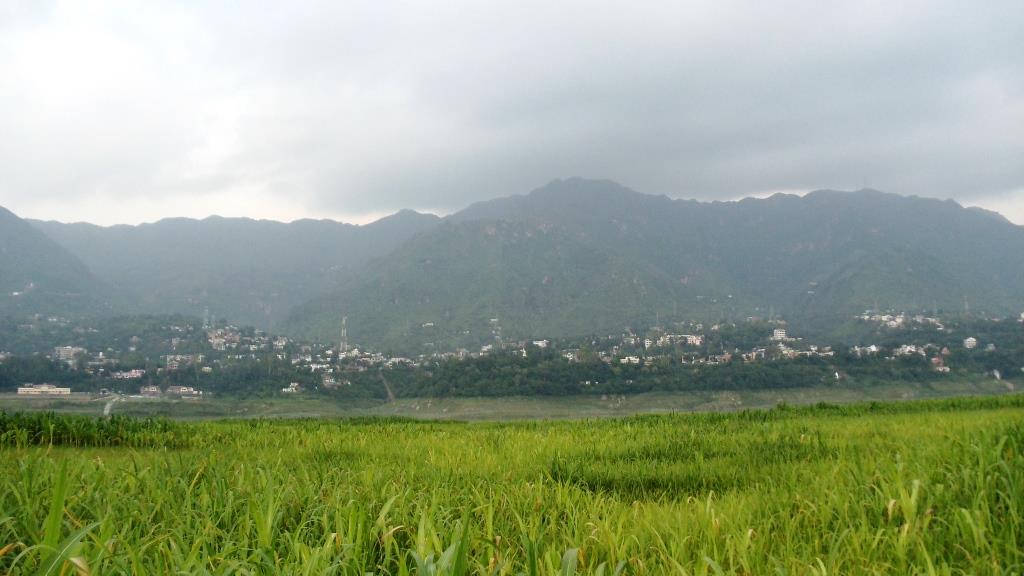
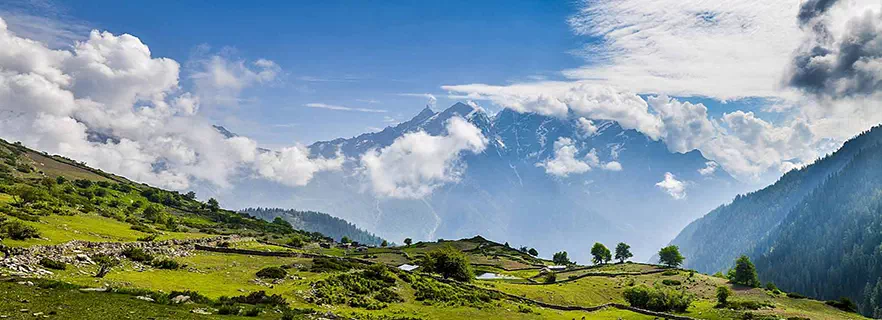
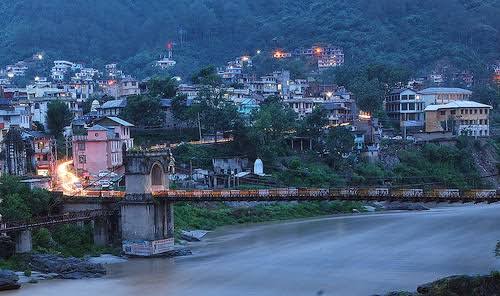
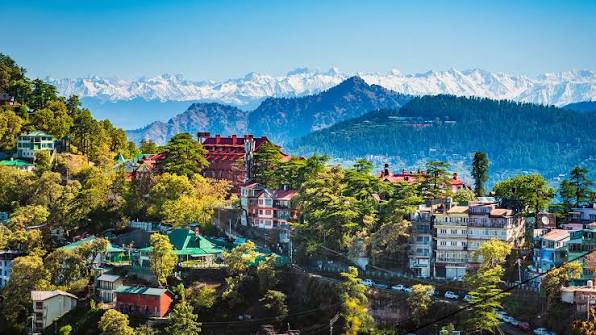
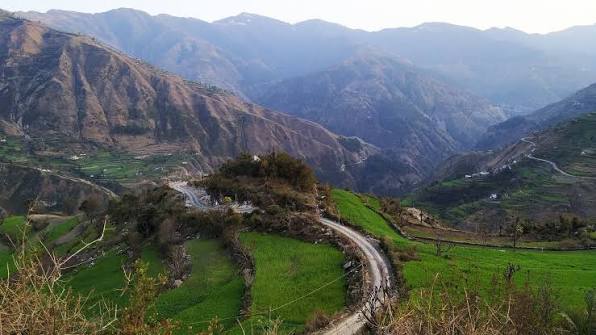
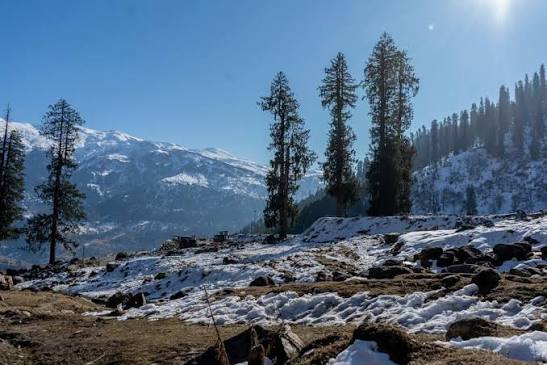
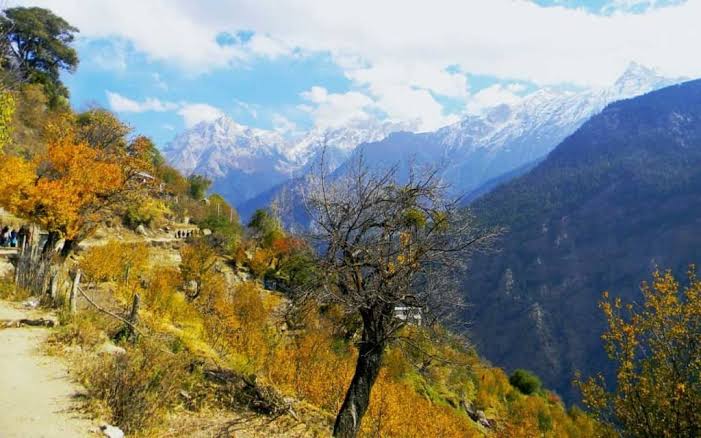
Himachal Pradesh – Where Snowy Mountains, Peaceful Valleys and Living Himalayan Culture Meet
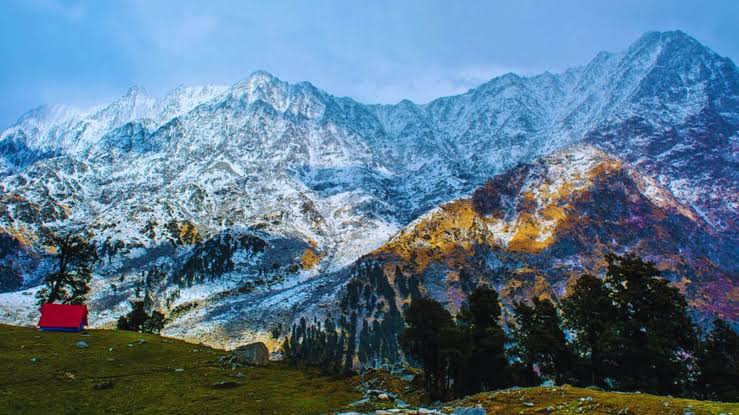
Himachal Pradesh is one of India's most beautiful Himalayan destinations, famous for its snow-covered mountains, green valleys, forests, rivers, hill stations, ancient temples, monasteries and vibrant mountain culture. The state offers a remarkable combination of peaceful landscapes and outdoor adventure.
From the colonial charm of Shimla and the mountain landscapes of Manali to the Buddhist culture of Spiti and Lahaul, the traditional villages of Kinnaur, the temples of Kullu and Chamba and the Tibetan heritage of Dharamshala and McLeod Ganj, Himachal Pradesh offers something for almost every traveller.
History of Himachal Pradesh
The history of Himachal Pradesh has been shaped by ancient Himalayan kingdoms, Rajput dynasties, Buddhist traditions, Sikh influences, Tibetan culture and British colonial rule.
Ancient Himalayan Settlements
The valleys and mountain regions of Himachal Pradesh have been inhabited for thousands of years. Ancient communities developed distinctive agricultural, religious and architectural traditions adapted to the Himalayan environment.
Tribal and Himalayan Kingdoms
Different parts of present-day Himachal were historically controlled by small hill kingdoms and tribal communities. Their traditions continue to influence local culture, architecture and festivals.
Rajput Kingdoms
Several Rajput dynasties established hill states across regions such as Kangra, Chamba, Sirmaur, Mandi and Bilaspur.
Kangra Kingdom
The historic Kangra kingdom became one of the most important political powers in the western Himalayas. Kangra Fort and the region's temples reflect its long history.
Chamba Kingdom
Chamba developed as an important hill kingdom and became known for its temples, miniature paintings, handicrafts and distinctive cultural traditions.
Kullu Kingdom
The Kullu Valley developed under local rulers and became famous for its temples, traditional festivals and distinctive mountain culture.
Gorkha Expansion
During the early nineteenth century, Gorkha forces expanded into parts of the western Himalayas. Their expansion brought them into conflict with local hill states and eventually with the British.
Sikh Influence
The Sikh Empire under Maharaja Ranjit Singh became influential in parts of the western Himalayan region during the nineteenth century.
British Period
After the Anglo-Gorkha War, British influence expanded across the hill states. Shimla later became the summer capital of British India, giving the city enormous historical and architectural importance.
Shimla as the Summer Capital
Shimla developed into an important colonial administrative centre. British-era churches, government buildings, hotels and residences transformed the town's architecture and identity.
Formation of Himachal Pradesh
Himachal Pradesh was established as a centrally administered territory in 1948 and gradually expanded through the integration of neighbouring hill areas. It became a full state of India in 1971.
Geography of Himachal Pradesh
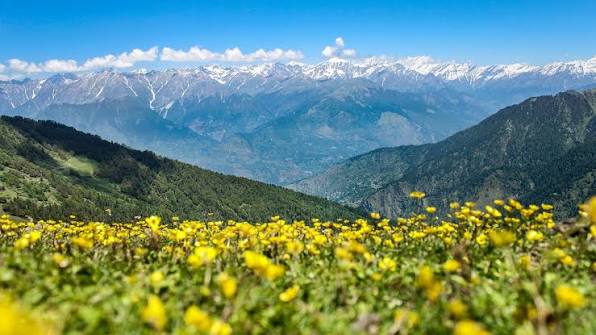
Himachal Pradesh occupies a large section of the western Himalayas and contains an extraordinary variety of mountains, valleys, glaciers, rivers, forests, alpine meadows and high-altitude deserts.
Western Himalayas
The state lies in the western Himalayan region and contains mountain ranges with dramatically different landscapes and elevations.
Dhauladhar Range
The Dhauladhar range dominates parts of Kangra and surrounds destinations such as Dharamshala and McLeod Ganj with spectacular mountain scenery.
Pir Panjal Range
The Pir Panjal range influences the landscapes of Kullu, Manali and neighbouring Himalayan valleys.
Great Himalayan Range
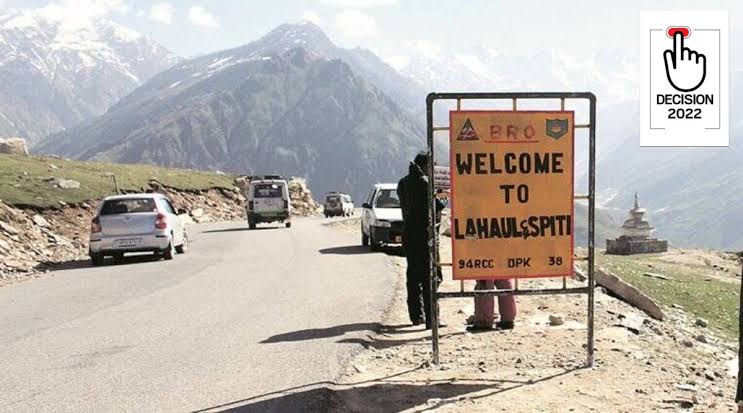
Higher Himalayan mountains create the dramatic landscapes found in Kinnaur, Lahaul and Spiti.
Spiti Valley
Spiti is a high-altitude cold desert known for barren mountains, deep valleys, ancient monasteries and some of the most dramatic landscapes in Himachal Pradesh.
Kinnaur
Kinnaur combines high mountains, apple orchards, river valleys, forests and distinctive Himalayan villages.
Rivers
Major rivers including the Sutlej, Beas, Ravi, Chenab and Yamuna shape the state's valleys and support agriculture, hydropower and local communities.
Glaciers
The higher Himalayan regions contain glaciers and snowfields that contribute to several important river systems.
Forests
Himachal Pradesh has forests ranging from subtropical vegetation to temperate coniferous forests and high-altitude alpine landscapes.
Wildlife
The state's forests support Himalayan species such as the snow leopard, Himalayan black bear, musk deer, monal, goral and several other mammals and birds.
Climate
The climate changes considerably with altitude. Lower valleys can have warm summers, while higher areas experience long, cold winters with heavy snowfall.
Culture and Traditions
Himachal Pradesh has a diverse cultural identity influenced by Himalayan communities, Hindu traditions, Buddhist culture, Tibetan influences and ancient hill kingdoms.
Himachali Culture
Local culture is visible through traditional clothing, temples, village architecture, folk music, dances, festivals, handicrafts and food.
Local Languages
Hindi is widely understood, while numerous Pahari languages and dialects are spoken across different districts and communities.
Traditional Clothing
Traditional Himachali clothing varies between regions and communities. Woollen garments, colourful caps, shawls and distinctive jewellery are particularly common in mountain areas.
Himachali Caps
The traditional Himachali cap has become an iconic symbol of the state's mountain identity, with designs and colours varying between regions.
Woollen Crafts
Wool is an important traditional material in Himachal Pradesh. Shawls, blankets, caps, socks and other woollen products are produced across several mountain regions.
Kullu Shawls
Kullu is famous for handwoven woollen shawls featuring traditional patterns and colourful borders.
Kinnauri Shawls
Kinnauri shawls are known for intricate designs and traditional geometric patterns and are an important part of Kinnaur's textile heritage.
Chamba Rumal
Chamba Rumal is a traditional embroidered textile associated with Chamba. Its detailed embroidery often depicts religious and cultural themes.
Folk Music
Traditional songs are performed during festivals, weddings, religious ceremonies and community gatherings. Instruments such as drums, flutes and string instruments accompany many performances.
Folk Dance
Nati is one of Himachal Pradesh's best-known traditional dance forms. Different regions also have their own local dances and performance traditions.
Temple Traditions
Village temples remain important centres of community life. Religious processions, seasonal fairs and local deity traditions are particularly significant in districts such as Kullu, Mandi, Chamba and Shimla.
Buddhist Culture
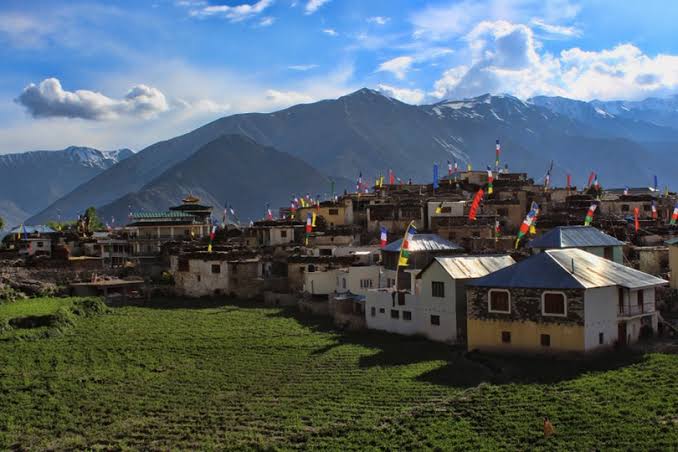
Buddhist traditions are particularly strong in Lahaul, Spiti and parts of Kinnaur, where ancient monasteries and mountain villages preserve Tibetan Buddhist practices.
Tibetan Culture
Dharamshala and McLeod Ganj are internationally known for Tibetan culture, monasteries, handicrafts, cuisine and spiritual traditions.
Architecture of Himachal Pradesh
Himachal Pradesh has a distinctive architectural heritage that combines wooden temples, stone structures, hill forts, colonial buildings, monasteries and traditional mountain houses.
Kath-Kuni Architecture
Kath-Kuni is a traditional Himalayan construction technique that combines layers of timber and stone. It provides strength and insulation suited to mountain conditions.
Wooden Temples
Many traditional temples use intricately carved wood for doors, pillars, balconies and roofs.
Kangra Fort
Kangra Fort is one of the state's most important historic structures and reflects the long military and political history of the Kangra region.
Chamba Temples
Chamba contains several historic temples displaying distinctive Himalayan and North Indian architectural traditions.
Colonial Architecture
Shimla contains numerous British-era buildings featuring Gothic, Tudor, Victorian and Himalayan adaptations.
Viceregal Lodge
The former Viceregal Lodge in Shimla is an impressive colonial-era building and an important landmark in the history of British India.
Himalayan Houses
Traditional houses use locally available stone and timber and are designed to withstand cold weather, snowfall and the steep Himalayan terrain.
Buddhist Monasteries
Monasteries in Spiti, Lahaul and Dharamshala combine Tibetan Buddhist architecture with dramatic mountain settings.
Famous Places in Himachal Pradesh
Shimla
Shimla is the state capital and one of India's most famous hill stations. It is known for the Ridge, Mall Road, colonial architecture, temples and panoramic Himalayan views.
Manali
Manali is a popular mountain destination known for valleys, rivers, forests, temples, adventure activities and access to higher Himalayan landscapes.
Dharamshala
Dharamshala is famous for its Himalayan scenery, Tibetan culture, monasteries and proximity to the Dhauladhar mountains.
McLeod Ganj
McLeod Ganj is a major centre of Tibetan culture and spirituality, known for monasteries, cafés, handicrafts and mountain views.
Kullu
Kullu is known for its valley landscapes, temples, Dussehra celebrations, traditional shawls and access to surrounding Himalayan destinations.
Kasol
Kasol is a popular Parvati Valley destination known for mountain scenery, riverside walks, cafés, trekking routes and nearby villages.
Malana
Malana is a remote Himalayan village known for its distinctive social traditions, architecture and dramatic mountain surroundings.
Spiti Valley
Spiti is a high-altitude cold desert famous for monasteries, rugged mountains, ancient villages, clear skies and extraordinary landscapes.
Kaza
Kaza is the main town of Spiti Valley and an important base for exploring monasteries, villages, trekking routes and high-altitude attractions.
Key Monastery
Key Monastery is one of Spiti's most famous Buddhist monasteries and sits dramatically on a hill overlooking the Spiti River valley.
Tabo
Tabo is known for its ancient monastery complex, caves and remarkable Buddhist murals and sculptures.
Kinnaur
Kinnaur is famous for high mountains, apple orchards, temples, Buddhist monasteries, traditional villages and Kinnauri handicrafts.
Sangla Valley
Sangla is a beautiful Kinnaur valley known for mountain scenery, orchards, traditional villages and views of the surrounding peaks.
Kalpa
Kalpa is a scenic Kinnaur destination known for Himalayan views, apple orchards, temples and traditional wooden architecture.
Chitkul
Chitkul is a picturesque high-altitude village in Kinnaur known for its traditional houses, mountain landscapes and remote location.
Chamba
Chamba is famous for historic temples, miniature paintings, traditional handicrafts and the scenic Ravi River valley.
Khajjiar
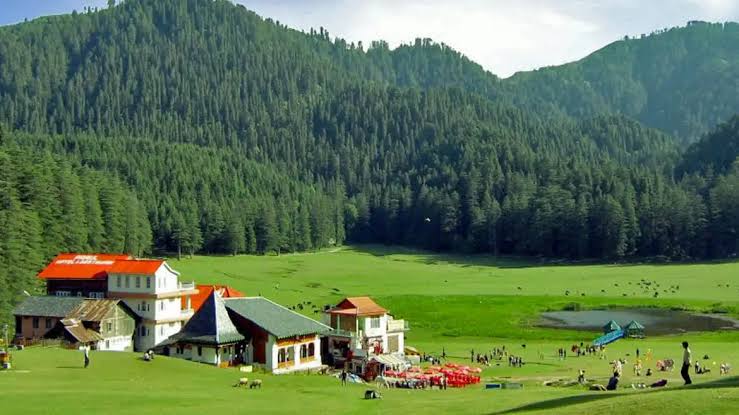
Khajjiar is a beautiful meadow surrounded by cedar forests and mountains and is often called the "Mini Switzerland of India."
Mandi
Mandi is known for its ancient temples, riverside setting, traditional architecture and important Shivratri celebrations.
Bir Billing
Bir Billing is one of India's leading paragliding destinations and combines adventure sports with Tibetan monasteries and peaceful mountain landscapes.
Palampur
Palampur is known for tea gardens, pine forests, mountain views and a relaxed Himalayan atmosphere.
Dalhousie
Dalhousie is a colonial-era hill station known for pine forests, old churches, mountain views and access to Khajjiar.
Kasol and Parvati Valley
The Parvati Valley offers trekking routes, riverside villages, forests and mountain experiences popular with younger travellers and backpackers.
Great Himalayan National Park
The Great Himalayan National Park is a UNESCO World Heritage Site known for alpine landscapes, forests and rich Himalayan biodiversity.
Pin Valley National Park
Pin Valley National Park protects the unique cold-desert ecosystem of Spiti and provides habitat for species adapted to high-altitude environments.
Great Himalayan National Park
The protected area around the Great Himalayan National Park contains forests, alpine meadows, rivers and habitats supporting rare Himalayan wildlife.
Famous Dishes of Himachal Pradesh
Himachali cuisine is shaped by the mountain climate and traditional village life. It includes hearty meals, pulses, grains, vegetables, dairy products and festive preparations.
Dhaam
Dhaam is a traditional Himachali feast served during weddings, festivals and special occasions. It consists of several vegetarian dishes prepared in traditional ways.
Madra
Madra is a rich yogurt-based dish made with chickpeas, kidney beans or other pulses and flavoured with traditional spices.
Chana Madra
Chana madra is a popular Himachali preparation made with chickpeas cooked in a creamy yogurt-based gravy.
Rajma Madra
Rajma madra combines kidney beans with a rich yogurt and spice-based gravy and is a popular mountain meal.
Tudkiya Bhath
Tudkiya bhath is a traditional rice dish prepared with lentils, potatoes, spices and other ingredients.
Siddu
Siddu is a traditional steamed wheat-based bread filled with ingredients such as walnuts, pulses or other regional fillings and is particularly popular in mountain areas.
Babru
Babru is a Himachali fried snack made from wheat dough filled with a spiced pulse mixture.
Aktori
Aktori is a traditional buckwheat-based preparation associated with the high-altitude regions of Himachal Pradesh.
Thukpa
Thukpa is a noodle soup widely enjoyed in Himalayan and Tibetan communities, particularly in Lahaul, Spiti and Dharamshala.
Momos
Momos have become extremely popular across Himachal Pradesh, particularly in Tibetan-influenced destinations such as McLeod Ganj, Manali and Spiti.
Chha Gosht
Chha gosht is a traditional Himachali mutton preparation cooked with yogurt and aromatic spices.
Mittha
Mittha is a traditional sweet rice preparation often served during special occasions and festive meals.
Kullu Trout
Trout is associated with the cold mountain rivers of Himachal Pradesh and is particularly popular around Kullu and nearby valleys.
Himachali Tea
Tea is an important part of everyday mountain life, with different areas offering local preparations and herbal infusions.
Famous Personalities
Yashwant Singh Parmar
Dr. Yashwant Singh Parmar was an important political leader and is regarded as the first Chief Minister of Himachal Pradesh. He played a major role in the state's political development.
Captain Vikram Batra
Captain Vikram Batra, a recipient of the Param Vir Chakra, was born in Palampur. He became widely remembered for his bravery during the Kargil War.
Dalai Lama
The Dalai Lama has a strong association with Dharamshala, which has been home to the Tibetan spiritual leader and the Tibetan government-in-exile since the late 1950s.
Vijay Kumar
Vijay Kumar, an Olympic silver medallist in shooting, was born in Himachal Pradesh and brought recognition to the state through his sporting achievements.
Preity Zinta
Bollywood actor Preity Zinta was born in Shimla and has a strong connection with Himachal Pradesh.
Kangra Miniature Painters
The artists of the historic Kangra painting tradition are celebrated for creating some of India's finest miniature paintings, particularly those depicting Krishna, Radha and themes from Hindu literature.
Local Folk Artists
Himachal Pradesh has a strong tradition of folk singers, dancers, musicians and storytellers who continue to preserve regional cultural heritage.
Festivals of Himachal Pradesh
Kullu Dussehra
Kullu Dussehra is one of Himachal Pradesh's most famous festivals. Local deities from surrounding villages gather in Kullu, creating a spectacular celebration of religion, music and mountain culture.
Minjar Fair
The Minjar Fair in Chamba is one of the state's major traditional festivals. It combines religious ceremonies, processions, music and cultural celebrations.
Mandi Shivratri
Mandi Shivratri is a major religious festival during which numerous local deities gather in the historic temple town of Mandi.
Losar
Losar marks the Tibetan Buddhist New Year and is celebrated in Buddhist communities across Spiti, Lahaul and other Himalayan areas.
Phulaich Festival
Phulaich is a traditional Kinnauri festival associated with flowers, community gatherings, music and local cultural traditions.
Halda Festival
Halda is celebrated in parts of Lahaul and reflects traditional Himalayan community customs, prayers and winter celebrations.
Holi
Holi is celebrated throughout Himachal Pradesh with colours, music, traditional food and community gatherings.
Diwali
Diwali is celebrated with lamps, prayers, sweets, decorations and family gatherings throughout the state.
Navratri
Navratri is especially important in temple towns and regions with strong local deity traditions. Devotees participate in prayers, fairs and religious ceremonies.
Shivratri
Shivratri is celebrated widely across the state, particularly in temple towns such as Mandi and destinations associated with Lord Shiva.
Tribal Festivals
Different tribal communities in Kinnaur, Lahaul-Spiti and other high-altitude areas celebrate distinctive festivals featuring traditional clothing, music, dance and community rituals.
Wildlife of Himachal Pradesh
Himachal Pradesh has diverse ecosystems ranging from subtropical forests to alpine meadows and cold deserts, supporting a wide variety of Himalayan wildlife.
Snow Leopard
The snow leopard is one of the most iconic animals of the high Himalayas and is found in suitable high-altitude habitats of Himachal Pradesh.
Himalayan Monal
The Himalayan monal is the state bird of Himachal Pradesh and is known for its strikingly colourful plumage.
Himalayan Black Bear
Himalayan black bears inhabit forested mountain regions and are an important part of the state's wildlife.
Musk Deer
Musk deer inhabit high-altitude Himalayan forests and are among the more elusive mammals found in the state.
Goral
Goral are agile mountain ungulates adapted to steep rocky terrain and forested Himalayan slopes.
Western Tragopan
The western tragopan is a rare and beautiful Himalayan pheasant found in selected forest habitats of Himachal Pradesh.
Birdwatching
The state's forests, wetlands and mountain valleys provide habitat for numerous resident and migratory bird species.
Things to Do in Himachal Pradesh
Explore Hill Stations
Visit Shimla, Manali, Dalhousie, Dharamshala and other hill stations for mountain scenery, colonial heritage and relaxing holidays.
Trekking
Himachal Pradesh has trekking routes ranging from easy valley walks to demanding high-altitude Himalayan expeditions.
Paragliding
Bir Billing is one of India's most famous destinations for paragliding and attracts adventure enthusiasts from around the world.
Skiing
Destinations such as Solang Valley, Kufri and selected high-altitude areas offer winter sports and snow experiences when conditions are suitable.
River Rafting
The Beas and other Himalayan rivers provide opportunities for river rafting, particularly around Kullu and nearby adventure destinations.
Camping
Mountain valleys, meadows and designated camping areas provide opportunities for peaceful outdoor stays surrounded by Himalayan scenery.
Motorbike and Road Trips
Himachal Pradesh is one of India's most popular road-trip destinations, with routes through Kinnaur, Lahaul, Spiti and other dramatic mountain landscapes.
Temple Visits
Explore ancient temples dedicated to Shiva, Vishnu, Devi and local Himalayan deities across districts such as Chamba, Kangra, Kullu and Mandi.
Monastery Visits
Visit Buddhist monasteries in Spiti, Lahaul and Dharamshala to experience Himalayan Buddhist architecture and spiritual traditions.
Wildlife Safaris
Explore protected areas such as Great Himalayan National Park and Pin Valley National Park for wildlife, birdwatching and nature experiences.
Photography
Snowy peaks, valleys, rivers, forests, monasteries, temples, villages and traditional festivals make Himachal Pradesh an exceptional photography destination.
Apple Orchard Visits
Kinnaur, Shimla and other mountain regions are famous for apple cultivation. During the appropriate season, visitors can experience the agricultural landscapes and orchard culture of the hills.
Tea Garden Visits
Palampur and the Kangra Valley are known for tea gardens where visitors can enjoy scenic views and learn about local tea cultivation.
Village Experiences
Traditional villages provide opportunities to experience Himalayan architecture, local food, handicrafts, farming and everyday mountain life.
Where to Eat, Shop, and Stay
Shimla Mall Road
Shimla's central shopping areas contain restaurants, cafés, bakeries, handicraft shops, woollen stores and souvenir outlets.
Manali Mall Road
Manali's main market is popular for cafés, restaurants, woollens, handicrafts, souvenirs and traditional Himachali products.
McLeod Ganj
McLeod Ganj is particularly good for Tibetan food, cafés, handicrafts, books, prayer items and locally made products.
Kullu Markets
Kullu is an excellent place to shop for woollen shawls, caps, blankets and other traditional textiles.
Kinnaur Handicrafts
Kinnaur offers traditional shawls, caps, woollen products, wooden crafts and regional souvenirs.
Chamba Handicrafts
Chamba is known for traditional textiles, embroidery, miniature paintings, wooden products and other regional crafts.
Palampur Tea
Tea and tea-related products from the Kangra region make popular souvenirs for visitors.
Budget Accommodation
Most major tourist destinations offer budget hotels, hostels, guesthouses and homestays suitable for backpackers and budget travellers.
Mid-Range Accommodation
Shimla, Manali, Dharamshala, Dalhousie, Kullu and other popular destinations offer a wide selection of comfortable mid-range hotels.
Luxury Accommodation
Luxury hotels, resorts and heritage properties are available in destinations such as Shimla, Manali, Dharamshala and selected valley locations.
Mountain Homestays
Homestays are a particularly rewarding option in villages and remote valleys, allowing travellers to experience local food, architecture and everyday Himalayan life.
What is Himachal Pradesh Famous For?
Himachal Pradesh is famous for its Himalayan mountains, Shimla, Manali, Dharamshala, Spiti Valley, Kinnaur, Kullu Dussehra, temples, monasteries, trekking, skiing, paragliding, wildlife and traditional handicrafts.
The state is also known for Kullu and Kinnauri shawls, Chamba Rumal, Kangra paintings, Himachali caps, apple orchards, Kangra tea and traditional Himachali cuisine.
Its high-altitude landscapes are particularly famous for snow-covered peaks, ancient monasteries, remote villages, trekking routes and dramatic mountain roads.
Best Time to Visit Himachal Pradesh
March to June
Spring and early summer are excellent for most hill stations, sightseeing, trekking and road trips. The weather is generally pleasant in many popular destinations.
July to September
Monsoon brings greenery and fresh mountain landscapes, but heavy rainfall can cause landslides and road disruptions in some areas. Travel plans should remain flexible.
October to November
Autumn offers clear skies, pleasant weather and excellent mountain views. It is a particularly good period for photography and road trips.
December to February
Winter is ideal for travellers seeking snow. Shimla, Manali, Kufri and other higher destinations can receive snowfall, while Spiti and high mountain areas experience extreme cold.
Summer in Spiti and Lahaul
Higher Himalayan destinations such as Spiti are particularly accessible during the warmer months, when many high mountain roads become more suitable for travel.
How to Reach Himachal Pradesh
Himachal Pradesh by Air
Himachal Pradesh has airports serving destinations such as Shimla, Kullu and Kangra. Chandigarh and other nearby major airports are also commonly used for reaching different parts of the state.
Himachal Pradesh by Train
The state has limited broad-gauge railway connectivity but is famous for the Kalka-Shimla railway, a UNESCO World Heritage railway known for its scenic mountain journey.
Himachal Pradesh by Road
Road travel is one of the most important ways to explore Himachal Pradesh. Highways and mountain roads connect the state with Punjab, Haryana, Chandigarh, Jammu and Kashmir, Uttarakhand and neighbouring regions.
Travelling Within Himachal Pradesh
Buses, taxis and private vehicles are widely used. For remote mountain destinations, travellers should check road conditions and allow extra time because journeys can take longer than expected.
Nearby States and Travel Connections
Punjab
Punjab provides one of the most common road and rail connections to Himachal Pradesh. Chandigarh and Pathankot are important gateways for several Himalayan destinations.
Haryana
Haryana connects Himachal Pradesh with northern Indian cities through road networks, particularly towards Shimla and other southern hill destinations.
Uttarakhand
Uttarakhand shares Himalayan landscapes and cultural similarities with Himachal Pradesh and can be combined with longer mountain itineraries.
Jammu and Kashmir
The northern Himalayan region connects naturally with Himachal Pradesh through mountain and pilgrimage routes.
Ladakh
Ladakh can be reached from Himachal Pradesh through high-altitude road routes when seasonal conditions allow, making it popular with adventure travellers.
Best Duration for a Himachal Pradesh Trip
3 to 4 Days
A short trip is best focused on one destination such as Shimla, Manali, Dharamshala or Dalhousie.
5 to 7 Days
A week allows travellers to combine nearby destinations such as Shimla and Kufri or Kullu and Manali.
8 to 10 Days
Eight to ten days are suitable for a broader itinerary covering several valleys and hill stations.
10 to 15 Days
A longer trip allows travellers to explore destinations such as Kinnaur, Spiti, Lahaul, Kullu and other remote Himalayan regions.
15 Days or More
Travellers with more time can create a comprehensive Himalayan road trip covering multiple regions while allowing additional time for weather and road conditions.
Travel Tips
Check Weather Before Travelling
Mountain weather can change quickly. Check forecasts and local travel advisories before beginning journeys, particularly during monsoon and winter.
Allow Extra Travel Time
Mountain roads are winding and journeys can take longer than the distance suggests. Avoid planning overly tight itineraries.
Carry Warm Clothing
Temperatures can fall significantly after sunset, even during warmer months in higher areas. Carry suitable layers when travelling into the mountains.
Prepare for Snow
During winter, higher destinations can receive heavy snowfall. Check road conditions and carry appropriate footwear and warm clothing.
Be Careful During Monsoon
Heavy rainfall can cause landslides, road closures and delays. Keep flexible plans during the monsoon season.
Respect Local Culture
Himachal's villages and temples have strong local customs. Dress respectfully and follow local rules when visiting religious and cultural sites.
Follow Temple Rules
Remove footwear where required and follow instructions regarding photography, food and entry into sacred areas.
Respect Monastery Traditions
Maintain silence where appropriate, follow monastery instructions and ask before photographing monks or religious ceremonies.
Carry Cash
Digital payments are common in major towns, but cash remains useful in remote villages, mountain markets and smaller establishments.
Stay Hydrated
Carry sufficient water during trekking, sightseeing and high-altitude journeys.
Travel Carefully at High Altitude
Destinations such as Spiti, Lahaul and high parts of Kinnaur are located at significant elevations. Allow your body time to adjust and avoid rushing into strenuous activities.
Protect the Environment
Carry waste back with you, avoid single-use plastic where possible and do not disturb wildlife, forests, rivers or mountain ecosystems.
Book During Peak Season
Popular destinations such as Shimla and Manali can become extremely busy during summer, Christmas, New Year and major holiday periods. Advance accommodation planning is recommended.
Use Reliable Transport
For long mountain journeys and remote destinations, choose experienced drivers and reliable vehicles suited to Himalayan roads.
Why Visit Himachal Pradesh?
Himachal Pradesh is worth visiting because it combines dramatic Himalayan scenery, adventure, spirituality, history, wildlife and living local traditions in one diverse state.
Travellers can experience completely different landscapes within a single journey: green valleys around Kullu, colonial heritage in Shimla, Tibetan culture in Dharamshala, apple orchards in Kinnaur and the stark high-altitude landscapes of Spiti and Lahaul.
The state is equally rewarding for adventure travellers, families, honeymooners, photographers, pilgrims, backpackers, wildlife enthusiasts and travellers looking for peaceful mountain escapes.
Conclusion
Himachal Pradesh is a destination where snow-covered peaks, peaceful valleys, ancient temples, Buddhist monasteries, forests, rivers, wildlife and vibrant Himalayan traditions come together.
From the colonial streets of Shimla and adventure-filled landscapes of Manali to the remote beauty of Spiti and Kinnaur, every region of Himachal Pradesh offers a different experience.
Whether you are looking for trekking, skiing, paragliding, wildlife, pilgrimage, photography, food, culture, road trips or simply a peaceful escape into the mountains, Himachal Pradesh remains one of India's most rewarding destinations to explore.