Solan, Himachal Pradesh – Complete Travel, Tourism, Culture and Local Guide
Solan is a scenic hill town and the headquarters of Solan district in Himachal Pradesh, located between Chandigarh and Shimla. Set amid the lower Himalayan hills, Solan is known for its pleasant climate, mountain landscapes, temples, colonial heritage, forests, local markets, agriculture and cultural traditions. The town is also widely known as the Mushroom City of India because of its mushroom cultivation and research activities, while its substantial tomato production has earned it the popular identity of the City of Red Gold.
Solan Tourism and Travel Guide
Solan offers a combination of nature, history, spirituality, food, culture and outdoor experiences. Its location on the Kalka-Shimla route makes it an important destination and gateway for travellers exploring Himachal Pradesh. Visitors can explore the town itself or use Solan as a base for nearby destinations such as Kasauli, Chail, Barog, Dagshai, Subathu, Arki and other attractions across the surrounding hills.
Best Places to Visit in Solan
Popular attractions in and around Solan include Shoolini Devi Temple, Jatoli Shiv Temple, Karol Tibba, Barog, Mohan Shakti Heritage Park, Kasauli, Chail, Dagshai, Subathu, Arki and other historical and natural destinations. The wider Solan region offers opportunities for sightseeing, photography, hiking, heritage exploration and nature experiences.
Shoolini Devi Temple
Shoolini Devi Temple is one of the most important religious landmarks in Solan. The town itself takes its name from Goddess Shoolini, the presiding deity of the region. The temple becomes especially significant during the annual Shoolini Fair, when devotees and visitors gather for religious ceremonies and cultural celebrations.
Jatoli Mahadev Temple
Jatoli Mahadev Temple is a prominent Shiva temple located near Solan on the Rajgarh road. Its hilltop setting and religious importance make it a popular destination for pilgrims and visitors interested in the spiritual heritage of the region.
Spiritual Heritage of Solan
Solan and its surrounding areas contain temples, monasteries and other spiritual destinations that reflect the religious diversity of the lower Himalayan region. Visitors can explore these places to experience local traditions, architecture, festivals and peaceful mountain surroundings.
Solan History and Heritage
Solan has a distinctive historical identity shaped by the former princely state of Baghat, British-era cantonments, trade routes and the development of the Kalka-Shimla railway. The town evolved significantly during the nineteenth century and became an important centre in the surrounding hill region.
Baghat State and Solan
Solan served as the headquarters of the former Baghat State. The historical connection with the princely state remains an important part of the town's heritage and contributes to its distinctive cultural identity.
British Colonial Heritage
The surrounding Solan region contains several reminders of the British period, including old cantonments, colonial buildings, churches, schools and railway infrastructure. Kasauli, Dagshai and Subathu are particularly notable for their colonial-era heritage.
Kalka-Shimla Heritage Railway
The historic Kalka-Shimla railway passes through the Solan region and forms part of the UNESCO World Heritage Mountain Railways of India. The railway journey offers travellers a distinctive way to experience the forests, hills, tunnels, bridges and historic settlements of the region.
Shoolini Fair and Festivals in Solan
Festivals and fairs form an important part of Solan's cultural life. Religious celebrations, traditional sporting activities, cultural performances and local markets bring communities and visitors together throughout the year.
Shoolini Fair
The Shoolini Fair is Solan's most prominent annual festival and is held in honour of Goddess Shoolini. The three-day celebration includes religious activities, cultural programmes, local entertainment, wrestling, traditional sporting events and the Thoda archery tradition. The main celebrations are associated with Thodo Ground in Solan.
Sair Festival
Sair is a traditional Himachali festival celebrated in different parts of the state. The festival is particularly associated with the Arki region of Solan district and includes cultural activities, local markets and traditional celebrations.
Local Cultural Events
Solan's wider cultural calendar includes religious gatherings, seasonal celebrations, fairs, community programmes and local events. Visitors should check official announcements for current dates before planning trips around specific festivals.
Solan Culture and Traditions
The culture of Solan reflects traditional Himachali customs together with influences from neighbouring Punjab and the historical British presence in the region. Local traditions can be seen in religious festivals, village life, food, music, handicrafts, markets and community gatherings.
Himachali Lifestyle
Life around Solan combines mountain traditions with the lifestyle of a growing urban centre. Villages surrounding the town continue to preserve agricultural practices, local festivals, traditional foods and community customs.
Traditional Music and Dance
Traditional Himachali music and dance form an important part of festivals and community celebrations. Cultural programmes during fairs provide visitors with opportunities to experience local performances and traditions.
Village Life Around Solan
The villages surrounding Solan offer a quieter side of the destination, with agricultural fields, orchards, forests, temples and traditional homes. Exploring rural areas can provide a deeper understanding of the everyday culture and landscape of the lower Himalayan region.
Nature and Mountain Landscapes Around Solan
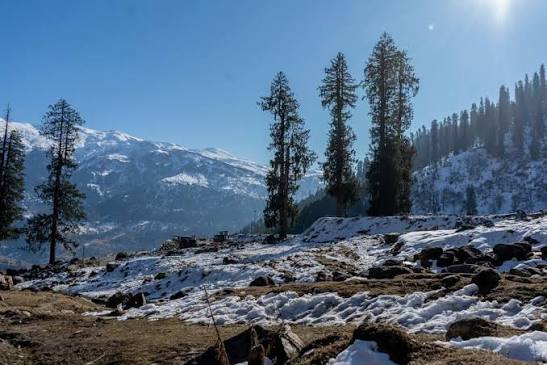
Solan is surrounded by the lower Himalayan hills, pine forests, valleys and agricultural landscapes. Its moderate elevation and relatively mild climate make it an attractive destination for travellers looking for mountain scenery without the extreme conditions of higher Himalayan destinations.
Hills and Valleys
The hills around Solan provide scenic viewpoints, winding mountain roads and opportunities for photography and nature walks. The surrounding valleys connect the town with several smaller settlements and tourist destinations.
Forests Around Solan
Pine, deodar and other Himalayan vegetation can be found across the surrounding hills. Forest areas around destinations such as Kasauli, Chail and Barog offer opportunities for nature walks, photography and peaceful outdoor experiences.
Karol Tibba and Nature Experiences
Karol Tibba is one of the notable natural attractions associated with Solan. Its elevated landscape provides opportunities for hiking, scenic views and nature photography.
Wildlife and Bird Watching in Solan
The forests and protected landscapes around Solan district support a variety of birds and animals. The wider region is particularly interesting for travellers interested in Himalayan biodiversity, bird watching, wildlife photography and nature exploration.
Chail Wildlife Sanctuary
Chail Wildlife Sanctuary is one of the important wildlife destinations in the Solan region. The sanctuary supports species such as sambar, goral, barking deer and the endangered cheer pheasant, making the area significant for wildlife enthusiasts and bird watchers.
Majathal Wildlife Sanctuary
Majathal Wildlife Sanctuary is another important natural area associated with Solan district. Its rugged terrain and forest environment make it suitable for wildlife enthusiasts, hikers and travellers seeking a more offbeat outdoor experience.
Bird Watching in Solan
The forests and mountain habitats around Solan provide opportunities to observe a variety of Himalayan and North Indian bird species. Bird watching is especially rewarding in quieter forest areas, nature trails and wildlife habitats.
Responsible Wildlife Tourism
Visitors should observe wildlife responsibly by maintaining distance from animals, avoiding loud disturbances, not feeding birds or animals and following forest and sanctuary regulations.
Adventure, Trekking and Outdoor Activities
Solan and its surrounding hills offer opportunities for hiking, trekking, camping, nature walks, scenic drives and outdoor photography. The destination is suitable for travellers who want to combine sightseeing with relaxed mountain activities.
Trekking and Hiking
The surrounding hills provide several opportunities for short hikes and longer trekking experiences. Routes around Chail, Barog, Karol Tibba and nearby forest areas can be explored according to local conditions and permitted access.
Camping Around Solan
Camping is popular in suitable areas around destinations such as Barog and Chail. Travellers should use permitted campsites, follow local regulations and avoid damaging forest and natural environments.
Mountain Road Trips
Solan is an excellent base for road trips through the lower Himalayan region. Scenic routes can connect Solan with Barog, Kasauli, Chail, Dagshai, Subathu, Arki and other nearby destinations.
Food in Solan, Himachal Pradesh
Food in Solan combines Himachali cuisine with Punjabi and North Indian influences. Visitors can find traditional meals, vegetarian dishes, snacks, sweets, roadside food and modern restaurants throughout the town and surrounding tourist areas.
Himachali Food
Travellers can explore traditional Himachali dishes and local preparations while visiting Solan. Regional cuisine is particularly enjoyable during festivals, fairs and cultural gatherings.
Local Food and Traditional Cuisine
Local restaurants and eateries provide opportunities to experience Himachali and North Indian flavours. Visitors can also explore seasonal agricultural produce from the surrounding region.
Street Food in Solan
Solan's markets and roadside food outlets offer popular North Indian snacks, tea, sweets and quick meals. Local markets are useful places to experience the everyday food culture of the town.
Mushrooms and Agricultural Produce
Solan's identity is strongly connected with mushroom cultivation. The region is widely known as the Mushroom City of India and has an important mushroom research presence. Tomatoes are also an important agricultural product, contributing to Solan's popular identity as the City of Red Gold.
Mushroom City of India
Solan is popularly known as the Mushroom City of India because of its extensive mushroom cultivation and the presence of the Directorate of Mushroom Research at Chambaghat. Mushroom production has become an important part of the region's agricultural identity and economy.
Horticulture and Agriculture
Agriculture and horticulture play an important role across the Solan region. Mushrooms, tomatoes and other agricultural and horticultural products contribute to the local economy and provide an important connection between the region's rural communities and markets.
Photography and Scenic Experiences
Solan provides a wide range of photography opportunities, including mountain landscapes, forests, temples, colonial architecture, railway infrastructure, local markets, villages and cultural festivals.
Sunrise and Sunset Photography
The hills and open viewpoints around Solan can provide attractive sunrise and sunset scenes. Photographers can explore elevated locations, forest clearings and mountain roads for changing views throughout the day.
Colonial and Heritage Photography
Old railway structures, colonial-era architecture, churches, cantonments and historic buildings in the wider Solan region provide interesting subjects for heritage photography.
Festival Photography
The Shoolini Fair and other local celebrations provide opportunities to photograph traditional decorations, cultural performances, markets, religious ceremonies and community life while respecting local customs and privacy.
Nearby Places to Visit from Solan
Solan's location makes it a convenient base for exploring several destinations in the surrounding hills. Popular nearby places include Kasauli, Chail, Barog, Dagshai, Subathu, Arki and other attractions within Solan district.
Kasauli
Kasauli is a historic hill station known for its colonial character, forested hills, churches, narrow roads and viewpoints. It is located approximately 27 kilometres from Solan and makes a popular short trip from the town.
Chail
Chail is known for the historic Chail Palace, scenic forests, Kali Tibba and its famous cricket ground. Located within the broader Solan tourism region, Chail is suitable for nature, heritage, photography and peaceful mountain experiences.
Barog
Barog is a scenic mountain destination near Solan surrounded by pine forests. It is known for its railway station, historic railway tunnel, mountain views, accommodation and opportunities for nature-focused travel.
Dagshai
Dagshai is a historic cantonment area with strong colonial and military heritage. Its old buildings, hills and historical atmosphere make it an interesting destination for travellers interested in history and architecture.
Subathu
Subathu has an important historical connection with the Gurkha military tradition and the British-era hill administration. Its heritage and mountain setting make it a distinctive stop in the Solan region.
Arki
Arki is known for its historic fort and former princely-state heritage. The town and surrounding region offer opportunities to explore Himalayan history, architecture, culture and traditional festivals.
Heritage and Architecture in Solan
Solan's architectural heritage includes temples, colonial buildings, cantonments, railway structures, churches, historic schools and palaces in the wider district. These structures reflect the region's religious traditions, princely history and British-era development.
Chail Palace
Chail Palace was developed as a summer retreat by the Maharaja of Patiala during the British period. Its architecture and historical setting make it one of the best-known heritage attractions in the Solan region.
Kuthar Fort
Kuthar Fort is a historic fortification in the wider Solan region. Its long history and mountain setting make it an interesting destination for travellers exploring the area's royal and architectural heritage.
Shopping in Solan
Shopping in Solan provides opportunities to explore local markets, traditional products, food items, sweets, clothing, religious products, handicrafts and agricultural produce. Markets become particularly lively during festivals and fairs.
Local Markets
Solan's markets offer an authentic view of everyday life in the town. Visitors can explore local products, snacks, seasonal produce and souvenirs while experiencing the atmosphere of a Himalayan market town.
Family Trips and Weekend Getaways
Solan is suitable for family holidays and weekend trips because of its pleasant climate, accessible location, sightseeing options and proximity to several popular destinations. Families can combine temples, nature, food, shopping, heritage and nearby hill stations in a single itinerary.
Solan for Families
Families can explore temples, parks, markets, heritage sites and scenic locations around Solan. Nearby destinations such as Kasauli, Barog and Chail provide additional options for day trips.
Solan for Couples
The mountain scenery, peaceful surroundings, forest roads and nearby hill destinations can make Solan suitable for couples looking for a relaxed mountain escape. Barog, Chail and Kasauli offer additional scenic experiences within the wider region.
Solan as a Weekend Destination
Solan's location between Chandigarh and Shimla makes it convenient for short breaks. A weekend itinerary can combine Solan town with nearby temples, forests, heritage destinations and hill stations.
Offbeat Solan and Rural Experiences
Travellers looking beyond the main tourist attractions can explore quieter villages, forest roads, agricultural landscapes, local temples and lesser-known viewpoints. These experiences provide a more relaxed perspective of life in the lower Himalayan hills.
Eco Tourism and Responsible Travel
Solan's forests, wildlife habitats, mountain landscapes and cultural sites should be explored responsibly. Visitors can help protect the region by avoiding litter, reducing plastic use, respecting wildlife, conserving water and following local regulations.
Nature-Friendly Travel
Travelling with reusable items, choosing local businesses, respecting forest areas and avoiding damage to natural habitats are simple ways to support sustainable tourism in Solan.
Best Time to Visit Solan
Solan is considered a year-round destination because of its moderate mountain climate. Spring and summer offer greenery and comfortable sightseeing conditions, while autumn and winter provide cooler weather and clear mountain landscapes.
Solan in Summer
Summer in Solan is generally milder than the plains, making it suitable for sightseeing, hiking, road trips and exploring nearby hill destinations.
Solan During Monsoon
The monsoon season brings rainfall and greener landscapes. Travellers should check weather and road conditions before visiting mountain roads, forests and outdoor attractions.
Solan in Winter
Winter brings cooler temperatures and can be a pleasant period for sightseeing, heritage exploration, temple visits, photography and peaceful mountain stays.
How to Reach Solan
Solan is well connected by road and rail and is located on the important Chandigarh-Shimla travel corridor. Its accessibility makes it a convenient destination for travellers arriving from Chandigarh, Shimla, Delhi and other northern Indian cities.
Solan by Road
Solan can be reached by road through the Chandigarh-Kalka-Shimla route. Regular buses, taxis and private vehicles connect Solan with nearby cities and tourist destinations.
Solan by Train
Solan is served by the historic narrow-gauge Kalka-Shimla railway. The railway route provides a scenic travel experience through the lower Himalayan landscape, with several stations and tunnels along the way.
Solan by Air
The nearest major airport options for travellers include Chandigarh and Shimla. From the airport, Solan can be reached by road.
Solan Travel Tips
Travellers should check weather conditions before mountain journeys, carry suitable clothing according to the season and plan additional time for road travel. During major fairs and festivals, accommodation and transport can become busier, so advance planning is recommended.
Travel Responsibly
Respect temples, monasteries, wildlife areas, local communities and heritage buildings while travelling through Solan. Avoid littering, follow photography restrictions and support responsible tourism practices.
Why Visit Solan, Himachal Pradesh?
Solan combines mountain scenery, spirituality, history, colonial heritage, wildlife, agriculture, food and culture in a highly accessible Himalayan destination. Its position between Chandigarh and Shimla makes it an excellent base for exploring the lower hills while still offering its own distinct attractions.
Whether you are interested in temples, the Shoolini Fair, colonial heritage, forests, wildlife, trekking, photography, local food, mushroom cultivation, village life, road trips or nearby destinations such as Kasauli and Chail, Solan offers a broad range of experiences for different types of travellers.
Solan Travel Guide: Quick Overview
Destination: Solan, Himachal Pradesh
Region: Lower Himalayan Hills
Known For: Shoolini Devi Temple, Shoolini Fair, mushroom cultivation, tomatoes, colonial heritage, forests and nearby hill destinations
Best For: Hill tourism, family trips, weekend getaways, pilgrimage, heritage, nature, wildlife, photography and road trips
Nearby Experiences: Kasauli, Chail, Barog, Dagshai, Subathu, Arki, temples, forests, wildlife and heritage attractions
Languages: Hindi and Pahari are commonly spoken, while Punjabi and English are also understood in many tourism and urban settings.
"Travel is the only thing you buy that makes you richer."