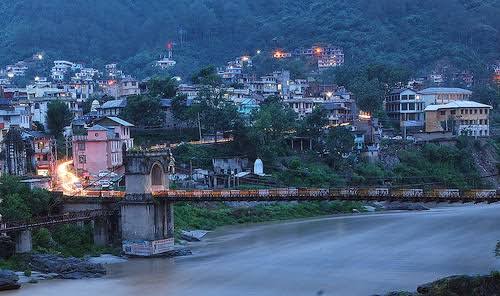
Mandi – The Temple Town Where Sacred Traditions Meet Himalayan Landscapes
Mandi is one of the most culturally rich destinations in Himachal Pradesh, known for its ancient temples, historic architecture, traditional festivals, rivers and beautiful mountain surroundings. Often called the Choti Kashi because of its large collection of Shiva temples, Mandi offers a fascinating combination of spirituality, history and Himalayan scenery.
The town sits beside the Beas River and serves as an important gateway to several mountain destinations. Visitors can explore historic temples in the old town, experience the famous International Shivratri Fair, visit Rewalsar Lake and Prashar Lake, discover traditional villages and enjoy the landscapes of the surrounding Himalayan valleys.
History
Mandi has a long history as a Himalayan princely state and an important centre of religion and trade. The town developed around the Beas River and became particularly famous for its temples and stone architecture.
Ancient Mandi
The region around Mandi has been inhabited for centuries and developed through the interaction of local Himalayan communities, religious traditions and trade routes connecting different parts of the mountains.
Mandi Princely State
Mandi was historically an independent princely state ruled by the Sen dynasty. The rulers played an important role in developing temples, markets and administrative institutions in the town.
Sen Dynasty
The Sen rulers shaped much of Mandi's historical identity. Their patronage of temples and religious institutions helped establish the town as an important spiritual centre.
Raja Ajbar Sen
Raja Ajbar Sen is traditionally credited with founding the present town of Mandi in the sixteenth century. The old town developed around important temples and the Beas River.
Raja Sidh Sen
Raja Sidh Sen was another significant ruler of Mandi whose period contributed to the development of the state's religious and architectural heritage.
British Period
Mandi retained its status as a princely state during British rule. The town continued to develop as a regional administrative, commercial and religious centre.
Mandi After Independence
After Indian independence, the former princely states of Mandi and Suket were merged and later became part of Himachal Pradesh. Mandi eventually became an important district headquarters and regional centre.
Geography
Mandi is located in the central part of Himachal Pradesh along the Beas River. Its position between the lower and middle Himalayas makes it an important connection point between several valleys and mountain regions.
The district contains rivers, forests, mountain slopes, agricultural valleys, high-altitude lakes and dramatic Himalayan landscapes.
Beas River
The Beas River flows directly through Mandi town and is one of the defining geographical features of the city. The river creates a scenic setting around the historic town.
Uhl River
The Uhl River flows through parts of Mandi district and contributes to the region's network of mountain valleys and hydrological systems.
Suketi Khad
Suketi Khad is an important local watercourse near Mandi. The wider valley landscape has historically supported settlements and agriculture.
Prashar Lake
Prashar Lake is a high-altitude lake surrounded by mountains and forests. It is famous for its floating island and the ancient temple dedicated to Sage Prashar.
Rewalsar Lake
Rewalsar Lake is a sacred lake associated with Hinduism, Buddhism and Sikhism. Its surrounding hills, monasteries and temples make it one of the most culturally important destinations in Mandi district.
Forests
Mandi's mountains contain pine, deodar, oak and other Himalayan vegetation. These forests support wildlife and provide scenic environments for trekking and nature walks.
Climate
Mandi experiences a varied mountain climate. Summers are generally warm in the lower valleys, monsoon brings rainfall and greenery, while winters are cool and higher areas can experience snow.
Culture and Traditions
Mandi has a strong cultural identity built around temples, local deities, folk music, traditional festivals, village communities and religious traditions.
Choti Kashi
Mandi is often called Choti Kashi because of its remarkable collection of ancient Shiva temples. The concentration of temples around the historic town gives Mandi a distinctive religious character.
Devta Culture
Local village deities remain an important part of cultural life in Mandi district. Temples often serve as centres for religious ceremonies, festivals and community gatherings.
Nati Dance
Nati is one of Himachal Pradesh's most famous folk dances. Groups of dancers perform together during festivals, weddings and cultural celebrations.
Folk Music
Traditional songs and instruments are used during religious events, festivals and village gatherings. Folk music often reflects local stories, devotion and everyday Himalayan life.
Traditional Clothing
Woollen shawls, Himachali caps and traditional dresses are commonly associated with the region. Traditional clothing becomes particularly visible during festivals and religious ceremonies.
Local Fairs
Fairs are an important part of Mandi's cultural life. They combine religious ceremonies with music, dance, markets, food and community gatherings.
Handicrafts
Traditional woollens, woven products, wooden crafts and other handmade items are available in local markets and village fairs.
Architecture
Mandi's architecture is one of its greatest attractions. The old town contains numerous stone temples, wooden structures and traditional Himalayan buildings built over several centuries.
Bhootnath Temple
Bhootnath Temple is one of Mandi's most important Shiva temples and is closely associated with the town's identity. It occupies a prominent position in the historic centre.
Panchvaktra Temple
Panchvaktra Temple stands near the confluence of the Beas and Suketi rivers. The temple is dedicated to Shiva and is an excellent example of Mandi's traditional stone temple architecture.
Triloknath Temple
Triloknath Temple is another important historic Shiva temple in Mandi. Its stone construction and religious importance contribute to the town's reputation as Choti Kashi.
Ardhanarishvara Temple
Ardhanarishvara Temple is dedicated to the combined form of Shiva and Parvati. Its distinctive stone sculpture and traditional architecture make it an important heritage attraction.
Taruna Vyas Temple
The historic temple architecture of Mandi includes numerous smaller shrines and structures that demonstrate the craftsmanship of Himalayan stone carvers and temple builders.
Traditional Old Town
The old streets of Mandi contain historic buildings, narrow lanes, markets and temples. Walking through the town provides a glimpse into its former princely-state character.
Famous Places
Bhootnath Temple
Bhootnath Temple is one of Mandi's most famous landmarks. The ancient Shiva shrine becomes particularly important during the Shivratri celebrations.
Panchvaktra Temple
Panchvaktra Temple is located near the meeting point of the Beas and Suketi rivers. Its location and traditional architecture make it one of the most photographed temples in the town.
Triloknath Temple
Triloknath Temple is an important historic temple dedicated to Lord Shiva. It forms part of the collection of temples that earned Mandi its nickname Choti Kashi.
Ardhanarishvara Temple
The temple's unique representation of Shiva and Parvati makes it one of Mandi's most interesting religious and architectural sites.
Rewalsar Lake
Rewalsar is a sacred lake surrounded by temples, monasteries and religious sites. It is particularly important because Hindu, Buddhist and Sikh traditions are all associated with the area.
Prashar Lake
Prashar Lake lies high in the mountains and is surrounded by beautiful landscapes. The nearby three-storey temple dedicated to Sage Prashar is an important architectural and religious attraction.
Prashar Temple
The temple beside Prashar Lake is built in traditional Himalayan timber and stone architecture. Its distinctive form and mountain setting make it one of the most memorable temples in Mandi district.
Barot Valley
Barot is a peaceful mountain destination known for forests, the Uhl River, trout fishing and scenic walking routes. It is popular with travellers looking for a quieter Himalayan experience.
Janjehli
Janjehli is a scenic valley surrounded by forests and mountains. It is known for trekking, village tourism and peaceful natural landscapes.
Shikari Devi Temple
Shikari Devi Temple is situated at a high elevation in the mountains of Mandi district. The temple is associated with local traditions and offers spectacular panoramic views.
Kamrunag Lake
Kamrunag Lake is a sacred high-altitude lake surrounded by mountains and forests. A temple dedicated to Kamrunag stands beside the lake, making it both a religious and trekking destination.
Dehar
Dehar lies near the Sutlej River and is known for the surrounding reservoirs, hills and landscapes. It provides access to several scenic parts of the district.
Sundernagar
Sundernagar is an important town in Mandi district surrounded by green hills and agricultural landscapes. It is also known for the nearby reservoir and temples.
Kamakhya Devi Temple
The Kamakhya Devi Temple at Karsog is an important religious destination in Mandi district. Its traditional architecture and mountain surroundings make it worth visiting.
Famous Dishes
Mandi's cuisine is part of the wider Himachali food tradition and includes hearty dishes suited to the mountain climate. Local meals commonly use pulses, yoghurt, grains, vegetables and regional spices.
Dham
Dham is a traditional Himachali vegetarian feast prepared for weddings, festivals and major celebrations. Several dishes are served together as part of a carefully arranged community meal.
Chana Madra
Chana Madra is made with chickpeas cooked in a yoghurt-based gravy and aromatic spices. It is one of the most recognizable dishes of Himachali cuisine.
Rajma Madra
Rajma Madra consists of kidney beans cooked with yoghurt and spices. It is commonly enjoyed with rice and is especially satisfying in the cool mountain climate.
Siddu
Siddu is a steamed wheat-based bread prepared using fermented dough. It can be filled with walnuts, poppy seeds or other ingredients and is often served with ghee or dal.
Babru
Babru is a fried wheat-based bread filled with black gram. It is a traditional Himachali snack commonly served with chutney.
Patande
Patande are thin traditional pancakes made from wheat flour. They are often eaten as breakfast or a light meal.
Aktori
Aktori is a traditional buckwheat preparation associated with Himalayan cuisine. It reflects the importance of locally grown grains in mountain food traditions.
Sepu Badi
Sepu Badi is a traditional Himachali dish prepared using lentil-based dumplings cooked in a rich gravy. It is particularly associated with the culinary traditions of Mandi and surrounding areas.
Local Fruits
Apples, plums, apricots and other temperate fruits are grown in parts of Mandi district. Seasonal fruit is available in local markets and villages.
Famous Personalities
Raja Ajbar Sen
Raja Ajbar Sen is traditionally credited with founding the town of Mandi in the sixteenth century. His reign is an important part of the city's early history.
Raja Sidh Sen
Raja Sidh Sen was a notable ruler of the Mandi state. His period contributed to the development of the state's temples and royal traditions.
Vijay Kumar
Vijay Kumar, an Olympic silver medallist in shooting, has strong connections with Himachal Pradesh and represents the state's contribution to Indian sport.
Local Temple Artisans
Mandi's historic temples were created and maintained by generations of local stone carvers, woodworkers and craftsmen. Their work remains one of the most visible aspects of the city's cultural heritage.
Festivals
International Shivratri Fair
The International Shivratri Fair is Mandi's most famous festival. The celebrations bring together hundreds of local deities, religious processions, cultural performances, markets and large public gatherings.
Mandi Shivratri
Maha Shivratri has special importance in Mandi because of the city's many Shiva temples. Bhootnath Temple becomes a major centre of religious activity during the festival.
Navratri
Navratri is celebrated at temples throughout Mandi district. Devotees visit temples, participate in prayers and attend local religious gatherings.
Holi
Holi is celebrated with colours, music and community gatherings throughout Mandi. Local temples and villages often add their own traditional customs to the festival.
Local Devta Fairs
Villages across Mandi organize fairs dedicated to local deities. These celebrations often include processions, folk music, Nati dance, traditional food and community markets.
Karsog Fairs
The Karsog Valley hosts traditional religious fairs associated with local temples and deities. These events provide an opportunity to experience the cultural traditions of rural Mandi.
Things to Do
Explore the Temple Trail
Walk through Mandi's historic centre and visit Bhootnath, Panchvaktra, Triloknath and Ardhanarishvara temples to experience the city's famous temple heritage.
Experience Shivratri
If your trip coincides with the International Shivratri Fair, experience the deity processions, traditional performances, markets and religious ceremonies.
Visit Rewalsar Lake
Explore the sacred lake, surrounding temples and Buddhist monasteries while learning about the area's shared Hindu, Buddhist and Sikh heritage.
Trek to Prashar Lake
Travel into the mountains to reach Prashar Lake and visit its distinctive wooden temple. The route offers beautiful views of forests and surrounding peaks.
Visit Barot Valley
Enjoy riverside walks, forests, mountain scenery and the peaceful atmosphere of Barot Valley.
Trek to Kamrunag Lake
The trek to Kamrunag passes through mountain forests and leads to a sacred lake surrounded by dramatic Himalayan scenery.
Visit Shikari Devi Temple
Travel into the higher mountains to visit Shikari Devi Temple and enjoy expansive views across the surrounding ranges.
Explore Janjehli
Janjehli is ideal for travellers interested in quiet mountain landscapes, village walks and trekking away from major tourist centres.
Try Himachali Food
Look for traditional dishes such as dham, chana madra, sepu badi, siddu and other regional preparations at local restaurants and homestays.
Shop for Handicrafts
Explore local markets for woollens, Himachali caps, shawls, wooden products and traditional handicrafts.
Photography
Mandi provides excellent opportunities for photographing temples, rivers, mountain landscapes, traditional villages, festivals and high-altitude lakes.
Nature Walks
Forests and mountain trails around Mandi provide opportunities for peaceful walks and short hikes away from the busy town centre.
Where to Eat, Shop, and Stay
Where to Eat in Mandi
Mandi town has restaurants and local eateries serving Himachali, North Indian and vegetarian food. Traditional dishes can also be found in local homes and selected restaurants.
Where to Eat in Rewalsar
Rewalsar has simple restaurants and food stalls serving vegetarian meals, snacks and tea. Visitors can also find food around the religious centres.
Where to Eat in Barot
Barot has small cafes, guesthouses and homestays where travellers can enjoy simple mountain meals and locally prepared food.
Where to Shop in Mandi
Markets in Mandi sell woollen clothing, Himachali caps, shawls, handicrafts, traditional products and everyday goods.
Local Handicrafts
Wooden crafts, woollens, shawls and traditional decorative products make useful souvenirs for visitors interested in Himachali culture.
Budget Stays
Budget hotels, guesthouses and homestays are available in Mandi town and nearby destinations. They are suitable for travellers using Mandi as a base for exploring the district.
Mid-Range Stays
Comfortable hotels are available in Mandi and Sundernagar, while scenic properties can be found around destinations such as Barot and Rewalsar.
Luxury Stays
Mandi has fewer luxury properties than Shimla or Manali, but premium hotels and resorts can be found in selected areas of the district and along major travel routes.
What is Mandi Famous For?
Mandi is famous for its ancient Shiva temples, International Shivratri Fair, Beas River, Choti Kashi identity, Rewalsar Lake, Prashar Lake, traditional Himachali culture and historic princely-state heritage.
The wider district is also known for Barot Valley, Janjehli, Kamrunag Lake, Shikari Devi Temple, traditional food, local deity traditions, forests and mountain landscapes.
Mandi's greatest cultural attraction is its extraordinary collection of historic temples and the living traditions surrounding them. The annual Shivratri celebrations bring together religious heritage and the cultural identity of the wider district.
Best Time to Visit
March to June
Spring and early summer are excellent for sightseeing, temple visits, trekking and exploring the surrounding valleys. Temperatures are generally comfortable for outdoor activities.
July to September
Monsoon brings heavy rainfall and turns the surrounding hills bright green. However, landslides and road disruptions can occur, so travellers should check current weather and road conditions.
October to November
Autumn provides pleasant weather, clearer mountain views and comfortable conditions for exploring Mandi's temples and nearby destinations.
December to February
Winter is cooler and higher areas can receive snowfall. It is a good period for travellers who enjoy cold weather and quieter mountain destinations.
Best Time for Shivratri
The International Shivratri Fair follows the Hindu lunar calendar, so its exact dates change every year. Visitors should check the official schedule before planning a festival trip.
Best Time for Prashar Lake
Spring, summer and autumn are generally more convenient for visiting Prashar Lake. Winter can bring snow and difficult road conditions, so current accessibility should be checked before travelling.
How to Reach
Mandi by Air
Mandi does not have a major commercial airport. The nearest practical airport for many travellers is Kullu-Manali Airport at Bhuntar, while Chandigarh Airport provides a wider range of flight connections.
Mandi by Train
Mandi does not have a broad-gauge railway connection. Travellers commonly use Chandigarh, Kalka or Pathankot and continue the journey by road.
Mandi by Road
Mandi is well connected by road with Chandigarh, Delhi, Shimla, Kullu, Manali and other major towns of Himachal Pradesh. Buses, taxis and private vehicles are commonly used.
Travelling Around Mandi
Local buses are useful for budget travellers, while taxis and private vehicles provide greater flexibility when visiting temples, lakes and remote mountain destinations.
Nearby Places
Rewalsar
Rewalsar is one of the most important nearby destinations and is known for its sacred lake, monasteries, temples and multi-faith heritage.
Prashar Lake
Prashar Lake is a spectacular high-altitude destination surrounded by mountains and forests. The ancient temple beside the lake adds to its cultural significance.
Barot
Barot is a peaceful mountain valley known for the Uhl River, forests, trout fishing and trekking.
Janjehli
Janjehli is a quiet Himalayan destination offering forests, mountain trails, villages and opportunities for nature tourism.
Manali
Manali is located further north and is one of Himachal Pradesh's most popular destinations. It offers mountains, forests, temples and adventure activities.
Kullu
Kullu lies north of Mandi and is famous for its valley, temples, Kullu Dussehra, handicrafts and the Beas River.
Sundernagar
Sundernagar is a nearby town surrounded by hills and known for its reservoir, temples and green landscapes.
Karsog
Karsog is a scenic valley known for temples, apple orchards, traditional villages and peaceful mountain landscapes.
Shikari Devi
The high-altitude Shikari Devi Temple offers spectacular views and is an interesting destination for travellers seeking both spirituality and mountain scenery.
Best Duration for a Trip
1 Day
One day is enough to explore Mandi town, visit several historic temples and experience the old market area.
2 Days
Two days allow visitors to explore Mandi's temples and add Rewalsar or another nearby destination.
3 Days
Three days provide enough time for Mandi town, Rewalsar and a mountain destination such as Prashar Lake.
4 to 5 Days
Four to five days are ideal for exploring Mandi's temples, Rewalsar, Prashar Lake, Barot or Janjehli without rushing.
6 to 7 Days
A week allows travellers to explore the wider district more slowly and include several villages, temples, lakes and mountain valleys.
Travel Tips
Check Weather Conditions
Mountain weather can change quickly, especially during monsoon and winter. Check weather and road conditions before travelling to higher destinations.
Allow Extra Travel Time
Mountain roads can make journeys longer than expected. Keep your itinerary flexible and avoid scheduling too many destinations in one day.
Book During Festivals
Mandi becomes particularly busy during the International Shivratri Fair. Book accommodation early if you plan to visit during the festival.
Carry Comfortable Shoes
Many temples, trails and mountain destinations require walking on uneven paths or climbing stairs. Comfortable footwear is highly recommended.
Dress Respectfully
Wear appropriate clothing when visiting temples and religious sites and follow local rules regarding footwear and photography.
Respect Local Deities
Many villages have strong deity traditions. Visitors should respect local customs and ask permission before photographing religious ceremonies or sacred objects.
Carry Cash
Digital payments are common in Mandi town, but cash is useful when visiting smaller villages, markets and remote destinations.
Prepare for Limited Connectivity
Mobile connectivity can become unreliable in remote mountain areas. Download important maps and travel information before heading into isolated valleys.
Be Careful Near Rivers
River currents can become dangerous during heavy rainfall. Avoid entering fast-flowing water and follow safety instructions during river activities.
Use Authorized Adventure Operators
For trekking, rafting and other adventure activities, use reputable operators and follow their safety instructions.
Protect the Environment
Avoid littering around lakes, forests, temples and trekking trails. Carry reusable bottles and take waste back with you where disposal facilities are unavailable.
Why Visit Mandi?
Mandi is worth visiting because it offers an unusually strong combination of religious heritage, Himalayan landscapes and living traditions. The town's ancient temples provide a different experience from the larger commercial hill stations of Himachal Pradesh.
The city's location beside the Beas River makes it naturally scenic, while nearby destinations such as Rewalsar, Prashar Lake, Barot and Janjehli provide opportunities for nature, trekking and peaceful mountain experiences.
Mandi is particularly attractive to travellers interested in culture. Its local deity traditions, Shivratri celebrations, folk dances, temples and traditional food provide an opportunity to experience the cultural side of Himachal Pradesh.
Conclusion
Mandi is a destination where Himalayan nature and centuries-old religious traditions come together. Its ancient Shiva temples, historic streets, Beas River landscapes and colourful festivals give the town a character that is distinctly different from other destinations in Himachal Pradesh.
From exploring the temples of Choti Kashi and experiencing the International Shivratri Fair to visiting Rewalsar Lake, trekking towards Prashar Lake and discovering the peaceful valleys of Barot and Janjehli, Mandi offers something for history lovers, pilgrims, nature enthusiasts and adventure travellers.
For travellers looking beyond the most crowded Himalayan destinations, Mandi provides an authentic introduction to the temples, traditions, landscapes and everyday culture of Himachal Pradesh.
"Travel is the only thing you buy that makes you richer."