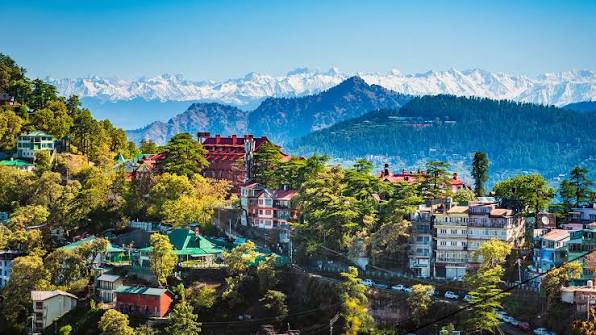
Shimla – Where Colonial Charm Meets the Himalayan Hills
Shimla is one of India's most famous hill stations and the capital of Himachal Pradesh. Set along a Himalayan ridge and surrounded by forests, mountains and valleys, the city combines colonial history, mountain scenery, temples, shopping, local food, festivals and outdoor experiences. From the lively atmosphere of Mall Road and The Ridge to the peaceful forests around Jakhoo Hill, Shimla offers something for almost every kind of traveller.
The city is especially known for its British-era architecture, winter snowfall, historic churches, heritage railway, traditional Himachali culture and nearby destinations such as Kufri, Mashobra, Fagu and Naldehra. Shimla was declared the summer capital of British India in 1864, and that history continues to shape the city's identity today.
History
Shimla began as a small Himalayan settlement and gradually developed into one of the most important hill stations of British India. The British discovered the area's cool climate and mountain setting during the nineteenth century and developed it as a summer retreat.
Shimla became the summer capital of British India in 1864. Government offices, residences, churches, schools, theatres and other public buildings were gradually constructed, transforming the settlement into an important administrative and social centre.
The city's colonial history can still be seen in its buildings, roads, churches and public spaces. After Indian independence, Shimla continued to grow as a major hill destination and eventually became the capital of Himachal Pradesh.
The British Era
The British period had a major influence on Shimla's architecture, lifestyle and urban development. Buildings were constructed in styles influenced by Gothic, Tudor, Victorian and Scottish architecture, adapted to the Himalayan environment.
Shimla as the Summer Capital
Shimla became the summer capital of British India in 1864. During the warmer months, important government officials and departments moved to the hills, turning Shimla into a major centre of administration and social life.
Shimla After Independence
After independence, Shimla remained an important administrative and tourism centre. It became the capital of Himachal Pradesh and developed into one of the country's most popular mountain destinations.
Geography
Shimla is situated in the south-western Himalayan region of Himachal Pradesh. The city stretches across ridges and slopes rather than lying on a flat valley floor, giving it its distinctive mountain-town character.
The landscape around Shimla consists of steep hills, forested slopes, valleys and mountain ridges. Deodar, pine and oak forests surround many parts of the city and contribute to its cool climate and scenic appearance.
Mountain Landscape
Shimla's location along a Himalayan ridge provides views across surrounding valleys and mountains. Higher viewpoints around the city and nearby destinations offer expansive views of the Himalayan landscape.
Forests Around Shimla
Deodar, pine and oak forests are an important part of Shimla's natural environment. These forests provide scenic walking routes and habitats for birds and other wildlife.
Climate of Shimla
Shimla has a cool mountain climate compared with the plains of northern India. Summers are generally pleasant, monsoon brings rainfall and greenery, while winters can be very cold and may bring snowfall.
Culture and Traditions
Shimla's culture combines traditional Himachali customs with influences from its colonial past and its role as a major tourist destination. Local festivals, temples, folk music, traditional clothing, food and village traditions remain important parts of the surrounding region.
Himachali Folk Culture
Traditional music and dance are important parts of celebrations in Shimla and nearby villages. Folk performances can often be seen during fairs, festivals and cultural programmes.
Nati Dance
Nati is one of the best-known folk dances of Himachal Pradesh. It is performed during cultural celebrations and festivals and is often accompanied by traditional music.
Traditional Clothing
Himachali caps, woollen shawls, traditional dresses and locally produced textiles are strongly associated with the cultural identity of Shimla and the surrounding mountain communities.
Local Language
Hindi and English are widely used in Shimla, while Pahari languages and dialects are spoken among local communities. Visitors can generally communicate easily in Hindi and English throughout the tourist areas.
Village Life Around Shimla
The villages surrounding Shimla offer a quieter side of Himalayan life, with orchards, forests, agricultural fields, temples and traditional homes. Exploring these areas can provide a more local experience beyond the busy city centre.
Architecture
Architecture is one of Shimla's strongest attractions. The city contains an impressive collection of colonial buildings, churches, theatres, railway structures, traditional temples and historic residences.
Colonial Architecture
Many historic buildings in Shimla were constructed during the British period. Gothic, Victorian, Tudor and Scottish architectural influences can be seen throughout the heritage areas of the city.
Christ Church
Christ Church is one of Shimla's most recognizable landmarks. Located on The Ridge, its neo-Gothic architecture and prominent position have made it one of the city's most photographed buildings.
Viceregal Lodge
The Viceregal Lodge, now associated with the Indian Institute of Advanced Study, is one of Shimla's most important heritage buildings. Its stone construction, landscaped surroundings and historic importance make it a major stop for heritage travellers.
Gaiety Theatre
Gaiety Theatre is a historic performance venue located on The Mall. It represents Shimla's colonial-era cultural life and continues to be associated with theatre and cultural activities.
Railway Heritage
The Kalka-Shimla railway and Shimla Railway Station are important parts of the city's heritage. The narrow-gauge railway passes through mountain scenery, bridges and tunnels and forms part of the UNESCO World Heritage Mountain Railways of India.
Famous Places
The Ridge
The Ridge is the central open space of Shimla and one of the city's most recognizable landmarks. It connects several major attractions and provides views of the surrounding mountains. Cultural programmes, public celebrations and festivals are also held here.
Mall Road
Mall Road is Shimla's best-known shopping and walking area. It contains restaurants, cafes, shops, bakeries, hotels and historic buildings and is one of the busiest parts of the city.
Jakhoo Temple
Jakhoo Temple is dedicated to Lord Hanuman and stands on Jakhoo Hill, the highest point in Shimla. The temple is surrounded by forest and provides views over the city and surrounding mountains.
Jakhoo Hill
Jakhoo Hill is a popular viewpoint and religious destination. The forested surroundings provide a different atmosphere from the busy central parts of Shimla.
Christ Church
Christ Church stands prominently on The Ridge and is one of Shimla's most famous heritage landmarks. Its distinctive architecture makes it an essential stop on a city heritage walk.
Viceregal Lodge and Indian Institute of Advanced Study
The historic Viceregal Lodge stands on Observatory Hill and is one of Shimla's most important colonial-era buildings. The surrounding grounds and architecture provide an insight into the city's administrative history.
Gaiety Heritage Cultural Complex
The Gaiety Heritage Cultural Complex on The Mall contains historic performance spaces and is an important part of Shimla's cultural heritage.
Shimla State Museum
The Shimla State Museum preserves sculptures, paintings, manuscripts, archaeological objects and cultural artefacts from Himachal Pradesh. It is a useful place for visitors who want to understand the region's history and traditions.
Lakkar Bazaar
Lakkar Bazaar is famous for wooden handicrafts, souvenirs, decorative items and traditional products. It is located close to The Ridge and is a popular shopping stop for visitors.
Annandale
Annandale is a historic open area surrounded by forests below the main ridge of Shimla. Its quieter surroundings provide an opportunity to enjoy nature away from the busiest tourist areas.
Kali Bari Temple
Kali Bari Temple is dedicated to Goddess Kali and is located close to central Shimla. It is an important religious site and has a long association with the city's Bengali community.
Tara Devi Temple
Tara Devi Temple stands on a forested hill outside central Shimla. The temple is surrounded by mountain scenery and provides peaceful views of the surrounding region.
Sankat Mochan Temple
Sankat Mochan Temple is dedicated to Lord Hanuman and is situated on a forested hillside near Shimla. The location offers scenic views along with a peaceful religious atmosphere.
Kamna Devi Temple
Kamna Devi Temple is situated on Prospect Hill and can be reached by a forested walking route. The hill provides views across the surrounding mountains and valleys.
Shimla Ice Skating Rink
The historic ice skating rink in Shimla is one of the city's distinctive winter attractions. When conditions permit, visitors can experience outdoor ice skating in the heart of the hill station.
Chadwick Falls
Chadwick Falls is surrounded by dense forest and becomes especially attractive during and after the monsoon season. The waterfall provides a peaceful nature experience away from the crowded central areas.
Glen
Glen is a forested recreational area near Shimla known for walking trails, streams and dense greenery. It is suitable for visitors looking for a quiet nature experience.
Famous Dishes
Shimla's food culture combines traditional Himachali cuisine with North Indian, Tibetan, Punjabi and colonial-era influences. The city is also known for bakeries, cafes and street food.
Babru
Babru is a Himachali fried bread made from wheat flour and traditionally stuffed with black gram-based filling. It is a popular regional snack and is often enjoyed with chutney or other accompaniments.
Patande
Patande are thin pancakes traditionally associated with Himachal Pradesh. They are commonly enjoyed as a breakfast or snack and are especially popular in different parts of the state.
Siddu
Siddu is a steamed wheat-based bread made with a fermented dough and filled with ingredients such as walnut or poppy-seed paste. It is traditionally served with ghee, dal or other accompaniments.
Himachali Dham
Dham is a traditional ceremonial feast served during weddings
"Travel is the only thing you buy that makes you richer."