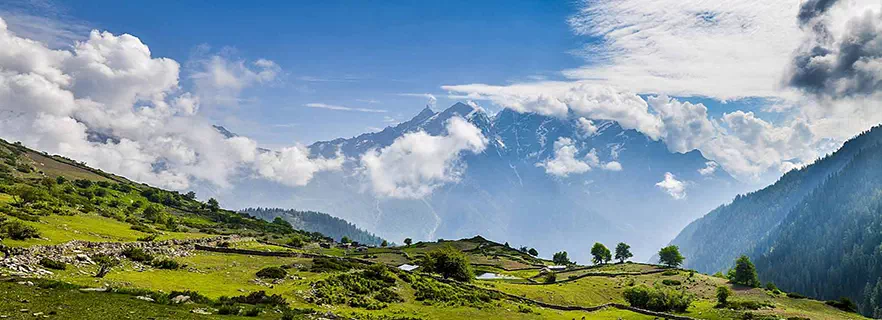
Hamirpur – The Quiet Heart of Himachal Where Temples, Hills and Tradition Meet
Hamirpur is a peaceful and culturally rich destination in Himachal Pradesh, known for its ancient temples, religious traditions, historic towns, scenic hills, rivers, fairs, education and strong connection with India's armed forces. Unlike the high-altitude hill stations of Himachal Pradesh, Hamirpur has a warmer and more accessible landscape of low hills, forests, valleys and villages. The district is especially famous for the sacred Baba Balak Nath Temple at Deotsidh, the historic town of Sujanpur Tira, the Beas River at Nadaun and its colourful local festivals.
For travellers looking for a quieter side of Himachal Pradesh, Hamirpur offers a combination of pilgrimage, history, culture, food, nature and rural experiences. A visit can include ancient temples, historic forts, traditional fairs, riverside landscapes, local markets and peaceful countryside.
History
Hamirpur has a long history connected with the Katoch dynasty and the wider historical region of the western Himalayas. The area was influenced by several rulers and kingdoms before becoming part of modern Himachal Pradesh.
The district is named after Raja Hamir Chand of the Katoch dynasty, who ruled during the eighteenth century. The Katoch rulers played an important role in the history of the Kangra region and left behind forts, temples and other historical structures.
Katoch Dynasty
The Katoch dynasty is one of the oldest ruling families associated with the Himalayan region. Their influence can be seen particularly around Sujanpur Tira and Nadaun, where historic temples and royal structures remain important attractions.
Raja Hamir Chand
Raja Hamir Chand was an important Katoch ruler and is traditionally associated with the origin of the name Hamirpur. His period forms part of the wider history of the Katoch kingdom.
Maharaja Sansar Chand
Maharaja Sansar Chand was one of the most prominent Katoch rulers and played a major role in the cultural and political history of the region. His connection with Sujanpur Tira is particularly important, as the town developed significantly during his reign.
Sujanpur Tira
Sujanpur Tira developed as an important centre under the Katoch rulers. Its fort, temples and large Chaugan ground preserve the historical character of the former royal town.
Hamirpur After Independence
After Indian independence, Hamirpur became part of the administrative development of Himachal Pradesh. The district gradually developed as an important centre for education, administration, healthcare and regional trade while retaining its religious and cultural traditions.
Geography
Hamirpur is located in the lower Himalayan region of Himachal Pradesh. The district is characterized by low hills, valleys, forests, agricultural land and river landscapes rather than the very high mountains found in northern parts of the state.
The Beas River is one of the most important natural features of the region, particularly around Nadaun. Forests, seasonal streams and agricultural fields create a varied landscape across the district.
Shivalik Landscape
The lower hills around Hamirpur form part of the broader Shivalik landscape. The relatively gentle mountain terrain makes many parts of the district easier to explore by road than higher Himalayan destinations.
Beas River
The Beas River flows through the wider Hamirpur region and is particularly important around Nadaun. The river creates scenic valleys and supports fishing, agriculture and other local activities.
Forests
Hamirpur contains areas of pine and mixed forest that add greenery to the landscape. These forests also provide habitats for birds and small wildlife.
Climate
Hamirpur generally experiences warm summers, a rainy monsoon season and cool winters. The lower elevation means that the climate is warmer than many of Himachal Pradesh's high-altitude hill stations.
Culture and Traditions
Hamirpur's culture is closely connected with Hindu religious traditions, village life, agriculture, local fairs, folk music and the strong military heritage of the district. Temples and community festivals remain important parts of everyday life.
Himachali Folk Culture
Traditional songs, folk dances and community celebrations are performed during festivals and fairs throughout Hamirpur. These events provide visitors with an opportunity to experience local traditions.
Nati Dance
Nati is one of Himachal Pradesh's best-known folk dances and can be seen during cultural celebrations and festivals in Hamirpur. Performers traditionally dance together in groups accompanied by local music.
Traditional Clothing
Himachali caps, shawls, woollen clothing and traditional dresses are part of the cultural identity of the region. Traditional clothing is particularly visible during festivals, weddings and religious gatherings.
Village Life
Villages around Hamirpur provide a quieter view of Himachali life, with agricultural fields, temples, traditional houses, orchards and forested hills forming the everyday landscape.
Local Language
Hindi is widely spoken throughout Hamirpur, while local Pahari dialects are an important part of everyday communication and cultural identity.
Architecture
Hamirpur's architecture reflects its royal, religious and regional history. Historic temples, forts, traditional houses and public spaces can be found throughout the district.
Sujanpur Fort
Sujanpur Fort is one of the most important historic structures in Hamirpur. It is associated with the Katoch rulers and provides an insight into the royal history of the region.
Gauri Shankar Temple
Gauri Shankar Temple in Sujanpur is a historic temple associated with the Katoch period. The temple is dedicated to Lord Shiva and Goddess Parvati and reflects the traditional religious architecture of the region.
Narvdeshwar Mahadev Temple
Narvdeshwar Mahadev Temple is a historic Shiva temple in Sujanpur. Its traditional design and royal connections make it an important part of the town's architectural heritage.
Murli Manohar Temple
Murli Manohar Temple is dedicated to Lord Krishna and is another important historic temple in Sujanpur. The temple contributes to the town's collection of traditional religious buildings.
Traditional Houses
Villages around Hamirpur contain traditional Himalayan homes constructed using locally available materials and adapted to the regional climate. These houses form an important part of the rural landscape.
Famous Places
Baba Balak Nath Temple, Deotsidh
Baba Balak Nath Temple at Deotsidh is Hamirpur's most famous religious destination. The temple is built around a sacred cave associated with Baba Balak Nath and attracts devotees from Himachal Pradesh and neighbouring states throughout the year.
Deotsidh Cave Shrine
The cave shrine is the spiritual centre of Deotsidh. Devotees visit the sacred cave to offer prayers and seek blessings from Baba Balak Nath.
Sujanpur Tira
Sujanpur Tira is a historic town famous for its Katoch heritage, temples, fort and large Chaugan ground. It is one of the best places in Hamirpur for experiencing the district's royal history.
Sujanpur Chaugan
The Chaugan is a large open ground in Sujanpur and an important public space. It hosts major cultural celebrations, fairs and community events, including the famous Holi Fair.
Nadaun
Nadaun is a historic town located beside the Beas River. It has strong connections with the Katoch rulers and offers a combination of historical sites, religious places and river scenery.
Bilkleshwar Mahadev Temple
Bilkleshwar Mahadev Temple near Nadaun is an important Shiva temple associated with local religious traditions. The temple is also connected with stories involving the Pandavas.
Gurudwara Dasvin Patshahi
Gurudwara Dasvin Patshahi at Nadaun is an important Sikh religious site. It adds to the religious diversity and historical importance of the town.
Gasota Temple
Gasota is known for its historic Shiva temple and the annual fair held in the area. The temple and surrounding landscape provide a peaceful religious experience.
Markanda
Markanda is a religious destination associated with Rishi Markandya. The area contains a temple and a natural water spring and is particularly important for local religious traditions.
Tauni Devi Temple
Tauni Devi Temple is an important local shrine surrounded by the hills of Hamirpur. Devotees visit the temple throughout the year, especially during religious occasions.
Jhaniari Devi Temple
Jhaniari Devi Temple is a prominent local religious site dedicated to the goddess. The temple attracts devotees from surrounding villages and communities.
Famous Dishes
Hamirpur's food culture reflects traditional Himachali cooking along with North Indian influences. Local food is commonly based on grains, pulses, vegetables, dairy products and seasonal ingredients.
Dham
Dham is a traditional Himachali feast served during weddings, festivals and important community celebrations. It consists of several vegetarian dishes and is an important part of Himachali hospitality.
Madra
Madra is a popular Himachali dish prepared with legumes cooked in a rich yoghurt-based gravy and aromatic spices. It is commonly served as part of traditional meals.
Siddu
Siddu is a steamed wheat-based bread made from fermented dough and traditionally filled with ingredients such as walnuts or poppy seeds. It is often served with ghee, dal or chutney.
Babru
Babru is a traditional Himachali fried bread prepared from wheat flour and a black gram-based filling. It is a popular snack and can be enjoyed with chutney or other accompaniments.
Patande
Patande are thin Himachali pancakes that are commonly eaten as breakfast or a snack. They are a simple but popular part of the wider food culture of Himachal Pradesh.
Chana Madra
Chana Madra is a chickpea preparation cooked in a creamy yoghurt-based gravy with traditional spices. It is commonly associated with Himachali cuisine.
Local Sweets
Traditional sweets and milk-based preparations are commonly prepared during festivals, weddings and religious gatherings. Local sweet shops in Hamirpur and Sujanpur offer a variety of North Indian sweets.
Famous Personalities
Major Somnath Sharma
Major Somnath Sharma, India's first recipient of the Param Vir Chakra, had a strong connection with the region and is remembered for his exceptional bravery during the 1947 Kashmir conflict. His legacy is part of the wider military heritage associated with Himachal Pradesh.
Captain Vikram Batra
Captain Vikram Batra was a Param Vir Chakra recipient from Himachal Pradesh and is remembered for his bravery during the Kargil War. His story is deeply respected across the state and contributes to Himachal Pradesh's strong defence-service identity.
Prem Kumar Dhumal
Prem Kumar Dhumal is a prominent Himachali political leader associated with Hamirpur. He served multiple terms as Chief Minister of Himachal Pradesh and represented the Hamirpur region in national politics.
Anurag Thakur
Anurag Thakur is a prominent politician associated with Hamirpur and has represented the Hamirpur parliamentary constituency. He has also held important positions in national politics and sports administration.
Raja Sansar Chand
Maharaja Sansar Chand was a major Katoch ruler whose influence can still be seen in Sujanpur Tira. He was also a significant patron of Kangra miniature painting and Himalayan art.
Festivals
Sujanpur Holi Fair
The Sujanpur Holi Fair is one of Hamirpur's most famous festivals. The historic Chaugan becomes a centre of celebrations, cultural programmes, markets and traditional activities during the festival.
Deotsidh Chaitra Mela
The Chaitra Mela at Deotsidh is one of the largest religious gatherings in Hamirpur. Thousands of devotees visit Baba Balak Nath during the festival period to offer prayers and seek blessings.
Navratri
Navratri is celebrated at temples throughout Hamirpur. Deotsidh and other important shrines become especially busy as devotees participate in prayers and religious ceremonies.
Gasota Cattle Fair
The Gasota Cattle Fair combines religious traditions, local trade and community activities. The event is associated with the historic Shiva temple at Gasota.
Markanda Fair
The Markanda Fair is associated with the religious traditions surrounding Rishi Markandya. Local communities gather for prayers, religious activities and traditional celebrations.
Local Temple Fairs
Many villages and temples across Hamirpur organize annual fairs dedicated to local deities. These smaller events are an excellent way to experience traditional music, food, religious customs and village life.
Things to Do
Visit Baba Balak Nath Temple
A pilgrimage to Deotsidh is one of the most important experiences in Hamirpur. Visitors can explore the temple complex and sacred cave while experiencing the religious atmosphere of the region.
Explore Sujanpur Tira
Walk through the historic town of Sujanpur to discover its fort, temples and Chaugan. The town is particularly interesting for travellers interested in history and architecture.
Walk Around Nadaun
Nadaun provides a combination of historic sites, religious places and Beas River scenery. It is a good destination for travellers who want to combine heritage with nature.
Enjoy the Beas River
The river landscape around Nadaun is suitable for photography, peaceful walks and selected fishing and adventure activities where permitted.
Attend a Local Fair
Visiting Hamirpur during Sujanpur Holi, Deotsidh Chaitra Mela or another local fair provides a chance to experience the district's traditions, food, music and community life.
Explore Local Temples
Hamirpur has numerous temples spread across towns and villages. Exploring these sites provides insight into the district's religious traditions and architectural heritage.
Try Himachali Food
Travellers can explore traditional dishes such as dham, madra, siddu and babru at local restaurants and during community festivals.
Explore Rural Hamirpur
Travelling through villages and agricultural areas provides a quieter experience of the district. Visitors can see traditional homes, farms, temples and mountain landscapes.
Photography
Hamirpur offers opportunities for photography ranging from historic temples and forts to rivers, forests, villages, festivals and Himalayan landscapes.
Where to Eat, Shop, and Stay
Where to Eat in Hamirpur
Hamirpur town has restaurants and local eateries serving North Indian and Himachali food. Sujanpur and Nadaun also have smaller restaurants and food stalls serving everyday local meals.
Where to Eat in Sujanpur
Food around Sujanpur is particularly convenient during festivals and fairs, when temporary stalls and local food vendors add to the atmosphere of the historic town.
Where to Shop
Hamirpur's markets offer clothing, household goods, sweets, religious items, local products and everyday essentials. Sujanpur markets become particularly lively during fairs.
Local Products
Visitors can look for Himachali woollens, caps, shawls, religious souvenirs, local sweets and traditional handicrafts.
Budget Stays
Budget hotels and guesthouses can be found in Hamirpur town and around major transport areas. These are suitable for travellers who plan to spend most of their time exploring the district.
Mid-Range Stays
Mid-range hotels provide greater comfort and are available in Hamirpur and surrounding towns. Travellers visiting Deotsidh should consider staying within convenient travelling distance of the shrine.
Luxury Stays
Hamirpur has fewer luxury properties than major Himachal tourist centres. Travellers looking for upscale resorts can consider combining Hamirpur with nearby destinations that offer larger resort properties.
What is Hamirpur Famous For?
Hamirpur is best known for **Baba Balak Nath Temple at Deotsidh**, one of the most important pilgrimage destinations in northern India. The district is also famous for **Sujanpur Tira, the Sujanpur Holi Fair, Nadaun, the Beas River, Katoch heritage, historic temples and its strong defence and education identity**.
Hamirpur is also known for its traditional Himachali culture, village fairs, local food, temples, forests and peaceful lower Himalayan landscapes.
Best Time to Visit
March to June
Spring and early summer are comfortable periods for sightseeing and exploring temples, historic towns and countryside. Days can become warm, but mornings and evenings are generally more pleasant.
July to September
Monsoon brings greenery to the hills and countryside. The landscape becomes particularly attractive, although heavy rainfall can affect roads and outdoor activities.
October to November
Autumn provides cooler weather and comfortable conditions for sightseeing, photography and road trips. The landscape can remain green after the monsoon.
December to February
Winter brings cooler temperatures and generally comfortable conditions for exploring temples, historic sites and local markets.
Best Festival Season
Travellers interested in culture should consider visiting during the Sujanpur Holi Fair or Deotsidh Chaitra Mela. These periods provide a much more vibrant experience of local traditions but can also bring large crowds.
How to Reach
Hamirpur by Road
Road travel is the most convenient way to reach Hamirpur. Himachal Road Transport Corporation buses, private buses, taxis and private vehicles connect Hamirpur with Chandigarh, Delhi, Una, Kangra, Dharamshala, Mandi and other destinations.
Hamirpur by Train
Hamirpur does not have a major railway station of its own. Travellers can use nearby railway stations depending on their route and continue to Hamirpur by road.
Hamirpur by Air
Kangra Airport near Gaggal is one of the closest airports commonly used for travel to Hamirpur. Travellers can continue from the airport by road.
Road Travel Within Hamirpur
Taxis, local buses and private vehicles are useful for visiting attractions spread across the district. A private vehicle or hired taxi can be particularly convenient when combining Deotsidh, Sujanpur and Nadaun in one itinerary.
Nearby Places
Deotsidh
Deotsidh is the most important pilgrimage destination near Hamirpur and is home to the famous Baba Balak Nath Temple.
Sujanpur Tira
Sujanpur Tira is worth visiting for its Katoch history, fort, temples, Chaugan and famous Holi Fair.
Nadaun
Nadaun offers Beas River scenery, historic sites, temples and opportunities for fishing and outdoor experiences.
Kangra
Kangra is known for Kangra Fort, ancient temples, Masroor Rock-Cut Temples and the historic Katoch heritage of the region.
Dharamshala
Dharamshala is surrounded by the Dhauladhar mountains and is known for Tibetan culture, monasteries, temples and mountain trekking.
Palampur
Palampur is famous for tea gardens, pine forests and spectacular views of the Dhauladhar range.
Bir Billing
Bir Billing is one of India's best-known paragliding destinations and is ideal for travellers interested in adventure and mountain landscapes.
Jwalamukhi
Jwalamukhi is an important pilgrimage destination famous for the Jwala Ji Temple and its naturally occurring sacred flames.
Best Duration for a Trip
1 Day
One day is enough for a quick visit to Hamirpur town and one or two nearby attractions. Travellers can explore local markets and temples before continuing their journey.
2 Days
Two days provide enough time to combine Hamirpur with Deotsidh or Sujanpur Tira and explore some of the district's religious and historical attractions.
3 Days
Three days are ideal for a more relaxed itinerary covering Deotsidh, Sujanpur, Nadaun, temples, local food and river landscapes.
4 to 5 Days
A longer stay allows Hamirpur to be combined with nearby Kangra, Dharamshala, Palampur or other destinations in the wider region.
Travel Tips
Check Festival Dates
If you want to experience the Sujanpur Holi Fair or Deotsidh Chaitra Mela, check the current dates before travelling. Accommodation and transport can become busy during major events.
Dress Respectfully at Temples
Wear appropriate clothing when visiting temples and religious places. Follow local customs regarding footwear, photography and offerings.
Carry Comfortable Shoes
Several temples and heritage sites involve walking, stairs or uneven surfaces. Comfortable footwear is useful for exploring Hamirpur.
Check Weather Conditions
Monsoon rain can affect roads and river conditions. Check weather forecasts before travelling, particularly when planning outdoor activities.
Be Careful Near Rivers
Rivers can become dangerous during heavy rainfall. Avoid entering the Beas or other waterways without appropriate safety arrangements and local guidance.
Respect Local Culture
Hamirpur has a strong religious and community-oriented culture. Visitors should respect local traditions, avoid unnecessary noise near temples and ask permission before photographing people during religious events.
Carry Cash
Digital payments are widely used in towns, but carrying some cash can be useful when travelling through smaller villages, local markets and remote religious destinations.
Keep the Area Clean
Avoid littering around temples, rivers, forests and villages. Carry reusable bottles and dispose of waste responsibly.
Why Visit Hamirpur?
Hamirpur offers a different experience from Himachal Pradesh's famous high-altitude hill stations. Instead of focusing mainly on snow and dramatic mountain peaks, the district provides a closer look at the religious, historical and everyday cultural life of the lower Himalayas.
The combination of Baba Balak Nath's pilgrimage tradition, Katoch history, Sujanpur's royal heritage, Nadaun's Beas River landscape, colourful fairs, traditional food and village life makes Hamirpur distinctive.
It is especially appealing to travellers who want to explore a less commercial side of Himachal Pradesh while still having access to important temples, historical attractions and scenic landscapes.
Conclusion
Hamirpur is a destination where spirituality, history, culture and nature come together. From the sacred cave of Baba Balak Nath at Deotsidh to the historic temples of Sujanpur Tira and the peaceful Beas River landscapes of Nadaun, the district offers many experiences beyond the usual Himalayan tourist route.
Whether you visit for pilgrimage, history, festivals, food, photography, village experiences or a peaceful road trip through Himachal Pradesh, Hamirpur provides an authentic glimpse into the traditions and landscapes of the lower Himalayan region.
"Travel is the only thing you buy that makes you richer."