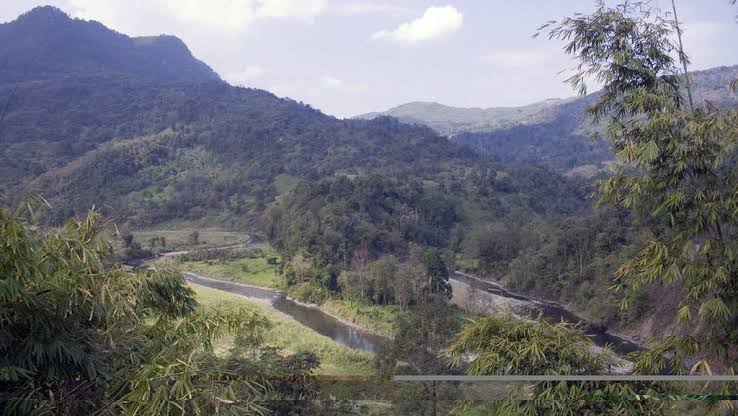
Kra Daadi – A Land of Mountains, Rivers and Indigenous Heritage
Located in the beautiful state of Arunachal Pradesh, Kra Daadi is a scenic Himalayan district known for its rugged mountains, dense forests, rivers and rich indigenous culture. With Jamin as its district headquarters, the district offers travellers an opportunity to explore a quieter and less-commercialised side of Arunachal Pradesh.
The region is largely associated with the traditions and cultural heritage of indigenous communities, particularly the Nyishi. Traditional village life, agriculture, festivals and a close relationship with nature continue to shape the identity of Kra Daadi.
For travellers who enjoy mountain landscapes, peaceful villages, local culture and offbeat exploration, Kra Daadi offers a refreshing experience away from crowded tourist destinations.
History of Kra Daadi
Kra Daadi is one of the relatively newer districts of Arunachal Pradesh. It was created by carving out areas from the former Kurung Kumey district, with the aim of improving administration and bringing government services closer to people living in the remote and mountainous region.
Although the district is relatively new as an administrative unit, the area has a much older history connected with indigenous communities, traditional village systems and the cultural development of the wider region.
The name Kra Daadi is closely associated with the geographical and cultural identity of the area. Over time, the district has developed its own administrative importance while continuing to preserve the traditions and lifestyle of its indigenous communities.
Today, Kra Daadi represents a fascinating combination of traditional heritage, remote Himalayan landscapes and gradual modern development.
Geography and Climate of Kra Daadi
Kra Daadi is characterised by a largely mountainous and rugged landscape, with high ridges, deep valleys, dense forests, rivers and remote settlements. The district is part of the eastern Himalayan region and offers dramatic scenery that changes from lower valleys to higher mountain areas.
Palin serves as the present district headquarters, while Jamin has been identified as the proposed permanent headquarters. The district includes areas such as Palin, Jamin, Yangte, Chambang, Tarak Langdi, Gangte, Tali and Pipsorang.
The Palin River, a tributary of the Subansiri River, is an important watercourse of the region. The mountainous terrain, heavy rainfall and extensive forest cover contribute to the district's rich natural environment.
| Season | General Conditions |
|---|---|
| Summer | Conditions can be warm in lower areas, while the mountainous terrain experiences frequent cloud cover and changing weather. |
| Monsoon | The district receives heavy rainfall, making the landscape exceptionally green, though landslides and difficult road conditions may affect travel. |
| Winter | Lower areas remain comparatively mild, while higher and remote parts can become much colder. |
The district's geography makes Kra Daadi particularly attractive for travellers interested in mountain scenery, forests, rivers and remote Himalayan landscapes.
Culture and Traditions of Kra Daadi
The cultural identity of Kra Daadi is strongly associated with the Nyishi community, whose traditions, beliefs and village-based social life remain an important part of the district.
Traditional Lifestyle
Local communities have traditionally maintained a close relationship with the forests, rivers and agricultural land around them. Agriculture and allied activities continue to play an important role in the everyday life of many villages.
Traditional Attire and Ornaments
Traditional Nyishi clothing and ornaments are an important expression of cultural identity. Handwoven garments, bead jewellery and distinctive headgear are especially visible during festivals and important community occasions.
Music and Community Life
Traditional songs, dances and oral traditions continue to play a role in preserving local heritage. Community gatherings and festivals bring people together and provide opportunities for younger generations to remain connected with their cultural roots.
Visitors to Kra Daadi can experience a region where indigenous traditions and the natural environment remain deeply connected.
Architecture of Kra Daadi
The architectural character of Kra Daadi is primarily reflected in its traditional village houses and practical construction methods adapted to the mountainous environment.
Traditional structures have commonly used locally available materials such as bamboo, wood and cane. These materials are suitable for the local climate and reflect generations of indigenous knowledge and craftsmanship.
Traditional Village Settlements
Village settlements are generally shaped by the terrain, local resources and the needs of community life. Traditional houses often reflect practical adaptation to rainfall, slopes and the surrounding natural environment.
Religious Architecture
The district also has churches and religious institutions that reflect the influence of Christianity in parts of the region. The Holy Rosary Catholic Church in the Palin area is among the notable religious landmarks.
Modern buildings are gradually increasing around administrative centres such as Palin, while traditional construction knowledge continues to remain an important part of the district's cultural heritage.
Famous Places in Kra Daadi
Kra Daadi is still an emerging destination, and its attractions are closely connected with natural beauty, remote villages, geological features, rivers and mountain landscapes.
Palin
Palin is the present administrative headquarters of Kra Daadi and an important base for exploring the district. Surrounded by hilly terrain and often covered by clouds, the town offers scenic views and a peaceful atmosphere.
Yangte and the Living Stone
Yangte is a picturesque village surrounded by green hills and forests. One of its unusual attractions is the Living Stone, a distinctive geological formation that has become a point of interest for visitors exploring the area.
Gyapin
Gyapin is known for its peaceful natural surroundings and rugged landscape. The area is suitable for travellers interested in quiet village environments and scenic exploration.
Gyapin Hot Spring
The hot spring near Gyapin is one of the notable natural attractions associated with the district. It adds a unique experience to the region's growing list of nature-based tourism opportunities.
Tali
Tali is a remote and scenic area surrounded by hills and natural landscapes. Its isolation and peaceful environment make it particularly attractive for travellers interested in exploring lesser-known parts of Arunachal Pradesh.
Ha Village
Ha Village is surrounded by green hills and is known for its peaceful atmosphere and traditional way of life. The area also has natural features that add to its appeal for offbeat travellers.
Palin River
The Palin River flows through the region and provides opportunities for enjoying the natural surroundings. The river and its banks are suitable for activities such as sightseeing, fishing and relaxed picnics where conditions permit.
Rather than large commercial attractions, Kra Daadi offers an experience centred around untouched landscapes, remote villages and the beauty of the Eastern Himalayas.
Famous Dishes of Kra Daadi
The food culture of Kra Daadi reflects the traditional cuisine of the Nyishi community and the wider culinary traditions of Arunachal Pradesh. Local meals are generally simple, fresh and closely connected with ingredients available from agriculture and forests.
Rice-Based Meals
Rice is a staple food and is commonly served with vegetables, meat, fish and locally prepared side dishes.
Bamboo Shoot Preparations
Fresh and fermented bamboo shoots are widely used in local cooking. They may be prepared with vegetables, pork, fish and other ingredients.
Smoked Meat
Smoking is a traditional method of preserving meat, and smoked meat dishes are enjoyed with rice and locally available vegetables.
Fermented Soybean Preparations
Fermented soybean-based dishes and accompaniments are valued for their strong flavour and are part of the wider traditional food culture of Arunachal Pradesh.
Traditional Rice Beer
Locally prepared fermented beverages made from rice or millet are associated with social gatherings and cultural occasions in many indigenous communities.
Trying local food is one of the best ways to understand the simple, natural and traditional lifestyle of Kra Daadi.
Famous Personalities Associated with Kra Daadi
Kra Daadi has two Assembly constituencies, Palin and Tali, and several public representatives associated with the development and administration of the district.
Balo Raja
Balo Raja is a prominent political leader associated with the Palin constituency. He has represented the area in the Arunachal Pradesh Legislative Assembly and has been involved in public life and development-related initiatives in the region.
Jikke Tako
Jikke Tako is a political leader associated with the Tali constituency of Kra Daadi. He represents the remote Tali region and has been involved in development and public service initiatives concerning the district's interior areas.
Beyond political leadership, the identity of Kra Daadi has also been shaped by community leaders, educators and local organisations that continue to contribute to the development and preservation of the district's cultural heritage.
Festivals of Kra Daadi
The festivals of Kra Daadi reflect the traditional beliefs, agricultural practices and strong community spirit of the Nyishi people.
Nyokum Yullo
Nyokum is the most important traditional festival associated with the Nyishi community in the district. The festival is connected with prayers for prosperity, happiness, peace and a productive agricultural season.
The celebration reflects the Nyishi belief in maintaining harmony between human beings, nature and spiritual forces. Traditional rituals, prayers, music, dancing and community gatherings form an important part of the occasion.
Christmas
Christianity also has a significant presence in parts of the district, and Christmas is celebrated enthusiastically in many communities, particularly in and around Palin.
Village and Community Celebrations
Different villages may also observe local occasions connected with agricultural cycles, community traditions and religious practices.
Visiting Kra Daadi during a cultural celebration can provide travellers with a memorable opportunity to experience traditional clothing, music, food and community life.
Things to Do in Kra Daadi
Kra Daadi is best suited for travellers who enjoy nature, remote destinations, indigenous culture and slow travel.
- Explore Palin: Spend time in the district headquarters and enjoy the scenic hilly surroundings.
- Visit Yangte: Experience peaceful village life and see the unique Living Stone formation.
- Explore Remote Villages: Travel towards areas such as Gyapin, Ha Village and Tali to experience the rural and cultural character of the district.
- Enjoy Mountain Scenery: The district offers dramatic views of hills, valleys, forests and changing cloud formations.
- Experience Local Culture: Learn about Nyishi traditions, food, clothing and community life.
- Enjoy Nature Photography: Mountain landscapes, rivers, forests and traditional settlements offer excellent photography opportunities.
- Visit Natural Attractions: Explore scenic areas and natural features such as the Gyapin Hot Spring, where travel conditions allow.
- Attend Local Festivals: If your visit coincides with Nyokum or another community celebration, experience the cultural traditions of the region.
Where to Eat, Shop, and Stay in Kra Daadi
Kra Daadi is still developing as a tourism destination, so facilities are more limited than in major cities and popular tourist centres. Palin is generally the most convenient place for arranging basic travel requirements.
Where to Eat
Small local eateries and restaurants in Palin and other settlements offer simple meals, including rice, vegetables, meat dishes and popular Indian food options.
Travellers should try locally prepared dishes whenever available to experience the traditional flavours of the region.
Where to Shop
Shopping facilities are mainly centred around local markets and small shops. Visitors can purchase daily essentials, while locally made handicrafts and traditional products may be available depending on the area and season.
Where to Stay
Accommodation options may include guesthouses, homestays, circuit-house facilities and basic hotels. Availability can be limited, particularly in remote areas such as Tali and Pipsorang.
It is advisable to confirm accommodation and transport arrangements in advance, especially when travelling beyond Palin.
What Is Kra Daadi Famous For?
Kra Daadi is famous for its rugged Himalayan landscapes, indigenous Nyishi culture, remote villages and emerging nature-based tourism potential.
The district is particularly known for:
- Palin – The present administrative headquarters and an important hill settlement.
- Yangte's Living Stone – A distinctive geological attraction.
- Gyapin and its natural surroundings – Including the area's notable hot spring.
- Tali and Remote Himalayan Landscapes – Offering an authentic offbeat travel experience.
- Nyishi Culture – Traditional customs, food, clothing and community life.
- Nyokum Festival – An important cultural celebration of the Nyishi people.
- Dense Forests and Mountain Valleys – Defining the district's scenic character.
- Offbeat and Adventure Travel – Suitable for travellers looking beyond mainstream destinations.
Best Time to Visit Kra Daadi
The best time to visit Kra Daadi is generally from October to April, when road travel and sightseeing are usually more convenient than during the peak monsoon period.
| Season | Months | What to Expect |
|---|---|---|
| Post-Monsoon | October – November | Fresh green landscapes, clearer weather and pleasant conditions for scenic travel. |
| Winter | December – February | Cooler conditions, especially in higher areas, with pleasant weather for exploring Palin and lower regions. |
| Spring | March – April | Comfortable conditions for sightseeing, village exploration and cultural travel. |
| Monsoon | May – September | Heavy rainfall can affect roads and may lead to landslides or travel disruptions in remote areas. |
For most visitors, the period from October to April is the most suitable time to explore Kra Daadi. Travellers planning to visit remote interior areas should always check local road conditions before starting the journey.
How to Reach Kra Daadi
Palin is the main gateway and present district headquarters for travellers visiting Kra Daadi. Road travel is the primary mode of reaching and exploring the district.
By Air
Air travellers can reach the wider region through airports serving Arunachal Pradesh and neighbouring Assam. The onward journey to Palin and other parts of Kra Daadi is completed by road.
By Train
Naharlagun Railway Station is a convenient railhead for travellers coming towards Arunachal Pradesh. Other railway options in Assam may also be useful depending on the chosen route.
By Road
Palin is connected by road with important places such as Itanagar, Naharlagun, Ziro and neighbouring districts. Shared vehicles and other local transport options may be available on selected routes.
Road conditions can change depending on rainfall, landslides and maintenance work. Travellers should check the latest weather and road situation before travelling, especially when heading towards remote areas such as Tali and Pipsorang.
Visitors from outside Arunachal Pradesh should also arrange the required Inner Line Permit (ILP) or other applicable entry documents before entering the state.
Nearby Places to Visit from Kra Daadi
Kra Daadi can be combined with several other scenic and culturally rich destinations in central Arunachal Pradesh.
Ziro Valley
Ziro is one of Arunachal Pradesh's most popular destinations and is known for its scenic valley, Apatani culture, traditional villages and agricultural landscapes.
Kamle
The neighbouring Kamle district offers green hills, rivers, waterfalls and indigenous cultural experiences, making it a suitable addition to an offbeat itinerary.
Keyi Panyor
Keyi Panyor offers peaceful rural landscapes, indigenous traditions and scenic journeys through the wider central Arunachal region.
Lower Subansiri Region
The wider Lower Subansiri area provides opportunities to explore forests, valleys, rivers and important settlements connected with the cultural landscape of central Arunachal Pradesh.
Itanagar Capital Region
The state capital region offers better urban facilities along with museums, historical attractions, monasteries, markets and convenient transport connections.
Combining Kra Daadi with nearby districts creates an exciting journey through mountains, valleys, indigenous communities and lesser-known landscapes.
Best Duration for a Trip to Kra Daadi
A 2 to 3-day trip is suitable for travellers who want to explore Palin and nearby scenic locations at a relaxed pace.
A 4 to 5-day trip is better for visitors planning to travel deeper into the district and explore areas such as Yangte, Gyapin or other accessible villages.
For travellers planning to visit more remote destinations such as Tali or Pipsorang, additional days should be kept in the itinerary because road journeys can be long and travel conditions may vary.
If Kra Daadi is combined with destinations such as Ziro, Kamle, Keyi Panyor and Itanagar, a larger itinerary of 7 days or more will provide a more comfortable travel experience.
Travel Tips for Kra Daadi
- Plan your journey in advance, especially if travelling to remote interior areas.
- Confirm accommodation and transport availability before leaving major towns.
- Check road and weather conditions, particularly during and after the monsoon.
- Carry warm clothing for higher areas and cooler mornings and evenings.
- Keep rain protection throughout much of the year because weather conditions can change quickly.
- Carry sufficient cash, drinking water, snacks and essential medicines, as facilities may be limited outside major settlements.
- Wear comfortable footwear suitable for uneven roads, village walks and outdoor exploration.
- Respect local traditions and ask permission before photographing people, homes or cultural ceremonies.
- Avoid leaving plastic or other waste in forests, rivers and village areas.
- Ensure that you have the required ILP or other applicable travel documents before entering Arunachal Pradesh.
Why Visit Kra Daadi?
Kra Daadi is an excellent destination for travellers looking to move beyond the better-known tourist circuits of Arunachal Pradesh.
The district offers a rare combination of rugged mountains, dense forests, peaceful villages, indigenous culture and remote Himalayan scenery.
Kra Daadi is especially worth visiting for:
- Untouched mountain and valley landscapes
- Peaceful villages and authentic rural experiences
- Rich Nyishi culture and traditions
- The colourful Nyokum festival
- Yangte and its unique Living Stone
- Gyapin and other natural attractions
- Scenic road journeys through remote Himalayan terrain
- Nature photography and offbeat exploration
- A quieter and less-commercialised travel experience
For travellers who enjoy discovering places that remain close to their natural and cultural roots, Kra Daadi offers one of the most authentic offbeat experiences in Arunachal Pradesh.
Conclusion
Kra Daadi may be a relatively young district, but its landscapes and communities carry a much older story shaped by the mountains, forests, rivers and indigenous traditions of Arunachal Pradesh.
From the cloud-covered hills of Palin and the unusual Living Stone of Yangte to remote villages, the Palin River and the cultural traditions of the Nyishi people, the district offers a journey that is both scenic and deeply connected with local heritage.
For travellers seeking peace, nature, indigenous culture and genuine offbeat adventure, Kra Daadi is a destination worth exploring as part of a wider journey through the remarkable landscapes of Arunachal Pradesh.
"Travel is the only thing you buy that makes you richer."