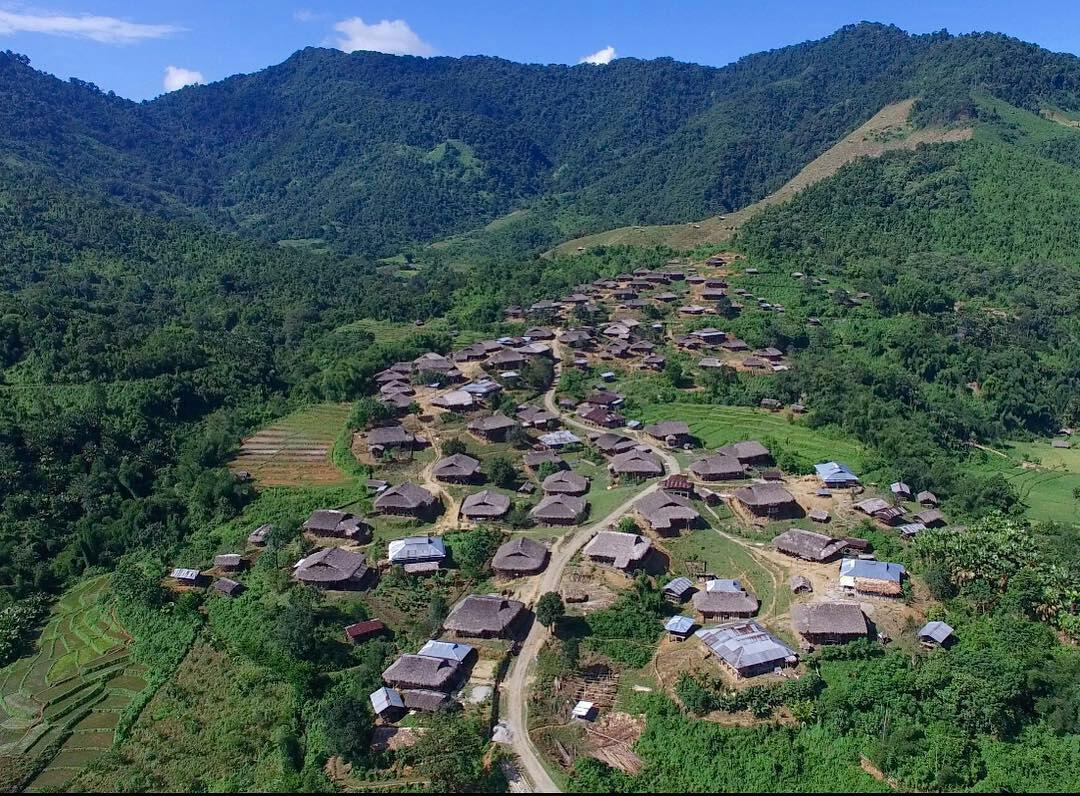
West Siang, Arunachal Pradesh: A Complete Travel Guide
West Siang is one of the most scenic and culturally rich districts of Arunachal Pradesh, known for its green mountain valleys, powerful rivers, traditional villages, indigenous cultures and remote Himalayan landscapes. The district headquarters, Aalo (also known as Along), is situated at the confluence of the Sipu and Yomgo (Siyom) Rivers and serves as an important gateway to the western and north-western parts of the state.
The district is home to several indigenous communities, particularly the Galo, along with Minyong, Bori, Bokar, Pailibo, Ramos and Memba communities. Their traditional lifestyles, festivals, food, weaving, village architecture and relationship with the surrounding forests and rivers give West Siang a distinctive cultural identity.
West Siang is also known for the spectacular Mechuka Valley, one of the most picturesque mountain destinations in the region. Although the administrative boundaries of the region have changed over time, Mechuka remains one of the major destinations historically associated with the wider West Siang tourism circuit.
From the riverside attractions of Aalo and the forests around Siru Rijo to traditional villages, hanging bridges, monasteries and the remote mountain landscapes toward Mechuka, West Siang offers an excellent combination of nature, culture, adventure and offbeat travel.
1. History of West Siang
The history of West Siang as an administrative district can be traced back to the administrative arrangements established in the early twentieth century. In 1914, the undivided Siang region formed part of the Central and Eastern Sections of the North East Frontier Tract.
In 1919, the area was redesignated as the Sadiya Frontier Tract. In 1948, the tract was reorganised into administrative charges including the Abor Hill District and Mishmi Hill District.
In 1954, the Abor Hill District became known as the Siang Frontier Division, which was later renamed the Siang District in 1965.
The present West Siang district emerged as a separate administrative unit under the Arunachal Pradesh (Reorganisation of District) Act, 1980, which came into force on 1 June 1980.
Before modern road and administrative networks reached the interior areas, many communities lived in relatively isolated mountain settlements. Traditional subsistence agriculture, particularly jhum cultivation, and barter-based exchange were important elements of the local economy.
Historical Timeline
| Year / Period | Historical Development |
|---|---|
| 1914 | Undivided Siang became part of the Central and Eastern Sections of the North East Frontier Tract. |
| 1919 | The area was redesignated as the Sadiya Frontier Tract. |
| 1948 | The administrative area was reorganised into the Abor Hill District and Mishmi Hill District. |
| 1954 | The Abor Hill District became the Siang Frontier Division. |
| 1965 | The Siang Frontier Division was renamed the Siang District. |
| 1980 | West Siang emerged as a separate district on 1 June. |
2. Geography and Climate
West Siang is a mountainous district in western-central Arunachal Pradesh. It is bounded by China to the north, Upper Siang and Siang districts to the east, Lower Siang and Assam to the south, and Upper Subansiri and Lower Subansiri districts to the west.
The district covers a large and varied geographical area, with steep mountains, forested slopes, green valleys and powerful rivers forming its dominant landscape. The Siyom or Yomgo River is one of the principal rivers associated with the district, while numerous smaller streams and tributaries flow through the valleys.
West Siang also contains considerable ecological diversity. Its forests support orchids, diverse flora and fauna, and vegetation types that vary with elevation.
Major Geographical Features
- Mountain ranges and forest-covered hills
- Siyom or Yomgo River valley
- Sipu River valley
- High-altitude mountain landscapes toward Mechuka
- Dense forests and diverse vegetation
- Tea-growing areas around Siru Rijo
- Numerous streams, waterfalls and river valleys
Climate
The climate of West Siang varies considerably according to altitude. Aalo and the lower valleys generally have a mild to warm climate, while the higher mountain areas are considerably cooler.
| Season | General Conditions | Travel Experience |
|---|---|---|
| Spring | Pleasant temperatures and increasing greenery | Good for sightseeing and village visits |
| Summer | Warm in lower valleys with increasing rainfall | Good for green landscapes and river scenery |
| Monsoon | Heavy rainfall and possible road disruptions | Travel requires flexibility and caution |
| Autumn | Clearer skies and comfortable conditions | Excellent for road trips and photography |
| Winter | Cool in Aalo and cold in higher areas | Good for mountain scenery and high-altitude travel |
3. Culture and Traditions
Culture is one of the strongest reasons to visit West Siang. The district is traditionally associated with the Galo community and is also home to Minyong, Bori, Bokar, Pailibo, Ramos and Memba communities.
Traditional life has historically been closely connected with agriculture, forests, rivers and community-based village systems. Oral traditions, folk songs, dances, weaving, traditional clothing and indigenous religious practices continue to contribute to the cultural identity of the district.
Galo Culture
The Galo people form one of the major indigenous communities of West Siang. Their cultural traditions include distinctive festivals, traditional songs and dances, indigenous food, weaving and community ceremonies.
The Mopin festival is particularly important to Galo cultural identity and is celebrated with traditional rituals, community gatherings, songs and dances.
Traditional Village Life
Many villages retain elements of traditional architecture and community life. Agriculture remains an important part of rural livelihoods, while bamboo, cane and other locally available materials are traditionally used for houses, bridges, tools and handicrafts.
Traditional Arts and Crafts
- Handwoven traditional textiles
- Bamboo and cane products
- Traditional ornaments
- Wood and bamboo household objects
- Traditional clothing
- Folk songs and dances
4. Architecture
The traditional architecture of West Siang reflects the mountainous environment and the availability of local construction materials. Bamboo, cane, timber and other natural materials have traditionally been used to construct houses, bridges and community structures.
One of the most interesting examples of local engineering is the traditional bamboo-and-cane hanging bridge. These bridges allow communities to cross rivers and streams while adapting to the challenging terrain.
Kabu Hanging Bridge
The Kabu Bridge near Aalo is one of the district's notable attractions and provides an example of the traditional bridge-building skills associated with the region. It is also promoted as an adventure attraction.
Traditional Architectural Features
- Bamboo and cane construction
- Timber-framed houses
- Traditional village layouts
- Handcrafted household structures
- Bamboo and cane suspension bridges
- Community spaces reflecting indigenous traditions
5. Famous Places and Tourist Places in West Siang
West Siang offers a broad range of destinations, from the riverside town of Aalo to remote mountain valleys. Some places are particularly suitable for short sightseeing trips, while others require longer road journeys and careful planning.
Aalo
Aalo, also known as Along, is the headquarters of West Siang district. It is situated at the confluence of the Sipu and Yomgo rivers and is surrounded by green hills and river valleys.
Aalo is the principal commercial and administrative centre of the district and is also an important base for exploring nearby villages and attractions.
Yomgo River
The Yomgo or Siyom River is one of the defining geographical features of West Siang. The river creates scenic valleys around Aalo and supports a variety of riverside recreational and adventure activities.
Donyi Polo Gangi
Donyi Polo Gangi is an important cultural and spiritual site associated with the indigenous Donyi Polo tradition. It is regarded as a sacred place where the Sun and Moon are worshipped and is associated with Galo, Adi and other communities.
The site also becomes particularly vibrant during cultural celebrations such as Mopin.
Siru Rijo Tea Garden
Siru Rijo Tea Garden is a distinctive attraction located amid forested surroundings. The tea plantation and surrounding greenery create a scenic landscape and provide a different experience from the typical mountain viewpoints of Arunachal Pradesh.
Kabu Hanging Bridge
The Kabu Hanging Bridge is an interesting destination for visitors looking for a combination of local engineering, river scenery and adventure.
The bridge also provides an opportunity to experience the traditional bamboo-and-cane bridge-making techniques associated with the region.
Tutem Recreational Park
Tutem Recreational Park is located approximately 2 kilometres from Aalo and is situated beside the river. It is a convenient place for relaxation, riverside walks, picnics and spending time in nature.
Benji Line, Darak
Benji Line, located around 45 kilometres from Aalo in the Darak area, is a pilgrimage destination. Local Hindu devotees associate the site with a naturally formed Shiv Linga.
Mechuka
Mechuka is one of the most spectacular mountain destinations associated with the West Siang travel circuit. The valley is surrounded by snow-covered mountains, green meadows, rivers and traditional settlements.
Mechuka is situated close to the international border and is known for its distinctive cultural landscape, with communities including the Memba, Ramo, Bokar and Libo.
Mechuka Valley
The Mechuka Valley offers a combination of mountain scenery, agricultural fields, traditional houses, rivers and high-altitude landscapes. The Siyom River, known locally as Yargyap Chu, flows through the valley.
Samten Yangchag Monastery
The historic Samten Yangchag Monastery is one of the important Buddhist sites in the Mechuka area. The monastery is situated on a hill overlooking the valley and adds an important cultural dimension to the mountain landscape.
Mechuka Lake and Mountain Landscapes
The Mechuka region contains natural water bodies, streams, meadows and mountain slopes that create excellent opportunities for photography, hiking and nature exploration.
Patum Bridge
Patum Bridge is another attraction around the Aalo area and is associated with the riverside landscape and local travel routes.
Kamki
Kamki, located around 25 kilometres from Aalo, is associated with the Kamki Hydropower Dam and agricultural and livestock-related activities. The area is also a scenic stop along the river landscape.
Ramakrishna Mission Campus
The Ramakrishna Mission campus at Aalo is another place of interest in the town and is associated with education, social service and the local cultural landscape.
Jirdin, Kabu and Kayi Villages
Villages around Aalo such as Jirdin, Kabu and Kayi offer opportunities to observe local lifestyles, traditional architecture and the cultural practices of the Galo community.
| Destination | Known For | Ideal For |
|---|---|---|
| Aalo | Sipu-Yomgo confluence, town and valley scenery | General sightseeing |
| Donyi Polo Gangi | Indigenous spiritual tradition | Culture and spirituality |
| Siru Rijo | Tea plantation and forest landscape | Nature and photography |
| Kabu Bridge | Traditional hanging bridge | Adventure and photography |
| Tutem Recreational Park | Riverside recreation | Picnic and relaxation |
| Benji Line | Religious pilgrimage site | Spiritual tourism |
| Mechuka | Mountain valley and tribal culture | Nature and adventure |
| Samten Yangchag Monastery | Buddhist heritage | Culture and spirituality |
| Kamki | River and hydropower landscape | Nature and sightseeing |
6. Famous Dishes and Local Food
The food of West Siang reflects the culinary traditions of the indigenous communities of Arunachal Pradesh. Rice is an important staple, while bamboo shoots, vegetables, herbs, meat and fish are commonly used in traditional meals.
Local Food to Try
- Rice-based traditional meals
- Bamboo shoot preparations
- Smoked meat
- Fresh river fish
- Seasonal leafy vegetables
- Locally grown herbs
- Traditional meat and vegetable preparations
- Rice-based traditional beverages
Galo Food Traditions
Galo cuisine places considerable emphasis on fresh and locally available ingredients. Traditional cooking generally uses simple methods that preserve the natural flavours of vegetables, meat and other ingredients.
Travellers staying in rural homestays may have a better opportunity to experience traditional dishes than visitors relying only on restaurants in Aalo.
7. Famous Personalities
West Siang has produced and been associated with several notable figures in public life, culture, administration and indigenous community affairs.
Grandfather Kashi Yomcha
Kashi Yomcha is remembered in Galo cultural tradition as a highly respected priest. His name remains particularly associated with the Yomcha area, where local cultural events have highlighted his traditional knowledge and spiritual role.
Jarkar Gamlin
Jarkar Gamlin, associated with West Siang, has held important public positions and has also been involved in efforts to promote development and tourism in the region.
West Siang's cultural identity, however, is not represented by individuals alone. Traditional priests, village elders, artisans, performers and community leaders continue to play important roles in preserving the district's heritage.
8. Festivals of West Siang
Festivals are an important part of West Siang's cultural life, particularly among the Galo and other indigenous communities. One of the most significant celebrations associated with the district is Mopin.
Mopin Festival
Mopin is a major festival of the Galo community and is celebrated prominently in Aalo and other parts of West Siang. The festival is associated with prosperity, well-being and community harmony.
Traditional ceremonies are conducted by priests, while cultural programmes include Popir dance, traditional songs, indigenous clothing, community feasts and cultural performances.
The Central Mopin Festival in Aalo has become an important cultural gathering and provides visitors with an opportunity to observe Galo traditions on a larger scale.
Solung
Solung is another important festival associated with the wider Adi cultural region. It has also been celebrated in Aalo with traditional songs, dances, folk narratives and cultural programmes.
Yomgo River Festival
The Yomgo River Festival has been promoted as a tourism and cultural event around Aalo. River-based activities, local cuisine, cultural performances and community participation form part of the festival concept.
Festival Experiences
- Traditional Popir dance
- Folk songs and performances
- Traditional clothing and ornaments
- Community feasts
- Indigenous ceremonial practices
- Traditional food
- Local handicrafts and cultural displays
9. Things to Do in West Siang
West Siang is especially attractive to travellers who prefer nature, culture and adventure rather than conventional city tourism.
Explore Aalo
Spend time around the rivers, markets, cultural sites and surrounding villages of Aalo. The town is an excellent base for exploring nearby attractions.
Walk Along the Rivers
The confluence of the Sipu and Yomgo rivers provides some of the most attractive landscapes around Aalo. Riverside walks and photography are particularly enjoyable during pleasant weather.
Visit Traditional Villages
Village visits around Aalo provide an opportunity to learn about Galo architecture, agriculture, food and everyday life.
Cross a Traditional Hanging Bridge
The Kabu Bridge provides an opportunity to experience a traditional style of river crossing while enjoying the surrounding landscape.
Explore Tea Plantations
Siru Rijo is an unusual attraction in the district where visitors can see tea cultivation surrounded by forested hills.
Experience Indigenous Culture
Visitors travelling during Mopin or other cultural events can experience traditional dances, songs, food and community celebrations.
Go Trekking Around Mechuka
The mountains and valleys surrounding Mechuka offer opportunities for hiking and trekking. Routes should be selected according to weather, fitness and local guidance.
Explore Buddhist Heritage
Visitors to the Mechuka region can explore its Buddhist cultural landscape, including Samten Yangchag Monastery and surrounding settlements.
Try River Activities
The rivers around Aalo and the wider West Siang region offer opportunities for selected adventure activities, including rafting and bamboo-boat experiences where locally organised and conditions permit.
Photography
West Siang is particularly rewarding for landscape and cultural photographers.
- Yomgo River
- Sipu-Yomgo confluence
- Mechuka Valley
- Traditional villages
- Hanging bridges
- Tea plantations
- Mountain landscapes
- Traditional festivals
- River valleys and forests
10. Where to Eat, Shop and Stay
Where to Stay
Aalo is the most convenient accommodation base for exploring the central part of West Siang. The district administration lists several hotels, resorts and other accommodation options in and around Aalo.
For a more immersive travel experience, travellers can also consider homestay-style accommodation in rural destinations, subject to availability.
Where to Eat
Aalo has local restaurants and eateries offering Indian and regional food. Travellers should also look for opportunities to try traditional Galo dishes through local hosts and community-based tourism experiences.
Where to Shop
Aalo's markets are the most practical places for purchasing daily necessities and locally available products. Depending on availability, visitors may find traditional textiles, handicrafts, bamboo and cane products and local agricultural produce.
What to Buy
- Traditional woven textiles
- Bamboo and cane handicrafts
- Traditional ornaments
- Locally produced agricultural items
- Regional food products
- Handmade decorative products
| Requirement | Recommended Area |
|---|---|
| Hotels | Aalo |
| Local restaurants | Aalo |
| Traditional food | Homestays and village areas |
| Shopping | Aalo markets |
| Mountain stay | Mechuka and surrounding areas, subject to availability |
11. What Is West Siang Famous For?
West Siang is best known for its river valleys, Galo culture, Aalo, Mechuka, traditional villages, mountain landscapes and indigenous festivals.
- Aalo: The district headquarters located at the confluence of the Sipu and Yomgo rivers.
- Galo Culture: One of the defining cultural identities of the district.
- Mopin Festival: A major Galo cultural celebration.
- Mechuka: A spectacular high-altitude valley surrounded by mountains.
- Yomgo River: One of the major rivers shaping the landscape around Aalo.
- Siru Rijo: Known for its tea plantation surrounded by forest.
- Kabu Hanging Bridge: A traditional bridge and adventure attraction.
- Donyi Polo Gangi: An important indigenous spiritual and cultural site.
- Traditional Villages: Places such as Jirdin, Kabu and Kayi offer insight into Galo life.
- Buddhist Heritage: Particularly visible in the Mechuka region.
12. Best Time to Visit West Siang
The best time to visit West Siang depends on whether you are exploring Aalo and its surrounding valleys or travelling farther into the higher mountain areas around Mechuka.
| Period | Conditions | Best For |
|---|---|---|
| March–April | Pleasant weather with increasing greenery | Culture, sightseeing and festivals |
| May–June | Warm and increasingly humid in lower areas | Mountain and valley travel |
| July–September | Monsoon rainfall and possible road disruptions | Travel only with flexible plans |
| October–November | Clearer skies and comfortable conditions | Excellent for road trips and photography |
| December–February | Cold, with winter conditions in higher areas | Mountain scenery and winter experiences |
Best Period for Mechuka
Mechuka can be visited in different seasons, but the experience changes significantly throughout the year. Winter can bring snow and dramatic mountain scenery, while spring and autumn generally provide more comfortable conditions for outdoor exploration.
13. How to Reach West Siang
Aalo is the main gateway for travelling through West Siang. Road travel is the principal way to explore the district.
By Air
The nearest airport to Aalo is Pasighat Airport in East Siang district. The airport has connections to cities including Guwahati and Kolkata, after which travellers can continue to Aalo by road.
Helicopter services may also operate on selected routes and schedules, subject to weather and operational conditions.
By Train
Murkongselek Railway Station in East Siang is the nearest railway option for Aalo. From the station, travellers can hire a taxi or continue by road.
By Road
Aalo is connected by road with Itanagar, Pasighat and Assam-side destinations. The district administration notes that Aalo is approximately 95 kilometres from Pasighat, around 240 kilometres from North Lakhimpur and around 303 kilometres from Itanagar, although actual travel time depends on road and weather conditions.
Typical Road Routes
| Starting Point | Typical Route |
|---|---|
| Itanagar | Itanagar → Ziro → Daporijo → Aalo |
| Pasighat | Pasighat → Aalo |
| North Lakhimpur | North Lakhimpur → Assam-Arunachal route → Aalo |
| Aalo to Mechuka | Aalo → Mechuka mountain route |
Entry Requirements
Indian tourists travelling to Arunachal Pradesh need an Inner Line Permit (ILP). Foreign visitors require the applicable Protected Area Permit (PAP) and should confirm current regulations before travelling.
14. Nearby Places to Visit
West Siang's location makes it possible to combine the district with several other destinations in Arunachal Pradesh.
Upper Siang
Upper Siang lies to the east of West Siang and offers additional opportunities to experience Adi culture, the Siang River and remote mountain landscapes.
Siang
The neighbouring Siang district offers destinations associated with the Siang River and the cultural heritage of the Adi community.
Lower Siang
Lower Siang lies south of West Siang and can be incorporated into a longer river and cultural itinerary.
Upper Subansiri
Upper Subansiri lies to the northwest and provides access to remote mountain landscapes and destinations such as Daporijo and Nacho.
Ziro
Ziro in Lower Subansiri can be combined with West Siang as part of the Itanagar–Ziro–Daporijo–Aalo circuit.
| Nearby Destination | Why Visit |
|---|---|
| Upper Siang | Siang River, Adi culture and mountain landscapes |
| Siang | River scenery and indigenous culture |
| Lower Siang | River valleys and cultural experiences |
| Upper Subansiri | Remote Himalayan landscapes and adventure |
| Ziro | Apatani culture and valley landscapes |
15. Best Duration for a West Siang Trip
The ideal duration depends on whether the trip focuses on Aalo or includes the longer journey toward Mechuka.
| Duration | Suggested Experience |
|---|---|
| 2 Days | Aalo, Yomgo River, Donyi Polo Gangi and nearby attractions. |
| 3–4 Days | Aalo, Siru Rijo, Kabu, Tutem and surrounding villages. |
| 5–6 Days | Aalo plus a focused Mechuka visit. |
| 7–8 Days | Aalo, nearby villages and a more relaxed Mechuka circuit. |
| 9+ Days | Slow exploration of West Siang combined with neighbouring Siang-region destinations. |
16. Travel Tips for West Siang
West Siang is more accessible than some of the most remote districts of Arunachal Pradesh, but travellers should still prepare carefully for mountain travel, particularly when travelling toward Mechuka.
- Arrange your ILP in advance: Carry the permit and valid identification during the trip.
- Plan extra road time: Mountain roads can make journeys much longer than the distance suggests.
- Check weather conditions: Heavy rainfall can affect roads and bridges.
- Carry cash: ATM and digital payment facilities can be limited outside Aalo.
- Carry warm clothing: Higher destinations such as Mechuka can become very cold.
- Keep rain protection: Weather can change quickly in the mountains.
- Use experienced drivers: Mountain roads are best handled by drivers familiar with the route.
- Respect local communities: Ask permission before photographing people, homes or ceremonies.
- Respect religious places: Follow local rules when visiting Donyi Polo sites and monasteries.
- Do not litter: Carry reusable bags and bottles and take waste back with you.
- Do not underestimate rivers: Water levels can change rapidly after rainfall.
- Carry basic medicines: Medical facilities become more limited in remote areas.
- Keep offline maps: Mobile connectivity may become unreliable in remote mountain areas.
What to Pack
| Category | Recommended Items |
|---|---|
| Clothing | Warm layers, rain jacket, comfortable trousers and sturdy shoes |
| Documents | Government ID, ILP and accommodation/travel details |
| Health | Personal medicines, first-aid kit and basic medical supplies |
| Electronics | Power bank, flashlight and charging cables |
| Photography | Camera, extra batteries and weather protection |
| Outdoor activities | Daypack, trekking shoes and appropriate outdoor equipment |
17. Why Visit West Siang?
West Siang is ideal for travellers who want to experience a quieter and more culturally immersive side of Arunachal Pradesh.
- To explore the beautiful riverside town of Aalo.
- To experience the culture of the Galo community.
- To witness the colourful Mopin Festival.
- To explore the Yomgo and Sipu river valleys.
- To visit the Donyi Polo Gangi cultural site.
- To see the forest-surrounded tea gardens of Siru Rijo.
- To experience a traditional hanging bridge at Kabu.
- To explore rural villages around Aalo.
- To discover the spectacular mountain landscape of Mechuka.
- To explore Buddhist heritage in the Mechuka region.
- To enjoy trekking, photography and nature walks.
- To experience an offbeat Arunachal Pradesh road trip.
18. West Siang Travel Experience
A journey through West Siang is best experienced slowly. The district combines rivers, forests, villages and mountains in a way that allows travellers to experience both the natural and cultural sides of Arunachal Pradesh.
A typical journey can begin in Aalo, where the Sipu and Yomgo rivers meet. From the town, travellers can explore the surrounding villages, Donyi Polo Gangi, Tutem Recreational Park and the Kabu area.
The journey can then continue toward Siru Rijo, where forested surroundings and tea plantations create a landscape very different from the high Himalayan destinations farther north.
For travellers interested in culture, village visits provide a more personal experience of Galo traditions. Traditional food, weaving, architecture, agriculture and community life are often more meaningful when experienced through local hosts rather than simply viewed as tourist attractions.
Those with additional time can undertake the longer journey toward Mechuka. As the road climbs into the mountains, the scenery gradually changes into a dramatic high-altitude landscape of green valleys, snow-covered peaks, rivers and remote settlements.
The Mechuka journey is particularly rewarding for travellers who enjoy photography, trekking, cultural exploration and quiet mountain environments.
19. Conclusion
West Siang is a destination where rivers, mountains and indigenous culture come together. From the riverside setting of Aalo and the green landscapes around Siru Rijo to the traditional villages, cultural sites and spectacular mountain scenery toward Mechuka, the district offers an experience that goes well beyond conventional sightseeing.
The Galo community and other indigenous groups give West Siang a rich cultural identity, while festivals such as Mopin provide visitors with an opportunity to experience traditional music, dance, food and community life.
For nature lovers, the district offers forests, orchids, rivers and mountain valleys. For adventure travellers, there are hanging bridges, river activities, trekking routes and remote mountain roads. For culture enthusiasts, traditional villages, Donyi Polo traditions and Buddhist heritage offer deeper insight into the region.
Whether you spend a few days exploring Aalo or undertake the longer journey toward Mechuka, West Siang rewards travellers who are willing to slow down and experience Arunachal Pradesh beyond its most famous tourist destinations.
West Siang is not simply a place to pass through—it is a region to explore, experience and remember.
"Travel is the only thing you buy that makes you richer."