Papum Pare – A Gateway to Arunachal Pradesh, Green Hills and Indigenous Heritage
Located in the northeastern part of Arunachal Pradesh, Papum Pare is one of the state's most important districts in terms of administration, connectivity, culture and tourism. With Yupia as its district headquarters and the state capital Itanagar located within the wider Papum Pare region, the district serves as an important gateway between Arunachal Pradesh and neighbouring Assam.
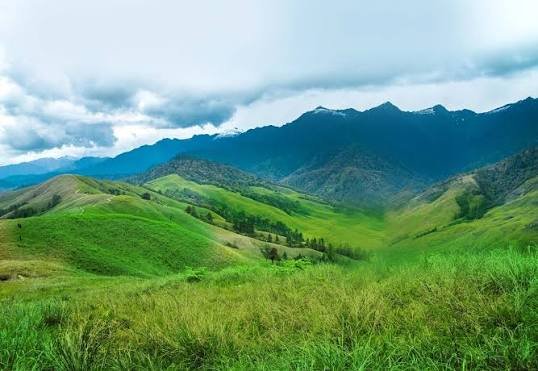
Papum Pare is named after two important rivers, the Papum and the Pare. The district is characterised by green forests, river valleys, hills, plateaus and foothill landscapes. Its location provides visitors with easy access to historical monuments, Buddhist sites, lakes, museums, wildlife attractions and indigenous cultural experiences.
The district is predominantly associated with the Nyishi community, whose traditions, festivals, agriculture, crafts and village life form an important part of the region's cultural identity. At the same time, Itanagar brings together people from different tribal communities of Arunachal Pradesh as well as residents from other parts of India.
For travellers, Papum Pare is particularly attractive because it combines history, culture, nature, spirituality and urban experiences in one accessible region. It is also an ideal starting point for exploring several other districts of Arunachal Pradesh.
History of Papum Pare
The history of Papum Pare is closely connected with the broader historical development of Arunachal Pradesh and the indigenous communities that have inhabited the region for generations.
The area that is now Papum Pare was historically part of larger administrative territories. The administrative history of the region includes the former Subansiri District and later the Lower Subansiri District. Papum Pare was created as a separate district in 1992 by bifurcating Lower Subansiri District. The district headquarters was established at Yupia.
From 1992 to 2000, the temporary headquarters of Papum Pare was located at Itanagar. In 2000, the district headquarters shifted to its permanent location at Yupia after administrative buildings and residential facilities were completed.
The history of the wider region is also connected with the development of Itanagar as the capital of Arunachal Pradesh. The capital was initially shifted to Naharlagun in 1974 and subsequently moved to Itanagar in 1978.
The district therefore occupies an important place in the administrative history of modern Arunachal Pradesh while continuing to preserve its indigenous cultural traditions.
Geography and Climate of Papum Pare
Papum Pare covers approximately 3,462 square kilometres and is bounded by Kra Daadi to the north, Lower Subansiri to the east, East Kameng to the west and Assam to the south. The district extends from the foothills towards the Himalayan ranges, creating considerable geographical variation.
The elevation varies significantly across the district, from the lower foothill areas to higher hill ranges. The landscape includes forests, deep river valleys, hills, plateaus and numerous streams.
The vegetation includes tropical semi-evergreen and subtropical evergreen forests. Lower elevations contain tall trees, bamboo, cane, wild banana and numerous creepers, while higher areas contain ferns and rhododendrons.
| Season | Months | General Conditions |
|---|---|---|
| Winter | December – February | Cool and comparatively comfortable, with misty mornings and pleasant daytime conditions. |
| Pre-Monsoon | March – May | Warmer weather with increasing humidity and occasional thunderstorms. |
| Monsoon | June – September | Heavy rainfall and very lush greenery; road travel can occasionally be affected. |
| Post-Monsoon | October – November | Greener landscapes, improving weather and comfortable conditions for sightseeing. |
The official district administration notes that the foothill areas can experience particularly heavy rainfall, especially around Doimukh and adjoining areas.
Culture and Traditions of Papum Pare
Papum Pare has a rich cultural landscape dominated by the Nyishi community, while the capital region brings together people from many different communities of Arunachal Pradesh.
Nyishi Heritage
The Nyishi people have traditionally lived across the foothills and hills of Arunachal Pradesh. Their cultural heritage includes distinctive clothing, customary practices, festivals, agriculture, traditional knowledge and strong community institutions.
Traditional Attire
Traditional Nyishi clothing and ornaments are important expressions of cultural identity. Traditional attire is particularly visible during festivals, ceremonies and cultural programmes.
Traditional Agriculture
Agriculture has historically been an important part of life in Papum Pare. Both jhum or shifting cultivation on suitable slopes and wet-rice cultivation in lower areas are traditionally practised. Horticulture is also important, with crops such as orange, pineapple, banana, guava, papaya, lemon and other fruits grown in the district.
Handicrafts and Traditional Skills
Bamboo, cane, wood and locally available natural materials are used in traditional craftsmanship. Weaving and handmade products also contribute to the cultural identity of the region.
Community Life
Village life remains closely connected with agriculture, forests and community relationships. Festivals and traditional gatherings provide important opportunities for preserving customs and passing cultural knowledge to younger generations.
Papum Pare therefore offers visitors a cultural experience that combines indigenous traditions with the multicultural atmosphere of the state capital.
Architecture of Papum Pare
The architecture of Papum Pare reflects both its indigenous heritage and its importance as an administrative and urban centre.
Traditional Nyishi Houses
Traditional homes have historically been built using locally available materials such as bamboo, wood and cane. Their design reflects the climate, terrain and lifestyle of the community.
Traditional Village Spaces
Indigenous villages traditionally include spaces for community interaction, ceremonies and social gatherings. These spaces reflect the strong community-oriented nature of traditional life.
Ita Fort
Ita Fort is one of the most important historical architectural landmarks associated with the region. Its name literally means "Fort of Bricks", with "Ita" referring to brick in Assamese. The fort dates broadly to the 14th–15th centuries and contains substantial brickwork with entrances on three sides.
Modern Itanagar
Itanagar and the surrounding urban areas feature government offices, educational institutions, markets, hotels, residential buildings and modern infrastructure. This gives Papum Pare a distinctive combination of traditional heritage and contemporary urban development.
Famous Places in Papum Pare
Papum Pare has some of the most accessible cultural and historical attractions in Arunachal Pradesh. Many are located in and around Itanagar.
Ita Fort
Ita Fort is one of the most significant historical attractions in the district. Built primarily with bricks, the irregularly shaped fort is traditionally associated with the medieval period and remains an important symbol of the region's historical heritage.
Ganga Lake or Geker Sinying
Ganga Lake, locally known as Geker Sinying, is one of the most popular natural attractions around Itanagar. Surrounded by lush vegetation and hills, the lake provides a peaceful setting for sightseeing and recreation. The lake is also known for boating facilities.
Thupten Gatseling Monastery
Thupten Gatseling Monastery, commonly known as the Itanagar Gompa, is situated on a hill near Itanagar. The official district tourism information states that the temple was consecrated by the Dalai Lama and offers panoramic views of the surrounding city and hills.
Theravada Buddhist Temple
The Theravada Buddhist Temple at VIP Colony provides visitors with an opportunity to experience another important Buddhist tradition within the multicultural landscape of the capital region.
Jawaharlal Nehru State Museum
The Jawaharlal Nehru State Museum in Itanagar is an important place for understanding the tribal cultures, traditional lifestyles, crafts and ethnographic heritage of Arunachal Pradesh.
Itanagar Zoological Park
The Itanagar Zoological Park is another attraction for visitors, particularly families and travellers interested in wildlife. It provides an accessible way to learn about regional fauna.
Polo Park
Polo Park is a popular recreational attraction in the Itanagar area and provides visitors with a pleasant green space surrounded by the hills and urban landscape.
Doimukh
Doimukh is an important settlement in Papum Pare surrounded by green hills and river landscapes. The area also represents the transition between the foothills and the more mountainous parts of the district.
Yupia
Yupia is the district headquarters and an important administrative centre. It provides access to the surrounding rural landscapes and is located close to Itanagar.
Hollongi and Surrounding Foothills
The southern part of Papum Pare includes the Hollongi foothill region, known for its forested landscape and its strategic importance as an entry point to the capital region.
These destinations make Papum Pare particularly convenient for travellers interested in history, museums, Buddhist culture, nature and urban exploration.
Famous Dishes of Papum Pare
The cuisine of Papum Pare reflects the food traditions of the Nyishi community as well as the broader culinary diversity of the capital region.
Rice-Based Meals
Rice is a staple food and is commonly served with vegetables, fish, meat and locally prepared accompaniments.
Bamboo Shoot Preparations
Fresh and fermented bamboo shoots are commonly used in regional cuisine and can be prepared with meat, fish or vegetables.
Smoked Meat
Smoking has traditionally been used to preserve meat and remains an important element of indigenous food culture.
Local Greens and Vegetables
Seasonal vegetables, leafy greens and locally available herbs are widely used in traditional meals.
Apong and Traditional Beverages
Traditional fermented rice beverages are associated with social gatherings and cultural occasions among several indigenous communities of Arunachal Pradesh.
Fresh Horticultural Produce
Papum Pare produces a variety of fruits and horticultural products, including orange, pineapple, banana, guava, papaya, lemon and litchi.
The food culture of the district reflects the connection between agriculture, forests, rivers and indigenous traditions.
Famous Personalities Associated with Papum Pare
Papum Pare has been associated with numerous political leaders, public representatives, administrators, educators, cultural contributors and social workers who have contributed to the development of Arunachal Pradesh.
Community Leaders
Traditional village elders and community leaders have historically played important roles in preserving customary practices, maintaining social relationships and passing indigenous knowledge to younger generations.
Public Representatives
The district and the capital region have produced and hosted numerous public representatives involved in the political and administrative development of Arunachal Pradesh.
Cultural Contributors
Artists, musicians, educators, artisans and cultural organisations in and around Itanagar have contributed to preserving and promoting the diverse traditions of Arunachal Pradesh.
Because Papum Pare contains the state capital, its cultural life reflects the collective heritage of communities from across Arunachal Pradesh.
Festivals of Papum Pare
Festivals are an important part of the cultural life of Papum Pare, with Nyokum Yullo being especially significant among the Nyishi community.
Nyokum Yullo
Nyokum Yullo is one of the most important festivals of the Nyishi people. It is associated with prayers for harmony, prosperity, agricultural well-being and peaceful coexistence between humans and nature.
The festival is celebrated through traditional rituals, community gatherings, singing, dancing, traditional clothing and food.
Nyishi Cultural Celebrations
Different communities in Papum Pare observe their own traditional festivals and ceremonies throughout the year. These occasions provide opportunities to preserve indigenous languages, food traditions, music and dance.
Buddhist Festivals
The presence of Buddhist monasteries and communities also brings Buddhist religious celebrations to the capital region. These events add to the cultural diversity of the district.
State-Level Cultural Events
As the capital region, Itanagar hosts cultural programmes and events representing communities from different parts of Arunachal Pradesh. These provide visitors with an opportunity to experience the state's cultural diversity in one location.
For travellers, visiting during a festival can provide a more vivid experience of the living cultural traditions of Papum Pare.
Things to Do in Papum Pare
Papum Pare is ideal for travellers interested in history, culture, nature, museums, spirituality and urban exploration.
- Visit Ita Fort: Explore one of the most important historical monuments of Arunachal Pradesh.
- Explore Ganga Lake: Enjoy the peaceful surroundings of Geker Sinying and experience boating where available.
- Visit the Itanagar Gompa: Experience Buddhist architecture and enjoy panoramic views of the capital.
- Explore the State Museum: Learn about the indigenous communities, traditional crafts and cultural heritage of Arunachal Pradesh.
- Visit Itanagar Zoological Park: Explore a family-friendly attraction showcasing regional wildlife.
- Explore Doimukh: Experience the foothill landscape, rivers and surrounding green hills.
- Visit Yupia: Explore the district headquarters and surrounding landscapes.
- Experience Nyishi Culture: Learn about traditional food, clothing, festivals, agriculture and village life.
- Attend Nyokum Yullo: Experience traditional rituals, music, dance and community celebrations if your visit coincides with the festival.
- Enjoy Nature Photography: Capture hills, forests, lakes, rivers and cultural landscapes.
- Explore Local Markets: Discover regional food, fresh produce, handloom products and everyday life in the capital region.
Where to Eat, Shop, and Stay in Papum Pare
Because Papum Pare includes the state capital and the surrounding urban region, it offers some of the best-developed accommodation, dining and shopping facilities in Arunachal Pradesh.
Where to Eat
Itanagar and Naharlagun have a wide range of restaurants, cafés and local eateries serving Indian, Chinese, Tibetan and northeastern cuisines. Visitors can also look for traditional Arunachali dishes and local ingredients.
Where to Shop
Markets in Itanagar and Naharlagun offer clothing, handicrafts, fresh produce, regional food products and daily necessities. Visitors interested in indigenous crafts can look for bamboo, cane and handloom products.
Where to Stay
The district offers a wide range of hotels, guesthouses, homestays and other accommodation, particularly around Itanagar, Naharlagun and other major settlements.
Travellers can choose between budget accommodation and more comfortable hotels depending on their requirements. Booking ahead is advisable during festivals, holidays and major events.
What Is Papum Pare Famous For?
Papum Pare is famous for its state capital, historical heritage, Ganga Lake, Ita Fort, Buddhist sites and Nyishi cultural traditions.
The district is particularly known for:
- Itanagar – The capital city of Arunachal Pradesh.
- Ita Fort – A significant medieval brick fort and historical landmark.
- Ganga Lake – A scenic natural lake surrounded by hills and greenery.
- Thupten Gatseling Monastery – A prominent Buddhist landmark overlooking Itanagar.
- Jawaharlal Nehru State Museum – Showcasing the cultural heritage of Arunachal Pradesh.
- Itanagar Zoological Park – A popular wildlife attraction.
- Nyishi Culture – The dominant indigenous cultural heritage of the district.
- Nyokum Yullo – An important agricultural and cultural festival.
- Yupia – The district headquarters.
- Green Hills and River Valleys – Defining features of the district's natural landscape.
Best Time to Visit Papum Pare
The best time to visit Papum Pare is generally from October to April, when weather conditions are comparatively comfortable for sightseeing, cultural exploration and outdoor activities.
| Season | Months | What to Expect |
|---|---|---|
| Post-Monsoon | October – November | Fresh greenery, improving weather and pleasant conditions for sightseeing. |
| Winter | December – February | Cool and comfortable weather, particularly suitable for exploring Itanagar and nearby attractions. |
| Spring | March – April | Warm but generally pleasant conditions for outdoor activities and cultural exploration. |
| Monsoon | May – September | Heavy rainfall and very lush landscapes, though travel may occasionally be affected. |
The official district information identifies December to February as the winter period and notes heavy monsoon rainfall from June through September.
Travellers interested in festivals should plan according to the relevant annual festival calendar, while visitors interested in outdoor sightseeing may find the post-monsoon and winter months especially comfortable.
How to Reach Papum Pare
Papum Pare is one of the best-connected districts in Arunachal Pradesh because of its proximity to the state capital, major roads and railway facilities.
By Air
Donyi Polo Airport at Hollongi serves Itanagar and is located in Papum Pare district. The airport provides air connectivity for travellers heading to the capital region.
Lilabari Airport in Assam is another useful air gateway for the region, particularly for travellers arriving from nearby cities.
By Train
Naharlagun Railway Station provides railway access to the Itanagar region. Harmuti Railway Station in Assam is another useful railhead for reaching the area.
By Road
Papum Pare is well connected by road with Assam and other parts of Arunachal Pradesh. Itanagar can be reached by road from major cities and towns in Assam, while Yupia is connected to the capital by an all-weather road.
The district administration states that Yupia is approximately 22 kilometres from Itanagar and is connected by road, while Naharlagun Railway Station is only a few kilometres away from the district headquarters.
Visitors from outside Arunachal Pradesh should arrange the required Inner Line Permit (ILP) or other applicable entry documents before entering the state. Tourist ILP facilitation is also available at designated locations including Naharlagun and Gumto railway stations and Guwahati airport-related facilities.
Nearby Places to Visit from Papum Pare
Papum Pare is an excellent base for exploring several districts and destinations in central Arunachal Pradesh.
Itanagar Capital Region
The capital region is closely connected with Papum Pare and offers historical monuments, museums, monasteries, lakes, markets and modern urban facilities.
Lower Subansiri
Lower Subansiri is known for the spectacular Ziro Valley, Apatani culture, traditional villages, rice fields and Talley Valley.
Keyi Panyor
Keyi Panyor offers green hills, forests, rivers and indigenous cultural landscapes and is suitable for travellers looking for quieter destinations around the central Arunachal region.
Kamle
Kamle is known for its green hills, rivers, waterfalls and rural landscapes and can be combined with Papum Pare for an offbeat journey.
East Kameng
East Kameng offers forests, mountains, rivers and indigenous cultural experiences and can be included in a longer road trip through central Arunachal Pradesh.
Kurung Kumey
Kurung Kumey provides more remote mountain landscapes, forests and traditional villages for travellers interested in offbeat exploration.
Because of its central location and connectivity, Papum Pare is an excellent starting point for exploring the cultural and geographical diversity of central Arunachal Pradesh.
Best Duration for a Trip to Papum Pare
A 2 to 3-day trip is suitable for travellers who want to explore the main attractions around Itanagar, including Ita Fort, Ganga Lake, the monastery and the state museum.
A 4 to 5-day trip allows more time for exploring Doimukh, Yupia, nearby rural landscapes and additional cultural attractions.
If Papum Pare is used as the starting point for a wider Arunachal Pradesh journey covering Lower Subansiri, Keyi Panyor, Kamle or East Kameng, an itinerary of 7 days or more can provide a much richer experience.
Travel Tips for Papum Pare
- Arrange your ILP or other required entry documents before travelling to Arunachal Pradesh.
- Plan your sightseeing around Itanagar and Yupia to make the most of your time.
- Check weather and road conditions before travelling to rural and hilly areas.
- Carry comfortable footwear for visiting forts, museums, lakes and hilltop attractions.
- Keep a raincoat or umbrella during the wetter months.
- Carry light warm clothing during winter, especially for early mornings and evenings.
- Respect local customs and ask permission before photographing people, homes or ceremonies.
- Dress appropriately when visiting Buddhist monasteries and religious places.
- Do not touch religious objects or enter restricted areas without permission.
- Keep sufficient cash, drinking water and essential medicines when travelling outside the main urban areas.
- Avoid littering around lakes, forests, monuments and religious sites.
Why Visit Papum Pare?
Papum Pare is one of the most convenient districts in Arunachal Pradesh for travellers who want to experience a combination of history, culture, spirituality, nature and modern city life.
Its proximity to the state capital means that visitors can enjoy good infrastructure while still having easy access to hills, forests, rivers and traditional villages.
Papum Pare is especially worth visiting for:
- The historic Ita Fort
- The beautiful Ganga Lake or Geker Sinying
- Thupten Gatseling Monastery
- The Jawaharlal Nehru State Museum
- Itanagar Zoological Park
- Rich Nyishi cultural heritage
- Nyokum Yullo and other cultural celebrations
- Green forests, hills and river valleys
- Excellent connectivity with other Arunachal destinations
- A convenient starting point for exploring central Arunachal Pradesh
For first-time visitors to Arunachal Pradesh, Papum Pare is particularly valuable because it offers a gentle introduction to the state's history, indigenous cultures, Buddhist traditions and Himalayan landscapes.
Conclusion
Papum Pare is a district where the administrative importance of modern Arunachal Pradesh meets the rich cultural and natural heritage of the Eastern Himalayas.
From the historic Ita Fort and peaceful waters of Ganga Lake to the hilltop monastery, museums, forests and traditional Nyishi communities, the district offers a diverse range of experiences.
Its location around the state capital also makes Papum Pare one of the most accessible gateways to the wider state. Travellers can comfortably combine the district with destinations such as Ziro, East Kameng, Kamle and Keyi Panyor.
Whether you are interested in history, culture, spirituality, nature, photography or exploring Arunachal Pradesh for the first time, Papum Pare offers an excellent introduction to the state's diverse landscapes and living traditions.
With its combination of historic monuments, scenic lakes, Buddhist heritage, indigenous culture, green hills and excellent connectivity, Papum Pare remains one of the most important and rewarding districts to explore in Arunachal Pradesh.
"Travel is the only thing you buy that makes you richer."