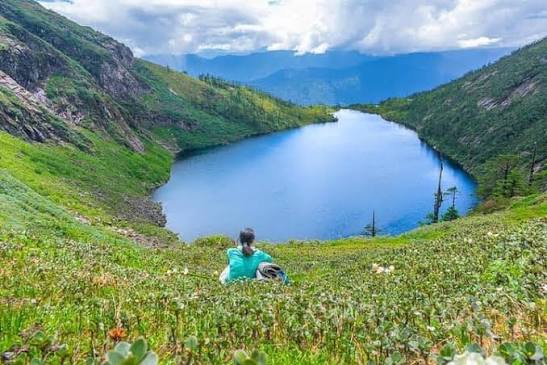
Lower Dibang Valley – A Land of Rivers, Forests and Idu Mishmi Heritage
Located in the eastern part of Arunachal Pradesh, Lower Dibang Valley is a scenic district known for its broad river valleys, forested hills, rich biodiversity and vibrant indigenous culture. With Roing as its district headquarters, the region offers travellers a wonderful combination of nature, adventure, history and traditional Idu Mishmi heritage.
The district takes its name from the Dibang River, one of the major rivers of Arunachal Pradesh. Flowing through dramatic mountain landscapes before joining the Brahmaputra river system, the river is an important part of the region's geography and identity.
Lower Dibang Valley is particularly attractive for travellers who enjoy mountains, rivers, lakes, forests, waterfalls, wildlife and offbeat cultural experiences. The district also serves as an important gateway towards the more remote Himalayan landscapes of eastern Arunachal Pradesh.
From the peaceful town of Roing and the beautiful Mayudia Pass to the forests of Mehao Wildlife Sanctuary and the traditional villages of the Idu Mishmi people, Lower Dibang Valley offers a memorable journey through one of the most fascinating regions of Arunachal Pradesh.
History of Lower Dibang Valley
Lower Dibang Valley has a long history connected with the indigenous communities that have inhabited the mountains and valleys of the region for generations. The Idu Mishmi community forms an important part of the district's cultural identity, with traditional customs, beliefs and village life deeply connected with the surrounding natural environment.
The wider Dibang region historically covered a much larger administrative area. As administrative requirements changed and new districts were created, the original Dibang Valley was divided into Lower Dibang Valley and Dibang Valley.
Lower Dibang Valley became a separate district in 2001, with Roing serving as its headquarters. The creation of the district helped bring administration and development services closer to the communities living in the lower Dibang region.
Despite modern development, the district continues to retain a strong connection with its indigenous heritage, traditional village systems and natural environment.
Geography and Climate of Lower Dibang Valley
Lower Dibang Valley is characterised by a diverse landscape of mountains, forests, river valleys, lakes and waterfalls. The terrain gradually rises from lower valleys towards the higher mountains, creating spectacular changes in scenery across the district.
The Dibang River is the most important geographical feature of the region. Numerous streams and tributaries contribute to the river system, while forests cover large parts of the surrounding hills.
Roing is located in a scenic valley and serves as the main administrative and commercial centre. Other important areas include Mayudia, Hunli and Anini-bound routes, which provide access to different landscapes and travel experiences.
| Season | General Conditions |
|---|---|
| Summer | Generally warm in lower areas, with green forests and pleasant mountain surroundings. |
| Monsoon | Heavy rainfall makes the landscape exceptionally lush, but landslides and road disruptions may affect travel. |
| Winter | Cool and comfortable in Roing and lower areas, while higher elevations can become considerably colder. |
The combination of rivers, forests, mountains and high-altitude landscapes makes Lower Dibang Valley especially attractive to nature lovers and adventure travellers.
Culture and Traditions of Lower Dibang Valley
The cultural identity of Lower Dibang Valley is strongly associated with the Idu Mishmi community. Traditional beliefs, indigenous knowledge, agriculture, craftsmanship and community practices continue to form an important part of local life.
Idu Mishmi Heritage
The Idu Mishmi people have traditionally lived in the Dibang region and developed a close relationship with the forests, rivers and mountains. Their cultural traditions include distinctive clothing, rituals, oral traditions and craftsmanship.
Traditional Attire
Traditional Idu Mishmi clothing is known for its distinctive patterns, handwoven textiles and colourful designs. Traditional attire is especially visible during festivals and important cultural occasions.
Handicrafts and Weaving
Weaving, cane and bamboo work and other traditional crafts are important expressions of indigenous identity. Locally produced textiles and handmade items reflect the artistic skills passed down through generations.
Traditional Knowledge
Knowledge related to forests, medicinal plants, agriculture, food and the natural environment remains an important part of indigenous life. This traditional ecological knowledge is closely connected with the region's biodiversity.
Visitors to Lower Dibang Valley can experience a culture where community life, traditions and the natural environment remain deeply interconnected.
Architecture of Lower Dibang Valley
The architecture of Lower Dibang Valley reflects the practical needs of communities living in a mountainous, forested and high-rainfall environment.
Traditional Idu Mishmi Houses
Traditional houses have historically been built using locally available materials such as wood, bamboo and cane. Their construction reflects indigenous knowledge developed to suit the local climate and terrain.
Village Settlements
Traditional settlements are closely connected with surrounding agricultural land, forests and water sources. The layout of villages reflects both environmental conditions and community life.
Modern Architecture
Roing and other major settlements now feature government offices, schools, markets, hotels and modern residential buildings. These developments have gradually changed the urban landscape while traditional architecture remains visible in rural areas.
The region therefore presents an interesting blend of indigenous building traditions and modern infrastructure.
Famous Places in Lower Dibang Valley
Lower Dibang Valley has a wide variety of attractions ranging from mountain passes and wildlife areas to lakes, waterfalls, rivers and historical sites.
Roing
Roing is the district headquarters and one of the most important travel bases in eastern Arunachal Pradesh. Surrounded by mountains, forests and rivers, the town offers access to several major attractions in the region.
Mayudia Pass
Mayudia Pass is one of the most popular attractions near Roing. Located at a high elevation, the pass is known for its beautiful mountain scenery, forests, mist and, during suitable winter conditions, occasional snowfall.
The road towards Mayudia itself is a major attraction, offering spectacular views of the surrounding Himalayan landscape.
Mehao Wildlife Sanctuary
Mehao Wildlife Sanctuary is one of the most important natural attractions of the district. The sanctuary protects extensive forest ecosystems and provides habitat for a variety of birds, mammals and other wildlife.
Mehao Lake
Located within the forested landscape, Mehao Lake is a beautiful natural attraction surrounded by mountains and dense vegetation. Its remote setting makes it particularly appealing to nature lovers and adventure travellers.
Mayu-Dia and Mountain Landscapes
The Mayudia region offers dramatic mountain scenery, forested slopes and changing weather conditions. It is particularly popular among travellers looking for scenic drives and high-altitude landscapes.
Sally Lake
Sally Lake is a peaceful natural attraction near Roing surrounded by forest and hills. It provides a relaxing setting for visitors interested in nature and photography.
Nijomaghat
Nijomaghat is a historically significant location associated with the old routes and settlements of the region. The area also offers scenic views of the surrounding landscape.
Bhismaknagar Fort
Bhismaknagar Fort is one of the important archaeological sites in the region. The ancient brick structure is associated with the historical heritage of the Dibang Valley and provides insight into the region's past.
These attractions make Lower Dibang Valley an excellent destination for travellers interested in nature, archaeology, wildlife, adventure and indigenous culture.
Famous Dishes of Lower Dibang Valley
The cuisine of Lower Dibang Valley reflects the traditional food culture of the Idu Mishmi community and other communities living in the region. Local meals generally rely on rice, vegetables, meat, fish, bamboo shoots and seasonal ingredients.
Rice-Based Meals
Rice is a staple food and is commonly served with vegetables, meat, fish and traditional accompaniments.
Bamboo Shoot Preparations
Fresh and fermented bamboo shoots are widely used in local cooking and may be prepared with meat, fish and vegetables.
Smoked Meat
Smoking is a traditional preservation technique used in many communities of Arunachal Pradesh. Smoked meat is valued for its distinctive flavour and is often served with rice and vegetables.
Local Herbs and Forest Produce
Locally available herbs, greens and seasonal ingredients add distinctive flavours to traditional meals and reflect the close relationship between local cuisine and the surrounding environment.
Traditional Fermented Beverages
Fermented rice-based beverages are traditionally associated with social gatherings, festivals and important community occasions.
Exploring the local cuisine is an excellent way to understand the traditional lifestyle and cultural diversity of Lower Dibang Valley.
Famous Personalities Associated with Lower Dibang Valley
Lower Dibang Valley has been associated with several political leaders, public representatives, administrators and cultural contributors who have played roles in the development of the region.
Daying Ering
Daying Ering was a prominent political leader from Arunachal Pradesh and an important figure in the state's early political history. He represented the region at the national level and contributed to the political development of the northeastern region.
Community and Cultural Leaders
The district's cultural identity has also been shaped by indigenous elders, educators, artisans, religious figures and community organisations. Their efforts continue to support cultural preservation and community development.
In Lower Dibang Valley, cultural heritage is not associated with a single personality but with the collective knowledge and traditions of indigenous communities.
Festivals of Lower Dibang Valley
Festivals in Lower Dibang Valley reflect the cultural traditions, spiritual beliefs and strong community relationships of the region's indigenous communities.
Reh Festival
Reh is one of the most important festivals associated with the Idu Mishmi community. The festival includes traditional rituals, prayers, feasting, music and community gatherings.
It is an important occasion for strengthening social relationships and preserving the cultural traditions of the community.
Losar
Losar is celebrated by Buddhist communities in parts of Arunachal Pradesh. Cultural and religious programmes associated with the Tibetan New Year may be observed in areas influenced by Buddhist traditions.
Community and Agricultural Celebrations
Local communities also observe traditional occasions connected with agriculture, family life and customary practices. These events often feature traditional food, clothing, music and social gatherings.
Experiencing a local festival can give visitors a deeper understanding of the living cultural heritage of Lower Dibang Valley.
Things to Do in Lower Dibang Valley
Lower Dibang Valley offers an excellent combination of adventure, nature, culture, wildlife and scenic exploration.
- Explore Roing: Discover the district headquarters and enjoy its mountain and river surroundings.
- Drive to Mayudia Pass: Experience spectacular mountain landscapes, forests and changing weather.
- Visit Mehao Wildlife Sanctuary: Explore one of the important forest ecosystems of the region.
- See Mehao Lake: Enjoy the peaceful surroundings of this beautiful forest lake.
- Visit Sally Lake: Spend time in a quiet natural setting close to Roing.
- Explore Bhismaknagar Fort: Discover one of the region's important archaeological and historical sites.
- Experience Idu Mishmi Culture: Learn about traditional clothing, food, festivals, crafts and community life.
- Enjoy Nature Photography: Mountains, forests, rivers, lakes and villages provide excellent photography opportunities.
- Explore Scenic Villages: Travel through rural settlements and experience the peaceful lifestyle of the region.
- Attend Reh Festival: If your visit coincides with the festival, experience traditional rituals, food, music and community celebrations.
Where to Eat, Shop, and Stay in Lower Dibang Valley
Roing is the most convenient place to arrange accommodation, meals, transport and other travel requirements in Lower Dibang Valley.
Where to Eat
Roing has local restaurants and eateries serving Indian, Chinese and regional dishes. Visitors can also look for traditional food featuring rice, bamboo shoots, vegetables and meat.
Where to Shop
Local markets in Roing offer daily essentials, fresh produce and regional products. Depending on availability, visitors may also find traditional handloom items, bamboo crafts and locally made souvenirs.
Where to Stay
Accommodation options include hotels, guesthouses, homestays and other basic lodging facilities. Roing is generally the most practical base for exploring nearby attractions.
Travellers planning to visit remote areas such as Mehao Lake or travel towards Mayudia should make arrangements in advance and consider local guidance.
What Is Lower Dibang Valley Famous For?
Lower Dibang Valley is famous for its spectacular river valleys, mountain landscapes, Idu Mishmi culture, wildlife and beautiful high-altitude destinations.
The district is particularly known for:
- Roing – The district headquarters and gateway to many attractions.
- Mayudia Pass – Famous for mountain scenery, forests and winter landscapes.
- Mehao Wildlife Sanctuary – An important forest and wildlife area.
- Mehao Lake – A beautiful natural lake surrounded by forests.
- Sally Lake – A peaceful lake near Roing.
- Bhismaknagar Fort – An important archaeological and historical site.
- Idu Mishmi Culture – Rich traditions, crafts, clothing and festivals.
- Dibang River – A major river shaping the district's geography and landscapes.
Best Time to Visit Lower Dibang Valley
The best time to visit Lower Dibang Valley is generally from October to April. This period offers comparatively comfortable weather for sightseeing, road journeys, nature exploration and visiting the district's major attractions.
| Season | Months | What to Expect |
|---|---|---|
| Post-Monsoon | October – November | Fresh green landscapes, clearer weather and pleasant conditions for exploring Roing and nearby attractions. |
| Winter | December – February | Cool weather in Roing and colder conditions at higher elevations; Mayudia may experience winter snowfall under suitable conditions. |
| Spring | March – April | Pleasant weather for sightseeing, photography, village visits and outdoor activities. |
| Monsoon | May – September | Heavy rainfall creates lush scenery but can make mountain roads difficult and increase the possibility of landslides. |
For general sightseeing, October to April is the most convenient period. Travellers interested in winter scenery around Mayudia should plan according to current weather and road conditions.
How to Reach Lower Dibang Valley
Roing is the main gateway to Lower Dibang Valley. Road travel is an important part of reaching the district and exploring its attractions.
By Air
Travellers can use airports serving eastern Arunachal Pradesh and neighbouring Assam. Dibrugarh Airport in Assam is an important gateway for travellers heading towards this part of Arunachal Pradesh, after which the remaining journey is completed by road.
By Train
Railway stations in neighbouring Assam provide access to the eastern Arunachal region. Travellers can continue by road from the nearest suitable railhead towards Roing.
By Road
Roing is connected by road with other parts of Arunachal Pradesh and neighbouring Assam. The route towards Roing passes through scenic foothill and mountain landscapes.
Local taxis, shared vehicles and hired cars may be available. Travellers planning to visit Mayudia, Mehao Lake or remote areas should arrange suitable vehicles and confirm road conditions in advance.
Visitors from outside Arunachal Pradesh should also arrange the required Inner Line Permit (ILP) or other applicable entry documents before entering the state.
Nearby Places to Visit from Lower Dibang Valley
Lower Dibang Valley is an excellent base for exploring several destinations in eastern Arunachal Pradesh.
Dibang Valley
The neighbouring Dibang Valley district is one of the most remote and spectacular regions of Arunachal Pradesh, known for high mountains, rivers, forests and the distinctive Idu Mishmi cultural landscape.
Anjaw
Anjaw offers dramatic Himalayan scenery, remote valleys and access to some of the easternmost regions of India. It is suitable for travellers looking for adventure and offbeat exploration.
Lohit
Lohit is known for the sacred Parashuram Kund, the Lohit River, diverse indigenous communities and important natural attractions.
Namsai
Namsai provides a contrasting experience through its Buddhist monasteries, Tai Khamti culture and relatively accessible landscapes.
Changlang
Changlang offers forests, indigenous cultures, wildlife and scenic landscapes and can be included in a longer eastern Arunachal Pradesh journey.
Combining Lower Dibang Valley with these destinations creates a fascinating route through mountains, rivers, forests, indigenous cultures and remote Himalayan landscapes.
Best Duration for a Trip to Lower Dibang Valley
A 2 to 3-day trip is suitable for travellers who want to explore Roing, Sally Lake, nearby attractions and experience the local atmosphere.
A 4 to 5-day trip is better for visitors who want to include Mayudia, Mehao Wildlife Sanctuary and additional nature or cultural experiences.
Travellers planning to explore remote areas or combine Lower Dibang Valley with neighbouring districts should keep additional days available because road travel can take considerable time.
If combined with Dibang Valley, Anjaw, Lohit or Namsai, an itinerary of 7 days or more will provide a more comfortable experience.
Travel Tips for Lower Dibang Valley
- Arrange your ILP or other required travel documents before entering Arunachal Pradesh.
- Use Roing as your main base for arranging accommodation, meals and transport.
- Check weather and road conditions before travelling to Mayudia, Mehao Lake and other remote attractions.
- Carry warm clothing if travelling towards higher elevations, particularly during winter.
- Keep a raincoat or waterproof jacket because weather conditions can change quickly.
- Carry sufficient cash, drinking water, snacks and essential medicines when travelling away from Roing.
- Wear comfortable footwear suitable for uneven terrain and forest trails.
- Respect Idu Mishmi customs and ask permission before photographing people, homes or cultural ceremonies.
- Follow local instructions when visiting wildlife areas and avoid disturbing animals or natural habitats.
- Avoid littering and help protect the district's forests, lakes, rivers and mountain landscapes.
Why Visit Lower Dibang Valley?
Lower Dibang Valley is one of the best destinations in Arunachal Pradesh for travellers who want to combine nature, adventure, culture and history.
The district offers a remarkable variety of experiences within a relatively compact travel region, from peaceful lakes and ancient ruins to high mountain passes and wildlife-rich forests.
Lower Dibang Valley is especially worth visiting for:
- Mayudia Pass and its spectacular mountain scenery
- Mehao Wildlife Sanctuary and its rich biodiversity
- Mehao Lake and other beautiful natural attractions
- Roing and its scenic valley setting
- Bhismaknagar Fort and the region's archaeological heritage
- Idu Mishmi culture and indigenous traditions
- The mighty Dibang River and surrounding valleys
- Traditional food, crafts and village experiences
- Adventure and offbeat travel opportunities
For travellers searching for a destination that combines mountains, forests, rivers, wildlife and living indigenous culture, Lower Dibang Valley is an outstanding choice.
Conclusion
Lower Dibang Valley is a remarkable destination where the natural beauty of the Eastern Himalayas meets the rich cultural heritage of the Idu Mishmi people. Its forests, rivers, lakes and mountains create a landscape that is both peaceful and adventurous.
From the scenic roads of Mayudia and the forests of Mehao Wildlife Sanctuary to the archaeological remains of Bhismaknagar and the cultural traditions found around Roing, the district offers experiences for many different kinds of travellers.
Whether you are interested in wildlife, mountain scenery, history, indigenous culture, photography or offbeat adventure, Lower Dibang Valley offers a memorable journey into one of the most beautiful and culturally distinctive parts of Arunachal Pradesh.
"Travel is the only thing you buy that makes you richer."