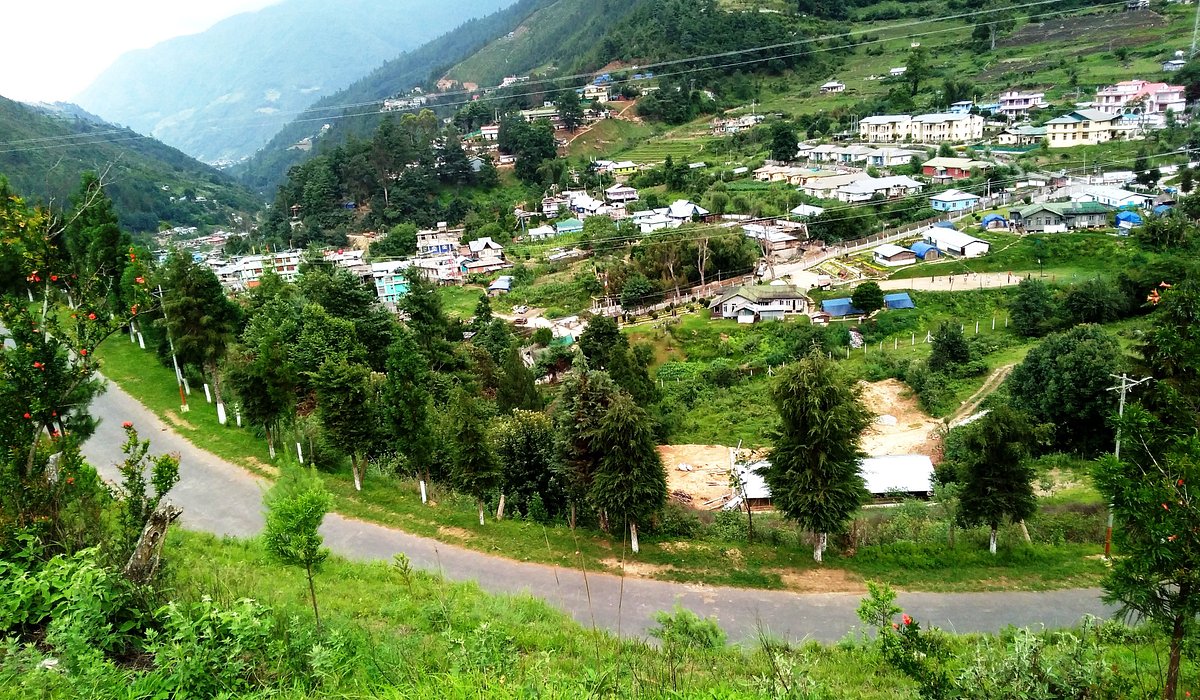
West Kameng, Arunachal Pradesh: A Complete Travel Guide
West Kameng is one of the most scenic and culturally diverse districts of Arunachal Pradesh, known for its spectacular Himalayan landscapes, Buddhist monasteries, traditional tribal villages, apple and kiwi orchards, forests, rivers and high mountain passes. The district takes its name from the Kameng River, a major tributary of the Brahmaputra that flows through the region.
The district headquarters, Bomdila, is an important mountain town and a popular stopover on the route toward Tawang. From the forests and orchid-rich landscapes around Bhalukpong and Tippi to the high-altitude scenery of Bomdila, Dirang and Sela Pass, West Kameng offers remarkable changes in climate, vegetation and landscape within a relatively short journey.
West Kameng is also home to several indigenous communities, including the Monpa, Miji, Sherdukpen, Aka and Bugun (Khawa) communities. Their traditional architecture, festivals, crafts, religious practices, agriculture and village institutions form an important part of the district's identity.
For travellers, West Kameng is more than a transit district on the way to Tawang. It is a destination in its own right, offering opportunities for mountain sightseeing, village tourism, monastery visits, wildlife and bird watching, trekking, photography, river experiences and cultural exploration.
1. History of West Kameng
The history of West Kameng is closely connected with the Kameng River valley and the traditional kingdoms and communities that controlled different parts of the region over the centuries. The area came under the influence of the Mon kingdom, Bhutan, Tibet and the Ahom kingdom at different periods.
Buddhist influence also has a long history in the region. According to the district administration, Lamaism had established a strong presence among several tribal groups as early as the 7th century. The Lhagyala Gompa at Morshing is traditionally associated with Kachen Lama and is an important historical and religious monument.
The region later became part of the administrative system established during the British period. In 1914, the area became part of the Western Section of the North East Frontier Tract. It was subsequently incorporated into the Balipara Frontier Tract and later developed into the Kameng Frontier Division.
After India's independence, the Kameng Frontier Division was renamed the Kameng District. The district was eventually bifurcated into East Kameng and West Kameng on 1 June 1980. Later, Tawang was separated from West Kameng on 6 October 1984 and became a separate district.
Historical Timeline
| Period / Year | Historical Development |
|---|---|
| 7th century | Buddhist influence became established in parts of the Kameng region. |
| 1914 | The area became part of the Western Section of the North East Frontier Tract. |
| 1919 | The area was included within the Balipara Frontier Tract. |
| 1946 | The area was organised as the Sela Sub-Agency. |
| 1954 | The Sela Sub-Agency was renamed the Kameng Frontier Division. |
| 1980 | Kameng was divided into East Kameng and West Kameng. |
| 1984 | Tawang was separated from West Kameng and became a separate district. |
2. Geography and Climate
West Kameng occupies a large mountainous area of western Arunachal Pradesh and accounts for approximately 8.86% of the state's total area. The district shares its northern boundary with the Tibet region of China, the western boundary with Bhutan, the northwestern boundary with Tawang, and the eastern boundary with East Kameng. To the south are the Assam districts of Sonitpur and Darrang.
The geography changes dramatically from the lower foothills around Bhalukpong to the high mountain ranges around Bomdila, Dirang and Sela. The principal mountain systems include the Sela Range, Bomdila Range and Chaku Range.
The Sela Range reaches elevations of around 14,000 to 15,000 feet in places, while Sela Pass is approximately 13,714 feet above sea level. The Bomdila Range has an average elevation of around 9,000 feet, while the southern Chaku foothills contain lower-elevation tropical forests.
Landscape Zones
| Region | Landscape | Typical Experience |
|---|---|---|
| Bhalukpong–Tippi | Lower hills and subtropical forests | Orchids, rivers and forest scenery |
| Rupa–Shergaon | Mountain valleys and forested hills | Village and cultural tourism |
| Bomdila | High mountain town | Monasteries, viewpoints and Himalayan scenery |
| Dirang | Mountain valley | Hot springs, orchards and river landscapes |
| Sela region | High-altitude mountains | Snow, mountain passes and dramatic landscapes |
Climate
West Kameng experiences significant climatic variation because of its wide altitude range. The northern high-altitude areas experience cold conditions and snowfall, while the southern foothills have a considerably warmer climate.
Snowfall can occur in the higher areas from approximately mid-November to February. The lower regions around Bhalukpong and Tippi remain comparatively mild and support tropical and subtropical vegetation.
3. Culture and Traditions
West Kameng is one of the culturally diverse districts of Arunachal Pradesh. Five major tribal communities are prominently associated with the district: Monpa, Miji, Sherdukpen, Aka and Bugun (Khawa).
Each community has its own language, traditions, social institutions, ceremonies, clothing, food practices and forms of artistic expression.
Monpa Culture
The Monpa community is particularly prominent in the Bomdila and Dirang areas. Monpa cultural traditions are strongly connected with Mahayana Buddhist practices, and villages are often associated with beautifully decorated monasteries or gompas.
Sherdukpen Culture
The Sherdukpen community is concentrated around areas including Rupa, Jigaon, Shergaon and surrounding villages. Traditional village institutions, agriculture, crafts, textiles and religious traditions form important parts of Sherdukpen heritage.
Aka, Miji and Bugun Traditions
The Aka, Miji and Bugun communities have their own indigenous cultural traditions and belief systems. Traditional practices have historically been connected with nature, agriculture and seasonal cycles, while Buddhist and other religious influences have also become part of contemporary cultural life.
Traditional Village Institutions
Community organisations and village institutions have traditionally played an important role in maintaining social order, resolving disputes and organising collective activities. This community-oriented structure remains an important feature of indigenous life in the district.
4. Architecture of West Kameng
The architecture of West Kameng reflects the region's climate, terrain and cultural diversity. Traditional houses are generally constructed using locally available materials such as wood, bamboo, stone and other natural resources.
Buddhist monasteries are among the most distinctive architectural landmarks of the district. Gompas in Bomdila, Dirang and other areas feature prayer halls, religious paintings, sculptures and traditional Buddhist decorative elements.
Traditional Architectural Features
- Timber and bamboo construction
- Stone and wood elements in mountain houses
- Traditional village layouts
- Decorated Buddhist monasteries
- Prayer halls and religious structures
- Traditional wood carving and craftsmanship
- Historic fortifications and village walls
Historic Fortifications
The district also contains archaeological remains that reflect its earlier political history. The ruins at Bhalukpong are associated with approximately the 10th to 12th centuries, while the Dirang Fort dates to the 17th century and reflects the defensive architecture of earlier local chiefdoms.
5. Famous Places and Tourist Places in West Kameng
West Kameng has an unusually diverse range of tourist attractions, from tropical forests and orchid centres to high mountain passes, monasteries, war memorials, traditional villages and wildlife habitats.
Bhalukpong
Bhalukpong is the principal entry point into Arunachal Pradesh from the Assam side for the West Kameng route. Located at the foothills, it provides the transition from the plains into the mountains.
The area is surrounded by forests and river landscapes and is an important stopover before travelling toward Tippi, Bomdila and Dirang.
Tippi Orchid Research Centre
The Tippi Orchid Research Centre is one of the best-known attractions in the lower part of West Kameng. Located near Tippi, the centre is known for its extensive collection of orchids and provides visitors with an introduction to the remarkable botanical diversity of Arunachal Pradesh.
The centre is particularly attractive during orchid flowering seasons and is an excellent stop for nature lovers and photographers.
Bomdila
Bomdila is the district headquarters and one of the most popular mountain destinations in West Kameng. Situated at a high elevation, the town is surrounded by Himalayan landscapes and offers views of snow-covered mountain ranges.
Bomdila is known for its monasteries, craft centre, apple orchards, viewpoints and cultural attractions.
Bomdila Monastery
The Gontse Gaden Rabgyel Lling Monastery, commonly known as Bomdila Monastery, is an important Buddhist institution in the town. The monastery complex includes different sections, including the Upper and Lower Gompas.
Bomdila View Point
The viewpoint provides panoramic views of the surrounding mountains and valleys. On clear days, travellers can enjoy expansive Himalayan scenery and views toward the surrounding mountain ranges.
R.R. Hill
R.R. Hill is one of the notable high points around Bomdila and provides scenic views of the surrounding terrain and mountain roads.
Dirang
Dirang is one of the most popular destinations in West Kameng and an important stop on the road to Tawang. The town is known for its pleasant valley setting, orchards, monasteries, hot springs and surrounding mountain landscapes.
Dirang Hot Spring
The Dirang hot spring is one of the region's most visited natural attractions. The mineral-rich water has traditionally been valued for bathing and relaxation.
Sangti Valley
Sangti Valley is approximately 14 kilometres from Dirang and is surrounded by the Eastern Himalayan ranges. The valley contains fruit orchards, forests and fast-flowing hill rivers.
Sangti is also known for the seasonal arrival of black-necked cranes, which visit the valley during winter.
Thembang Heritage Village
Thembang is a historic Monpa village known for its traditional architecture, cultural heritage and mountain setting. The village has preserved elements of its traditional way of life, including old fortifications, stone gates, religious structures and traditional houses.
The surrounding area is also rich in biodiversity and offers opportunities for nature walks, bird watching, photography and cultural experiences.
Rupa
Rupa is an important cultural destination associated with the Sherdukpen community. The surrounding mountains and traditional settlements make it a rewarding stop for travellers interested in indigenous culture and village tourism.
Chillipam Monastery
Chillipam Monastery is situated near Rupa and is built on a prominent hilltop location. Its elevated setting provides expansive views of the surrounding mountains and valleys.
Lhagyala Gompa, Morshing
Lhagyala Gompa at Morshing is one of the historically significant religious sites in West Kameng. It overlooks the Morshing valley and is traditionally associated with Kachen Lama.
The monastery is regarded as an important repository of Buddhist religious and cultural heritage and has played a significant role in the social and religious life of the surrounding communities.
Sela Pass
Sela Pass is one of the most spectacular high-altitude destinations associated with the West Kameng–Tawang route. Located at approximately 13,714 feet, the pass is surrounded by dramatic mountain terrain and may remain snow-covered during winter.
Weather can change rapidly at this altitude, so travellers should be prepared for cold, wind, snow and temporary road disruptions.
Nechiphu Pass
Nechiphu Pass is another important mountain crossing on the route through West Kameng. The surrounding landscape provides dramatic views of the Eastern Himalayas.
Nyukmadung War Memorial
The Nyukmadung War Memorial commemorates the soldiers who fought in the 1962 India-China conflict in this region. Its location near the historic battlefield provides visitors with an opportunity to learn about the military history of the area.
Dirang Fort
The historic Dirang Fort is associated with the local political history of the region and is traditionally dated to the 17th century. Its remains provide an insight into the defensive architecture of earlier mountain settlements.
Ruins of Bhalukpong
The historic ruins at Bhalukpong are associated with an earlier period of regional history and are believed to date approximately to the 10th–12th centuries.
Other Places of Interest
- Upper Doogjar, Rupa
- Shergaon
- Jamiri
- Morshing
- Sange and Sela region
- Dirang Gompas
- Local apple and kiwi orchards
- Traditional villages and mountain viewpoints
| Destination | Main Attraction | Best For |
|---|---|---|
| Bhalukpong | Foothills, forests and entry route | Nature and stopover |
| Tippi | Orchid Research Centre | Botany and photography |
| Bomdila | Monasteries and mountain views | Culture and sightseeing |
| Dirang | Hot springs and valley landscapes | Nature and relaxation |
| Sangti Valley | Orchards and black-necked cranes | Nature and bird watching |
| Thembang | Traditional Monpa heritage | Village tourism |
| Rupa | Sherdukpen culture | Cultural tourism |
| Lhagyala Gompa | Historic Buddhist monastery | Heritage and spirituality |
| Sela Pass | High-altitude Himalayan scenery | Mountain sightseeing |
6. Famous Dishes and Local Food
The cuisine of West Kameng reflects the food traditions of its diverse tribal communities. Rice is an important staple, while vegetables, bamboo shoots, herbs, meat and locally available ingredients form an important part of traditional meals.
Local Food to Try
- Rice-based traditional meals
- Bamboo shoot preparations
- Smoked meat
- Fresh and locally prepared meat dishes
- River fish
- Seasonal vegetables and leafy greens
- Local herbs and mountain produce
- Traditional rice-based beverages
Travellers staying in homestays or visiting rural villages can often experience a wider range of traditional dishes than those available in conventional restaurants.
Food Experiences Around West Kameng
| Area | Food Experience |
|---|---|
| Bhalukpong | Local eateries and everyday Indian meals |
| Bomdila | Local restaurants, Tibetan-influenced food and regional dishes |
| Dirang | Local food, mountain produce and homestay meals |
| Rural villages | Traditional community and homestay cuisine |
7. Famous Personalities
West Kameng's identity is strongly associated with indigenous community leaders, religious figures, soldiers, administrators and people connected with the region's cultural and historical development.
Kachen Lama
Kachen Lama is one of the historically significant religious figures associated with West Kameng. He is traditionally credited with establishing Lhagyala Gompa at Morshing in the 7th century, making his name closely connected with the region's Buddhist heritage.
Major Historical and Military Figures
The wider West Kameng region also has an important place in India's military history, particularly because of the battles fought here during the 1962 India-China conflict. War memorials at Bomdila and Nyukmadung preserve the memory of the soldiers who served and fought in the region.
8. Festivals of West Kameng
West Kameng's festivals reflect the diversity of its indigenous communities. Buddhist festivals are particularly important among Monpa and Sherdukpen communities, while other communities retain traditional celebrations connected with agriculture, nature and community life.
Losar
Losar, the Tibetan Buddhist New Year, is celebrated by Buddhist communities in the region. Monasteries become important centres of religious activities, prayers and cultural gatherings during the festival period.
Losar and Buddhist Cultural Celebrations
In Monpa areas, Buddhist festivals often feature prayers, monastery ceremonies, traditional music, dances and community gatherings.
Nyokum and Other Indigenous Traditions
Depending on the community and locality, traditional agricultural and indigenous celebrations may also be observed. Festival calendars can vary between villages and communities, so travellers interested in attending a particular celebration should confirm local dates in advance.
Festival Experiences
- Traditional dances
- Community gatherings
- Monastery ceremonies
- Traditional clothing and ornaments
- Local food
- Folk music and cultural performances
- Traditional religious rituals
9. Things to Do in West Kameng
West Kameng offers a wide variety of activities, making it suitable for both relaxed sightseeing and adventure-oriented travel.
Visit Buddhist Monasteries
Exploring the monasteries of Bomdila, Dirang and other areas is one of the best ways to understand the Buddhist cultural landscape of West Kameng.
Explore Traditional Villages
Villages such as Thembang, Shergaon and areas around Rupa offer opportunities to observe traditional architecture, agriculture, crafts and community life.
Visit Orchid Centres
The Tippi Orchid Research Centre is an excellent destination for travellers interested in Arunachal Pradesh's extraordinary botanical diversity.
Enjoy Mountain Photography
From the foothills around Bhalukpong to the high-altitude landscapes near Sela, the district offers constantly changing scenery.
Explore Orchards
Bomdila and Dirang are known for fruit cultivation. Depending on the season, travellers can see or purchase local apples, kiwi, apricots and oranges.
Bird Watching
Sangti Valley is particularly interesting for bird watchers because of the seasonal arrival of black-necked cranes during winter.
Trekking and Nature Walks
Thembang, Shergaon, Rupa and the surrounding mountain areas offer opportunities for nature walks and trekking. Longer routes should be undertaken with local guidance.
Experience High-Altitude Landscapes
Travelling toward Sela Pass provides one of the most dramatic high-altitude experiences in the district. Weather conditions should always be checked before travelling to the pass.
Visit War Memorials
Visitors interested in India's military history can visit the Bomdila and Nyukmadung war memorials and learn about the 1962 conflict.
10. Where to Eat, Shop and Stay
Where to Stay
Bomdila is one of the most convenient bases for exploring West Kameng and has a range of accommodation options. Bhalukpong and Dirang are also useful overnight stops, particularly for travellers travelling onward toward Tawang.
For a more immersive experience, travellers can look for homestays in villages and rural areas, particularly around destinations such as Thembang and other community-based tourism locations.
Where to Eat
Bomdila and Dirang have local restaurants and eateries serving regional as well as Indian and Tibetan-influenced food. In rural destinations, food options may be limited, making homestays a useful alternative.
Where to Shop
Bomdila is the most convenient shopping centre for visitors. Travellers can look for locally produced handicrafts, textiles, traditional items and agricultural products.
What to Buy
- Traditional woven textiles
- Handcrafted bamboo and cane products
- Local handicrafts
- Traditional decorative items
- Locally grown apples and other seasonal fruits
- Regional food products
| Need | Best Area |
|---|---|
| Hotels and larger accommodation options | Bomdila |
| Stopover accommodation | Bhalukpong |
| Valley stay | Dirang |
| Village experience | Thembang and selected rural areas |
| Shopping | Bomdila |
11. What Is West Kameng Famous For?
West Kameng is famous for its combination of Himalayan scenery, Buddhist monasteries, indigenous tribal cultures, high mountain passes, orchards, orchids and historic sites.
- Bomdila: The district headquarters, known for monasteries, viewpoints, crafts and mountain scenery.
- Dirang: Famous for hot springs, orchards, monasteries and the surrounding valley.
- Sangti Valley: Known for its beautiful landscape, orchards and winter visits by black-necked cranes.
- Thembang: Known for traditional Monpa culture and historic village architecture.
- Tippi: Known for its orchid research and conservation centre.
- Lhagyala Gompa: A historically important Buddhist monastery at Morshing.
- Sela Pass: Famous for its dramatic high-altitude Himalayan landscape.
- Rupa: Associated with Sherdukpen culture and mountain scenery.
- War Memorials: Important sites connected with the military history of the region.
12. Best Time to Visit West Kameng
The best time to visit West Kameng depends on the destination and type of experience you want. Lower areas such as Bhalukpong can be visited for much of the year, while high-altitude destinations require greater attention to weather and road conditions.
| Season | Travel Conditions | Best For |
|---|---|---|
| March–May | Pleasant weather in many areas | Road trips, sightseeing and village visits |
| June–September | Rainfall can affect mountain roads | Lower-altitude travel with caution |
| October–November | Clearer skies and comfortable mountain weather | One of the best periods for sightseeing |
| December–February | Cold with snowfall possible in high areas | Snow landscapes and winter experiences |
Best Season by Experience
- Mountain sightseeing: October to May
- Village tourism: March to May and October to November
- Bird watching in Sangti: Winter months
- Snow experience: Winter, subject to weather and road conditions
- Orchids: Spring and appropriate flowering periods
- High-altitude travel: Prefer stable-weather periods and check road conditions before departure
13. How to Reach West Kameng
West Kameng is well connected to Assam by road and is one of the major gateways to western Arunachal Pradesh. The principal entry point is Bhalukpong.
By Air
The nearest practical airport options include Tezpur Airport in Assam and Guwahati Airport. Travellers can continue from the airport by road toward Bhalukpong and then onward to Bomdila and Dirang.
By Train
Bhalukpong is the nearest railway station for the West Kameng route, while Tezpur and Guwahati provide additional railway connectivity.
By Road
Road travel is the most practical way to explore West Kameng. From Assam, the route generally enters Arunachal Pradesh through Bhalukpong and continues toward Tippi, Bomdila and Dirang.
The district administration notes that the road journey from Bhalukpong to Bomdila takes approximately four hours under normal conditions, while the journey from Tezpur to Bomdila takes around six hours. Actual travel time can vary significantly because of traffic, weather and mountain road conditions.
Typical Route from Assam
| Stage | Route |
|---|---|
| 1 | Guwahati / Tezpur → Bhalukpong |
| 2 | Bhalukpong → Tippi |
| 3 | Tippi → Bomdila |
| 4 | Bomdila → Dirang |
| 5 | Dirang → Sela region → Tawang, for travellers continuing onward |
Entry Requirements
Indian citizens travelling to Arunachal Pradesh generally require an Inner Line Permit (ILP). Visitors should arrange the necessary permit before entering the state and carry valid identification during the journey.
Foreign visitors are subject to applicable permit and entry regulations, which should be checked before travel.
14. Nearby Places to Visit
West Kameng is strategically located for exploring several important destinations of western and central Arunachal Pradesh.
Tawang
Tawang lies to the northwest of West Kameng and is one of the most famous destinations in Arunachal Pradesh. The route from Dirang through Sela Pass leads toward Tawang.
East Kameng
East Kameng lies to the east of West Kameng and offers additional mountain, forest and tribal-cultural experiences.
Sonitpur, Assam
The southern side of West Kameng connects naturally with Sonitpur district of Assam. Tezpur is a useful gateway for travellers entering the region.
Bomdila–Dirang–Tawang Circuit
One of the most popular travel circuits is to combine Bomdila and Dirang with Tawang. This allows travellers to experience monasteries, forests, orchards, hot springs and high-altitude Himalayan scenery in a single journey.
| Nearby Destination | Why Visit |
|---|---|
| Tawang | Monastery, high mountains, lakes and Buddhist culture |
| East Kameng | Forests, rivers and indigenous culture |
| Tezpur | Gateway city and cultural attractions of Assam |
| Sonitpur | Foothills, wildlife and Assam-Arunachal transition zone |
15. Best Duration for a West Kameng Trip
The ideal duration depends on whether West Kameng is being visited independently or as part of a longer Tawang journey.
| Duration | Suggested Plan |
|---|---|
| 2 Days | Bhalukpong, Tippi and Bomdila. |
| 3 Days | Bomdila, monasteries, viewpoints and Dirang. |
| 4–5 Days | Bomdila, Dirang, Sangti Valley, Thembang and nearby cultural attractions. |
| 5–7 Days | West Kameng exploration combined with the Sela route toward Tawang. |
| 7+ Days | Slow travel including villages, monasteries, nature activities and remote areas. |
16. Travel Tips for West Kameng
West Kameng is relatively accessible compared with some of the more remote districts of Arunachal Pradesh, but mountain travel still requires flexibility and preparation.
- Obtain your ILP in advance: Do not begin the journey without the required Arunachal Pradesh entry permit.
- Carry warm clothing: Temperatures can drop considerably in Bomdila, Dirang and especially the Sela region.
- Expect long road journeys: Mountain distances should not be judged only by kilometres.
- Check weather before travelling: Snow, rain and landslides can affect high-altitude roads.
- Keep extra travel time: Avoid planning very tight connections on mountain routes.
- Carry cash: Digital payment and ATM access may become limited outside larger towns.
- Use local drivers: Experienced mountain drivers are preferable for high-altitude routes.
- Respect monasteries: Follow local rules regarding photography, footwear and religious spaces.
- Ask before photographing people: Especially during ceremonies and traditional events.
- Protect the environment: Carry waste back and avoid damaging plants or natural sites.
- Do not underestimate altitude: Take time to adjust before undertaking strenuous activities at higher elevations.
- Keep medicines and first-aid supplies: Rural and high-altitude areas have fewer medical facilities.
- Carry power banks: Charging facilities can be limited during longer road journeys.
What to Pack
| Category | Recommended Items |
|---|---|
| Clothing | Warm layers, waterproof jacket, gloves and comfortable shoes |
| Documents | Government ID, ILP and travel confirmations |
| Health | Personal medicines, first-aid kit and basic medicines |
| Electronics | Power bank, flashlight, charging cables and spare batteries |
| Photography | Camera, extra batteries and rain protection |
| Outdoor activities | Sturdy footwear, daypack and suitable trekking equipment |
17. Why Visit West Kameng?
West Kameng is one of the best districts in Arunachal Pradesh for travellers who want to combine mountains, monasteries, tribal culture, wildlife, village experiences and road-trip adventure.
- To experience the dramatic Himalayan landscapes of western Arunachal Pradesh.
- To explore Bomdila and its Buddhist monasteries.
- To relax in the mountain valley of Dirang.
- To visit the natural hot springs of Dirang.
- To experience the peaceful landscapes of Sangti Valley.
- To explore the traditional Monpa village of Thembang.
- To learn about Sherdukpen culture around Rupa and Shergaon.
- To see orchids and other plant diversity at Tippi.
- To visit historic Buddhist sites such as Lhagyala Gompa.
- To explore the high-altitude landscapes around Sela Pass.
- To learn about the military history of the region.
- To continue onward to Tawang through one of Arunachal Pradesh's most spectacular mountain routes.
18. West Kameng Travel Experience
A journey through West Kameng is best experienced slowly. The landscape changes dramatically as you move north from the Assam plains into the foothills and then toward the higher Himalayas.
The journey can begin at Bhalukpong, where the tropical landscape gradually gives way to mountain forests. A stop at Tippi introduces visitors to the extraordinary orchid diversity of Arunachal Pradesh before the road climbs toward Bomdila.
Bomdila provides the first major high-altitude mountain experience, with monasteries, viewpoints, orchards and traditional crafts. Continuing toward Dirang brings travellers into a beautiful valley landscape with hot springs, orchards and access to Sangti Valley.
Travellers interested in culture can take time to explore Thembang, Shergaon and Rupa, where traditional communities and mountain villages provide a deeper understanding of indigenous life.
For those continuing toward Tawang, the road eventually climbs into the high-altitude environment of Sela Pass, where the landscape becomes dramatically colder and more rugged.
19. Conclusion
West Kameng is one of the most diverse travel destinations in Arunachal Pradesh. From the tropical foothills of Bhalukpong and the orchid-rich environment of Tippi to the monasteries of Bomdila, the hot springs and orchards of Dirang, the peaceful landscape of Sangti Valley and the historic village of Thembang, the district offers an extraordinary variety of experiences.
Its cultural diversity is equally impressive. The traditions of the Monpa, Miji, Sherdukpen, Aka and Bugun communities give West Kameng a distinctive identity, while monasteries, traditional villages and indigenous institutions preserve the region's cultural heritage.
For nature lovers, the district provides forests, rivers, orchids, mountain valleys and high-altitude landscapes. For history enthusiasts, its forts, monasteries and war memorials tell stories spanning centuries. For adventure travellers, the mountain roads, trekking routes and Sela region provide unforgettable experiences.
Whether West Kameng is explored as a standalone destination or as part of the classic Bomdila–Dirang–Sela–Tawang journey, it deserves more than a brief stopover. Take time to explore its villages, landscapes, monasteries and local culture, and West Kameng can become one of the most memorable parts of an Arunachal Pradesh journey.
"Travel is the only thing you buy that makes you richer."