Namsai – A Land of Buddhist Heritage, Tai Khamti Culture and Scenic Landscapes
Located in the eastern part of Arunachal Pradesh, Namsai is a culturally vibrant district known for its Buddhist heritage, lush green landscapes, rivers, traditional villages and the distinctive traditions of the Tai Khamti community. With Namsai as its district headquarters, the region offers travellers a fascinating combination of spirituality, culture, nature and history.
Namsai is particularly famous for the magnificent Golden Pagoda at Tengapani, one of the most recognisable Buddhist landmarks in Arunachal Pradesh. The district is also known for its monasteries, traditional festivals, tea gardens, scenic countryside and the cultural heritage of the Tai Khamti people.
Unlike the high-altitude Himalayan destinations of Arunachal Pradesh, Namsai has a comparatively lower and gentler landscape. Its broad valleys, forests, agricultural fields and waterways create a peaceful environment that is ideal for cultural tourism, spiritual journeys, nature exploration and relaxed road trips.
For travellers looking for a destination that combines Buddhist traditions, indigenous culture and beautiful northeastern landscapes, Namsai is one of the most rewarding districts to explore.
History of Namsai
The history of Namsai is closely connected with the Tai Khamti community, whose cultural and religious traditions have played an important role in shaping the identity of the region.
The Tai communities migrated into the region over different periods and established settlements along the fertile valleys and waterways of the area. Their agricultural practices, language, social customs and Theravada Buddhist traditions became important elements of the cultural landscape.
Namsai was historically part of the larger Lohit district. As Arunachal Pradesh underwent administrative reorganisation, Namsai was separated from Lohit and became a distinct district in 2014.
The creation of the district helped strengthen administration and development in the region while giving greater recognition to its distinctive cultural identity.
Today, Namsai represents an important meeting point between indigenous traditions, Buddhist heritage, agriculture and modern development.
Geography and Climate of Namsai
Namsai is located in the foothill region of eastern Arunachal Pradesh and has a landscape dominated by green plains, gently rolling hills, forests, rivers and agricultural fields.
The district is drained by several rivers and streams, including the Noa-Dihing River and other important waterways. These rivers support agriculture and contribute significantly to the scenic character of the region.
Unlike many mountainous districts farther north, Namsai has relatively accessible terrain. This makes it one of the easier districts to explore as part of an eastern Arunachal Pradesh road journey.
| Season | General Conditions |
|---|---|
| Summer | Warm and humid, with green agricultural fields and lush surroundings. |
| Monsoon | Heavy rainfall creates vibrant greenery, although wet roads and occasional travel disruptions are possible. |
| Winter | Generally pleasant and comparatively dry, making it suitable for sightseeing and cultural exploration. |
The combination of green valleys, rivers, forests and open countryside gives Namsai a landscape distinctly different from the high Himalayan districts of Arunachal Pradesh.
Culture and Traditions of Namsai
The cultural identity of Namsai is strongly associated with the Tai Khamti community, along with other indigenous communities living in the district. Theravada Buddhism, traditional agriculture, handicrafts and community celebrations are important parts of local life.
Tai Khamti Heritage
The Tai Khamti people have a distinctive cultural heritage reflected in their language, traditional clothing, architecture, food, religious practices and festivals.
Theravada Buddhist Tradition
Buddhism plays an important role in the cultural landscape of Namsai. Monasteries and pagodas serve as places of worship, learning and community gathering.
Traditional Attire
Tai Khamti traditional clothing is known for its elegant designs, woven fabrics and distinctive accessories. Traditional attire is especially visible during festivals, ceremonies and cultural programmes.
Handloom and Handicrafts
Weaving, bamboo work, cane craftsmanship and other traditional skills are important parts of the cultural heritage of the region. Locally produced textiles and crafts reflect generations of artistic knowledge.
Agricultural Traditions
Agriculture remains an important part of local life. Rice cultivation, horticulture and other agricultural activities benefit from the fertile valleys and favourable climate.
The culture of Namsai therefore represents a unique blend of indigenous traditions, Buddhist philosophy, agriculture and community life.
Architecture of Namsai
The architecture of Namsai reflects its strong Tai cultural and Buddhist heritage while also showing the influence of modern development.
Golden Pagoda
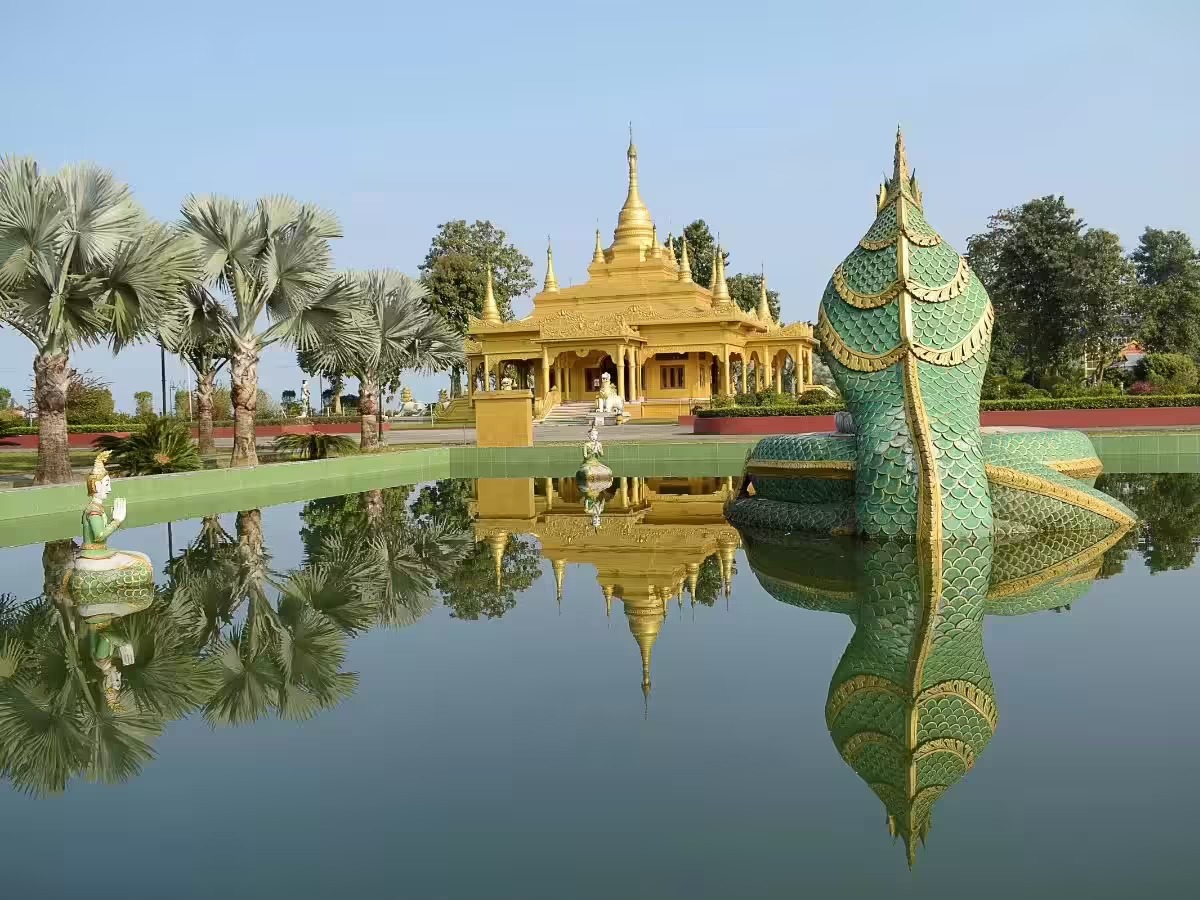
The Golden Pagoda at Tengapani is the most recognisable architectural landmark of Namsai. Its golden exterior, traditional Buddhist design and surrounding landscaped complex make it one of the most impressive religious structures in Arunachal Pradesh.
Buddhist Monasteries
Traditional Buddhist monasteries in the region feature prayer halls, Buddha images, decorative elements and spaces designed for religious learning and meditation.
Traditional Tai Houses
Traditional houses have historically incorporated locally available materials such as wood, bamboo and cane. Their designs reflect the climate and cultural lifestyle of the Tai Khamti community.
Modern Development
Namsai town and surrounding settlements now feature modern government buildings, educational institutions, commercial establishments and residential structures. This modern development exists alongside traditional architecture and religious landmarks.
Famous Places in Namsai
Namsai offers a variety of attractions, particularly for travellers interested in Buddhist heritage, indigenous culture, nature and peaceful landscapes.
Golden Pagoda, Tengapani
The Golden Pagoda is the most famous attraction in Namsai and one of the major Buddhist landmarks of Arunachal Pradesh. The magnificent structure is surrounded by landscaped grounds and smaller religious buildings.
The complex is an important centre of Theravada Buddhist culture and attracts visitors interested in architecture, spirituality and photography.
Chongkham
Chongkham is an important cultural centre associated with the Tai Khamti community. The area provides opportunities to experience traditional culture, Buddhist practices and village life.
Parshuram Kund Region
The wider eastern Arunachal travel circuit connects Namsai with the Lohit region and the sacred Parshuram Kund. Travellers can combine these destinations to experience both Buddhist and Hindu religious traditions within the same journey.
Tea Gardens
The green tea-growing landscapes around Namsai add another dimension to the district's scenery. Tea gardens provide beautiful views and opportunities for photography and relaxed exploration.
River and Countryside Landscapes
The rivers, agricultural fields and green countryside surrounding Namsai offer peaceful settings for scenic drives and nature photography.
Buddhist Monasteries
Several monasteries and religious institutions in and around the district reflect the strong influence of Theravada Buddhism and provide visitors with opportunities to learn about local religious traditions.
Namsai's attractions are especially appealing because they combine spiritual landmarks with living cultural traditions and peaceful natural surroundings.
Famous Dishes of Namsai
The cuisine of Namsai reflects the food traditions of the Tai Khamti community and the wider culinary culture of Arunachal Pradesh. Rice, fish, vegetables, herbs and locally available ingredients are central to many traditional meals.
Tai Khamti Rice Preparations
Rice is an essential part of the local diet and is prepared in several traditional forms, often accompanied by vegetables, fish or meat.
Fish Preparations
With numerous rivers and waterways in the region, fish forms an important part of local cuisine. Traditional preparations generally use fresh ingredients and mild spices.
Bamboo Shoot Preparations
Fresh and fermented bamboo shoots are widely used in northeastern cuisine and can be prepared with vegetables, fish or meat.
Smoked Meat
Smoking is a traditional preservation method used by many indigenous communities of Arunachal Pradesh. Smoked meat is valued for its distinctive flavour.
Local Vegetables and Herbs
Seasonal vegetables, leafy greens and locally available herbs contribute to the fresh and simple character of regional meals.
Traditional Rice Beverages
Fermented rice-based beverages are traditionally associated with social gatherings and cultural occasions in several communities of the region.
Visitors can discover a fascinating food culture that reflects the district's agricultural resources, river environment and indigenous traditions.
Famous Personalities Associated with Namsai
Namsai has been associated with political leaders, public representatives, Buddhist figures, educators and cultural contributors who have played roles in the development and cultural life of the region.
Chow Tewa Mein
Chow Tewa Mein was an important political leader associated with the region and played a significant role in public life in Arunachal Pradesh.
Community Leaders
Traditional leaders and elders of the Tai Khamti and other communities have played an important role in preserving customary practices, cultural traditions and community institutions.
Buddhist and Cultural Contributors
Monks, educators, artisans and cultural organisations have contributed to preserving Buddhist traditions, Tai heritage, traditional crafts and cultural practices across Namsai.
The district's identity continues to be shaped by the collective contributions of its communities, cultural institutions and local leaders.
Festivals of Namsai
Festivals are an important part of Namsai's cultural life. The district's celebrations reflect the strong influence of Tai Khamti traditions and Theravada Buddhism.
Sangken Festival
Sangken is one of the most important festivals celebrated by the Tai Khamti community. It is associated with the traditional New Year and includes water-related rituals symbolising purification and renewal.
Monasteries and communities organise prayers, cultural activities and celebrations during the festival.
Khamsang Festival
Traditional Tai cultural celebrations include community gatherings, religious ceremonies, music and cultural performances. Such occasions help preserve the community's identity and strengthen social relationships.
Losar and Buddhist Celebrations
Buddhist communities in the region observe important religious occasions through prayers, monastery activities and cultural programmes.
Traditional Community Events
Various villages and communities also organise their own cultural and social gatherings throughout the year, often featuring traditional food, clothing, music and dance.
Experiencing a festival in Namsai provides visitors with a valuable opportunity to understand the living traditions of the Tai Khamti community.
Things to Do in Namsai
Namsai offers a combination of spiritual experiences, cultural exploration, nature, photography and relaxed road trips.
- Visit the Golden Pagoda: Explore one of Arunachal Pradesh's most impressive Buddhist landmarks.
- Explore Chongkham: Experience the cultural heritage and traditional lifestyle of the Tai Khamti community.
- Visit Buddhist Monasteries: Learn about Theravada Buddhist traditions and local religious practices.
- Explore Tea Gardens: Enjoy the green landscapes and peaceful atmosphere of the region's tea-growing areas.
- Experience Tai Khamti Culture: Discover traditional clothing, food, architecture, crafts and festivals.
- Enjoy River Landscapes: Explore the rivers and waterways surrounding the district.
- Attend Sangken: If your visit coincides with the festival, experience traditional water rituals, prayers and community celebrations.
- Try Local Food: Taste traditional rice, fish, bamboo shoot and vegetable preparations.
- Enjoy Nature Photography: Capture Buddhist architecture, tea gardens, rivers, fields and green landscapes.
- Take Scenic Road Trips: Use Namsai as a base for exploring nearby Lohit, Changlang and other eastern Arunachal destinations.
Where to Eat, Shop, and Stay in Namsai
Namsai town is the most convenient place for travellers to arrange accommodation, meals, shopping and transportation.
Where to Eat
Local restaurants and eateries in Namsai serve Indian, Chinese and regional dishes. Visitors can also look for traditional Tai Khamti food and locally prepared rice and fish dishes.
Where to Shop
Local markets offer fresh produce, daily essentials, regional food products and other goods. Depending on availability, visitors may find handloom textiles, bamboo crafts and locally made souvenirs.
Where to Stay
Accommodation options include hotels, guesthouses, homestays and other tourist lodging facilities. Namsai town is generally the most practical base for exploring the district.
During major festivals and cultural events, accommodation may become busy, so advance arrangements are recommended.
What Is Namsai Famous For?
Namsai is famous for its Golden Pagoda, Tai Khamti culture, Buddhist heritage, scenic landscapes and vibrant festivals.
The district is particularly known for:
- Golden Pagoda – One of the most iconic Buddhist landmarks in Arunachal Pradesh.
- Tai Khamti Culture – Distinctive traditions, language, food, clothing and community life.
- Theravada Buddhism – Reflected in monasteries, pagodas and religious celebrations.
- Chongkham – An important centre of Tai Khamti cultural heritage.
- Sangken Festival – A major traditional celebration associated with the Tai Khamti community.
- Tea Gardens – Green agricultural landscapes that add to the scenic beauty of the district.
- River Valleys and Countryside – Offering peaceful natural surroundings.
- Indigenous Handicrafts and Handloom – Reflecting the region's artistic traditions.
- Eastern Arunachal Gateway – A convenient base for exploring Namsai, Lohit and nearby destinations.
Best Time to Visit Namsai
The best time to visit Namsai is generally from October to April, when the weather is comparatively comfortable for sightseeing, cultural exploration and road trips.
| Season | Months | What to Expect |
|---|---|---|
| Post-Monsoon | October – November | Fresh green surroundings, pleasant weather and comfortable conditions for exploring the district. |
| Winter | December – February | Cooler and relatively dry weather, ideal for sightseeing and visiting the Golden Pagoda. |
| Spring | March – April | Warm but generally comfortable conditions, with opportunities to experience cultural events. |
| Monsoon | May – September | Heavy rainfall creates lush landscapes, but wet roads and travel disruptions are possible. |
For general sightseeing, October to April is the most convenient period. Travellers interested in experiencing Sangken should plan their visit according to the festival calendar.
How to Reach Namsai
Namsai has relatively good road access compared with many remote districts of Arunachal Pradesh and can be conveniently included in an eastern Arunachal road journey.
By Air
Travellers can use airports in eastern Arunachal Pradesh or neighbouring Assam. Dibrugarh Airport is an important gateway for the region, after which the remaining journey to Namsai can be completed by road.
By Train
Railway stations in neighbouring Assam provide convenient access to the eastern Arunachal region. From the railway network, travellers can continue towards Namsai by road.
By Road
Namsai is connected by road with Assam and other districts of Arunachal Pradesh. Road travel is the most practical way to explore the district and surrounding destinations.
Private taxis, shared vehicles and other local transport options may be available. Travellers planning to explore remote villages or combine Namsai with Lohit and Changlang should confirm transportation in advance.
Visitors from outside Arunachal Pradesh should also arrange the required Inner Line Permit (ILP) or other applicable entry documents before entering the state.
Nearby Places to Visit from Namsai
Namsai is well positioned for exploring several important destinations in eastern Arunachal Pradesh.
Lohit
The neighbouring Lohit district offers the sacred Parashuram Kund, the mighty Lohit River, indigenous Mishmi culture and beautiful natural landscapes.
Changlang
Changlang is known for its forests, indigenous communities, wildlife and scenic landscapes. It can be included in a longer eastern Arunachal Pradesh itinerary.
Lower Dibang Valley
Lower Dibang Valley offers Roing, Mayudia, Mehao Wildlife Sanctuary, lakes, forests and spectacular mountain landscapes.
Anjaw
Anjaw provides access to remote Himalayan landscapes, high mountains and culturally significant settlements in one of the easternmost parts of India.
Dibrugarh
Dibrugarh in Assam is an important gateway for eastern Arunachal Pradesh and is known for its tea gardens, river landscapes and transport connectivity.
Combining Namsai with these destinations creates a fascinating journey through Buddhist heritage, indigenous cultures, forests, rivers and eastern Himalayan landscapes.
Best Duration for a Trip to Namsai
A 2 to 3-day trip is suitable for travellers who want to explore the Golden Pagoda, Namsai town, Chongkham and nearby cultural attractions.
A 4 to 5-day trip allows visitors to explore the district more slowly, include tea gardens, rural areas and additional cultural experiences.
If Namsai is combined with Lohit, Changlang or Lower Dibang Valley, an itinerary of 7 days or more will provide a more comfortable and comprehensive eastern Arunachal experience.
Travel Tips for Namsai
- Arrange your ILP or other required entry documents before entering Arunachal Pradesh.
- Check current road and weather conditions before beginning longer journeys.
- Book accommodation early if travelling during major festivals or cultural events.
- Dress respectfully when visiting Buddhist monasteries and religious sites.
- Remove footwear where required and follow local monastery rules.
- Carry sufficient cash, drinking water, snacks and essential medicines when travelling outside major settlements.
- Keep a raincoat or umbrella during the wetter months.
- Carry comfortable footwear for sightseeing and village exploration.
- Ask permission before photographing people, religious ceremonies or cultural activities.
- Avoid littering around monasteries, rivers, forests and other natural or religious sites.
Why Visit Namsai?
Namsai is one of the most accessible destinations in Arunachal Pradesh for travellers who want to experience Buddhist heritage and indigenous culture alongside beautiful natural landscapes.
The district stands apart because of its strong Tai Khamti identity and the presence of remarkable Buddhist landmarks such as the Golden Pagoda.
Namsai is especially worth visiting for:
- The magnificent Golden Pagoda at Tengapani
- Rich Tai Khamti cultural heritage
- Theravada Buddhist traditions and monasteries
- Sangken and other cultural festivals
- Traditional food, handloom and handicrafts
- Green tea gardens and agricultural landscapes
- Rivers, forests and peaceful countryside
- Scenic road trips through eastern Arunachal Pradesh
- Easy combination with Lohit, Changlang and Lower Dibang Valley
For travellers interested in spirituality, culture, architecture, nature and offbeat travel, Namsai offers a distinctive experience that is difficult to find elsewhere in the region.
Conclusion
Namsai is a beautiful destination where Buddhist spirituality, Tai Khamti heritage and the natural landscapes of eastern Arunachal Pradesh come together.
The magnificent Golden Pagoda provides the district with a striking spiritual landmark, while traditional villages, monasteries, festivals and local cuisine offer visitors an opportunity to experience the living culture of the region.
Beyond its cultural attractions, Namsai's rivers, tea gardens, forests and peaceful countryside make it an enjoyable destination for nature lovers and photographers.
Whether you are planning a spiritual journey, cultural holiday, nature trip or eastern Arunachal road adventure, Namsai is a destination worth including in your itinerary.
With its unique blend of Tai Khamti culture, Theravada Buddhism, scenic landscapes and welcoming rural atmosphere, Namsai offers one of the most distinctive travel experiences in Arunachal Pradesh.
"Travel is the only thing you buy that makes you richer."