Tirap District, Arunachal Pradesh: A Complete Travel Guide
1. Introduction
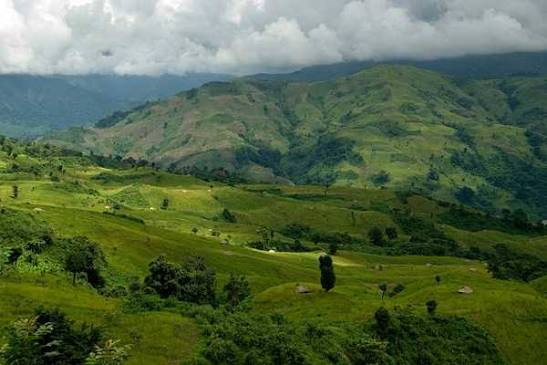
Tirap is one of the culturally distinctive districts of Arunachal Pradesh, located in the southeastern part of the state. Known for its forested hills, traditional villages, indigenous communities, colourful festivals and rich handicraft traditions, Tirap offers travellers an opportunity to experience a quieter and less-commercialised side of Arunachal Pradesh.
The district headquarters is at Khonsa, a scenic hill town surrounded by green mountains and forests. Tirap is predominantly inhabited by the Wancho, Nocte and Tutsa communities, each contributing to the region's diverse cultural heritage.
Tirap is particularly famous for its traditional tribal culture, especially the distinctive traditions of the Wancho people. Ancient village customs, traditional houses, wood carving, textiles, agricultural practices, folk songs and dances remain important parts of the cultural landscape.
For travellers interested in indigenous cultures, traditional architecture, village life, nature and festivals, Tirap can be a fascinating destination in the Arunachal Pradesh travel circuit.
2. History of Tirap
The history of Tirap is closely connected with the indigenous communities that have inhabited the forested hills of southeastern Arunachal Pradesh for generations. The Wancho, Nocte and Tutsa communities developed their own village institutions, customary laws, agricultural systems and cultural traditions.
Before the creation of the present administrative district, the region formed part of the larger Tirap administrative area. The modern Tirap district was established in 1965, making it one of the older districts of Arunachal Pradesh.
The district originally covered a much larger area of southeastern Arunachal Pradesh. Over the years, new districts were carved out of the original Tirap administrative territory, including Changlang and Longding.
Khonsa and the Administrative History
Khonsa developed as the administrative headquarters and gradually became an important centre for government services, education, trade and communication in the region.
The history of Tirap is therefore not limited to administrative changes. Its deeper heritage is preserved through traditional village institutions, oral histories, festivals, indigenous craftsmanship and customary practices.
3. Geography and Climate
Tirap is located in the southeastern part of Arunachal Pradesh and is characterised by rolling hills, forested slopes, valleys and numerous streams. The terrain becomes increasingly rugged away from the main settlements.
| Geographical Feature | Details |
|---|---|
| Location | Southeastern Arunachal Pradesh |
| District Headquarters | Khonsa |
| Landscape | Forested hills, valleys, streams and mountain settlements |
| Major Communities | Wancho, Nocte and Tutsa |
| Neighbouring Areas | Changlang, Longding and Assam |
| International Border | Myanmar lies to the southeast of the wider region |
Climate
Tirap has a humid subtropical to mountain climate, with significant rainfall during the monsoon. Temperatures are generally moderate in the hill areas, although conditions vary with elevation.
- Spring: Pleasant weather and fresh greenery.
- Summer: Warm and humid, with increasing rainfall.
- Monsoon: Very wet, with possible road and landslide problems.
- Autumn: Comfortable conditions and clear periods after the monsoon.
- Winter: Cool and generally pleasant for sightseeing.
Because Tirap is a hilly district, weather and road conditions should always be checked before travelling to remote villages.
4. Culture and Traditions
The cultural richness of Tirap comes largely from its indigenous communities. The Wancho, Nocte and Tutsa peoples have distinct languages, customs, festivals, traditional clothing and social practices.
Wancho Culture
The Wancho community is particularly associated with the western and southern parts of Tirap and neighbouring Longding. Traditional Wancho society has historically been organised around village institutions, customary laws and community responsibilities.
Wancho traditional clothing, ornaments, wood carving, bamboo craftsmanship and ceremonial objects are among the distinctive elements of the region's cultural heritage.
Nocte Culture
The Nocte community has a strong cultural presence in the Tirap and neighbouring Changlang region. Traditional village life, agriculture, festivals, folk songs and dances remain important components of Nocte identity.
Tutsa Culture
The Tutsa community is another important indigenous group of the wider Tirap-Changlang region. Their traditional practices, textiles, agricultural lifestyle and festivals add further diversity to the district.
Traditional Village Life
Community life traditionally revolves around agriculture, village institutions, family networks and seasonal festivals. Rice cultivation, forest resources, livestock and locally produced handicrafts have historically been important to household economies.
5. Traditional Architecture of Tirap
Traditional architecture in Tirap reflects the forested mountain environment and the lifestyles of its indigenous communities. Bamboo, timber, cane and thatch have traditionally been among the most important construction materials.
Traditional Tribal Houses
Traditional houses are adapted to local weather and terrain. Raised structures and wooden frameworks are found in some settlements, while village layouts reflect customary social organisation.
Decorative Woodwork
Wood carving is an important artistic tradition among communities of the region. Traditional houses and ceremonial spaces may feature carved wooden elements representing cultural motifs and community identity.
Community Spaces
Traditional village spaces have historically served as important locations for community gatherings, ceremonies, discussions and cultural activities.
6. Famous Places and Tourist Attractions in Tirap
Tirap does not have the same concentration of conventional tourist attractions as destinations such as Tawang or Ziro. Its appeal lies primarily in its landscapes, villages, cultural heritage and the opportunity to experience indigenous traditions.
Khonsa
Khonsa is the district headquarters and the principal town of Tirap. Surrounded by forested hills, the town provides a convenient base for exploring the district.
Khonsa is also an important centre for local markets, administration, education and cultural interaction.
Khonsa Museum
The District Museum at Khonsa is an important cultural attraction for visitors interested in the indigenous communities of Tirap. Traditional costumes, weapons, ornaments, household objects and cultural artefacts help provide an introduction to the region's heritage.
Traditional Wancho Villages
Traditional Wancho settlements are among the most interesting cultural experiences available in and around Tirap. Visitors may encounter traditional houses, carved wooden objects, agricultural landscapes and community customs.
Village visits should always be undertaken respectfully and, where possible, with the assistance of local guides or community members.
Deomali Range
The Deomali landscape in the wider Tirap region is characterised by forested hills and scenic mountain terrain. The surrounding countryside offers opportunities for nature walks, photography and exploration.
Khonsa Waterfall and Local Natural Spots
The countryside around Khonsa contains streams, small waterfalls, forest paths and scenic viewpoints. These locations are better suited to travellers looking for quiet nature experiences rather than heavily developed tourist facilities.
Traditional Village Landscapes
For many visitors, the villages themselves are the most rewarding attraction. Traditional homes, paddy fields, forested hills, bamboo structures and community spaces create a distinctive landscape that cannot be experienced through conventional sightseeing alone.
7. Famous Food of Tirap
Food in Tirap reflects the agricultural lifestyle and indigenous traditions of the local communities. Rice is an important staple, while bamboo shoot, leafy vegetables, herbs, smoked meat and locally available ingredients are commonly used.
| Food / Ingredient | Description |
|---|---|
| Rice | The principal staple and an important part of everyday and ceremonial meals. |
| Bamboo Shoot | A popular traditional ingredient used in a variety of local preparations. |
| Smoked Meat | Traditional smoking methods are used to preserve and flavour meat. |
| Local Greens | Seasonal leaves and vegetables are commonly included in meals. |
| Fish | Freshwater fish may be used depending on availability and location. |
| Rice-Based Beverages | Traditional fermented rice beverages are associated with indigenous communities. |
Food traditions differ between Wancho, Nocte and Tutsa communities, making local homestays and community meals particularly valuable for travellers interested in cuisine.
8. Famous Personalities and Historical Figures
Tirap's cultural heritage is more strongly associated with indigenous community leaders, village institutions and historical personalities than with nationally recognised public figures.
Traditional Community Leaders
Historically, village chiefs, elders and customary institutions played important roles in maintaining social order, resolving disputes and organising community activities among the indigenous communities of Tirap.
Community Cultural Custodians
Local artisans, traditional knowledge holders, storytellers, musicians and elders continue to play an important role in preserving the cultural heritage of the Wancho, Nocte and Tutsa communities.
Rather than assigning unsupported claims of fame to individuals, visitors interested in Tirap's history can learn more by engaging with local museums, cultural organisations and community elders.
9. Festivals of Tirap
Festivals are among the most important expressions of Tirap's indigenous culture. Many celebrations are connected with agriculture, community wellbeing, traditional beliefs and seasonal cycles.
Oriah Festival
Oriah is the most famous festival associated with the Wancho community. It is celebrated with traditional songs, dances, rituals, feasting and community gatherings.
The festival is associated with agricultural traditions, prosperity, social harmony and the wellbeing of the community.
Chalo Loku
Chalo Loku is an important festival associated with the Nocte community. It marks the agricultural cycle and traditionally includes rituals, community feasts, songs and dances.
Other Community Celebrations
Different villages and communities may observe additional traditional ceremonies and seasonal celebrations. Dates can vary according to local customs and the agricultural calendar.
| Festival | Community | Main Features |
|---|---|---|
| Oriah | Wancho | Traditional rituals, dances, songs, feasting and community celebrations |
| Chalo Loku | Nocte | Agricultural traditions, rituals, feasting and cultural performances |
| Local Seasonal Celebrations | Different communities | Village-specific customs, agriculture and community gatherings |
10. Things to Do in Tirap
Tirap is best suited to cultural and slow travel. Instead of rushing between attractions, visitors can spend time exploring villages, learning about traditions and experiencing the surrounding landscape.
- Explore Khonsa town.
- Visit the Khonsa Museum.
- Explore traditional tribal villages.
- Learn about Wancho culture and traditions.
- Experience Nocte and Tutsa cultural heritage.
- Attend Oriah Festival when travelling during the festival period.
- Experience Chalo Loku celebrations where appropriate.
- Explore traditional architecture.
- See local wood carving and bamboo craftsmanship.
- Try traditional food.
- Stay in a local homestay where available.
- Photograph the forested hills and village landscapes.
- Take nature walks around Khonsa and nearby areas.
- Buy locally made handicrafts and textiles.
- Interact respectfully with local communities.
For Cultural Travellers
Tirap is particularly rewarding for travellers who want to understand indigenous cultures rather than simply visit famous tourist attractions. Spending time in villages and learning directly from local people can provide a much deeper travel experience.
For Nature Lovers
The district's forested hills, streams and relatively quiet countryside are suitable for nature walks, landscape photography and peaceful exploration.
11. Where to Eat, Shop and Stay
Where to Eat
Khonsa has local restaurants and eateries serving Indian and regional food. Travellers can also experience traditional cuisine through local homes and homestays where available.
Food choices become more limited as you travel towards remote villages, so carrying basic snacks and drinking water is recommended.
Where to Stay
Khonsa offers the largest selection of accommodation within the district, including hotels, guesthouses and government accommodation. Homestays may also be available in selected villages.
Travellers planning to attend a major festival should arrange accommodation well in advance because availability can become limited.
What to Shop For
- Traditional handwoven textiles
- Local shawls and clothing
- Bamboo and cane products
- Wooden handicrafts
- Traditional ornaments
- Locally made household items
- Community-produced handicrafts
Purchasing directly from local artisans can help support traditional skills and community livelihoods.
12. What Is Tirap District Famous For?
Tirap is primarily famous for its indigenous tribal cultures, traditional festivals, forested hills and distinctive handicraft traditions.
| Famous For | Why It Is Important |
|---|---|
| Wancho Culture | Traditional festivals, village life, clothing, wood carving and community customs |
| Nocte Culture | Distinctive traditions, agriculture, festivals and folk culture |
| Tutsa Heritage | Traditional lifestyle, textiles and cultural practices |
| Oriah Festival | Major Wancho cultural celebration |
| Chalo Loku | Important Nocte agricultural festival |
| Khonsa | District headquarters and principal cultural and administrative centre |
| Traditional Handicrafts | Wood carving, bamboo work, textiles and indigenous crafts |
| Forested Hills | Scenic landscapes and quiet nature experiences |
13. Best Time to Visit Tirap
The best time to visit Tirap is generally from October to April, when weather conditions are more comfortable for road travel, sightseeing and village exploration.
| Season | Travel Experience |
|---|---|
| October–November | Fresh landscapes, pleasant weather and comfortable travel conditions |
| December–February | Cool weather and suitable conditions for sightseeing |
| March–April | Warmer weather, greenery and good conditions for cultural exploration |
| May–September | Higher rainfall and possible road disruptions |
If your primary interest is cultural tourism, it is worth planning around the dates of major festivals such as Oriah and Chalo Loku. Festival dates should be confirmed locally before finalising travel arrangements.
14. How to Reach Tirap
By Road
Road travel is the main way to reach Tirap. Khonsa is connected by road with major towns of Arunachal Pradesh and neighbouring Assam.
Travellers commonly approach the district from the Assam side through Tinsukia and nearby transport hubs before continuing towards the Tirap region.
By Train
There is no railway station in Tirap. Tinsukia and other railway stations in Assam provide useful gateways for travellers continuing by road.
By Air
The nearest practical airports are in Assam and other accessible parts of the Northeast. Dibrugarh Airport is an important air gateway for travel towards southeastern Arunachal Pradesh, after which the journey continues by road.
Travel Permits
Visitors from outside Arunachal Pradesh generally need an Inner Line Permit (ILP) to enter the state. Travellers should arrange the appropriate permit before starting their journey.
Because Tirap is a sensitive border district, some areas may have additional access restrictions. Travellers should follow instructions from local authorities and security agencies.
15. Nearby Places to Visit
Tirap can be combined with destinations in Changlang, Longding, Namsai and the Assam plains to create a longer southeastern Arunachal Pradesh itinerary.
| Nearby Destination | Why Visit |
|---|---|
| Changlang | Tribal culture, forests, mountains and natural attractions |
| Longding | Wancho culture, traditional villages and Oriah celebrations |
| Namsai | Golden Pagoda, Tai Khamti culture and Buddhist heritage |
| Dibru-Saikhowa Region | Wetlands, wildlife and river landscapes in neighbouring Assam |
| Tinsukia | Important transport and commercial gateway in Assam |
| Dibrugarh | Major air and road gateway for southeastern Arunachal travel |
16. Best Duration for a Tirap Trip
Tirap can be explored as part of a short southeastern Arunachal Pradesh trip, although travellers interested in village life and cultural experiences should allow additional time.
| Duration | Suggested Experience |
|---|---|
| 2 Days | Khonsa, museum and nearby sightseeing |
| 3 Days | Khonsa, cultural experiences and nearby villages |
| 4–5 Days | Extended village exploration, nature experiences and local culture |
| 6–7 Days | Tirap combined with Changlang, Longding or Namsai |
17. Travel Tips for Tirap
- Obtain your Inner Line Permit before entering Arunachal Pradesh.
- Check local travel and security conditions before visiting remote areas.
- Carry sufficient cash because banking facilities can be limited outside major towns.
- Do not depend entirely on mobile connectivity in remote villages.
- Keep some extra time in your itinerary for road delays.
- Check road conditions during the monsoon.
- Carry rain protection and comfortable walking shoes.
- Carry basic medicines and first-aid supplies.
- Ask permission before photographing people, houses or cultural ceremonies.
- Dress respectfully when visiting villages and participating in festivals.
- Respect customary village rules and local traditions.
- Do not remove cultural objects or artefacts from villages.
- Buy handicrafts from local artisans whenever possible.
- Avoid littering in forests, villages and natural areas.
- Use local guides when exploring unfamiliar villages.
- Follow instructions from local authorities in sensitive areas.
Responsible Tourism
Tirap's greatest attraction is its living cultural heritage. Travellers should therefore approach the district with sensitivity and respect. A village is not simply a tourist attraction; it is someone's home and community.
Ask before entering private spaces, photographing ceremonies or interacting with cultural objects. Responsible behaviour helps ensure that tourism contributes positively to local communities while preserving traditional practices.
18. Why Visit Tirap?
Tirap is ideal for travellers looking for a less conventional Arunachal Pradesh experience. The district provides an opportunity to move beyond famous viewpoints and discover the cultural landscape of southeastern Arunachal Pradesh.
- For indigenous culture: Experience the traditions of Wancho, Nocte and Tutsa communities.
- For festivals: Oriah and Chalo Loku offer fascinating cultural experiences.
- For traditional villages: Explore indigenous architecture, agriculture and community life.
- For handicrafts: Discover traditional wood carving, textiles, bamboo and cane work.
- For nature: Enjoy forested hills, streams and peaceful mountain landscapes.
- For photography: Capture traditional houses, landscapes, textiles and cultural celebrations.
- For slow travel: Tirap is suited to travellers who prefer meaningful local experiences over crowded attractions.
19. Conclusion
Tirap district offers a fascinating glimpse into the cultural diversity and natural beauty of southeastern Arunachal Pradesh. With Khonsa as its administrative centre, the district is surrounded by forested hills and traditional settlements where the heritage of the Wancho, Nocte and Tutsa communities remains an important part of everyday life.
From traditional villages and indigenous handicrafts to the vibrant Oriah and Chalo Loku festivals, Tirap provides experiences that are deeply connected with local communities and their relationship with agriculture, forests and the mountains.
The district may not have the large number of conventional tourist attractions found in some other parts of Arunachal Pradesh, but this is precisely what makes it interesting for cultural travellers. Those willing to travel slowly, respect local customs and spend time with communities can discover a distinctive and authentic side of the state.
For travellers exploring southeastern Arunachal Pradesh, Tirap is a rewarding destination for experiencing indigenous culture, traditional lifestyles, scenic hills and the lesser-known heritage of the region.
"Travel is the only thing you buy that makes you richer."