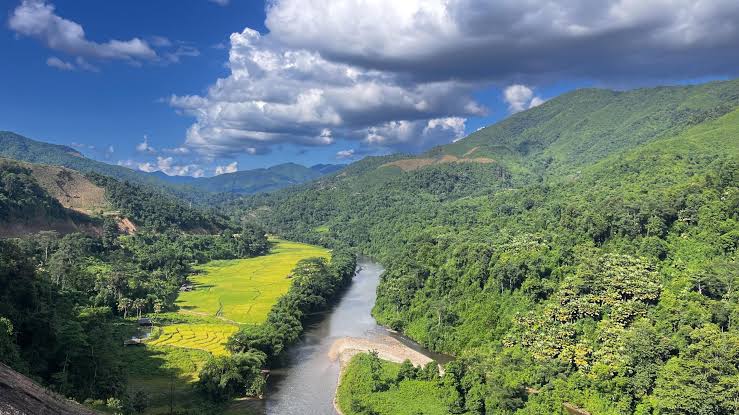
Upper Subansiri, Arunachal Pradesh: A Complete Travel Guide
Upper Subansiri is one of the most rugged, remote, and culturally rich districts of Arunachal Pradesh. Named after the Subansiri River that flows through the district, the region is known for dramatic mountain landscapes, dense forests, traditional tribal villages, river valleys, adventure opportunities, and the distinctive heritage of the Tagin community.
The district headquarters, Daporijo, lies beside the Subansiri River and serves as an important base for exploring destinations such as Taliha, Siyum, Nacho, Taksing, Limeking, Ligu, Menga Mandir, and Gegu Seria Lake. Unlike the more frequently visited destinations of Arunachal Pradesh, Upper Subansiri offers a quieter experience where nature, village life, traditional culture, and adventure remain closely connected.
With high mountains rising toward the international boundary with China, forested valleys, cascading rivers, and remote settlements, Upper Subansiri is particularly attractive to travellers who enjoy offbeat destinations, trekking, river activities, cultural tourism, photography, and rural experiences.
1. History of Upper Subansiri
The history of Upper Subansiri is closely connected with the administrative development of the Subansiri region and the traditional communities that have lived in its mountains and river valleys for generations.
A circle headquarters was established at Daporijo in 1953. The area was subsequently upgraded to a sub-division in 1957, while additional territory was brought under the administration in the following years. The Subansiri region was eventually divided, and Upper Subansiri was created as a separate district in 1980.
The district headquarters was established at Daporijo, which developed into the principal administrative and commercial centre of the region. Over time, roads and administrative centres expanded toward remote areas including Taliha, Siyum, Nacho, Limeking and Taksing.
Historical Development at a Glance
| Period | Development |
|---|---|
| 1953 | A circle headquarters was established at Daporijo. |
| 1957 | The circle was upgraded to a sub-division. |
| 1959 | Additional areas were brought into the sub-divisional administration. |
| 1964 | The administrative post was redesignated as Additional Deputy Commissioner. |
| 1980 | Upper Subansiri was created as a separate district. |
2. Geography and Climate
Upper Subansiri covers approximately 7,032 square kilometres and occupies a mountainous part of northern Arunachal Pradesh. The district extends toward the international boundary with China in the north and is characterised by steep hills, deep valleys, forests and river systems.
The Subansiri River is the dominant geographical feature of the district. Numerous tributaries and streams cut through the rugged terrain, creating valleys, waterfalls, rapids and scenic river corridors.
The northern part of the district contains high mountain ranges, with elevations rising considerably above the lower valleys. Dense forests cover large parts of the landscape and include alpine, temperate, pine and evergreen forest environments.
Climate
Upper Subansiri experiences considerable climatic variation because of differences in altitude. Lower areas around Daporijo are comparatively warmer, while higher destinations such as Taksing and other northern areas can experience very cold conditions during winter.
| Season | General Conditions | Travel Experience |
|---|---|---|
| Spring | Mild to pleasant in lower areas | Good for sightseeing and village exploration |
| Summer | Warmer in valleys with occasional rain | Green landscapes and flowing rivers |
| Monsoon | Heavy rainfall and difficult road conditions | Travel requires caution |
| Autumn | Clearer skies and comfortable temperatures | Excellent for road trips and outdoor activities |
| Winter | Cold, particularly in high-altitude areas | Best for selected trekking and mountain destinations |
3. Culture and Traditions
Upper Subansiri is strongly associated with the Tagin community, one of the major indigenous communities of Arunachal Pradesh. The district is also home to Nyishi and Galo communities, creating a culturally diverse environment.
Traditional knowledge, oral history, agriculture, village customs, weaving, bamboo and cane craftsmanship, community gatherings and indigenous beliefs continue to play an important role in local life.
Tagin Heritage
The Tagin people are part of the larger Tani cultural group of Arunachal Pradesh. Their traditional lifestyle is closely connected with agriculture, forests, rivers and the surrounding mountains.
Traditional houses, locally made objects, textiles, ornaments, agricultural practices, folk songs and dances provide visitors with an opportunity to understand the region beyond its scenery.
Traditional Lifestyle
- Traditional agriculture and cultivation
- Community-based village life
- Handwoven textiles and traditional clothing
- Bamboo and cane craftsmanship
- Oral traditions and folk songs
- Traditional dances and community celebrations
- Indigenous food preparation
4. Architecture
The traditional architecture of Upper Subansiri reflects the environment and resources of the Himalayan foothills. Houses and village structures historically relied heavily on locally available materials such as bamboo, cane, timber and other forest products.
In and around Daporijo, traditional bamboo and cane suspension bridges over the Subansiri are particularly interesting examples of local craftsmanship. These structures demonstrate how communities have traditionally adapted to the river-dominated terrain.
Traditional Architectural Features
- Bamboo and timber construction
- Raised and adaptable structures in suitable locations
- Use of locally available forest materials
- Traditional village layouts
- Bamboo and cane bridges
- Functional designs suited to mountainous terrain
5. Famous Places and Tourist Places in Upper Subansiri
Upper Subansiri is best explored as a collection of scenic villages, river destinations, mountain areas and cultural attractions rather than as a conventional sightseeing circuit.
Daporijo
Daporijo is the district headquarters and one of the best starting points for exploring Upper Subansiri. The town is situated beside the Subansiri River and offers a combination of river scenery, local markets, traditional bridges, forest surroundings and access to nearby villages.
The Subansiri around Daporijo is suitable for scenic walks, photography, picnics and selected river activities depending on local conditions.
Menga Mandir
Menga Mandir, also known as the Meghna Cave Temple, is a natural rock-cave temple dedicated to Lord Shiva. It is located around 22 kilometres north of Daporijo toward Taliha, near the confluence of the Subansiri and Mengha rivers.
The cave contains narrow passages and tunnels that create a distinctive natural and spiritual environment. The site attracts devotees and visitors, particularly around major Hindu religious occasions.
Nacho
Nacho is one of the important remote destinations of Upper Subansiri and lies along the Subansiri River corridor. The journey toward Nacho passes through mountainous landscapes and riverside settlements.
The destination is particularly appealing to travellers interested in adventure, remote landscapes, photography and river-based experiences.
Taliha
Taliha is located along the Subansiri River and forms part of the scenic route from Daporijo toward the northern areas of the district. The surrounding hills and river landscapes make the journey itself an important part of the experience.
Siyum
Siyum is another riverside destination connected with the Daporijo–Taliha–Nacho travel corridor. The surrounding landscape combines steep hills, forests and river valleys.
Taksing
Taksing is a remote high-altitude destination in the northern part of Upper Subansiri. Snow-covered mountains and winter landscapes make the area especially attractive to experienced travellers seeking remote Himalayan scenery.
Ligu Rural Tourism Village
Ligu is located only a few kilometres from Daporijo and offers an opportunity to experience rural life through community-managed tourism and homestay facilities.
The experience focuses on local lifestyle, tribal heritage, traditional culture and interaction with villagers rather than conventional hotel-based tourism.
Gegu Seria Lake
Gegu Seria Lake is a natural high-altitude lake located in a mountainous area. Reaching the lake requires a demanding trek of approximately four days from Limeking.
Because of its remote location and trekking requirement, the lake is better suited to experienced trekkers and adventure travellers who are properly prepared.
Subansiri River
The Subansiri River is the natural heart of the district. It provides the backdrop for many towns and villages and supports opportunities for rafting, angling, boating, photography and riverside exploration.
| Place | Best Known For | Ideal For |
|---|---|---|
| Daporijo | River views, local markets, bridges and culture | General sightseeing |
| Menga Mandir | Natural cave temple | Spiritual and cultural tourism |
| Taliha | Mountain and river landscapes | Road trips and photography |
| Siyum | Riverside scenery | Nature and adventure |
| Nacho | Remote Himalayan landscape | Adventure travellers |
| Taksing | High mountains and winter scenery | Experienced travellers |
| Ligu | Rural tourism and tribal culture | Village experiences |
| Gegu Seria Lake | Remote natural lake | Experienced trekkers |
6. Famous Dishes and Local Food
Food in Upper Subansiri reflects the agricultural and forest-based lifestyle of Arunachal Pradesh. Rice is an important staple, while locally available vegetables, bamboo shoots, herbs, meat and fish are commonly incorporated into traditional meals.
Food to Try
- Rice-based traditional meals
- Bamboo shoot preparations
- Smoked and locally prepared meat
- Fresh river fish
- Seasonal leafy vegetables
- Local herbs and forest produce
- Traditional rice-based beverages
Travellers staying in homestays may have the best opportunity to experience authentic local food because meals are often prepared using ingredients and cooking methods familiar to the host community.
7. Famous Personalities
Upper Subansiri has produced notable individuals associated with indigenous culture, exploration and public life. One of the best-known names connected with the district is Tapi Mra, who is recognised as the first person from Arunachal Pradesh to summit Mount Everest.
Tapi Mra
Tapi Mra is associated with Upper Subansiri and is remembered for his achievement in Himalayan mountaineering. His accomplishment has made him an important figure in the state's adventure and mountaineering history.
8. Festivals of Upper Subansiri
Festivals are an important part of the cultural identity of Upper Subansiri. Among the most significant celebrations associated with the Tagin community is Si-Donyi, a festival connected with the veneration of Earth and Sun.
Si-Donyi
Si-Donyi is the major festival of the Tagin community. The name represents Si, associated with Earth, and Donyi, associated with the Sun.
The festival involves traditional rituals conducted under the guidance of the local priest or Nyibu, along with prayers, chanting, community gatherings, cultural performances and traditional practices.
Si-Donyi is generally celebrated in January and provides visitors with a valuable opportunity to experience the traditional culture of the Tagin community.
What Visitors May Experience During Festivals
- Traditional dances and songs
- Community gatherings
- Traditional ceremonial practices
- Indigenous clothing and ornaments
- Traditional food
- Cultural performances
- Local handicrafts and community activities
9. Things to Do in Upper Subansiri
Upper Subansiri is particularly rewarding for travellers who prefer experiences over conventional sightseeing. Its mountains, rivers and remote villages create opportunities for several outdoor and cultural activities.
Trekking and Hiking
The rugged terrain around Taliha, Nacho, Limeking and other mountainous areas provides opportunities for trekking and hiking. Longer routes, such as the trek toward Gegu Seria Lake, require proper planning and experienced local support.
River Rafting
The Subansiri River provides opportunities for white-water activities. The district administration identifies the river corridor, including the Nacho area, as suitable for rafting and other adventure activities.
Angling
Selected stretches of the Subansiri River provide opportunities for angling. Travellers should always check current local regulations and conditions before fishing.
Village Tourism
A stay in or around Ligu can provide a closer look at rural life, traditional architecture, local food and indigenous cultural practices.
Photography
Upper Subansiri offers excellent subjects for landscape and cultural photography, including:
- Subansiri River landscapes
- Mountain valleys
- Traditional bridges
- Forest-covered hills
- Traditional villages
- Local festivals
- High-altitude scenery
- Rivers and waterfalls
Rock Climbing and Adventure Activities
The rugged rocky terrain around Taliha and Nacho offers potential for hiking, rock climbing and related adventure activities. Such activities should be undertaken with experienced local guides and appropriate equipment.
10. Where to Eat, Shop and Stay
Where to Stay
Daporijo is the most practical base for travellers exploring Upper Subansiri. Accommodation options are more limited than in major tourist centres of Arunachal Pradesh, so advance planning is recommended.
Travellers exploring rural areas can also look for homestay-style accommodation, particularly around destinations such as Ligu, where rural tourism has been developed around community participation.
Where to Eat
Restaurants and local eateries in Daporijo are the easiest places to find everyday meals. Travellers should also consider eating at homestays where hosts may prepare traditional local dishes.
Where to Shop
Daporijo's local market is the most convenient place to purchase everyday supplies and locally available products. Depending on availability, travellers may find traditional textiles, bamboo and cane products, locally produced food items and other regional goods.
| Requirement | Recommended Area |
|---|---|
| Hotels and basic accommodation | Daporijo |
| Local food | Daporijo and village eateries |
| Homestay experience | Ligu and rural areas |
| Daily shopping | Daporijo market |
| Adventure supplies | Daporijo, with advance planning for remote routes |
11. What Is Upper Subansiri Famous For?
Upper Subansiri is best known for its combination of rugged Himalayan landscapes, the Subansiri River, Tagin culture, remote villages and adventure tourism.
- Subansiri River: The major river flowing through the district and the centrepiece of many landscapes and activities.
- Tagin Culture: The district is strongly associated with the Tagin community and its traditional heritage.
- Si-Donyi Festival: A major cultural celebration of the Tagin people.
- Daporijo: The district headquarters and gateway to the region.
- Menga Mandir: A distinctive cave temple and natural attraction.
- Nacho and Taksing: Remote mountain destinations suited to adventurous travellers.
- Ligu Rural Tourism: An opportunity to experience traditional village life.
- Gegu Seria Lake: A remote high-altitude trekking destination.
- River Adventure: Opportunities for rafting, angling and other river activities.
12. Best Time to Visit Upper Subansiri
The best time to explore Upper Subansiri generally depends on the type of experience you want. For comfortable road travel and sightseeing, the clearer periods outside the peak monsoon are preferable.
Recommended Travel Periods
| Period | Recommendation |
|---|---|
| October–November | Excellent for clear mountain scenery, road trips and outdoor activities. |
| December–February | Good for winter landscapes and selected high-altitude destinations; very cold in remote areas. |
| March–May | Good for greenery, village visits and general sightseeing. |
| June–September | Heavy rainfall can affect roads and travel plans; extra caution is required. |
For specific adventure activities, always check river conditions, road conditions and local guidance before travelling.
13. How to Reach Upper Subansiri
Daporijo is the main gateway to Upper Subansiri. Because the district is mountainous and relatively remote, travelling by road is an important part of the journey.
By Air
The district administration identifies Dibrugarh Airport as a nearby airport for reaching Daporijo, although flight connectivity and onward road travel should be checked before planning the trip.
Lilabari Airport in Assam is another option. From Lilabari, travellers can continue by road, while helicopter services to Ziro may also be available depending on operational schedules and weather conditions.
By Train
Dibrugarh Town Railway Station and Silapathar Railway Station are among the railway options for reaching the region, followed by road travel toward Daporijo.
By Road
Daporijo can be reached by road from Itanagar via Ziro and from Assam-side routes. Road conditions can vary considerably, especially during and after heavy rainfall.
The road journey from Daporijo toward Taliha, Siyum and Nacho is itself one of the highlights of visiting Upper Subansiri, as it follows mountainous terrain and sections of the Subansiri River corridor.
Travel Route Overview
| Starting Point | Typical Route | Best For |
|---|---|---|
| Itanagar | Itanagar → Ziro → Daporijo | Road trip through central Arunachal Pradesh |
| Assam | Assam-side entry → Daporijo | Travellers arriving from the plains |
| Daporijo | Daporijo → Taliha → Siyum → Nacho | Exploring Upper Subansiri's river corridor |
14. Nearby Places to Visit
Upper Subansiri can be combined with several destinations in central and western Arunachal Pradesh, depending on the route and available travel time.
Ziro
Ziro in Lower Subansiri is one of the most popular destinations in the region. Its green valleys, Apatani cultural landscape, villages and distinctive agricultural traditions make it a natural addition to a longer Upper Subansiri itinerary.
Kamle
Kamle district lies in the broader Subansiri region and can be considered when planning a multi-district road journey through central Arunachal Pradesh.
Lower Subansiri
The neighbouring Lower Subansiri district offers access to Ziro and its surrounding villages, making it one of the easiest destinations to combine with Upper Subansiri.
Lower Siang
Travellers continuing toward the eastern side of Arunachal Pradesh can consider Lower Siang and the wider Siang region for additional river and cultural experiences.
West Siang
West Siang offers destinations such as Aalo and provides another route for exploring the cultural and natural landscapes of western Arunachal Pradesh.
| Nearby Destination | Why Visit |
|---|---|
| Ziro | Valleys, Apatani culture and village tourism |
| Kamle | Offbeat landscapes and river valleys |
| West Siang | Aalo, rivers and tribal culture |
| Lower Siang | River landscapes and cultural experiences |
15. Best Duration for an Upper Subansiri Trip
The ideal duration depends heavily on whether you want to explore only Daporijo and nearby attractions or travel farther toward Nacho, Taksing and other remote destinations.
| Duration | Suggested Experience |
|---|---|
| 2 Days | Daporijo, Subansiri River, Menga Mandir and nearby village areas. |
| 3–4 Days | Daporijo, Menga Mandir, Taliha, Siyum and selected village experiences. |
| 5–7 Days | Daporijo, Taliha, Siyum, Nacho and deeper exploration of the region. |
| 7+ Days | Adventure-focused itinerary including remote areas and longer treks. |
16. Travel Tips for Upper Subansiri
Upper Subansiri is not a conventional tourist destination. Travellers should be prepared for long road journeys, changing weather, limited facilities and remote areas.
- Carry an Inner Line Permit: Indian domestic travellers need the required Arunachal Pradesh ILP before entering the state.
- Foreign travellers: Check the applicable Protected Area Permit requirements before planning the trip.
- Plan road journeys carefully: Distances can take considerably longer because of mountainous terrain.
- Check weather conditions: Rain can affect roads, bridges and river conditions.
- Carry cash: ATM and digital payment facilities may be limited in remote areas.
- Keep essential medicines: Medical facilities become more limited as you travel farther from Daporijo.
- Carry warm clothing: Temperatures can drop significantly in high-altitude areas.
- Use local guides: Local knowledge is particularly valuable for remote trekking routes.
- Do not travel alone into remote areas: Inform someone about your route and expected return.
- Respect local culture: Ask permission before photographing people, ceremonies or private property.
- Protect the environment: Avoid littering and carry reusable water bottles and bags.
- Do not underestimate rivers: Mountain rivers can become dangerous quickly, particularly after rainfall.
What to Pack
| Category | Useful Items |
|---|---|
| Clothing | Warm layers, rain jacket, comfortable trousers and sturdy footwear |
| Travel | Valid ID, permits, offline maps and travel documents |
| Health | Personal medicines, first-aid supplies and basic toiletries |
| Electronics | Power bank, flashlight and spare charging equipment |
| Adventure | Proper trekking shoes, backpack and essential safety equipment |
| Photography | Camera, extra batteries and weather protection |
17. Why Visit Upper Subansiri?
Upper Subansiri is ideal for travellers who want to experience a less-commercial side of Arunachal Pradesh. Instead of crowded tourist attractions, the district offers long mountain drives, quiet rivers, traditional communities and remote landscapes.
- To explore the scenic Subansiri River valley.
- To experience the traditional culture of the Tagin community.
- To visit remote Himalayan destinations such as Nacho and Taksing.
- To experience rural tourism and village life at Ligu.
- To explore the natural cave temple of Menga Mandir.
- To enjoy trekking and hiking in rugged mountain terrain.
- To experience river-based adventure activities.
- To photograph remote villages, forests, rivers and mountains.
- To experience the cultural atmosphere of Si-Donyi.
- To discover one of Arunachal Pradesh's quieter and less-explored regions.
18. Upper Subansiri Travel Experience
A trip through Upper Subansiri is as much about the journey as the destinations. The landscape changes gradually from lower valleys and forests around Daporijo to steeper mountains and increasingly remote settlements toward the northern areas.
Travellers can begin with the markets and river landscapes of Daporijo, explore the cave temple at Menga, continue toward Taliha and Siyum, and then venture farther toward Nacho and other remote destinations if road and weather conditions permit.
For travellers interested in culture, a village stay can add another dimension to the journey. Instead of simply photographing traditional houses and landscapes, visitors can learn about local food, agriculture, festivals, crafts and everyday community life.
19. Conclusion
Upper Subansiri is a destination for travellers who want to go beyond the conventional tourist circuit of Arunachal Pradesh. With the Subansiri River flowing through its rugged terrain, dense forests covering its mountains, remote settlements stretching toward the northern frontier and the distinctive cultural heritage of the Tagin community, the district offers an authentic Himalayan experience.
From the riverside town of Daporijo and the mysterious caves of Menga Mandir to the scenic routes through Taliha, Siyum and Nacho, the remote landscapes of Taksing, the rural experience at Ligu and the challenging trek to Gegu Seria Lake, Upper Subansiri has something for adventure seekers, photographers, culture enthusiasts and travellers searching for offbeat destinations.
For those willing to travel slowly, respect local communities and embrace the challenges of remote mountain travel, Upper Subansiri can be one of the most rewarding hidden corners of Arunachal Pradesh.
"Travel is the only thing you buy that makes you richer."