Explore Arunachal Pradesh
Discover Arunachal Pradesh
Cities of Arunachal Pradesh
Anjaw
Bichom
Changlang
Dibang Valley
East Kameng
East Siang
Itanagar Capital Region
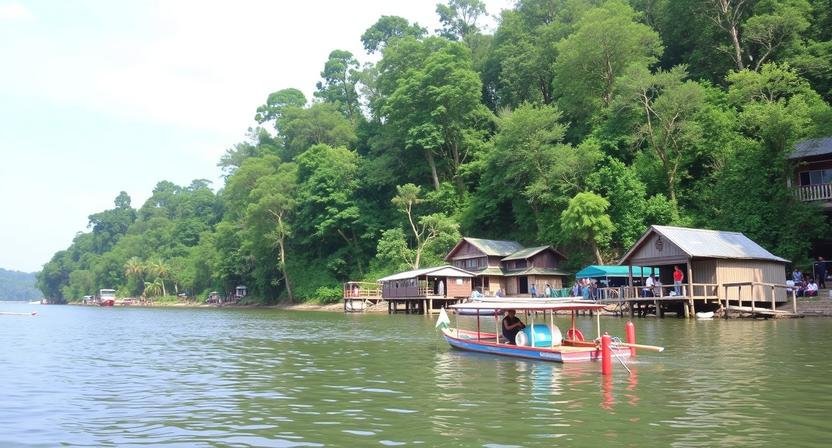
Kamle
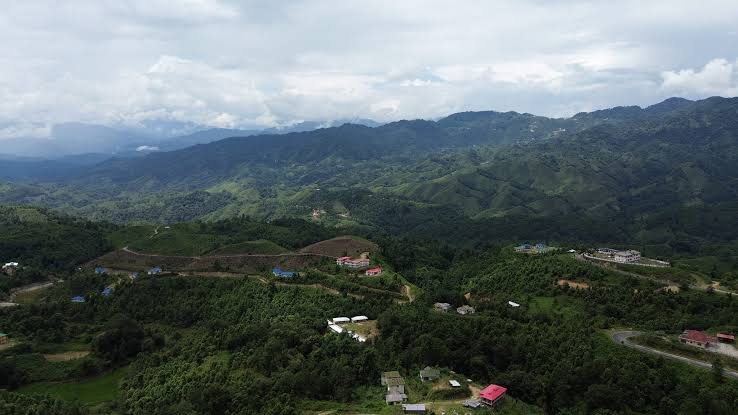
Keyi Panyor
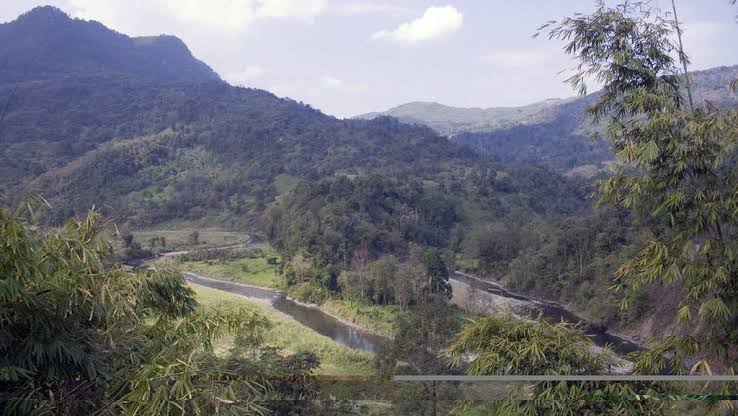
Kra Daadi
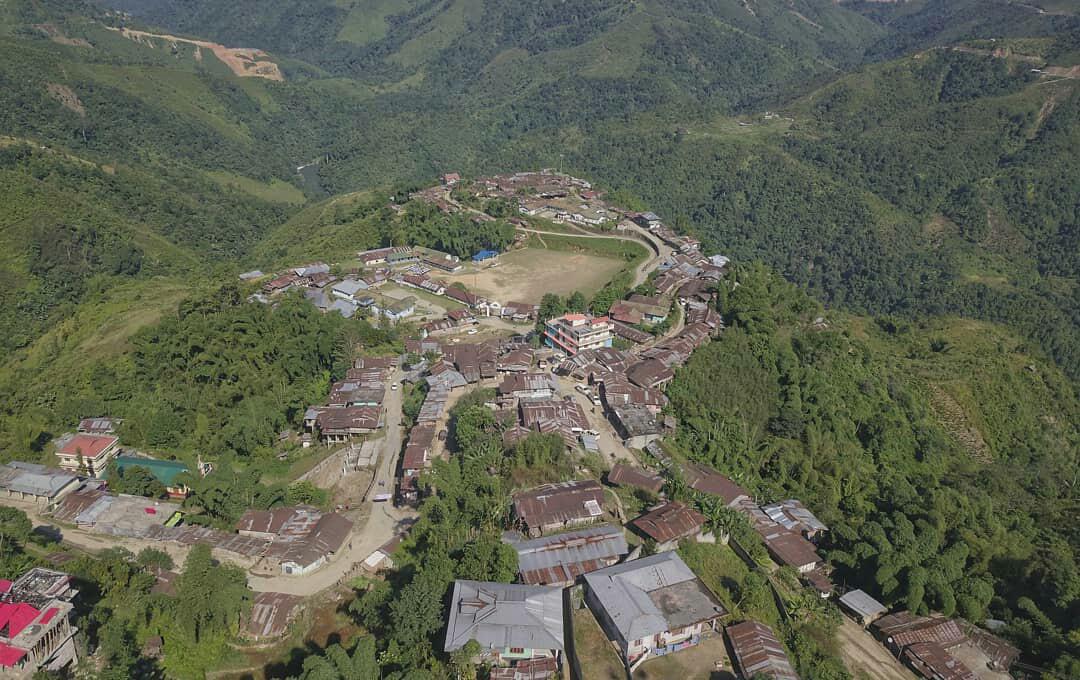
Kurung Kumey
Lepa Rada
Lohit
Longding
Lower Dibang Valley
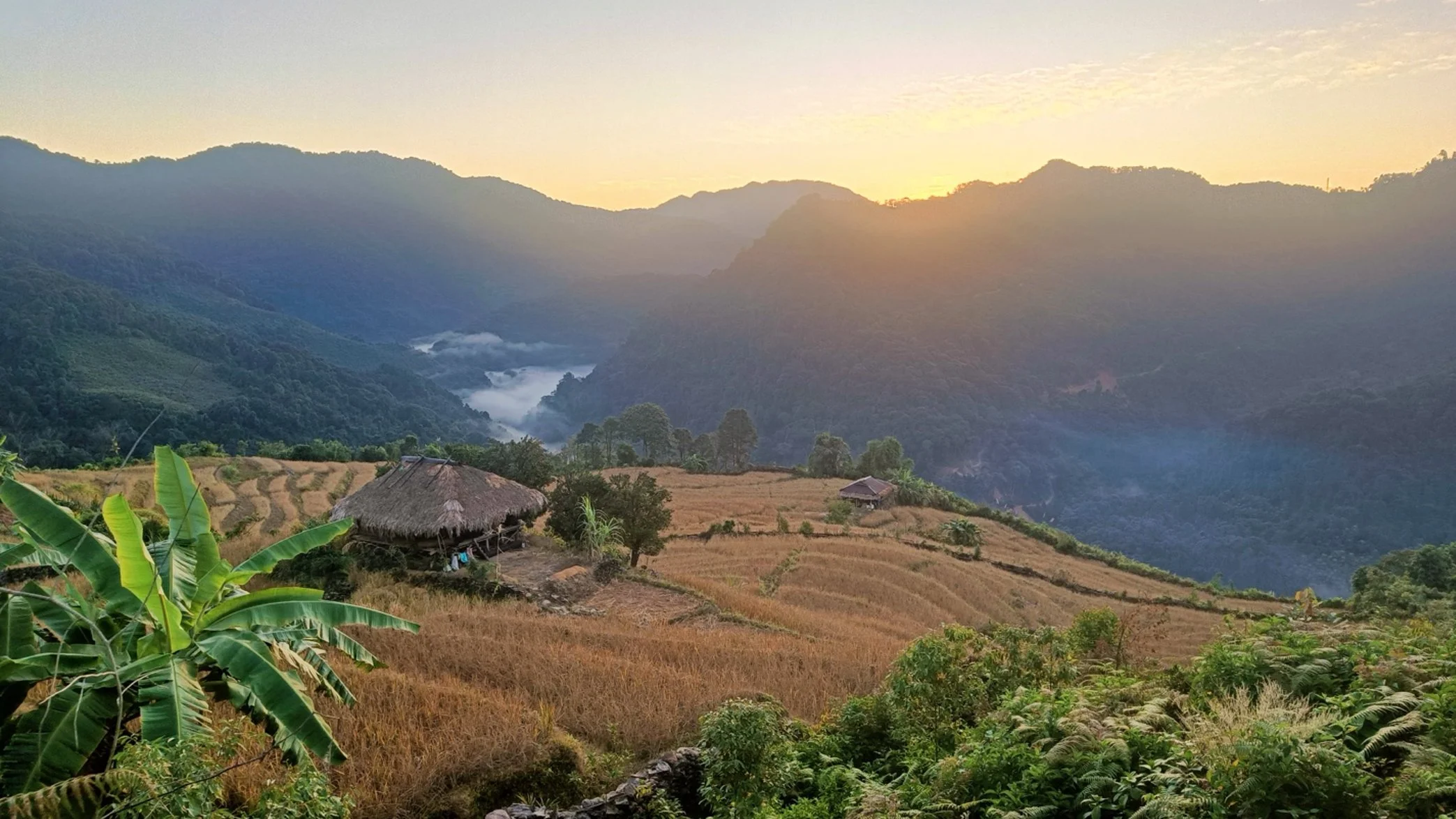
Lower Siang
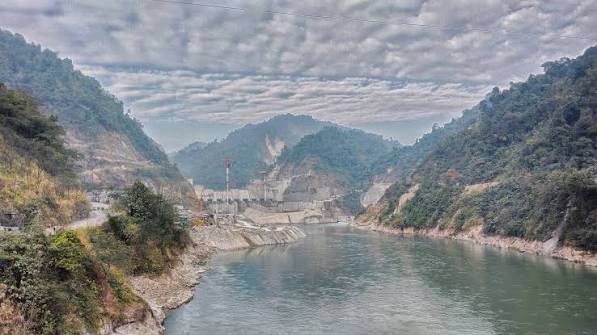
Lower Subansiri
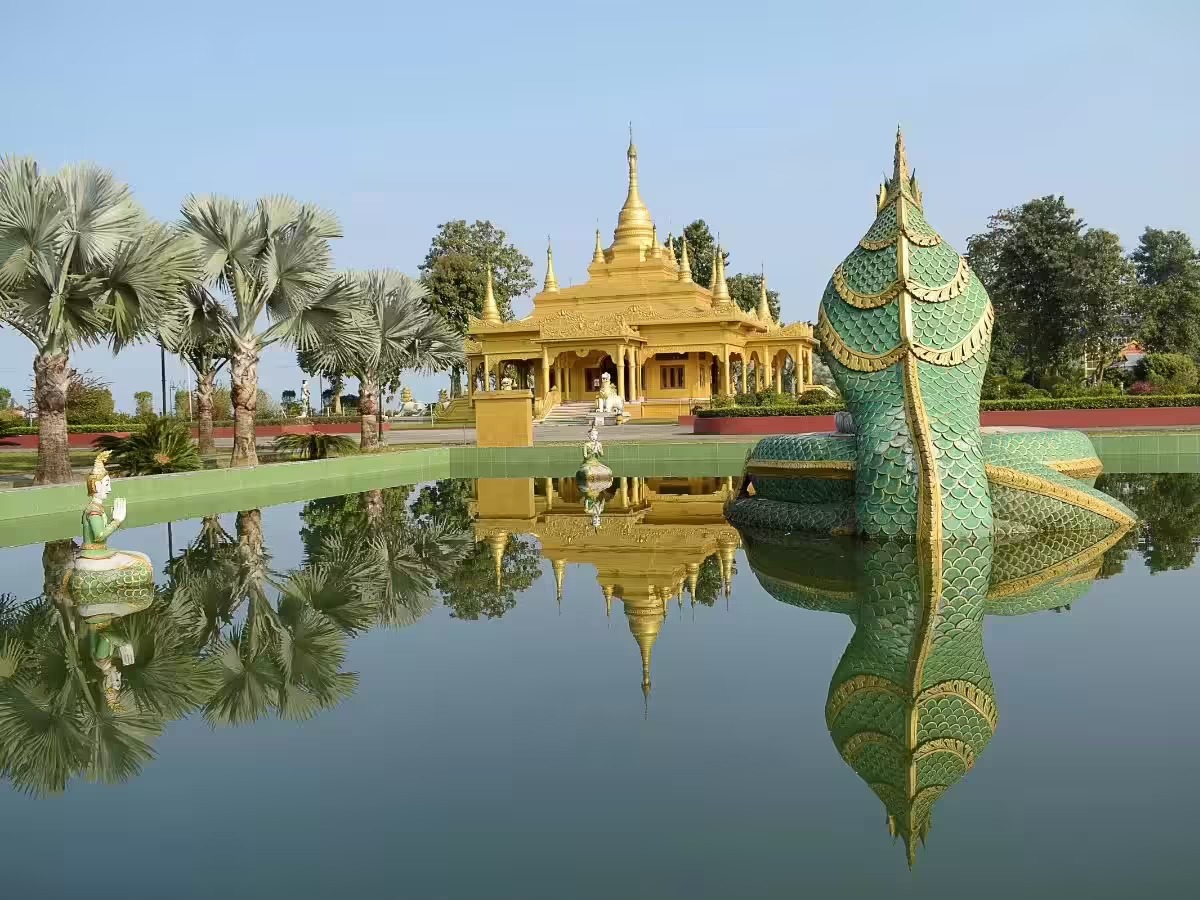
Namsai
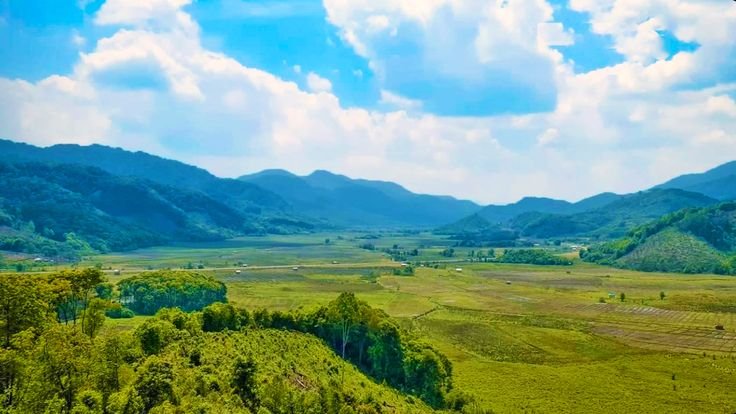
Pakke-Kessang
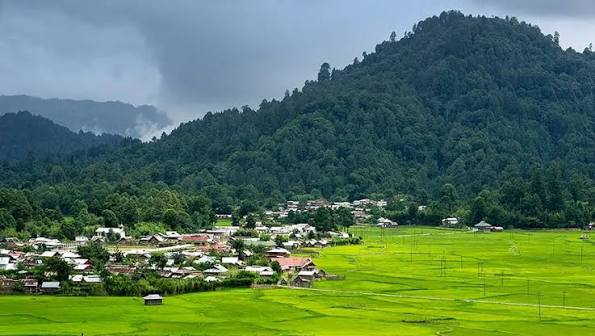
Papum Pare
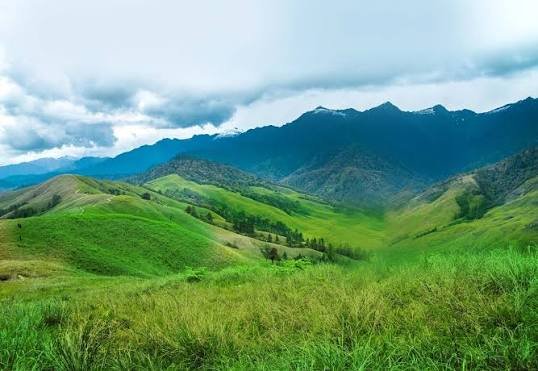
Shi-Yomi
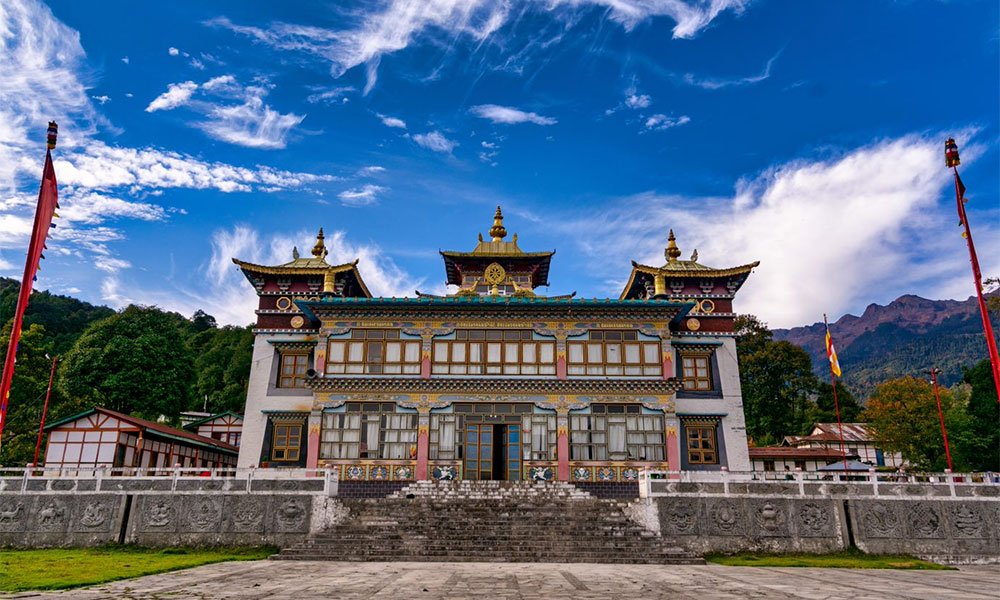
Siang
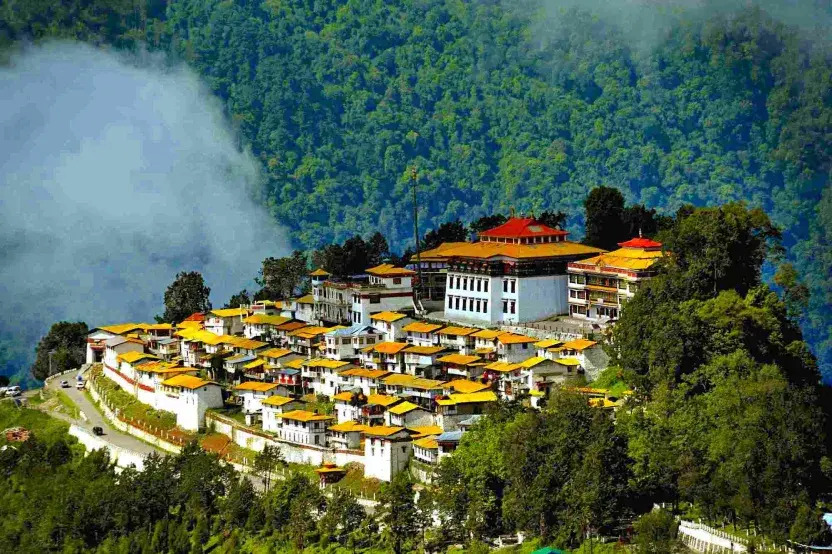
Tawang
Tirap
Upper Siang
Upper Subansiri
West Kameng
West Siang
Arunachal Pradesh – The Land of Dawn-Lit Mountains, Monasteries and Untouched Nature
Arunachal Pradesh, known as the “Land of the Dawn-Lit Mountains”, is one of the most spectacular and culturally diverse states in India. Located in the northeastern corner of the country, the state is known for its snow-covered Himalayan peaks, deep valleys, dense forests, rivers, waterfalls, Buddhist monasteries, indigenous tribal cultures and remote mountain villages.
Sharing international borders with Bhutan, China and Myanmar, Arunachal Pradesh occupies an important geographical position in Northeast India. Its landscape changes dramatically from the high Himalayan mountains in the north to forested hills, valleys and foothills in the south.
For travellers, Arunachal Pradesh offers an experience very different from conventional tourist destinations. A single journey can take visitors from the Buddhist monasteries of Tawang and high mountain passes to the tribal villages of Ziro, the forests of Namdapha, the rivers of Pasighat and the remote landscapes of Mechuka.
The state is home to numerous indigenous communities, each with their own languages, traditions, festivals, clothing, food, architecture and cultural practices. This extraordinary diversity is one of the biggest reasons Arunachal Pradesh attracts travellers seeking nature, culture and adventure.
Why Is Arunachal Pradesh Famous and Why Should You Visit?
Arunachal Pradesh is famous for its combination of Himalayan landscapes, indigenous cultures, Buddhist heritage, wildlife and adventure tourism.
The state is particularly known for:
- Tawang Monastery and Buddhist heritage
- Sela Pass and high-altitude Himalayan landscapes
- Ziro Valley and Apatani culture
- Bomdila and Dirang valleys
- Namdapha National Park
- Mechuka Valley
- Siang River
- Parashuram Kund
- Mouling National Park
- Dense forests and rich biodiversity
- Indigenous tribal traditions and festivals
- Traditional bamboo and cane handicrafts
- Mountain roads and scenic journeys
- Trekking, river rafting and other adventure activities
- Remote villages and offbeat destinations
Arunachal Pradesh is especially attractive to travellers who want to experience nature and local culture together rather than simply visiting conventional tourist attractions.
History of Arunachal Pradesh
The history of Arunachal Pradesh is closely connected with the diverse indigenous communities that have lived across its mountains and valleys for centuries.
Unlike many parts of India, the region did not historically develop under one single political kingdom. Different tribal communities traditionally governed their own villages and territories according to their customs, traditions and community institutions.
The region has also had historical connections with neighbouring Himalayan and Tibetan regions. Buddhism became particularly influential in the western and northern parts of present-day Arunachal Pradesh, especially among communities living in areas such as Tawang and West Kameng.
British Period
During the British period, the region was administered separately from the plains of Assam. The British gradually established administrative control over different frontier areas while indigenous communities continued to maintain their traditional social systems.
The region was historically known as the North-East Frontier Agency (NEFA) during the post-independence period.
Formation of Arunachal Pradesh
The administrative identity of the region changed considerably after India's independence. NEFA was later renamed Arunachal Pradesh, and it became a Union Territory in 1972.
On 20 February 1987, Arunachal Pradesh became a full-fledged state of India.
Since then, the state has developed its administrative institutions, road connectivity, education, tourism infrastructure and urban centres while continuing to preserve its indigenous cultural identity.
Today, the history of Arunachal Pradesh can be experienced through its monasteries, archaeological sites, traditional villages, museums and living tribal traditions.
Geography and Climate of Arunachal Pradesh
Arunachal Pradesh is located in Northeast India and is the largest state in the northeastern region by geographical area. It covers approximately 83,743 square kilometres and has an extraordinary variety of landscapes.
The state stretches from the Himalayan mountains in the north towards the foothills and plains adjoining Assam in the south.
International Borders
| Direction | Border / Region |
|---|---|
| North | China |
| East / Northeast | Myanmar |
| West | Bhutan |
| South | Assam and Nagaland |
Its strategic location gives the state considerable geographical and national importance.
Mountains and Valleys
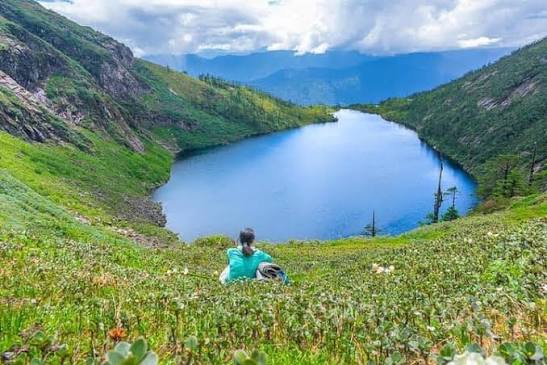
The northern part of the state contains some of the highest Himalayan landscapes in India. Mountain ranges, glaciers, high-altitude lakes and passes dominate areas such as Tawang and Upper Siang.
Further south, the landscape gradually changes into:
- Mountain valleys
- Forested hills
- River valleys
- Foothills
- Lowland forests
Major Rivers
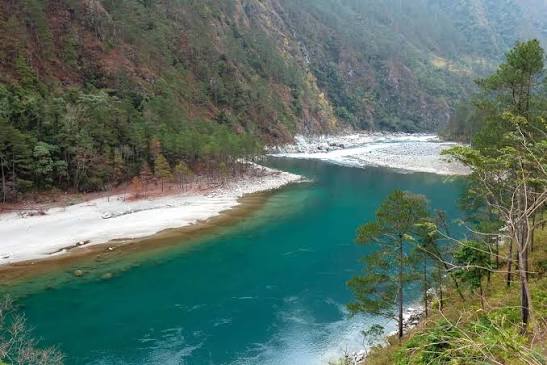
Arunachal Pradesh is crossed by several important rivers and their tributaries.
Major river systems include:
- Siang
- Subansiri
- Kameng
- Lohit
- Dibang
- Tirap
- Noa-Dihing
These rivers play an important role in the state's geography, agriculture, transportation, biodiversity and tourism.
Climate
Because of its huge variation in altitude, Arunachal Pradesh does not have one uniform climate. The weather can range from subtropical conditions in the foothills to extremely cold alpine conditions in the high Himalayas.
| Region | General Climate |
|---|---|
| Foothills | Warm and humid |
| Lower Hills | Mild to warm |
| Middle Mountains | Pleasant to cool |
| High Mountains | Very cold, with snowfall in winter |
| Alpine Areas | Extremely cold and high-altitude conditions |
The monsoon brings substantial rainfall to much of the state, making Arunachal Pradesh one of India's lushest regions.
Culture and Traditions of Arunachal Pradesh
One of the greatest attractions of Arunachal Pradesh is its extraordinary cultural diversity.
The state is home to numerous indigenous communities, including:
- Nyishi
- Adi
- Apatani
- Galo
- Monpa
- Mishmi
- Tagin
- Nocte
- Wancho
- Singpho
- Khampti
- Sherdukpen
- Bugun
- Idu Mishmi
- Tangsa
Each community has developed its own traditions, languages, festivals, clothing, food habits and social customs.
Traditional Lifestyle
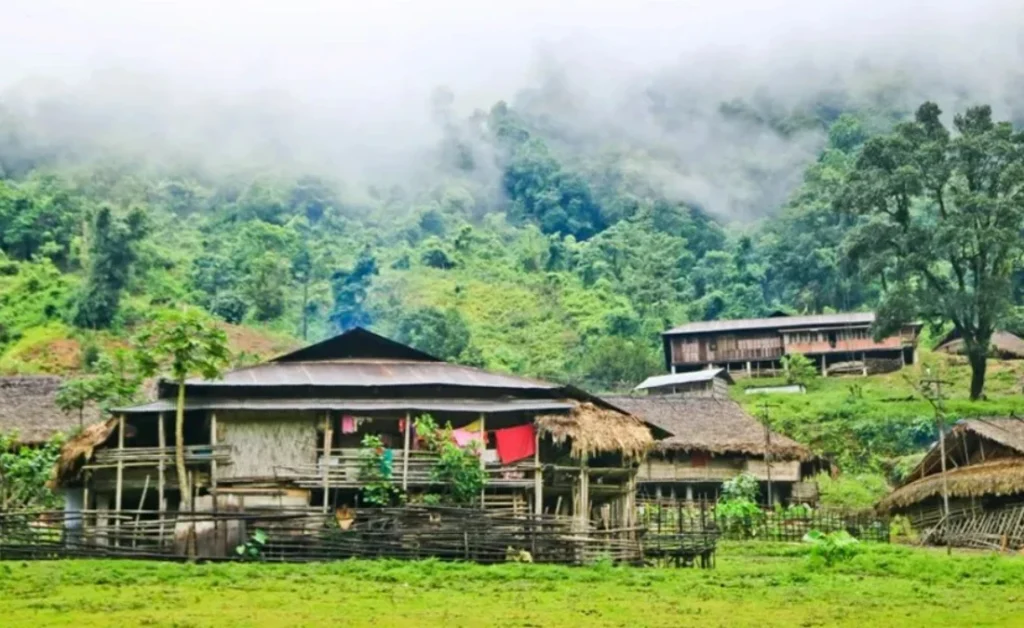
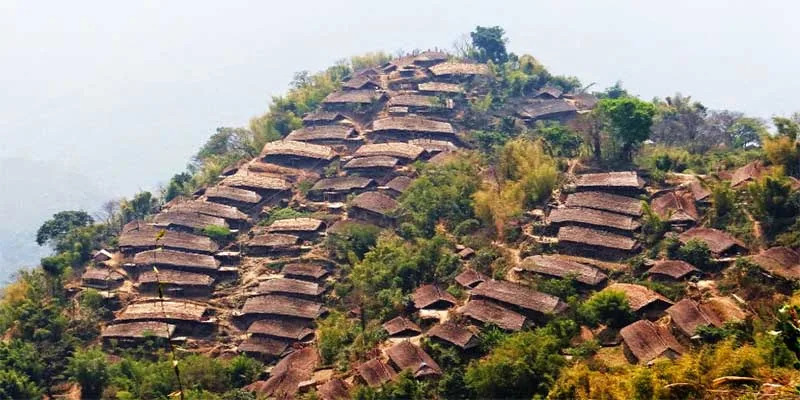
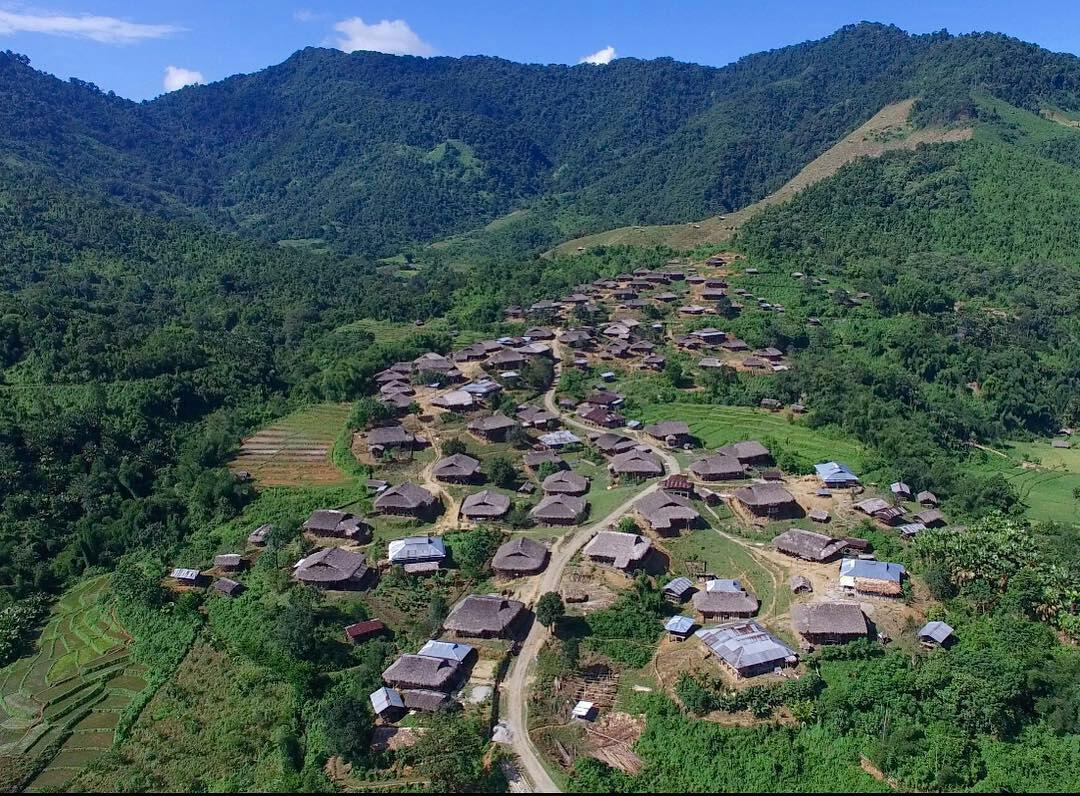
Traditional village life remains an important part of Arunachal Pradesh's cultural identity. In many areas, visitors can see traditional houses, community spaces, handwoven clothing, bamboo and cane products, traditional agricultural practices, indigenous musical instruments, local dances and community festivals.
Traditional Clothing
Colourful traditional clothing varies considerably between communities. Handwoven textiles often feature distinctive patterns, colours and designs that represent local identity.
Bamboo and Cane Craft
Bamboo and cane are important materials in Arunachal Pradesh. They are traditionally used to create baskets, mats, furniture, household products, fishing equipment, decorative items and traditional structures.
Visitors can purchase locally made handicrafts as souvenirs while also supporting local artisans.
Architecture of Arunachal Pradesh
Architecture in Arunachal Pradesh reflects the state's diverse geography and communities. Traditional homes are often designed according to local climate, available materials and mountain conditions.
Traditional Houses
Depending on the community and region, traditional houses may use bamboo, cane, wood, thatch, stone and other locally available materials.
Raised houses are particularly common in several communities.
Buddhist Architecture
Western Arunachal Pradesh has a strong Buddhist architectural tradition. The most famous example is Tawang Monastery.
Other monasteries and gompas across Tawang, West Kameng and neighbouring areas reflect Tibetan Buddhist architectural influences.
Historical Architecture
The state also contains important historical structures such as Ita Fort, traditional village settlements, monasteries, archaeological remains and historic religious and cultural sites.
Famous Places in Arunachal Pradesh
Arunachal Pradesh offers an extraordinary variety of destinations, from high Himalayan valleys and monasteries to forests, rivers and tribal villages.
Tawang
Tawang is one of the most famous destinations in Arunachal Pradesh. Located in the western Himalayas, it is known for Tawang Monastery, high mountain passes, lakes, valleys and Buddhist culture.
Tawang Monastery
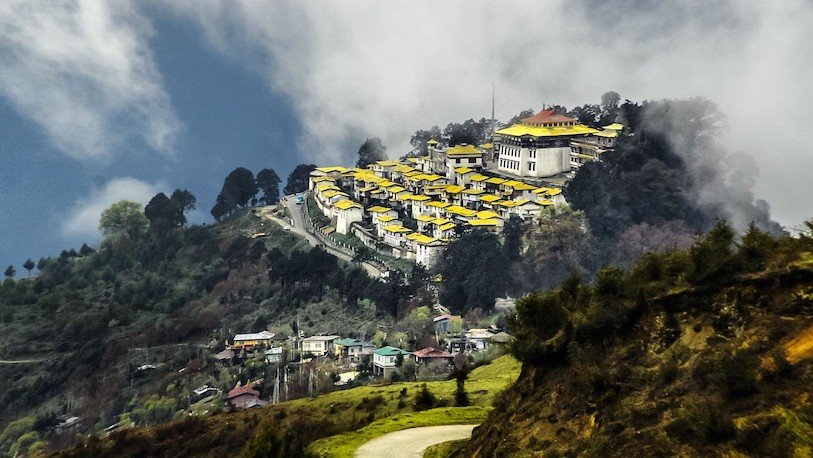
Tawang Monastery is one of the most important Buddhist monasteries in India and a major spiritual and cultural attraction of the state. Its spectacular mountain setting makes it one of Arunachal Pradesh's most recognisable landmarks.
Sela Pass
Sela Pass is a dramatic high-altitude mountain pass on the route towards Tawang. Snow-covered landscapes and nearby lakes make the area particularly scenic during winter.
Ziro Valley
Ziro is famous for its beautiful valley landscapes and the unique cultural traditions of the Apatani community. The destination is especially popular among travellers interested in village life, nature and cultural tourism.
Mechuka
Mechuka, also known as Menchuka, is a remote and beautiful valley in Shi-Yomi district. It is known for mountains, rivers, villages and spectacular Himalayan scenery.
Bomdila
Bomdila is a popular mountain destination in western Arunachal Pradesh, offering views of Himalayan landscapes, monasteries and local cultural experiences.
Dirang
Dirang is known for its valley scenery, hot springs, monasteries, villages and pleasant mountain environment.
Namdapha National Park
Namdapha is one of the most important protected areas in Arunachal Pradesh and is famous for its extraordinary biodiversity and dense forests. It is an important destination for wildlife enthusiasts and nature lovers.
Pasighat
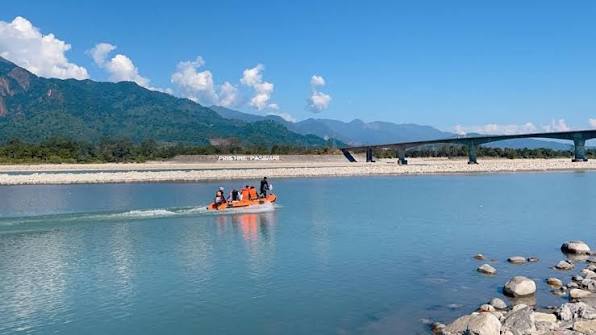
Pasighat is one of the important towns of eastern Arunachal Pradesh and serves as a gateway to the Siang region. The surrounding landscapes offer opportunities for river-based activities, nature exploration and cultural experiences.
Ganga Lake
Located near Itanagar, Ganga Lake, also known as Gekar Sinyi, is a beautiful natural lake surrounded by forested landscapes.
Ita Fort
Ita Fort is an important historical landmark in Itanagar and is closely connected with the origin of the city's name.
Parashuram Kund
Parashuram Kund is an important pilgrimage destination in the Lohit region and attracts visitors seeking a combination of spirituality and natural beauty.
Dong Valley
Located in the eastern part of the state, Dong is known for its spectacular mountain landscapes and its association with India's early sunrise.
Famous Dishes of Arunachal Pradesh
Arunachali cuisine varies considerably between communities and regions. Rice, vegetables, meat, fish, bamboo shoots and fermented ingredients are important elements of many traditional meals.
Thukpa
Thukpa is a popular noodle soup widely enjoyed across the Himalayan region. It is especially comforting in the colder mountain areas.
Momos
Momos are widely available throughout Arunachal Pradesh, particularly in towns and tourist destinations. They are commonly prepared with vegetable, chicken or other fillings.
Bamboo Shoot Preparations
Bamboo shoots are an important ingredient in many local dishes. They may be cooked with vegetables, fish or meat and add a distinctive flavour to traditional meals.
Smoked Pork
Smoked pork is an important part of the food traditions of several indigenous communities. It is often prepared using traditional cooking methods and served with rice and local vegetables.
Pehak
Pehak is a traditional preparation made using fermented soybean and chillies. It has a distinctive and strong flavour and is often enjoyed as an accompaniment to rice-based meals.
Chura Sabji
Chura Sabji is associated particularly with the Monpa food tradition and uses fermented cheese along with other ingredients.
Zan
Zan is a traditional porridge-like dish associated with the Monpa community and is commonly enjoyed as part of traditional meals.
Rice-Based Meals
Rice is an important staple across much of Arunachal Pradesh and is commonly served with vegetables, meat, fish and traditional side dishes.
Apong
Apong is a traditional fermented rice-based beverage associated with several indigenous communities and cultural gatherings.
Famous Personalities Associated with Arunachal Pradesh
Dorjee Khandu
Dorjee Khandu was an important political leader of Arunachal Pradesh and served as Chief Minister of the state. He played a significant role in the state's political and administrative development.
Gegong Apang
Gegong Apang is one of the most prominent political leaders in Arunachal Pradesh. He served multiple terms as Chief Minister and played an important role in the development of the state.
Nabam Tuki
Nabam Tuki is a prominent political leader who served as Chief Minister of Arunachal Pradesh and has been closely involved in the state's political affairs.
Kiren Rijiju
Kiren Rijiju is a prominent national political figure from Arunachal Pradesh who has represented the state in Parliament and held important positions in the Union Government.
Tage Rita
Tage Rita is an Arunachali entrepreneur, singer and cultural personality known for promoting local culture and indigenous products.
Festivals of Arunachal Pradesh
Festivals are an important part of life in Arunachal Pradesh. Many festivals are connected with agriculture, nature, spirituality, community welfare and traditional beliefs.
Losar
Losar is celebrated by Buddhist communities, particularly in areas such as Tawang. It marks the Tibetan Buddhist New Year and is celebrated with prayers, rituals and cultural activities.
Nyokum Yullo
Nyokum Yullo is an important festival of the Nyishi community. It is associated with peace, prosperity, community well-being and agricultural traditions.
Solung
Solung is a major festival of the Adi community. It has strong agricultural and community significance and is celebrated with traditional rituals, cultural activities and community gatherings.
Mopin
Mopin is an important festival of the Galo community. It is associated with prosperity, happiness, peace and well-being.
Dree
Dree is an important agricultural festival of the Apatani community and is associated with prayers for successful agriculture and community prosperity.
Si-Donyi
Si-Donyi is celebrated by the Tagin community and is associated with traditional beliefs, nature and community well-being.
Reh
Reh is an important festival of the Idu Mishmi community and is known for its elaborate cultural traditions and community celebrations.
Sangken
Sangken is celebrated by communities including the Khampti and Singpho and is associated with the traditional water festival marking the beginning of the new year.
Things to Do in Arunachal Pradesh
Arunachal Pradesh is ideal for travellers who enjoy outdoor experiences, culture and adventure.
- Explore Himalayan Landscapes: Visit Tawang, Dirang, Bomdila and Mechuka for spectacular mountain scenery.
- Visit Monasteries: Explore Buddhist monasteries and gompas to experience the spiritual and architectural heritage of western Arunachal Pradesh.
- Experience Tribal Culture: Visit villages and cultural destinations to learn about communities such as the Apatani, Nyishi, Monpa, Adi and Galo.
- Go Trekking: Mountain and forest areas offer opportunities for trekking and nature walks, subject to local conditions and permissions.
- Enjoy River Activities: Rivers such as the Siang, Subansiri and Kameng provide opportunities for river-based adventure activities in suitable areas.
- Explore Wildlife: Visit protected areas such as Namdapha National Park, Mouling National Park, Pakke Tiger Reserve and Eaglenest Wildlife Sanctuary.
- Photography: Capture snow-covered mountains, lakes, forests, waterfalls, tribal villages, monasteries, rivers and traditional festivals.
- Explore Local Markets: Discover traditional textiles, handicrafts, bamboo products, local food and souvenirs.
Where to Eat, Shop, and Stay in Arunachal Pradesh
Travel facilities vary considerably between major towns and remote districts.
Where to Eat
Larger towns such as Itanagar, Naharlagun, Tawang, Bomdila, Dirang and Pasighat offer restaurants and local eateries.
Visitors can try local dishes featuring rice, bamboo shoots, smoked meat, fermented ingredients, local herbs, vegetables and fish.
In remote areas, food choices can be limited, so travellers should plan accordingly.
Where to Shop
Popular shopping options include local markets and craft centres.
Travellers can look for:
- Handwoven textiles
- Bamboo products
- Cane crafts
- Traditional ornaments
- Woollen products
- Local souvenirs
Where to Stay
Accommodation ranges from budget hotels, guesthouses and homestays to mid-range and premium hotels.
Remote destinations generally have fewer accommodation choices, making advance planning particularly important.
What Is Arunachal Pradesh Famous For?
Arunachal Pradesh is famous for its remarkable combination of mountains, forests, rivers, indigenous cultures and Buddhist heritage.
The state is particularly known for:
- Tawang Monastery
- Tawang and Sela Pass
- Ziro Valley
- Mechuka
- Namdapha National Park
- Siang River
- Ganga Lake
- Ita Fort
- Parashuram Kund
- Buddhist monasteries
- Indigenous tribal cultures
- Traditional festivals
- Bamboo and cane handicrafts
- Himalayan adventure tourism
- Rich biodiversity
Best Time to Visit Arunachal Pradesh
There is no single perfect month for the entire state because Arunachal Pradesh covers a huge geographical area with major differences in altitude.
For general sightseeing, October to April is a popular period.
| Season | Months | What to Expect |
|---|---|---|
| Spring | March – April | Pleasant weather, greenery and good conditions in many areas. |
| Summer | May – June | Warmer in lower areas and cooler in higher regions. |
| Monsoon | July – September | Heavy rainfall, lush landscapes and possible road disruptions. |
| Autumn | October – November | Clearer skies and excellent mountain scenery. |
| Winter | December – February | Cold weather and snowfall in high-altitude destinations. |
For Snow
If your main goal is to experience snow around destinations such as Tawang and Sela Pass, winter can be attractive, but road conditions can change quickly.
For Green Landscapes
The post-monsoon period is particularly beautiful, when forests and valleys appear fresh and green.
How to Reach Arunachal Pradesh
By Air
Donyi Polo Airport near Itanagar is an important airport serving the capital region.
Travellers can also use airports in neighbouring Assam depending on their destination and route. Airports around Guwahati, Dibrugarh and Tezpur can be useful for different parts of the state.
By Train
Naharlagun Railway Station is one of the important railway stations serving the Itanagar capital area.
Other railway stations in Arunachal Pradesh and nearby Assam can also be useful depending on the destination.
By Road
Road travel is one of the most important ways to explore Arunachal Pradesh.
Major gateways and routes connect the state with Assam through places such as:
- Bhalukpong
- Banderdewa
- Harmuti
- Jonai
- Pasighat
- Naharlagun and Itanagar
Because of mountainous terrain and monsoon conditions, journey times can vary considerably.
Nearby Places to Visit from Arunachal Pradesh
Arunachal Pradesh itself is a huge travel destination, but its location also makes it possible to combine a trip with nearby parts of Northeast India.
Assam
Assam borders Arunachal Pradesh and is often used as the main gateway to the state. Popular destinations include Guwahati, Tezpur, Kaziranga and Dibrugarh.
Nagaland
Parts of eastern Arunachal Pradesh are geographically close to Nagaland, making combined Northeast itineraries possible.
Bhutan
Western Arunachal Pradesh lies close to Bhutan. International travel requires appropriate border and immigration arrangements.
Best Duration for a Trip to Arunachal Pradesh
The ideal duration depends heavily on the region you want to explore.
| Trip Duration | Recommended Experience |
|---|---|
| 3–4 days | Itanagar and nearby destinations |
| 5–7 days | Tawang-focused trip or selected central and western destinations |
| 8–10 days | Tawang, Bomdila, Dirang and other selected destinations |
| 10–14 days | Multi-region Arunachal Pradesh journey |
| 15+ days | Extensive exploration including remote destinations |
Because Arunachal Pradesh has long mountain journeys, it is better to plan fewer destinations with enough time rather than trying to cover the entire state quickly.
Travel Tips for Arunachal Pradesh
- Arrange the required Inner Line Permit (ILP) before travelling.
- Foreign visitors should check the applicable entry and permit requirements before planning their trip.
- Keep identification and travel documents safely.
- Mountain journeys can take much longer than expected.
- Check road and weather conditions before travelling.
- Carry warm clothing if your itinerary includes high-altitude destinations.
- Carry rain protection during the monsoon.
- Keep sufficient cash when travelling to remote areas.
- Mobile connectivity can be limited in some remote regions.
- Carry essential medicines and personal supplies.
- Book accommodation in advance during popular travel seasons.
- Respect local customs, traditions and religious practices.
- Ask permission before photographing people, homes or ceremonies.
- Dress respectfully when visiting monasteries and religious places.
- Do not litter in forests, villages, lakes or mountain areas.
- Support local communities by choosing local guides, homestays and handicrafts where possible.
- Avoid travelling too aggressively between destinations because mountain roads require patience and flexibility.
Why Visit Arunachal Pradesh?
Arunachal Pradesh is one of India's most rewarding destinations for travellers who want to experience nature, culture and adventure in one journey.
Unlike destinations dominated by a single attraction, Arunachal Pradesh offers an enormous variety of experiences.
You can:
- See snow-covered Himalayan peaks.
- Walk around ancient monasteries.
- Explore remote tribal villages.
- Experience colourful indigenous festivals.
- Travel through dense forests.
- Visit spectacular valleys.
- Photograph rivers and waterfalls.
- Taste traditional Northeast Indian cuisine.
- Trek through mountain landscapes.
- Explore wildlife habitats.
- Meet local communities.
- Discover places that remain relatively untouched by mass tourism.
The biggest attraction of Arunachal Pradesh is its diversity. Every district can feel different, with its own landscape, communities, traditions and travel experiences.
Conclusion
Arunachal Pradesh is a destination where the Himalayas, forests, rivers, indigenous cultures and ancient traditions come together.
From the magnificent Buddhist heritage of Tawang and the peaceful landscapes of Ziro to the remote beauty of Mechuka, the wildlife-rich forests of Namdapha and the river valleys of Siang, the state offers an extraordinary variety of experiences.
Its greatest strength is not just its scenery but the combination of natural beauty and living culture. Traditional festivals, village life, handicrafts, local cuisine and community traditions continue to give each region its own identity.
For travellers willing to take the time to explore beyond the main tourist routes, Arunachal Pradesh offers some of the most memorable and diverse travel experiences in Northeast India.