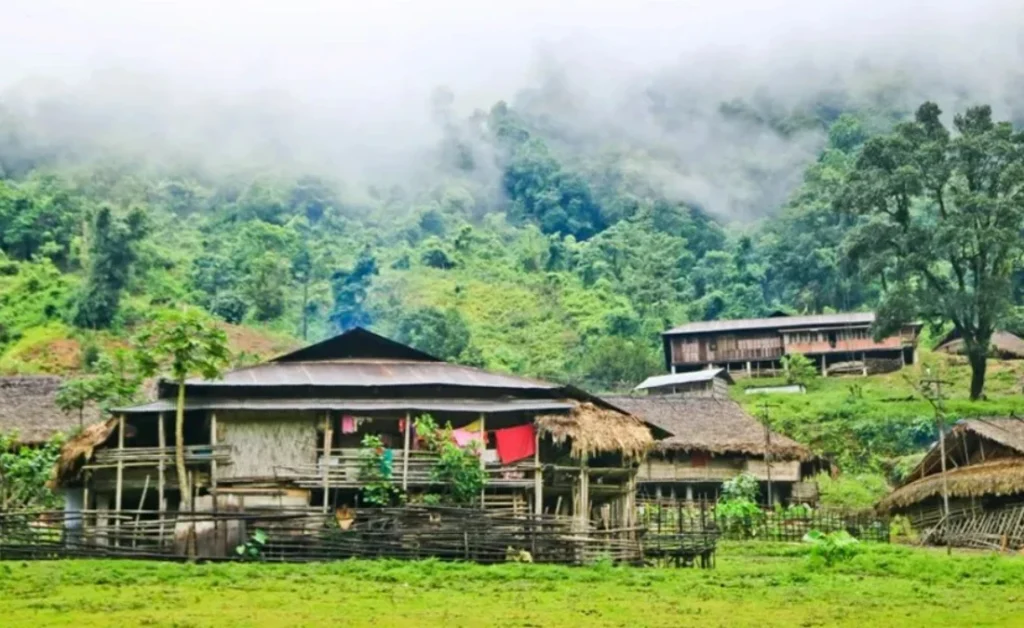
Lepa Rada – A Land of Scenic Valleys, Rivers and Galo Heritage
Located in the beautiful foothills of Arunachal Pradesh, Lepa Rada is a relatively new district known for its green hills, river valleys, forests, peaceful villages and rich indigenous heritage. With Basar as its district headquarters, the district offers travellers an opportunity to experience the natural beauty and cultural traditions of the Galo people.
Lepa Rada is an ideal destination for those who prefer offbeat travel, village experiences, nature photography and cultural exploration. Unlike heavily commercialised tourist destinations, much of the district still retains a peaceful atmosphere where traditional lifestyles remain closely connected with agriculture, forests and community life.
From the scenic landscapes around Basar to the traditional villages, river valleys and cultural celebrations of the region, Lepa Rada offers a memorable introduction to the quieter and less-explored side of Arunachal Pradesh.
History of Lepa Rada
Lepa Rada is one of the newer administrative districts of Arunachal Pradesh. It was created in 2017 after being carved out of the former West Siang district, with Basar becoming its district headquarters.
Although the district itself is relatively new as an administrative unit, the region has a much older cultural history shaped primarily by the Galo community. For generations, local communities developed village-based social systems, agricultural practices and cultural traditions suited to the hilly environment.
The area has long been known for its strong community life and traditional institutions. Oral traditions, festivals, customary practices and indigenous knowledge continue to play an important role in preserving the identity of the region.
Today, Lepa Rada is gradually developing its infrastructure and tourism potential while continuing to preserve its natural landscapes, indigenous heritage and traditional village character.
Geography and Climate of Lepa Rada
Lepa Rada is characterised by a landscape of green hills, valleys, forests, rivers and agricultural land. The district lies within the wider Himalayan foothill region of Arunachal Pradesh, where changing elevations create varied scenery and climatic conditions.
Basar, the district headquarters, is surrounded by scenic hills and traditional settlements. Other parts of the district include peaceful rural areas where agriculture and forest resources continue to support local livelihoods.
The region experiences a generally humid climate, with warm and wet conditions during much of the year and cooler temperatures during winter.
| Season | General Conditions |
|---|---|
| Summer | Generally warm, with green surroundings and changing weather conditions. |
| Monsoon | Heavy rainfall makes the hills, forests and valleys exceptionally lush, though road travel may occasionally be affected. |
| Winter | Cooler and more comfortable weather, particularly suitable for sightseeing, village exploration and outdoor activities. |
The combination of rolling hills, forested landscapes, agricultural fields and traditional villages gives Lepa Rada a peaceful and scenic character.
Culture and Traditions of Lepa Rada
The cultural identity of Lepa Rada is strongly associated with the Galo community, one of the major indigenous communities of Arunachal Pradesh. Traditional customs, festivals, music, clothing and agricultural practices remain important parts of everyday life.
Traditional Village Life
Village communities have traditionally maintained a close relationship with agriculture and the surrounding natural environment. Community cooperation and customary social practices continue to play an important role in local life.
Traditional Attire and Ornaments
Handwoven garments, colourful textiles, bead ornaments and traditional accessories are important expressions of cultural identity. Traditional dress is especially visible during festivals, dances and important community gatherings.
Music and Dance
Traditional songs and dances are an important part of cultural celebrations. They often preserve stories, beliefs and memories that have been passed down through generations.
Indigenous Knowledge
The local way of life reflects generations of knowledge related to agriculture, forests, food and the natural environment. These traditions remain an important part of the cultural identity of Lepa Rada.
Visitors exploring the district can experience a region where culture, community and nature continue to remain closely connected.
Architecture of Lepa Rada
The architecture of Lepa Rada reflects both traditional indigenous building knowledge and gradual modern development.
Traditional houses in the region have historically used materials such as bamboo, wood and cane. These locally available materials were suitable for the climate and reflected the craftsmanship and practical knowledge of the indigenous communities.
Traditional Galo Houses
Traditional village houses were designed around family and community needs, with construction methods adapted to local weather and available resources. Bamboo and wood remain important elements of traditional building culture.
Village Settlements
Settlements are shaped by the surrounding hills, agricultural land and natural resources. Traditional villages often provide travellers with an opportunity to observe the relationship between local architecture and the landscape.
Modern Development
Basar and other developing centres now include modern government buildings, schools, commercial establishments and residential structures. Despite this development, traditional building styles and indigenous craftsmanship remain an important part of the region's cultural heritage.
Famous Places in Lepa Rada
Lepa Rada offers attractions that are primarily connected with nature, village life, cultural heritage and scenic landscapes.
Basar
Basar is the district headquarters and the main gateway to Lepa Rada. Surrounded by hills and green landscapes, it is known for its peaceful environment, Galo culture and traditional villages.
Basar Confluence
The confluence area around Basar is known for its scenic natural surroundings and offers a peaceful setting for visitors interested in photography and outdoor exploration.
Traditional Galo Villages
The villages around Basar and other parts of the district provide an opportunity to experience traditional architecture, agricultural life and the cultural heritage of the Galo people.
Hanging Bridges and River Valleys
Several parts of the region are connected by traditional and modern bridges across rivers and streams. These scenic landscapes add to the appeal of road journeys and village exploration.
Forest and Hill Landscapes
The green hills and forested surroundings of Lepa Rada are among its greatest attractions. The changing clouds, valleys and rural scenery make the district particularly suitable for nature lovers and photographers.
Basar Festival Grounds and Cultural Spaces
During important cultural events, Basar becomes a vibrant centre of music, traditional performances, local food and community celebrations, offering visitors an opportunity to experience the region's living heritage.
The appeal of Lepa Rada lies in its combination of peaceful landscapes, indigenous culture and authentic village experiences.
Famous Dishes of Lepa Rada
The cuisine of Lepa Rada reflects the food traditions of the Galo community and the wider culinary culture of Arunachal Pradesh. Meals are generally based on fresh ingredients, rice, vegetables, meat and locally available herbs.
Rice-Based Meals
Rice is a staple food and is commonly served with vegetables, meat, fish and traditional accompaniments.
Bamboo Shoot Preparations
Fresh and fermented bamboo shoots are widely used in local cooking and may be prepared with vegetables, pork, fish and other ingredients.
Smoked Meat
Smoking is a traditional method of preserving meat. Smoked meat preparations are valued for their distinctive flavour and are commonly served with rice and locally grown vegetables.
Local Herbs and Vegetables
Wild and cultivated greens, herbs and seasonal vegetables are important ingredients in traditional meals, reflecting the close connection between local cuisine and the natural environment.
Apong
Apong, a traditional fermented beverage prepared from rice or other grains, is associated with social gatherings, festivals and important cultural occasions.
Trying local food is one of the best ways to experience the simple, fresh and community-oriented lifestyle of Lepa Rada.
Famous Personalities Associated with Lepa Rada
Lepa Rada and the wider Basar region have been associated with several political and public figures who have contributed to the development of Arunachal Pradesh.
Gokar Basar
Gokar Basar is a political leader associated with the Basar region and has represented the area in the Arunachal Pradesh Legislative Assembly. His public role has been connected with the development and administration of the region.
Community Leaders and Cultural Contributors
Beyond elected representatives, the identity of Lepa Rada has also been shaped by village elders, educators, cultural leaders, artisans and social organisations who continue to preserve local traditions and contribute to community development.
The district's cultural strength is deeply connected with the collective contribution of communities that continue to preserve their language, traditions, music and indigenous knowledge.
Festivals of Lepa Rada
Festivals play an important role in the cultural life of Lepa Rada and provide an opportunity to experience the traditions of the Galo community.
Mopin Festival
Mopin is one of the most important festivals associated with the Galo community. It is celebrated with prayers and rituals for peace, prosperity, happiness and protection from misfortune.
Traditional music, dance, community gatherings and cultural performances form an important part of the celebration.
Basar Confluence
The Basar Confluence is an important modern cultural and music festival that brings together music, art, local culture and tourism. It has helped introduce the natural and cultural attractions of the Basar region to a wider audience.
Village-Based Celebrations
Local villages may also organise cultural programmes and traditional gatherings connected with agriculture, community life and important social occasions.
Visiting during a festival can give travellers a deeper understanding of traditional dress, food, music, dance and the strong community spirit of the region.
Things to Do in Lepa Rada
Lepa Rada is an excellent destination for travellers who enjoy nature, culture, photography and relaxed offbeat exploration.
- Explore Basar: Discover the district headquarters and enjoy its scenic hills and peaceful atmosphere.
- Visit Traditional Villages: Experience the lifestyle, architecture and cultural traditions of the Galo community.
- Enjoy Scenic Road Journeys: Travel through green hills, valleys, forests and rural landscapes.
- Experience Galo Culture: Learn about traditional clothing, food, music, festivals and indigenous customs.
- Attend Mopin or Other Cultural Events: If your visit coincides with local celebrations, experience the region's traditions at their most vibrant.
- Explore Basar Confluence: If visiting during the event period, enjoy the combination of music, culture and the scenic natural surroundings of Basar.
- Try Local Food: Taste bamboo shoot preparations, smoked meat, local vegetables and other regional dishes.
- Enjoy Nature Photography: Hills, forests, villages, rivers and agricultural landscapes provide excellent opportunities for photography.
- Experience Slow Travel: Spend time exploring villages and enjoying the peaceful environment rather than rushing between attractions.
Where to Eat, Shop, and Stay in Lepa Rada
Tourism infrastructure in Lepa Rada is still developing, with Basar serving as the most convenient place for arranging accommodation, meals and basic travel requirements.
Where to Eat
Basar has local eateries and small restaurants serving rice-based meals, meat dishes, vegetables and popular Indian food options. Visitors should also try traditional local food whenever available.
Where to Shop
Local markets and small shops are the main places for shopping. Visitors may find daily essentials, locally produced items and, depending on availability, traditional handicrafts and handwoven products.
Where to Stay
Accommodation options may include hotels, guesthouses, homestays and basic tourist accommodation. During major festivals and events, it is advisable to arrange accommodation in advance.
For travellers planning to explore rural areas beyond Basar, confirming transport and stay arrangements before departure can make the journey more comfortable.
What Is Lepa Rada Famous For?
Lepa Rada is famous for its Galo cultural heritage, peaceful villages, scenic hills, natural landscapes and growing potential for offbeat tourism.
The district is particularly known for:
- Basar – The district headquarters and cultural centre of the region.
- Galo Culture – Traditional customs, music, clothing, food and village life.
- Mopin Festival – An important celebration associated with the Galo community.
- Basar Confluence – A cultural and music event that has brought wider attention to the region.
- Traditional Villages – Offering authentic experiences of indigenous rural life.
- Green Hills and Forests – Creating beautiful landscapes for nature lovers and photographers.
- Scenic River Valleys – Adding to the natural beauty of the district.
- Offbeat Travel Experiences – Ideal for travellers looking beyond mainstream destinations.
Best Time to Visit Lepa Rada
The best time to visit Lepa Rada is generally from October to April, when the weather is more comfortable for sightseeing, village exploration and outdoor activities.
| Season | Months | What to Expect |
|---|---|---|
| Post-Monsoon | October – November | Lush green surroundings, fresher landscapes and pleasant conditions for scenic travel. |
| Winter | December – February | Cool and comfortable weather, making it suitable for exploring Basar and nearby villages. |
| Spring | March – April | Pleasant conditions and a good time to experience local culture and outdoor activities. |
| Monsoon | May – September | Heavy rainfall creates exceptionally green landscapes, but wet roads and occasional disruptions may affect travel. |
For most visitors, October to April is the most convenient period. If you specifically want to experience a major cultural festival or event, plan your journey around its announced dates.
How to Reach Lepa Rada
Basar is the main gateway and district headquarters for travellers visiting Lepa Rada. The final part of the journey is primarily completed by road.
By Air
Travellers can reach the wider region through airports serving Arunachal Pradesh and neighbouring Assam. The onward journey towards Basar is then completed by road.
By Train
Aalo Railway Station is not currently a railhead for passenger access, so travellers generally use major railway stations in Arunachal Pradesh or neighbouring Assam before continuing by road. Depending on the route, rail connectivity through Naharlagun and stations in Assam may be useful.
By Road
Basar is connected by road with important towns and districts of Arunachal Pradesh. The journey passes through hilly terrain and scenic landscapes, and travel time can vary according to road and weather conditions.
Shared vehicles and other local transport options may be available on selected routes. Visitors travelling to remote villages should confirm transport arrangements in advance.
Travellers entering Arunachal Pradesh should also ensure that they have the required Inner Line Permit (ILP) or other applicable entry documents.
Nearby Places to Visit from Lepa Rada
Lepa Rada can be combined with several scenic and culturally rich destinations in western and central Arunachal Pradesh.
West Siang
The neighbouring West Siang district offers access to the town of Aalo, scenic river landscapes, indigenous culture and several opportunities for nature-based travel.
Lower Siang
Lower Siang offers green landscapes, river valleys and cultural experiences connected with the wider Galo and Adi regions of Arunachal Pradesh.
Upper Subansiri
Travellers looking for a longer mountain journey can explore routes towards Upper Subansiri, known for dramatic Himalayan landscapes and remote settlements.
Shi-Yomi
Shi-Yomi offers spectacular mountain scenery, forests, river valleys and opportunities for adventure and offbeat exploration.
Itanagar Capital Region
The capital region provides convenient transport connections, urban facilities, museums, historical attractions and markets, making it useful as part of a larger Arunachal Pradesh itinerary.
Combining Lepa Rada with nearby districts can create an exciting journey through indigenous cultures, river valleys, green hills and lesser-known Himalayan landscapes.
Best Duration for a Trip to Lepa Rada
A 2 to 3-day trip is suitable for travellers who want to explore Basar, nearby villages and the main scenic surroundings at a relaxed pace.
A 4 to 5-day trip is better for visitors who want to spend more time experiencing local culture, exploring rural areas and travelling to additional natural locations.
If your journey includes nearby districts such as West Siang, Lower Siang or Shi-Yomi, a longer itinerary of 7 days or more will provide a more comfortable and rewarding travel experience.
Travel Tips for Lepa Rada
- Arrange your ILP or other required entry documents before travelling into Arunachal Pradesh.
- Check road and weather conditions before beginning journeys to remote villages or interior areas.
- Carry comfortable footwear suitable for village walks and uneven terrain.
- Keep a raincoat or waterproof jacket, especially during the monsoon and changing weather conditions.
- Carry some warm clothing for cooler mornings and evenings.
- Confirm accommodation and transport arrangements in advance, particularly during festivals and major events.
- Keep sufficient cash, drinking water, snacks and essential medicines when travelling outside Basar.
- Respect indigenous traditions and ask permission before photographing people, homes or cultural ceremonies.
- Support local artisans and communities by choosing locally made products whenever possible.
- Avoid littering and help protect the district's forests, rivers and peaceful village environments.
Why Visit Lepa Rada?
Lepa Rada is worth visiting for travellers who want to experience a quieter, greener and culturally rich side of Arunachal Pradesh.
The district offers a beautiful combination of traditional Galo villages, forested hills, river valleys, local food and authentic indigenous culture.
Lepa Rada is especially worth visiting for:
- The scenic landscapes around Basar
- Traditional Galo culture and village life
- The colourful celebration of Mopin
- Basar Confluence and cultural experiences
- Green hills, forests and river valleys
- Nature and travel photography
- Traditional food and local flavours
- Peaceful offbeat travel away from crowded destinations
- A deeper understanding of indigenous life in Arunachal Pradesh
For travellers who enjoy slow journeys and meaningful cultural experiences, Lepa Rada offers an authentic and memorable side of Arunachal Pradesh.
Conclusion
Lepa Rada is a destination where the beauty of nature and the strength of indigenous culture come together. Its green hills, peaceful villages, traditional lifestyles and welcoming community atmosphere create an experience very different from conventional city tourism.
From exploring Basar and traditional Galo settlements to experiencing Mopin, local food and scenic river valleys, the district offers plenty for travellers who are willing to slow down and explore.
For anyone searching for peace, nature, culture and an authentic offbeat journey, Lepa Rada is a beautiful destination that deserves a place on an Arunachal Pradesh travel itinerary.
"Travel is the only thing you buy that makes you richer."