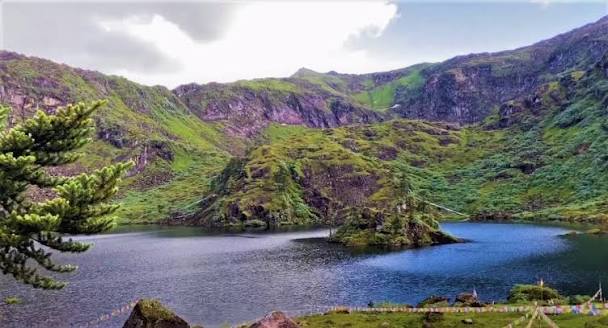
Upper Siang District, Arunachal Pradesh: A Complete Travel Guide
1. Introduction
Upper Siang is one of the most spectacular and culturally rich districts of Arunachal Pradesh. Located in the northeastern part of the state, the district is characterised by rugged Himalayan mountains, deep river valleys, dense forests and remote traditional villages. The mighty Siang River forms the geographical and cultural backbone of the region.
The district headquarters is at Yingkiong, a scenic mountain town situated along the Siang River. Upper Siang is predominantly inhabited by the Adi community, whose traditional customs, festivals, village institutions, agriculture, handicrafts and close relationship with nature remain central to the identity of the district.
Upper Siang is particularly attractive for travellers looking for remote mountain landscapes and authentic cultural experiences. The district offers opportunities to explore traditional villages, rivers, forests, suspension bridges, waterfalls and high mountain valleys while experiencing a side of Arunachal Pradesh that remains relatively untouched by mass tourism.
For adventure seekers, photographers, nature lovers and cultural travellers, Upper Siang can be one of the most rewarding destinations in Arunachal Pradesh.
2. History of Upper Siang
The history of Upper Siang is deeply connected with the indigenous Adi communities who have lived in the Siang valley and surrounding mountains for generations. Traditional village institutions, customary laws, oral histories and agricultural practices played an important role in organising community life long before the establishment of modern administrative systems.
The region formed part of the larger Siang administrative area during the development of modern administration in Arunachal Pradesh. As administrative requirements evolved, the larger area was divided into different districts.
Upper Siang was created as a separate district in 1999, with Yingkiong as its headquarters. The creation of the district brought administrative services closer to communities living in the remote upper reaches of the Siang valley.
Historical Importance of the Siang Valley
The Siang River has historically served as an important natural corridor through the mountains. Traditional communities travelled along river valleys and mountain routes, maintaining connections between settlements and neighbouring regions.
The history of Upper Siang is therefore closely connected with its rivers, mountains, villages and the traditional knowledge of the communities living in this challenging Himalayan environment.
3. Geography and Climate
Upper Siang is located in the eastern Himalayan region of Arunachal Pradesh. Much of the district consists of rugged mountains, steep valleys, dense forests and fast-flowing rivers.
The Siang River is the most important geographical feature of the district. Originating in Tibet, the river enters Arunachal Pradesh and flows southward through the mountainous landscape before eventually joining the Brahmaputra system.
| Geographical Feature | Details |
|---|---|
| Location | Northeastern Arunachal Pradesh |
| District Headquarters | Yingkiong |
| Major River | Siang River |
| Landscape | High mountains, deep valleys, dense forests and river corridors |
| Major Community | Adi |
| Terrain | Predominantly mountainous and rugged |
Climate
Upper Siang has a humid mountain climate. Lower elevations can remain relatively warm, while higher areas experience considerably cooler conditions.
- Spring: Pleasant temperatures, fresh greenery and flowering vegetation.
- Summer: Warm in lower areas with increasing humidity and rainfall.
- Monsoon: Heavy rainfall can cause landslides and road disruptions.
- Autumn: Generally pleasant conditions with clearer mountain views.
- Winter: Cool to cold, particularly in higher mountain areas.
Weather conditions can change quickly in the mountains, so travellers should always keep some flexibility in their itinerary.
4. Culture and Traditions
The cultural identity of Upper Siang is strongly associated with the Adi community. Adi society includes several groups with their own dialects and cultural variations, but they share many traditions, festivals, agricultural practices and social institutions.
Adi Heritage
Traditional Adi culture has a close relationship with agriculture and the natural environment. Rice cultivation, forest resources, hunting traditions, livestock and community-based activities have historically influenced everyday life.
Traditional songs, dances, oral narratives, weaving, bamboo and cane craftsmanship and indigenous architecture continue to contribute to the cultural landscape.
Traditional Village Institutions
Village elders and customary institutions have traditionally played an important role in resolving disputes, organising community activities and preserving social harmony. Community participation remains an important feature of village life.
Traditional Clothing
Traditional Adi clothing includes handwoven textiles, colourful patterns and distinctive accessories. Clothing styles can vary between different Adi groups and villages.
Traditional Dance and Music
Dance and music are important forms of cultural expression. Ponung, a traditional dance associated with Adi women, is commonly performed during festivals and cultural occasions.
Traditional songs and oral narratives also preserve knowledge about ancestors, agriculture, nature and community history.
5. Traditional Architecture
The traditional architecture of Upper Siang is closely adapted to the mountainous environment. Bamboo, timber, cane and other locally available materials have historically been used to construct homes, bridges and community structures.
Traditional Houses
Traditional Adi houses are often elevated and constructed using timber and bamboo. Their design reflects the local climate, terrain and traditional lifestyle.
Bamboo and Cane Construction
Bamboo and cane have traditionally been used not only for houses but also for baskets, agricultural tools, bridges and household objects.
Suspension Bridges
Traditional suspension bridges made from locally available materials are an important part of life in the Siang region. These bridges connect villages across rivers and streams and demonstrate the remarkable engineering knowledge developed by mountain communities.
Village Architecture
Traditional village layouts often reflect community relationships and local geography. For visitors, exploring these settlements can provide a better understanding of how indigenous communities have adapted to the Himalayan environment.
6. Famous Places and Tourist Attractions in Upper Siang
Upper Siang is primarily a destination for nature, culture and adventure rather than conventional urban sightseeing. Its most memorable attractions are its rivers, villages, mountain landscapes and remote valleys.
Yingkiong
Yingkiong is the district headquarters and one of the principal settlements of Upper Siang. Located in a scenic mountain environment, it serves as the administrative and commercial centre of the district.
The surrounding hills and Siang valley provide excellent opportunities for photography and exploring the local landscape.
Siang River
The mighty Siang River is the defining natural feature of Upper Siang. Its deep blue-green waters, powerful current and surrounding mountain walls create some of the most dramatic landscapes in Arunachal Pradesh.
The river is important not only for tourism but also for the traditional livelihoods and cultural identity of communities living along its banks.
Jengging
Jengging is an important settlement in the Upper Siang region and a gateway to some of the more remote mountain landscapes of the district. The surrounding area offers traditional village experiences and spectacular views of the Siang valley.
Geku
Geku is another culturally significant area in Upper Siang known for its traditional village environment and surrounding mountain scenery.
Gelling
Gelling is a strategically and geographically important settlement located near the upper reaches of the Siang River close to the international border. The surrounding landscape is characterised by steep mountains, dense forests and the powerful river corridor.
Because of its proximity to a sensitive border area, access to certain locations may be regulated.
Kaying and Surrounding Valleys
The wider Upper Siang region around Kaying contains forested hills, streams and traditional settlements. The area is suitable for travellers interested in rural landscapes and indigenous culture.
Yemsing and Cultural Landscapes
Yemsing is associated with the Adi cultural landscape and provides opportunities to experience traditional village life, agriculture and community traditions.
Siang Valley Viewpoints
Road journeys through Upper Siang frequently provide spectacular viewpoints over deep valleys, forests and rivers. Many of the best views are not formal tourist attractions but naturally occurring viewpoints along mountain roads.
Traditional Villages
Traditional villages are among the most rewarding places to explore in Upper Siang. Visitors can observe traditional houses, agricultural fields, bamboo structures, local craftsmanship and everyday community life.
Village visits should always be conducted respectfully and preferably with local guidance.
7. Famous Food of Upper Siang
The cuisine of Upper Siang reflects the agricultural traditions of the Adi community and the natural resources of the region. Rice is an important staple, while bamboo shoot, vegetables, herbs, fish and meat are commonly used in local cooking.
| Food / Ingredient | Description |
|---|---|
| Rice | The principal staple and an important part of everyday meals. |
| Bamboo Shoot | A traditional ingredient used in many local preparations. |
| Smoked Meat | Traditional smoking techniques are used for preservation and flavour. |
| River Fish | Freshwater fish can form part of the local diet in river communities. |
| Local Greens | Seasonal vegetables and leafy greens are widely used. |
| Apong | A traditional rice-based fermented beverage associated with Adi culture. |
Visitors can get a more authentic taste of Upper Siang cuisine by eating at local homestays or community-run establishments where available.
8. Famous Personalities and Historical Figures
Upper Siang is better known for its indigenous cultural heritage and community leaders than for a long list of nationally recognised personalities.
Adi Community Leaders
Traditional village chiefs, elders and community leaders have historically played important roles in maintaining customary laws, organising festivals and preserving social traditions.
Cultural Knowledge Holders
Traditional storytellers, singers, dancers, artisans, weavers and village elders are important custodians of Upper Siang's cultural heritage. Their knowledge helps preserve oral history, traditional practices and indigenous craftsmanship.
For visitors interested in local history, direct interaction with community elders and cultural groups can provide a more meaningful understanding of the region than a conventional list of famous personalities.
9. Festivals of Upper Siang
Festivals are central to the cultural life of Upper Siang. Most traditional celebrations are closely connected with agriculture, nature, community wellbeing and ancestral traditions.
Solung Festival
Solung is one of the most important festivals of the Adi community. It is associated with agriculture, harvest, prosperity and the wellbeing of people and domestic animals.
Traditional rituals, songs, dances and community feasts form important parts of the celebration.
Aran / Unying-Aran
Aran, also known as Unying-Aran in the broader Adi cultural region, is associated with seasonal change and traditional community celebrations. Songs, dances and customary practices form part of the festivities.
Etor
Etor is another traditional Adi celebration observed in parts of the Siang region. It reflects the agricultural and community traditions of the local people.
Other Local Ceremonies
Different villages may observe their own ceremonies and community events according to local traditions. Festival dates can vary depending on the local agricultural and cultural calendar.
| Festival | Community | Main Theme |
|---|---|---|
| Solung | Adi | Agriculture, harvest, prosperity and community wellbeing |
| Aran / Unying-Aran | Adi | Seasonal traditions and community celebrations |
| Etor | Adi | Agricultural and community traditions |
| Village Ceremonies | Local communities | Customary rituals, social gatherings and traditional practices |
10. Things to Do in Upper Siang
Upper Siang is ideal for travellers who enjoy immersive experiences, scenic road journeys and cultural exploration.
- Explore Yingkiong and its surrounding landscapes.
- Experience the spectacular Siang River valley.
- Visit traditional Adi villages.
- Explore Jengging and surrounding mountain landscapes.
- Travel towards Geku and experience rural village environments.
- Explore the Gelling region where access permits.
- Walk across traditional bamboo and suspension bridges where safe.
- Experience local Adi food.
- Attend Solung or other traditional festivals.
- Explore local handicrafts and handwoven textiles.
- Photograph mountain valleys and river landscapes.
- Take nature walks with local guidance.
- Learn about traditional agriculture.
- Experience local homestays where available.
- Explore remote mountain roads and viewpoints.
For Adventure Travellers
The mountainous terrain of Upper Siang provides opportunities for trekking, hiking, camping, river-oriented exploration and adventure road trips. Remote routes should be attempted only with suitable local guidance and adequate preparation.
For Photography Lovers
Upper Siang offers outstanding opportunities for landscape and cultural photography. The combination of rivers, mountains, forests, traditional houses, suspension bridges and village life provides a wide range of subjects.
11. Where to Eat, Shop and Stay
Where to Eat
Yingkiong has local restaurants and eateries offering regional and Indian food. Food options become more limited as travellers move towards remote settlements.
Homestays can be an excellent option for experiencing traditional Adi food and locally prepared meals.
Where to Stay
Yingkiong provides the main concentration of hotels, guesthouses and government accommodation in the district. Basic accommodation may also be available in other administrative centres and selected villages.
For remote destinations, travellers should arrange accommodation in advance and confirm local availability before travelling.
Shopping
Travellers can look for traditional handwoven textiles, bamboo and cane products, baskets, local handicrafts and other community-made products.
- Adi handwoven textiles
- Traditional shawls and clothing
- Bamboo baskets
- Cane products
- Wooden handicrafts
- Traditional ornaments
- Locally made household items
Buying directly from local artisans can help support traditional craftsmanship and rural livelihoods.
12. What Is Upper Siang Famous For?
Upper Siang is famous for its spectacular river valleys, Adi culture, traditional villages and remote Himalayan landscapes.
| Famous For | Why It Is Important |
|---|---|
| Siang River | The defining geographical and cultural feature of the district. |
| Yingkiong | District headquarters and an important centre for the Upper Siang region. |
| Adi Culture | Traditional festivals, dances, food, textiles and village customs. |
| Traditional Villages | Authentic indigenous architecture and rural Himalayan lifestyles. |
| Mountain Landscapes | Deep valleys, forests and spectacular Himalayan scenery. |
| Traditional Bridges | Important examples of indigenous engineering and connectivity. |
| Solung Festival | One of the major cultural celebrations of the Adi community. |
| Remote Himalayan Travel | Offers a quieter alternative to heavily visited Arunachal destinations. |
13. Best Time to Visit Upper Siang
The best time to visit Upper Siang is generally from October to April, when road conditions and weather are more suitable for mountain travel.
| Season | Travel Experience |
|---|---|
| October–November | Pleasant weather, fresh landscapes and good conditions for exploration. |
| December–February | Cool weather and comfortable conditions for sightseeing in lower areas. |
| March–April | Spring greenery and suitable conditions for cultural and nature experiences. |
| May–September | Heavy rainfall and increased possibility of landslides and road disruptions. |
The monsoon can make travel considerably more difficult because mountain roads are vulnerable to landslides and temporary closures. Travellers visiting during this period should keep flexible schedules.
14. How to Reach Upper Siang
By Road
Road travel is the principal way to reach Upper Siang. Yingkiong is connected by road with Pasighat and other parts of Arunachal Pradesh.
The journey from Pasighat to Yingkiong passes through scenic mountain and river landscapes. Shared vehicles and local transport services are commonly used, although schedules can vary.
By Train
There is no railway station in Upper Siang. The nearest useful railway access is in the lower Siang and East Siang region, after which travellers continue by road.
Pasighat and the Murkeongselek railway area can be useful gateways depending on the selected travel route.
By Air
Travellers generally use airports serving the wider Arunachal Pradesh and Assam region and continue by road. Pasighat Airport may be useful when operational services are available, while Dibrugarh and other Assam airports can also serve as gateways for longer road journeys.
Permits
Visitors from outside Arunachal Pradesh generally require an Inner Line Permit (ILP) to enter the state.
Because parts of Upper Siang are located close to sensitive international border areas, certain locations may require additional permission or may be restricted. Travellers should follow current instructions from local authorities.
15. Nearby Places to Visit
Upper Siang can be combined with several other districts in the central and eastern Arunachal Pradesh circuit.
| Nearby Destination | Why Visit |
|---|---|
| East Siang | Pasighat, Siang River landscapes and rich Adi cultural heritage. |
| Siang | Pangin, river landscapes and traditional Adi villages. |
| West Siang | Aalo region, Galo culture and scenic mountain valleys. |
| Lower Siang | River valleys, villages and cultural landscapes. |
| Dibang Valley | Remote Himalayan scenery, forests and high mountain landscapes. |
| Lower Dibang Valley | Roing, Mehao landscapes, lakes and Idu Mishmi culture. |
16. Best Duration for an Upper Siang Trip
Because of the long mountain journeys and the dispersed nature of attractions, Upper Siang is best explored at a relaxed pace.
| Duration | Suggested Experience |
|---|---|
| 2 Days | Yingkiong and nearby river and village landscapes. |
| 3 Days | Yingkiong, surrounding villages and selected cultural experiences. |
| 4–5 Days | Extended exploration of the Siang valley and traditional settlements. |
| 6–7 Days | Upper Siang combined with East Siang, Siang or other nearby districts. |
Travellers heading towards remote and border-adjacent areas should allow additional time because road conditions and permissions can affect the itinerary.
17. Travel Tips for Upper Siang
- Obtain your Inner Line Permit before entering Arunachal Pradesh.
- Check current road conditions before beginning long mountain journeys.
- Keep additional days available for unexpected road delays.
- Carry sufficient cash because banking facilities may be limited outside Yingkiong.
- Do not depend completely on mobile connectivity in remote areas.
- Carry rain protection and comfortable walking shoes.
- Carry warm clothing because mountain temperatures can change quickly.
- Carry basic medicines and a first-aid kit.
- Use experienced local drivers for difficult mountain routes.
- Ask permission before photographing people, homes or ceremonies.
- Respect village customs and customary rules.
- Do not enter restricted or border areas without the required permission.
- Do not approach fast-flowing rivers without proper safety arrangements.
- Avoid walking on unstable slopes or recently damaged roads.
- Carry reusable water bottles and minimise plastic waste.
- Support local homestays, guides and artisans whenever possible.
Responsible Tourism
Upper Siang remains relatively remote, and its natural and cultural environment deserves careful protection. Travellers should avoid littering, respect traditional village spaces and avoid disturbing wildlife or natural habitats.
When visiting villages, remember that these are living communities rather than tourist exhibits. Ask before taking photographs, entering private homes or participating in cultural activities.
Travel During the Monsoon
The monsoon can significantly affect travel in Upper Siang. Landslides, damaged roads, swollen rivers and temporary route closures are possible. Travellers should check local conditions and avoid rigid schedules during periods of heavy rainfall.
18. Why Visit Upper Siang?
Upper Siang is an ideal destination for travellers who want to experience the raw beauty and indigenous culture of Arunachal Pradesh away from crowded tourist circuits.
- For the Siang River: Experience one of the most powerful and spectacular rivers of the Eastern Himalayas.
- For Adi culture: Discover traditional festivals, food, textiles, dances and village customs.
- For remote landscapes: Explore forested mountains, deep valleys and quiet settlements.
- For adventure: Enjoy mountain road trips, trekking, hiking and nature exploration.
- For photography: Capture rivers, mountains, bridges, villages and traditional architecture.
- For cultural tourism: Learn directly from local communities and traditional knowledge holders.
- For peaceful travel: Enjoy a slower and more immersive experience away from major tourist crowds.
19. Conclusion
Upper Siang is one of the most fascinating destinations for travellers seeking the combination of Himalayan wilderness and indigenous culture. The mighty Siang River, rugged mountains, dense forests and remote villages create a landscape that is both dramatic and deeply connected with the traditional lifestyle of the Adi people.
Yingkiong provides an important starting point for exploring the district, while destinations and settlements across the Siang valley offer opportunities to experience traditional architecture, agriculture, festivals, handicrafts and community life.
Unlike highly developed tourist destinations, Upper Siang rewards patience. Long mountain journeys, changing road conditions and limited facilities are part of the experience. Travellers who plan carefully and remain flexible can discover some of the most beautiful and culturally meaningful landscapes in Arunachal Pradesh.
For anyone planning an Arunachal Pradesh travel itinerary beyond the usual Tawang, Ziro and Bomdila circuits, Upper Siang is a destination worth exploring. Its combination of spectacular rivers, remote Himalayan valleys, Adi heritage and peaceful village landscapes makes it a memorable destination for nature and culture lovers.
"Travel is the only thing you buy that makes you richer."