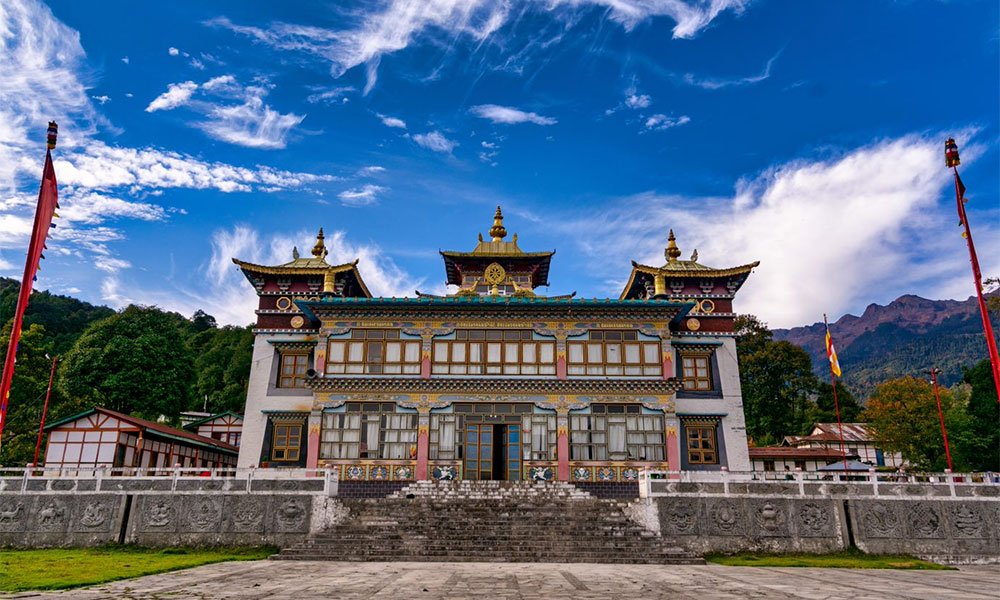
Siang District, Arunachal Pradesh: A Complete Travel Guide
1. Introduction
Siang district is one of the culturally rich and naturally beautiful districts of Arunachal Pradesh. Located in the heart of the Siang belt, the district is known for the mighty Siang River, forest-covered mountains, traditional Adi villages, historic sites and a landscape shaped by rivers and Himalayan foothills.
The district headquarters is at Pangin, a scenic settlement situated near the meeting point of the Siyom and Siang rivers. The district is predominantly inhabited by the Adi community, whose traditional lifestyle, village institutions, festivals, dances, food and craftsmanship form an important part of the identity of Siang.
For travellers looking beyond the more commercial destinations of Arunachal Pradesh, Siang offers a quieter experience. The combination of river scenery, mountain landscapes, indigenous culture and historical places makes it particularly appealing for slow travel, cultural exploration, photography and nature trips.
2. History of Siang District
The history of Siang is closely connected with the larger historical Siang region of Arunachal Pradesh. The area was traditionally inhabited by indigenous communities who maintained their own village-based social and administrative systems.
During the colonial period, the wider region was administered under different frontier administrative arrangements. The former Siang administrative region later developed into East Siang and West Siang districts.
Modern Siang district was created by bifurcating portions of West Siang and East Siang districts. The creation of the new district was approved in 2013, and Siang was officially inaugurated as the 21st district of Arunachal Pradesh on 27 November 2015.
The district was created with the objective of bringing administration and development services closer to people living in the interior areas of the Siang belt. Pangin serves as the district headquarters.
Why Is It Called Siang?
The district takes its name from the mighty Siang River. The river is one of the most important geographical features of this part of Arunachal Pradesh and is known as the Tsangpo in Tibet. After entering India, it flows southward through Arunachal Pradesh and eventually becomes part of the Brahmaputra river system in Assam.
3. Geography and Climate
Siang lies almost at the centre of the Siang belt of Arunachal Pradesh. Its landscape consists mainly of mountains, valleys, forests, rivers and streams. The Siang and Siyom rivers are particularly important to the geography and visual character of the district.
The area around Pangin is especially interesting because the town is located near the junction of the Siyom and Siang rivers. This creates a striking landscape of waterways, green hills and river valleys.
| Geographical Feature | Characteristic |
|---|---|
| Landscape | Mountainous terrain, valleys, forests and river corridors |
| Major River | Siang River |
| Important River | Siyom River |
| Headquarters | Pangin |
| Natural Environment | Dense vegetation, streams, hills and agricultural landscapes |
Climate
Siang experiences a humid mountain climate influenced by the monsoon. Summers are generally warm and wet, while winters are cooler and comparatively comfortable for travelling.
- Summer: Warm, humid and frequently rainy.
- Monsoon: Heavy rainfall can affect roads and mountain travel.
- Autumn: Pleasant conditions and greener landscapes after the rains.
- Winter: Cool and generally comfortable for sightseeing and cultural exploration.
Travellers should remember that weather conditions in the mountains can change quickly. Road conditions should therefore be considered before planning journeys into remote areas.
4. Culture and Traditions
The cultural identity of Siang is strongly associated with the Adi community. Traditional village life remains an important part of the social landscape, particularly away from the main towns.
The Adi people have a rich oral tradition, traditional songs, dances, agricultural practices, weaving traditions and community institutions. Village affairs have historically been influenced by customary systems and collective decision-making.
Adi Culture
Traditional Adi culture is closely connected with agriculture, forests, rivers and the natural environment. Rice cultivation and other forms of agriculture have traditionally played an important role in community life.
Traditional clothing, handwoven textiles, bamboo and cane products, ornaments, food traditions and indigenous architecture can be observed in villages and during cultural celebrations.
Traditional Dance and Music
Dance and oral performance are important forms of cultural expression. Ponung is one of the best-known traditional dances associated with the Adi community and is commonly performed by women during festivals and celebrations.
Traditional songs and narratives also preserve stories about ancestors, community life, agriculture and the relationship between people and nature.
5. Traditional Architecture
Traditional architecture in Siang reflects the environment and lifestyle of the local communities. Houses have historically made extensive use of locally available materials such as bamboo, timber and thatch.
Traditional houses are adapted to the mountainous environment and local climatic conditions. Community spaces are also important in village life, providing places where people gather for social, cultural and ceremonial activities.
What to Look For
- Traditional bamboo and timber houses
- Raised residential structures in some villages
- Bamboo bridges and footbridges
- Traditional weaving and household objects
- Community gathering spaces
- Decorative elements associated with Adi traditions
Visitors should be respectful when photographing traditional homes and cultural spaces, particularly when entering villages or participating in local events.
6. Famous Places and Tourist Attractions in Siang
Siang is best experienced through its rivers, villages, historical locations and mountain scenery. Some destinations are particularly significant because of their cultural or historical value.
Pangin
Pangin is the headquarters of Siang district and one of the most important places to visit in the region. The town is located near the junction of the Siyom and Siang rivers and provides an excellent introduction to the landscape of the district.
The surrounding hills, rivers and traditional settlements make Pangin an attractive base for exploring the central Siang region.
Komsing Village
Komsing is a historically important village located on the left bank of the Siang River. The village is associated with an important episode from the colonial history of the region.
Noel Williamson was killed at Komsing, and a stone epitaph bearing his name remains near the Siang River. The location provides an opportunity to understand an important chapter in the history of the Siang region.
Kekar Monying
Kekar Monying is a historically significant mountain cliff near Rottung. It is remembered for the resistance offered by Adi tribesmen against British forces in 1911.
The location combines historical importance with the dramatic mountain landscape characteristic of the Siang belt.
Siang River
The Siang River is the defining natural feature of the district. Its powerful flow through mountain valleys creates spectacular scenery and is central to the identity of the wider Siang region.
River viewpoints, bridges and nearby settlements offer opportunities for photography and landscape exploration. Visitors should always maintain a safe distance from fast-flowing water.
Siyom River
The Siyom is another important river associated with the district. Its meeting with the Siang near Pangin is one of the geographical highlights of the area.
Traditional Villages
Villages around Pangin, Boleng, Kaying, Rumgong and other parts of the district provide opportunities to experience local architecture, agriculture and everyday life.
Village visits are particularly rewarding for travellers interested in indigenous culture, traditional food, weaving and photography. Visits should ideally be arranged with local guides or community members.
7. Famous Food of Siang
Food in Siang reflects the agricultural traditions and natural environment of Arunachal Pradesh. Rice forms an important part of the local diet, while vegetables, herbs, bamboo shoot and locally available meat are commonly used.
| Food / Ingredient | What to Expect |
|---|---|
| Rice | A staple food and an important part of everyday meals and festivals |
| Bamboo Shoot | Commonly used to add distinctive flavour to local dishes |
| Local Greens | Seasonal vegetables and leafy greens are widely used |
| Smoked Meat | A traditional preparation found in many parts of Arunachal Pradesh |
| Fish | River fish may feature in local diets depending on location and season |
| Apong | A traditional rice-based beverage associated with Adi culture |
Food habits vary from village to village, so visitors should consider trying locally prepared meals through trusted homestays or community-based tourism experiences.
8. Famous Personalities and Historical Figures
Rather than being associated with a large number of nationally famous personalities, Siang is particularly important for its indigenous leaders, traditional community institutions and historical figures connected with the region.
Noel Williamson and the History of Komsing
Noel Williamson is historically associated with Komsing because of the events that took place there during the colonial period. The stone epitaph at Komsing serves as a physical reminder of this episode.
The history of Siang is also deeply connected with generations of Adi community leaders, village elders and cultural custodians who preserved traditional institutions and customs.
9. Festivals of Siang
Festivals are among the best ways to experience the living culture of Siang. Many celebrations are connected with agriculture, community wellbeing, traditional beliefs and seasonal cycles.
Solung Festival
Solung is one of the most important festivals of the Adi community. It is closely associated with agriculture and prayers for a good harvest, prosperity and the wellbeing of people and domestic animals.
Traditional songs, dances, rituals and community feasts form important parts of Solung celebrations.
Aran / Unying-Aran
Aran, also known as Unying-Aran in the broader Adi cultural region, is associated with the arrival of spring and traditional community celebrations. Songs, dances and rituals are important elements of the festival.
Etor
Etor is another traditional Adi festival celebrated in parts of the Siang belt. It is associated with agricultural and community traditions and is an important part of the region's cultural calendar.
Mopin
Mopin is primarily associated with the Galo community and is celebrated in the wider Siang region. It is traditionally connected with prosperity, wellbeing and agricultural abundance.
| Festival | Community / Association | Main Theme |
|---|---|---|
| Solung | Adi | Agriculture, harvest, prosperity and community wellbeing |
| Aran / Unying-Aran | Adi | Seasonal change, community traditions and prosperity |
| Etor | Adi | Traditional community and agricultural celebrations |
| Mopin | Galo | Prosperity, wellbeing and agricultural abundance |
10. Things to Do in Siang
Siang is better suited to immersive travel than rushed sightseeing. The district rewards visitors who take time to explore the rivers, villages and cultural landscape.
- Explore Pangin and the surrounding river landscape.
- Visit the junction of the Siang and Siyom rivers.
- Explore Komsing Village and its historical association.
- Visit Kekar Monying near Rottung.
- Experience traditional Adi village life.
- Attend a local festival when the timing permits.
- Try traditional food through local homestays.
- Photograph mountain valleys, rivers and traditional houses.
- Explore bamboo bridges and village pathways.
- Learn about local weaving and handicrafts.
- Take a slow road trip through the Siang landscape.
- Spend time interacting respectfully with local communities.
For Adventure Travellers
The rivers and mountains of Siang create opportunities for nature walks, photography, river-oriented exploration and adventure travel. Activities involving fast-flowing rivers should only be undertaken with appropriate local guidance and safety arrangements.
11. Where to Eat, Shop and Stay
Where to Eat
Food options are more limited in remote parts of Siang than in larger Arunachal towns. Pangin and other administrative centres offer basic eateries, while homestays can provide a more authentic introduction to local cuisine.
Where to Stay
Accommodation in Siang is generally centred around Pangin and other administrative centres. Government accommodation, basic hotels, guesthouses and homestays may be available depending on the location and season.
For interior villages, it is advisable to arrange accommodation in advance rather than relying on last-minute availability.
Shopping
Visitors can look for locally produced handicrafts, bamboo and cane products, traditional textiles and woven items. Purchases from local artisans and community-based sellers can provide direct support to traditional craftsmanship.
12. What Is Siang District Famous For?
Siang district is famous for its powerful river landscapes, Adi culture, traditional villages and historical heritage.
| Known For | Why It Matters |
|---|---|
| Siang River | The defining river and geographical identity of the district |
| Pangin | District headquarters located near the Siang-Siyom river junction |
| Adi Culture | Traditional festivals, dances, food, weaving and village life |
| Komsing | Important historical village associated with the colonial period |
| Kekar Monying | Historic location associated with Adi resistance in 1911 |
| River Landscapes | Mountain valleys, fast-flowing rivers and scenic viewpoints |
| Traditional Villages | Opportunity to experience indigenous architecture and rural life |
13. Best Time to Visit Siang
The best time to visit Siang is generally from October to April, when weather conditions are more suitable for road travel, sightseeing and outdoor exploration.
| Season | Travel Experience |
|---|---|
| October–November | Fresh green landscapes, pleasant weather and good conditions for exploration |
| December–February | Cool weather and comfortable conditions for sightseeing |
| March–April | Spring landscapes and suitable weather for cultural and village experiences |
| May–September | Rainier period with increased possibility of difficult road conditions |
Travellers planning to visit during the monsoon should keep extra flexibility in their itinerary because landslides, road damage and heavy rainfall can affect mountain routes.
14. How to Reach Siang
By Road
Road travel is the most practical way to reach Siang. Pangin is connected by road with major towns in the surrounding Siang region.
Pangin is approximately 60 km by road from Pasighat according to the district tourism information. Road services, including shared vehicles, are available from major nearby towns, although frequency may vary.
By Train
The nearest railway access for Pangin is around the Murkeongselek–Ruksin area of East Siang, from where travellers continue the journey by road.
By Air
Travellers generally use airports serving the wider eastern Arunachal and Assam region and continue by road. The most practical airport for a particular itinerary can depend on road conditions and the rest of the travel route.
Important Travel Requirement
Visitors from outside Arunachal Pradesh generally need the appropriate Inner Line Permit (ILP) to enter the state. It is advisable to arrange the permit before beginning the journey.
15. Nearby Places to Visit
Siang can easily be combined with other destinations in the wider central and eastern Arunachal Pradesh circuit.
| Nearby Destination | Why Visit |
|---|---|
| Pasighat | Historic town, Siang River landscapes and an important gateway to the region |
| East Siang | Adi culture, river landscapes and cultural destinations |
| West Siang | Mountain landscapes, Galo culture and Aalo region |
| Upper Siang | Remote Himalayan landscapes, Adi communities and upper Siang valleys |
| Lower Siang | River valleys, villages and cultural landscapes |
| Itanagar | Capital city, museums, historical attractions and an important travel hub |
16. Best Duration for a Siang Trip
A short visit can cover Pangin and the principal nearby attractions, but a longer stay is better for understanding the cultural and natural character of the district.
| Duration | Suggested Experience |
|---|---|
| 2 Days | Pangin, Siang-Siyom landscape and nearby sightseeing |
| 3 Days | Pangin, Komsing, river landscapes and village exploration |
| 4–5 Days | Extended village experiences, historical locations and relaxed exploration |
| 6–7 Days | Siang combined with nearby East Siang, West Siang or Upper Siang destinations |
17. Travel Tips for Siang
- Carry sufficient cash because banking and digital payment facilities can be limited in remote areas.
- Check road conditions before travelling into interior areas.
- Keep extra time in your itinerary for unexpected road delays.
- Carry warm clothing even outside winter because mountain weather can change quickly.
- Carry rain protection, particularly during the wetter months.
- Obtain the required Inner Line Permit before entering Arunachal Pradesh.
- Respect local customs, village traditions and community spaces.
- Ask permission before photographing people, homes or ceremonies.
- Do not litter around rivers, villages and natural areas.
- Use local guides when exploring unfamiliar villages or remote locations.
- Do not approach fast-flowing rivers without appropriate safety arrangements.
- Book homestays and accommodation ahead of time when travelling during festivals.
Responsible Tourism
Siang's appeal lies largely in its relatively peaceful environment and living indigenous culture. Visitors can help preserve this character by travelling responsibly, purchasing local products, reducing plastic waste and respecting traditional practices.
18. Why Should You Visit Siang?
Siang is an excellent destination for travellers who want to experience a quieter and more culturally immersive side of Arunachal Pradesh.
- For river landscapes: The Siang and Siyom create spectacular mountain scenery.
- For indigenous culture: Adi traditions remain an important part of everyday life.
- For history: Komsing and Kekar Monying provide connections to the region's past.
- For photography: Mountains, rivers, villages and traditional architecture offer diverse subjects.
- For slow travel: The district is ideal for travellers who prefer peaceful exploration.
- For festivals: Cultural celebrations provide an opportunity to experience traditional music, dance and community life.
- For nature: Forests, valleys, streams and river corridors dominate the landscape.
19. Conclusion
Siang district is a destination where the landscape and culture are closely connected. The mighty Siang River, the meeting of the Siang and Siyom near Pangin, traditional Adi villages and historic locations such as Komsing and Kekar Monying give the district a distinctive character.
Rather than offering a conventional checklist of tourist attractions, Siang invites travellers to slow down and experience the region through its rivers, mountains, villages, food, festivals and people.
For anyone planning an Arunachal Pradesh journey beyond the state's better-known destinations, Siang can be a rewarding addition to the itinerary. With responsible travel, local guidance and enough time to explore, the district offers an authentic glimpse into the natural and cultural richness of the Siang belt.
"Travel is the only thing you buy that makes you richer."