Chhota Udaipur Tourism: Gujarat’s Tribal Heartland of Art, Culture and Royal Heritage
Chhota Udaipur is one of Gujarat’s most culturally distinctive destinations, where tribal traditions, royal history, colourful folk art and forested landscapes come together. Located in eastern Gujarat, the region is particularly known for its Rathwa tribal heritage and Pithora paintings, while its former princely-state legacy can be seen in palaces, temples and historic landmarks. For travellers seeking an authentic and less-commercial side of Gujarat, Chhota Udaipur offers a memorable cultural experience.
History
Chhota Udaipur was historically the capital of the Chhota Udaipur princely state, which was ruled by the Chauhan Rajputs. The princely state existed until Indian independence and later became part of Gujarat.
The surrounding region has also been home to tribal communities for centuries. The Rathwa community is particularly prominent and has preserved distinctive traditions, rituals, music, dance and artistic practices.
Today, Chhota Udaipur is the headquarters of Chhota Udepur district and remains an important cultural centre in eastern Gujarat.
Geography
Chhota Udaipur lies in eastern Gujarat near the borders of Madhya Pradesh. The region consists of undulating terrain, agricultural land, forests, seasonal streams and small hills.
The landscape becomes especially attractive during the monsoon, when the countryside turns greener and the surrounding hills and waterways become more scenic.
Culture and Traditions
Chhota Udaipur is best known for its tribal culture, particularly the traditions of the Rathwa community. Folk music, dance, colourful clothing, community celebrations and traditional beliefs remain important parts of local life.
One of the region’s most famous cultural traditions is Pithora painting. These ritual paintings are traditionally created on the walls of homes and depict horses, people, animals and symbolic elements connected with tribal beliefs and ceremonies.
The local Haat or village-market tradition also provides an important meeting place for communities to exchange agricultural products, handicrafts and everyday goods.
Architecture
Chhota Udaipur offers a fascinating contrast between royal architecture and tribal artistic traditions.
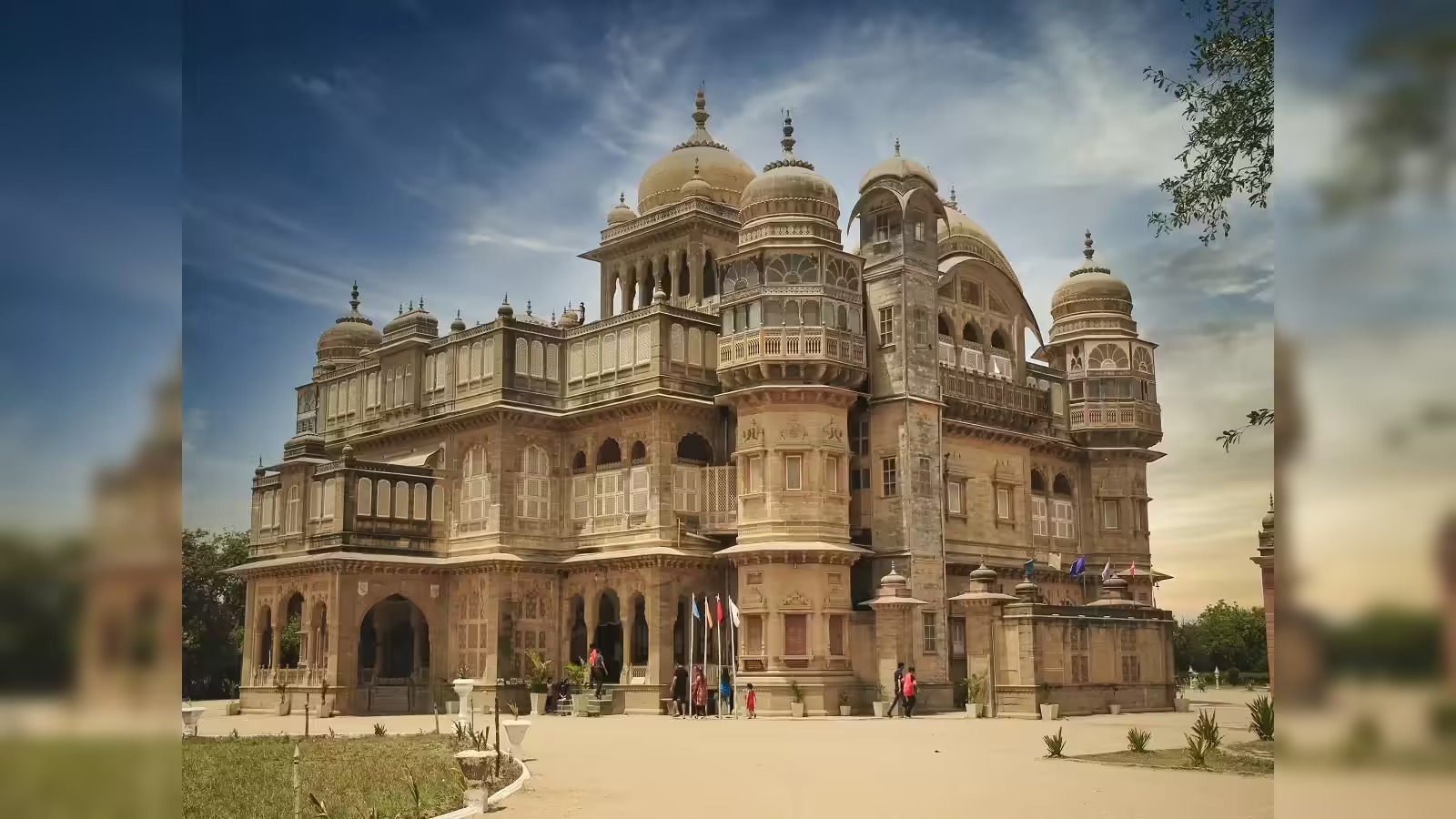
The former royal family's palace and other historic structures reflect the region's princely past, while temples and village houses showcase local building traditions. Pithora paintings add another architectural dimension by transforming walls into colourful works of ritual art.
Famous Places
Kali Niketan Palace
The former royal palace of Chhota Udaipur reflects the region's princely heritage and provides an insight into the lifestyle and architecture associated with the former ruling family.
Hathni Mata Waterfall
Located amid the forested landscape near Chhota Udaipur, Hathni Mata Waterfall is a popular seasonal attraction. It is particularly beautiful during the monsoon when the waterfall is surrounded by lush greenery.
Rathwa Tribal Villages
The villages around Chhota Udaipur provide opportunities to experience traditional Rathwa culture, architecture, crafts and rural life. Visitors should explore respectfully and seek permission before photographing people or homes.
Pithora Art Villages
Several villages in the region are associated with the traditional Pithora painting style. Seeing these artworks in their cultural setting provides a deeper understanding of Rathwa traditions.
Chhota Udaipur Palace Area
The historic palace surroundings offer glimpses of the former princely state and the town's royal heritage.
Tribal Markets
Local weekly markets are among the best places to observe everyday rural life and find traditional products, agricultural goods, ornaments, textiles and handicrafts.
Temples of Chhota Udaipur
The region has several temples and small religious shrines that reflect the religious traditions of both tribal communities and the wider Gujarati population.
Famous Dishes
Makai Rotla
Corn-based flatbread is a hearty rural preparation that pairs well with vegetables, chutney and other local accompaniments.
Bajra Rotla
Pearl-millet rotla is a traditional Gujarati staple, especially common in rural areas and usually enjoyed with vegetables, garlic chutney or buttermilk.
Khichdi
A simple combination of rice and lentils, khichdi is a comforting everyday meal enjoyed throughout Gujarat.
Sev Tameta
A popular Gujarati preparation made with a tangy tomato-based gravy topped with crunchy sev.
Gujarati Thali
A traditional Gujarati thali brings together rotli, vegetables, dal, kadhi, rice, farsan, pickles and sweets.
Famous Personalities
Maharaja Fatehsinhji Ranjitsinhji
The former royal family of Chhota Udaipur played an important role in the region's history, with the rulers contributing to the development and administration of the princely state.
Rathwa Folk Artists
Chhota Udaipur has produced and supported generations of Rathwa artists who have preserved Pithora painting and other traditional forms of tribal expression.
Festivals
Holi
Holi is one of the most vibrant celebrations in the tribal areas surrounding Chhota Udaipur. Traditional music, dancing and community gatherings give the festival a distinctive local character.
Rathwa Tribal Festivals
Traditional Rathwa celebrations often include music, dance, rituals and community gatherings connected with agricultural and religious traditions.
Navratri
Navratri is celebrated throughout the region with devotional activities, garba and community events.
Diwali
Diwali is marked by traditional rituals, lamps, family gatherings and local community customs.
Things to Do
- Explore Chhota Udaipur's royal heritage.
- Discover traditional Pithora paintings.
- Visit Rathwa villages with respect for local customs.
- Explore tribal markets and weekly haats.
- Visit Hathni Mata Waterfall during the monsoon.
- Photograph the region's hills, villages and rural landscapes.
- Experience traditional tribal music and dance when available.
- Try Gujarati and rural-style local food.
- Shop for authentic tribal art and handicrafts.
- Take a scenic road trip through eastern Gujarat.
Where to Eat, Shop, and Stay
Where to Eat
Chhota Udaipur has local restaurants and eateries offering Gujarati, North Indian and simple vegetarian meals. Travellers can also try traditional Gujarati snacks and rural-style preparations.
Where to Shop
Local markets are the best places to explore everyday products and regional handicrafts. Visitors interested in tribal art can look for Pithora paintings, bamboo products, ornaments, textiles and handmade decorative items.
When purchasing tribal art, choosing work made by genuine local artists helps support the communities that preserve these traditions.
Where to Stay
Accommodation is available in Chhota Udaipur town, although options are more limited than in larger Gujarat cities. Travellers planning to explore remote villages or waterfalls should arrange accommodation and transportation in advance.
What is it Famous For?
- Rathwa tribal culture
- Pithora paintings
- Chhota Udaipur princely heritage
- Tribal villages and traditions
- Hathni Mata Waterfall
- Traditional weekly markets
- Folk music and dance
- Eastern Gujarat's rural landscapes
- Tribal handicrafts and art
Best Time to Visit
The best time to visit Chhota Udaipur is October to February, when the weather is more comfortable for sightseeing, village exploration and outdoor activities.
For travellers interested in waterfalls and lush scenery, July to September can be particularly attractive. Hathni Mata Waterfall and the surrounding countryside become much more scenic during the monsoon, although visitors should check local weather and road conditions before travelling.
How to Reach
By Air
The nearest major airport is Vadodara Airport, which offers connectivity with major Indian cities. Chhota Udaipur can then be reached by road.
By Train
Chhota Udaipur has railway connectivity with the wider Gujarat network. Vadodara is also a major railway hub and provides convenient connections from many parts of India.
By Road
Chhota Udaipur is connected by road with Vadodara, Godhra and other towns of eastern Gujarat. Road travel is particularly convenient for visiting nearby villages, waterfalls and cultural attractions.
Nearby Places
Vadodara
Vadodara is one of Gujarat's major cultural cities, known for Laxmi Vilas Palace, museums, art, gardens and its royal heritage.
Pavagadh
The Pavagadh hills and Champaner-Pavagadh Archaeological Park offer a remarkable combination of temples, forts, mosques and historic ruins.
Jambughoda
Jambughoda is known for its forests, wildlife and peaceful natural surroundings, making it a good addition to an eastern Gujarat itinerary.
Kevadia
The Ekta Nagar area around the Statue of Unity offers major attractions, gardens, viewpoints and riverfront experiences.
Dahod
Dahod lies farther east and offers another perspective on Gujarat's tribal culture, forests and wildlife.
Best Duration for a Trip
A 1–2 day trip is sufficient for exploring Chhota Udaipur's main attractions.
A one-day visit can focus on the town, tribal art and nearby attractions. Two days allow additional time for villages, local markets, waterfalls and cultural experiences.
Travel Tips
- Respect local tribal customs and traditions.
- Always ask permission before photographing people or entering private homes.
- Purchase tribal art directly from genuine local artists where possible.
- Wear comfortable footwear when visiting waterfalls and rural areas.
- Check monsoon weather before travelling to seasonal waterfalls.
- Carry cash when visiting village markets because digital payment options may be limited.
- Avoid littering in villages, forests and waterfall areas.
- Do not disturb wildlife or enter restricted forest areas.
- Arrange transportation in advance if visiting remote villages.
- Learn about the cultural meaning of Pithora art rather than treating it only as a souvenir.
Why Visit Chhota Udaipur?
Chhota Udaipur is one of the best destinations in Gujarat for travellers interested in living tribal culture and traditional art. Unlike destinations where heritage is mostly preserved in monuments, here cultural traditions can still be seen through paintings, festivals, village markets, music and everyday community life.
The combination of royal history, Rathwa heritage, Pithora art and monsoon landscapes gives Chhota Udaipur a character that is distinctly different from Gujarat's coastal, desert and urban destinations.
Conclusion
Chhota Udaipur is a destination where tribal heritage, royal history and nature meet. Its Rathwa traditions and remarkable Pithora paintings provide a window into one of Gujarat's richest indigenous cultures, while its former princely heritage and surrounding countryside add depth to the travel experience.
For travellers looking for an authentic and less-explored side of Gujarat, Chhota Udaipur offers a rewarding journey through art, tradition, villages, forests and history.
"Travel is the only thing you buy that makes you richer."