Tapi Tourism: Where Gujarat's Green Landscapes Meet the Tapi River
Tapi is a peaceful district in South Gujarat, known for its green hills, forests, tribal culture, rivers and natural beauty. Unlike the busy cities of Gujarat, Tapi offers a quieter travel experience filled with nature, waterfalls, rural landscapes and traditional tribal life.
The district takes its name from the Tapi River, one of the major rivers of western India. With places such as Ukai Dam, Purna Wildlife Sanctuary, Dosvada and Girmal Waterfall, Tapi is an excellent destination for travelers interested in nature, photography, scenic road trips and exploring the lesser-known side of Gujarat.
History
Tapi was historically part of the larger Surat region before becoming a separate district in 2007. The district was created to improve administration and development in the predominantly tribal areas of southeastern Gujarat.
The region has a strong connection with various tribal communities, particularly the Bhil, Gamit, Dhodia and other indigenous groups. Their traditions, festivals, handicrafts and rural lifestyle remain an important part of Tapi's identity.
The Tapi River has also played an important role in the region's agriculture, settlements and economy.
Geography
Tapi is located in South Gujarat, bordering Maharashtra. The district has a landscape very different from Gujarat's dry western regions.
It is characterized by:
- Forests
- Hills
- Rivers
- Waterfalls
- Agricultural land
- Tribal villages
- Green valleys
The Tapi River is the most important geographical feature of the district, while the eastern and southeastern areas become increasingly hilly and forested.
The monsoon transforms the region into a particularly beautiful landscape, with waterfalls and streams becoming more active.
Culture and Traditions
Tapi has a strong tribal and Gujarati cultural identity.
Communities such as the Gamit, Bhil and Dhodia have preserved many traditional customs, folk songs, dances, clothing and crafts.
Traditional tribal festivals are celebrated with music, dance and community gatherings. Holi, Diwali, Navratri and local tribal festivals are also celebrated across the district.
Visitors interested in rural and tribal culture can experience a side of Gujarat that is quite different from the state's major cities.
Architecture
Tapi is not primarily known for grand palaces or historic monuments. Its architectural charm lies more in its rural settlements, tribal homes, temples and traditional community spaces.
Villages across the district reflect the local way of life, while temples and religious structures add cultural importance to many settlements.
The Ukai Dam is the most notable large-scale engineering structure in the region and has become an important landmark in the district.
Famous Places
Ukai Dam
Ukai Dam is one of the most important attractions in Tapi. Built across the Tapi River, it is one of Gujarat's major multipurpose dams.
The surrounding landscape is especially scenic during and after the monsoon. Visitors can enjoy views of the reservoir and surrounding countryside.
Girmal Waterfall
Girmal Waterfall is one of the most beautiful natural attractions in the region. Surrounded by forests and hills, the waterfall becomes particularly impressive during the monsoon.
It is a popular destination for nature lovers, photographers and travelers looking for an offbeat experience.
Purna Wildlife Sanctuary
Purna Wildlife Sanctuary is a forested natural area located in the eastern part of Gujarat.
The sanctuary is known for its dense forests, streams, hills and wildlife. It is particularly attractive for visitors interested in nature, bird watching and forest landscapes.
Dosvada
Dosvada is known for its scenic surroundings and the Dosvada Dam, making it a peaceful destination for nature lovers.
The surrounding landscape is particularly attractive during the rainy season.
Songadh
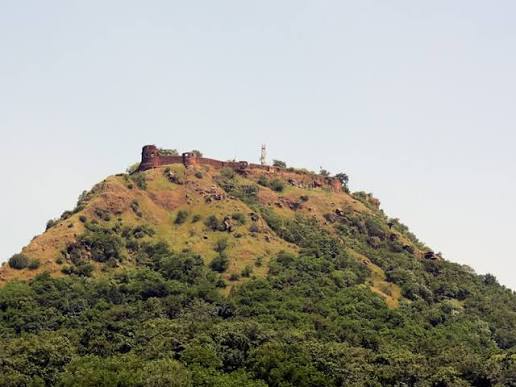
Songadh is one of the important towns in Tapi district and is surrounded by hills and forests.
The area is also associated with Songadh Fort, offering visitors a combination of history and scenic views.
Unai
Unai is known for its religious significance and natural surroundings. The area is associated with hot springs, which attract visitors looking for a peaceful and spiritual experience.
Valod
Valod is a historic town in Tapi district with religious and cultural importance. It provides a glimpse into the traditional lifestyle and heritage of South Gujarat.
Famous Dishes
Gujarati Thali
A traditional Gujarati Thali is one of the best ways to experience the region's cuisine, featuring rotli, vegetables, dal, kadhi, rice, farsan and sweets.
Dhokla
Dhokla is a popular steamed Gujarati snack made from fermented batter and commonly served with chutneys.
Khaman
Khaman is a soft, savory gram-flour snack that is popular across Gujarat and commonly enjoyed as breakfast or a light meal.
Fafda-Jalebi
This popular Gujarati combination of crispy fafda and sweet jalebi is especially enjoyed during festivals and special occasions.
Tribal Cuisine
The tribal communities of Tapi have their own traditional food practices, often using locally available grains, vegetables, pulses and forest produce.
For visitors interested in local culture, trying regional and village-style food can be an interesting part of the Tapi experience.
Famous Personalities
Sardar Vallabhbhai Patel
Sardar Vallabhbhai Patel had a strong connection with the wider South Gujarat region through his role in India's freedom movement and his work among local communities.
Mahatma Gandhi
Mahatma Gandhi visited different parts of Gujarat during the freedom movement, and his ideas and campaigns had an influence across the region.
Tapi is better known for its tribal communities and local cultural figures than for a large number of nationally famous personalities.
Festivals
Holi
Holi is particularly lively in tribal areas, where celebrations often include traditional music, dancing and community gatherings.
Navratri
Navratri is celebrated with Garba and Dandiya across the district, combining Gujarati traditions with local community celebrations.
Diwali
Diwali is celebrated with traditional prayers, lights, sweets and family gatherings.
Tribal Festivals
Different tribal communities celebrate traditional festivals and community events featuring folk music, dance, traditional clothing and cultural rituals.
These celebrations provide an opportunity to understand Tapi's indigenous heritage.
Things to Do
Tapi is best suited for travelers who enjoy nature and offbeat experiences.
- Visit Ukai Dam
- Explore Girmal Waterfall
- Visit Purna Wildlife Sanctuary
- Explore Songadh and its surroundings
- Visit Unai hot springs
- Enjoy scenic monsoon drives
- Explore tribal villages and rural landscapes
- Try local Gujarati food
- Experience tribal culture and traditions
- Go photography and bird watching
- Enjoy peaceful time surrounded by forests and hills
Where to Eat, Shop, and Stay
Where to Eat
Food options are more limited compared with major Gujarat cities. Local restaurants and small eateries offer Gujarati meals, snacks and simple regional food.
Travelers visiting rural areas should plan meals and carry basic refreshments when exploring remote attractions.
Where to Shop
Local markets are suitable for purchasing:
- Gujarati snacks
- Local agricultural products
- Traditional clothing
- Tribal handicrafts
- Bamboo and handmade products
- Local produce
Where to Stay
Accommodation is mainly concentrated around towns such as Vyara and Songadh.
Travelers can find basic hotels and guesthouses, while nature-focused trips may also include suitable stays around nearby attractions. For remote areas, it is advisable to plan accommodation in advance.
What is Tapi Famous For?
Tapi is mainly famous for:
- Tapi River
- Ukai Dam
- Girmal Waterfall
- Purna Wildlife Sanctuary
- Tribal culture
- Forests and hills
- Monsoon landscapes
- Unai hot springs
- Songadh
- Rural and offbeat tourism
The district's biggest attraction is its natural beauty and tribal heritage rather than large urban attractions.
Best Time to Visit
July to February
The period after the monsoon is one of the best times to explore Tapi. The forests and hills become green, and waterfalls are at their most scenic.
July to September
The monsoon is particularly beautiful for waterfalls and lush landscapes, but heavy rainfall can make roads and trails difficult.
October to February
Winter provides more comfortable conditions for sightseeing, road trips, nature walks and exploring outdoor attractions.
March to May
Summer can be warm, particularly during the daytime. Travelers planning outdoor activities should take precautions against the heat.
How to Reach
By Air
The nearest major airport is Surat Airport, which provides connectivity with several major Indian cities.
By Train
Vyara Railway Station is an important railway station in Tapi district and provides rail connectivity with other parts of Gujarat and nearby regions.
By Road
Tapi is well connected by road with Surat, Navsari, Nandurbar and other parts of Gujarat and Maharashtra.
Road travel is particularly useful for exploring waterfalls, forests and rural attractions.
Nearby Places
Surat
Surat is a major city in South Gujarat known for its food, textiles, shopping and vibrant urban culture.
Saputara
Located in nearby Dang district, Saputara is Gujarat's best-known hill station, offering cool weather, hills, viewpoints and nature attractions.
Dang
The Dang region is famous for dense forests, waterfalls, tribal culture and scenic landscapes.
Navsari
Navsari is a historic city with strong Parsi heritage and cultural significance.
Nandurbar
Located across the Maharashtra border, Nandurbar offers additional opportunities to explore tribal culture and the natural landscapes of the region.
Best Duration for a Trip
1 Day
A one-day trip can focus on Ukai Dam, Songadh and nearby attractions.
2 Days
Two days allow visitors to explore Ukai, Songadh and one or two natural attractions at a comfortable pace.
3 Days
Three days are ideal for combining Tapi's waterfalls, forests, tribal areas and nearby destinations.
Travel Tips
- Monsoon is the best season for waterfalls, but check weather conditions before traveling.
- Carry comfortable shoes for exploring natural areas.
- Keep water and snacks with you when visiting remote locations.
- Mobile connectivity may be limited in some forest and rural areas.
- Respect tribal communities and ask permission before photographing people.
- Avoid littering in forests, waterfalls and rural areas.
- Plan accommodation in advance if visiting remote attractions.
- Carry basic medicines and other essentials on longer nature trips.
- Avoid entering waterfalls or streams during heavy rainfall.
- A private vehicle is often more convenient for exploring multiple attractions.
Why Visit Tapi?
Tapi is ideal for travelers who want to experience a quieter and greener side of Gujarat. Instead of crowded city attractions, the district offers forests, hills, waterfalls, rivers, tribal villages and peaceful countryside.
The combination of Ukai Dam, Girmal Waterfall, Purna Wildlife Sanctuary and tribal culture makes Tapi particularly appealing to nature lovers, photographers, road-trip enthusiasts and travelers looking for offbeat destinations.
Conclusion
Tapi is a destination where nature and local culture take center stage. From the broad waters of the Tapi River and Ukai Dam to the forests and waterfalls of the eastern region, the district offers a refreshing escape from Gujarat's busy urban destinations.
Its tribal traditions, green landscapes, monsoon beauty and relatively unexplored attractions make Tapi an excellent choice for travelers who want to discover a lesser-known side of Gujarat.
Whether you are planning a nature trip, monsoon road trip, photography journey or cultural exploration, Tapi offers a peaceful and authentic travel experience.
"Travel is the only thing you buy that makes you richer."