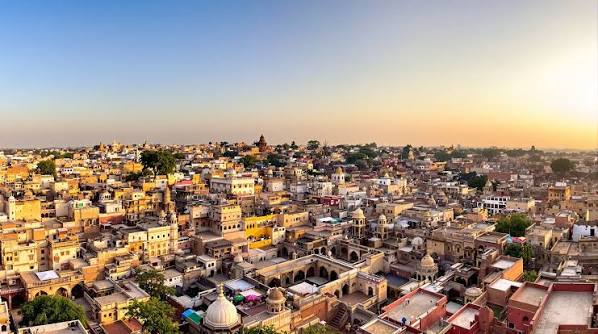
Patan Tourism: Step Into Gujarat's Ancient Heritage, Stepwells and Patola Tradition
Patan is one of the most historically important cities in North Gujarat, famous for its magnificent stepwells, ancient temples, royal history and world-renowned Patola silk weaving. Once the capital of the powerful Chaulukya (Solanki) dynasty, Patan was an important center of art, architecture, trade and culture.
Today, the city is best known for Rani Ki Vav, the spectacular stepwell recognized as a UNESCO World Heritage Site, along with Patan Patola, one of India's most prestigious traditional textile crafts.
A visit to Patan offers a unique combination of history, architecture, handicrafts, spirituality and Gujarati culture.
History
Patan was founded in the 8th century by Vanraj Chavda, who established it as the capital of the Chavda dynasty.
The city reached its greatest importance under the Solanki dynasty, also known as the Chaulukyas. During this period, Patan became a major political, cultural and economic center of Gujarat.
The Solanki rulers supported the construction of temples, stepwells, lakes and other impressive structures.
Patan later came under the control of different ruling dynasties before eventually becoming part of the wider Gujarat region under British-era administration.
The city's historical importance can still be seen through its ancient monuments, temples, stepwells and traditional crafts.
Geography
Patan is located in North Gujarat, surrounded largely by flat and semi-arid landscapes.
The region consists mainly of:
- Agricultural land
- Dry plains
- Seasonal water bodies
- Rural settlements
- Semi-arid landscapes
The climate is generally hot during summer and comparatively pleasant during winter.
Patan's location makes it convenient to combine with other North Gujarat destinations such as Modhera, Siddhpur and Ahmedabad.
Culture and Traditions
Patan has a rich Gujarati cultural heritage shaped by centuries of royal history, religious traditions and traditional crafts.
The city is particularly famous for Patola weaving, a highly skilled textile tradition that has been practiced in the region for generations.
Traditional Gujarati festivals such as Navratri, Diwali, Uttarayan, Janmashtami and Holi are celebrated with enthusiasm.
Patan's cultural identity is also strongly connected with its temples, traditional markets and historic neighborhoods.
Architecture
Architecture is one of the biggest reasons to visit Patan.
The city is famous for its Solanki-era architecture, particularly its elaborate stepwells and temples.
The most spectacular example is Rani Ki Vav, which features beautifully carved pillars, sculptures and galleries extending deep underground.
The architecture reflects the Solanki tradition of combining water management, religious symbolism and artistic craftsmanship.
Patan's historic structures demonstrate the remarkable engineering and artistic skills of medieval Gujarat.
Famous Places
Rani Ki Vav
Rani Ki Vav is Patan's most famous attraction and a UNESCO World Heritage Site.
Built in the 11th century, the stepwell was commissioned by Queen Udayamati in memory of her husband, King Bhima I of the Solanki dynasty.
The monument contains multiple levels decorated with hundreds of sculptures depicting Hindu deities, mythological scenes and other artistic motifs.
Its combination of engineering and artistic detail makes it one of India's most extraordinary historic monuments.
Patan Patola Heritage
Patan Patola is one of Gujarat's most famous textile traditions.
Patola is a highly detailed double-ikat silk weaving technique in which both the warp and weft threads are carefully dyed before weaving.
The process is extremely complex and time-consuming, making authentic Patola textiles highly valuable.
Visitors can learn about the traditional weaving process and see how these remarkable textiles are created.
Sahastralinga Talav
Sahastralinga Talav is an ancient water reservoir associated with the Solanki period.
The site once formed part of a sophisticated water-management system and contained numerous shrines dedicated to Lord Shiva.
Although only ruins remain today, the site provides an insight into the engineering and religious traditions of medieval Patan.
Panchasara Parshwanath Jain Temple
The Panchasara Parshwanath Jain Temple is an important Jain religious site known for its beautiful architecture and peaceful atmosphere.
The temple is particularly interesting for visitors exploring Patan's Jain heritage.
Kalika Mata Temple
The Kalika Mata Temple is an important local religious attraction and is visited by devotees throughout the year.
Khan Sarovar
Khan Sarovar is a historic water body in Patan and provides a glimpse into the traditional importance of water management in the region.
Patan Old City
The older parts of Patan contain traditional houses, narrow streets, temples and local markets.
Exploring these areas provides a more authentic experience of everyday life in the historic city.
Famous Dishes
Gujarati Thali
A traditional Gujarati Thali is the best way to experience the region's food, featuring rotli, vegetables, dal, kadhi, rice, farsan, pickles and sweets.
Thepla
Thepla is a popular Gujarati flatbread made with wheat flour, spices and sometimes fenugreek leaves.
Khaman
Soft and fluffy Khaman is a popular breakfast and snack across Gujarat.
Dhokla
Dhokla is a steamed fermented snack traditionally made from gram-based batter.
Fafda-Jalebi
The combination of crispy fafda and sweet jalebi is a favorite Gujarati snack, especially during festivals.
Khichdi-Kadhi
A simple combination of khichdi and kadhi is a traditional Gujarati comfort meal.
Bajra Rotla
Bajra Rotla is a traditional millet flatbread commonly served with vegetables, ghee, jaggery or chutney.
Gujarati Sweets
Visitors can also enjoy local sweets such as Mohanthal, Basundi and Shrikhand, depending on availability.
Famous Personalities
Vanraj Chavda
Vanraj Chavda was the founder of the Chavda dynasty and is traditionally credited with establishing the city of Patan.
Siddharaj Jaisinh
Siddharaj Jaisinh, one of the most prominent Solanki rulers, played an important role in the expansion and development of the Solanki kingdom.
His reign is associated with major architectural and cultural achievements in Gujarat.
Kumarapala
Kumarapala, another important Solanki ruler, contributed significantly to the development of Jainism, architecture and culture in Gujarat.
Hemachandra
Acharya Hemachandra, one of medieval India's great scholars, poets and philosophers, was closely associated with the Solanki court.
He made important contributions to Sanskrit and Prakrit literature, grammar, philosophy and Jain scholarship.
Festivals
Navratri
Navratri is celebrated with traditional Garba and Dandiya, colorful clothing, music and community gatherings.
Diwali
Diwali is celebrated with lamps, decorations, prayers, sweets and family gatherings.
Uttarayan
The kite festival is celebrated with colorful kites, rooftop gatherings and traditional Gujarati food.
Janmashtami
Temples organize prayers and devotional celebrations for Lord Krishna.
Mahashivratri
Given the region's strong temple traditions, Mahashivratri is celebrated with prayers and visits to Shiva temples.
Paryushan
Patan has a significant Jain community, making Paryushan an important religious period marked by prayer, fasting and spiritual reflection.
Things to Do
A trip to Patan can include a mixture of heritage, culture and food experiences:
- Explore Rani Ki Vav
- Visit Sahastralinga Talav
- See traditional Patola weaving
- Visit Jain temples
- Explore Patan's old city
- Visit historic water structures
- Try authentic Gujarati food
- Shop for traditional textiles
- Visit local markets
- Explore temples
- Photograph historic architecture
- Learn about Solanki history
- Combine Patan with Modhera and Siddhpur
Where to Eat, Shop, and Stay
Where to Eat
Local restaurants and eateries mainly serve traditional Gujarati vegetarian food.
Visitors should try Gujarati Thali, Thepla, Khaman, Dhokla, Fafda-Jalebi and Bajra Rotla.
Where to Shop
Patan is particularly famous for Patola textiles.
Visitors can shop for:
- Patola sarees
- Gujarati textiles
- Bandhani fabrics
- Traditional clothing
- Handicrafts
- Embroidery
- Religious souvenirs
- Local snacks
Authentic Patola can be expensive because of the extremely detailed weaving process, so visitors should purchase from established and trustworthy weavers or outlets.
Where to Stay
Patan offers budget and mid-range hotels and guesthouses.
Staying in the city is convenient for visiting Rani Ki Vav and other attractions.
For a wider heritage trip, visitors can also stay in nearby Siddhpur or Mehsana.
What is Patan Famous For?
Patan is particularly famous for:
- Rani Ki Vav
- UNESCO World Heritage Site
- Patan Patola
- Solanki dynasty
- Sahastralinga Talav
- Jain temples
- Ancient architecture
- Gujarati culture
- Traditional textiles
- Historic water structures
- Acharya Hemachandra
- Medieval Gujarat's heritage
The city is especially unique because it combines world-famous architecture with a living textile tradition.
Best Time to Visit
October to February
Winter is the best time to visit Patan.
The weather is comfortable for exploring Rani Ki Vav, temples, markets and other outdoor attractions.
March to May
Summer can be extremely hot, especially around midday. Sightseeing is better planned during the morning and evening.
June to September
The monsoon brings some greenery to the region, although Patan's major attractions remain primarily heritage-focused.
How to Reach
By Air
The nearest major airport is Ahmedabad Airport, which has domestic and international connectivity.
By Train
Patan has a railway station with connections to parts of Gujarat.
By Road
Patan is well connected by road with Ahmedabad, Mehsana, Siddhpur, Modhera and other parts of North Gujarat.
Road travel is particularly convenient for combining several heritage attractions in one trip.
Nearby Places
Modhera
Modhera is famous for its spectacular Sun Temple, built during the Solanki period.
It pairs naturally with Patan for a heritage-focused Gujarat itinerary.
Siddhpur
Siddhpur is known for its Rudra Mahalaya ruins, historic mansions and distinctive Bohra heritage houses.
Mehsana
Mehsana is an important city in North Gujarat and can be used as a base for exploring nearby attractions.
Ahmedabad
Ahmedabad offers museums, heritage architecture, markets, food and the historic old city.
Little Rann of Kutch
The Little Rann of Kutch can be included in a longer North Gujarat itinerary, particularly for wildlife and landscape experiences.
Best Duration for a Trip
1 Day
A one-day trip is enough to visit Rani Ki Vav, Patola weaving centers and a few historic temples.
2 Days
Two days allow visitors to explore Patan more comfortably and include Sahastralinga Talav and the old city.
3 Days
Three days are ideal for combining Patan with Modhera and Siddhpur.
Travel Tips
- Visit Rani Ki Vav early in the day to avoid the strongest afternoon heat.
- Hire a local guide if you want to understand the detailed history and sculptures.
- Wear comfortable footwear while exploring heritage sites.
- Carry water and sun protection, especially in summer.
- If purchasing Patola, ask about its weaving technique and authenticity.
- Respect photography rules at temples and heritage sites.
- Dress appropriately when visiting religious places.
- Book accommodation in advance during festival periods.
- Combine Patan with Modhera and Siddhpur for a better heritage experience.
Why Visit Patan?
Patan is ideal for travelers who want to experience Gujarat's royal past and living craft traditions in one destination.
The city offers something rare: a magnificent medieval monument like Rani Ki Vav alongside a centuries-old textile tradition that is still practiced by skilled artisans today.
History lovers can explore Solanki architecture, craft enthusiasts can discover Patola weaving, and culture travelers can experience traditional Gujarati food and festivals.
Conclusion
Patan is one of Gujarat's most important heritage destinations and a place where history, architecture, craftsmanship and culture come together.
The extraordinary Rani Ki Vav, the intricate Patan Patola tradition, ancient water structures and historic temples make the city a fascinating destination for anyone interested in India's cultural heritage.
For travelers exploring North Gujarat, Patan is a must-visit destination. It is not simply a city of ancient monuments—it is a place where Gujarat's medieval heritage continues to live through its architecture, crafts, food and traditions.
"Travel is the only thing you buy that makes you richer."