Sabarkantha Tourism: Explore Gujarat's Forests, Hills, Temples and Tribal Heritage
Sabarkantha is a beautiful district in northeastern Gujarat, known for its green forests, rocky hills, historic towns, ancient temples and tribal culture. Away from the busy cities of Gujarat, Sabarkantha offers a more peaceful travel experience with plenty of opportunities for nature, heritage, photography and spiritual tourism.
The district is particularly famous for Polo Forest, Idar, Shamlaji Temple and Vijaynagar. Its combination of forest landscapes, historic ruins, granite hills and traditional Gujarati culture makes Sabarkantha an interesting destination for travelers looking to explore a lesser-known side of Gujarat.
History
Sabarkantha has a long history influenced by Rajput kingdoms, princely states, tribal communities and religious traditions.
The region around Idar has been historically important, with the town and surrounding hills associated with the former Idar State. Its rocky landscape contains forts, temples and historic remains.
The district also has strong connections with tribal communities who have lived in the forested and hilly areas of northeastern Gujarat for generations.
Shamlaji has been an important pilgrimage center for centuries, attracting devotees from Gujarat and neighboring states.
Today, Sabarkantha combines this historical heritage with agriculture, forestry and rural development.
Geography
Sabarkantha is located in northeastern Gujarat, close to the Rajasthan border.
The district has a more varied landscape than many other parts of Gujarat, with:
- Hills
- Forests
- Rocky landscapes
- Agricultural fields
- Rivers and streams
- Tribal villages
- Seasonal waterfalls
The Aravalli hill ranges influence the geography of the region, creating scenic landscapes around places such as Idar and Polo Forest.
The area becomes particularly green during and after the monsoon.
Culture and Traditions
Sabarkantha has a strong Gujarati and tribal cultural identity.
The district is home to communities including Bhil and Garasia tribal groups, whose traditions include folk music, dance, handicrafts and distinctive festivals.
Gujarati is widely spoken, while tribal languages and local dialects are also used in rural areas.
Traditional celebrations include:
- Navratri
- Diwali
- Holi
- Janmashtami
- Uttarayan
- Local tribal festivals
The district's culture is closely connected with agriculture, forests, village life and religious traditions.
Architecture
Sabarkantha's architecture ranges from ancient temples and archaeological remains to forts and traditional village structures.
The rocky hills of Idar are particularly interesting for their natural formations combined with historic structures.
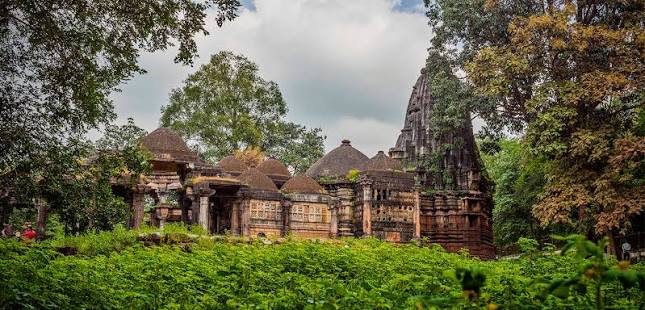
The temples around Shamlaji showcase traditional Hindu architectural elements, while the ruins in and around Polo Forest reflect the region's older religious and cultural history.
For travelers interested in heritage, the district offers a quieter alternative to Gujarat's more famous architectural destinations.
Famous Places
Polo Forest
Polo Forest is the most famous natural attraction in Sabarkantha.
Spread across a forested landscape near Vijaynagar, the area is known for dense greenery, streams, hills, ancient temples and archaeological remains.
It is particularly popular for nature walks, photography, bird watching and monsoon trips.
Idar
Idar is one of the most interesting towns in Sabarkantha, surrounded by distinctive granite hills.
The town is known for its historic fort, temples and unusual rocky landscape. Climbing and exploring the hills can provide beautiful views of the surrounding countryside.
Idar Fort
Idar Fort sits among the rocky hills and is associated with the historic Idar State.
The surrounding landscape makes the fort particularly attractive for photographers and travelers interested in history.
Shamlaji Temple
Shamlaji Temple is one of the most important pilgrimage sites in Gujarat.
Dedicated to Lord Shamlaji, a form of Lord Vishnu, the temple attracts large numbers of devotees, especially during the annual Shamlaji Mela.
Shamlaji Mela
The annual Shamlaji Mela is a major religious and cultural gathering. Pilgrims, traders and local communities come together during the festival, creating a lively atmosphere around the temple.
Vijaynagar
Vijaynagar is an important gateway to Polo Forest and the surrounding natural areas.
The town and its surroundings are ideal for travelers planning a nature-focused trip.
Hathmati Dam
Hathmati Dam near Himmatnagar is a popular local recreational area.
The reservoir and surrounding landscape can be particularly pleasant during and after the monsoon.
Himmatnagar
Himmatnagar is the administrative headquarters of Sabarkantha and an important commercial center.
It is also a convenient base for exploring several attractions in the district.
Dev Ni Mori
Dev Ni Mori is an important archaeological site associated with ancient Buddhist remains.
The site provides evidence of the region's historical connections with Buddhism and ancient trade routes.
Famous Dishes
Gujarati Thali
A traditional Gujarati Thali is one of the best ways to experience the local cuisine, with rotli, vegetables, dal, kadhi, rice, farsan, pickles and sweets.
Thepla
Thepla is a popular Gujarati flatbread prepared with wheat flour and spices. It is particularly convenient as a travel food.
Dhokla
Dhokla is a light, steamed snack made from fermented batter and commonly served with chutneys.
Khaman
Khaman is a soft gram-flour snack and a popular breakfast or evening snack across Gujarat.
Fafda-Jalebi
The combination of crispy fafda and sweet jalebi is a popular Gujarati favorite, particularly during festivals.
Bajra Rotla
Bajra Rotla is a traditional millet-based flatbread often served with vegetables, jaggery, ghee or other Gujarati accompaniments.
Tribal-Style Food
In tribal areas, visitors may find traditional preparations using millets, maize, pulses, seasonal vegetables and locally available ingredients.
These foods provide a glimpse into the everyday culinary traditions of the region.
Famous Personalities
Shamlaji's Religious Tradition
While Sabarkantha is not particularly associated with a large number of nationally famous modern personalities, the district has produced and supported many local artists, educators, social workers and cultural figures.
Idar's Royal Heritage
The former rulers of Idar State played an important role in the region's political and architectural history.
The legacy of the royal period can still be seen around Idar through its fort, temples and historic structures.
Tribal Cultural Communities
The Bhil and Garasia communities are important cultural representatives of the region. Their traditional music, dance, crafts and customs form an important part of Sabarkantha's cultural identity.
Festivals
Shamlaji Mela
The Shamlaji Mela is one of Sabarkantha's most important festivals.
Thousands of devotees visit the Shamlaji Temple, while the surrounding area becomes lively with traditional markets, religious activities and cultural gatherings.
Navratri
Navratri is celebrated throughout the district with Garba and Dandiya, traditional Gujarati music and community gatherings.
Diwali
Diwali is celebrated with lights, decorations, prayers, sweets and family gatherings.
Holi
Holi is particularly lively in rural and tribal areas, where traditional music, dance and community celebrations form an important part of the festival.
Uttarayan
The kite festival is celebrated with rooftop gatherings, colorful kites and traditional Gujarati snacks.
Things to Do
Sabarkantha is ideal for travelers who enjoy nature, heritage and offbeat experiences.
- Explore Polo Forest
- Visit the historic hills of Idar
- Explore Idar Fort
- Visit Shamlaji Temple
- Experience Shamlaji Mela
- Visit Dev Ni Mori
- Enjoy a monsoon road trip
- Go bird watching
- Explore ancient temple ruins
- Photograph the Aravalli landscapes
- Visit Hathmati Dam
- Explore local villages
- Experience tribal culture
- Try traditional Gujarati food
- Enjoy nature walks around Polo Forest
Where to Eat, Shop, and Stay
Where to Eat
Local restaurants and small eateries mainly serve Gujarati food, traditional snacks and simple vegetarian meals.
Visitors should try Gujarati Thali, Thepla, Dhokla, Khaman, Fafda-Jalebi and Bajra Rotla.
Food options become more limited around remote forest areas, so carrying water and basic snacks is recommended.
Where to Shop
Local markets offer:
- Traditional Gujarati clothing
- Handicrafts
- Tribal crafts
- Embroidery
- Local agricultural products
- Gujarati snacks
- Religious items
- Traditional household products
Visitors can also look for locally made handicrafts around rural and tribal areas.
Where to Stay
Accommodation is available in Himmatnagar, Idar and around the Polo Forest region.
Travelers visiting Polo Forest can choose from guesthouses, resorts and nature-oriented accommodation depending on availability.
For weekends and monsoon trips, booking in advance is recommended.
What is Sabarkantha Famous For?
Sabarkantha is particularly famous for:
- Polo Forest
- Idar Fort
- Idar's granite hills
- Shamlaji Temple
- Shamlaji Mela
- Aravalli landscapes
- Tribal culture
- Dev Ni Mori
- Forests and wildlife
- Hathmati Dam
- Gujarati traditions
- Monsoon tourism
Its biggest attraction is the combination of forests, hills, ancient heritage and religious tourism.
Best Time to Visit
July to February
This is generally the best period to explore Sabarkantha.
July to September
The monsoon season is particularly beautiful around Polo Forest. The landscape becomes green, streams fill with water and the forest becomes ideal for photography.
October to February
Winter offers comfortable weather for sightseeing, heritage exploration, nature walks and outdoor activities.
March to May
Summer can be hot, especially during the afternoon. Outdoor sightseeing is better planned for mornings and evenings.
How to Reach
By Air
The nearest major airport is Ahmedabad Airport, which provides domestic and international connectivity.
By Train
Himmatnagar Railway Station provides rail connectivity with other parts of Gujarat.
By Road
Sabarkantha is well connected by road with Ahmedabad, Gandhinagar, Modasa, Rajasthan and other parts of Gujarat.
Road travel is particularly convenient for visiting Idar, Shamlaji and Polo Forest.
Nearby Places
Modhera
The famous Modhera Sun Temple is a major heritage attraction and can be included in a wider North Gujarat trip.
Ahmedabad
Ahmedabad offers historic architecture, museums, food, markets and the UNESCO-listed old city.
Gandhinagar
Gujarat's capital city is known for its gardens, temples and planned urban environment.
Mount Abu
Located across the Rajasthan border, Mount Abu is a popular hill station and can be combined with a Sabarkantha road trip.
Polo Forest Region
The forest area itself can be explored over a longer trip, particularly during the monsoon.
Best Duration for a Trip
1 Day
A one-day trip can cover Shamlaji Temple and nearby attractions.
2 Days
Two days are ideal for combining Idar and Shamlaji with local sightseeing.
3 Days
Three days allow visitors to explore Polo Forest, Idar, Shamlaji and surrounding natural attractions at a relaxed pace.
Travel Tips
- Monsoon is the best season for Polo Forest.
- Wear comfortable shoes when exploring forest trails and rocky areas.
- Carry sufficient water when visiting remote attractions.
- Avoid entering forests or restricted areas without permission.
- Do not disturb wildlife or damage plants and natural surroundings.
- Check local weather before planning a monsoon trip.
- Book accommodation early during weekends and peak seasons.
- Dress respectfully when visiting temples.
- Carry basic medicines and mosquito protection for forest visits.
- Keep the forest clean and avoid leaving plastic or other waste behind.
Why Visit Sabarkantha?
Sabarkantha is perfect for travelers who want to experience a greener and more peaceful side of Gujarat.
The district offers a rare combination of forest landscapes, ancient ruins, rocky hills, temples, tribal culture and rural life. A trip can easily combine the natural beauty of Polo Forest with the heritage of Idar and the spiritual atmosphere of Shamlaji.
It is especially suitable for nature lovers, photographers, history enthusiasts, road-trip travelers, families and visitors looking for offbeat destinations.
Conclusion
Sabarkantha is one of Gujarat's most rewarding destinations for travelers who want to go beyond the state's major cities.
From the green landscapes of Polo Forest and the rocky hills of Idar to the spiritual importance of Shamlaji Temple, the district offers a fascinating mixture of nature, history and culture.
Whether you visit during the lush monsoon, explore its historic sites in winter or experience the vibrant Shamlaji Mela, Sabarkantha provides an authentic and memorable glimpse into northeastern Gujarat.
"Travel is the only thing you buy that makes you richer."