Vadodara Tourism: Inside Gujarat's Royal and Cultural Heart
Vadodara, also known as Baroda, is one of Gujarat's most culturally vibrant and historically important cities. Located on the banks of the Vishwamitri River, Vadodara is famous for its royal heritage, grand palaces, museums, art, education, temples, Gujarati cuisine and lively festivals.
The city was shaped significantly by the Gaekwad dynasty, whose influence can still be seen in landmarks such as the magnificent Laxmi Vilas Palace, Kirti Mandir and several historic buildings. Vadodara is also widely known for its spectacular Navratri celebrations, making it one of the best places to experience traditional Gujarati Garba.
Beyond its royal attractions, Vadodara has a relaxed city atmosphere, beautiful gardens, cultural institutions, local markets and excellent food. Its location also makes it a convenient base for visiting nearby attractions such as Champaner-Pavagadh and the Statue of Unity.
History
Vadodara has a long and fascinating history, with the city being known by different names over the centuries, including Vadpatra and Baroda.
The city's modern identity was strongly influenced by the Gaekwad dynasty, which established Vadodara as an important princely state. Under the Gaekwads, the city developed into a major center of education, administration, art and culture.
One of the most influential rulers was Maharaja Sayajirao Gaekwad III, who supported education, libraries, social reforms, arts and public institutions. Many of Vadodara's important landmarks and institutions are connected with his reign.
The city's royal past continues to be one of its biggest attractions, with palaces, museums, gardens and historic buildings providing visitors with a glimpse into its princely heritage.
Geography
Vadodara is located in central Gujarat, making it an important link between northern and southern parts of the state. The city lies along the Vishwamitri River and is surrounded by the relatively flat landscape of central Gujarat.
The region has a mostly hot and semi-arid climate, with:
- Hot summers
- A monsoon season
- Pleasant winters
The city itself is urban and developed, while the areas around Vadodara include agricultural land, villages and natural landscapes.
Its central location also makes Vadodara a convenient starting point for exploring several important destinations across Gujarat.
Culture and Traditions
Vadodara has a strong reputation as the cultural heart of Gujarat. Its culture has been shaped by Gujarati traditions, royal patronage, education, art and performing arts.
Gujarati is the main language, while Hindi and English are also widely understood.
The city is particularly famous for:
- Garba and Dandiya
- Gujarati folk music
- Classical music
- Theatre
- Painting
- Sculpture
- Literature
- Traditional festivals
- Gujarati cuisine
The influence of Maharaja Sayajirao Gaekwad III helped establish Vadodara as an important center for education and the arts. The Maharaja Sayajirao University of Baroda continues this tradition and has played an important role in the city's cultural and educational identity.
Architecture
Vadodara has a fascinating mixture of royal, traditional Indian, Indo-Saracenic and European architectural influences.
The city's most impressive architectural landmark is Laxmi Vilas Palace, but its heritage can also be seen in Kirti Mandir, Tambekar Wada, temples and historic public buildings.
The royal architecture reflects the wealth and artistic interests of the Gaekwad rulers, while traditional structures around the older parts of the city provide a glimpse into Vadodara's historic urban character.
For architecture lovers, Vadodara is one of the most interesting cities in Gujarat to explore.
Famous Places
Laxmi Vilas Palace
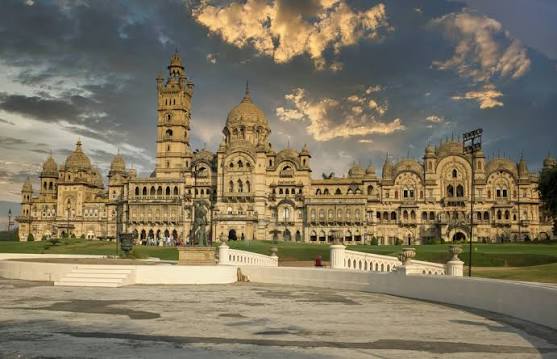
Laxmi Vilas Palace is the most famous landmark in Vadodara and one of India's grandest royal residences. Built for Maharaja Sayajirao Gaekwad III, the palace is known for its enormous scale, detailed interiors, beautiful grounds and impressive architectural design.
It is the best place to begin exploring Vadodara's royal history.
Sayaji Garden
Also known as Kamati Baug, Sayaji Garden is a large public garden named after Maharaja Sayajirao Gaekwad III.
The complex includes attractions such as the Baroda Museum, zoo and planetarium, making it particularly popular with families.
Baroda Museum and Picture Gallery
The Baroda Museum and Picture Gallery houses collections covering art, archaeology, history and natural history.
It is an excellent place to understand the artistic and cultural heritage of Vadodara and Gujarat.
Kirti Mandir
Kirti Mandir is an important monument connected with the Gaekwad family. The building is known for its distinctive architecture and artistic details, including murals.
It is an interesting stop for visitors exploring Vadodara's royal history.
EME Temple
The EME Temple, also known as the Dakshinamurthy Temple, is one of Vadodara's most unusual temples.
Its modern architectural design makes it different from traditional Hindu temples and has made it popular among both visitors and architecture enthusiasts.
Sursagar Lake
Located in the heart of the city, Sursagar Lake is one of Vadodara's recognizable landmarks. The lake becomes particularly lively in the evening and features a large Shiva statue in its center.
Tambekar Wada
Tambekar Wada is a historic mansion known for its traditional architecture and beautiful wall paintings.
It provides visitors with an idea of how historic homes in Vadodara were designed and decorated.
Hathni Mata Waterfall
Located outside the main city, Hathni Mata Waterfall is a popular seasonal attraction. It is particularly beautiful during the monsoon when the surrounding landscape becomes green and the waterfall is at its most impressive.
Nazar Baug Palace
Nazar Baug Palace is another historic site associated with Vadodara's royal past. It forms part of the city's broader collection of heritage landmarks.
Famous Dishes
Sev Usal
Sev Usal is one of Vadodara's signature street foods. It consists of a spicy curry made with dried peas, topped with sev, onions, chutneys and other ingredients.
It is a must-try for visitors who want to experience Vadodara's local street-food culture.
Gujarati Thali
A traditional Gujarati Thali offers a complete meal with rotli, vegetables, dal, kadhi, rice, farsan, pickles and sweets.
It is one of the best ways to experience the variety of Gujarati cuisine.
Khaman
Khaman is a soft, savory steamed snack made primarily from gram flour. It is commonly served with chutneys and garnishes.
Dhokla
Dhokla is another famous Gujarati snack made from fermented batter and steamed until soft. It is enjoyed throughout the day and is widely available across Vadodara.
Fafda-Jalebi
The combination of crispy fafda and sweet jalebi is a popular Gujarati favorite, especially during festivals and breakfast outings.
Khandvi
Khandvi consists of thin, soft rolls made from gram flour and yogurt. It is usually topped with mustard seeds, coconut and coriander.
Patra
Patra is made using colocasia leaves coated with a spiced gram-flour mixture, rolled, steamed and sliced. It is a popular Gujarati snack.
Basundi
Basundi is a rich milk-based sweet flavored with nuts and spices. It is commonly served during celebrations and festive meals.
Famous Personalities
Maharaja Sayajirao Gaekwad III
Maharaja Sayajirao Gaekwad III was one of the most influential rulers in Vadodara's history. He supported education, social reform, libraries, arts and public institutions.
His vision played a major role in transforming Vadodara into an important cultural and educational center.
Sri Aurobindo
Sri Aurobindo spent several important years in Baroda, where he worked in education and public service. His time in the city was an important stage in his intellectual and political development.
Raja Ravi Varma
The celebrated Indian painter Raja Ravi Varma had an important association with the Baroda royal court. His connection reflects the Gaekwad family's interest in promoting Indian art and artists.
Sayajirao Gaekwad and the Arts
The Gaekwad royal family supported numerous artists, musicians, scholars and educators, helping establish Vadodara's long-standing reputation as a center of culture and learning.
Festivals
Navratri
Navratri is the biggest cultural celebration in Vadodara. The city is famous for large-scale Garba events where thousands of people gather in traditional Gujarati clothing to dance to devotional and folk music.
For visitors interested in Gujarati culture, experiencing Vadodara during Navratri can be particularly memorable.
Diwali
Diwali is celebrated with decorated homes, lights, sweets, prayers and family gatherings. Markets and public areas become especially lively during the festival.
Uttarayan
During Uttarayan, the skies above Vadodara fill with colorful kites. Families and friends gather on rooftops to fly kites and enjoy traditional snacks.
Janmashtami
Temples across the city organize prayers and celebrations for Lord Krishna. Special programs and devotional events are held during the festival.
Holi
Holi is celebrated with colors, music and gatherings among family and friends.
Ganesh Chaturthi
Ganesh Chaturthi is also celebrated with prayers, decorations and community events across the city.
Things to Do
Visitors can enjoy a wide variety of experiences in Vadodara:
- Explore Laxmi Vilas Palace
- Visit the Baroda Museum
- Walk through Sayaji Garden
- Explore Kirti Mandir
- Visit the unique EME Temple
- Spend an evening around Sursagar Lake
- Explore historic neighborhoods
- Try Sev Usal and Gujarati snacks
- Enjoy a traditional Gujarati Thali
- Shop for Gujarati textiles and handicrafts
- Attend Garba during Navratri
- Visit Hathni Mata Waterfall during the monsoon
- Take a heritage and architecture-focused sightseeing tour
- Explore nearby Champaner-Pavagadh
Where to Eat, Shop, and Stay
Where to Eat
Vadodara has everything from traditional Gujarati restaurants to casual street-food stalls and modern restaurants.
Visitors should try Sev Usal, Gujarati Thali, Khaman, Dhokla, Fafda-Jalebi and Khandvi.
Exploring local food markets is also a good way to experience the everyday food culture of the city.
Where to Shop
Vadodara's markets are good places to shop for:
- Gujarati textiles
- Traditional clothing
- Bandhani-style fabrics
- Handicrafts
- Jewellery
- Gujarati snacks
- Traditional sweets
- Souvenirs
Modern shopping centers are also available for visitors looking for branded products.
Where to Stay
The central parts of Vadodara are convenient for first-time visitors because they provide easy access to restaurants, shopping and major attractions.
Travelers can choose from budget hotels, comfortable mid-range properties and luxury hotels, depending on their preferences.
What is Vadodara Famous For?
Vadodara is especially famous for:
- Laxmi Vilas Palace
- Gaekwad royal heritage
- Navratri Garba
- Gujarati food
- Sev Usal
- Sayaji Garden
- Baroda Museum
- Art and culture
- Maharaja Sayajirao Gaekwad III
- Maharaja Sayajirao University
- Sursagar Lake
- Historic architecture
The city's strongest identity comes from its combination of royal history, education, art, culture and Gujarati traditions.
Best Time to Visit
October to February
Winter is generally the best time to visit Vadodara. The weather is more comfortable for sightseeing, walking around heritage attractions and exploring the city.
September to October
Travelers interested in Navratri and Garba should consider visiting during the festival season. Vadodara becomes particularly lively during this period.
March to May
Summer can be hot, so outdoor sightseeing is best planned during mornings and evenings.
June to September
The monsoon brings greenery and makes nearby natural attractions such as Hathni Mata Waterfall more attractive.
How to Reach
By Air
Vadodara Airport provides air connectivity with several major Indian cities and is conveniently located for reaching the city.
By Train
Vadodara Junction is one of Gujarat's major railway stations and has excellent connections with cities across India.
By Road
Vadodara is well connected by major roads and highways. Buses, taxis and private vehicles provide convenient access from Ahmedabad, Surat, Mumbai and other cities.
Nearby Places
Champaner-Pavagadh
Located within driving distance of Vadodara, Champaner-Pavagadh Archaeological Park is a major historical destination with forts, temples, mosques and archaeological remains. It is also a UNESCO World Heritage Site.
Statue of Unity
The Statue of Unity is one of India's most famous modern landmarks. It can be included in a longer Gujarat itinerary from Vadodara.
Dabhoi
Dabhoi is a historic town known for its old fortifications and impressive gateways.
Anand
Known as an important center of India's dairy industry, Anand can be visited as part of a short trip from Vadodara.
Ahmedabad
Ahmedabad is another major Gujarat destination known for its heritage, architecture, food, shopping and cultural attractions.
Best Duration for a Trip
1 Day
A one-day trip can cover Laxmi Vilas Palace, Sayaji Garden, Baroda Museum and Sursagar Lake.
2 Days
Two days allow visitors to explore the main attractions at a more relaxed pace while adding temples, local markets, food experiences and other heritage sites.
3 Days
Three days provide enough time to explore Vadodara properly and include a nearby destination such as Champaner-Pavagadh or Hathni Mata Waterfall, depending on the season.
Travel Tips
- Visit major heritage attractions earlier in the day.
- Check the opening days and timings of palaces and museums before visiting.
- Book accommodation in advance if visiting during Navratri.
- Summers can be hot, so carry water, sunscreen and comfortable clothing.
- Try Sev Usal, one of Vadodara's most popular local foods.
- Keep additional time if planning a trip to Champaner-Pavagadh or the Statue of Unity.
- Carry comfortable footwear for sightseeing.
- Respect local customs when visiting temples and religious sites.
- Use taxis, auto-rickshaws or app-based transportation for convenient city travel.
Why Visit Vadodara?
Vadodara is a destination where royal heritage and modern Gujarati culture come together. Its magnificent palaces tell the story of the Gaekwad rulers, while its museums, universities and art institutions reflect the city's intellectual and creative side.
The city becomes especially vibrant during Navratri, when Garba fills the streets and cultural venues. At the same time, its traditional food, historic buildings, gardens and nearby heritage sites give travelers plenty to explore throughout the year.
For anyone interested in history, architecture, art, culture, food and festivals, Vadodara offers one of the most complete cultural experiences in Gujarat.
Conclusion
Vadodara is much more than a city of palaces. It is a destination where history, art, education, food and Gujarati traditions have come together over generations.
From the grandeur of Laxmi Vilas Palace and the collections of the Baroda Museum to the energetic Garba celebrations of Navratri and the flavors of Sev Usal, Vadodara offers experiences for almost every kind of traveler.
Whether you are planning a short city break, a cultural holiday or a wider Gujarat road trip, Vadodara deserves a place on your itinerary.
"Travel is the only thing you buy that makes you richer."