Dang Tourism: Gujarat’s Lush Tribal Land of Forests, Waterfalls and Hills
The Dang is one of Gujarat’s most naturally beautiful and culturally distinctive regions, known for dense forests, rolling hills, seasonal waterfalls and vibrant tribal traditions. Located in southern Gujarat, the district offers a refreshing contrast to the state’s more urban and arid destinations. Saputara, the famous hill station of Gujarat, is its best-known attraction, while places such as Waghai, Purna Wildlife Sanctuary and Gira Waterfall reveal the region’s rich natural character.
History
Dang has a strong connection with the indigenous tribal communities that have lived in its forested hills for generations. The district’s history is closely linked with the Dangs, a group of tribal communities whose traditional lifestyle, customs and relationship with the forests continue to shape the region.
The area also has a notable colonial-era history. The Dangs Agreement of 1842 involved the British and the tribal chiefs of the region and is an important part of the district’s historical story.
After independence, Dang became a separate district of Gujarat. Its forest resources, tribal heritage and distinctive landscape have made it an important part of southern Gujarat’s identity.
Geography
Dang is situated in the eastern part of southern Gujarat, bordering Maharashtra. Much of the district is hilly and forested, with the Western Ghats and Sahyadri ranges influencing its landscape.
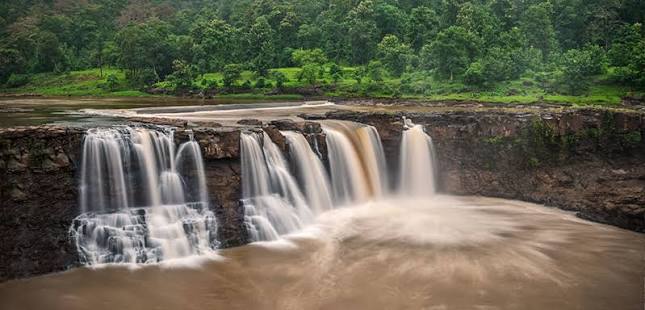
The region receives considerably more rainfall than many other parts of Gujarat. During the monsoon, its forests become lush green and streams and waterfalls come alive, making the area particularly attractive to nature lovers.
Culture and Traditions
Dang has one of the strongest tribal cultural identities in Gujarat. Communities such as the Bhils, Kunbis, Warlis and other indigenous groups have preserved traditional customs, music, dance, crafts and festivals.
Traditional tribal dances are often performed during festivals and community celebrations. Colourful clothing, folk instruments, handmade products and forest-based traditions provide visitors with an opportunity to experience a very different side of Gujarat.
The annual Dang Darbar is one of the region’s most important cultural events, bringing together tribal communities and showcasing local traditions, music and dance.
Architecture
Dang is not primarily known for monumental architecture. Instead, its built heritage is closely connected with tribal homes, traditional village settlements and simple structures adapted to the forest environment.
In Saputara, visitors can also find modern tourist infrastructure, viewpoints, gardens and cultural attractions designed around the surrounding hills.
Famous Places
Saputara
Saputara is Gujarat’s best-known hill station and the most popular tourist destination in the Dang region. Surrounded by green hills, it offers viewpoints, a lake, gardens, boating and pleasant weather compared with much of Gujarat.
Gira Waterfall
Located near Waghai, Gira Waterfall is one of the most spectacular waterfalls in southern Gujarat during and after the monsoon. Water cascades down a rocky landscape surrounded by greenery, making it a popular seasonal attraction.
Purna Wildlife Sanctuary
The sanctuary protects extensive forest habitat in the eastern part of Gujarat. It is an important destination for visitors interested in forests, wildlife, birds and the region’s natural ecosystems.
Vansda National Park
Located near the Dang region, Vansda National Park preserves dense forest along the Ambika River and supports a variety of flora and fauna. It is particularly interesting for nature lovers and bird watchers.
Waghai
Waghai is an important gateway to several attractions in the region. It is surrounded by forests and is close to Gira Waterfall and the Waghai Botanical Garden.
Waghai Botanical Garden
Spread across a large area, the botanical garden showcases the rich plant diversity of southern Gujarat and provides a peaceful environment for nature enthusiasts.
Saputara Lake
This scenic lake sits at the heart of Saputara and is popular for boating and relaxed walks along the surrounding area.
Sunset Point
One of Saputara’s popular viewpoints, Sunset Point provides panoramic views over the surrounding hills and valleys, particularly during the evening.
Artist Village
Artist Village in Saputara offers an introduction to traditional tribal arts and crafts. Visitors can explore handmade products and learn more about the artistic traditions of the region.
Girmal Waterfall
Girmal Waterfall is another impressive seasonal waterfall in the Dang landscape. It is especially attractive during the monsoon when the surrounding forests are at their greenest.
Famous Dishes
Panki
A traditional Gujarati preparation made from rice or flour batter and cooked in leaves, panki is enjoyed as a light regional snack.
Doodhpak
A traditional Gujarati milk-based sweet prepared with rice, sugar and aromatic spices.
Rotla and Shaak
Millet-based rotla served with vegetables reflects the simple and hearty food traditions common across rural Gujarat.
Tribal Forest Cuisine
Traditional Dang cuisine makes use of locally available grains, vegetables, forest produce and simple cooking methods, giving the region a distinctive rural food identity.
Gujarati Thali
Visitors can also enjoy the familiar Gujarati combination of rotli, dal, kadhi, vegetables, farsan, rice and sweets at restaurants around Saputara and nearby towns.
Famous Personalities
Birsa Munda
Although Birsa Munda was associated with the tribal movement in present-day Jharkhand rather than Dang, his legacy is widely significant when discussing India's indigenous communities and tribal history.
Tribal Community Leaders of Dang
Dang’s cultural identity has historically been shaped by its tribal chiefs and community leaders, particularly those associated with the traditional Dangs leadership and the Dang Darbar.
Festivals
Dang Darbar
The Dang Darbar is the region’s most distinctive cultural festival. Held around the Holi period, it brings together tribal communities through traditional dance, music, cultural performances and celebrations.
Holi
Holi is celebrated with particular cultural vibrancy among the tribal communities of Dang, with traditional music, dancing and community gatherings.
Diwali
Tribal villages across the region celebrate Diwali through local customs, family gatherings, traditional food and community activities.
Navratri
Garba and other traditional Gujarati celebrations are also observed across the region during Navratri.
Things to Do
- Explore the hill station of Saputara.
- Enjoy boating at Saputara Lake.
- Watch the sunset from Saputara’s viewpoints.
- Visit Gira Waterfall during the monsoon.
- Explore the forests around Waghai.
- Visit Waghai Botanical Garden.
- Explore tribal art and crafts at Artist Village.
- Visit Purna Wildlife Sanctuary.
- Explore Vansda National Park and its surrounding forests.
- Experience the region’s tribal culture and traditional performances.
- Try local Gujarati and tribal-inspired food.
- Enjoy a scenic road trip through the green hills during the monsoon.
Where to Eat, Shop, and Stay
Where to Eat
Saputara has the widest selection of restaurants in the region, offering Gujarati, North Indian, South Indian and other vegetarian dishes. Local snacks and simple meals are also available in Waghai and surrounding towns.
Where to Shop
Saputara’s markets and Artist Village are good places to look for tribal handicrafts, bamboo products, paintings, textiles, decorative items and locally made souvenirs.
Where to Stay
Saputara offers the largest choice of accommodation, including hotels, resorts, cottages and budget stays. Waghai and other nearby areas have more limited options, making Saputara a convenient base for exploring the region.
What is it Famous For?
- Saputara Hill Station
- Tribal culture and traditions
- Gira Waterfall
- Purna Wildlife Sanctuary
- Vansda National Park
- Dense forests and green hills
- Dang Darbar
- Waghai Botanical Garden
- Tribal handicrafts
- Monsoon landscapes
Best Time to Visit
The best time depends on the experience you want.
July to September is ideal for waterfalls, lush greenery and monsoon landscapes. Gira and Girmal waterfalls are particularly impressive during this period, although heavy rain can affect road and outdoor conditions.
For comfortable sightseeing, October to February is a better choice. Saputara is especially pleasant during the cooler months.
If you want to experience the region’s tribal culture, consider planning around the Dang Darbar, whose dates vary each year.
How to Reach
By Air
The nearest major airport is Surat Airport, which provides connectivity to several Indian cities. From Surat, Dang can be reached by road.
By Train
Waghai has railway connectivity, while larger railway stations around Surat and other southern Gujarat cities provide access to a broader rail network.
By Road
Dang is well connected by road with Surat, Navsari, Valsad and other parts of southern Gujarat. Saputara is accessible by road and is a popular destination for scenic drives from nearby cities.
Nearby Places
Saputara
The famous Gujarat hill station itself offers viewpoints, boating, gardens, museums and nature experiences.
Vansda
Known for its proximity to Vansda National Park and the forest landscapes of southern Gujarat.
Ahwa
The headquarters of Dang district, Ahwa provides an excellent base for understanding the region’s tribal culture and exploring nearby natural attractions.
Navsari
A historic city of southern Gujarat known for its Parsi heritage, food and cultural attractions.
Valsad
A coastal destination that can be combined with a Dang trip for a journey covering both hills and beaches.
Best Duration for a Trip
A 2–3 day trip is ideal for experiencing the major attractions of Dang.
A 2-day trip can focus on Saputara, Waghai, Gira Waterfall and nearby attractions. A 3-day itinerary gives more time for forests, tribal experiences, viewpoints and seasonal waterfalls.
Travel Tips
- Carry comfortable footwear, particularly during monsoon trips.
- Check local weather and road conditions before visiting waterfalls.
- Avoid entering restricted forest areas without permission.
- Respect tribal customs, villages and local traditions.
- Ask permission before photographing people, especially during cultural events.
- Carry cash because connectivity and digital payment options can be limited in some remote areas.
- Do not litter in forests, waterfalls or village areas.
- During monsoon, carry rain protection and allow extra travel time.
- Book accommodation in advance during weekends and peak seasons in Saputara.
- Avoid swimming in unfamiliar waterfalls or streams because water levels and currents can change quickly.
Why Visit Dang?
Dang offers a side of Gujarat that feels completely different from its famous cities, temples and desert landscapes. Dense forests, misty hills, seasonal waterfalls and tribal traditions create a destination that is ideal for travellers looking for nature and authentic cultural experiences.
The region is particularly rewarding during the monsoon, when the hills turn green and waterfalls become dramatically beautiful. At the same time, Saputara provides comfortable tourist infrastructure for travellers who prefer an easier hill-station experience.
Conclusion
Dang is a destination where nature and tribal heritage remain at the heart of the travel experience. From the hills and lake of Saputara to the forests of Purna and Vansda, and from the spectacular Gira Waterfall to the colourful traditions of the Dang Darbar, the region offers plenty of reasons to explore southern Gujarat.
Whether you are planning a monsoon road trip, a peaceful hill getaway, a wildlife excursion or a cultural journey, Dang provides a refreshing and less urban side of Gujarat.
"Travel is the only thing you buy that makes you richer."