Morbi Tourism: Discover Royal Heritage, Palaces, Bridges and Gujarat's Ceramic Heartland
Morbi is a historic city in Saurashtra, Gujarat, known for its royal heritage, distinctive architecture, beautiful bridges, temples and thriving ceramic industry. Located on the banks of the Machhu River, Morbi offers a fascinating combination of history, engineering, craftsmanship and modern industry.
The city was once the capital of the Morbi princely state, ruled by the Jadeja Rajput dynasty. Its royal past can still be seen in landmarks such as Mani Mandir, Darbargarh Palace and the famous suspension bridge.
Morbi is also widely recognized as one of India's major ceramic manufacturing centers, making it an interesting destination for travelers who want to see both the historic and industrial sides of Gujarat.
History
Morbi's history is closely connected with the Jadeja Rajput dynasty, which ruled the former Morbi princely state.
The city developed significantly under the rule of Maharaja Waghji II, who encouraged modern infrastructure, education, architecture and industrial development.
During this period, Morbi saw the construction of impressive palaces, bridges, roads and public buildings influenced by both Indian and European architectural styles.
The city also became an important center for trade and manufacturing.
Today, Morbi's royal heritage and industrial identity exist side by side, making it one of the more distinctive cities in Saurashtra.
Geography
Morbi is located in the Saurashtra region of Gujarat, along the Machhu River.
The surrounding landscape is largely semi-arid, with agricultural areas, open plains and seasonal water bodies.
The region experiences:
- Hot summers
- Seasonal monsoon
- Mild winters
The Machhu River has played an important role in the history and development of Morbi.
Culture and Traditions
Morbi has a strong Gujarati and Saurashtrian cultural identity.
Gujarati is the main language, while Hindi is also commonly understood.
The city's culture can be experienced through:
- Gujarati festivals
- Garba and Dandiya
- Traditional food
- Religious celebrations
- Handicrafts
- Local markets
- Ceramic craftsmanship
Morbi's ceramic industry has also become an important part of its modern identity, with the city being associated with tiles, sanitaryware and other ceramic products.
Architecture
Architecture is one of Morbi's biggest attractions.
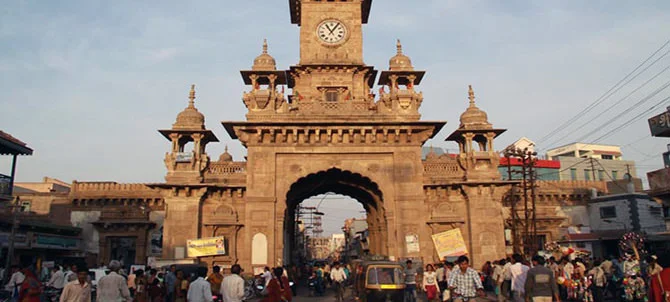
The city is famous for its mixture of Rajput, European and colonial architectural influences.
The former royal family introduced several European-inspired elements into local buildings, creating a distinctive architectural style.
Historic palaces, ornate facades, clock towers and bridges give Morbi a character that is quite different from many other Gujarati cities.
Famous Places
Mani Mandir
Mani Mandir is one of Morbi's most beautiful architectural landmarks.
The complex features detailed carvings, domes, arches and decorative stonework, reflecting the artistic interests of the former royal family.
It is one of the best places to appreciate Morbi's royal architectural heritage.
Jhulto Pul
The historic Jhulto Pul, or suspension bridge, is one of Morbi's most recognizable landmarks.
The bridge was constructed during the princely period and became an important symbol of the city.
The Machhu River runs beneath the bridge, adding to its visual appeal.
Darbargarh Palace
Darbargarh Palace was associated with the former rulers of Morbi.
The palace reflects the city's royal history and the architectural style developed during the princely period.
Wellingdon Secretariat
The Wellingdon Secretariat is another historic building associated with Morbi's princely-era administration.
Its architecture reflects the city's blend of Indian and European influences.
Green Chowk
Green Chowk is an important central area in the historic city and provides an opportunity to experience Morbi's traditional urban character.
Kothi Bungalow
Kothi Bungalow is another historic structure associated with Morbi's royal heritage and architecture.
Machhu Dam
The Machhu Dam and surrounding areas are important parts of Morbi's geography and history.
The Machhu River and dam system have played an important role in the region's development.
Morbi's Ceramic Industry
Morbi is one of India's largest ceramic manufacturing hubs.
Although factories are primarily industrial rather than conventional tourist attractions, the city's ceramic industry is an important part of its identity and economy.
Famous Dishes
Gujarati Thali
A traditional Gujarati Thali offers rotli, vegetables, dal, kadhi, rice, farsan, pickles and sweets.
Kathiawadi Thali
Because Morbi is part of Saurashtra, travelers can also enjoy Kathiawadi cuisine, known for bold flavors and spicy preparations.
Bajra Rotla
Bajra Rotla is a traditional millet flatbread commonly served with vegetables, garlic chutney, ghee or jaggery.
Sev Tameta
Sev Tameta combines a tangy tomato preparation with crunchy sev and is popular across Gujarat.
Lasaniya Bataka
This spicy potato dish is prepared with plenty of garlic and traditional spices and is a popular Kathiawadi preparation.
Khaman
Soft steamed Khaman is a popular Gujarati snack commonly served with chutneys.
Dhokla
Dhokla is another famous Gujarati steamed snack and is widely available throughout Morbi.
Fafda-Jalebi
Crispy fafda and sweet jalebi are popular during breakfast and festive occasions.
Famous Personalities
Maharaja Waghji II
Maharaja Waghji II was one of the most influential rulers of Morbi.
He played an important role in modernizing the princely state and supported infrastructure, education, architecture and industry.
Many of Morbi's famous historic buildings and bridges are associated with his period.
Jadeja Royal Family
The Jadeja rulers of Morbi played a major role in shaping the city's political, architectural and cultural identity.
Their influence remains visible in Morbi's palaces, public buildings and heritage structures.
Festivals
Navratri
Navratri is celebrated throughout Morbi with Garba, Dandiya, traditional clothing and music.
Diwali
Diwali is celebrated with lights, decorations, prayers, sweets and family gatherings.
Uttarayan
Morbi celebrates Uttarayan with kite flying, rooftop gatherings and traditional Gujarati food.
Janmashtami
Temples organize prayers and devotional celebrations for Lord Krishna.
Holi
Holi is celebrated with colors, music and community gatherings.
Maha Shivratri
Shiva temples across the region organize special prayers and religious events during Mahashivratri.
Things to Do
Visitors can enjoy a mixture of heritage, culture and local experiences:
- Explore Mani Mandir
- See the historic Jhulto Pul
- Explore Morbi's royal architecture
- Visit Darbargarh Palace
- Explore Green Chowk
- See historic public buildings
- Visit local temples
- Explore ceramic markets and showrooms
- Try Kathiawadi cuisine
- Shop for local products
- Explore traditional markets
- Photograph Morbi's architecture
- Take a road trip through Saurashtra
Where to Eat, Shop, and Stay
Where to Eat
Morbi offers plenty of local restaurants serving Gujarati and Kathiawadi food.
Visitors should try:
- Gujarati Thali
- Kathiawadi Thali
- Bajra Rotla
- Sev Tameta
- Lasaniya Bataka
- Khaman
- Dhokla
- Fafda-Jalebi
Where to Shop
Morbi is particularly well known for its ceramic industry.
Visitors can explore:
- Ceramic tiles
- Sanitaryware
- Decorative ceramics
- Home products
- Gujarati textiles
- Handicrafts
- Traditional clothing
- Local snacks
The city's ceramic showrooms provide a glimpse into one of Gujarat's most important manufacturing industries.
Where to Stay
Morbi has budget, mid-range and business hotels.
Staying in or around the city center is convenient for visiting the main heritage attractions and markets.
What is Morbi Famous For?
Morbi is particularly famous for:
- Mani Mandir
- Jhulto Pul
- Royal heritage
- Waghji II
- Machhu River
- Darbargarh Palace
- Rajput and European-style architecture
- Ceramic industry
- Ceramic tiles and sanitaryware
- Kathiawadi cuisine
- Saurashtra culture
The city is especially unique because it combines princely heritage with one of India's major modern ceramic manufacturing industries.
Best Time to Visit
October to February
Winter is the best time to visit Morbi.
The weather is more comfortable for exploring heritage sites, markets and the city.
March to May
Summer can be very hot, particularly during the afternoon. Outdoor sightseeing is best planned for mornings and evenings.
June to September
The monsoon brings some greenery to the region and can make the areas around the Machhu River more pleasant.
How to Reach
By Air
The nearest major airport is Rajkot International Airport, which provides air connectivity with major Indian cities.
By Train
Morbi has railway connectivity with other parts of Gujarat, while Rajkot provides additional major rail connections.
By Road
Morbi is well connected by road with Rajkot, Ahmedabad, Jamnagar, Surendranagar and other parts of Saurashtra.
Nearby Places
Rajkot
Rajkot is known for Mahatma Gandhi's childhood connection, museums, Kathiawadi food and Saurashtra culture.
Wankaner
Wankaner is a nearby historic town known for its palace and royal heritage.
Jamnagar
Jamnagar offers temples, palaces, lakes and wildlife attractions.
Surendranagar
Surendranagar is known for Wadhwan heritage, traditional crafts and proximity to the Little Rann of Kutch.
Gondal
Gondal is famous for its palaces, museums and royal heritage.
Best Duration for a Trip
1 Day
A one-day trip can cover Mani Mandir, Jhulto Pul, Darbargarh Palace and the main heritage areas.
2 Days
Two days allow visitors to explore Morbi's royal architecture, markets and ceramic industry at a comfortable pace.
3 Days
Three days are suitable for combining Morbi with nearby destinations such as Wankaner, Rajkot or Gondal.
Travel Tips
- Visit heritage attractions during the cooler morning or evening hours.
- Carry water and sun protection during summer.
- Check accessibility and visiting hours before visiting historic buildings.
- Explore ceramic showrooms to understand Morbi's modern industrial identity.
- Try Kathiawadi food for an authentic Saurashtra experience.
- Book accommodation in advance during festivals.
- Take care around rivers, dams and water bodies.
- Respect historic structures and avoid climbing restricted areas.
- Combine Morbi with Wankaner or Rajkot for a broader Saurashtra trip.
Why Visit Morbi?
Morbi is a great destination for travelers interested in royal history, architecture, engineering and modern industry.
The city's palaces and historic buildings tell the story of its princely past, while its famous suspension bridge represents its engineering heritage. At the same time, Morbi's enormous ceramic industry shows how the city has transformed into an important modern manufacturing center.
This unusual combination makes Morbi different from traditional heritage destinations in Gujarat.
Conclusion
Morbi is a fascinating city where royal heritage and modern industry meet.
The elegant Mani Mandir, historic Jhulto Pul, former royal buildings and Machhu River provide a glimpse into the city's past, while its world-famous ceramic industry represents its modern economic identity.
For travelers exploring Saurashtra, Morbi offers an interesting combination of architecture, history, food, craftsmanship and local culture.
Whether you are interested in heritage buildings, traditional Gujarati food, ceramics or road trips through Gujarat, Morbi is a destination worth adding to your itinerary.
"Travel is the only thing you buy that makes you richer."