Kutch Tourism: Explore the White Rann, Desert Landscapes, Culture and Craft Traditions
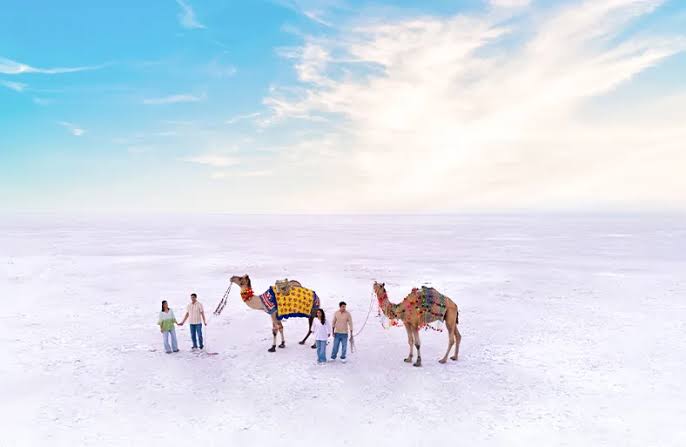
Kutch is one of the most fascinating regions of Gujarat, famous for its vast white salt desert, colorful handicrafts, traditional villages, wildlife, historic towns and unique landscapes. The region is best known for the spectacular Great Rann of Kutch, which becomes a breathtaking white expanse under the moonlight.
But Kutch is much more than the Rann. From Bhuj and Dholavira to Mandvi, Kalo Dungar and the Little Rann, the region offers a remarkable combination of desert, history, wildlife, crafts, architecture, food and vibrant local culture.
History
Kutch has a rich history dating back thousands of years.
The region was home to important settlements of the Indus Valley Civilization, with Dholavira being one of the most significant archaeological sites.
Kutch was later ruled by various local dynasties and became an important princely state under the Jadeja Rajputs.
Bhuj developed as the capital of the Kutch princely state and became an important center of administration, trade, art and craftsmanship.
Kutch has also experienced major natural disasters, particularly earthquakes, with the 2001 Gujarat earthquake having a significant impact on the region. The area subsequently underwent extensive reconstruction and development.
Geography
Kutch is the largest district in India by area and occupies a large portion of northwestern Gujarat.
Its geography is remarkably diverse and includes:
- Great Rann of Kutch
- Little Rann of Kutch
- Salt marshes
- Desert landscapes
- Arabian Sea coastline
- Beaches
- Grasslands
- Rocky hills
- Wetlands
- Seasonal rivers
The region's unique landscape changes dramatically with the seasons.
During the dry season, the Rann becomes a vast white salt desert, while the monsoon transforms parts of the landscape into seasonal wetlands and marshes.
Culture and Traditions
Kutch is famous for its rich and colorful cultural heritage.
The region is home to numerous communities, including Rabari, Ahir, Meghwal and other traditional communities, each with distinctive clothing, embroidery, music and crafts.
Kutch is particularly famous for:
- Traditional embroidery
- Bandhani
- Ajrakh printing
- Rogan art
- Pottery
- Leatherwork
- Bell-making
- Weaving
- Folk music
- Traditional dance
Village life and handicrafts remain an important part of Kutch's cultural identity.
The colorful clothing and intricate embroidery worn by local communities are particularly popular among photographers and culture enthusiasts.
Architecture
Kutch has a distinctive architectural tradition influenced by Gujarati, Rajput, Islamic and local community styles.
Traditional village homes known as Bhungas are among the region's most recognizable structures.
These circular houses are designed to withstand the area's climate and, traditionally, earthquakes.
Historic palaces and buildings in Bhuj and Mandvi demonstrate the region's royal heritage, while old temples and mosques reflect its diverse religious traditions.
Famous Places
Great Rann of Kutch
The Great Rann of Kutch is the region's most famous attraction.
This enormous salt marsh transforms into a brilliant white landscape during the dry season.
The Rann is particularly spectacular around sunset and full-moon nights, when the white salt surface creates an almost surreal landscape.
Rann Utsav
The Rann Utsav is Kutch's most famous cultural festival.
Held during the cooler months, it showcases the region's handicrafts, music, dance, food and traditional culture.
Visitors can experience the white desert while also enjoying cultural performances and local crafts.
Bhuj
Bhuj is the cultural and historical heart of Kutch.
The city is known for palaces, museums, temples, markets and traditional crafts.
It is also one of the main bases for exploring the surrounding Kutch region.
Aina Mahal
Aina Mahal in Bhuj is a historic palace known for its elaborate interiors, mirrors, decorative glasswork and European-influenced design.
It provides a glimpse into the royal lifestyle of the former Kutch rulers.
Prag Mahal
Prag Mahal is an impressive 19th-century palace in Bhuj featuring Gothic architectural influences.
Its clock tower and grand stone architecture make it one of the city's most recognizable landmarks.
Kutch Museum
The Kutch Museum is one of the oldest museums in Gujarat.
Its collections include archaeological objects, textiles, tribal artifacts, coins, sculptures and examples of Kutch's traditional culture.
Dholavira
Dholavira is one of the most important archaeological sites of the Indus Valley Civilization.
The ancient city is famous for its sophisticated urban planning, reservoirs, drainage systems and stone architecture.
Dholavira is a UNESCO World Heritage Site and one of the most important prehistoric sites in India.
Kalo Dungar
Kalo Dungar, or Black Hill, is the highest point in Kutch.
The hill provides spectacular views over the surrounding Rann and is a popular viewpoint, particularly around sunset.
Mandvi
Mandvi is a historic coastal town famous for its beach, traditional shipbuilding and royal heritage.
The town's relaxed coastal atmosphere makes it a popular destination within Kutch.
Mandvi Beach
Mandvi Beach is one of Kutch's most popular beaches.
Visitors can enjoy the coastline, sunset views and local food.
Vijay Vilas Palace
Located near Mandvi, Vijay Vilas Palace is a beautiful royal residence surrounded by landscaped grounds.
Its architecture combines traditional Rajput features with other Indian architectural influences.
Narayan Sarovar
Narayan Sarovar is an important Hindu pilgrimage destination located in western Kutch.
The temple complex is associated with the sacred Narayan Sarovar lake and attracts pilgrims throughout the year.
Koteshwar Temple
Located near Narayan Sarovar, Koteshwar Temple sits close to the Arabian Sea and offers beautiful coastal views.
Mata No Madh
Mata No Madh is an important pilgrimage site dedicated to Ashapura Mata, the patron deity of the former Kutch royal family.
Lakhpat
Lakhpat is a historic fortified town near the western edge of Kutch.
Once a prosperous trading center, the town now contains old fort walls, mosques, temples and historic ruins.
Kutch Desert Wildlife Sanctuary
The Kutch Desert Wildlife Sanctuary protects a unique desert ecosystem and supports several species adapted to the harsh landscape.
It is an excellent destination for wildlife and nature enthusiasts.
Famous Dishes
Kutchi Dabeli
Kutchi Dabeli is one of Kutch's most famous foods.
A spiced potato filling is placed inside a bun and topped with chutneys, peanuts, pomegranate and other ingredients.
Bajra Rotla
Bajra Rotla is a traditional millet-based flatbread commonly served with vegetables, garlic chutney, ghee or jaggery.
Khichdi-Kadhi
The combination of khichdi and kadhi is a simple and comforting Gujarati meal.
Gujarati Thali
A traditional Gujarati Thali includes rotli, vegetables, dal, kadhi, rice, farsan, pickles and sweets.
Kachumber and Chutneys
Fresh salads, spicy chutneys and pickles are commonly served with traditional Kutchi and Gujarati meals.
Fafda-Jalebi
Crispy fafda and sweet jalebi are popular Gujarati snacks, especially during festivals.
Thepla
Thepla is a popular Gujarati flatbread and a convenient food for travelers exploring the region.
Kutchi Traditional Food
Traditional Kutchi cuisine often uses millets, wheat, pulses, vegetables and locally available ingredients, reflecting the region's dry climate and agricultural traditions.
Famous Personalities
Maharao Khengarji III
Maharao Khengarji III was one of the most important rulers of the former Kutch State.
His reign saw significant development in infrastructure, education, administration and the modernization of Bhuj and the wider region.
Maharao Pragmalji II
Pragmalji II was another important ruler associated with Kutch's architectural heritage.
Prag Mahal in Bhuj was built during his reign.
Local Artisans
Kutch's traditional artisans are among the most important cultural figures of the region.
Generations of artisans have preserved embroidery, weaving, printing, pottery, leatherwork, metalwork and Rogan art, helping Kutch become internationally recognized for its handicrafts.
Festivals
Rann Utsav
The Rann Utsav is Kutch's most famous festival.
It brings together traditional music, folk dance, handicrafts, local food and cultural performances against the backdrop of the Great Rann.
Navratri
Navratri is celebrated with traditional Garba and Dandiya, colorful clothing and community gatherings.
Janmashtami
Temples across Kutch organize devotional celebrations for Lord Krishna.
Diwali
Diwali is celebrated with lights, decorations, prayers, sweets and family gatherings.
Holi
Holi is celebrated with colors, music and community festivities.
Shivratri
Mahashivratri is important at several temples across Kutch and is marked by prayers and religious gatherings.
Things to Do
Kutch offers an unusually wide variety of experiences:
- Visit the Great Rann of Kutch
- Watch the sunset over the salt desert
- Experience Rann Utsav
- Explore Bhuj
- Visit Aina Mahal
- Visit Prag Mahal
- Explore Kutch Museum
- Visit Dholavira
- Climb Kalo Dungar
- Explore Mandvi Beach
- Visit Vijay Vilas Palace
- Explore Lakhpat Fort
- Visit Narayan Sarovar
- Visit Koteshwar Temple
- Explore Kutch villages
- Shop for traditional handicrafts
- Experience local folk music
- Try Kutchi food
- Go bird watching
- Photograph traditional Bhungas
Where to Eat, Shop, and Stay
Where to Eat
Bhuj and Mandvi offer a variety of restaurants and local eateries.
Visitors should try:
- Kutchi Dabeli
- Gujarati Thali
- Bajra Rotla
- Thepla
- Fafda-Jalebi
- Traditional Kutchi preparations
During Rann Utsav, visitors can also experience regional food in traditional cultural settings.
Where to Shop
Kutch is one of Gujarat's best destinations for traditional handicrafts.
Look for:
- Kutchi embroidery
- Bandhani
- Ajrakh prints
- Rogan art
- Handwoven textiles
- Leather products
- Pottery
- Wooden crafts
- Metal bells
- Traditional jewelry
Village craft centers are often the best places to understand how these products are made.
Where to Stay
Accommodation ranges from budget hotels and guesthouses to heritage properties, resorts and traditional tented accommodation.
Bhuj is a convenient base for exploring much of Kutch, while the Rann Utsav area offers tented stays during the festival season.
Mandvi also has several accommodation options for travelers interested in combining the desert with a coastal experience.
What is Kutch Famous For?
Kutch is particularly famous for:
- Great Rann of Kutch
- Rann Utsav
- White salt desert
- Dholavira
- UNESCO World Heritage
- Kutchi handicrafts
- Embroidery
- Ajrakh printing
- Rogan art
- Bhuj
- Mandvi
- Kalo Dungar
- Traditional Bhungas
- Wildlife
- Desert landscapes
- Kutchi Dabeli
- Rich tribal and folk culture
Kutch's biggest strength is its combination of desert landscapes and living cultural traditions.
Best Time to Visit
October to February
Winter is the best time to visit Kutch.
The weather is pleasant and the Great Rann is generally accessible for tourism.
November to February
This is the most popular period because of Rann Utsav and the comfortable weather.
March to May
Summer becomes extremely hot, particularly in desert areas, making outdoor sightseeing more difficult.
Monsoon
Parts of the Rann are affected by seasonal water and marsh conditions during the monsoon, creating a very different landscape from the white desert seen in winter.
How to Reach
By Air
Bhuj Airport is the main airport serving the Kutch region.
By Train
Bhuj Railway Station provides rail connectivity with Ahmedabad and other cities.
By Road
Kutch is well connected by road with Ahmedabad, Rajkot, Morbi, Gandhidham and other parts of Gujarat.
Road travel is particularly useful because attractions are spread across a very large area.
Nearby Places
Gandhidham
Gandhidham is an important commercial city and gateway to the eastern part of Kutch.
Mundra
Mundra is known for its major port and coastal location.
Morbi
Morbi is famous for its royal architecture, historic bridges and ceramic industry.
Rajkot
Rajkot offers museums, Gandhi-related heritage, shopping and Kathiawadi cuisine.
Little Rann of Kutch
The Little Rann is famous for its wild ass sanctuary, salt flats and unique desert ecosystem.
Best Duration for a Trip
2 Days
Two days can cover Bhuj and the Great Rann with a few nearby attractions.
3 Days
Three days allow visitors to include Bhuj, Rann, Kalo Dungar and Mandvi.
4–5 Days
Four to five days are ideal for exploring Kutch more thoroughly, including Dholavira, Lakhpat, Narayan Sarovar, Mandvi and traditional craft villages.
Travel Tips
- Winter is the best season for visiting Kutch.
- Carry warm clothes for winter nights in the desert.
- Carry sunscreen, sunglasses and sufficient water.
- Distances between attractions can be considerable, so plan your route carefully.
- Book accommodation early during Rann Utsav.
- Purchase handicrafts directly from artisans whenever possible.
- Ask permission before photographing local people.
- Respect tribal traditions and village customs.
- Carry cash when visiting remote villages.
- Check permit and access requirements for restricted border areas.
- Avoid venturing into unfamiliar desert areas without local guidance.
- Keep the Rann and surrounding natural areas clean.
Why Visit Kutch?
Kutch is one of India's most distinctive travel destinations because its landscape and culture are unlike almost anywhere else in the country.
The endless white salt desert, colorful traditional clothing, handmade crafts, ancient archaeological sites and peaceful coastal towns create an extraordinary travel experience.
It is ideal for photographers, families, culture lovers, history enthusiasts, nature lovers, road-trip travelers and anyone looking for an unforgettable Gujarat experience.
Conclusion
Kutch is a destination where desert, sea, history, wildlife and culture come together.
From the brilliant white landscape of the Great Rann and the ancient ruins of Dholavira to the royal heritage of Bhuj and Mandvi and the colorful handicrafts of traditional villages, every part of Kutch offers something different.
A trip to Kutch is not simply about visiting the Rann. It is about experiencing a unique way of life shaped by desert landscapes, centuries-old traditions, skilled artisans and the diverse communities of Gujarat.
For anyone exploring Gujarat, Kutch deserves several days on the itinerary and offers some of the most memorable travel experiences in the state.
"Travel is the only thing you buy that makes you richer."