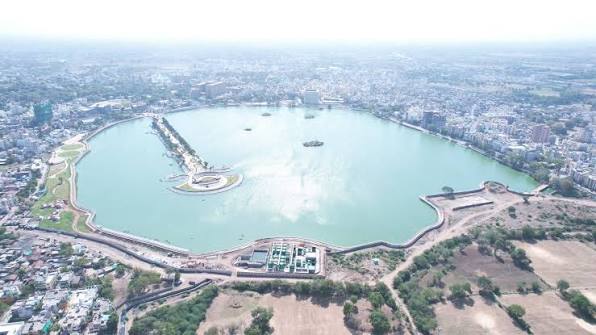
Dahod Tourism: Gujarat’s Eastern Gateway of Tribal Heritage, History and Nature
Dahod is a culturally rich destination in eastern Gujarat, known for its tribal heritage, historic associations, temples, lakes and scenic surroundings. Located close to the Madhya Pradesh and Rajasthan borders, the district offers a fascinating blend of Gujarati and tribal traditions. From the historic Dahod Fort and sacred temples to the forests and waterfalls around Jhalod and Limkheda, Dahod is an offbeat destination for travellers looking beyond Gujarat’s better-known tourist circuits.
History
Dahod has a long and varied history shaped by different dynasties and communities. The region was historically associated with the Mughal Empire, and local tradition connects the town with Emperor Aurangzeb, who is believed to have been born here.
The name Dahod is traditionally linked with the two rivers, Dah and Dod, that meet in the area. Over time, the region became an important settlement and administrative centre in eastern Gujarat.
Dahod also has a strong connection with Gujarat's tribal history. A significant part of the district's population belongs to tribal communities, whose customs, festivals and traditional lifestyles continue to influence the region's cultural identity.
Geography
Dahod lies in the eastern part of Gujarat, bordering both Madhya Pradesh and Rajasthan. The district has a varied landscape of plains, low hills, forests, agricultural land and seasonal streams.
Its location at the intersection of three states gives Dahod a distinctive cultural character, with influences from Gujarati, Bhili and neighbouring regional traditions.
Culture and Traditions
Dahod has a strong tribal cultural identity, particularly among Bhil and related communities. Traditional music, folk dances, colourful clothing, local crafts and community festivals form an important part of life in the district.
Gujarati customs are also deeply rooted in the region. Festivals such as Holi, Navratri and Diwali are celebrated alongside local tribal traditions, creating a culturally diverse atmosphere.
Architecture
Dahod's architectural heritage includes historic forts, temples and traditional structures.
Dahod Fort represents the area's historical past, while temples throughout the district reflect the religious traditions of eastern Gujarat. In rural areas, traditional homes and village structures provide glimpses into the region's longstanding tribal and agricultural lifestyle.
Famous Places
Dahod Fort
Dahod Fort is an important historic landmark in the town. Its association with the region's medieval and Mughal-era history makes it an interesting stop for visitors exploring Dahod's past.
Ratanmahal Sloth Bear Sanctuary
Located in the forested Ratanmahal hills, this protected area is known for its population of sloth bears and rich forest ecosystem. It is one of the most distinctive wildlife attractions in eastern Gujarat.
Deo Dam
Deo Dam and its surrounding landscape provide a peaceful setting for enjoying nature and the countryside. The area is particularly attractive during and after the monsoon.
Limdi
Limdi is an important town in the district and serves as a gateway to surrounding rural and natural attractions.
Jhalod
Jhalod is a culturally significant town near the Madhya Pradesh border, surrounded by agricultural landscapes and rural settlements.
Maa Kali Temple
Several temples dedicated to local forms of the Goddess are important pilgrimage sites in Dahod, reflecting the strong religious traditions of the district and surrounding tribal communities.
Tribal Villages
The villages of Dahod provide an opportunity to experience local traditions, traditional lifestyles, agriculture and community culture. Visitors should explore respectfully and seek permission before photographing residents.
Famous Dishes
Dal Dhokli
A comforting Gujarati dish made with wheat-flour pieces cooked in a spiced lentil preparation.
Sev Tameta
A popular Gujarati preparation combining tomato-based gravy with crunchy sev.
Bhajiya
Crispy gram-flour fritters are a common snack, particularly enjoyable with tea during the monsoon.
Rotla and Shaak
Millet-based rotla served with seasonal vegetables reflects the hearty food traditions of rural Gujarat.
Gujarati Thali
A traditional Gujarati thali provides a selection of dal, kadhi, vegetables, rotli, rice, farsan and sweets.
Famous Personalities
Aurangzeb
Dahod is traditionally associated with Aurangzeb, the sixth Mughal emperor, who is widely believed to have been born in the town. This association gives Dahod a distinctive place in Mughal-era history.
Tribal Leaders and Folk Figures
The district's cultural history has been shaped by numerous tribal leaders, community elders and folk figures whose traditions continue through local festivals, oral histories and community practices.
Festivals
Holi
Holi is celebrated with particular enthusiasm in tribal communities across Dahod. Music, dancing and community gatherings form an important part of the celebrations.
Bhagoria
The Bhagoria festival is associated with tribal communities in the wider western Madhya Pradesh–eastern Gujarat region. Traditional music, dance and colourful gatherings make it an interesting cultural experience.
Navratri
Navratri brings garba, devotional music and community celebrations to towns and villages throughout the district.
Diwali
Diwali is celebrated with traditional rituals, lamps, sweets and family gatherings, alongside local community customs.
Things to Do
- Explore the historic Dahod Fort.
- Visit Ratanmahal Sloth Bear Sanctuary.
- Enjoy the natural surroundings around Deo Dam.
- Explore Dahod's temples and local religious sites.
- Discover the district's tribal culture and traditions.
- Visit local markets for regional snacks and everyday handicrafts.
- Explore villages and rural landscapes respectfully.
- Enjoy a road trip through eastern Gujarat during the monsoon.
- Combine Dahod with nearby destinations in Gujarat, Rajasthan and Madhya Pradesh.
Where to Eat, Shop, and Stay
Where to Eat
Dahod town has restaurants and local eateries serving Gujarati, North Indian and everyday vegetarian food. Traditional snacks such as bhajiya, fafda and other Gujarati favourites can be found in local markets.
Where to Shop
Local markets are useful for purchasing traditional clothing, household products, snacks and regionally made goods. Visitors interested in tribal crafts should look for authentic locally produced items rather than mass-produced souvenirs.
Where to Stay
Dahod town provides the widest selection of hotels and basic accommodation. For wildlife-focused trips, it is advisable to plan accommodation and transportation in advance, particularly during the cooler travel season.
What is it Famous For?
- Tribal culture
- Ratanmahal Sloth Bear Sanctuary
- Dahod Fort
- Aurangzeb's historical association
- Eastern Gujarat's forest landscapes
- Bhagoria and tribal traditions
- Temples and religious heritage
- Proximity to Madhya Pradesh and Rajasthan
Best Time to Visit
The best time to visit Dahod is October to February, when temperatures are more comfortable for sightseeing and wildlife excursions.
The monsoon season can also be rewarding for travellers interested in greenery, countryside landscapes and seasonal streams, although outdoor plans should account for rain and road conditions.
For wildlife experiences at Ratanmahal, the cooler months are generally more comfortable for exploration.
How to Reach
By Air
The nearest major airport is Vadodara Airport, while Ahmedabad also provides extensive domestic and international connectivity. From either city, Dahod can be reached by road or rail.
By Train
Dahod has an important railway station on the Delhi–Mumbai railway route, giving it strong rail connectivity with major cities in Gujarat and other parts of India.
By Road
Dahod is well connected by road with Vadodara, Godhra, Ahmedabad and neighbouring parts of Madhya Pradesh and Rajasthan. State and private buses are available, while road travel is convenient for exploring attractions outside the town.
Nearby Places
Godhra
A major town in central Gujarat with access to several religious and historical destinations in the surrounding region.
Champaner-Pavagadh
The UNESCO World Heritage Site of Champaner-Pavagadh is a worthwhile excursion for travellers interested in forts, temples, mosques and medieval architecture.
Jhalod
Located close to the Madhya Pradesh border, Jhalod offers a glimpse into the rural and tribal character of eastern Gujarat.
Ratanmahal
The forested Ratanmahal hills are especially attractive to wildlife and nature enthusiasts.
Vadodara
Vadodara offers palaces, museums, art, heritage architecture and a much larger choice of accommodation and dining.
Best Duration for a Trip
A 1–2 day trip is enough to explore the main attractions of Dahod.
One day can cover Dahod town and nearby historical or religious sites, while two days allow more time for Ratanmahal Sloth Bear Sanctuary, nature experiences and exploration of the surrounding countryside.
Travel Tips
- Plan wildlife visits according to sanctuary rules and permitted timings.
- Wear comfortable footwear for forest and outdoor excursions.
- Carry water when travelling outside Dahod town.
- Respect tribal customs, villages and religious traditions.
- Always ask permission before photographing local people.
- Avoid entering forests or restricted areas without authorization.
- Carry cash when travelling to remote rural areas.
- During monsoon, check road conditions before visiting waterfalls or forest areas.
- Book accommodation early during peak travel periods.
- Keep the destination clean and avoid disturbing wildlife.
Why Visit Dahod?
Dahod is ideal for travellers who want to discover eastern Gujarat beyond the usual tourist circuit. Its tribal traditions give the district a distinctive cultural identity, while Ratanmahal's forests add a strong wildlife dimension.
Its historical association with the Mughal period, proximity to two neighbouring states and combination of rural landscapes, temples and forests make Dahod particularly interesting for travellers who enjoy offbeat destinations.
Conclusion
Dahod offers a different perspective on Gujarat—one shaped by tribal heritage, forest landscapes, historical connections and rural traditions. From the historic Dahod Fort and the legacy associated with Aurangzeb to the wildlife of Ratanmahal and the cultural richness of its tribal communities, the district rewards travellers willing to explore beyond the state's most famous destinations.
For a more unusual Gujarat itinerary, Dahod can be combined with Champaner-Pavagadh, Vadodara and neighbouring Madhya Pradesh to create a fascinating journey through history, culture and nature.
"Travel is the only thing you buy that makes you richer."