Explore Gujarat
Discover Gujarat
Cities of Gujarat
Ahmedabad
Amreli district
Anand
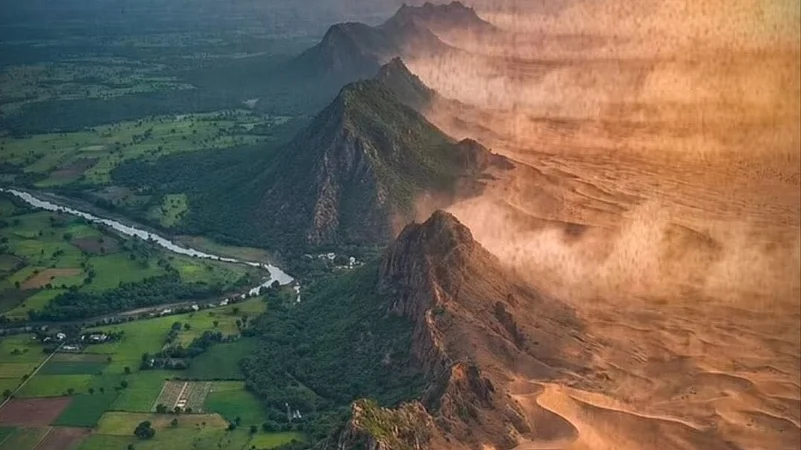
Aravalli
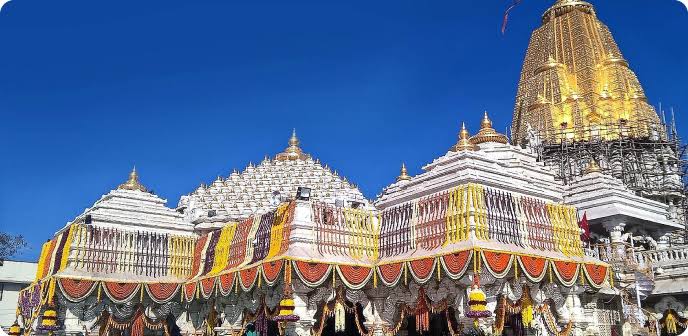
Banaskantha
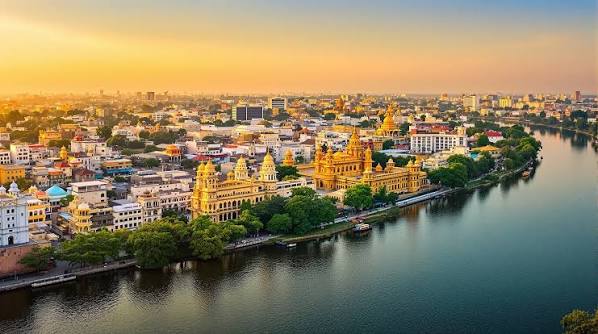
Bharuch
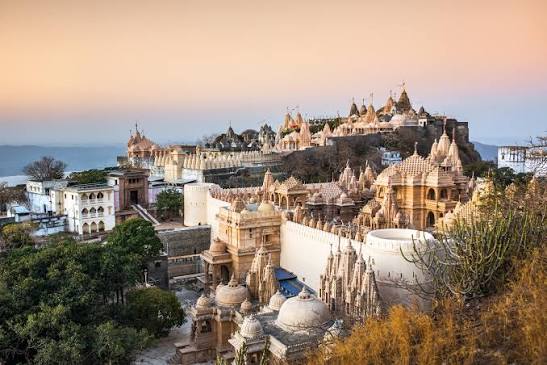
Bhavnagar
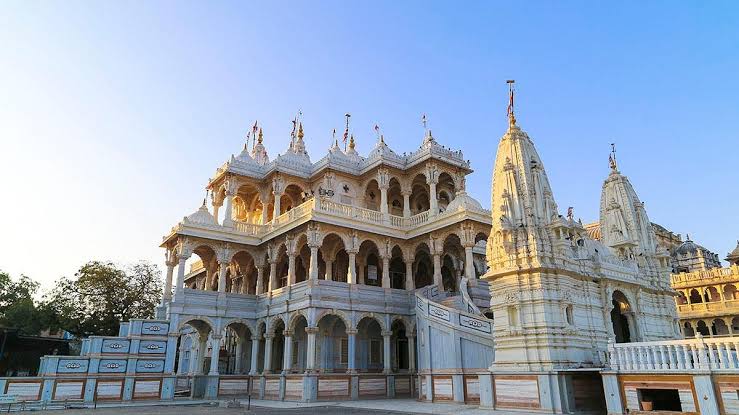
Botad
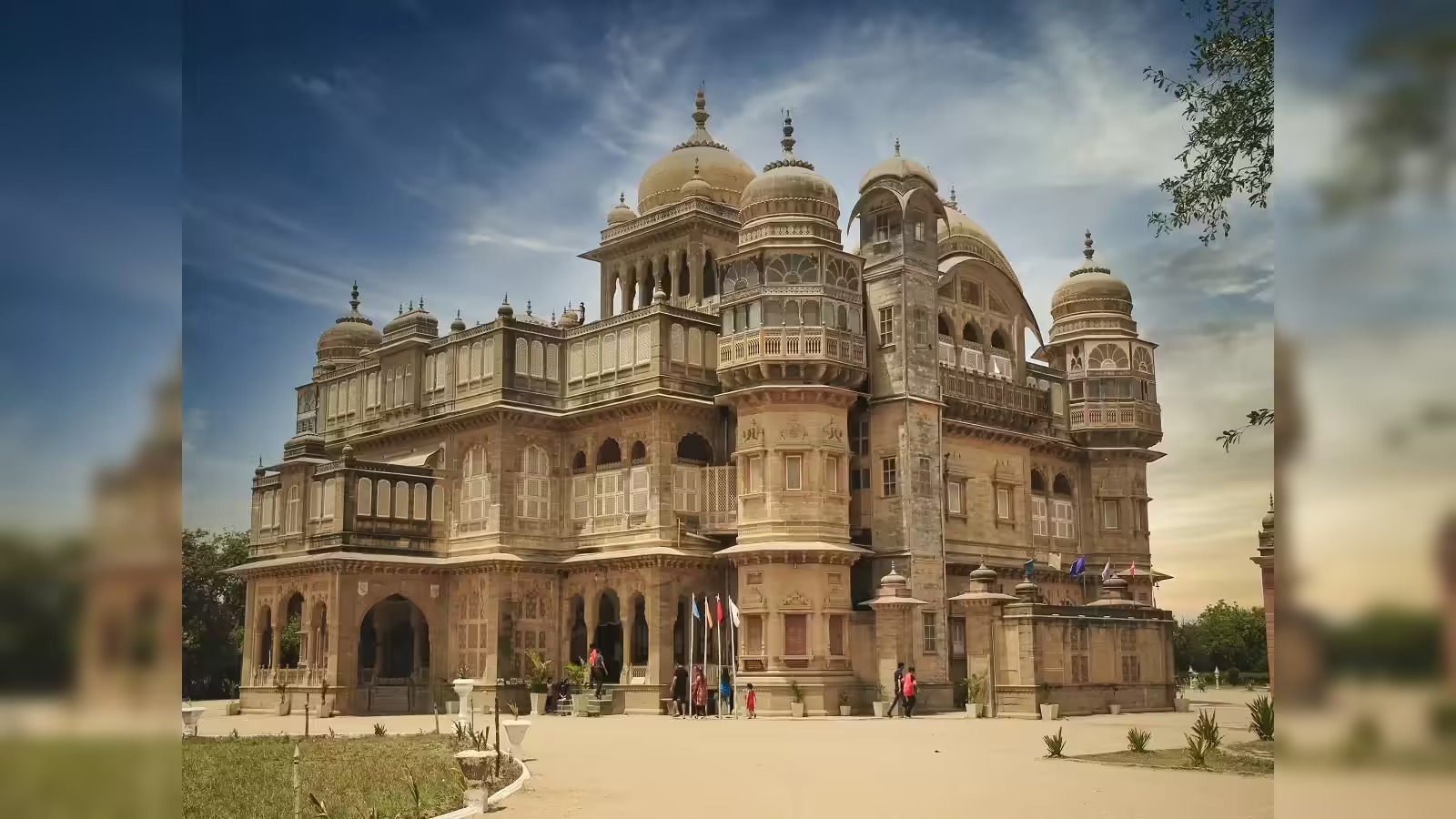
Chhota Udaipur
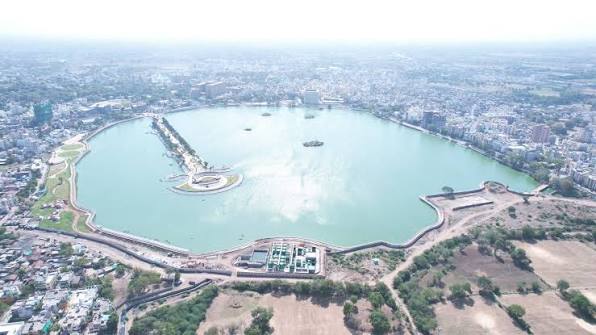
Dahod
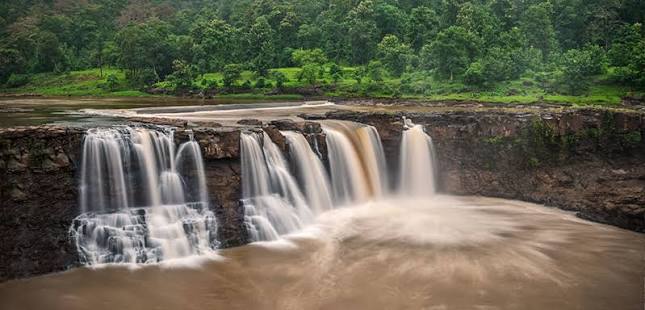
Dang
Devbhoomi Dwarka
Gandhinagar
Gir Somnath
Jamnagar
Junagadh
Kheda
Kutch
Mahisagar
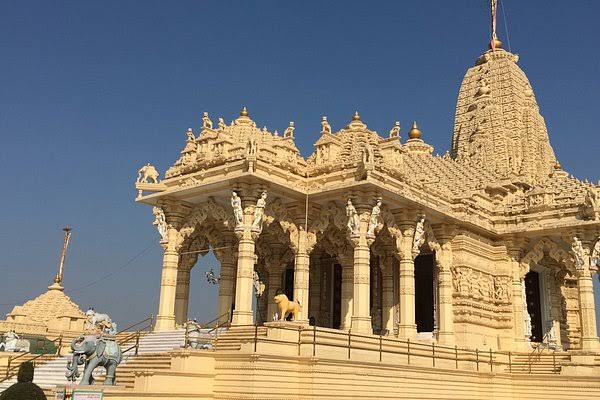
Mehsana
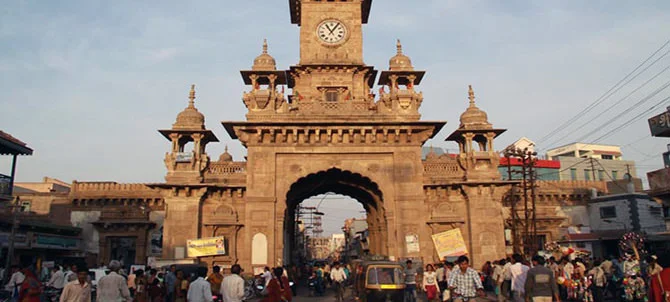
Morbi
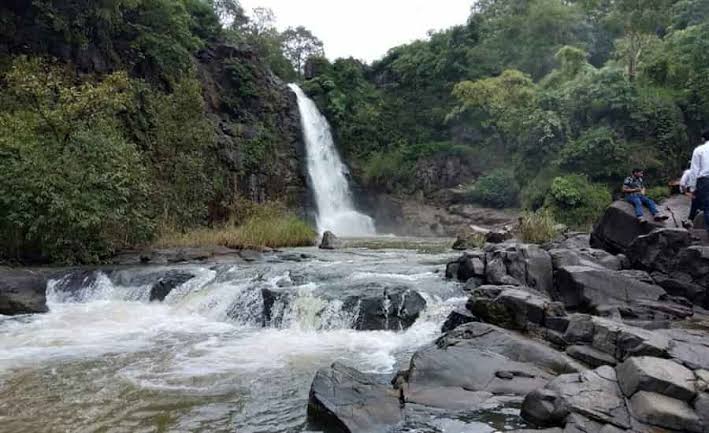
Narmada
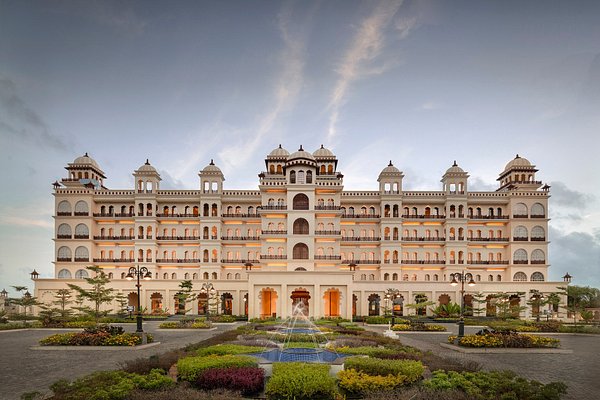
Navsari
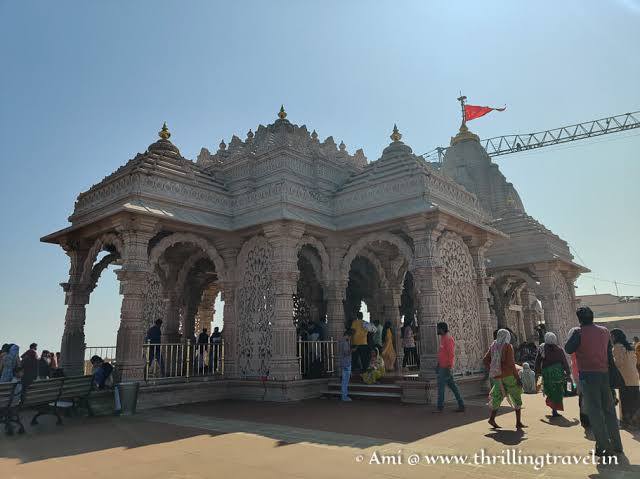
Panchmahal
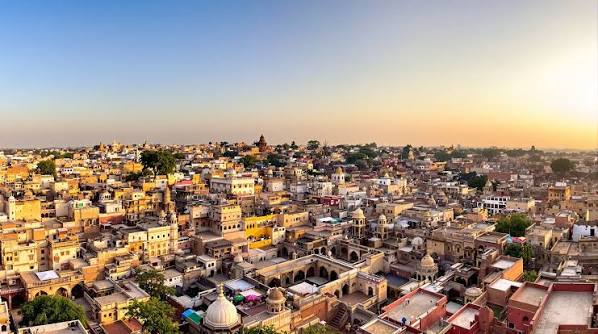
Patan
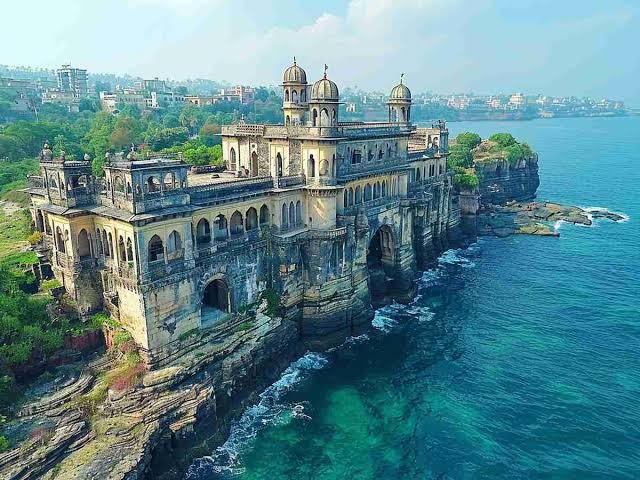
Porbandar
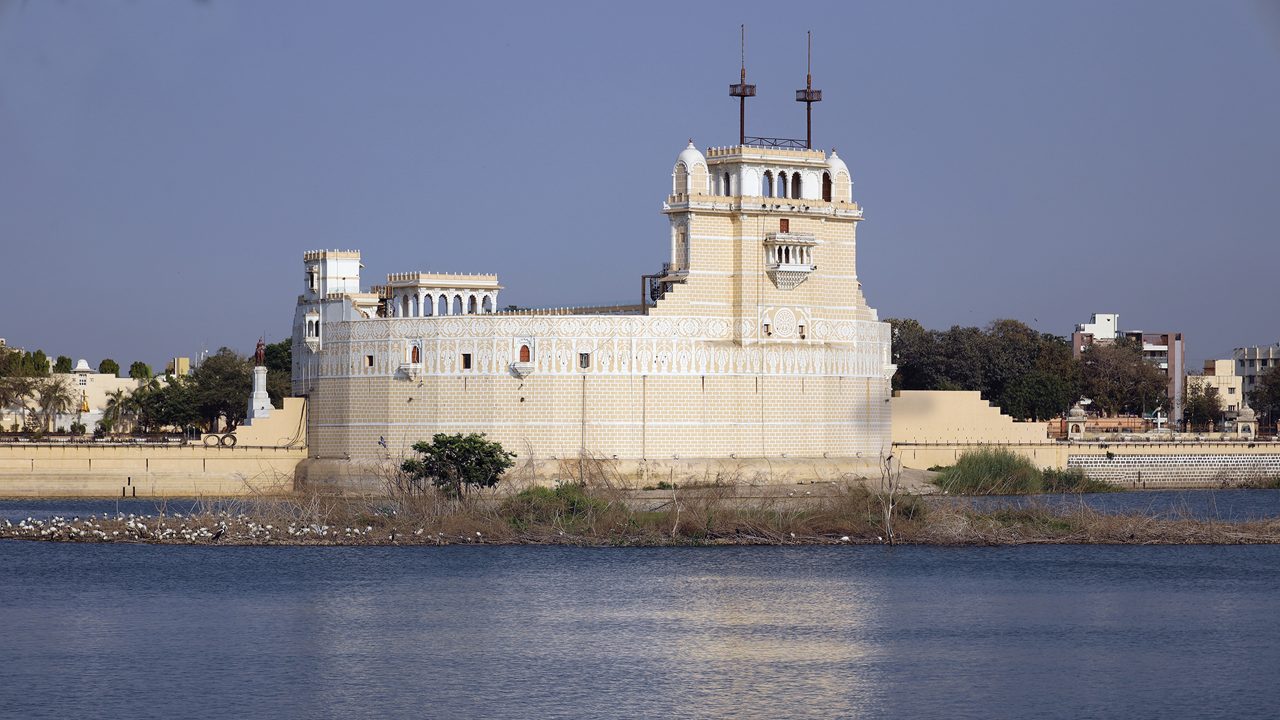
Rajkot
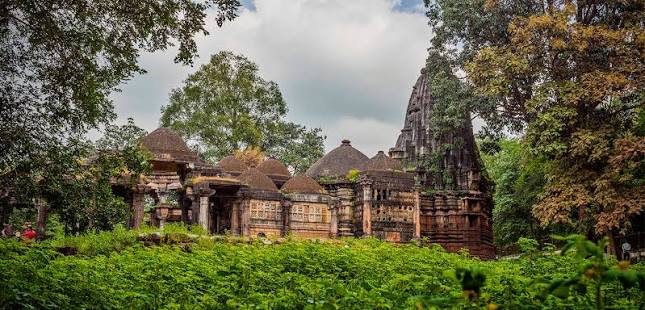
Sabarkantha
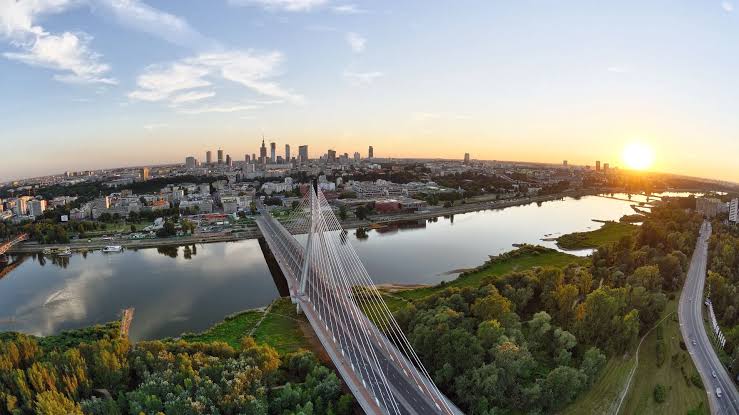
Surat
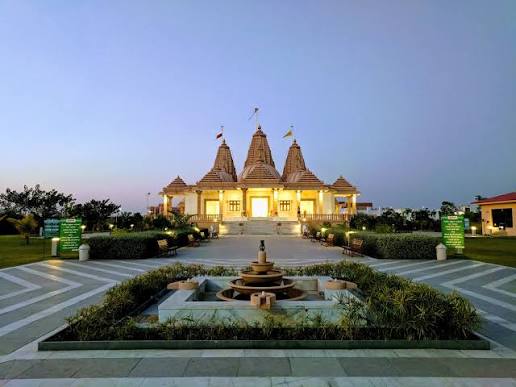
Surendranagar
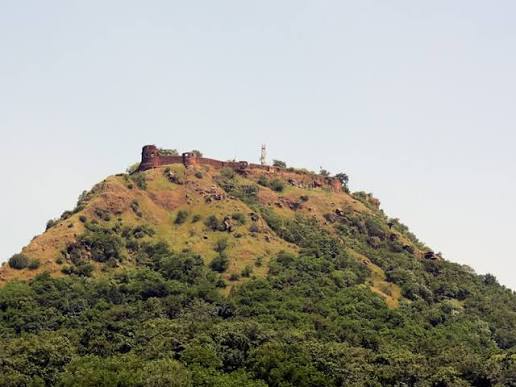
Tapi
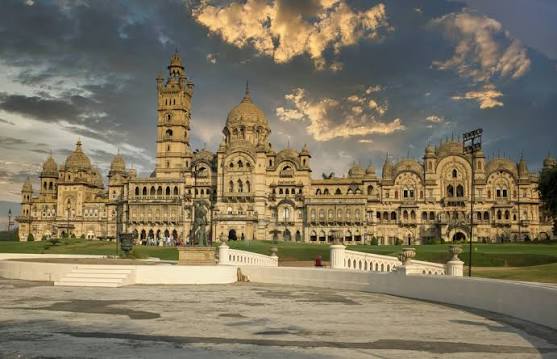
Vadodara
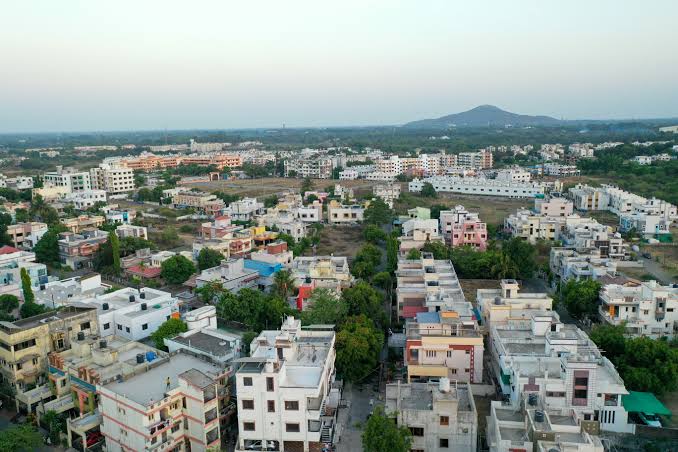
Valsad
About Gujarat
Gujarat is one of India's most diverse and culturally significant states, situated on the western coast of the country along the Arabian Sea. The state is known for its long coastline, ancient archaeological sites, historic cities, pilgrimage centres, wildlife sanctuaries, colourful handicrafts, traditional cuisine and vibrant festivals.
Gujarat combines dramatically different landscapes. Visitors can experience the vast white salt plains of the Great Rann of Kutch, the dry grasslands of the Little Rann, dense forests of southern Gujarat, the hills of Saputara, the beaches of Saurashtra and the Gulf of Khambhat and Gulf of Kutch.
The state is also strongly associated with Mahatma Gandhi, who was born at Porbandar and spent important years of his life in Gujarat. Sabarmati Ashram in Ahmedabad remains one of the most important places connected with India's freedom movement.
According to Gujarat Tourism's state profile, Gujarat covers approximately 196,024 square kilometres, has Gandhinagar as its capital and Gujarati as its principal language.
Gujarat at a Glance
- State: Gujarat
- Capital: Gandhinagar
- Largest city: Ahmedabad
- Principal language: Gujarati
- Other commonly used languages: Hindi, English and other Indian languages
- Area: Approximately 196,024 sq. km
- Coastline: Approximately 1,600–1,660 km
- Time Zone: Indian Standard Time (IST), UTC+5:30
- Currency: Indian Rupee (₹)
- Location: Western India
- Neighbouring states: Rajasthan, Madhya Pradesh and Maharashtra
- International maritime boundary: Arabian Sea
- Major regions: Kutch, Saurashtra, North Gujarat, Central Gujarat and South Gujarat
Gujarat Tourism lists the state's major ecological zones as including deserts, scrublands, deciduous forests, wetlands, mangroves, coral reefs and estuaries.
History of Gujarat
Gujarat has a history stretching back thousands of years and played an important role in the development of urban civilization, maritime trade, religion and political power in western India.
The region was an important part of the Indus Valley/Harappan Civilization. Sites such as Dholavira and Lothal provide evidence of sophisticated urban planning, water management, craft production and long-distance trade.
Dholavira, located in the Kutch region, was occupied approximately between 3000 and 1500 BCE. Its sophisticated reservoirs, fortified settlement, streets, buildings and archaeological remains demonstrate the advanced urban capabilities of the Harappan civilization.
Over subsequent centuries, Gujarat was influenced by several major dynasties and cultural traditions, including the Mauryas, Western Kshatrapas, Maitrakas, Chalukyas/Solankis, Vaghelas, Gujarat Sultanate, Mughals, Marathas and the British.
The Solanki period produced some of Gujarat's finest architectural achievements, including elaborate temples and stepwells.
The Gujarat Sultanate contributed greatly to the development of Indo-Islamic architecture, particularly around Ahmedabad and Champaner.
Gujarat and the Indian Freedom Movement
Gujarat occupies a special place in India's independence movement.
The state is closely associated with Mahatma Gandhi, who was born in Porbandar and established the Sabarmati Ashram in Ahmedabad.
The Sabarmati Ashram became an important centre of India's freedom struggle. Gandhi's famous Dandi March, also known as the Salt March, began from Sabarmati Ashram in 1930 and ended at Dandi on Gujarat's coast.
Gujarat Tourism also promotes a dedicated Gandhi Tourism Circuit, connecting important places associated with Gandhi's life and work.
Other important freedom-struggle personalities connected with Gujarat include Sardar Vallabhbhai Patel, whose birthplace and memorial sites form an important part of Gujarat's heritage landscape.
Formation of Gujarat
Modern Gujarat was formed on 1 May 1960 after the Bombay State was divided on linguistic lines into Gujarat and Maharashtra.
The day is celebrated every year as Gujarat Day.
Gandhinagar serves as the administrative capital, while Ahmedabad remains the state's major commercial, cultural and economic centre.
Geography of Gujarat
Gujarat has exceptionally varied geography.
The state includes:
- Great Rann of Kutch
- Little Rann of Kutch
- Kutch desert and grasslands
- Saurashtra Peninsula
- Arabian Sea coastline
- Gulf of Kutch
- Gulf of Khambhat
- Gir forests
- Southern Gujarat's forested hills
- Saputara hills
- Wetlands and mangroves
- Rivers, estuaries and coastal ecosystems
The state's geography is one of the major reasons it supports such a wide range of tourism experiences.
Coastline and Marine Landscape
Gujarat has one of India's longest coastlines, stretching for roughly 1,600 kilometres or more depending on measurement methodology.
The coast contains:
- Beaches
- Fishing villages
- Ports
- Mangrove ecosystems
- Coral reefs
- Marine wildlife
- Historic coastal towns
- Pilgrimage centres
- Salt-producing areas
Important coastal destinations include Dwarka, Somnath, Mandvi, Shivrajpur, Diu-facing coastal areas, Porbandar, Veraval, Okha, Jamnagar and Bhavnagar.
Climate of Gujarat
Gujarat experiences a predominantly tropical and semi-arid climate, although conditions vary significantly from region to region.
Summer
Summer generally lasts from March to May.
Temperatures can become very high, particularly in Kutch, North Gujarat and inland areas.
Monsoon
The southwest monsoon generally arrives around June and continues through September or October.
Southern Gujarat receives considerably more rainfall than the dry northwestern parts of the state.
Winter
November to February is generally the most comfortable period for tourism.
Gujarat Tourism identifies November to February as the principal tourism season.
Best Time to Visit Gujarat
October to February
This is generally the best period for exploring Gujarat.
The weather is more comfortable for:
- Heritage sightseeing
- Wildlife safaris
- Road trips
- Desert experiences
- Temple visits
- Beach visits
- City tours
November to February
This period is especially attractive for visiting the Rann of Kutch and experiencing the Rann Utsav season.
March to May
The weather can become hot, but this period can be useful for wildlife tourism, particularly when planning visits around suitable safari periods.
June to September
The monsoon transforms parts of southern Gujarat and Saputara into lush landscapes. Saputara is particularly popular during the monsoon season.
Major Tourist Destinations in Gujarat
Ahmedabad
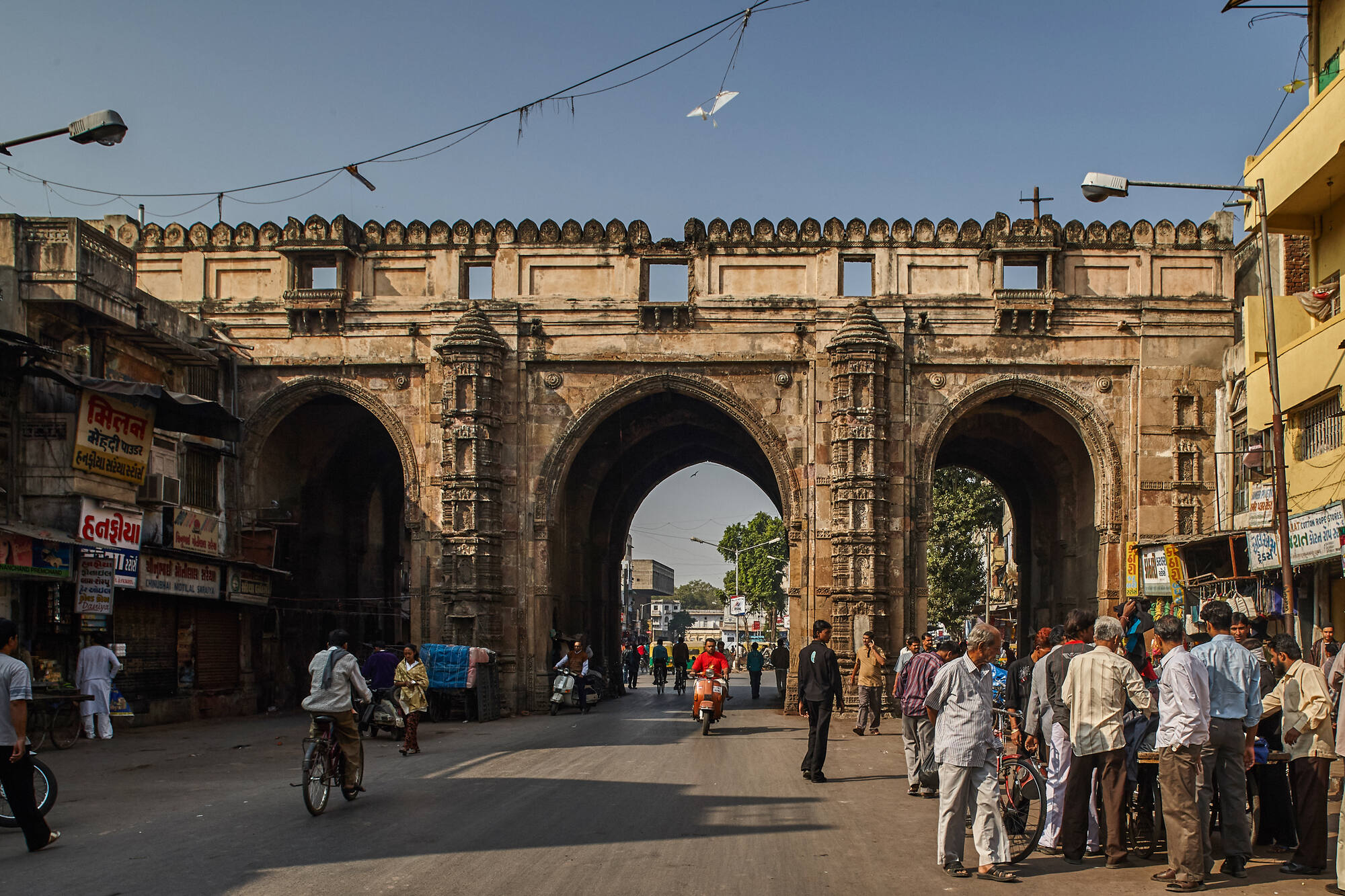
Ahmedabad is Gujarat's largest city and one of its most important cultural, commercial and historical centres.
Major attractions include:
- Sabarmati Ashram
- Adalaj Stepwell
- Sidi Saiyyed Mosque
- Bhadra Fort
- Teen Darwaza
- Kankaria Lake
- Calico Museum of Textiles
- Old City heritage precincts
- Sabarmati Riverfront
- Heritage Walk
Ahmedabad's historic city was inscribed as a UNESCO World Heritage City in 2017.
Gandhinagar
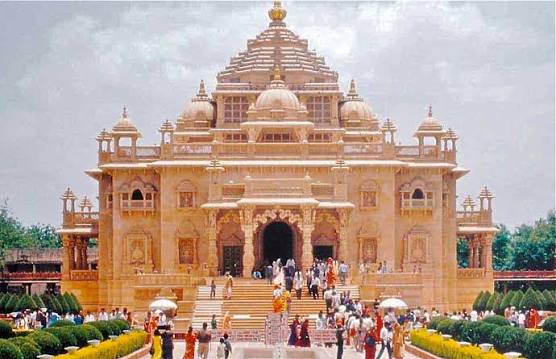
Gandhinagar is the capital of Gujarat and is known for its planned urban layout, gardens, government buildings and cultural attractions.
Important attractions include:
- Akshardham Temple
- Adalaj Ni Vav
- Indroda Nature Park
- Mahatma Mandir
- Dandi Kutir
- Sarita Udyan
Statue of Unity
The Statue of Unity near Kevadia in Narmada district is one of Gujarat's most prominent modern attractions.
The monumental statue commemorates Sardar Vallabhbhai Patel and has become the centrepiece of a large tourism region containing museums, viewing areas, gardens, valley attractions, riverfront experiences and other visitor facilities.
Rann of Kutch
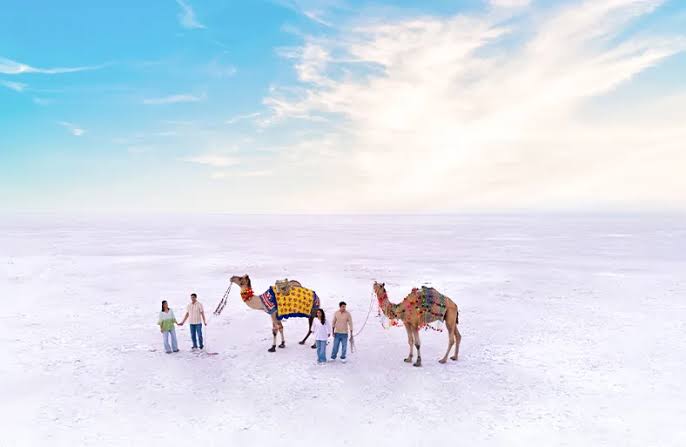
The Great Rann of Kutch is one of Gujarat's most spectacular natural landscapes.
The vast white salt desert creates an extraordinary landscape, especially around sunrise, sunset and full-moon nights.
The region is famous for:
- Rann Utsav
- White desert
- Cultural villages
- Traditional crafts
- Photography
- Desert landscapes
- Folk music and dance
- Kutch embroidery
Bhuj
Bhuj is an important cultural gateway to Kutch.
Popular attractions include:
- Aina Mahal
- Prag Mahal
- Kutch Museum
- Hamirsar Lake
- Bhujodi craft village
- Nearby traditional villages
- Smritivan Earthquake Memorial
Dholavira
Dholavira is one of Gujarat's most important archaeological destinations.
The ancient Harappan city contains sophisticated urban infrastructure and water-management systems.
UNESCO describes Dholavira as one of the best-preserved urban settlements of the Harappan period in South Asia.
Dwarka
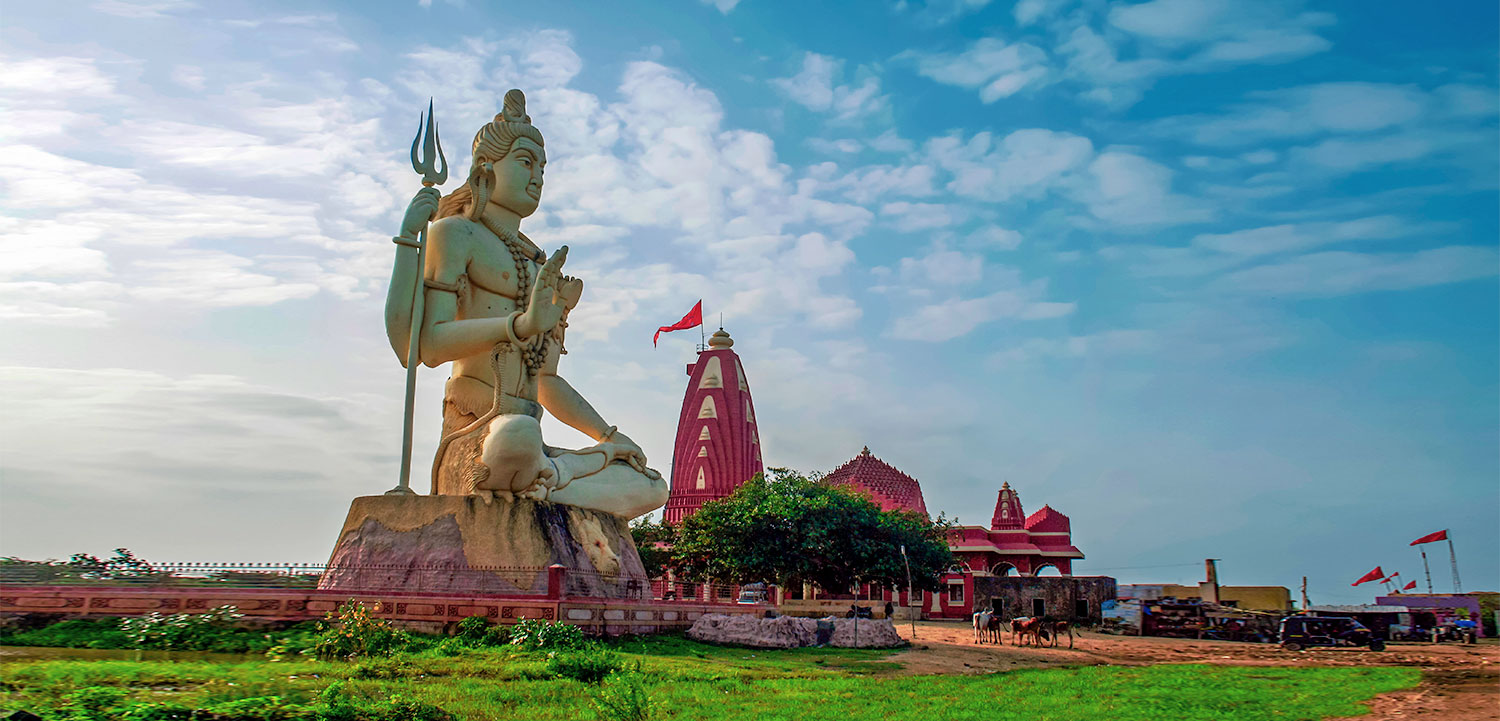
Dwarka is one of India's most important Hindu pilgrimage destinations and is traditionally associated with Lord Krishna.
Important attractions include:
- Dwarkadhish Temple
- Gomti Ghat
- Rukmini Devi Temple
- Bet Dwarka
- Nageshwar Jyotirlinga
- Shivrajpur Beach
Dwarka forms part of Gujarat's major pilgrimage tourism circuit.
Somnath
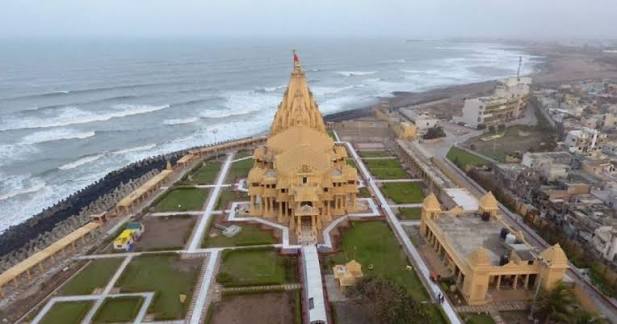
Somnath is famous for the Somnath Temple, one of the most revered Shiva temples in India and traditionally counted among the twelve Jyotirlingas.
Other attractions include:
- Somnath Temple
- Somnath Beach
- Triveni Sangam
- Bhalka Tirth
- Prabhas Patan
- Surya Temple
Gir National Park
Gir is internationally famous as the principal wild habitat of the Asiatic lion.
The Gir landscape supports lions along with numerous other species and is one of India's most important wildlife tourism destinations.
Gujarat Tourism identifies Gir as the habitat of the Asiatic lion and highlights wildlife tourism as one of the state's major experiences.
Girnar
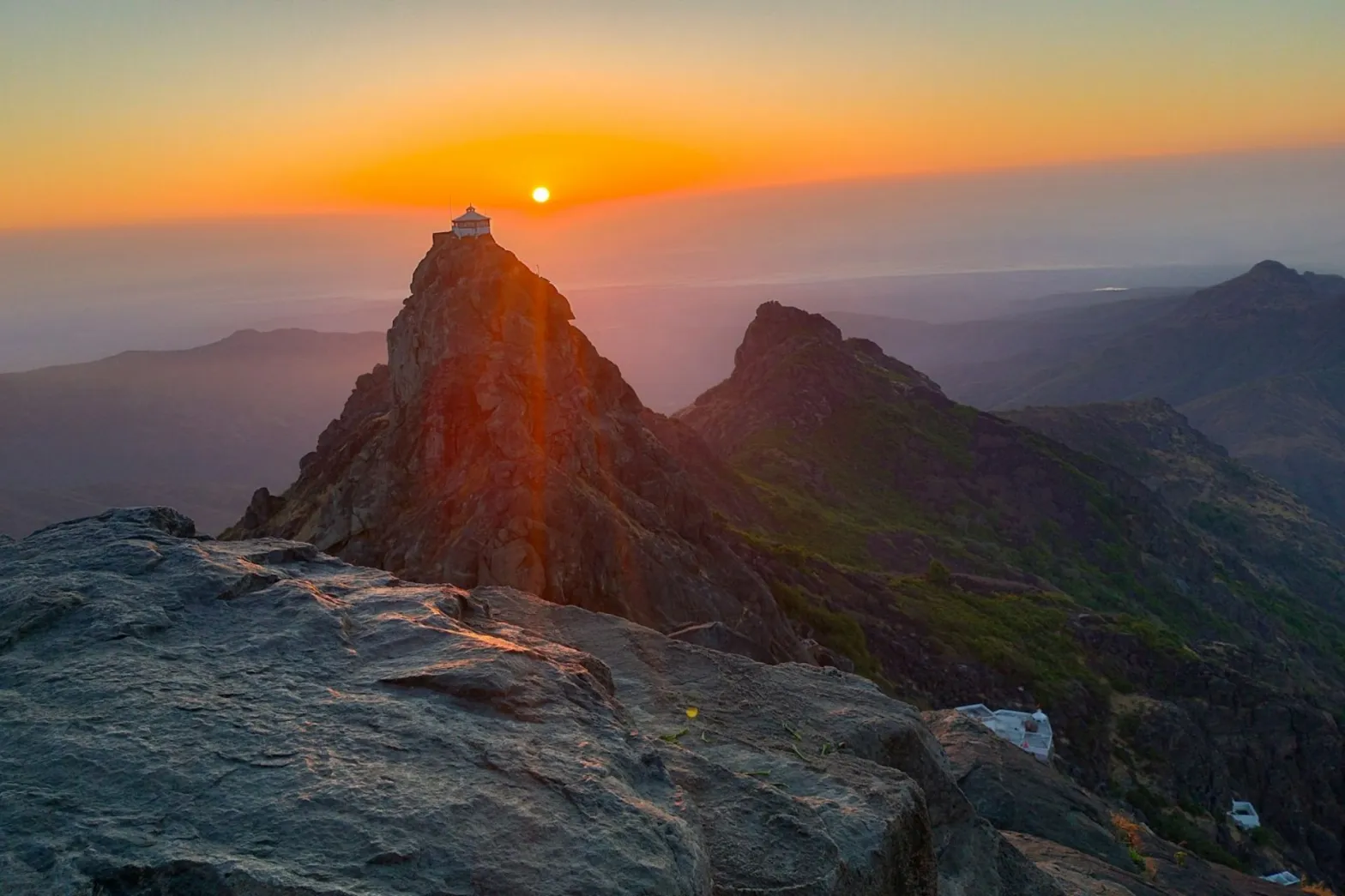
Girnar near Junagadh is an important pilgrimage and trekking destination.
The mountain complex is significant to both Hindu and Jain traditions.
Visitors can experience:
- Ancient temples
- Jain shrines
- Mountain trails
- Scenic viewpoints
- Ropeway access
- Religious heritage
Junagadh
Junagadh is a historic city situated near the Girnar hills.
Important attractions include:
- Uparkot Fort
- Mahabat Maqbara
- Girnar
- Ashokan Rock Edicts
- Buddhist caves
- Darbar Hall Museum
Modhera
Modhera is famous for the spectacular Sun Temple, constructed during the Solanki period.
The temple complex is particularly known for its architectural design, sculptures and the Surya Kund.
Patan
Patan is one of Gujarat's major heritage destinations.
It is famous for:
- Rani Ki Vav
- Patola weaving
- Sahastralinga Talav
- Historic architecture
Rani Ki Vav
Rani Ki Vav is one of India's finest stepwells and a UNESCO World Heritage Site.
Built in the 11th century, the stepwell contains seven levels of stairs and hundreds of sculptural representations. UNESCO describes it as an exceptional example of subterranean water architecture.
Champaner-Pavagadh
Champaner-Pavagadh Archaeological Park is another UNESCO World Heritage Site.
The area combines archaeological remains, fortifications, temples, mosques, palaces, water systems and a living religious landscape.
The UNESCO site includes remains ranging from prehistoric periods through medieval Gujarat and the former capital associated with Sultan Mahmud Begada.
Vadodara
Vadodara is widely regarded as one of Gujarat's major cultural centres.
Major attractions include:
- Laxmi Vilas Palace
- Sayaji Garden
- Baroda Museum
- Kirti Mandir
- EME Temple
- Maharaja Fateh Singh Museum
- Champaner-Pavagadh nearby
Surat
Surat is one of Gujarat's major commercial cities.
It is famous for:
- Diamond industry
- Textile industry
- Traditional food
- Historic sites
- Riverfront
- Beaches and coastal attractions nearby
Rajkot
Rajkot is an important city in the Saurashtra region and is associated with Mahatma Gandhi's early life.
Important attractions include:
- Kaba Gandhi No Delo
- Gandhi Museum
- Watson Museum
- Rotary Midtown Dolls Museum
Porbandar
Porbandar is famous as the birthplace of Mahatma Gandhi.
Major attractions include:
- Kirti Mandir
- Sudama Temple
- Porbandar Beach
- Bharat Mandir
- Coastal heritage
Saputara
Saputara is Gujarat's best-known hill station.
It is located in the Dang region and offers a cooler environment, forests, viewpoints and monsoon landscapes.
Popular attractions include:
- Saputara Lake
- Sunset Point
- Sunrise Point
- Gira Waterfalls nearby
- Artist Village
- Ropeway
- Botanical and nature attractions
Gujarat Tourism describes Saputara as Gujarat's only hill station and hosts a monsoon festival there.
UNESCO World Heritage Sites in Gujarat
Gujarat has several internationally significant heritage properties.
Historic City of Ahmedabad
The historic walled city of Ahmedabad was inscribed on the UNESCO World Heritage List in 2017.
Rani-ki-Vav
Located at Patan, Rani-ki-Vav was inscribed in 2014.
Champaner-Pavagadh Archaeological Park
This extensive archaeological and cultural landscape was inscribed as a UNESCO World Heritage Site in 2004.
Dholavira
Dholavira was added to the UNESCO World Heritage List in 2021 and represents one of the most significant surviving urban sites of the Harappan civilization.
Wildlife and National Parks
Gujarat has diverse wildlife habitats ranging from dry grasslands and deciduous forests to wetlands, mangroves and marine ecosystems.
Gujarat Tourism lists 4 National Parks and 21 Wildlife Sanctuaries.
Important wildlife destinations include:
- Gir National Park
- Gir Wildlife Sanctuary
- Wild Ass Sanctuary
- Marine National Park
- Vansda National Park
- Nal Sarovar
- Blackbuck National Park, Velavadar
- Narara Marine National Park area
- Khijadiya Wildlife Sanctuary
- Thol Wildlife Sanctuary
Asiatic Lion
The Asiatic lion is Gujarat's most iconic wild animal.
Gir is the only natural habitat in India where the Asiatic lion survives in the wild.
Indian Wild Ass
The Little Rann of Kutch is famous for the Indian wild ass and is one of the state's most distinctive wildlife landscapes.
Birdwatching
Gujarat's wetlands and coastal habitats attract large numbers of migratory birds.
Important birding destinations include:
- Nal Sarovar
- Thol Lake
- Khijadiya
- Nalsarovar Bird Sanctuary
- Little Rann of Kutch
- Coastal wetlands of Kutch and Saurashtra
Beaches in Gujarat
Despite its desert landscapes, Gujarat also has a long coastline with numerous beaches.
Popular beaches include:
- Shivrajpur Beach
- Mandvi Beach
- Dwarka Beach
- Somnath Beach
- Porbandar Beach
- Chorwad Beach
- Tithal Beach
- Dumas Beach
- Ahmedpur Mandvi
- Madhavpur Beach
Shivrajpur Beach near Dwarka is particularly popular for its clear coastal landscape and water-based recreational activities.
Rivers of Gujarat
Important rivers include:
- Narmada
- Tapi
- Sabarmati
- Mahi
- Banas
- Saraswati
- Vishwamitri
- Shetrunji
- Dhadhar
- Meshwo
- Aji
The Narmada and Tapi are among the most important rivers of western India.
The Sabarmati is particularly important to Ahmedabad and is closely associated with Mahatma Gandhi and the Sabarmati Ashram.
Culture of Gujarat
Gujarati culture is known for its hospitality, colourful clothing, folk traditions, music, dance, festivals, religious diversity and strong craft traditions.
The Gujarati concept of welcoming visitors is commonly expressed through "Atithi Devo Bhava", reflecting the importance placed on hospitality.
The state's culture has been shaped by Hindu, Jain, Muslim, Parsi, tribal, pastoral, maritime and mercantile communities.
Gujarati Folk Dance
Garba
Garba is Gujarat's most internationally recognised traditional dance.
It is especially associated with Navratri, when communities gather for nights of music and dancing.
Dandiya Raas
Dandiya Raas is another popular Gujarati folk dance traditionally performed with decorated wooden sticks.
Bhavai
Bhavai is a traditional folk theatre form combining storytelling, music, dance and performance.
Festivals of Gujarat
Gujarat's festival calendar is one of the major attractions for visitors.
Navratri
Navratri is perhaps Gujarat's most famous festival.
For nine nights, communities gather for Garba and Dandiya celebrations.
Rann Utsav
Rann Utsav celebrates the landscape, crafts, music, food and cultural traditions of Kutch.
It is held in the Rann of Kutch during the winter tourism season.
International Kite Festival
Ahmedabad hosts the famous International Kite Festival, attracting kite enthusiasts and participants from India and other countries.
Uttarayan
Makar Sankranti is celebrated across Gujarat as Uttarayan and is famous for kite flying.
The skies of Ahmedabad and other cities become filled with colourful kites.
Janmashtami
Dwarka is one of the most important destinations in Gujarat for Janmashtami celebrations.
Modhera Dance Festival
The Modhera Dance Festival celebrates classical Indian dance against the backdrop of the historic Sun Temple.
Saputara Monsoon Festival
The Saputara Monsoon Festival celebrates the landscape, culture and tourism of the hill region during the rainy season.
Gujarati Cuisine
Gujarati cuisine is famous for its combination of sweet, salty, spicy and tangy flavours.
Popular dishes include:
- Dhokla
- Khandvi
- Fafda
- Jalebi
- Thepla
- Khakhra
- Handvo
- Undhiyu
- Gujarati Kadhi
- Dal Dhokli
- Sev Tameta
- Khaman
- Patra
- Farsan
- Shrikhand
- Basundi
- Mohanthal
- Ghughra
Gujarati Thali
A traditional Gujarati thali generally includes several preparations served together, often featuring:
- Rotli
- Shaak
- Dal or kadhi
- Rice
- Farsan
- Pickle
- Chutney
- Salad
- Papad
- Sweets
The exact combination varies by region and season.
Traditional Arts and Handicrafts
Gujarat has an exceptionally strong handicraft tradition.
Gujarat Tourism highlights embroidery, beadwork, woodcraft, printed and woven textiles, pottery and tribal art among the state's major craft traditions.
Patola
Patan is famous for its intricate double-ikat Patola weaving tradition.
The technique involves separately dyeing warp and weft threads before weaving them together to create highly precise patterns.
Bandhani
Bandhani is a traditional tie-and-dye textile technique.
It is especially associated with Gujarat and Rajasthan and is known for intricate dotted patterns and vibrant colours.
Kutch Embroidery
Kutch is internationally recognised for its colourful embroidery traditions, often featuring mirrors, geometric designs and detailed motifs.
Ajrakh
Ajrakh is a traditional block-printing technique associated particularly with Kutch.
Rogan Art
Rogan painting is a distinctive textile-art tradition of Kutch.
Pithora Painting
Pithora painting is associated with tribal communities of eastern Gujarat, particularly the Chhota Udepur region.
Sankheda Furniture
Sankheda is known for brightly decorated wooden furniture.
Tangaliya
Tangaliya is a traditional textile craft associated with the Surendranagar region.
Beadwork
Beadwork is widely practiced across Gujarat, particularly in Saurashtra and Kutch.
Gujarat Tourism identifies crafts including Patola, Bandhani, embroidery, mirror work, beadwork, zari, Ajrakh, Rogan painting, Pithora painting and Tangaliya among the state's major craft traditions.
Religion and Pilgrimage Tourism
Gujarat is an important pilgrimage destination for several religious traditions.
Hindu Pilgrimage
Major sites include:
- Somnath
- Dwarka
- Nageshwar
- Ambaji
- Pavagadh
- Dakor
- Shamlaji
- Bahucharaji
- Palitana
- Girnar
Jain Pilgrimage
Important Jain centres include:
- Palitana
- Girnar
- Taranga
- Ahmedabad's Jain temples
Palitana and Girnar are particularly important Jain pilgrimage destinations.
Islamic Heritage
Gujarat contains numerous mosques, dargahs, historic Islamic monuments and Indo-Islamic architectural sites.
Ahmedabad and Champaner are particularly significant.
Buddhist Heritage
Gujarat contains ancient Buddhist caves and archaeological remains, especially around Junagadh and other parts of the state.
Important Religious Destinations
Somnath Temple
One of India's most important Shiva pilgrimage sites.
Dwarkadhish Temple
One of the major Krishna pilgrimage destinations.
Ambaji Temple
A major Shakti pilgrimage centre in North Gujarat.
Palitana
One of the world's most important Jain pilgrimage landscapes, located in Bhavnagar district.
Pavagadh
Famous for the Kalika Mata Temple and the UNESCO-listed Champaner-Pavagadh archaeological landscape.
Dakor
A major Krishna pilgrimage destination.
Shamlaji
An important Vishnu pilgrimage centre in northern Gujarat.
Important Historical Monuments
Gujarat has numerous forts, palaces, stepwells, temples and historic buildings.
Major examples include:
- Rani Ki Vav
- Adalaj Ni Vav
- Dada Harir Ni Vav
- Modhera Sun Temple
- Uparkot Fort
- Lakhpat Fort
- Surat Castle
- Prag Mahal
- Aina Mahal
- Laxmi Vilas Palace
- Champaner monuments
- Sidi Saiyyed Mosque
- Bhadra Fort
- Mahabat Maqbara
- Sarkhej Roza
Gujarat Tourism specifically highlights forts, palaces, stepwells, heritage walks and monuments as important categories of the state's heritage tourism.
Museums in Gujarat
Important museums include:
- Gujarat Science City
- Calico Museum of Textiles
- Kutch Museum
- Baroda Museum and Picture Gallery
- Watson Museum
- Gandhi Museum, Rajkot
- Sabarmati Ashram Museum
- Kite Museum, Ahmedabad
- Tribal Museum
- Dholavira Museum/visitor facilities
- Smritivan Museum and Memorial
Major Cities of Gujarat
Important cities include:
- Ahmedabad
- Gandhinagar
- Surat
- Vadodara
- Rajkot
- Bhavnagar
- Jamnagar
- Junagadh
- Bhuj
- Anand
- Nadiad
- Bharuch
- Valsad
- Navsari
- Mehsana
- Patan
- Porbandar
- Morbi
- Surendranagar
- Godhra
- Dahod
- Gandhidham
- Veraval
- Amreli
Gujarat Tourism identifies Ahmedabad, Vadodara, Surat, Rajkot, Bhuj, Junagadh, Jamnagar, Bhavnagar, Gandhinagar and Nadiad among the state's major cities.
Districts of Gujarat
Gujarat currently has 34 districts. The newest district, Vav-Tharad, was created on 2 October 2025 after being carved out of Banaskantha.
The 34 districts are:
- Ahmedabad
- Amreli
- Anand
- Aravalli
- Banaskantha
- Bharuch
- Bhavnagar
- Botad
- Chhota Udepur
- Dahod
- Dang
- Devbhumi Dwarka
- Gandhinagar
- Gir Somnath
- Jamnagar
- Junagadh
- Kheda
- Kutch
- Mahisagar
- Mehsana
- Morbi
- Narmada
- Navsari
- Panchmahal
- Patan
- Porbandar
- Rajkot
- Sabarkantha
- Surat
- Surendranagar
- Tapi
- Vadodara
- Valsad
- Vav-Tharad
Economy of Gujarat
Gujarat is one of India's major industrial and commercial states.
Major sectors include:
- Textiles
- Petrochemicals
- Chemicals
- Pharmaceuticals
- Engineering
- Automobile manufacturing
- Gems and jewellery
- Diamond processing
- Ports and logistics
- Agriculture
- Dairy
- Renewable energy
- Food processing
- Ceramics
- Salt production
- Tourism
Ahmedabad, Surat, Vadodara, Rajkot, Jamnagar, Bharuch, Ankleshwar, Vapi, Morbi and other industrial centres contribute significantly to the state's economy.
Textile and Diamond Industries
Surat is internationally recognised as a major diamond-cutting and polishing centre and is also one of India's most important textile hubs.
Gujarat's textile heritage also includes traditional crafts such as Patola, Bandhani, Ajrakh and Kutch embroidery.
Ceramics
Morbi is one of India's most important ceramic manufacturing centres.
The city is particularly associated with:
- Ceramic tiles
- Sanitaryware
- Wall tiles
- Floor tiles
- Industrial ceramics
Dairy
Gujarat has a strong dairy cooperative tradition.
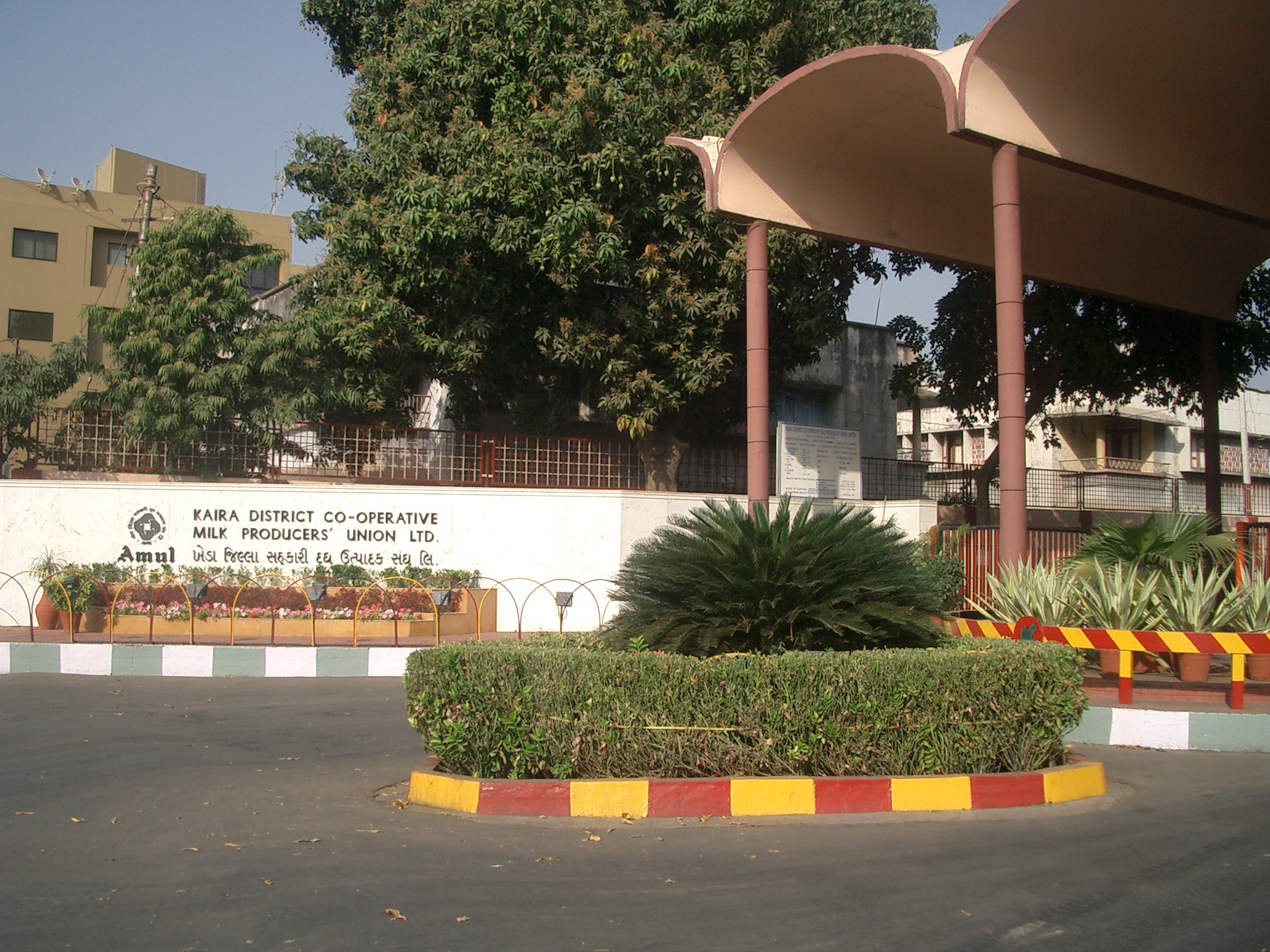
Anand is internationally associated with India's cooperative dairy movement and the development of the Amul model.
Agriculture of Gujarat
Agriculture remains important across rural Gujarat.
Major agricultural products include:
- Cotton
- Groundnut
- Wheat
- Bajra
- Rice
- Cumin
- Sesame
- Castor
- Tobacco
- Sugarcane
- Banana
- Mango
- Vegetables
Different regions specialise in different crops due to variations in soil, rainfall and climate.
Ports and Maritime Trade
Gujarat has a strategically important coastline and is home to major ports and industrial port complexes.
Important ports and coastal centres include:
- Kandla/Deendayal Port
- Mundra
- Pipavav
- Hazira
- Dahej
- Sikka
- Okha
- Porbandar
- Veraval
- Bhavnagar
- Mandvi
Gujarat Tourism lists Kandla as a major port and several other important ports including Mundra, Sikka, Okha, Porbandar, Veraval, Bhavnagar, Pipavav and Hazira.
Transportation in Gujarat
By Air
Ahmedabad is the state's principal international aviation gateway.
Other airports serving Gujarat include:
- Vadodara
- Surat
- Rajkot
- Jamnagar
- Bhuj
- Bhavnagar
- Porbandar
Gujarat Tourism lists Ahmedabad as an international airport and Ahmedabad, Vadodara, Jamnagar, Porbandar, Surat, Rajkot, Bhavnagar and Bhuj among its airports.
By Rail
Gujarat has an extensive railway network and is well connected with major Indian cities.
Important railway stations include:
- Ahmedabad
- Surat
- Vadodara
- Rajkot
- Bhuj
- Gandhinagar
- Anand
- Jamnagar
- Bhavnagar
- Junagadh
By Road
Gujarat has an extensive network of national highways, state highways and major urban roads.
Road travel is particularly useful for tourism circuits such as:
- Ahmedabad–Modhera–Patan
- Ahmedabad–Little Rann
- Rajkot–Dwarka–Somnath
- Bhuj–Rann of Kutch–Dholavira
- Vadodara–Champaner–Statue of Unity
- Surat–Saputara
Tourism Experiences in Gujarat
Gujarat offers a wide range of tourism experiences.
Heritage Tourism
- UNESCO sites
- Forts
- Palaces
- Stepwells
- Historic cities
- Ancient temples
- Archaeological sites
Wildlife Tourism
- Asiatic lions
- Indian wild ass
- Blackbuck
- Migratory birds
- Marine wildlife
- Wetland ecosystems
Religious Tourism
- Jyotirlinga pilgrimage
- Krishna pilgrimage
- Shakti Peeth traditions
- Jain pilgrimage
- Buddhist heritage
Beach Tourism
- Shivrajpur
- Mandvi
- Dwarka
- Somnath
- Tithal
- Madhavpur
Desert Tourism
- Great Rann of Kutch
- Little Rann of Kutch
- Rann Utsav
- Dholavira
Adventure Tourism
Activities can include:
- Trekking
- Hiking
- Cycling
- Camping
- Wildlife safaris
- Water activities
- Nature trails
- Heritage walks
Gujarat Tourism's tourism policy specifically identifies archaeological, geo-tourism, handicraft, eco-tourism and wildlife tourism as important tourism development areas.
Popular Gujarat Tourism Circuits
Ahmedabad Heritage Circuit
Ahmedabad → Sabarmati Ashram → Old City → Adalaj → Gandhinagar
Kutch Circuit
Bhuj → Bhujodi → Kala Dungar → Great Rann → Hodka → Dholavira
Saurashtra Circuit
Rajkot → Dwarka → Porbandar → Somnath → Junagadh → Gir
Pilgrimage Circuit
Ahmedabad → Dakor → Vadodara → Pavagadh → Somnath → Dwarka
Statue of Unity Circuit
Vadodara → Ekta Nagar → Statue of Unity → Valley of Flowers → Kevadia attractions
North Gujarat Heritage Circuit
Ahmedabad → Modhera → Patan → Rani Ki Vav → Siddhpur → Ambaji
South Gujarat Circuit
Surat → Daman region → Valsad → Saputara → Dang
Shopping in Gujarat
Popular things to buy include:
- Patola sarees
- Bandhani textiles
- Kutch embroidery
- Ajrakh fabrics
- Rogan art
- Gujarati handicrafts
- Wooden crafts
- Brass items
- Silver jewellery
- Beadwork
- Handwoven textiles
- Khadi
- Traditional Gujarati snacks
Famous Markets and Shopping Areas
Ahmedabad
- Law Garden
- Manek Chowk
- Sindhi Market
- CG Road
- Dhalgarwad
Surat
- Ring Road textile markets
- Zampa Bazaar
- Old city markets
Bhuj and Kutch
- Bhujodi
- Bhuj markets
- Craft villages
Vadodara
- Mandvi market
- Lehripura market
Traditional Gujarati Dress
Traditional clothing varies across Gujarat's communities and regions.
Common garments include:
- Chaniya choli
- Kediyu
- Chorno
- Bandhani sarees
- Patola sarees
- Embroidered garments
- Mirror-work clothing
During Navratri, colourful chaniya cholis and traditional kediyu outfits are particularly popular.
Language and Literature
Gujarati is the principal language of Gujarat.
The language has a rich literary history and has produced renowned writers and poets.
Important literary figures associated with Gujarati literature include:
- Narsinh Mehta
- Akho
- Dalpatram
- Narmad
- Govardhanram Tripathi
- K.M. Munshi
- Umashankar Joshi
- Jhaverchand Meghani
Gujarati literature encompasses devotional poetry, reformist writing, novels, poetry, drama and modern literature.
Gujarat's Famous Personalities
Gujarat has produced or been associated with many influential personalities.
Mahatma Gandhi
Born in Porbandar and one of the central figures of India's independence movement.
Sardar Vallabhbhai Patel
One of India's most important independence leaders and the country's first Deputy Prime Minister and Home Minister.
Narsinh Mehta
A celebrated medieval Gujarati poet and saint.
Dhirubhai Ambani
Industrialist and founder of Reliance Industries, born in Gujarat.
Vikram Sarabhai
Indian space scientist and one of the key figures behind India's space programme.
Morarji Desai
Former Prime Minister of India and a major political figure from Gujarat.
Interesting Facts About Gujarat
- Gujarat was formed on 1 May 1960.
- Gandhinagar is the state capital.
- Ahmedabad is the state's largest city.
- Gujarat is home to the Asiatic lion.
- The Great Rann of Kutch is one of the world's most distinctive salt-desert landscapes.
- Dholavira represents one of the most important Harappan urban settlements.
- Rani Ki Vav is a UNESCO World Heritage Site.
- Champaner-Pavagadh is a UNESCO World Heritage Site.
- Ahmedabad's historic city is a UNESCO World Heritage Site.
- Gujarat has a long Arabian Sea coastline.
- Dwarka and Somnath are major pilgrimage destinations.
- Gujarat is the birthplace of Mahatma Gandhi.
- Gujarat is famous worldwide for Garba and Navratri.
- Patola is one of India's most renowned traditional textile traditions.
- Surat is one of the world's major diamond-processing centres.
- Morbi is a major global ceramic manufacturing centre.
- Kutch is famous for embroidery and traditional handicrafts.
- Saputara is Gujarat's best-known hill station.
- The state has diverse desert, forest, wetland, coastal and marine ecosystems.
- Vav-Tharad became Gujarat's 34th district in 2025.
Travel Tips for Gujarat
- Best overall season: October to March.
- For Rann of Kutch: winter is ideal.
- For wildlife: plan according to current park/safari rules and seasonal access.
- For Saputara: monsoon is particularly scenic.
- For temples: dress respectfully.
- For desert travel: carry sun protection and adequate water.
- For rural craft villages: carry cash where digital payment facilities may be limited.
- For long road trips: plan fuel and accommodation stops in advance.
- For wildlife: maintain a safe distance from animals and follow park regulations.
- For heritage monuments: follow site-specific photography and visitor rules.
Why Visit Gujarat?
Gujarat is an ideal destination for travellers who want to combine history, culture, wildlife, spirituality, food, architecture, handicrafts and natural landscapes in one trip.
A single Gujarat itinerary can take travellers from the ancient Harappan city of Dholavira to the white desert of Kutch, from the Asiatic lions of Gir to the temples of Somnath and Dwarka, from the historic streets of Ahmedabad to the architectural brilliance of Rani Ki Vav, and from the forests of Saputara to the monumental Statue of Unity.
Its combination of ancient civilization, maritime heritage, religious traditions, colourful crafts, modern cities and extraordinary landscapes makes Gujarat one of India's most varied tourism destinations.