Explore West Bengal
Discover West Bengal
Cities of West Bengal

West Bengal: A Land of Culture, Heritage and Natural Diversity
West Bengal is a culturally rich state in eastern India, offering an exceptional combination of Himalayan landscapes, tea gardens, forests, rivers, beaches, historic cities, temples, colonial architecture, wildlife and Bengali traditions. Kolkata, the state capital, is known for its cultural heritage, literature, art, architecture and cuisine, while destinations such as Darjeeling, Kalimpong, Dooars, Sundarbans, Digha, Bishnupur, Murshidabad and Santiniketan provide diverse travel experiences.
From the snow-capped mountains and tea estates of North Bengal to the mangrove forests of the Sundarbans and the beaches along the Bay of Bengal, West Bengal offers a wide range of tourism experiences. The state's official tourism programme highlights nature, adventure, cultural, heritage, religious, wildlife, coastal, tea and river tourism as important travel experiences.
History of West Bengal
West Bengal has a long and complex history shaped by ancient kingdoms, regional dynasties, trade, literature, religion, colonial rule and India's independence movement. Bengal was an important centre of learning, commerce and cultural development for centuries.
The region came under the influence of several major dynasties and kingdoms, including the Mauryas, Guptas, Palas and Senas. Later, Bengal became an important centre under the Sultanate and Mughal periods. Murshidabad developed into a major political and commercial centre during the eighteenth century.
During British rule, Kolkata, then known as Calcutta, became an important administrative, commercial and intellectual centre. The city served as the capital of British India until 1911, with the capital subsequently shifted to Delhi.
The partition of Bengal in 1947 accompanied the partition of British India. The western portion became part of India as West Bengal, while eastern Bengal became part of Pakistan and later Bangladesh.
West Bengal subsequently developed as an important centre of industry, education, literature, arts, cinema and commerce in eastern India.
Geography of West Bengal
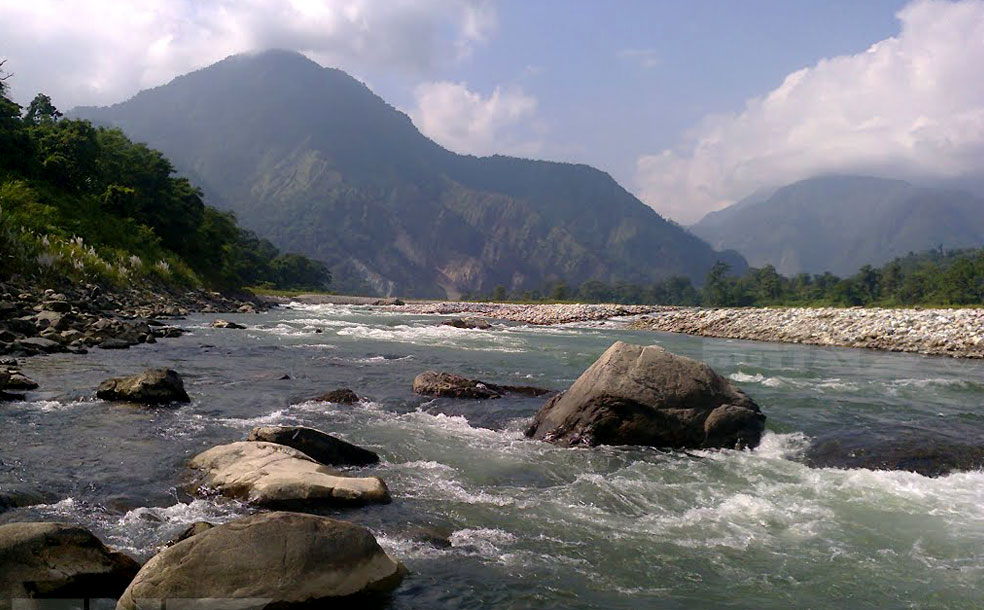
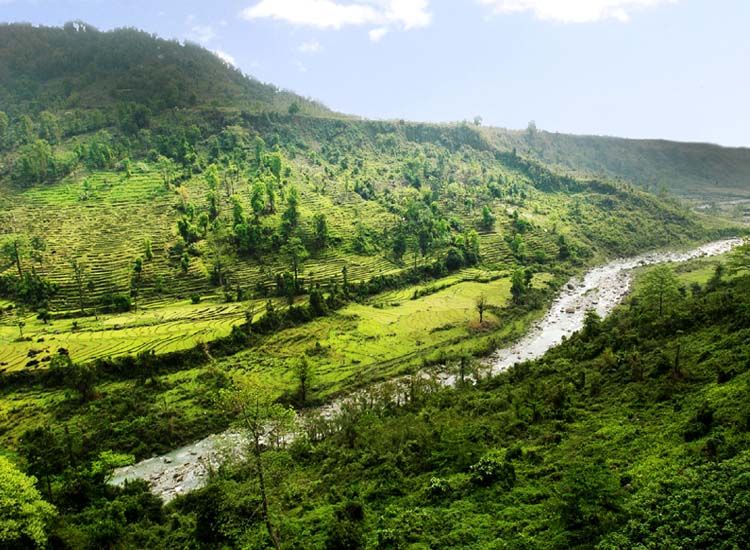
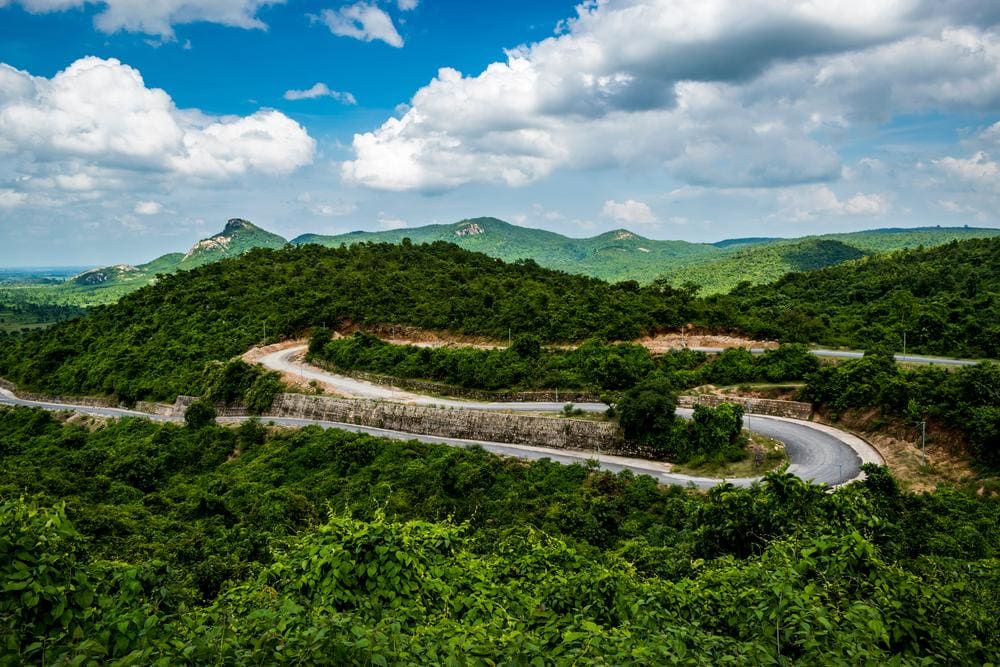
West Bengal stretches from the Himalayan foothills in the north to the Bay of Bengal in the south. Its geographical diversity includes mountains, hills, Terai and Dooars forests, plains, plateaus, river valleys, coastal areas and the vast Ganges-Brahmaputra delta.
| Geographical Feature | Highlights |
|---|---|
| Capital | Kolkata |
| Area | Approximately 88,752 sq. km. |
| Highest Peak | Sandakphu, approximately 3,636 metres |
| Major Landscape | Himalayas, hills, plains, plateaus, forests, delta and coastline |
| Major River Systems | Ganga-Hooghly, Teesta, Damodar, Mahananda, Torsa and Subarnarekha |
| Coastline | Bay of Bengal |
| Districts | 23 districts |
The northern part of the state contains the Darjeeling and Kalimpong hills, while the Dooars region is known for forests, rivers and wildlife. The western districts include the red lateritic landscape of the Chota Nagpur Plateau fringe, while southern West Bengal extends into the Gangetic delta and coastal belt.
Culture and Traditions of West Bengal
West Bengal is renowned for its literature, music, theatre, cinema, visual arts, handicrafts, religious traditions and festivals. Bengali culture has evolved through centuries of interaction between different communities, religions and regional traditions.
Major Cultural Features
- Bengali literature and poetry
- Rabindra Sangeet and Bengali folk music
- Baul music and traditions
- Jatra and traditional theatre
- Chhau dance of Purulia
- Gambhira traditions of Malda
- Terracotta art and handicrafts
- Kantha embroidery
- Dokra metal craft
- Baluchari and other traditional textiles
West Bengal's cultural landscape varies considerably between Kolkata, the Himalayan districts, Dooars, western plateau districts, riverine areas and coastal regions. This diversity makes cultural tourism an important part of the state's tourism identity.
Architecture and Heritage
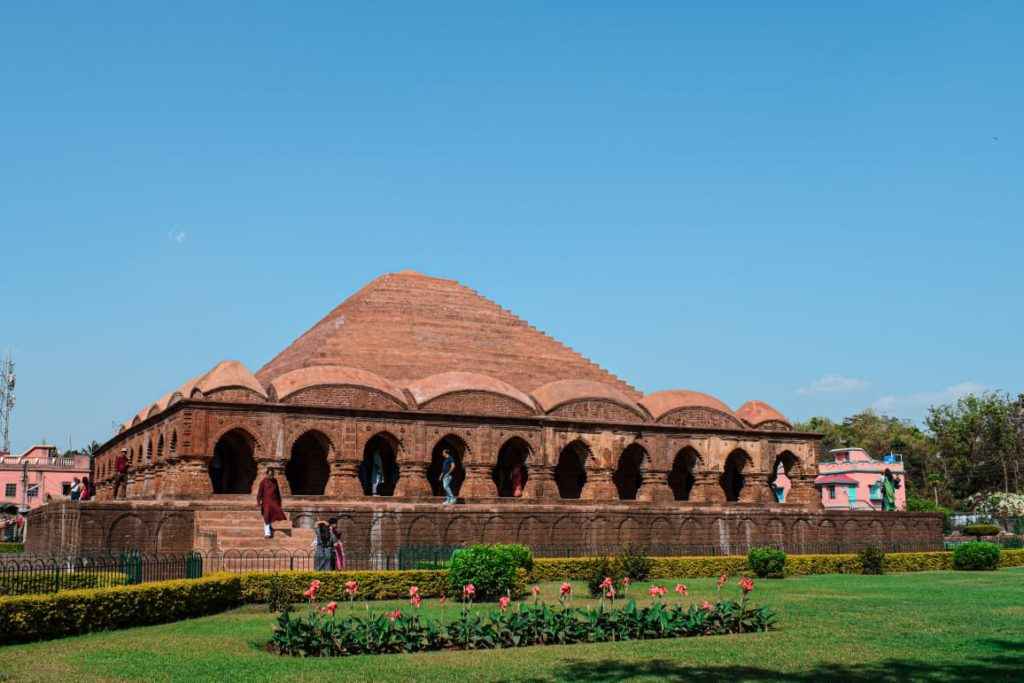
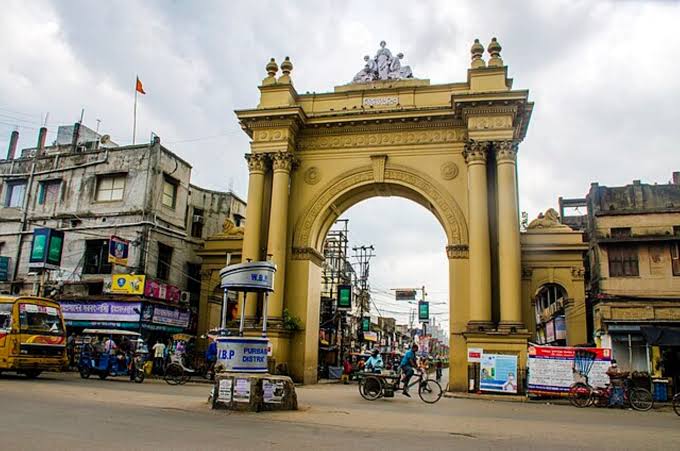
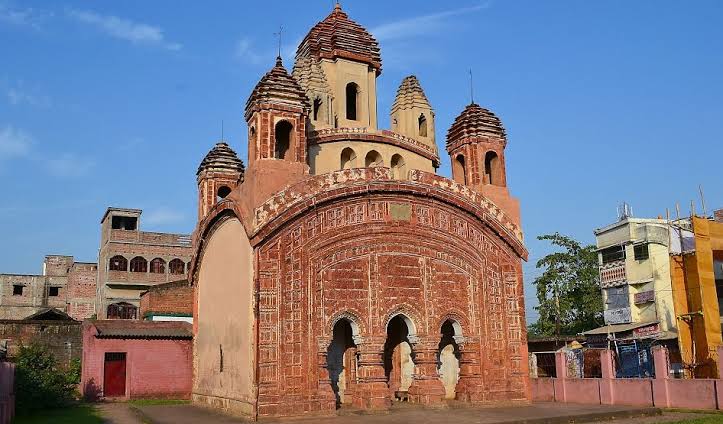
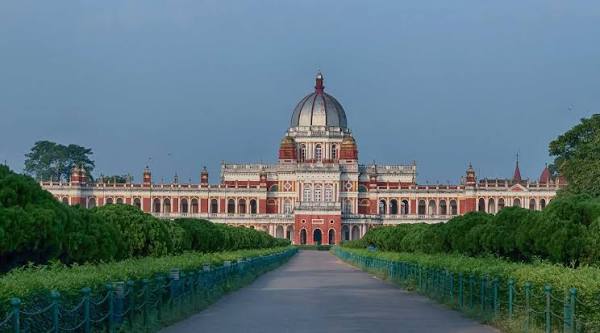
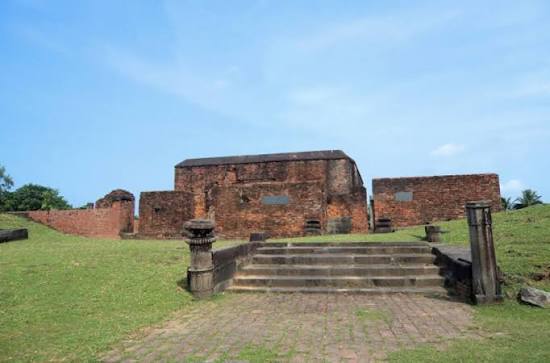
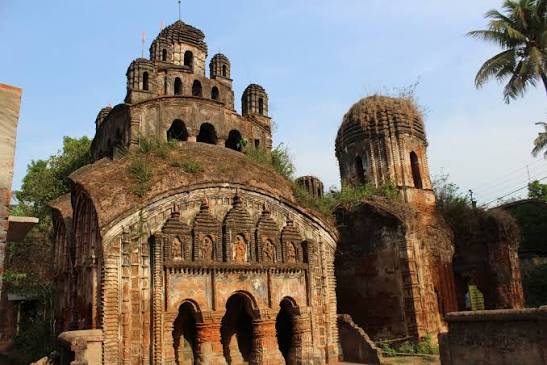
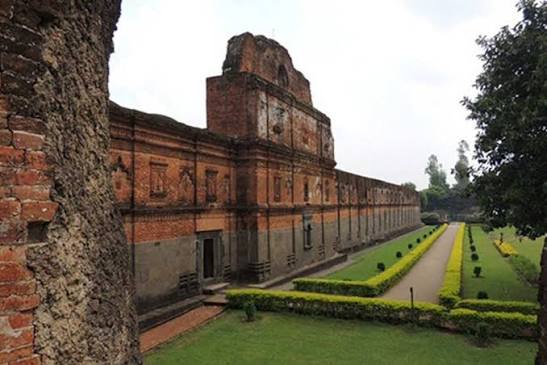
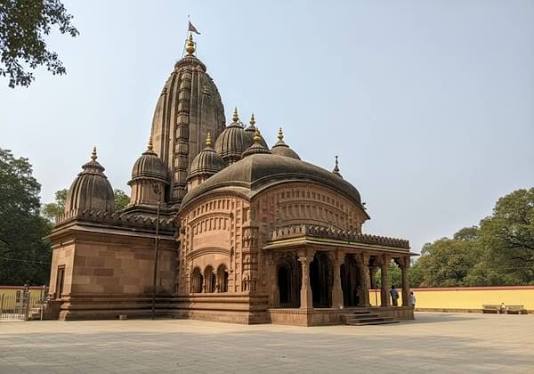
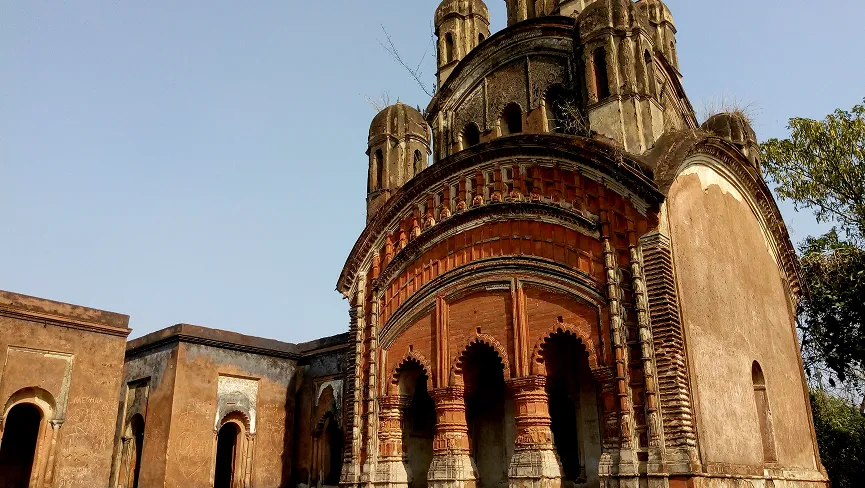
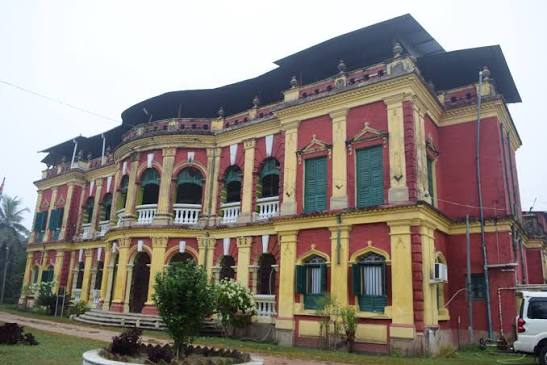
West Bengal has a rich architectural heritage that includes ancient temples, terracotta structures, colonial buildings, palaces, mosques, churches, monasteries and historic urban landmarks.
| Heritage Destination | Known For |
|---|---|
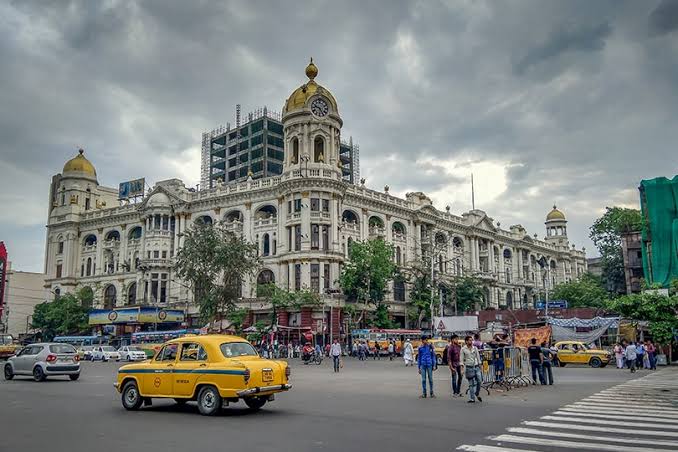
| Kolkata | Colonial architecture, museums, heritage buildings and cultural landmarks |
| Bishnupur | Terracotta temples and traditional architecture |
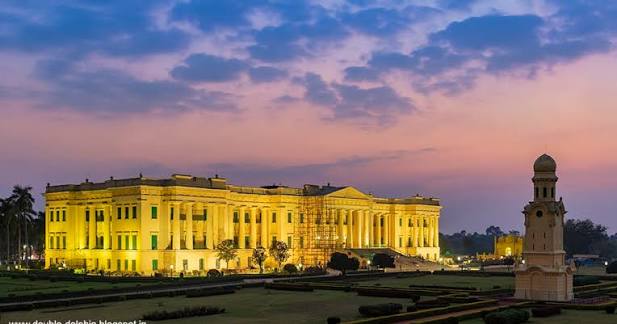
| Murshidabad | Palaces, historic buildings and Nawabi heritage |
| Malda | Ancient ruins and medieval Bengal heritage |
| Chandannagar | French colonial heritage |
| Cooch Behar | Cooch Behar Palace and royal heritage |
| Kalna | Temple complexes and terracotta architecture |
Famous Places to Visit in West Bengal
West Bengal has destinations suited to different types of travellers, including mountain tourism, wildlife tourism, beach holidays, heritage tours, spiritual journeys and cultural travel.
| Destination | Famous For |
|---|---|
| Kolkata | Culture, heritage, food, museums and colonial architecture |
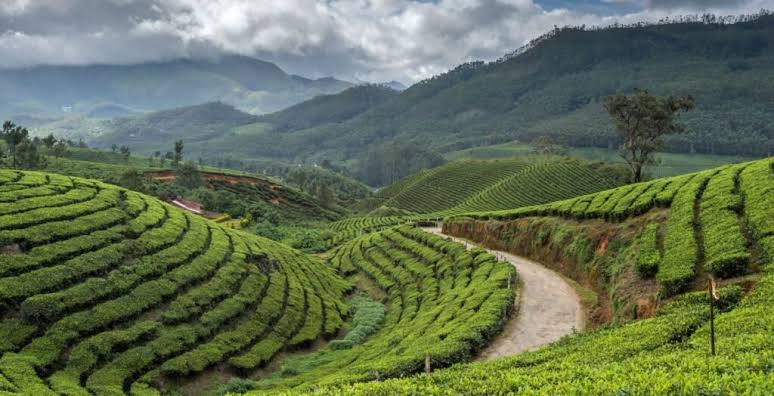
| Darjeeling | Himalayan views, tea gardens, toy train and hill tourism |
| Kalimpong | Mountain scenery, monasteries, nurseries and Himalayan culture |
| Sundarbans | Mangrove forests, wildlife and Royal Bengal Tiger habitat |
| Dooars | Forests, rivers, tea gardens and wildlife |
| Digha | Beach tourism and coastal holidays |
| Bishnupur | Terracotta temples, music and handicrafts |
| Murshidabad | Nawabi history and heritage monuments |
| Shantiniketan | Art, literature, education and cultural heritage |
| Purulia | Ayodhya Hills, landscapes and Chhau culture |
| Jhargram | Forests, tribal culture, palaces and nature tourism |
| Gangasagar | Pilgrimage, coastal landscape and Gangasagar Mela |
The West Bengal Tourism Department officially promotes destinations including Darjeeling, Kalimpong, Sundarbans, Digha, Dooars, Santiniketan, Purulia, Kolkata and Bishnupur.
Famous Dishes of West Bengal
West Bengali cuisine is known for its balance of flavours, rice-based meals, fish preparations, sweets and traditional snacks. Food is an important part of the state's cultural identity.
Popular Bengali Foods
- Machher Jhol
- Shorshe Ilish
- Doi Maach
- Chingri Malai Curry
- Daab Chingri
- Luchi and Aloor Dum
- Kosha Mangsho
- Shukto
- Mishti Doi
- Rasgulla
- Sandesh
- Payesh
- Kathi Roll
- Telebhaja and Bengali snacks
Regional food traditions also vary across the state, with North Bengal, western districts, Kolkata and coastal areas offering distinctive ingredients and preparations.
Famous Personalities from West Bengal
West Bengal has produced many influential figures in literature, science, education, art, music, cinema, social reform and public life.
| Personality | Known For |
|---|---|
| Rabindranath Tagore | Poetry, literature, music and education |
| Swami Vivekananda | Spiritual thought and social philosophy |
| Jagadish Chandra Bose | Science and pioneering research |
| Satyajit Ray | Filmmaking, literature and visual storytelling |
| Subhas Chandra Bose | Indian independence movement |
| Bankim Chandra Chattopadhyay | Literature and Bengali novel writing |
| Amartya Sen | Economics and social thought |
| Begum Rokeya | Education, literature and women's rights |
Festivals of West Bengal
Festivals form an important part of life in West Bengal. The state's celebrations combine religious traditions, art, music, food, community gatherings and cultural performances.
| Festival | Highlights |
|---|---|
| Durga Puja | Major cultural and religious festival celebrated across the state |
| Kali Puja | Devotional celebrations, lights and community events |
| Poila Boishakh | Bengali New Year celebrations |
| Poush Mela | Music, crafts, culture and rural traditions at Santiniketan |
| Gangasagar Mela | Pilgrimage and cultural gathering at Sagar Island |
| Rash Mela | Traditional religious fair in Cooch Behar |
| Gajan | Traditional rural religious celebrations |
| Chhau Festival | Traditional dance and cultural performances in Purulia |
Durga Puja in Kolkata was inscribed on UNESCO's Representative List of the Intangible Cultural Heritage of Humanity in 2021, recognising its cultural significance.
Things to Do in West Bengal
- Explore the heritage streets, museums and cultural landmarks of Kolkata.
- Enjoy Himalayan views and tea gardens in Darjeeling.
- Visit monasteries and scenic viewpoints around Kalimpong.
- Experience wildlife and boat safaris in the Sundarbans.
- Explore the forests and wildlife of the Dooars.
- Visit the terracotta temples of Bishnupur.
- Explore the historic monuments of Murshidabad and Malda.
- Relax on the beaches of Digha, Mandarmani and Bakkhali.
- Experience Bengali culture and crafts at Santiniketan.
- Explore the hills and forests of Purulia and Jhargram.
- Enjoy tea tourism and scenic mountain drives in North Bengal.
- Take river cruises and explore destinations along the Hooghly and other waterways.
Where to Eat, Shop, and Stay in West Bengal
West Bengal offers accommodation and dining options ranging from luxury hotels and heritage properties to resorts, homestays, guesthouses and budget hotels.
Where to Eat
- Kolkata for Bengali cuisine, street food and restaurants
- Darjeeling for Tibetan, Nepali and Himalayan cuisine
- Murshidabad and Malda for regional Bengali food
- Digha and coastal destinations for seafood
- North Bengal for tea, local snacks and regional cuisine
Where to Shop
- New Market and Gariahat in Kolkata
- Darjeeling for tea and Himalayan products
- Bishnupur for terracotta and traditional handicrafts
- Shantiniketan for handicrafts and artistic products
- Murshidabad for silk and traditional textiles
- Malda for silk and regional handicrafts
Where to Stay
Tourists can choose from hotels, resorts, heritage properties, homestays, forest lodges and government tourism accommodation depending on the destination and travel style.
What is West Bengal Famous For?
West Bengal is particularly known for its cultural heritage, Bengali literature, Durga Puja, Kolkata, Darjeeling tea, Himalayan landscapes, Sundarbans, Bengali cuisine, terracotta art, handloom traditions and historic architecture.
| Category | West Bengal Highlights |
|---|---|
| Culture | Bengali literature, music, theatre, art and festivals |
| Nature | Himalayas, forests, rivers, delta and beaches |
| Wildlife | Sundarbans, Dooars and North Bengal wildlife habitats |
| Heritage | Kolkata, Murshidabad, Bishnupur, Malda and Cooch Behar |
| Food | Fish, rice-based dishes, sweets and Bengali snacks |
| Handicrafts | Terracotta, Kantha, Dokra, textiles and traditional crafts |
| Tea | Darjeeling and North Bengal tea gardens |
Best Time to Visit West Bengal
The best time to visit West Bengal depends on the destination and type of experience planned. The state has different climatic zones, so travel seasons vary between the Himalayan region, plains, forests, coastal areas and the Sundarbans.
| Season | Suitable For |
|---|---|
| October to February | General sightseeing, Kolkata, heritage tours, beaches and wildlife travel |
| March to May | Hill destinations, tea gardens and selected North Bengal trips |
| June to September | Monsoon landscapes, although heavy rain can affect some travel routes |
| Winter | Particularly suitable for comfortable sightseeing across many parts of the state |
For the Sundarbans, winter is generally a popular period for tourism. Darjeeling and other Himalayan destinations have their own seasonal appeal, while Kolkata can be visited throughout the year depending on weather preferences.
How to Reach West Bengal
By Air
Netaji Subhas Chandra Bose International Airport in Kolkata is the state's principal international gateway and provides connections with major Indian cities and international destinations. Bagdogra Airport serves as an important gateway to Darjeeling, Kalimpong and other North Bengal destinations.
By Train
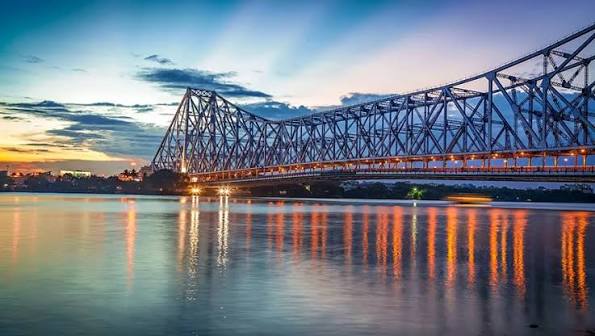
West Bengal has an extensive railway network. Howrah and Sealdah are major railway terminals in Kolkata, while New Jalpaiguri is an important rail gateway for North Bengal and the Himalayan region.
By Road
West Bengal is connected to neighbouring states through a network of national highways and state roads. Road travel is particularly useful for destinations such as Darjeeling, Kalimpong, Dooars, Digha, Bishnupur, Shantiniketan and Purulia.
By River
River transport and cruises are also part of West Bengal's tourism experience, particularly around the Hooghly River, Kolkata and the Sundarbans region.
Nearby States and Regional Travel
West Bengal shares land borders with Bihar, Jharkhand, Odisha and Sikkim, while also connecting geographically with Assam and the wider northeastern region. The state also shares international borders with Bangladesh, Nepal and Bhutan.
| Neighbouring Region | Travel Connection |
|---|---|
| Sikkim | Gateway through North Bengal to Himalayan destinations |
| Bihar | Road and rail connections from western and northern Bengal |
| Jharkhand | Convenient access from western districts |
| Odisha | Road and rail connections through southern West Bengal |
| Assam | Rail and road routes through North Bengal |
| Bangladesh | International border and historical-cultural connections |
| Nepal | Regional access through North Bengal |
| Bhutan | Road access through North Bengal and the Dooars region |
Best Duration for a West Bengal Trip
The ideal trip duration depends on how many regions of West Bengal you want to explore. Because the state includes mountains, forests, heritage destinations, cities, beaches and the Sundarbans, a single short trip cannot cover everything.
| Trip Duration | Suggested Focus |
|---|---|
| 2–3 Days | Kolkata or a short weekend destination |
| 4–5 Days | Kolkata with nearby heritage or coastal destinations |
| 6–8 Days | Darjeeling and nearby North Bengal destinations |
| 7–10 Days | Kolkata with selected heritage, nature or wildlife destinations |
| 10–14 Days | A broader itinerary combining multiple regions of West Bengal |
Travel Tips for West Bengal
- Choose the season according to the destination you plan to visit.
- Book accommodation early during Durga Puja, winter holidays and major festivals.
- Carry warm clothing when travelling to Darjeeling, Kalimpong and higher Himalayan areas.
- Check weather and road conditions before travelling to hill destinations during monsoon.
- Follow local forest and wildlife regulations in protected areas.
- Use registered tourism service providers and authorised guides for specialised tours.
- Carry valid identification when required for permits, accommodation or restricted areas.
- Respect local customs, religious places and community traditions.
- Try regional Bengali cuisine and locally produced handicrafts.
- Keep plastic and waste to a minimum, especially in forests, hills, beaches and the Sundarbans.
Why Visit West Bengal?
West Bengal offers an unusually broad range of travel experiences within one state. Travellers can explore Himalayan landscapes in the north, tea gardens around Darjeeling, forests and wildlife in the Dooars, historic towns in central and western Bengal, the cultural life of Kolkata, beaches along the Bay of Bengal and the mangrove ecosystem of the Sundarbans.
The state also provides opportunities to experience Bengali food, literature, music, festivals, handicrafts, architecture and religious traditions. Its combination of nature, culture, heritage and diverse landscapes makes West Bengal a destination suitable for different styles of travel.
Conclusion
West Bengal is a diverse travel destination where mountains, forests, rivers, beaches, wildlife, history and culture come together. From Kolkata's historic streets and cultural institutions to Darjeeling's tea gardens, Bishnupur's terracotta temples, Murshidabad's heritage, Digha's coastline and the mangrove landscapes of the Sundarbans, the state offers a wide variety of places to explore.
Whether you are planning a cultural holiday, Himalayan getaway, wildlife experience, heritage tour, beach trip or food-focused journey, West Bengal provides numerous destinations and experiences to discover throughout the year.