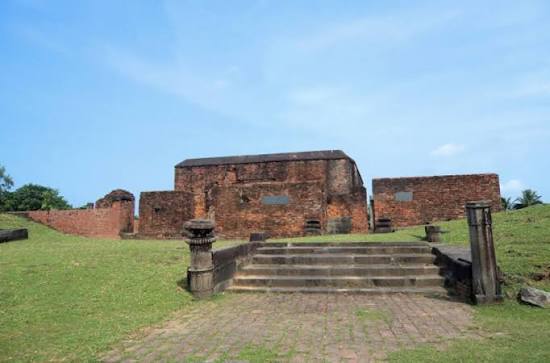
Dakshin Dinajpur, West Bengal: Where Ancient Ruins, Rivers and Folk Traditions Meet
Dakshin Dinajpur is one of North Bengal's quieter cultural destinations, where ancient archaeological remains, historic water bodies, rivers, temples, folk performances and traditional crafts create a distinctive travel experience. Formed in 1992 after the bifurcation of West Dinajpur, the district carries a much older history reaching back to the Pal and Sen dynasties and the ancient region of Pundravardhana.
From the archaeological ruins of Bangarh and ancient Devkot to the folk traditions of Kushmandi, the wetlands of Dhal Dighi and Kal Dighi, the pilgrimage atmosphere of Bolla Kali Temple and the international border at Hili, Dakshin Dinajpur offers travellers a different perspective on Bengal beyond the major tourist circuits.
From Ancient Kotivarsha to Modern Dakshin Dinajpur
The history of Dakshin Dinajpur goes far beyond the modern district's formation. The region formed part of the ancient Pundravardhana area and was associated with Kotivarsha, an important historical territorial division whose centre was Devkot, identified with present-day Bangarh near Gangarampur.
Archaeological discoveries from Bangarh include ancient seals, sculptures, terracotta objects, inscriptions and architectural remains. The district's history also passed through the Maurya, Shunga, Kushana, Gupta, Pala and Sena periods.
During the medieval period, Devkot became associated with the early Muslim rule in Bengal. Later, the wider Dinajpur region came under Mughal and British influence.
The modern administrative history began during the Partition of India in 1947, when West Dinajpur was created. West Dinajpur was subsequently divided into Uttar Dinajpur and Dakshin Dinajpur on 1 April 1992.
Geography of Dakshin Dinajpur
Dakshin Dinajpur is a predominantly rural and agricultural district in North Bengal. Its landscape is shaped by rivers, fertile agricultural land, wetlands, large historic water bodies and scattered forests.
The district is drained by the Atreyee, Punarbhaba, Tangon and Brahmani rivers. These waterways have historically supported agriculture, fishing and settlement across the region.
- Region: North Bengal
- Area: 2,162 sq km
- District Headquarters: Balurghat
- Major Rivers: Atreyee, Punarbhaba, Tangon and Brahmani
- Landscape: Agricultural plains, rivers, wetlands and small forests
- International Border: India-Bangladesh border around Hili
Culture and Traditions
Dakshin Dinajpur has a particularly rich folk-cultural identity. Traditional performances are deeply connected with rural communities and local dialects.
Khan is one of the district's distinctive folk forms. It combines songs, dialogues and improvised performances, often dealing with contemporary local incidents and social issues. Performers are particularly concentrated in Kushmandi and Banshihari.
Other traditional forms include Natua, Jang Gan, Mokha dance and Halna-Halnani. Baul songs, Lalon Geeti, Bhawaiya, Chatka and Gambhira are also practised in the district.
- Khan folk drama
- Mokha mask dance
- Natua dance tradition
- Jang Gan folk songs
- Halna-Halnani folk theatre
- Baul and Lalon Geeti
- Bhawaiya, Chatka and Gambhira traditions
- Traditional Santali and tribal performances
Art and Architecture of Dakshin Dinajpur
The district's heritage is visible in its archaeological sites, ancient sculptures, large dighis, temples, old estates and traditional craft traditions.
Bangarh is the most important archaeological landscape in the district, with ruins and objects associated with several historical periods. The region also developed a distinctive sculptural tradition, with archaeological objects found across Gangarampur, Kushmandi and Harirampur.
Dakshin Dinajpur is also known for Kushmandi's handcrafted wooden masks. These masks are used in traditional Mokha performances and have received a GI tag.
Famous Places to Visit in Dakshin Dinajpur
Bangarh Excavation Site
Bangarh, near Gangarampur, is arguably the district's most important historical attraction. Ancient Bangarh is identified with Devkot and was the administrative centre of Kotivarsha Vishaya. Archaeological remains include ruins, pillars, sculptures, inscriptions and terracotta objects.
The site is approximately 45 km from Balurghat and provides a fascinating glimpse into the ancient history of North Bengal.
Dhal Dighi
Dhal Dighi lies within about 1 km of Gangarampur town. The large historic water body is approximately 1.5 km long and is traditionally associated with the Pala period. The grave of the Muslim saint Atash Fakir is located on its northern bank.
Kal Dighi
Kal Dighi lies around 200 metres from Dhal Dighi. During winter, migratory birds visit the water body, making it an interesting spot for nature and birdwatching enthusiasts.
Bolla Kali Temple
Bolla Kali Temple is located around 20 km from Balurghat on the Balurghat-Malda Highway. Dedicated to Bolla Maa Kali, the temple is associated with a local legend involving a zamindar and Goddess Kali.
A major religious celebration takes place every Friday following Rash Purnima, accompanied by a three-day fair that attracts thousands of devotees.
Tapan Dighi
Tapan Dighi is a large historic lake in Tapan, with an area of approximately 85.30 acres. It is around 35 km from Balurghat and 15 km from Gangarampur.
The northern side of the lake contains a mound believed to have archaeological significance, while the nearby village of Manohali contains scattered historical icons.
Mahipal Dighi
Mahipal Dighi is a large historic water body in the Kushmandi area covering approximately 61.16 acres. It is traditionally associated with the Pala ruler Mahipal II.
The area is also known for migratory birds during winter and the remains of an old Nilkuthi on the northern bank.
Hili International Check Post
Hili is an important India-Bangladesh border point and land port. The border landscape and substantial truck movement connected with trade give the area a distinctive character.
The district administration states that approximately 252 km of the international border lies within Dakshin Dinajpur district.
Sarongbari Forest
Sarongbari is a small forest and picnic destination in the Hili area. Its green surroundings make it suitable for a quiet nature outing, subject to the required local permission.
Dogachhi Forest
Dogachhi Forest, around 6 km west of Balurghat, is a popular local picnic and nature destination. A nearby zigzag canal also offers boating facilities.
Angina Bird Sanctuary
Angina Bird Sanctuary in Kumarganj attracts visitors particularly during winter. The area becomes a popular destination for picnic groups and birdwatching during the colder months.
Patiram Thakur Estate
Patiram Thakur Estate lies beside the Atreyee River on the Balurghat-Malda State Highway. Its old buildings are associated with the Tagore family and provide an additional heritage stop near Balurghat.
Khanpur
Khanpur is historically important for its connection with the Tebhaga Movement of the 1940s. A memorial at the site commemorates cultivators who died during the police firing of February 1947.
Famous Food of Dakshin Dinajpur
Dakshin Dinajpur's food culture reflects its agricultural and riverine setting. Rice, fish, vegetables, milk products and seasonal produce form an important part of the local food economy.
Khir Dahi of Gangarampur
Khir Dahi is one of the district's distinctive traditional food products. The district administration describes it as a fermented milk product traditionally prepared from cow's milk in the Gangarampur area.
The tradition developed in the region during the mid-20th century and continues to involve local families engaged in its production.
Rice-Based Bengali Meals
Rice-based meals are central to the food culture of the district, accompanied by seasonal vegetables, pulses, fish and traditional Bengali preparations.
Fresh River and Local Fish
The district's rivers and numerous water bodies support a strong fishing tradition. Fish-based Bengali meals are therefore an important part of the local food experience.
Traditional Bengali Sweets
Visitors can also explore traditional Bengali sweets and milk-based preparations at local markets and sweet shops, particularly around Balurghat and Gangarampur.
Famous Personalities and Historical Figures
Lakshman Sena
Lakshman Sena, the Sena ruler of Bengal, is closely associated with the historical period represented by Devkot and the wider North Bengal region. Tapan Dighi is also traditionally associated with the Sena period and a legend concerning Lakshman Sen.
Muhammad Bakhtiyar Khalji
Muhammad Bakhtiyar Khalji is an important medieval historical figure associated with Devkot. Historical accounts preserved by the district administration state that he died at Devkot after his campaigns in Bengal.
Atash Fakir
Atash Fakir was a Muslim saint whose grave is located on the northern bank of Dhal Dighi at Gangarampur. The site remains a part of the district's layered religious heritage.
Festivals and Cultural Celebrations
Bolla Kali Puja and Fair
The Bolla Kali Puja is one of the most prominent religious events in Dakshin Dinajpur. It is observed on the Friday following Rash Purnima and is accompanied by a three-day fair.
Baul Mela and Utsab
A Baul Mela and Utsab is held at Nayabazar Hattola in Tapan Block. The event celebrates the district's connection with Baul music and folk traditions.
Adibasi Utsab
Adibasi Utsab celebrates the cultural traditions and artistic heritage of the district's indigenous communities, including traditional music and dance.
Teesta-Ganga Utsav
Dakshin Dinajpur's folk artists have participated in the annual Teesta-Ganga Utsav, where regional folk forms share the stage with artists from other parts of Bengal.
Local Temple Fairs
Several temples and religious sites across the district host seasonal fairs and community gatherings, adding to the cultural calendar of rural Dakshin Dinajpur.
Things to Do in Dakshin Dinajpur
- Explore the archaeological ruins of Bangarh.
- Discover the history of ancient Devkot and Kotivarsha.
- Visit Dhal Dighi and the shrine of Atash Fakir.
- See the migratory birds around Kal Dighi in winter.
- Visit Bolla Kali Temple and experience its traditional fair.
- Explore the historic landscape around Tapan Dighi.
- Visit Mahipal Dighi and explore its surroundings.
- Experience the India-Bangladesh border atmosphere at Hili.
- Explore Kushmandi's wooden mask tradition.
- Watch or learn about traditional Khan and Mokha performances.
- Visit Dogachhi Forest for a nature outing.
- Explore Angina Bird Sanctuary during winter.
- Visit Patiram Thakur Estate.
- Try traditional Khir Dahi of Gangarampur.
- Explore local handicraft and rural markets.
Where to Eat, Shop and Stay
Where to Eat
Balurghat and Gangarampur are the most practical places to explore local restaurants and food shops. Travellers can try Bengali rice-and-fish meals, seasonal vegetables, snacks, sweets and the traditional Khir Dahi associated with Gangarampur.
Where to Shop
Dakshin Dinajpur is particularly interesting for travellers who enjoy traditional crafts. Look for Kushmandi wooden masks, wood carvings, cane and bamboo products, grass mats, jute handicrafts, pottery and terracotta.
The district administration records more than 300 cane and bamboo units, around 100 wood-carving units, around 200 village pottery and terracotta units, around 225 grass-mat units and around 220 jute handicraft units.
Where to Stay
Balurghat is the most practical base for exploring the district, with accommodation and administrative facilities. The district tourism website also lists the Balurghat Circuit House under its accommodation information.
What is Dakshin Dinajpur Famous For?
- Bangarh and ancient Devkot
- Kotivarsha archaeological heritage
- Kushmandi wooden masks
- Khan folk drama
- Mokha mask dance
- Bolla Kali Temple
- Dhal Dighi and Kal Dighi
- Tapan Dighi
- Mahipal Dighi
- Hili India-Bangladesh border
- Atreyee, Punarbhaba, Tangon and Brahmani rivers
- Khir Dahi of Gangarampur
- Traditional handicrafts and rural culture
Best Time to Visit Dakshin Dinajpur
October to March is generally a comfortable period for exploring Dakshin Dinajpur. Winter is especially useful for visitors interested in birdwatching, outdoor sightseeing and rural landscapes.
| Season | Travel Experience |
|---|---|
| October–November | Comfortable weather and good conditions for heritage exploration |
| December–January | Cooler weather; particularly suitable for birdwatching and outdoor visits |
| February–March | Pleasant conditions for sightseeing and cultural exploration |
| April–June | Hotter conditions; outdoor sightseeing is better planned for mornings and evenings |
| July–September | Monsoon brings greener landscapes, though rainfall can affect rural travel |
How to Reach Dakshin Dinajpur
By Air
The district administration currently identifies Bagdogra Airport as the nearest operational airport, approximately 252 km from Balurghat. The administration also notes a newly created airport at Balurghat, with operations expected to begin.
By Train
Balurghat Railway Station serves as the principal railhead for the district headquarters. Regular train services connect Balurghat with Kolkata and provide a practical rail option for travellers.
By Road
Dakshin Dinajpur is connected by road with Malda, Siliguri, Raiganj and other important North Bengal destinations. Road travel is particularly useful for visiting archaeological and rural attractions spread across the district.
Nearby Places to Explore
| Destination | Why Visit |
|---|---|
| Malda | Historic Bengal, Gaur and Adina region |
| Raiganj | North Bengal destination and access to surrounding attractions |
| Hili | India-Bangladesh border and land-port landscape |
| Gangarampur | Bangarh, Dhal Dighi, Kal Dighi and ancient Devkot heritage |
| Kushmandi | Wooden masks, folk art and Mahipal Dighi region |
| Tapan | Tapan Dighi and Baul cultural traditions |
Best Duration for Dakshin Dinajpur
A 2 to 3 day itinerary works well for a first visit, allowing travellers to combine Balurghat with Bangarh, Gangarampur, selected dighis and cultural attractions.
| Duration | Suggested Experience |
|---|---|
| 1 Day | Balurghat + nearby heritage and nature attractions |
| 2 Days | Balurghat + Bangarh + Gangarampur + Dhal Dighi |
| 3 Days | Bangarh + dighis + Bolla Kali + Hili + local culture |
| 4 Days+ | Relaxed district exploration including Kushmandi, Tapan and rural attractions |
Travel Tips for Dakshin Dinajpur
- Use Balurghat as your main accommodation base for a multi-day trip.
- Plan archaeological-site visits during daylight hours.
- Carry comfortable footwear for ruins, village roads and outdoor attractions.
- Winter is particularly useful for birdwatching around the district's water bodies.
- Ask locally before photographing people, religious sites or cultural performances.
- Respect local customs when visiting temples, shrines and fairs.
- Check access requirements before visiting Sarongbari.
- Keep extra travel time because many attractions are located in rural areas.
- Try locally produced handicrafts rather than relying only on conventional souvenirs.
- For Hili, follow all applicable border-area security and photography restrictions.
Why Visit Dakshin Dinajpur?
Dakshin Dinajpur is ideal for travellers who want to discover a quieter and more cultural side of West Bengal. Its appeal comes not from one monumental attraction but from the combination of archaeological ruins, historic lakes, folk performances, handcrafted masks, temples, rivers and rural landscapes.
It is particularly suitable for travellers interested in history, archaeology, folk culture, photography, birdwatching, crafts and slow travel.
- Discover the ancient archaeological world of Bangarh.
- Explore the history of Devkot and Kotivarsha.
- Experience distinctive North Bengal folk traditions.
- See the GI-tagged wooden masks of Kushmandi.
- Explore historic dighis and migratory bird habitats.
- Visit Bolla Kali Temple and its traditional fair.
- Experience the border landscape at Hili.
- Explore rural Bengal away from crowded tourist circuits.
Conclusion
Dakshin Dinajpur is a destination where the layers of Bengal's history remain closely connected with everyday rural life. Ancient Bangarh, historic Devkot, large dighis, temples, rivers and archaeological objects reveal a region that has played an important role in North Bengal for centuries.
At the same time, its Khan folk drama, Mokha mask dance, Kushmandi wooden masks, Baul traditions and indigenous cultural practices keep the district's living heritage vibrant.
For travellers looking beyond West Bengal's better-known destinations, Dakshin Dinajpur offers an opportunity to experience ancient history, folk culture, crafts, spirituality and rural landscapes at a slower pace.
"Travel is the only thing you buy that makes you richer."