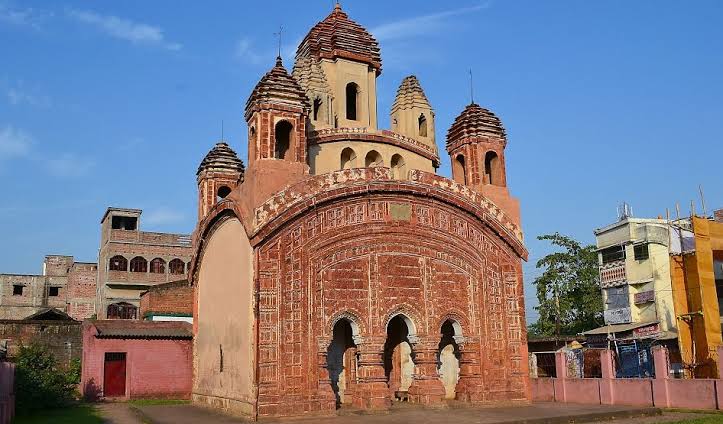
Birbhum, West Bengal: Where Red Soil, Baul Music and Sacred Bengal Come Alive
Birbhum is one of West Bengal’s most culturally distinctive regions, where red-soil landscapes, ancient temples, Baul music, tribal traditions and the intellectual heritage of Santiniketan come together. Often called the “Land of Red Soil”, Birbhum offers a different side of Bengal—more rural, artistic, spiritual and deeply connected with folk traditions.
From the artistic world of Rabindranath Tagore and Visva-Bharati to the spiritual atmosphere of Tarapith and Bakreswar, Birbhum gives travellers an unusually diverse journey through history, culture, nature and religion.
Travel Snapshot of Birbhum
| Detail | Information |
|---|---|
| Destination | Birbhum, West Bengal |
| District Headquarters | Suri |
| State | West Bengal |
| Area | 4,545 sq km |
| Population | 3,502,404, 2011 Census |
| Subdivisions | 3 |
| Blocks | 19 |
| Police Stations | 27 |
| Major Rivers | Ajay and Mor |
| Known As | Land of Red Soil |
| Major Cultural Identity | Baul music, Santiniketan, folk traditions and rural Bengal |
| Ideal Duration | 2–4 days |
Birbhum: A Red-Soil Journey Through Art, Faith and Folk Bengal
Birbhum feels different from the busy urban centres of Bengal. Its red earth, village roads, open landscapes, traditional fairs and Baul singers create an atmosphere where the journey itself becomes part of the experience.
One day can take you through the artistic heritage of Santiniketan; another can lead to the spiritual world of Tarapith and Bakreswar. Add a Baul performance, a rural haat and the landscape around Khoai, and Birbhum becomes much more than a conventional sightseeing destination.
History of Birbhum
Birbhum has a long and layered history. The district formed part of the ancient regions known as Rarh and Vajjabhumi. Historical traditions also associate the area with the travels of Mahavira during the 5th century BCE.
The eastern part of the district, with fertile alluvial land and rivers, was associated with Rarh, while the rugged western landscape was identified with Vajjabhumi. Over the centuries, the region came under the influence of the Mauryas, Guptas, Palas and Senas.
From the 13th century onwards, Muslim political authority expanded into the region, although local Hindu chiefs retained influence in parts of western Birbhum.
After the East India Company received the Diwani of Bengal in 1765, Birbhum went through several administrative changes. It became a separate district in 1787, was reorganized several times and was restored as a separate district in 1820.
Historical Highlights
- Ancient period: Birbhum formed part of historic Rarh and Vajjabhumi.
- 5th century BCE: Jain traditions associate the region with Mahavira's travels.
- Medieval period: The region came under Pala, Sena and later Muslim political influence.
- 1765: East India Company received the Diwani.
- 1787: Birbhum was constituted as a district.
- 1820: Birbhum was reconstituted as a separate district.
Geography of Birbhum
Birbhum occupies the northern part of the Burdwan division and has a distinctive triangular shape. The Ajay River forms much of its southern boundary, while the district extends northwards toward the Santhal Parganas.
The eastern part is relatively fertile and alluvial, while the western landscape is more rugged and undulating. This geographical contrast contributes strongly to Birbhum's identity as the Land of Red Soil.
Geographical Numbers
| Indicator | Figure |
|---|---|
| District Area | 4,545 sq km |
| Population, 2011 | 3,502,404 |
| District Literacy Rate, 2011 | 70.68% |
| Male Literacy Rate | 76.92% |
| Female Literacy Rate | 64.14% |
| Subdivisions | 3 |
| Blocks | 19 |
Population and literacy figures are based on the 2011 Census, the latest completed national Census dataset.
Culture and Traditions of Birbhum
Culture is perhaps Birbhum's strongest identity. The district is deeply associated with Baul music, folk traditions, village fairs, tribal culture and the artistic philosophy of Santiniketan.
The Bauls are wandering mystic musicians whose songs combine spiritual thought, folk philosophy and a distinctive musical tradition. Their performances are an important part of Birbhum's cultural landscape.
The district is also home to communities including Santhal, Bhumij and other tribal groups, whose festivals, music, dance and handicrafts contribute to the region's cultural diversity.
Important Cultural Elements
- Baul Gaan and Baul philosophy
- Santhal and other tribal traditions
- Folk music and dance
- Traditional village fairs and melas
- Kantha and handicraft traditions
- Terracotta and local craftwork
- Handmade products sold at rural haats
- Santiniketan's art and educational heritage
Architecture of Birbhum
Birbhum's architecture ranges from old Hindu temples and Islamic monuments to Santiniketan's experimental educational and artistic buildings.
Santiniketan Architecture
Santiniketan developed around Rabindranath Tagore's vision of education in harmony with nature. Buildings such as China Bhavana, Kalabhavana and other Visva-Bharati structures reflect an approach that combines art, education and the surrounding landscape.
Tarapith Temple
The Tarapith temple is built primarily of red brick and is associated with the worship of Maa Tara. Its religious traditions and connection with tantric practices make it one of Birbhum's most distinctive pilgrimage sites.
Bakreswar Temples
Bakreswar contains a group of temples dedicated to Shiva and other deities. The temple complex is closely associated with the area's sacred hot springs.
Kankalitala Temple
Kankalitala is one of Birbhum's important Shakti pilgrimage sites and has a strong connection with the region's religious heritage.
Famous Places to Visit in Birbhum
Santiniketan
Santiniketan is the cultural heart of Birbhum and one of West Bengal's most important heritage destinations. Maharshi Debendranath Tagore established an ashram here in the 19th century, and Rabindranath Tagore later developed it into the educational and cultural world associated with Visva-Bharati.
Visva-Bharati University
Founded by Rabindranath Tagore in 1921, Visva-Bharati became a central university and an institution of national importance in 1951. Its campuses, museums, artistic traditions and academic heritage are central to the Santiniketan experience.
Sonajhuri Haat
Sonajhuri Haat is an open-air market near the Sonajhuri forest area. Visitors can browse handicrafts, jewellery, textiles, paintings and other handmade products while experiencing the surrounding red-soil landscape.
Khoai
The eroded red-soil landscape around the Kopai River has created the distinctive geographical formation known as Khoai. It is one of the most visually recognizable landscapes around Santiniketan.
Tarapith
Tarapith is a major pilgrimage destination dedicated to Maa Tara. The temple and adjoining cremation ground have deep religious significance, while the town attracts pilgrims throughout the year.
Bakreswar
Bakreswar combines temple heritage with natural hot springs. The main temple is dedicated to Lord Bakranath, a form of Shiva, and the surrounding temple complex contains several smaller shrines.
Kankalitala
Kankalitala is an important Shakti pilgrimage site near the Bolpur region. The temple is traditionally associated with the 51 Shakti Peethas and attracts devotees throughout the year.
Joydev Kenduli
Joydev Kenduli is associated with the medieval poet Jayadeva and is particularly famous for its annual Joydev Mela, where Baul and folk musicians gather for performances and spiritual celebrations.
Patharchapuri
Patharchapuri is associated with Data Baba and is an important pilgrimage centre. The annual mela attracts large numbers of visitors and reflects Birbhum's multi-faith cultural landscape.
Amkhoi Fossil Park
Amkhoi Fossil Park near Illambazar is a distinctive nature and geological attraction. Fossilized wood and the surrounding landscape make it a different kind of sightseeing experience from Birbhum's temples and cultural sites.
Hetampur
Hetampur is known for its historic royal heritage and distinctive palace architecture. It is an interesting stop for travellers looking beyond the better-known Santiniketan and Tarapith circuits.
Famous Dishes to Try in Birbhum
Birbhum's food culture is rooted in traditional Bengali cooking, village ingredients, seasonal produce and food served during fairs and festivals.
Traditional Bengali Rice Meals
Rice remains central to local meals, commonly accompanied by dal, vegetables, fish preparations and seasonal dishes.
Pithe and Puli
During winter festivals and rural celebrations, traditional pithe-puli made from rice flour, coconut, jaggery and other seasonal ingredients can be found in local homes and fairs.
Khichuri
Khichuri is commonly associated with religious occasions, community meals and festive gatherings across Bengal and is also part of the food culture experienced around Birbhum's temples and festivals.
Local Sweets
Visitors can explore Bengali sweets such as sandesh, rasgulla, payesh and seasonal mishti in markets around Suri, Bolpur and Rampurhat.
What to Taste
- Bengali rice and fish meals
- Pithe and puli
- Khichuri
- Sandesh
- Rasgulla
- Payesh
- Seasonal village snacks
- Tea and snacks at rural haats
Famous Personalities Associated with Birbhum
Rabindranath Tagore
Rabindranath Tagore transformed Santiniketan into an internationally recognized centre of education, art and culture. His association with Birbhum remains one of the defining elements of the district's identity.
Maharshi Debendranath Tagore
Debendranath Tagore established the Santiniketan Ashram in the 19th century, laying the foundation for the cultural and educational development that followed.
Tarashankar Bandyopadhyay
Celebrated Bengali novelist Tarashankar Bandyopadhyay was closely associated with Birbhum and drew extensively on rural Bengal, social change and the region's people in his literary work.
Nandalal Bose
Nandalal Bose became one of the major figures associated with the development of modern Indian art at Santiniketan. His work at Kala Bhavana strongly influenced the artistic culture of the institution.
Ramkinkar Baij
Ramkinkar Baij was a pioneering modern Indian sculptor and artist associated with Santiniketan. His monumental sculptures became an important part of the visual identity of the campus.
Jayadeva
The medieval Sanskrit poet Jayadeva, traditionally associated with Kenduli, is remembered for the celebrated work Gita Govinda. His association with Kenduli remains central to the annual Joydev Mela.
Festivals of Birbhum
Poush Mela
Poush Mela is one of Santiniketan's most famous cultural festivals. It combines music, crafts, performances, food and the cultural traditions associated with the Santiniketan community.
Basanta Utsav
Basanta Utsav celebrates spring through colour, music, dance and cultural performances. The festival is strongly associated with Santiniketan and attracts visitors from different parts of India.
Joydev Mela
Held at Kenduli, the Joydev Mela is particularly famous for Baul music, folk performances and devotional traditions. It is one of the best opportunities to experience Birbhum's folk culture.
Poush Parbon
The winter harvest season is celebrated with traditional Bengali food, especially pithe-puli, and community gatherings.
Gajan
Gajan is a popular folk-religious festival associated with Shiva and other local traditions. Processions, rituals and folk performances are important parts of the celebration.
Patharchapuri Mela
The annual Patharchapuri Mela draws pilgrims and visitors to the shrine associated with Data Baba.
Other Festivals
- Durga Puja
- Kali Puja
- Saraswati Puja
- Dol / Holi
- Rath Yatra
- Eid
- Christmas
- Tribal festivals and village fairs
Things to Do in Birbhum
- Explore Santiniketan: Visit Visva-Bharati and experience its artistic and educational heritage.
- Walk through Khoai: Explore the striking red-soil landscape around the Kopai region.
- Shop at Sonajhuri Haat: Look for handmade crafts, textiles, jewellery and folk-art products.
- Listen to Baul music: Experience one of Birbhum's most distinctive cultural traditions.
- Visit Tarapith: Explore the temple and its unique religious atmosphere.
- Relax at Bakreswar: Combine temple sightseeing with the area's natural hot springs.
- Visit Kankalitala: Explore one of the region's important Shakti pilgrimage sites.
- Explore Joydev Kenduli: Particularly worthwhile during the Joydev Mela.
- Visit Amkhoi Fossil Park: Discover one of the district's unusual geological attractions.
- Explore local villages: Experience rural landscapes, traditional crafts and everyday Bengali life.
- Visit a rural haat: Shop directly from local artisans and small producers.
- Explore Birbhum's temples: Discover the district's wide range of religious architecture.
Where to Eat, Shop, and Stay in Birbhum
Where to Eat
For the widest variety of restaurants, cafes and Bengali eateries, Bolpur-Santiniketan, Suri and Rampurhat are practical bases. Around Tarapith and other pilgrimage centres, visitors will find vegetarian meals, Bengali food and simple local eateries.
Where to Shop
- Sonajhuri Haat handicrafts
- Kantha and embroidered textiles
- Handloom products
- Dokra and metal crafts
- Terracotta items
- Leather and folk-art products
- Paintings and Santiniketan-inspired art
- Local handmade jewellery
Where to Stay
Bolpur-Santiniketan is a convenient base for travellers interested in culture, art and nature. Tarapith and Rampurhat are better suited to pilgrimage-focused itineraries, while Suri is useful for exploring the district headquarters and central Birbhum.
What is Birbhum Famous For?
- Santiniketan and Visva-Bharati
- Rabindranath Tagore's legacy
- Baul music and folk culture
- Tarapith Temple
- Bakreswar Temple and hot springs
- Kankalitala Temple
- Joydev Kenduli and Joydev Mela
- Red-soil Khoai landscape
- Sonajhuri Haat
- Amkhoi Fossil Park
- Traditional fairs and festivals
- Rural and tribal cultural traditions
Best Time to Visit Birbhum
The most comfortable period for exploring Birbhum is generally October to March, when temperatures are more suitable for outdoor sightseeing and walking.
Winter is particularly attractive for travellers interested in Poush Mela, Joydev Mela, rural fairs and cultural programmes. Spring is also popular around Santiniketan because of Basanta Utsav.
| Season | What to Expect | Travel Suitability |
|---|---|---|
| October–November | Comfortable weather and festive atmosphere | Excellent |
| December–February | Cool weather, fairs and cultural events | Excellent |
| March | Spring atmosphere and Basanta Utsav period | Excellent |
| April–May | Hot and dry conditions | Moderate |
| June–September | Monsoon greenery and occasional heavy rain | Moderate |
Festival dates change each year, so check official local notices before planning a festival-specific trip.
How to Reach Birbhum
By Air
Kazi Nazrul Islam Airport near Durgapur is one of the nearest airport options for Birbhum. Kolkata's Netaji Subhas Chandra Bose International Airport is another major gateway, particularly for travellers arriving from other parts of India or abroad.
By Train
Birbhum has a strong railway network. Important railway stations include Bolpur Shantiniketan, Sainthia, Rampurhat, Nalhati, Dubrajpur, Ahmadpur and Suri.
The Howrah–Sahibganj railway loop passes through the district, while connections through Sainthia and Andal link Birbhum with major railway routes.
By Road
Birbhum is well connected by road with Kolkata and other districts of West Bengal. The Panagarh–Moregram Expressway provides an important road connection across the district.
Local Transport
- Local trains
- Government and private buses
- Auto-rickshaws
- Taxis
- Rental cars
Nearby Places to Visit from Birbhum
Murshidabad
The historic region of Murshidabad can be combined with a northern Birbhum itinerary, particularly for travellers interested in Bengal's Nawabi heritage.
Bardhaman
Bardhaman lies south of Birbhum and offers royal heritage, temples, Curzon Gate, Golapbag and the famous Mihidana and Sitabhog.
Bankura
Bankura provides a different landscape, with terracotta heritage, forests, hills and attractions such as Bishnupur and Mukutmanipur.
Deoghar
Across the western border, Deoghar in Jharkhand can be combined with a longer pilgrimage-oriented itinerary from western Birbhum.
Katwa
Katwa and the surrounding region can be explored as part of a wider heritage journey through eastern Birbhum and Bardhaman.
Best Duration for Birbhum
Because Birbhum is a district rather than a compact single-city destination, 3 days is a practical minimum for experiencing its major highlights.
| Duration | Suggested Experience |
|---|---|
| 1 Day | Santiniketan + Sonajhuri Haat + Khoai |
| 2 Days | Santiniketan + Khoai + nearby cultural attractions |
| 3 Days | Santiniketan + Tarapith + Bakreswar |
| 4 Days | Major attractions + Kenduli + Kankalitala + rural experiences |
| 5 Days | Full cultural, spiritual and nature-focused Birbhum itinerary |
Travel Tips for Birbhum
- Plan Santiniketan separately from Tarapith if you want a relaxed itinerary.
- Wear comfortable footwear for temple visits and walking around rural areas.
- Carry water, sunscreen and a hat during summer.
- Respect temple customs and photography restrictions.
- Check festival dates before travelling for Poush Mela, Basanta Utsav or Joydev Mela.
- Book accommodation early during major festivals.
- For Sonajhuri Haat, keep some time for browsing rather than treating it as a quick shopping stop.
- Buy handicrafts directly from artisans where possible.
- Use registered or reliable transport for longer journeys between attractions.
- Keep additional travel time for rural roads and festival traffic.
- Maintain cleanliness around temples, forests, water bodies and village areas.
- During peak pilgrimage periods at Tarapith, expect crowded roads and temple areas.
Why Visit Birbhum?
Birbhum is ideal for travellers who want to experience a side of Bengal that combines art, spirituality, folk music, rural landscapes and intellectual heritage.
Few destinations in West Bengal offer such a strong contrast within one district: the artistic calm of Santiniketan, the red-soil landscape of Khoai, the spiritual intensity of Tarapith, the hot springs of Bakreswar and the folk energy of Joydev Kenduli.
Top Reasons to Visit
- Experience the heritage of Santiniketan.
- Explore Rabindranath Tagore's educational and cultural legacy.
- Listen to traditional Baul music.
- Visit Tarapith and Bakreswar.
- Explore red-soil landscapes and rural Bengal.
- Shop at Sonajhuri Haat.
- Experience Joydev Mela and other traditional fairs.
- Discover tribal and folk traditions.
- Explore unusual attractions such as Amkhoi Fossil Park.
Conclusion
Birbhum is a destination where Bengal's artistic imagination, spiritual traditions and rural character come together. Its red earth and open landscapes provide the setting, while Santiniketan, Baul music, historic temples and village festivals provide its cultural soul.
Whether you visit for Tagore and Santiniketan, Baul music, Tarapith, Bakreswar, folk festivals or simply the peaceful red-soil countryside, Birbhum offers a travel experience that feels distinctly Bengali and deeply connected to its roots.
"Travel is the only thing you buy that makes you richer."