Jhargram: Where Forests, Hills and Heritage Come Together
Known for its lush forests, rolling hills, rivers and vibrant tribal culture, Jhargram is one of West Bengal's most distinctive nature and heritage destinations. Located in the historic Jangalmahal region, the area combines peaceful sal forests with royal palaces, ancient temples, waterfalls and traditional village life.
Jhargram is particularly attractive for travellers who want to move away from crowded city destinations. The region offers experiences ranging from the historic Jhargram Raj Palace and Chilkigarh Raj Palace to the sacred Kanak Durga Temple, the forests of Belpahari and Kankrajhor, and scenic destinations such as Khandarani Dam, Ghagra and Gadrasini Hill.
The area's cultural identity is equally fascinating. Communities including Santals, Mundas, Bhumijs, Lodhas and Sabars have contributed to Jhargram's distinctive traditions of music, dance, festivals and handicrafts. Folk forms such as Chhou, Jhumur, Tusu, Karam and Baha remain important parts of the cultural landscape. :chatgpt-content-reference{index="1"}
History of Jhargram
The history of Jhargram is closely connected with the forested region historically known as Junglekhand or Jangalmahal. According to the official district history, the traditional account of Jhargram's royal family traces its origins to the late 16th century.
The Arrival of Man Singh
According to the local historical tradition recorded by the Jhargram district administration, around 1574 AD, Raja Man Singh of Amber came to Bengal on behalf of Mughal Emperor Akbar. Two trusted officers, Sarveshwar Singh and his elder brother, were associated with the campaign in the forest region.
The Malla Deb Dynasty
The official history records that Sarveshwar Singh and his Rajput forces defeated the local rulers of the region and that he adopted the title Malla Deb. He established his capital at Jhargram, giving rise to the royal family associated with the town.
The district's official account states that the region was inhabited by tribal communities including Santals, Mallas, Bhumijs and Lodhas. The traditional royal history remains an important part of Jhargram's identity. :chatgpt-content-reference{index="2"}
Jhargram and the Royal Family
The Malla Deb royal family remained closely associated with Jhargram for centuries. The city's palace and various religious traditions preserve elements of this royal history.
Jhargram Raj Palace
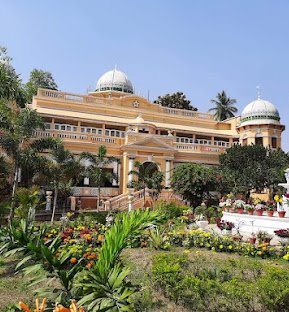
The present Jhargram Raj Palace was built in 1922 during the reign of Raja Narasingha Malla Deb Bahadur. The palace is described by West Bengal Tourism as an Italianate structure with Islamic architectural influences and carefully maintained lawns and gardens. :chatgpt-content-reference{index="3"}
Jhargram as a District
Jhargram became a separate district of West Bengal on 4 April 2017, after being separated from Paschim Medinipur. Jhargram town serves as the district headquarters. :chatgpt-content-reference{index="4"}
Geography of Jhargram
Jhargram occupies a distinctive landscape in south-western West Bengal. The district is characterised by forests, undulating terrain, rivers, hillocks and rural settlements.
Rivers
The Kangsabati lies towards the northern side of the district, while the Subarnarekha flows towards the south. Other important rivers and streams associated with the region include the Dulung and Tarafeni. :chatgpt-content-reference{index="5"}
Forests
Jhargram is particularly famous for its forests. Sal, teak, peasal and mahua trees are among the vegetation that contributes to the area's distinctive green landscape. The forests also provide habitat for wildlife including elephants, deer and numerous bird species. :chatgpt-content-reference{index="6"}
Belpahari and Kankrajhor
The northern part of the district rises towards the Belpahari and Kankrajhor hills. These forested areas provide some of Jhargram's most scenic landscapes and are popular with visitors seeking nature, trekking and quiet surroundings.
Climate
Jhargram experiences a tropical climate with hot and dry conditions during the summer and cooler weather during winter. The forested landscape is particularly attractive after the monsoon, when the region becomes greener and streams and waterfalls are more active.
Culture and Traditions of Jhargram
Jhargram's culture is one of its greatest attractions. The region is home to several tribal communities whose traditions are expressed through music, dance, festivals, rituals and community celebrations.
Tribal Communities
Communities including Santals, Mundas, Bhumijs, Lodhas and Sabars form an important part of the cultural identity of Jhargram. Their traditional practices and artistic expressions contribute significantly to the region's heritage. :chatgpt-content-reference{index="7"}
Chhou Dance
Chhou is a dramatic masked dance form traditionally based on mythological stories, although contemporary performances can also address social themes. Elaborate masks, colourful costumes and energetic movements make it one of the most visually striking performance traditions of the region.
Jhumur
Jhumur is a popular folk-song tradition associated particularly with the Kurmali-speaking community. Contemporary performers are also adapting traditional Jhumur themes to address modern social and environmental subjects. :chatgpt-content-reference{index="8"}
Tusu
Tusu is a traditional folk-song tradition associated with the winter harvest season. Young women, particularly from Kurmi communities, traditionally sing Tusu songs in connection with the worship of the goddess Tusu.
Karam Tradition
Karam is an important tribal festival and dance tradition connected with Karam Devta and prayers for prosperity and a good harvest. Music, dance and community participation are central to the celebration.
Traditional Instruments
Instruments such as the dhamsa, madal, flute, khol and other folk percussion instruments are important in Jhargram's musical traditions. The rhythmic sound of tribal instruments is an integral part of local festivals and dances.
Architecture of Jhargram
Jhargram's architecture reflects the area's royal history, religious traditions and interaction between regional and outside influences.
Jhargram Raj Palace
The Jhargram Raj Palace is the city's most prominent architectural landmark. Built in 1922, the palace combines an Italianate architectural character with Islamic influences and is surrounded by landscaped gardens. Part of the palace has been developed as heritage accommodation. :chatgpt-content-reference{index="9"}
Chilkigarh Raj Palace
Chilkigarh Raj Palace is associated with the Dhawaldev royal family. The official district account records a tradition that King Jagatdeo of the Suryavansh dynasty defeated the ruler of Chilkigarh and adopted the title Dhawaldev. :chatgpt-content-reference{index="10"}
Kanak Durga Temple
The Kanak Durga Temple at Chilkigarh is traditionally considered more than 500 years old. The district administration attributes its construction to King Gopinath. The temple is surrounded by greenery, giving the religious site a distinctive forest setting. :chatgpt-content-reference{index="11"}
Rameswar Temple
Rameswar Temple at Gopiballavpur is dedicated to Lord Shiva. The temple is believed to have been built around the 16th century and follows a traditional Odia architectural style. :chatgpt-content-reference{index="12"}
Famous Places in Jhargram
Jhargram Raj Palace
Jhargram Raj Palace is the most recognisable heritage attraction in the city. Built in 1922 during the reign of Raja Narasingha Malla Deb Bahadur, the palace combines Italianate and Islamic architectural elements.
The palace remains associated with the Malla Deb royal family, and traditional rituals connected with the royal household continue to contribute to its cultural importance. The grounds also contain landscaped gardens and heritage accommodation. :chatgpt-content-reference{index="13"}
Jhargram Zoological Park
Jhargram Zoological Park, also known locally as the Deer Park, is situated close to the town. It provides visitors with an opportunity to see animals and birds in a green forest environment and is a convenient attraction for families.
Bandarvula Tribal Interpretation Centre
The Bandarvula Tribal Interpretation Centre is a museum created by the state government to showcase the rich tribal art and culture of the region. It is situated within a sal forest about 1 kilometre from Jhargram town and includes an open stage for cultural programmes. :chatgpt-content-reference{index="14"}
Chilkigarh Raj Palace
Chilkigarh Raj Palace is located about 14 kilometres from Jhargram town. The palace is associated with the Dhawaldev royal family and forms part of a broader heritage visit to Chilkigarh. :chatgpt-content-reference{index="15"}
Kanak Durga Temple
Kanak Durga Temple is one of the most important religious attractions around Chilkigarh. Its age, forest setting and association with the local royal tradition make it a particularly interesting destination for visitors.
Sabitri Temple
Sabitri Temple is associated with the Malla Deb royal family's family deity. The approximately 350-year-old temple stands beside a large water body and features a distinctive domed structure. :chatgpt-content-reference{index="16"}
Rameswar Temple
Rameswar Temple at Gopiballavpur is an important Shiva temple surrounded by natural scenery. Thousands of devotees visit during the month of Shravan, while an annual fair is held around the temple during Gangabaruni. :chatgpt-content-reference{index="17"}
Tapovan
Tapovan is a religious and natural attraction surrounded by forest. The site contains temples associated with Ram, Sita, Valmiki, Hanuman and Luv-Kush and provides a peaceful setting for visitors.
Kankrajhor
Kankrajhor is one of Jhargram's most scenic forest destinations. The area is characterised by hilly terrain, dense vegetation and meandering streams, making it popular with nature lovers and photographers. :chatgpt-content-reference{index="18"}
Belpahari
Belpahari is a forested and hilly area in northern Jhargram. It serves as a gateway to several natural attractions including Gadrasini, Ghagra and Kankrajhor.
Ghagra Waterfall
Ghagra lies about 7 kilometres north of Belpahari and is known for its waterfall and surrounding natural scenery. It is particularly attractive after the monsoon when the water flow is stronger. :chatgpt-content-reference{index="19"}
Gadrasini Hill
Gadrasini Hill is located near Belpahari and is known for its forested hill landscape. The destination is suitable for visitors interested in nature, views and outdoor exploration. :chatgpt-content-reference{index="20"}
Khandarani Dam
Khandarani Dam is surrounded by greenery and is one of the scenic attractions of the Jhargram region. Its combination of water, forest and open landscape makes it suitable for relaxed nature outings and photography. :chatgpt-content-reference{index="21"}
Hatibari
Hatibari is located near the meeting area of West Bengal, Odisha and Jharkhand. The surrounding sal forests create a peaceful environment and make it an interesting destination for travellers exploring the southern forest belt. :chatgpt-content-reference{index="22"}
Gopiballavpur Eco Tourism Park
Gopiballavpur Eco Tourism Park is situated on the bank of the Subarnarekha River. Its riverside setting makes it a pleasant destination for nature lovers and visitors seeking a quiet outdoor experience. :chatgpt-content-reference{index="23"}
Famous Dishes of Jhargram
Jhargram's food culture reflects the culinary traditions of rural Bengal and the tribal communities of Jangalmahal. Rice, seasonal vegetables, leafy greens, pulses, fish and locally available forest produce are important elements of traditional meals.
Rice and Fish
Rice with fish remains a familiar Bengali meal in the region. Local freshwater fish may be prepared with mustard, spices or light gravies and served with rice.
Panta Bhaat
Panta bhaat is fermented or soaked rice traditionally eaten with salt, green chilli, vegetables, fish or other accompaniments. It is especially associated with rural Bengali food traditions.
Shukto
Shukto is a traditional Bengali mixed-vegetable preparation with a distinctive mildly bitter flavour. It is commonly served as part of a Bengali meal.
Mochar Ghonto
Mochar ghonto is a Bengali preparation made from banana blossom and spices. It is a traditional vegetarian dish that can be found in Bengali households and local eateries.
Mahua-Based Traditional Food Culture
Mahua is an important forest tree in the region and has cultural significance among several tribal communities. Traditional food practices in forest communities make use of locally available seasonal ingredients and gathered produce.
Traditional Tribal Preparations
Visitors interested in Jhargram's tribal food culture may encounter preparations based on seasonal greens, forest produce, millets, pulses and locally available ingredients. These culinary traditions are closely connected with the region's agricultural and forest-based lifestyle.
Famous Personalities Associated with Jhargram
Man Singh I
Man Singh I of Amber is an important historical figure in the traditional account of Jhargram's origin. The district history states that he came to Bengal around 1574 AD on behalf of Mughal Emperor Akbar and that his campaign was connected with the establishment of the Malla Deb royal line in the region. :chatgpt-content-reference{index="24"}
Sarveshwar Malla Deb
Sarveshwar Malla Deb is regarded in the official district history as the founder of the present Jhargram royal family. According to the traditional account, he established Jhargram as the capital after defeating the local Malla ruler and adopting the title Malla Deb. :chatgpt-content-reference{index="25"}
Raja Narasingha Malla Deb Bahadur
Raja Narasingha Malla Deb Bahadur was the ruler during whose reign the present Jhargram Raj Palace was built in 1922. His period is therefore closely associated with one of the city's most recognisable heritage landmarks. :chatgpt-content-reference{index="26"}
Raja Man Govinda Dhabal Deb
Raja Man Govinda Dhabal Deb of the Jhargram royal family is remembered for supporting the traditional Chilkigarh Chhau-Parva performance tradition. The district's culture and heritage material credits his efforts with helping preserve this distinctive local art form. :chatgpt-content-reference{index="27"}
Festivals of Jhargram
Makar Parab and Tusu Parab
Makar Parab, also known as Tusu Parab, is celebrated during winter in January and is closely associated with agriculture and harvest. Villagers traditionally pray for prosperity and a successful agricultural season. :chatgpt-content-reference{index="28"}
Saharul
Saharul is a spring festival associated with the worship of nature. It represents a traditional expression of respect for the natural world and is celebrated with community activities and cultural performances.
Karam Parab
Karam Parab is celebrated during the Bengali month of Bhadra. It is associated with agricultural prosperity and the worship of Karam Devta. Jawa Geet and Karam songs form an important part of the celebration. :chatgpt-content-reference{index="29"}
Indra Puja
Indra Puja is associated with prayers for rainfall and agricultural prosperity. The festival has traditionally received patronage from the Jhargram royal family, with Parva dance forming one of its cultural highlights. :chatgpt-content-reference{index="30"}
Bandna or Sahrai
Bandna, also known as Sahrai, is a festival expressing gratitude towards animals used in agriculture. Agricultural tools may also be worshipped during the celebration, while Ahira Geet forms an important part of the tradition. :chatgpt-content-reference{index="31"}
Baha Banga
Baha Banga is an important festival of the Santal community. It begins after Dol Purnima and includes worship at the Jaher Than. The associated Baha dance is an important part of the celebration. :chatgpt-content-reference{index="32"}
Mah Mare
Mah Mare is a tribal festival beginning in the Bengali month of Baisakh and continuing into Asharh. Worship takes place at the Jaher Than and is accompanied by traditional dance and community activities.
Durga Puja
Durga Puja is widely celebrated in Jhargram, while the region's tribal communities also maintain their own traditional festivals and rituals. During the festive season, the town and surrounding villages become more vibrant with cultural performances and community gatherings.
Chhau and Folk Festival Traditions
Jhargram's festivals frequently incorporate traditional folk performances including Chhau, Parva, Jhumur, Baha, Karam, Pata Naach and other tribal dances. These performances are an important way of preserving local history and community traditions.
Things to Do in Jhargram
- Visit the historic Jhargram Raj Palace and explore its architectural character.
- Explore the Jhargram Zoological Park.
- Visit the Bandarvula Tribal Interpretation Centre to learn about local tribal art and culture.
- Travel to Chilkigarh Raj Palace.
- Visit the historic Kanak Durga Temple.
- Explore the peaceful surroundings of Sabitri Temple.
- Visit Rameswar Temple and experience its forest setting.
- Explore the hills and forests around Belpahari.
- Visit Ghagra Waterfall.
- Explore the scenic forests of Kankrajhor.
- Climb or explore the surroundings of Gadrasini Hill.
- Spend time beside Khandarani Dam.
- Visit Gopiballavpur Eco Tourism Park beside the Subarnarekha.
- Experience traditional tribal music and dance when performances are available.
- Try traditional Bengali and regional food.
- Explore rural villages and forest landscapes respectfully.
Where to Eat, Shop, and Stay in Jhargram
Where to Eat
Jhargram town has local restaurants, small eateries and hotels serving Bengali, Indian and regional food. Visitors can try traditional Bengali meals, rice and fish preparations, vegetarian dishes and popular snacks.
For a more local experience, explore established eateries around the town centre and main market areas. Visitors staying in eco-tourism properties and resorts may also find regional meals prepared using locally available ingredients.
Where to Shop
Local markets offer clothing, household products, food items and everyday goods. Visitors interested in the area's culture can also look for tribal handicrafts, traditional decorative items, folk-art products and locally made souvenirs.
The best shopping experience is often found by exploring local markets rather than looking only for conventional tourist shops.
Where to Stay
Jhargram offers hotels, resorts, guesthouses, homestays and eco-tourism accommodation. West Bengal Tourism specifically notes the availability of hotels, resorts and tented accommodation in the district. :chatgpt-content-reference{index="33"}
The Jhargram Raj Palace also has heritage accommodation within the palace complex, providing a distinctive option for travellers interested in the city's royal history. :chatgpt-content-reference{index="34"}
For a nature-focused stay, travellers can consider accommodation around Belpahari, Kankrajhor, Chilkigarh or other eco-tourism areas, depending on availability.
What is Jhargram Famous For?
Jhargram is famous for its combination of dense forests, tribal culture, royal heritage, temples, hills and eco-tourism.
The city and district are particularly known for Jhargram Raj Palace, Chilkigarh Raj Palace, Kanak Durga Temple, Jhargram Zoological Park, Belpahari, Kankrajhor, Gadrasini Hill, Ghagra Waterfall and Khandarani Dam. :chatgpt-content-reference{index="35"}
Jhargram is also recognised for its rich tribal cultural traditions, including Chhou, Jhumur, Tusu, Karam, Baha, Pata Naach and Parva. :chatgpt-content-reference{index="36"}
Best Time to Visit Jhargram
The best time to visit Jhargram is generally from October to March, when the weather is more comfortable for exploring forests, temples, palaces, hills and outdoor attractions.
Winter is particularly pleasant for travelling through the forest areas and visiting destinations such as Belpahari, Kankrajhor and Khandarani.
The period after the monsoon can also be attractive because the forests become greener and waterfalls and streams can have better water flow. Visitors planning to see waterfalls should nevertheless check local weather and road conditions.
Travellers interested in cultural experiences can plan their visit around festivals such as Makar Parab, Karam Parab, Saharul, Baha Banga, Bandna or Indra Puja.
How to Reach Jhargram
By Train
Jhargram Railway Station is one of the easiest ways to reach the city. It lies on the Kharagpur–Tatanagar section of the Howrah–Nagpur–Mumbai railway route.
West Bengal Tourism states that the distance from Howrah to Jhargram is approximately 157 kilometres by rail, with train travel taking around three hours depending on the service. :chatgpt-content-reference{index="37"}
By Air
The nearest major airport is Netaji Subhas Chandra Bose International Airport, Kolkata. The Jhargram district administration's tourist information places the airport at roughly 188 kilometres from Jhargram. :chatgpt-content-reference{index="38"}
By Road
Jhargram is well connected by road with Kolkata, Kharagpur, Medinipur, Durgapur, Asansol, Bankura, Purulia, Haldia, Contai and Digha. Buses, taxis and private vehicles can be used to reach the town. :chatgpt-content-reference{index="39"}
Local Transport
Auto-rickshaws, local vehicles, taxis and hired cars are useful for exploring Jhargram town. A private vehicle or hired car is more convenient for visiting attractions spread across the wider district.
Nearby Places to Visit from Jhargram
Chilkigarh
Chilkigarh is one of the most important nearby heritage destinations. It is known for Chilkigarh Raj Palace and the historic Kanak Durga Temple. The area combines royal history, religious heritage and forest scenery.
Belpahari
Belpahari is a scenic forest and hill destination north of Jhargram. It provides access to several natural attractions and is an excellent choice for travellers interested in outdoor exploration.
Kankrajhor
Kankrajhor is known for its forested hills, streams and peaceful natural environment. It is one of the region's most attractive destinations for nature lovers and photographers.
Khandarani
Khandarani Dam is surrounded by greenery and water bodies and is suitable for a relaxed nature excursion. It can be combined with a broader Belpahari or northern Jhargram itinerary.
Gopiballavpur
Gopiballavpur lies beside the Subarnarekha River and offers a combination of river scenery, temples and eco-tourism attractions.
Hatibari
Hatibari lies near the meeting area of West Bengal, Odisha and Jharkhand. The surrounding forest landscape makes it an interesting destination for travellers exploring the southern part of Jhargram.
Rameswar
Rameswar Temple is an important religious and natural attraction near Gopiballavpur. The temple's traditional Odia architectural character and forest surroundings make it particularly distinctive.
Tapovan
Tapovan combines religious sites with forest scenery and is associated with temples dedicated to Ram, Sita, Valmiki, Hanuman and Luv-Kush.
Best Duration for a Trip to Jhargram
A 1-day trip is suitable for exploring Jhargram town, including Jhargram Raj Palace, Jhargram Zoological Park, Bandarvula Tribal Interpretation Centre and nearby attractions.
A 2-day trip allows visitors to combine the town's heritage attractions with Chilkigarh and Kanak Durga Temple.
A 3-day trip is recommended for travellers who want to explore the forests and hills around Belpahari, Kankrajhor, Gadrasini and Khandarani at a relaxed pace.
A 4-day trip can include the wider Jhargram circuit with Chilkigarh, Gopiballavpur, Rameswar, Hatibari and other nature and cultural destinations.
Travel Tips for Jhargram
- Keep at least two or three days if you want to experience both Jhargram town and its forest destinations.
- Start outdoor excursions early, particularly during warmer months.
- Wear comfortable shoes for forest walks, hill areas and waterfall visits.
- Carry sufficient drinking water when travelling to remote forest and hill destinations.
- Carry insect repellent when spending extended periods around forests and water bodies.
- Check local weather and road conditions before travelling to waterfalls and forest areas.
- Do not enter restricted forest areas or approach wild animals.
- Respect tribal communities, their customs and religious practices.
- Ask permission before photographing people, homes, ceremonies or cultural performances.
- Dress respectfully when visiting temples and tribal religious sites.
- Support local homestays, guides, artisans and eco-tourism initiatives where possible.
- Try local food and learn about the area's traditional ingredients and cooking practices.
- Carry cash when travelling to remote areas because digital payment facilities may not always be reliable.
- Keep the forests clean and avoid leaving plastic or other waste behind.
- Check accommodation availability before travelling during weekends and festival periods.
Why Visit Jhargram?
Jhargram is ideal for travellers looking for a combination of nature, culture and heritage. Unlike conventional urban tourist destinations, the experience here is shaped by forests, hills, rivers, tribal villages, royal history and traditional festivals.
A trip can begin with the elegant Jhargram Raj Palace, continue through the tribal heritage of Bandarvula and then move towards the forested landscapes of Belpahari and Kankrajhor.
Religious and historical destinations such as Chilkigarh, Kanak Durga Temple and Rameswar Temple add another dimension to the journey, while folk traditions such as Chhou, Jhumur, Tusu and Karam offer an opportunity to experience the living culture of Jangalmahal.
For nature lovers, photographers, heritage enthusiasts and travellers looking for a peaceful escape from busy cities, Jhargram provides a distinctly different side of West Bengal.
Conclusion
Jhargram is a destination where forest landscapes, royal history and tribal culture exist side by side. Its sal forests, rivers, hills and waterfalls create a naturally beautiful setting, while its palaces and temples preserve centuries of regional history.
The city's most famous landmarks, including Jhargram Raj Palace, Chilkigarh Raj Palace and Kanak Durga Temple, tell the story of its royal heritage. At the same time, the region's festivals, folk dances and music preserve the cultural traditions of its tribal communities.
From the green hills of Belpahari and Kankrajhor to the waters of Khandarani and the banks of the Subarnarekha, Jhargram offers a refreshing travel experience for anyone who wants to discover a quieter and more culturally diverse side of West Bengal.
"Travel is the only thing you buy that makes you richer."