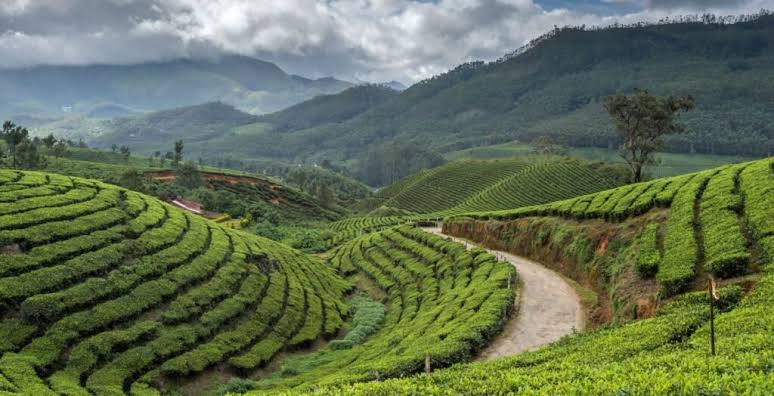
Darjeeling, West Bengal: Where the Himalayas Meet Tea, Toy Trains and Timeless Charm
Perched high in the Lesser Himalayas, Darjeeling is a hill town where misty mountains, green tea gardens, old colonial buildings and the rhythmic sound of the famous Toy Train come together. With spectacular views of Mount Kanchenjunga, Darjeeling offers a memorable mix of nature, heritage, food and mountain culture.
Known as the “Queen of the Hills”, the town is famous around the world for its distinctive tea and the Darjeeling Himalayan Railway, a UNESCO World Heritage Site. From sunrise at Tiger Hill to a warm bowl of thukpa in the evening, Darjeeling offers experiences that are both scenic and deeply cultural.
Travel Snapshot
| Detail | Information |
|---|---|
| State | West Bengal |
| Region | Eastern Himalayas / Northern Bengal |
| District Headquarters | Darjeeling |
| Darjeeling Town Elevation | About 2,042 metres / 6,700 feet |
| Town Population | 1,18,805 – Census 2011 |
| District Area | 3,149 sq km |
| Major Mountain | Mount Kanchenjunga |
| Famous For | Darjeeling Tea, Toy Train, Tiger Hill, Kanchenjunga views and Himalayan culture |
| Languages | Nepali, Bengali, Hindi and English |
| Nearest Airport | Bagdogra Airport |
| Nearest Major Railway Station | New Jalpaiguri (NJP) |
| Best For | Mountain views, tea tourism, heritage, food, photography and trekking |
History
The name Darjeeling is generally traced to Tibetan words associated with “dorje” and “ling”, often interpreted as the “land of the thunderbolt”. Before British control, the area was connected with the Kingdom of Sikkim and was also briefly under Gorkha influence.
A major turning point came in 1835, when the East India Company acquired Darjeeling from the Raja of Sikkim. British officials soon recognised the cool mountain climate and developed the town as a sanatorium and summer retreat.
The development of roads, settlements and tea plantations transformed Darjeeling during the 19th century. The arrival of the Darjeeling Himalayan Railway in the late 19th century further connected the hill town with the plains.
Darjeeling later developed into a multicultural Himalayan centre influenced by Lepcha, Gorkha, Tibetan, Bhutia, Bengali and British traditions. Kalimpong was historically part of the Darjeeling district but became a separate district of West Bengal in 2017.
Geography
Darjeeling lies in the Lesser Himalayas of northern West Bengal at an elevation of around 2,042 metres. The town is built across steep mountain slopes and ridges, creating dramatic viewpoints over valleys, forests and Himalayan peaks.
The landscape around Darjeeling includes tea gardens, pine and oak forests, mountain streams and high-altitude trekking routes. On clear days, Mount Kanchenjunga dominates the northern skyline.
- Elevation: About 2,042 metres
- Climate: Cool mountain climate with wet monsoon months
- Landscape: Mountains, forests, tea gardens and valleys
- Rainfall: Around 3,092 mm average annual rainfall in Darjeeling town
- Nearby Himalayan regions: Sikkim, Nepal and Bhutan lie within the wider Himalayan landscape
Culture and Traditions
Darjeeling has one of the most distinctive cultural landscapes in eastern India. Lepchas, Gorkhas, Bhutias, Tibetans and other communities have contributed to the region's traditions, food, music and festivals.
Nepali is widely spoken in the hills, while Bengali, Hindi and English are also commonly used. Buddhism, Hinduism and Christianity are among the major religious traditions represented in the region.
Nepali Folk Music and Dance
Traditional performances include Maruni, Dhan Naach, Damphu, Khukuri Naach, Deora, Jatra and Jhankri. These traditions reflect the Himalayan communities and their connection with festivals, farming and religious practices.
Handicrafts
Darjeeling is known for wood and bamboo work, woollen garments, carpets, handlooms, paintings, jewellery, masks and Tibetan-influenced decorative products. Gorkha, Lepcha and Tibetan artistic influences can be seen throughout local handicrafts.
Architecture
Darjeeling's architecture reflects its layered history. British-era buildings, churches, schools and colonial structures sit alongside Buddhist monasteries, Himalayan homes and traditional buildings influenced by Tibetan and Nepali styles.
The town's sloping streets and compact buildings create a distinctive mountain-town character. Important heritage structures include St. Andrew's Church, Raj Bhavan, Clock Tower, old colonial buildings and monasteries.
British architectural influence is particularly visible in older institutional buildings, while monasteries introduce colourful Buddhist artwork, prayer flags and traditional Tibetan design elements.
Famous Places
Tiger Hill
Tiger Hill is one of Darjeeling's most famous sunrise viewpoints. Located around 13 km from the town at about 2,590 metres, it is known for views of Kanchenjunga and the surrounding Eastern Himalayas.
Darjeeling Himalayan Railway
The legendary Toy Train was built between 1879 and 1881. The approximately 88-km narrow-gauge railway connects New Jalpaiguri with Darjeeling and uses loops and zigzags to climb the Himalayan slopes. It became part of the UNESCO World Heritage-listed Mountain Railways of India in 1999.
Batasia Loop
Batasia Loop is an impressive railway engineering feature where the Toy Train negotiates a loop while gaining altitude. It also provides beautiful views of Darjeeling's surrounding mountains and includes the Gorkha War Memorial.
Chowrasta and The Mall
Chowrasta is the social heart of Darjeeling. The open square and surrounding Mall area are ideal for walking, enjoying mountain views, shopping and experiencing the relaxed rhythm of hill-town life.
Observatory Hill and Mahakal Temple
Located close to Chowrasta, Observatory Hill is an important spiritual and scenic site. The area is associated with the Mahakal Temple and offers views of the snow-covered Himalayan peaks in clear weather.
Padmaja Naidu Himalayan Zoological Park
Established in 1958, this high-altitude zoo focuses on Himalayan flora and fauna. Its notable animals include the red panda and snow leopard, making it an important attraction for wildlife enthusiasts.
Himalayan Mountaineering Institute
The Himalayan Mountaineering Institute (HMI) was founded in 1954 following the successful Everest expedition of Tenzing Norgay and Edmund Hillary. It has become an important centre for mountaineering education and Himalayan adventure.
Peace Pagoda
The Japanese Peace Pagoda is a peaceful Buddhist landmark offering panoramic views of the surrounding hills. Its white structure and Buddhist imagery make it one of Darjeeling's popular photography and sightseeing locations.
Happy Valley Tea Estate
Happy Valley Tea Estate was established in 1854 and is one of the closest tea estates to Darjeeling town. Spread across about 177 hectares, it provides an opportunity to see Darjeeling's tea-growing landscape up close.
Rock Garden and Ganga Maya Park
These landscaped attractions combine mountain streams, waterfalls, gardens and pathways. They are popular for relaxed sightseeing and family outings.
Tibetan Refugee Self-Help Centre
The centre is associated with Tibetan refugee communities and is known for traditional handicrafts, woollens and handmade products. It offers visitors a closer look at Tibetan craftsmanship in Darjeeling.
Famous Dishes
Momo
Momos are steamed dumplings filled with meat or vegetables and usually served with soup and spicy achaar. They are among Darjeeling's most popular comfort foods.
Thukpa
Thukpa is a warm Tibetan-style noodle soup prepared with vegetables, meat or egg. It is especially enjoyable in Darjeeling's cool weather.
Shaphalay
Shaphalay is a Tibetan-style stuffed bread traditionally filled with meat. It is a popular snack influenced by the region's Tibetan culinary heritage.
Sel Roti
Sel Roti is a traditional ring-shaped rice-based bread associated with Nepali culture. It is especially popular during festivals and community celebrations.
Alu Dum
Alu Dum is a spicy potato preparation commonly enjoyed with snacks and local breads. It is a simple but much-loved part of Darjeeling's food culture.
Tibetan Tea
Traditional Tibetan tea is prepared with salt and butter, giving it a flavour very different from conventional sweet milk tea.
Darjeeling Tea
Darjeeling Tea is the region's signature drink and one of India's most recognised teas. Tea Board India notes that Darjeeling tea is grown at elevations ranging from about 600 to 2,000 metres and is protected through a Geographical Indication system.
Famous Personalities
Tenzing Norgay
Tenzing Norgay is one of the most important names associated with Darjeeling and Himalayan mountaineering. He successfully climbed Mount Everest with Edmund Hillary in 1953, and Darjeeling continues to honour his legacy through the Himalayan Mountaineering Institute and Tenzing Rock.
Nawang Gombu
Nawang Gombu, Tenzing Norgay's nephew, was a celebrated mountaineer who climbed Mount Everest twice, in 1963 and 1965. Darjeeling's Gombu Rock is named after him.
Sister Nivedita
Sister Nivedita, a disciple of Swami Vivekananda, had a strong connection with Darjeeling. She died at Roy Villa in Darjeeling in 1911, and the building remains an important heritage site associated with her life.
Rabindranath Tagore
Rabindranath Tagore had a well-known literary association with Darjeeling and the Himalayan landscape. His reflections on the region are also referenced by the Darjeeling district administration.
Festivals
Losar
Losar is celebrated by Tibetan Buddhist communities as the Tibetan New Year. Monasteries become centres of prayers, rituals and traditional performances.
Dashain and Tihar
Dashain and Tihar are important festivals among Gorkha and Nepali communities. Traditional music, dance, family gatherings, blessings and community celebrations form an important part of the festive atmosphere.
Fulpati and Lakhe Dance
Fulpati celebrations and Lakhe performances form part of the traditional festive culture of the Darjeeling hills, particularly around the Dashain period.
Buddha Jayanti
Buddha Jayanti is observed with prayers and Buddhist religious activities in monasteries and public spaces across Darjeeling.
Diwali
Diwali is celebrated across the hills with Lakshmi Puja, Bhailo, Deusi and Bhai Tika, accompanied by traditional songs and dances.
Sawane Sankranti
Sawane Sankranti is connected with agriculture, nature and the completion of seasonal planting activities. Community gatherings and traditional rituals celebrate prosperity and the protection of crops.
Things to Do
- Watch sunrise from Tiger Hill.
- Take a ride on the historic Darjeeling Himalayan Railway.
- Visit Batasia Loop and Gorkha War Memorial.
- Walk around Chowrasta and The Mall.
- Explore Darjeeling's historic monasteries.
- Visit the Himalayan Mountaineering Institute.
- See Himalayan wildlife at Padmaja Naidu Himalayan Zoological Park.
- Explore a tea garden and learn about tea production.
- Try local momos, thukpa and sel roti.
- Shop for woollens, handicrafts, tea and Tibetan-inspired products.
- Take photographs of Kanchenjunga and the surrounding hills.
- Plan trekking or hiking experiences in the wider Darjeeling region.
Where to Eat, Shop, and Stay
Where to Eat
For food, explore restaurants and cafés around Chowrasta, Nehru Road, Mall Road and Chowk Bazaar. Local eateries are good places to try momos, thukpa, Tibetan dishes and traditional Nepali snacks.
Where to Shop
Darjeeling's markets are known for tea, woollens, handicrafts, Tibetan products, local artwork and souvenirs.
- Chowrasta / Mall Road: Souvenirs, woollens, cafés and local products
- Chowk Bazaar: Local shopping and everyday goods
- Bhutia Market: Woollens, clothing and Himalayan-inspired products
- Tea Shops: Darjeeling tea and packaged tea products
Where to Stay
Darjeeling offers accommodation for different travel styles, from economical guesthouses and homestays to heritage hotels and premium properties.
| Stay Type | Suitable For |
|---|---|
| Budget Hotels & Guesthouses | Backpackers and short trips |
| Homestays | Travellers seeking local experiences |
| Mid-range Hotels | Families and couples |
| Heritage & Luxury Hotels | Premium and leisure stays |
What is Darjeeling Famous For?
Darjeeling is famous for its unique combination of Himalayan scenery, tea culture and colonial-era heritage.
- Darjeeling Tea – one of the world's best-known teas
- Toy Train – UNESCO World Heritage-listed mountain railway
- Tiger Hill – iconic Himalayan sunrise viewpoint
- Mount Kanchenjunga – spectacular Himalayan backdrop
- Tea Gardens – scenic plantations across the hills
- Gorkha Culture – music, dance, food and traditions
- Monasteries – important Buddhist heritage sites
- Mountain Adventure – trekking, hiking and mountaineering
- Himalayan Food – momos, thukpa, shaphalay and sel roti
Best Time to Visit
March to May is a pleasant period for sightseeing, tea-garden visits and enjoying spring landscapes. Rhododendrons and other mountain vegetation add colour to the surrounding hills.
October to November is particularly suitable for clear Himalayan views. The district administration notes that visibility around Observatory Hill is especially good during October and November.
Monsoon months can bring heavy rainfall, cloud cover and occasional travel disruptions. Winter offers cold weather and a different atmosphere, while higher trekking routes can become considerably colder.
| Season | What to Expect | Best For |
|---|---|---|
| March–May | Cool weather, spring landscapes | Tea gardens, sightseeing, photography |
| June–September | Monsoon, clouds and heavy rain | Quiet stays and misty landscapes |
| October–November | Clearer skies and mountain views | Kanchenjunga views, sightseeing, trekking |
| December–February | Cold mountain weather | Winter experience and quiet holidays |
How to Reach
By Air
Bagdogra Airport is the nearest airport and is about 90 km from Darjeeling by road. It has flight connections with major Indian cities including Kolkata, Delhi and Guwahati.
By Train
The nearest major broad-gauge railway station is New Jalpaiguri (NJP). Darjeeling is also connected to the plains by the historic narrow-gauge Darjeeling Himalayan Railway.
By Road
Siliguri is the principal road gateway to Darjeeling and is around 77 km away by the main road route. Taxis, shared vehicles and buses are available from Siliguri, NJP and Bagdogra.
| Mode | Key Point |
|---|---|
| Air | Bagdogra Airport – about 90 km |
| Rail | NJP – about 88 km by the DHR route |
| Road | Siliguri – about 77 km |
| Toy Train | Darjeeling Himalayan Railway from NJP towards Darjeeling |
Nearby Places
| Place | Approx. Distance / Connection | Why Visit |
|---|---|---|
| Ghoom | Near Darjeeling | Historic railway station, monastery and Himalayan views |
| Kurseong | South of Darjeeling | Tea gardens, mountain scenery and colonial heritage |
| Mirik | Road trip from Darjeeling | Lake, forests and quieter Himalayan landscapes |
| Lepchajagat | About 19 km | Forest, rhododendrons and peaceful mountain views |
| Tinchuley | Nearby Himalayan village | Homestays, forests, trekking and panoramic views |
| Sandakphu | Longer trekking journey | High-altitude Himalayan trekking and mountain views |
| Phalut | Trekking destination | High Himalayan landscapes and trekking experience |
Best Duration for a Trip
3 days and 2 nights is a practical duration for experiencing the main attractions of Darjeeling.
- Day 1: Chowrasta, Mall Road, Observatory Hill, local markets and cafés
- Day 2: Tiger Hill, Batasia Loop, Ghoom, Himalayan Mountaineering Institute and Zoological Park
- Day 3: Tea garden, Peace Pagoda, monasteries and shopping
Travellers interested in trekking, tea estates and nearby destinations can comfortably extend the trip to 4–5 days.
Travel Tips
- Carry warm layers even during months that feel comfortable in the plains.
- Keep a rain jacket or umbrella handy because mountain weather can change quickly.
- Start early for Tiger Hill if you want to experience the sunrise.
- Mountain roads can be winding, so allow extra travel time.
- Book Toy Train rides and popular accommodation in advance during busy periods.
- Wear comfortable shoes because Darjeeling involves considerable walking on slopes.
- Carry cash for smaller shops, local markets and roadside eateries.
- Buy authentic Darjeeling tea from reputable sellers and check for proper Tea Board certification when purchasing packaged Darjeeling tea.
- Respect monastery rules and local religious customs.
- Keep the hills clean and avoid littering in forests, viewpoints and tea gardens.
- For trekking, use appropriate equipment and local guidance, especially on higher-altitude routes.
Why Visit Darjeeling?
Darjeeling is more than a mountain viewpoint. It brings together tea estates, Himalayan scenery, railway heritage, monasteries, Gorkha traditions, Tibetan influences and distinctive mountain cuisine in one compact destination.
For first-time visitors, the combination of Tiger Hill, Kanchenjunga, the Toy Train, tea gardens and Chowrasta creates the classic Darjeeling experience. For repeat travellers, the surrounding forests, villages, trekking routes and cultural experiences offer another side of the hills.
Conclusion
Darjeeling remains one of West Bengal's most iconic mountain destinations, where history and nature are closely connected. Its famous tea gardens, UNESCO-listed railway, Himalayan viewpoints and diverse cultural traditions give the town a character that is difficult to replicate elsewhere.
Whether you arrive for the first sunrise at Tiger Hill, a slow Toy Train journey, a cup of freshly brewed Darjeeling tea or simply the cool mountain air, Darjeeling offers a travel experience built around the Himalayas, heritage and local culture.
"Travel is the only thing you buy that makes you richer."