Cooch Behar, West Bengal: Where Royal Palaces, Sacred Temples and North Bengal Traditions Meet
Cooch Behar is one of North Bengal's most distinctive heritage destinations, shaped by the history of the Koch royal dynasty, grand European-inspired architecture, historic temples, water bodies and vibrant local traditions. Once a princely state, Cooch Behar became part of West Bengal in 1950 and still preserves much of its royal character.
The city's star attraction is the magnificent Cooch Behar Palace, but there is much more to discover: the sacred Madan Mohan Temple, peaceful Sagardighi, ancient Gosanimari Rajpat, wildlife-rich Rasik Beel and the colourful Raas Mela.
Travel Snapshot of Cooch Behar
| Detail | Information |
|---|---|
| Destination | Cooch Behar / Koch Bihar |
| State | West Bengal |
| Region | North Bengal |
| District Headquarters | Cooch Behar |
| District Area | 3,387 sq km |
| District Population | 2,819,086, 2011 Census |
| Urban Population | 289,434, 2011 Census |
| Cooch Behar Municipality Population | 77,935, 2011 Census |
| Municipalities | 6 |
| Major Railway Station | New Cooch Behar |
| Nearest Operational Major Airport | Bagdogra Airport |
| Famous For | Cooch Behar Palace, Madan Mohan Temple, Raas Mela, Rasik Beel and Sital Pati |
| Ideal Duration | 2–3 days |
Cooch Behar: A Royal Gateway to the Heritage of North Bengal
Walk through Cooch Behar and the city's royal past quickly becomes visible. Wide roads, historic buildings, palace gardens, temples and large water bodies create an atmosphere that is quieter and more spacious than many other North Bengal towns.
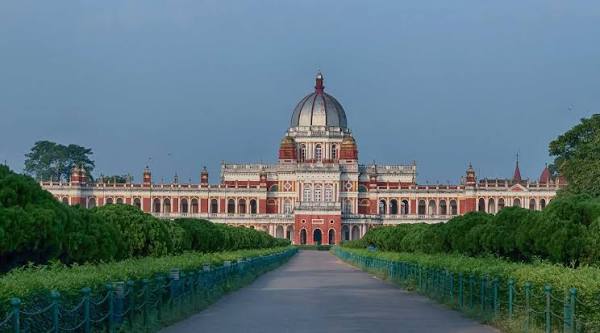
At the centre of the experience stands the Cooch Behar Palace, a grand 19th-century structure inspired by European Renaissance architecture. Around it are temples, tanks, markets and cultural landmarks that reveal the many layers of the former Koch kingdom.
History of Cooch Behar
The history of Cooch Behar goes back to the medieval kingdoms of North Bengal and the wider Kamata-Koch region. The district also contains archaeological remains connected with the ancient and medieval past, including Gosanimari Rajpat, associated with the historic city of Kamtapur.
The Koch dynasty established Cooch Behar as an important political centre. Maharaja Nara Narayan and his brother Chilarai are among the best-known figures in Koch history, while later rulers developed the kingdom's administration, temples and royal institutions.
During the colonial period, Cooch Behar existed as a princely state under British paramountcy. The royal family adopted several modern administrative and architectural influences, which can still be seen in the city's planned layout and buildings.
Maharaja Nripendra Narayan was particularly important to the modernization of Cooch Behar. The magnificent new palace was completed in 1887 during his reign.
The final Maharaja was Jagaddipendra Narayan. Cooch Behar acceded to India in 1949, administration was transferred to the Government of India on 12 September 1949, and the former princely state was merged with West Bengal on 19 January 1950.
Historical Highlights
- Medieval period: Development of the Koch kingdom and Kamata region.
- 1498: Khen ruler Nilambar was defeated by Sultan Hussain Shah.
- 19th century: Cooch Behar developed as a modern princely state.
- 1887: Construction of the present Cooch Behar Palace was completed.
- 1949: Cooch Behar acceded to India.
- 1950: Cooch Behar became part of West Bengal.
Geography of Cooch Behar
Cooch Behar lies in the plains of North Bengal close to the international border with Bangladesh and near the gateway to Assam. The landscape is characterized by fertile agricultural plains, rivers, wetlands, ponds and scattered woodland.
Water bodies are particularly important to the region's environment and culture. Places such as Sagardighi and Rasik Beel demonstrate how wetlands contribute both to local life and tourism.
Geographical & Demographic Numbers
| Indicator | Figure |
|---|---|
| District Area | 3,387 sq km |
| Total Households | 665,720 |
| Total Population | 2,819,086 |
| Male Population | 1,451,542 |
| Female Population | 1,367,544 |
| Rural Population | 2,529,652 |
| Urban Population | 289,434 |
| Municipalities | 6 |
| Inhabited Villages | 1,732 |
| Gram Panchayats | 128 |
Demographic figures above are from the 2011 Census as published by the Cooch Behar District Administration.
Culture and Traditions of Cooch Behar
Cooch Behar's culture reflects a mixture of Rajbanshi, Bengali, Koch and neighbouring North-Eastern traditions. Hindu Bengali culture has a strong presence, while different religious communities contribute to the district's broader social character.
One of the most distinctive cultural traditions is Bhawaiya music, a folk genre associated strongly with the Rajbanshi communities of North Bengal. Its simple melodies and themes of love, separation, rural life and emotion give it a distinctive identity.
Rajbanshi Folk Traditions
Traditional Rajbanshi dance and music continue to form an important part of cultural celebrations. Folk performances are often accompanied by instruments such as the dhol, flute and cymbals.
Sital Pati Craft
Sital Pati is one of Cooch Behar's best-known traditional crafts. These finely woven mats are made from natural plant material and are valued for their smoothness, texture and cooling quality.
Cane and Bamboo Craft
Local artisans also create baskets, containers, furniture, trays, lampshades and other products from bamboo and cane.
Cultural Highlights
- Bhawaiya folk music
- Rajbanshi dance
- Sital Pati weaving
- Bamboo and cane handicrafts
- Traditional fairs and melas
- Koch royal traditions
- Temple-based cultural celebrations
Architecture of Cooch Behar
Cooch Behar is particularly interesting for architecture lovers because its historic buildings combine Indian traditions with European influences. The city's royal architecture developed significantly during the late 19th and early 20th centuries.
Cooch Behar Palace
Built in 1887 by Maharaja Nripendra Narayan, the palace was inspired by the classical European Renaissance style and has often been compared architecturally with Buckingham Palace. Its monumental facade, Corinthian columns, grand halls and central dome create one of the most impressive heritage landmarks in North Bengal.
The palace covers approximately 4,768 square metres and contains more than 50 rooms and halls, including the Durbar Hall, library, dining areas, billiards room and royal galleries.
Madan Mohan Temple
The white temple complex in the heart of the city was constructed during the reign of Maharaja Nripendra Narayan. It is dedicated to Lord Madan Mohan, the royal deity of the Koch dynasty, and also houses shrines dedicated to Kali, Tara and Bhavani.
Baneswar Shiva Temple
The historic Baneswar temple is known for its unusual Shiva lingam positioned below the surrounding platform level. The temple pond is also significant as a habitat for the critically endangered Black Softshell Turtle.
Famous Places to Visit in Cooch Behar
Cooch Behar Palace
The Cooch Behar Palace, also known as the Victor Jubilee Palace, is the city's most iconic attraction. Its Renaissance-inspired architecture, grand Durbar Hall and royal museum make it the essential first stop for anyone interested in the history of the Koch dynasty.
Madan Mohan Temple
Located in the heart of Cooch Behar town, the Madan Mohan Temple is one of the district's most important religious landmarks. Its white architecture and surrounding gardens create a peaceful contrast to the city's busy areas.
Sagardighi
Sagardighi is one of the largest and most prominent historic tanks in Cooch Behar town. Buildings and roads surround the water body, while migratory birds can be seen here during winter.
Baneswar Shiva Temple
Located around 10 km north of Cooch Behar town, Baneswar is both a religious and ecological attraction. The temple pond provides habitat for the locally revered black softshell turtle.
Gosanimari Rajpat
Gosanimari Rajpat contains the remains of an ancient settlement associated with Kamtapur. Archaeological remains include mounds, stone structures, wells and traces of historical water-management systems.
Rasik Beel
Rasik Beel is one of Cooch Behar's most important wetland destinations. Spread over approximately 175 hectares, it is surrounded by forest and is particularly attractive to birdwatchers during winter.
The wetland supports numerous local and migratory birds, with West Bengal Tourism noting around 40 species of migratory ducks during the winter period.
Madhupur Dham
Madhupur Dham is associated with Srimanta Sankardeva and the spread of the neo-Vaishnava tradition. It is an important pilgrimage site for devotees, particularly from Assam.
Kamteswari Temple
The present Kamteswari Temple was established by Maharaja Pran Narayan in 1665 after the earlier temple was destroyed. Its painted walls and historic setting make it an interesting heritage stop.
Devi Bari
Devi Bari is associated with the worship of Baro Devi and one of the traditional religious fairs of Cooch Behar. The site provides another connection with the city's royal-era religious traditions.
Ras Mela Ground
The Ras Mela Ground becomes one of the busiest cultural spaces in Cooch Behar during the annual Raas Mela. The fair combines religious traditions, handicrafts, food, entertainment and cultural performances.
Famous Dishes to Try in Cooch Behar
Cooch Behar's cuisine reflects the wider food traditions of North Bengal. Rice and fish remain staples, while festive occasions bring a variety of vegetarian and non-vegetarian preparations.
Bhuna Khichuri
Bhuna Khichuri, made with rice and pulses, is a popular comfort food and is commonly served during religious and festive occasions.
Labra
Labra is a mixed vegetable preparation commonly associated with Bengali festive meals and temple celebrations.
Fish Preparations
Fish is an important part of everyday Bengali food culture in Cooch Behar. Traditional preparations vary with the season and availability of local fish.
Bengali Sweets
Milk-based sweets remain an important part of the local food culture. Popular varieties include Roshogolla, Sandesh, Chomchom, Kalakand, Mishti Doi and Kalojam.
What to Taste
- Bhuna Khichuri
- Labra
- Traditional Bengali fish curry
- Hilsa preparations when in season
- Roshogolla
- Sandesh
- Chomchom
- Kalakand
- Mishti Doi
- Kalojam
Famous Personalities Associated with Cooch Behar
Maharaja Nara Narayan
Nara Narayan was one of the most important rulers of the Koch kingdom. His reign marked a major period of expansion and cultural development, while his court became associated with important religious and literary traditions.
Chilarai
Chilarai, the famous military commander and younger brother of Nara Narayan, is remembered as one of the most important figures in Koch history. His military campaigns helped expand Koch influence across the region.
Maharaja Nripendra Narayan
Nripendra Narayan played a major role in modernizing Cooch Behar. The Cooch Behar Palace, completed in 1887, remains the most visible architectural symbol of his reign.
Maharani Sunity Devi
Sunity Devi, daughter of social reformer Keshab Chandra Sen, married Maharaja Nripendra Narayan in 1878. She became an important figure in the social and cultural life of the Cooch Behar royal family.
Maharaja Jitendra Narayan
Jitendra Narayan succeeded his elder brother Rajarajendra Narayan and continued the royal family's connection with Cooch Behar's public and cultural life.
Festivals of Cooch Behar
Raas Mela
Raas Mela is Cooch Behar's most famous festival and one of the major traditional fairs of North Bengal. It is centred around Sri Sri Madan Mohan Thakur and traditionally begins around Kartik Purnima.
The fair combines religious rituals with handicrafts, food, cultural performances and commercial activity. The district administration notes that the celebration traditionally continues for around 15 days.
Ratha Yatra
The annual Ratha Yatra of Madan Mohan is another major religious and cultural event. The deity traditionally travels from the main temple to Gunjabari and returns after approximately one week.
Baradebi Mela
Held around the worship of Baro Devi at Devi Bari, this traditional fair has a long association with the religious heritage of Cooch Behar.
Durga Puja
Durga Puja is celebrated throughout Cooch Behar, with important traditional worship and fairs associated with different temples and families across the district.
Sri Panchami Mela
The Sri Panchami Mela at Madhupur Dham reflects the area's connection with the neo-Vaishnava tradition and attracts devotees, particularly from Assam.
Dol Purnima
Dol Purnima is celebrated with colour, devotional activities and local fairs in different parts of the district.
Things to Do in Cooch Behar
- Explore Cooch Behar Palace: Spend time examining its architecture, gardens and royal museum.
- Visit Madan Mohan Temple: Experience one of the city's most important religious landmarks.
- Walk around Sagardighi: Enjoy the historic water body and surrounding architecture.
- Visit Rasik Beel: Carry binoculars and explore the wetland's birdlife.
- Explore Gosanimari Rajpat: Discover the archaeological remains associated with Kamtapur.
- Visit Baneswar Shiva Temple: Combine religious sightseeing with an ecological experience.
- Shop for Sital Pati: Look for traditionally woven mats and local handicrafts.
- Listen to Bhawaiya music: Experience the folk sound of North Bengal.
- Try local Bengali food: Taste rice-and-fish meals, Bhuna Khichuri and local sweets.
- Experience Raas Mela: Plan a winter visit if you want to experience the city's biggest traditional fair.
- Visit Madhupur Dham: Explore the region's Vaishnava heritage.
- Explore the planned city: Look for historic buildings and royal-era urban design.
Where to Eat, Shop, and Stay in Cooch Behar
Where to Eat
Cooch Behar town has local Bengali restaurants, sweet shops and casual eateries. For an authentic food experience, explore established local shops around the central market and temple areas.
During fairs such as Raas Mela and Ratha Yatra, temporary food stalls also provide an opportunity to sample local snacks and festive preparations.
Where to Shop
- Sital Pati mats
- Bamboo and cane handicrafts
- Traditional baskets and household products
- Local textiles
- Bengali sweets
- Festival handicrafts
- North Bengal folk-art products
Where to Stay
Cooch Behar town is the most convenient base for exploring the palace, temples, Sagardighi and central heritage attractions. Hotels and guesthouses are available around the town, while accommodation options around Rasik Beel and other rural attractions are more limited.
If travelling during Raas Mela, advance accommodation planning is advisable because visitor numbers increase substantially.
What is Cooch Behar Famous For?
- Cooch Behar Palace
- Koch royal heritage
- Madan Mohan Temple
- Raas Mela
- Sagardighi
- Rasik Beel
- Gosanimari Rajpat
- Baneswar Shiva Temple
- Sital Pati
- Bhawaiya folk music
- Rajbanshi culture
- Koch dynasty history
Best Time to Visit Cooch Behar
The best period for exploring Cooch Behar is generally October to March, when the weather is more comfortable for heritage sightseeing and outdoor excursions.
November to February is particularly attractive for travellers interested in the city's winter atmosphere and birdwatching at Rasik Beel. Raas Mela also normally falls around November–December according to the Bengali calendar.
| Season | What to Expect | Travel Suitability |
|---|---|---|
| October–November | Festive atmosphere and comfortable sightseeing | Excellent |
| December–February | Cool weather and winter birdwatching | Excellent |
| March–May | Warmer weather with increasing humidity | Moderate |
| June–September | Monsoon, greener landscapes and heavier rainfall | Moderate |
Festival dates change from year to year, so verify the official schedule before planning a festival-specific visit.
How to Reach Cooch Behar
By Air
Bagdogra Airport is the nearest operational major airport listed by the district administration, approximately 151 km from Cooch Behar. From Bagdogra, travellers can continue by road or rail.
Cooch Behar Airport exists as an airport facility, but the district administration currently notes that its operationalization is under process.
By Train
New Cooch Behar Railway Station is approximately 5 km from Cooch Behar town and is connected with major cities across India through the North East Frontier Railway network.
Alipurduar Junction is another important railway junction, approximately 25.9 km from New Cooch Behar station.
By Road
Cooch Behar is well connected by road through NH 31 and SH 12A. The town is also the headquarters of the North Bengal State Transport Corporation (NBSTC), making bus travel convenient from surrounding North Bengal destinations.
Transport Snapshot
| Mode | Key Information |
|---|---|
| Air | Bagdogra Airport – about 151 km |
| Rail | New Cooch Behar – about 5 km from town |
| Rail Junction | Alipurduar Junction – about 25.9 km from New Cooch Behar |
| Road | NH 31 and SH 12A |
| Bus | Regular NBSTC and private services |
Nearby Places to Visit from Cooch Behar
Rasik Beel
Located around 37 km from Cooch Behar district headquarters, Rasik Beel is one of the best nearby nature experiences. The 175-hectare wetland is particularly attractive between late November and early March when migratory birds arrive.
Gosanimari
Gosanimari is an important archaeological excursion from Cooch Behar. Its Rajpat mound is traditionally associated with the ancient capital of Kamtapur.
Baneswar
Only around 10 km from Cooch Behar town, Baneswar makes an easy half-day excursion for temple and heritage enthusiasts.
Madhupur Dham
Madhupur Dham is around 12 km from Cooch Behar town and is particularly significant for followers of the neo-Vaishnava tradition.
Alipurduar
Alipurduar lies close to Cooch Behar and acts as a gateway to the forests and wildlife destinations of North Bengal, including the wider Buxa region.
Jaldapara
For a longer North Bengal itinerary, Jaldapara National Park can be combined with Cooch Behar, particularly for travellers interested in wildlife and grassland ecosystems.
Best Duration for Cooch Behar
2 days is sufficient for the city's principal heritage attractions. Travellers interested in Rasik Beel, Gosanimari and surrounding destinations should plan for 3 days.
| Duration | Suggested Experience |
|---|---|
| 1 Day | Cooch Behar Palace + Madan Mohan Temple + Sagardighi |
| 2 Days | Major city heritage + Baneswar + Madhupur |
| 3 Days | City + Rasik Beel + Gosanimari |
| 4 Days | Full heritage itinerary + nearby North Bengal destination |
Travel Tips for Cooch Behar
- Begin palace and heritage sightseeing in the morning.
- Wear comfortable footwear for temple and archaeological-site visits.
- Dress respectfully when visiting temples.
- Carry binoculars if birdwatching at Rasik Beel is part of your itinerary.
- Winter is the most comfortable period for outdoor sightseeing.
- Check the official festival schedule before planning a Raas Mela trip.
- Book accommodation early during Raas Mela and other major festivals.
- Keep some time for local handicraft shopping, especially Sital Pati.
- Ask before photographing religious rituals or people.
- Keep additional travel time for rural roads and festival crowds.
- Carry cash for smaller rural markets and craft purchases.
- Do not disturb birds, turtles or other wildlife around wetlands and forest areas.
Why Visit Cooch Behar?
Cooch Behar is an excellent destination for travellers who want to experience the royal heritage of North Bengal without the crowds associated with some of the region's better-known hill destinations.
The combination is particularly distinctive: a European-inspired royal palace, historic Koch temples, large urban tanks, ancient archaeological ruins, wetlands filled with birds, Rajbanshi traditions, Bhawaiya music and one of North Bengal's best-known traditional fairs.
Top Reasons to Visit
- Explore the magnificent Cooch Behar Palace.
- Discover the history of the Koch dynasty.
- Visit the historic Madan Mohan Temple.
- Experience the colourful Raas Mela.
- Watch migratory birds at Rasik Beel.
- Explore the ancient ruins of Gosanimari Rajpat.
- Discover traditional Sital Pati craftsmanship.
- Experience Bhawaiya and Rajbanshi cultural traditions.
- Enjoy a quieter and more relaxed North Bengal heritage experience.
Conclusion
Cooch Behar is a destination where royal history remains remarkably visible. The grand palace, historic temples, water bodies and planned streets preserve the character of a former princely state, while folk music, handicrafts and festivals keep its living culture vibrant.
For travellers, the ideal Cooch Behar experience combines heritage, spirituality, culture and nature: explore the palace in the morning, visit Madan Mohan Temple and Sagardighi, discover the region's Koch history, and reserve another day for Rasik Beel and Gosanimari.
If you want to experience Cooch Behar at its most vibrant, plan around the Raas Mela; for quieter sightseeing and birdwatching, the winter months are particularly rewarding.
"Travel is the only thing you buy that makes you richer."