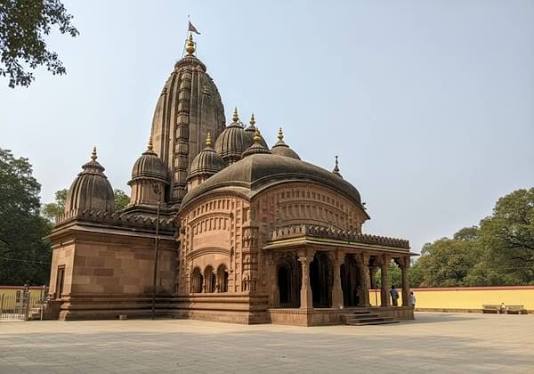
Paschim Medinipur – Where Bengal’s Forests, Folk Art & History Come Alive
Paschim Medinipur, also known as West Midnapore, is a fascinating destination in southwestern West Bengal where forests, archaeological sites, folk traditions, tribal culture and historic landmarks come together. From the dramatic red-earth formations of Gangani to the Buddhist archaeological remains of Moghalmari and the colourful Patachitra traditions of Pingla, the district offers travelers a deeper look at Bengal beyond its famous cities.
The district is particularly appealing for travelers interested in history, nature, photography, handicrafts, rural tourism, architecture and cultural experiences. Its western side is known for sal forests and the Jungle Mahal landscape, while villages and historic settlements in other parts preserve centuries-old traditions and craftsmanship.
History of Paschim Medinipur
Paschim Medinipur has a long history shaped by ancient settlements, religious movements, regional kingdoms, tribal communities and resistance against colonial rule. Archaeological evidence from the region includes prehistoric remains as well as traces associated with ancient Jain and Buddhist traditions.
The district's archaeological importance is particularly visible at Moghalmari, where excavations revealed remains of a Buddhist monastic complex. The wider region also contains historic temples, forts and settlements that reflect different periods of Bengal's history.
During British rule, the region became associated with resistance movements including the Chuar and Santal rebellions. The area also played an important role in India's freedom movement, with personalities such as Khudiram Bose and sites such as Hijli Jail forming part of its historical identity.
Modern Paschim Medinipur was created on 1 January 2002, following the division of the former Midnapore district into Paschim Medinipur and Purba Medinipur.
Geography of Paschim Medinipur
Paschim Medinipur covers a large area in southwestern West Bengal. Its landscape changes from agricultural plains and village settlements to red-soil terrain and extensive sal forests toward the western side.
The district's natural landscape is closely associated with rivers such as the Subarnarekha, Kangsabati and Tarapheni. Forested areas and seasonal changes give the western part of the district a distinctly different character from the more densely settled eastern areas.
Important Geographic Features
- Large rural and agricultural landscape.
- Red-soil terrain around parts of western Paschim Medinipur.
- Extensive sal forests.
- Jungle Mahal cultural and geographical influence.
- Rivers including the Subarnarekha, Kangsabati and Tarapheni.
- Distinctive eroded formations around Gangani.
- Large number of villages spread across the district.
The current district administration describes Paschim Medinipur as the state's second-largest district by geographical area and notes approximately 8,694 villages.
Culture and Traditions
Paschim Medinipur has a rich mixture of Bengali, tribal and rural traditions. The district's official tourism profile describes it as a land of nature, culture and history, highlighting the Jungle Mahal region, Chuar and Santal heritage, Karam Puja, Patachitra and Madur craft.
Folk music, storytelling, painting, weaving, traditional festivals and village-based crafts continue to contribute to the cultural identity of the district.
Patachitra
Patachitra is one of the most recognizable traditional art forms associated with the region. Artists create painted scrolls that often narrate mythological and social stories. The traditional presentation can combine the artwork with songs and storytelling.
Madur Craft
Madur refers to traditional woven mats that are an important craft tradition in this part of Bengal. The craft represents the connection between local materials, village livelihoods and everyday life.
Tribal Traditions
The western forest belt preserves strong tribal cultural influences. Festivals such as Baha, Sohorai, Karam, Bhadu and Tusu are important expressions of the region's community traditions.
Beni Putul Naach
Beni Putul Naach, or glove puppetry, remains part of the traditional performing-arts heritage of villages such as Padmatamil. It adds another distinctive dimension to Paschim Medinipur's folk culture.
Architecture of Paschim Medinipur
Paschim Medinipur's architecture reflects several layers of Bengal's past. Travelers can find laterite forts, temples, colonial buildings, archaeological remains, royal residences and religious structures.
Kurumbera Fort is particularly notable for its laterite construction and large enclosed courtyard. St. John's Church represents the colonial period, while Narajole Rajbari and related structures showcase the area's royal heritage.
Religious architecture can be seen at Karnagarh Mandir, Pathra, Chandrakona Gurudwara and other historic sites across the district.
Famous Places in Paschim Medinipur
Gangani – The Grand Canyon of Bengal
Gangani near Garhbeta is one of the district's most distinctive natural attractions. Erosion has created dramatic red-earth and rocky formations along the Shilabati landscape, giving the location its popular name, the Grand Canyon of Bengal. It is especially attractive for photography, nature walks and picnics.
Kurumbera Fort
Kurumbera Fort is located at Gaganeshwar in the Keshiary area. Its laterite walls, large courtyard, pillared structures and distinctive architectural layout make it one of Paschim Medinipur's most interesting heritage attractions.
Moghalmari
Moghalmari is an important Buddhist archaeological site in Dantan. Excavations have revealed remains of a historic Buddhist monastic complex, making it a significant destination for travelers interested in archaeology and ancient Bengal.
Patachitra Gram – Nayapota
Nayapota Patachitra Gram in Pingla offers visitors an opportunity to see Bengal's traditional scroll-painting culture. Travelers can meet artisans, explore painted scrolls and experience the village environment surrounding this living art tradition. The district also promotes homestays here.
Hijli Jail
Hijli Jail, located within the IIT Kharagpur campus, is an important colonial-era site associated with India's freedom struggle. Its historic walls preserve memories of the political prisoners who were held there.
Birsingha
Birsingha is associated with Ishwar Chandra Vidyasagar, one of the major figures of the Bengal Renaissance. His birthplace makes the village an important destination for travelers interested in Bengal's educational and social history.
Karnagarh Mandir
Karnagarh Mandir is a popular religious destination featuring the temples of Chapalewshar Shiva and Goddess Mahamaya. The temple is surrounded by a natural setting and is part of the district's religious and cultural tourism circuit.
Pathra
Pathra, approximately 18 km from Medinipur town according to the district tourism listing, is a remarkable heritage village containing historic temples and architectural remains.
Narajole Rajbari
Narajole Rajbari represents the area's royal heritage. The wider heritage circuit also includes associated structures such as Hawa Mahal and Jalhari.
Gopegarh Eco-Park
Gopegarh Eco-Park is around 2.5 km from Medinipur town. The site combines greenery and recreational space with heritage associated with Gopegarh and Gope Nandini Mandir.
Gurguripal Eco-Park
Gurguripal Eco-Park lies along the Medinipur–Jhargram road and is surrounded by sal forest. It offers a quieter nature-focused experience away from the busier town areas.
Chandrakona Gurudwara
Chandrakona Gurudwara is connected with the traditional account of Guru Nanak Dev Ji resting here during his pilgrimage toward Puri in 1510. It provides a distinctive religious and historical connection within the district.
St. John's Church
St. John's Church in Medinipur was constructed in 1851 by the Church Mission Society of England. It remains an important colonial-era landmark.
Sarasanka Lake
Sarasanka Lake is one of the district's notable water bodies and is described by the district tourism department as one of the largest man-made water bodies in West Bengal. Its broad waterscape makes it suitable for peaceful outings and photography.
Adivasi Museum
The Centre for Adivasi Studies and Museum preserves material connected with tribal art and culture. It provides an opportunity to understand the diverse communities that form part of the cultural landscape of the region.
Famous Dishes of Paschim Medinipur
Babarsha
Babarsha is a traditional sweet associated with Khirpai. The district administration specifically lists Babarsha sweet making among its tourism experiences.
Machher Jhol
Machher Jhol is a light Bengali fish curry prepared with fish, vegetables and aromatic spices. It represents the everyday Bengali food tradition found across the region.
Posto Preparations
Posto, or poppy-seed preparation, is widely used in Bengali cooking. Simple vegetable-based posto dishes are commonly served with rice.
Patishapta
Patishapta is a traditional Bengali sweet pancake filled with coconut, jaggery or a milk-based filling. It is especially popular during winter and festive occasions.
Rice and Fish Meals
For a traveler wanting to experience local food, a traditional Bengali meal of rice, fish, dal and seasonal vegetables is one of the simplest ways to experience the everyday cuisine of the region.
Famous Personalities Connected with Paschim Medinipur
Ishwar Chandra Vidyasagar
Ishwar Chandra Vidyasagar was born at Birsingha and became one of the most influential figures of the Bengal Renaissance. He made major contributions to education, Bengali literature and social reform.
Khudiram Bose
Khudiram Bose was a young revolutionary of India's freedom movement. The district preserves places connected with his life and memory, including Mohobani, which the district tourism department identifies as his birthplace.
Hemchandra Kanungo
Hemchandra Kanungo was an important revolutionary associated with Bengal's anti-colonial movement. His story forms part of the wider revolutionary history of the Midnapore region.
Matangini Hazra
Matangini Hazra was an important participant in India's freedom movement and the Quit India Movement. Her legacy is closely connected with the wider historical landscape of Midnapore.
Festivals of Paschim Medinipur
Karam Puja
Karam Puja is an important tribal festival associated with nature, community life and the Karam tree. It is especially significant in the Jungle Mahal cultural region.
Baha
Baha is a spring festival celebrated by tribal communities. Flowers, nature and community participation are central to its traditional celebrations.
Sohorai
Sohorai is connected with harvest, cattle and community life. Traditional decorations, songs and social gatherings form part of the celebration.
Tusu
Tusu is a popular winter and harvest-related folk tradition in western Bengal. Songs and community celebrations give the festival a distinctive rural character.
Bhadu
Bhadu is a traditional folk festival celebrated in parts of western Bengal, with songs and community participation forming an important part of the tradition.
Things to Do in Paschim Medinipur
- Explore Gangani: Photograph the red-earth formations and surrounding landscape.
- Visit Moghalmari: Discover the archaeological remains of ancient Buddhist heritage.
- Explore Kurumbera Fort: Walk through one of the district's most distinctive historic structures.
- Visit Patachitra Gram: Meet artisans and learn about Bengal's scroll-painting tradition.
- Stay in a village homestay: Experience rural life around Nayapota.
- Explore Birsingha: Learn about Vidyasagar and Bengal's social-reform history.
- Visit Hijli Jail: Explore an important site connected with India's freedom movement.
- Discover Pathra: Photograph its historic temple architecture.
- Enjoy forest landscapes: Visit Gurguripal and Dhadika for a nature-focused outing.
- Shop for handicrafts: Look for Patachitra, Madur, bamboo, terracotta and other regional crafts.
- Try local sweets: Sample Babarsha and other traditional Bengali sweets.
Where to Eat, Shop, and Stay
Where to Eat
Medinipur town and Kharagpur are practical areas for finding restaurants and everyday Bengali food. Visitors can look for rice-and-fish meals, Bengali snacks, sweets and simple local thalis.
Where to Shop
Paschim Medinipur is particularly interesting for travelers looking for traditional handicrafts.
| Craft | What to Look For |
|---|---|
| Patachitra | Painted scrolls and folk-art panels |
| Madur | Traditional woven mats |
| Cane & Bamboo | Baskets and household craft products |
| Terracotta | Decorative and traditional pottery items |
| Dokra | Traditional metal craft |
West Bengal Tourism specifically highlights Patachitra, cane and bamboo basketry, terracotta pottery, Masland mat weaving and dokra art among the regional art forms.
Where to Stay
- Medinipur: Convenient for sightseeing around the district headquarters.
- Kharagpur: Useful for rail connectivity and access to nearby attractions.
- Nayapota/Patachitra Gram: Suitable for travelers seeking a cultural village experience.
- Budget stays: Local hotels and guesthouses.
- Mid-range stays: Hotels around Medinipur and Kharagpur.
- Cultural stays: Homestays around Patachitra Gram.
What is Paschim Medinipur Famous For?
Paschim Medinipur is best known for the combination of nature, folk culture, tribal traditions, archaeological heritage and freedom-movement history.
- Gangani – Grand Canyon of Bengal
- Patachitra Gram
- Moghalmari Buddhist archaeological site
- Kurumbera Fort
- Hijli Jail
- Birsingha and Vidyasagar's legacy
- Jungle Mahal and sal forests
- Madur craft
- Karam, Baha, Sohorai, Bhadu and Tusu
- Traditional Babarsha sweet
Best Time to Visit Paschim Medinipur
October to March is generally the most comfortable period for exploring Paschim Medinipur. The cooler months are particularly suitable for heritage sightseeing, outdoor photography, forest visits and village experiences.
| Months | Weather / Experience | Recommended Activities |
|---|---|---|
| October–November | Post-monsoon greenery and improving weather | Nature, villages and sightseeing |
| December–February | Cooler and comfortable | Best period for outdoor exploration |
| March | Warmer but still suitable for shorter outings | Heritage and early-morning sightseeing |
| April–June | Hot summer | Early-morning and indoor attractions |
| July–September | Monsoon and greener landscapes | Nature trips when weather permits |
How to Reach Paschim Medinipur
By Air
The main airport for visitors is Netaji Subhas Chandra Bose International Airport, Kolkata. West Bengal Tourism lists the airport as approximately 137 km from the Medinipur area.
By Train
Medinipur Railway Station is connected with major destinations in West Bengal. Kharagpur Junction is another major railway hub that provides excellent connectivity to the wider region.
By Road
Medinipur and Kharagpur are well connected by road with Kolkata and other parts of West Bengal. State bus services and private bus services are available for travel to the district.
| Transport | Useful Gateway |
|---|---|
| Air | Kolkata – Netaji Subhas Chandra Bose International Airport |
| Rail | Medinipur Railway Station / Kharagpur Junction |
| Road | Kolkata–Kharagpur–Medinipur road network |
Nearby Places
Jhargram
Jhargram lies west of Paschim Medinipur and is known for forests, tribal culture, palaces and nature-based tourism.
Bankura
Bankura offers terracotta temples, forests, traditional villages and distinctive landscapes. It is a natural extension for travelers interested in Bengal's art and heritage.
Purulia
Purulia is famous for Ayodhya Hills, Chhau culture, waterfalls and red-soil landscapes. It pairs well with a western Bengal nature and culture itinerary.
Purba Medinipur
Purba Medinipur provides a contrasting coastal experience through destinations such as Digha, Mandarmani, Shankarpur and Junput.
Kolkata
Kolkata is the major transport gateway for travelers arriving from other parts of India and provides convenient rail and road connections toward Medinipur.
Best Duration for a Paschim Medinipur Trip
Because Paschim Medinipur is geographically large, travelers should plan their itinerary according to the areas they want to explore.
| Duration | Suggested Itinerary |
|---|---|
| 1 Day | Medinipur town + Gopegarh + St. John's Church |
| 2 Days | Medinipur + Gangani |
| 3 Days | Gangani + Kurumbera + Moghalmari + Medinipur |
| 4 Days | Heritage sites + Patachitra Gram + forest experience |
| 5 Days | Complete culture, heritage and nature-focused itinerary |
Travel Tips for Paschim Medinipur
- Plan geographically: The district is large, so group attractions by location instead of trying to cover everything at once.
- Start early: Morning travel is useful for outdoor destinations, especially in warmer months.
- Carry water: Keep drinking water with you when visiting rural and forest areas.
- Wear comfortable footwear: Several heritage and natural attractions involve walking over uneven surfaces.
- Respect heritage sites: Do not climb, touch or damage archaeological structures.
- Ask before photographing people: This is particularly important when visiting tribal villages and artisan communities.
- Buy directly from artisans: Purchasing local crafts can support village-based craft communities.
- Check weather conditions: Monsoon rain can affect outdoor sightseeing.
- Keep cash available: Rural areas may have fewer ATMs and card-payment facilities.
- Book homestays in advance: Village accommodation can have limited rooms.
- Use registered guides: West Bengal Tourism maintains a registered tourist-guide listing for Paschim Medinipur.
Why Visit Paschim Medinipur?
Paschim Medinipur is worth visiting for travelers who want to experience a quieter and more diverse side of West Bengal. The district brings together forests, archaeological sites, temples, folk art, tribal traditions, historic buildings and rural experiences.
Its appeal lies in the variety of experiences available within one large district. You can photograph the unusual landscape of Gangani, explore Buddhist archaeology at Moghalmari, meet Patachitra artists at Nayapota, visit historic sites connected with India's freedom movement and explore the sal forests of Jungle Mahal.
Conclusion
Paschim Medinipur is a destination where Bengal's natural and cultural heritage can be experienced beyond the usual tourist routes. Its combination of Gangani, Moghalmari, Kurumbera Fort, Patachitra Gram, Birsingha, Hijli Jail, forests and traditional crafts makes the district particularly rewarding for curious travelers.
Whether your interest is history, photography, nature, architecture, handicrafts or rural culture, Paschim Medinipur offers an opportunity to experience a distinctive and less conventional side of West Bengal.
"Travel is the only thing you buy that makes you richer."