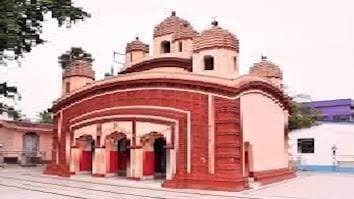
Paschim Bardhaman: Where Industry, Heritage and Culture Meet
Paschim Bardhaman is a fascinating part of West Bengal where the story of industrial India meets centuries of history, literature, religion and river landscapes. With Asansol as its district headquarters and Durgapur as another major urban centre, the district is widely known for its coalfields, steel plants and industrial heritage.
But there is much more to Paschim Bardhaman than factories and mines. The district is home to historic temples, sacred sites, scenic parks, rivers, old settlements and cultural landmarks. Churulia, the birthplace of celebrated Bengali poet Kazi Nazrul Islam, adds an important literary dimension to the region.
Visitors can explore the industrial character of Asansol and Durgapur, discover historic sites such as Ichhai Ghosher Deul, experience the mythology surrounding Garh Jungle, visit religious landmarks such as Ghagar Buri Temple, and enjoy scenic destinations such as Maithon and local parks.
Paschim Bardhaman is therefore an interesting destination for travellers who want something different from the conventional tourist circuit. It offers a combination of history, industry, spirituality, literature and everyday urban life within one region.
1. History
The history of Paschim Bardhaman goes back thousands of years. Microliths discovered at Birbhanpur near Durgapur indicate human settlement in the Ajay Valley during prehistoric times.
Ancient Bardhaman Region
In early historical periods, the region formed part of Bardhamanbhukti within the wider Rarh region. It was successively associated with several major powers, including the Magadhas, Mauryas, Kushanas and Guptas. In the 7th century, the area became part of the Gauda Kingdom under King Shashanka.
Medieval History
The region later came under the rule of the Palas and Senas before Bakhtiyar Khilji captured Bardhaman in 1199. During the Mughal period, Bardhaman was recognised as a mahal or pargana within the larger administrative structure of Bengal.
Bardhaman Raj
In 1689, Raja Krishnaram Roy of the Bardhaman Raj family obtained a royal decree from Emperor Aurangzeb recognising him as the zamindar of Bardhaman. The history of the Bardhaman Raj family subsequently became closely connected with the region.
British Period
After the Battle of Plassey in 1757, Bardhaman came under the control of the East India Company. The region experienced major administrative changes during the British period. Raniganj was converted into a separate subdivision in 1906, while Durgapur subdivision was created in 1968.
Rise of the Coal Industry
The discovery and development of coal in the region transformed its economic and social landscape. The Raniganj Coalfield became one of the most important coal-producing areas in India, while industrial development later expanded through steel, engineering and power industries.
Formation of Paschim Bardhaman
The historic Bardhaman district was divided into Purba Bardhaman and Paschim Bardhaman on 7 April 2017. Paschim Bardhaman became the 23rd district of West Bengal, with Asansol as its headquarters.
2. Geography
Paschim Bardhaman lies in the western part of West Bengal and has a landscape that gradually changes from the rocky, laterite-covered western areas to the more fertile plains towards the east.
Rivers
The Damodar and Ajay rivers are important geographical features of the district. Other rivers and streams, including the Barakar, Tumni and Nuni, also contribute to the region's landscape.
Rocky and Laterite Landscape
The western portion of the district has a characteristic rocky and undulating terrain with laterite soil. Parts of the area were historically covered by forests, although large sections were later transformed by mining and industrialisation.
Coal Belt
Paschim Bardhaman forms an important part of the Raniganj Coalfield. The availability of coal played a major role in shaping the district's industrial economy and urban development.
Urban Centres
The district is predominantly urban and is centred around two major urban areas, Asansol and Durgapur. Both have developed into important industrial and commercial centres.
3. Culture and Traditions
Paschim Bardhaman has a diverse cultural identity shaped by Bengali traditions, industrial communities, migrant populations and the long history of the coal and steel industries.
Industrial Culture
Mining and heavy industry have played a major role in the social identity of Asansol, Raniganj and Durgapur. Coal mines, steel plants, engineering industries and railway activity have brought together people from different parts of India.
Bengali Literary Heritage
The district has a strong literary connection through Kazi Nazrul Islam, whose birthplace Churulia is one of Paschim Bardhaman's most important cultural landmarks.
Religious Traditions
Temples, ashrams and other religious institutions form an important part of local life. Sites such as Ghagar Buri Temple and Garh Jungle attract devotees as well as visitors interested in the region's religious traditions.
Folk and Community Traditions
Traditional Bengali celebrations, folk music, local fairs and community festivals continue to add colour to everyday life. The region's proximity to the Rarh cultural zone also gives its rural areas a distinctive character.
4. Architecture
The architecture of Paschim Bardhaman reflects several different periods, from historic Bengali temple architecture to colonial-era buildings and modern industrial structures.
Ichhai Ghosher Deul
Ichhai Ghosher Deul is one of the district's most significant historic architectural landmarks. It is a brick rekha-deul or tower temple with architectural influences associated with Odisha. Scholars generally date the structure to around the 16th–17th century, and it is listed as an ASI monument.
Historic Religious Architecture
Several temples and religious sites across the district reflect traditional Bengali architectural styles and local craftsmanship.
Industrial Architecture
Asansol and Durgapur also contain a very different architectural legacy: steel plants, industrial townships, railway infrastructure and large-scale public institutions. These structures represent the industrial transformation of eastern India.
Churulia Mosque
Churulia also contains a historic mosque associated with the Muslim period. Its presence adds another layer to the architectural and cultural history of the area.
5. Famous Places
Churulia
Churulia is the birthplace of Bengali poet Kazi Nazrul Islam. The village contains the Nazrul Academy, where manuscripts, medals and other belongings connected with the poet are preserved. The village is also associated with his wife Pramila Devi.
Ichhai Ghosher Deul
Located near Gourangapur, Ichhai Ghosher Deul is a historic tower temple situated close to the Ajay River. Its distinctive rekha-deul form makes it one of the most interesting heritage structures in the district.
Garh Jungle
Garh Jungle, near Durgapur, is associated with Hindu mythology and Shakta traditions. According to local religious tradition, the area is connected with King Surath, Vaishya Samadhi and the ashram of Medhas Muni. Shyamarupa Mandir and Shiva Temple are among the surviving religious structures.
Maithon
Maithon is one of the most scenic destinations associated with the district. The Maithon Dam is built across the Barakar River and creates a large reservoir surrounded by hills and greenery. The area is popular for its scenic landscape and recreational atmosphere.
Ghagar Buri Temple
Ghagar Buri Temple, located on the outskirts of Asansol, is a small shrine dedicated to Goddess Kali. The district administration describes it as the oldest temple of Asansol. Worship takes place regularly, and a local fair is held on 15 January every year.
Sindoor Park
Sindoor Park is a recreational destination developed by Eastern Coalfields Limited. It provides visitors with a greener leisure space within the predominantly industrial landscape of the district.
Ramakrishna Mission, Asansol
The Ramakrishna Mission Ashrama, Asansol has an important educational and social history. The organisation's presence in Asansol dates back to 1926, while Belur Math took over the institution as a branch in 1939.
Durgapur
Durgapur is one of the major industrial cities of eastern India and is closely associated with the steel and engineering industries. Its planned industrial landscape provides a different travel experience from the historic and religious attractions elsewhere in the district.
6. Famous Dishes
Paschim Bardhaman does not have one single dish that defines the entire district. Its food culture combines traditional Bengali cuisine with the diverse culinary influences brought by industrial workers and communities from different parts of India.
Bengali Fish Curry
Traditional Bengali fish preparations are widely enjoyed in the region. Simple fish curries with rice remain an important part of everyday Bengali meals.
Luchi and Alur Dom
Luchi and alur dom are popular Bengali comfort foods and are commonly enjoyed for breakfast or during festive meals.
Ghugni
Ghugni, a spiced preparation of yellow or white peas, is a popular snack and street-food option in Bengal. It is often served with onions, green chillies and other accompaniments.
Kachori and Singara
Tea stalls and local snack shops commonly serve Bengali favourites such as kachori and singara. These are convenient choices for travellers exploring Asansol and Durgapur.
Mishti
No Bengali food experience is complete without sweets. Visitors can look for regional favourites such as rasgulla, sandesh, mishti doi and chomchom in local sweet shops.
Tea and Street Food
Because Asansol and Durgapur are busy industrial and commercial centres, street food has an important place in everyday life. Small eateries offer snacks, tea, rolls, noodles and other quick meals alongside traditional Bengali food.
7. Famous Personalities
Kazi Nazrul Islam
Kazi Nazrul Islam, popularly known as the Rebel Poet, was born in Churulia in Paschim Bardhaman. He became one of the most influential Bengali poets, writers, musicians and cultural figures of the 20th century.
Pramila Devi
Pramila Devi, wife of Kazi Nazrul Islam, is also closely connected with Churulia. Her resting place is located in the village.
Industrial Pioneers and Workers
Although the district is especially associated with Nazrul's literary legacy, its modern identity has also been shaped by generations of miners, steel workers, engineers, railway employees and industrial entrepreneurs who contributed to the development of Asansol, Raniganj and Durgapur.
8. Festivals
The official district tourism website does not currently list a dedicated district festival calendar. However, Paschim Bardhaman's communities celebrate a wide range of Bengali, Hindu, Muslim and other cultural festivals throughout the year.
Durga Puja
Durga Puja is one of the most important celebrations across West Bengal and is widely observed in the urban and rural communities of Paschim Bardhaman.
Kali Puja
Kali Puja is particularly significant around religious sites dedicated to Goddess Kali, including Ghagar Buri Temple in Asansol.
Poila Boishakh
Poila Boishakh, the Bengali New Year, is celebrated with cultural programmes, traditional food, family gatherings and new-account ceremonies in business communities.
Nazrul Jayanti
Churulia becomes particularly important during cultural programmes and commemorations connected with Kazi Nazrul Islam. Literary and cultural events help preserve the poet's connection with his birthplace.
Local Fairs
Religious sites and rural areas host local fairs associated with particular temples and occasions. Ghagar Buri Temple, for example, has a country fair on 15 January each year.
9. Things to Do
Explore Asansol
Spend time exploring Asansol, the district headquarters, and experience its distinctive combination of urban life, industrial heritage, religious sites and local markets.
Discover Durgapur
Explore Durgapur to understand the industrial transformation of the region. The city is particularly interesting for travellers curious about steel, engineering and planned industrial townships.
Visit Churulia
Literature lovers should visit Churulia to explore the birthplace of Kazi Nazrul Islam, Nazrul Academy and the cultural history associated with the poet.
See Ichhai Ghosher Deul
Visit the historic Ichhai Ghosher Deul near Gourangapur and appreciate its distinctive tower-temple architecture and location near the Ajay River.
Visit Garh Jungle
Explore Garh Jungle for its combination of forest landscape, mythology and religious heritage. The area is especially interesting for visitors interested in Shakta traditions.
Spend Time at Maithon
Maithon is ideal for a relaxed day surrounded by water, hills and greenery. Visitors can enjoy the landscape and spend time around the reservoir and dam area.
Visit Local Temples
Religious travellers can visit Ghagar Buri Temple and other temples around Asansol and Durgapur to experience the region's spiritual traditions.
Try Local Food
Explore local restaurants, sweet shops and street-food stalls to experience Bengali food alongside the diverse cuisine that has developed in this industrial region.
10. Where to Eat, Shop, and Stay
Where to Eat
Asansol and Durgapur offer the widest range of restaurants in the district. Travellers can find Bengali cuisine, North Indian food, Chinese dishes, fast food, sweets and everyday local snacks.
Where to Shop
For everyday shopping, visitors can explore the markets and commercial areas of Asansol and Durgapur. These urban centres offer clothing, handicrafts, sweets, local food products and everyday essentials.
Where to Stay
Asansol and Durgapur provide the largest selection of accommodation, including hotels, business hotels, guesthouses and budget stays. These cities are convenient bases for exploring the wider district.
Staying Near Maithon
Travellers planning a leisure-focused visit to Maithon can consider accommodation around the Maithon and surrounding areas, depending on availability and their preferred travel route.
Choose Your Base
Asansol is a practical base for exploring the northern and western parts of the district, while Durgapur works well for visitors interested in Garh Jungle, Ichhai Ghosher Deul and attractions around the Durgapur subdivision.
11. What is Paschim Bardhaman Famous For?
Paschim Bardhaman is best known for its industrial heritage, coalfields, steel plants, cultural landmarks and historic sites.
- Raniganj Coalfield: One of the defining features of the region's industrial history.
- Asansol: The district headquarters and a major industrial and commercial centre.
- Durgapur: A major planned industrial city known for steel and engineering industries.
- Kazi Nazrul Islam: The district is home to the poet's birthplace at Churulia.
- Churulia: An important literary and historical destination.
- Ichhai Ghosher Deul: A distinctive historic rekha-deul temple.
- Garh Jungle: A site associated with Hindu mythology and Shakta traditions.
- Maithon: A scenic dam and reservoir destination associated with the Barakar River.
- Ghagar Buri Temple: An important religious landmark in Asansol.
- Industrial Heritage: Steel, coal, railways, engineering and power industries have shaped the district.
12. Best Time to Visit
Paschim Bardhaman can be visited throughout the year, but the most comfortable period for sightseeing is generally during the cooler months.
Winter – October to February
Winter is one of the most comfortable periods for exploring Asansol, Durgapur, Churulia, Garh Jungle and other outdoor attractions. The weather is generally more pleasant for sightseeing.
Spring – March to April
Spring offers relatively comfortable conditions for exploring the district before temperatures begin to rise significantly.
Summer – May to June
Summers can be hot, particularly in the plains and industrial areas. If travelling during this period, outdoor sightseeing is better planned for mornings and late afternoons.
Monsoon – July to September
The monsoon brings greenery and freshness to the landscape. However, rainfall can affect outdoor plans and road conditions, particularly around rural and riverine areas.
Best overall period: October to February for comfortable sightseeing and outdoor exploration.
13. How to Reach
By Air
Kazi Nazrul Islam Airport is located within Paschim Bardhaman district and provides an important air connection for the region.
By Train
Asansol Railway Station and Durgapur Railway Station are the district's two major railway stations. Both are well connected to important cities and provide convenient access to the region.
By Road
Paschim Bardhaman has strong road connectivity with Kolkata and other parts of West Bengal. NH 19 is an important road corridor connecting the district with Kolkata and western India.
From Kolkata
According to the Paschim Bardhaman district administration, Durgapur is approximately 173 km from Kolkata, while Asansol is approximately 213 km from Kolkata. Actual journey times can vary depending on traffic and road conditions.
Local Travel
Within the district, visitors can use taxis, app-based transport where available, buses and local vehicles. A private vehicle or hired cab is particularly convenient when visiting multiple attractions outside the main cities.
14. Nearby Places
Maithon
Maithon is one of the most popular leisure destinations around the Asansol region. The dam and reservoir provide a scenic combination of water, hills and greenery.
Churulia
Churulia is a natural addition to a cultural itinerary because of its connection with Kazi Nazrul Islam and the Nazrul Academy.
Garh Jungle
Garh Jungle near Durgapur is suitable for travellers interested in mythology, religious heritage and natural surroundings.
Ichhai Ghosher Deul
The historic temple near Gourangapur is a good choice for visitors interested in Bengal's lesser-known architectural heritage.
Bankura
The neighbouring Bankura region offers a different landscape and cultural experience, including terracotta heritage, temples and rural Bengal scenery.
Purulia
Purulia is another nearby destination known for its rugged landscape, tribal culture, hills, waterfalls and Chhau dance traditions.
Birbhum
Travellers with additional time can continue towards Birbhum to explore destinations such as Bolpur and Santiniketan and experience another important side of Bengal's cultural heritage.
15. Best Duration for a Trip
1 Day
A one-day visit is suitable for travellers passing through the region who want to explore one or two attractions, such as Asansol, Churulia or Maithon.
2 Days
Two days are suitable for covering the main attractions around Asansol and Durgapur, while also allowing time for local food and shopping.
3 Days
A three-day itinerary provides enough time to combine Asansol, Durgapur, Churulia, Garh Jungle, Ichhai Ghosher Deul and a scenic destination such as Maithon.
4–5 Days
A longer stay is ideal if you want to explore the district slowly and combine it with nearby destinations in Bankura, Purulia or Birbhum.
Recommended duration: 3 days for a balanced Paschim Bardhaman experience, or 4–5 days if nearby destinations are included.
16. Travel Tips
- Remember that Paschim Bardhaman is a district, so attractions can be spread across different towns and rural areas.
- Asansol and Durgapur are the most convenient bases for accommodation and local transportation.
- Plan outdoor sightseeing during the cooler parts of the day during summer.
- Carry comfortable footwear when visiting historic sites, temples and rural attractions.
- Check local weather and road conditions before travelling to riverside or rural destinations.
- Respect religious customs when visiting temples and other sacred locations.
- Ask permission before photographing people or private religious activities.
- Keep the surroundings clean, particularly around rivers, dams, forests and picnic areas.
- If visiting industrial areas, follow local safety restrictions and do not enter restricted zones.
- Try Bengali sweets and local snacks from established shops while exploring Asansol and Durgapur.
- Start early when planning to cover several attractions located in different parts of the district.
17. Why Visit Paschim Bardhaman?
Paschim Bardhaman is worth visiting because it offers a side of West Bengal that is very different from the state's traditional tourism destinations. Instead of being defined only by palaces, beaches or hill stations, the district tells the story of coal, steel, railways, literature, religion and urban development.
For history lovers, there are ancient and medieval connections, historic temples and archaeological landmarks. For literature enthusiasts, Churulia provides a direct connection with Kazi Nazrul Islam. For travellers interested in industry, Asansol, Raniganj and Durgapur reveal the enormous role that coal and steel have played in India's economic development.
The district also has quieter experiences. Maithon's water and surrounding landscape provide a refreshing break from the industrial cities, while Garh Jungle and its religious traditions offer a different kind of cultural experience.
Paschim Bardhaman is therefore best suited to travellers who enjoy discovering the history and character behind a place, rather than simply visiting conventional tourist attractions.
18. Conclusion
Paschim Bardhaman is a region where Bengal's industrial story and cultural heritage come together. From the coalfields of Raniganj and the steel city of Durgapur to the historic streets of Asansol, the birthplace of Kazi Nazrul Islam at Churulia and the scenic landscape of Maithon, the district offers a surprisingly diverse travel experience.
Its historic temples, religious sites, rivers, parks and cultural landmarks provide another layer beyond its industrial identity. Places such as Ichhai Ghosher Deul, Garh Jungle and Ghagar Buri Temple show that the region's story extends far beyond mines and factories.
For a first visit, a three-day itinerary is a good starting point. Travellers with more time can combine Paschim Bardhaman with nearby Bankura, Purulia or Birbhum to create a broader journey through the cultural and geographical diversity of western Bengal.
Paschim Bardhaman may be known as an industrial district, but look closer and it reveals a destination shaped by history, people, literature, faith, rivers and industry.
"Travel is the only thing you buy that makes you richer."