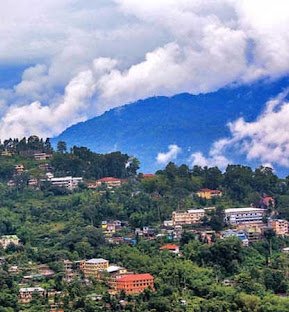
Kalimpong: Where Himalayan Views Meet Quiet Mountain Life
Kalimpong is a peaceful hill town in northern West Bengal, set among green valleys and the Eastern Himalayas. Located east of the Teesta River, the town is known for its pleasant climate, panoramic mountain views, monasteries, colonial-era heritage, flower nurseries and diverse cultural traditions. On clear days, visitors can enjoy beautiful views of Kanchenjunga and the surrounding Himalayan ranges.
Unlike some of the busier Himalayan destinations, Kalimpong offers a slower and more relaxed travel experience. Visitors can spend their days exploring viewpoints, walking through quiet mountain roads, visiting monasteries, tasting local food, shopping for handicrafts and flowers, or venturing into nearby villages and forests.
The town also has a fascinating history shaped by the Lepchas, Bhutias, Limbus, British administration, Tibetan trade and Scottish missionaries. Today, this mixture of influences can be seen in Kalimpong's architecture, food, education, markets and everyday life.
1. History
The early history of Kalimpong is not completely clear, and several accounts about its early past remain difficult to authenticate. The region was historically associated with the Sikkimese kingdom and was inhabited by communities including the Lepchas, Bhutias and Limbus.
Kalimpong and the Anglo-Bhutan War
A major turning point came after the Anglo-Bhutan War of 1864. Following the Treaty of Sinchula in 1865, the area east of the Teesta River and the adjoining Dooars came under British India and was subsequently connected administratively with Darjeeling.
Trade with Tibet
Kalimpong gradually became an important trading centre because of its access towards Tibet through the Jelepla Pass. Goods such as wool, fur, musk and food grains were transported through the region, helping the town develop commercially.
Missionaries and Education
Scottish missionaries also played an important role in Kalimpong's development. Schools and welfare institutions were established, including the Scottish University Mission Institution in 1886. In 1900, Rev. J. A. Graham founded Dr. Graham's Homes, which became an important educational institution in the town.
Kalimpong as a Hill Station
The British also encouraged the development of Kalimpong as an alternative hill station to Darjeeling. Over time, the town attracted settlers, traders, educational institutions and visitors. Kalimpong was officially made a sub-division in 1916.
Formation of Kalimpong District
Kalimpong became a separate district of West Bengal on 14 February 2017, after being separated from Darjeeling district. Today, tourism, agriculture, education and local commerce remain important parts of its economy.
2. Geography
Kalimpong is a hill town situated in the Eastern Himalayas, on the eastern side of the Teesta River. The town stands at an elevation of roughly 1,250 metres in the bazaar area and is surrounded by green hills, valleys, rivers and mountain settlements.
Himalayan Landscape
The landscape combines forest-covered slopes, terraced agricultural fields, mountain valleys and distant snow-covered peaks. The mighty Kanchenjunga is one of the most impressive sights visible from several viewpoints around Kalimpong.
Deolo and Durpin Hills
Kalimpong town is positioned between two prominent hills, Deolo Hill and Durpin Dara. These elevated locations provide wide views across the town, surrounding valleys, rivers and Himalayan ranges.
Climate
Because Kalimpong is situated at a relatively lower elevation than some other Himalayan hill stations, its weather is generally milder. Summers are pleasant, while winters are cool and can become quite cold in the early morning and evening.
3. Culture and Traditions
Kalimpong is known for its multicultural mountain society. Lepcha, Bhutia, Nepali, Tibetan, Bengali and other cultural influences have shaped the town over generations.
Lepcha Heritage
The Lepchas are traditionally regarded as the original inhabitants of the region. Their connection with the surrounding forests, mountains and rivers remains an important part of the cultural identity of the area.
Gorkha and Nepali Culture
Nepali-speaking communities form an important part of Kalimpong's social and cultural landscape. Nepali food, music, festivals and everyday traditions are visible throughout the town.
Tibetan and Buddhist Influence
Buddhist traditions are also strongly represented in Kalimpong, particularly through its monasteries, prayer flags, prayer wheels and Tibetan-influenced cultural practices.
Local Markets and Handicrafts
Kalimpong's markets offer visitors an opportunity to experience everyday mountain life. Local handicrafts, agricultural products, flowers, plants and regional food products are among the things travellers can explore while walking through the town.
4. Architecture
Kalimpong's architecture reflects the town's mixed historical influences. Colonial-era buildings, traditional Himalayan structures, Buddhist monasteries and old residential properties can all be found around the region.
Colonial Heritage
Buildings associated with the British period and missionary institutions reflect Kalimpong's development as a hill station and educational centre.
Dr. Graham's Homes
Dr. Graham's Homes is one of the most recognizable examples of Kalimpong's colonial-era educational heritage. The large campus and its historic surroundings provide an insight into the town's educational history.
Buddhist Monastery Architecture
The monasteries around Kalimpong introduce Tibetan Buddhist architectural elements, colourful decorations, prayer wheels and religious artwork into the mountain landscape.
5. Famous Places
Deolo Hill
Deolo Hill is one of Kalimpong's best-known viewpoints and one of the two hills between which the town is situated. From the top, visitors can enjoy wide views of the surrounding valleys, hills and Himalayan ranges. The area is also associated with activities such as paragliding.
Durpin Dara
Durpin Dara is known locally as the "binocular hill" because of its expansive views. From here, visitors can see Kalimpong town, the Himalayan ranges of Sikkim, the Teesta River and the distant Jelepla Pass.
Zang Dhok Palri Phodang Monastery
Located on Durpin Dara, Zang Dhok Palri Phodang Monastery is an important Buddhist site. The monastery was consecrated by the Dalai Lama in 1976 and contains 108 volumes of the Kangyur along with other sacred texts.
Dr. Graham's Homes
Located around 10 kilometres from Kalimpong town, Dr. Graham's Homes is a historic educational campus founded by Rev. J. A. Graham. Its colonial heritage and peaceful surroundings make it an interesting stop for visitors.
Pine View Nursery
Pine View Nursery is particularly known for its collection of cacti and ornamental plants. It is a popular stop for travellers interested in horticulture and the distinctive plant life of the Himalayan region.
Kalimpong Science Centre
The Kalimpong Science Centre is a family-friendly attraction where visitors can combine sightseeing with educational and interactive experiences.
Gouripur House
Gouripur House is associated with the memories of Rabindranath Tagore's stays in Kalimpong. It adds a literary and cultural dimension to the town's heritage.
Jhandi
Jhandi in the Gorubathan area is known for its sunrise and sunset views, wide mountain panoramas and views towards Kanchenjunga, the Nathula range and the Dooars. The area also offers homestay and eco-tourism experiences.
Sillery Gaon
Sillery Gaon is a peaceful mountain village surrounded by pine forests. It is popular for its views of Kanchenjunga, birdwatching, village walks and homestay experiences. Nearby attractions include Ramitey Viewpoint, Damsang Fort, an orchid garden and Silence Valley.
Icchye Gaon
Icchye Gaon is an emerging eco-tourism destination known for birdwatching and views of Kanchenjunga, Sikkim and Darjeeling. Its hilltop setting and small homestays offer a quieter alternative to the main town.
Loleygaon
Loleygaon, located around 45 kilometres from Kalimpong town, is a peaceful destination surrounded by forests and mountain scenery. It is suitable for travellers looking for a quiet nature escape.
6. Famous Dishes
Kalimpong's food reflects its diverse communities and Himalayan setting. The local cuisine combines Nepali, Tibetan, Lepcha and other regional influences.
Momos
Momos are among the most popular foods to try in Kalimpong. These steamed dumplings are commonly served with spicy chutneys and are available in many local eateries.
Thukpa
Thukpa is a comforting noodle soup that is particularly enjoyable in Kalimpong's cool mountain climate. It is commonly prepared with vegetables or meat and served hot.
Sel Roti
Sel Roti is a traditional ring-shaped rice bread associated with Nepali cuisine. Its mildly sweet flavour and crisp texture make it a popular local snack.
Sha Phaley
Sha Phaley is a Tibetan-style stuffed bread that is fried until crisp. It is another local favourite for travellers who want to explore the region's Tibetan culinary influence.
Gundruk, Sinki and Kinema
Fermented foods such as Gundruk, Sinki and Kinema are part of the local food culture and reflect traditional Himalayan methods of preserving vegetables and other ingredients.
Dalle Khursani
Dalle Khursani is a small but extremely hot chilli associated with the hills of Kalimpong. It is often used to add a strong spicy kick to local dishes and chutneys.
7. Famous Personalities
Rabindranath Tagore
Rabindranath Tagore has a cultural connection with Kalimpong through his stays in the town, particularly at Gouripur House. West Bengal Tourism notes that Tagore recited his poem Janmadin at Gouripur House on his 78th birthday in 1938, in an event broadcast by All India Radio.
Rev. J. A. Graham
Rev. J. A. Graham played an important role in the educational history of Kalimpong. He founded Dr. Graham's Homes in 1900, an institution that became closely associated with the town's development.
These historical figures represent two different aspects of Kalimpong's identity: its literary and cultural connections and its important educational heritage.
8. Festivals
Kalimpong's multicultural population means that different communities celebrate a wide range of religious and cultural occasions throughout the year.
Losar
Losar, the Tibetan Buddhist New Year, is celebrated by Buddhist communities with prayers, religious ceremonies and cultural activities.
Dashain
Dashain is an important festival among Nepali and Gorkha communities. Families come together for prayers, traditional rituals and celebrations.
Tihar
Tihar, the festival of lights, is another important Nepali festival. Homes are decorated and different days of the festival are associated with traditional worship and family celebrations.
Christmas
With its long history of missionary education and diverse population, Christmas is also observed in Kalimpong, adding to the town's multicultural festive atmosphere.
Local Cultural Events
Cultural programmes, folk performances and community celebrations are held at different times of the year. Visitors should check local schedules before travelling if they want to experience a particular event.
9. Things to Do
Enjoy Himalayan Views
Visit Deolo Hill and Durpin Dara for panoramic views of the surrounding mountains and valleys. Early mornings are particularly rewarding when the weather is clear.
Visit Buddhist Monasteries
Spend some quiet time at Zang Dhok Palri Phodang and other monasteries around Kalimpong. The peaceful surroundings and traditional Buddhist architecture offer a different side of the town.
Go Paragliding
Adventure seekers can explore paragliding around Deolo Hill when weather and operating conditions permit.
Try River Rafting
The Teesta River provides opportunities for white-water rafting. The activity is generally undertaken with professional operators and is dependent on river and weather conditions.
Explore Local Markets
Walk through Kalimpong's markets to discover local food, handicrafts, flowers, plants, agricultural products and souvenirs.
Visit Flower and Plant Nurseries
Kalimpong is particularly known for its horticulture. Visiting places such as Pine View Nursery is a good way to experience the town's love for ornamental plants, cacti and flowers.
Take a Village Walk
Nearby villages such as Sillery Gaon and Icchye Gaon offer opportunities for peaceful walks, birdwatching, photography and homestay experiences.
Enjoy a Homestay
For a more local experience, stay at a mountain homestay and enjoy home-cooked food, village surroundings and views of the Himalayan landscape.
10. Where to Eat, Shop, and Stay
Where to Eat
Kalimpong has a variety of small restaurants, cafés and local eateries where visitors can try momos, thukpa, sel roti, sha phaley and regional chutneys. Local food is one of the easiest ways to experience the town's multicultural identity.
Where to Shop
Kalimpong's markets are suitable for shopping for local handicrafts, organic agricultural products, flowers, plants, regional food products and small souvenirs.
Where to Stay
Travellers can choose from hotels, resorts, government tourism properties, guesthouses and homestays. Homestays are especially useful for visitors who want a more personal mountain experience.
Morgan House
Morgan House is a well-known heritage-style tourism property in Kalimpong and is associated with the town's colonial-era character.
Homestays
Kalimpong has a large network of registered homestays spread across the municipality and surrounding villages. These are particularly suitable for travellers looking for peaceful surroundings and locally prepared meals.
11. What is Kalimpong Famous For?
Kalimpong is famous for its peaceful Himalayan atmosphere, panoramic mountain views and multicultural heritage.
- Kanchenjunga Views: Clear-weather views of the snow-covered Himalayan peaks.
- Deolo Hill: One of the town's most popular viewpoints and adventure activity locations.
- Durpin Dara: A scenic viewpoint overlooking Kalimpong, the Teesta and the surrounding mountains.
- Buddhist Monasteries: Important centres of Tibetan Buddhist culture and spirituality.
- Flower and Plant Nurseries: Kalimpong is well known for its horticulture and ornamental plants.
- Himalayan Cuisine: Momos, thukpa, sel roti, sha phaley and fermented local foods.
- Colonial Heritage: Historic institutions and buildings connected with the British and missionary period.
- Homestays and Village Tourism: Peaceful stays in places such as Sillery Gaon and Icchye Gaon.
- Adventure Activities: Hiking, trekking, paragliding and river rafting.
12. Best Time to Visit
Kalimpong can be visited throughout much of the year, but the best period depends on the kind of experience you want.
Spring – March to May
Spring brings comfortable temperatures, greenery and pleasant conditions for sightseeing. It is a good season for exploring the town, viewpoints and surrounding areas.
Summer – June
Kalimpong remains relatively pleasant compared with the hot plains, although rainfall begins to influence travel conditions towards the monsoon period.
Monsoon – July to September
The hills become lush and green during the monsoon, but heavy rainfall can affect mountain roads, visibility and outdoor activities. Travellers should check road and weather conditions before planning excursions.
Autumn – October to November
Autumn is one of the most attractive periods for mountain views. Clearer skies can provide excellent opportunities to see Kanchenjunga and the surrounding Himalayan ranges.
Winter – December to February
Winter brings cool to cold weather, especially during mornings and nights. The season can be enjoyable for travellers who prefer a quiet hill-station atmosphere.
13. How to Reach
By Air
Bagdogra Airport is the nearest major airport for Kalimpong. From the airport, visitors can continue by road using a taxi or other local transport.
By Train
The nearest major railway stations are New Jalpaiguri (NJP) and Siliguri. Both have railway connections with major cities, including Kolkata and other parts of India. From the railway station, Kalimpong can be reached by road.
By Road
Road travel is the most common way to reach Kalimpong. Siliguri provides an important gateway to the town, with taxis and other road transport available.
Approximate Road Distances
- Siliguri: About 68 km
- Darjeeling: About 55 km
- Gangtok: About 72 km
- Bagdogra: About 80 km
- New Jalpaiguri: About 75 km
Travel times can vary considerably depending on traffic, weather, road conditions and seasonal disruptions.
14. Nearby Places
Lava
Lava is a peaceful mountain destination surrounded by forests and is known for its cool climate and monastery. It is a popular addition to a Kalimpong itinerary.
Loleygaon
Loleygaon offers a quieter forest-and-mountain experience and is suitable for travellers looking to spend time away from busy tourist centres.
Rishop
Rishop is a small Himalayan settlement known for mountain views, forest surroundings and peaceful homestay experiences.
Sillery Gaon
Sillery Gaon is ideal for travellers looking for village life, pine forests, birdwatching and views of Kanchenjunga.
Icchye Gaon
Icchye Gaon is an emerging eco-tourism destination where visitors can enjoy birdwatching, village walks and panoramic Himalayan views.
Teesta Valley
The Teesta region provides a dramatic contrast to the hilltop town, with river valleys, mountain roads and opportunities for adventure activities such as rafting.
Jhandi
Jhandi is a scenic destination in the Gorubathan area, known for sunrise and sunset views, forests and wide mountain panoramas.
15. Best Duration for a Trip
2 Days
A two-day trip is suitable for travellers who want to cover the main attractions of Kalimpong, including Deolo Hill, Durpin Dara, monasteries, nurseries and local markets.
3 Days
Three days provide a more comfortable experience, allowing time for sightseeing as well as local food, shopping and a slower exploration of the town.
4–5 Days
A longer trip is ideal for combining Kalimpong with nearby destinations such as Lava, Loleygaon, Rishop, Sillery Gaon or other mountain villages.
Recommended duration: 3 days for a relaxed Kalimpong experience, or 4–5 days if nearby mountain destinations are included.
16. Travel Tips
- Carry warm clothing because temperatures can drop significantly in the evening and early morning.
- Mountain weather can change quickly, so keep a light rain jacket or umbrella with you.
- Start sightseeing early if you want the best chance of clear Himalayan views.
- Check weather and road conditions before travelling to remote villages and viewpoints.
- Carry comfortable shoes because many attractions involve walking on slopes and uneven paths.
- Try local Himalayan dishes instead of limiting your meals to familiar food.
- Respect local customs and maintain silence and appropriate behaviour inside monasteries.
- Ask permission before photographing people, religious ceremonies or private properties.
- For adventure activities such as rafting and paragliding, use established professional operators.
- Keep the hills clean and avoid littering, especially around villages, forests and viewpoints.
- If staying in a homestay, be respectful of local routines and the surrounding community.
17. Why Visit Kalimpong?
Kalimpong is a destination for travellers who want to experience the Himalayas without constantly being surrounded by crowds. Its combination of mountain scenery, pleasant weather, Buddhist monasteries, colonial heritage, local food and village life gives the town a character of its own.
It is equally suitable for a peaceful holiday, a family trip, a photography escape or an adventure-filled mountain journey. From watching the sunrise over the Himalayas to enjoying momos in a small local eatery, Kalimpong offers simple experiences that make a mountain holiday memorable.
The surrounding villages make the destination even more attractive. Travellers can move beyond the main town and experience forests, homestays, birdwatching, agricultural landscapes and quiet Himalayan communities.
18. Conclusion
Kalimpong is a beautiful Himalayan destination where nature, culture and history come together. Its panoramic mountain views, peaceful monasteries, colonial heritage, colourful markets, flower nurseries and diverse cuisine make it different from the more conventional hill-station experience.
Whether you want to admire Kanchenjunga from a viewpoint, explore Buddhist monasteries, taste authentic Himalayan food, discover local markets or simply slow down in a mountain homestay, Kalimpong offers plenty of reasons to stay a little longer.
For first-time visitors, a three-day trip is a good starting point, while adding nearby destinations such as Lava, Loleygaon, Rishop or Sillery Gaon can turn the journey into a longer Himalayan escape.
"Travel is the only thing you buy that makes you richer."