Purulia – Where Red Soil, Palash Blooms and Chhau Tell the Story of Bengal
Purulia, in the westernmost part of West Bengal, is a destination where rugged hills, forests, red earth, seasonal Palash flowers, tribal traditions and ancient heritage come together. From the dramatic landscapes of Ayodhya Hills to the colourful masks of Charida and the ruins of Deulghat, Purulia offers a very different side of Bengal.
The region is especially known for Purulia Chhau, Jhumur music, tribal festivals, hill landscapes, waterfalls, dams and archaeological remains. For travellers looking for nature, culture, photography, trekking and rural experiences, Purulia provides plenty to explore.
History of Purulia
Purulia has a long historical background. The district administration notes that the Jaina Bhagavati-Sutra, dating to around the 5th century CE, mentions Purulia as one of the sixteen Mahajanapadas and associates the region with Vajra-bhumi.
During the colonial period, the area became part of Jungle Mahals. In 1833, the Manbhum district was created, and its headquarters was later shifted to Purulia in 1838. The historic Manbhum region once covered parts of present-day West Bengal, Jharkhand and Odisha.
In 1956, Manbhum was divided between Bihar and West Bengal under the States Reorganization Act and related legislation. The present Purulia district was formed on 1 November 1956.
Geography of Purulia
Purulia is the westernmost district of West Bengal and forms part of the Chota Nagpur Plateau. Its landscape is distinctly different from the flat alluvial plains commonly associated with Bengal.
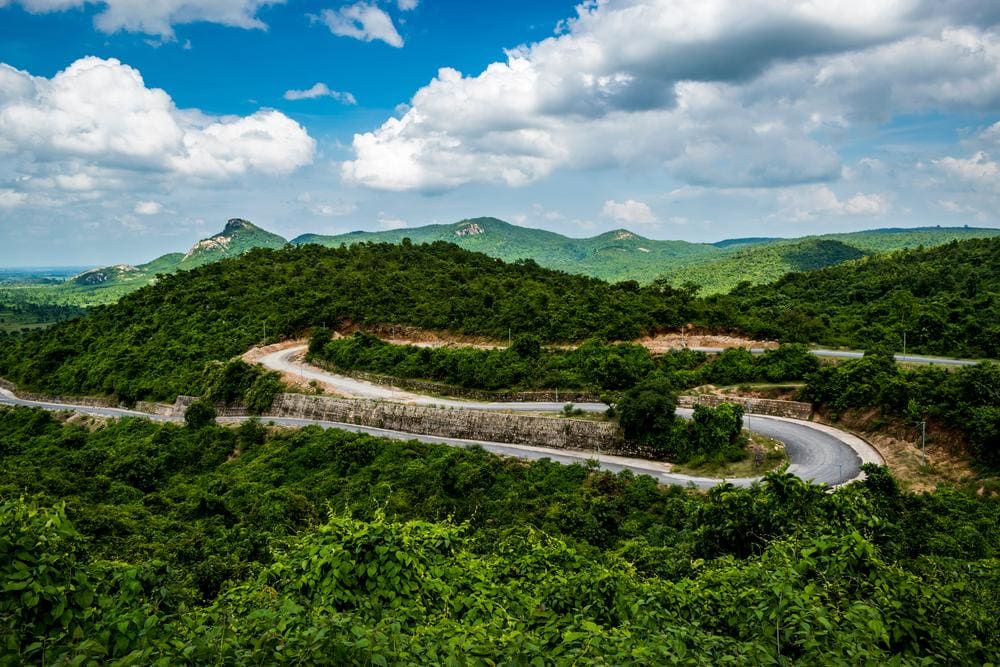
The region is characterised by undulating terrain, scattered hills, forests, rocky landscapes, dams and seasonal waterfalls. The combination of red soil and Palash flowers gives Purulia its distinctive visual identity.
- Landscape: Hills, plateaus, forests and rocky terrain
- Major natural attraction: Ayodhya Hills
- Highest peak of Ayodhya Hills: Gorgaburu, about 855 metres
- Important water landscapes: Baranti, Panchet, Muradi, Murguma and other reservoirs
- Climate: Hot summers, monsoon rainfall and comparatively pleasant winters
Culture and Traditions
Purulia's cultural identity is strongly connected with its tribal communities, folk music, dance, festivals and handicrafts. Communities including Santhals, Kurmis and Kheria-Sabars contribute to the cultural diversity of the region.
Chhau is the most internationally recognised cultural tradition associated with Purulia. UNESCO inscribed Chhau dance on the Representative List of the Intangible Cultural Heritage of Humanity in 2010. The Purulia style is recognised for its masks, powerful movements, dramatic costumes and storytelling.
Jhumur Music
Jhumur is an important folk music and dance tradition of the region. Its songs are closely connected with rural life, seasonal cycles, relationships and everyday experiences.
Chhau Dance
Purulia Chhau combines dance, theatre, music, masks and vigorous physical movements. Traditional performances often draw stories from the Ramayana, Mahabharata and local folklore.
Chhau Mask Making
Charida village in Baghmundi is famous for its Chhau masks. The district administration notes that around 250 artisans in Charida are involved in this craft, making it one of Purulia's important living craft traditions.
Architecture of Purulia
Purulia's architectural heritage includes old temples, archaeological ruins, palace remains and traditional structures associated with different historical periods.
Deulghat is particularly important for its ruins of around 15 temples near the Kansai River. The surviving structures feature decorative stucco work and carvings associated with the historical architectural traditions of the region.
Other heritage locations such as Cheliama, Telkupi and Garh Panchakot add archaeological and historical depth to a Purulia trip.
Famous Places to Visit in Purulia
Ayodhya Hills
Ayodhya Hills is one of Purulia's best-known natural attractions. The hills are part of the Dalma Hills and an extension of the Eastern Ghats. Trekking, rock climbing, camping and scenic exploration are popular activities here.
Charida Village
Charida is famous for its colourful Chhau masks. Visitors can see artisans working on masks and learn about the craft behind one of Purulia's most recognisable cultural traditions.
Baranti
Baranti is a peaceful countryside destination situated around a reservoir between Muradi Hill and Baranti Hill. It is particularly popular for scenic views, photography, picnics and relaxed stays.
Garh Panchakot
Garh Panchakot sits near the foothills of Panchakot Hill in the northeastern part of Purulia. The hill offers panoramic views towards the Panchet Dam and reservoir and is also a popular birdwatching area.
Jaichandi Pahar
Jaichandi Pahar is a popular trekking and picnic destination near Raghunathpur. The district administration places it about 44 km from Purulia town and notes the presence of a nearby railway station.
Turga Falls
Turga Falls is a scenic waterfall in the Ayodhya Hills region. It becomes particularly attractive during and after the monsoon when the surrounding landscape becomes greener.
Bamni Falls
Bamni Falls is another scenic waterfall associated with the Ayodhya Hills landscape. It is suitable for travellers interested in nature, photography and short outdoor excursions.
Muradi Dam and Baranti
Muradi Dam is surrounded by hillocks and is a popular picnic destination. The district administration also notes the arrival of migratory birds during winter.
Panchet Hill and Dam
Panchet Hill and Dam combine a hill landscape with the reservoir of the Panchet Dam. The location is particularly suited to scenic drives, photography and birdwatching.
Deulghat
Deulghat near Boram is an archaeological attraction with the ruins of approximately 15 temples near the Kansai River. The site is especially interesting for travellers who enjoy old temple architecture and heritage.
Cheliama
Cheliama is known for its archaeological and temple heritage. West Bengal Tourism describes the village as an important destination for historians and archaeologists, with temples displaying historic carvings and architectural features.
Pakhi Pahar
Pakhi Pahar, or Bird's Hill, is associated with the Matha area and attracts visitors interested in rock climbing and outdoor adventure.
Murguma
Murguma is a scenic destination near Begunkodar in Jhalda block, known for its dam, surrounding hills and peaceful natural setting.
Telkupi
Telkupi is an archaeological and historical location near Cheliama, associated with the remains of older temples and structures.
Famous Dishes and Local Food
Dhuskas
Dhuskas are savoury fried rice-and-lentil cakes popular across the western Bengal–Jharkhand cultural belt. They are commonly enjoyed as a filling local snack.
Chilka Roti
Chilka Roti is a rice-based preparation found in the wider tribal and plateau food culture of eastern India. It pairs well with simple vegetable or meat preparations.
Panta Bhat
Panta Bhat, fermented rice served with simple accompaniments, is associated with rural Bengali food traditions and can be experienced in local settings.
Alu Bhate
Alu Bhate is a simple Bengali comfort food made with mashed potatoes and basic seasonings. Its simplicity reflects the everyday character of regional home cooking.
Local Tribal Cuisine
In rural Purulia, visitors may encounter traditional preparations based on rice, seasonal vegetables, leafy greens and locally available ingredients. Food experiences can vary considerably between communities and villages.
Famous Personalities Connected with Purulia
Gambhir Singh Mura
Gambhir Singh Mura was a major exponent of Purulia Chhau. Born at Pitikiri Bamni near the foothills of Ayodhya Hills, he dedicated his life to the dance tradition and received the Padma Shri in 1981. The Purulia district administration credits him with helping introduce Chhau to audiences internationally.
Atul Chandra Ghosh
Atul Chandra Ghosh was a freedom movement figure who practised law in Purulia before joining the Non-Cooperation Movement. He co-founded Shilpashram in Purulia town and played a role in the movement surrounding the accession of Manbhum to West Bengal.
Labanya Prabha Ghosh
Labanya Prabha Ghosh, popularly known as “Manbhum-Janani” in Purulia, was involved in the freedom movement and the later language movement in the Manbhum region. She was also closely associated with Shilpashram.
Chunaram Mahato
Chunaram Mahato of Kurda village participated in the Non-Cooperation Movement and later died during the 1942 movement after police firing at Manbazar.
Festivals of Purulia
Chhau Festival and Chaitra Parva
Chhau is closely connected with seasonal festivals, particularly Chaitra Parva. Performances combine masks, music, dramatic movement and stories from mythology and folklore. UNESCO identifies Chhau's connection with regional festivals as an important part of the tradition.
Tusu
Tusu is a popular rural festival associated with songs, community participation and the winter harvest period. Tusu songs reflect the emotions and experiences of village life.
Bhadu
Bhadu is associated with the month of Bhadra and has a strong presence in rural cultural traditions. The district administration connects it with the harvesting of Aus paddy.
Bandhna Parab
Bandhna Parab is celebrated by several communities after Kali Puja. Among Santhals and Mundas it is also known as Sohray.
Baha
Baha is a spring festival associated particularly with Santhal communities. Song and dance form an important part of the celebration.
Raas Mela
Raas Utsav is celebrated during Agrahayan Purnima and is observed in Purulia town with fairs and cultural activities.
Things to Do in Purulia
- Explore the landscapes of Ayodhya Hills.
- Visit Charida and watch Chhau masks being made.
- Experience a Purulia Chhau performance when available.
- Go trekking at Jaichandi Pahar.
- Visit Turga Falls and Bamni Falls during the suitable season.
- Enjoy sunrise and sunset views around Baranti.
- Explore the ruins at Deulghat.
- Visit the heritage temples around Cheliama.
- Go birdwatching around dams and reservoirs.
- Shop for authentic Chhau masks and regional handicrafts.
- Try local Bengali and regional food.
- Capture Purulia's famous red soil and Palash landscapes in season.
Where to Eat, Shop, and Stay
Where to Eat
Purulia town is the most practical base for everyday meals, while tourist areas such as Baranti and Ayodhya Hills have local restaurants, small eateries, homestays and resort-based dining.
- Budget: Local Bengali restaurants and simple eateries in Purulia town.
- Mid-range: Hotels and restaurants around Purulia town and major tourist areas.
- Nature stay: Homestays, camps and resorts around Baranti and Ayodhya Hills.
Where to Shop
Charida is the key place to look for traditional Chhau masks. Visitors can also explore local handicrafts and village-made products in tourist areas.
Where to Stay
For convenient access to transport and city services, stay in Purulia town. For a nature-focused trip, consider accommodation around Baranti, Ayodhya Hills, Baghmundi or other scenic locations.
What is Purulia Famous For?
Purulia is particularly famous for its combination of Chhau dance, Chhau masks, Palash landscapes, Ayodhya Hills, tribal culture and archaeological heritage.
- Purulia Chhau – UNESCO-listed intangible cultural heritage
- Charida masks – traditional Chhau mask-making village
- Ayodhya Hills – trekking, waterfalls and outdoor experiences
- Baranti – reservoir and hill scenery
- Garh Panchakot – heritage and panoramic landscapes
- Deulghat – historic temple ruins
- Jhumur – regional folk music and dance
- Palash flowers – a striking seasonal feature of the landscape
Best Time to Visit Purulia
October to March is generally the most comfortable period for exploring Purulia's hills, heritage sites and outdoor attractions. Winter is especially suitable for sightseeing, trekking and photography.
February to March can be particularly attractive for travellers hoping to see the landscape coloured by blooming Palash flowers, although flowering depends on seasonal conditions.
The monsoon and post-monsoon period can make waterfalls and green landscapes more attractive, but some outdoor activities may become more weather-dependent.
| Season | Travel Experience |
|---|---|
| October–November | Comfortable weather and greener landscapes |
| December–January | Cool weather, sightseeing and outdoor activities |
| February–March | Palash season and pleasant outdoor exploration |
| June–September | Monsoon greenery and waterfalls, with weather-dependent travel |
How to Reach Purulia
By Air
The Purulia district administration lists Netaji Subhas Chandra Bose International Airport, Kolkata, at approximately 250 km from Purulia as the nearest airport. Kazi Nazrul Islam Airport, Durgapur is another practical airport option for some travellers.
By Train
Purulia Railway Station is located in Purulia town and is managed by South Eastern Railway. The district administration states that the rail distance from Kolkata is about 322 km, with regular train services connecting Purulia with Kolkata and other cities.
By Road
Purulia is connected by road with Kolkata, Bankura, Asansol, Bokaro, Jamshedpur and Ranchi, along with other parts of West Bengal and neighbouring regions.
| Mode | Key Information |
|---|---|
| Air | Kolkata Airport – approximately 250 km |
| Rail | Purulia Railway Station; Kolkata rail distance about 322 km |
| Road | Connected with Kolkata, Bankura, Asansol, Bokaro, Jamshedpur and Ranchi |
Nearby Places to Explore
Bankura
Bankura offers terracotta heritage, temples, forests and cultural attractions and can be combined with a Purulia trip.
Asansol
Asansol is a major industrial city and transport hub in the wider western Bengal region.
Bokaro
Bokaro in neighbouring Jharkhand can be included in a longer regional road trip from Purulia.
Jamshedpur
Jamshedpur is another major nearby urban destination and provides a contrast to Purulia's rural landscapes and hills.
Ranchi
Ranchi, the capital of Jharkhand, can be combined with Purulia for a broader eastern India nature and culture itinerary.
Best Duration for a Purulia Trip
3 days and 2 nights is a practical duration for a first Purulia trip if the itinerary focuses on the major natural and cultural attractions.
| Duration | Suggested Experience |
|---|---|
| 1 Day | Purulia town + one nearby attraction |
| 2 Days | Purulia + Ayodhya Hills or Baranti |
| 3 Days | Ayodhya Hills + Charida + Baranti + heritage sites |
| 4–5 Days | More relaxed exploration of hills, waterfalls, villages and archaeological sites |
Travel Tips for Purulia
- Plan outdoor activities during daylight: Hills and rural roads can become difficult after dark.
- Wear comfortable footwear: Trekking and uneven terrain are common around hill attractions.
- Carry cash: Smaller villages and local craft markets may have limited digital-payment options.
- Respect local culture: Ask before photographing people, homes, rituals or performances.
- Buy authentic crafts: Purchase directly from artisans where possible, especially around Charida.
- Check weather: Waterfalls and hill roads can be affected by heavy rain.
- Carry essentials: Sunscreen, water, a cap, basic medicines and insect protection are useful.
- Book popular stays early: Accommodation around scenic locations can become busy during weekends and holidays.
- Keep nature clean: Avoid plastic waste around hills, forests, waterfalls and reservoirs.
Why Visit Purulia?
Purulia offers an experience that feels distinctly different from the urban and riverine image often associated with West Bengal. Its combination of plateau landscapes, tribal culture, folk traditions, Chhau masks, archaeological sites and seasonal Palash scenery gives the region a strong sense of place.
It is especially suitable for travellers interested in nature, photography, folk culture, trekking, heritage, village experiences and slower travel.
Conclusion
Purulia is a destination where nature and living heritage exist side by side. The hills of Ayodhya, peaceful Baranti, colourful Charida masks, dramatic Chhau performances and historic ruins of places such as Deulghat together create a distinctive travel experience.
For travellers looking beyond conventional West Bengal tourism, Purulia offers an opportunity to discover the state's red-soil landscapes, folk traditions, tribal culture and rugged plateau beauty at a more relaxed pace.
"Travel is the only thing you buy that makes you richer."