Alipurduar, West Bengal: Where Dooars Forests Meet Rivers, Tea Gardens and Bhutan
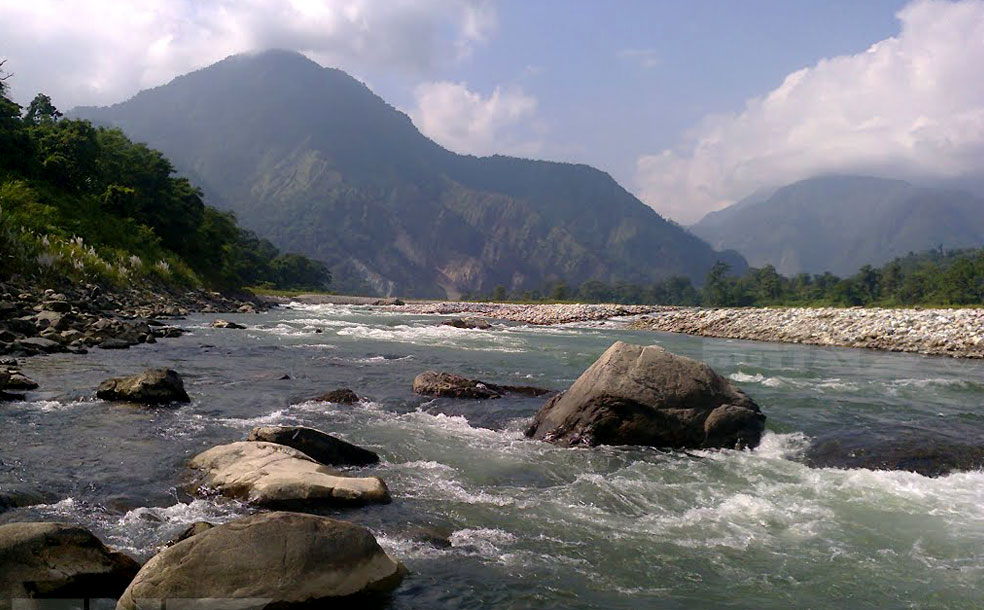
Alipurduar is where the green landscapes of the Dooars open toward the foothills of Bhutan. Surrounded by forests, tea gardens, rivers and wildlife-rich landscapes, the district is one of North Bengal's most rewarding destinations for nature and adventure travelers.
From the forests of Buxa Tiger Reserve and the grasslands of Jaldapara National Park to the riverside beauty of Jayanti and the unique heritage of Totopara, Alipurduar offers a travel experience built around nature, wildlife and cultural diversity.
It is also an important gateway to Bhutan and Northeast India, making Alipurduar a convenient base for exploring the wider Dooars region.
Travel Snapshot of Alipurduar
| Travel Detail | Information |
|---|---|
| State | West Bengal |
| Region | Dooars / North Bengal |
| District Established | 25 June 2014 |
| Area | 3,136 sq. km |
| Population | 15,01,983 (2011 Census) |
| Sub-Division | 1 |
| Community Development Blocks | 6 |
| Municipalities | 2 |
| Gram Panchayats | 64 |
| Police Stations | 8 |
| Major Rivers | Torsa, Raidak, Kaljani, Sankosh, Jayanti, Dima, Mujnai and Gadadhar |
| International Border | Bhutan |
| Major Attractions | Buxa, Jaldapara, Chilapata, Jayanti, Rajabhatkhawa and Totopara |
History of Alipurduar
The history of Alipurduar is closely connected with the strategic Dooars region, a historic gateway between the plains of Bengal and the Himalayan foothills of Bhutan. The region was associated with the Koch kingdom and later came under Bhutanese control before the British took control after the Bhutan War of 1864–65.
The name Alipurduar is traditionally associated with Colonel Hedayat Ali, who served in the region during the Bhutan War and later became associated with the administration of the Dooars. The word “Duar” refers to the historic gateways or passes leading toward Bhutan.
After British control of the Dooars, administrative headquarters shifted through several locations before Alipurduar became an important administrative centre. The railway and the growth of tea plantations further increased the town's importance.
Formation of Alipurduar District
Alipurduar remained part of the larger Jalpaiguri district for many years. On 25 June 2014, it was officially separated from Jalpaiguri and became the 20th district of West Bengal.
| Period | Historical Development |
|---|---|
| Before British Rule | Dooars connected with Bhutanese and Koch political history |
| 1864–65 | Bhutan War and subsequent British control of the Dooars |
| 19th Century | Growth of administration, tea gardens and railway connectivity |
| Post-Independence | Alipurduar continued as an important North Bengal subdivision |
| 25 June 2014 | Alipurduar became a separate district |
Geography of Alipurduar
Alipurduar is located in the eastern Dooars of North Bengal, at the foothills of the Eastern Himalayas. It is bordered by Jalpaiguri to the west, Assam to the east, Cooch Behar to the south and Bhutan to the north.
The landscape changes quickly from flat plains and tea gardens to dense forests and Himalayan foothills. Numerous rivers and streams pass through the district, contributing to its lush green character.
Major Rivers
- Torsa River
- Raidak River
- Kaljani River
- Sankosh River
- Jayanti River
- Dima River
- Mujnai River
- Gadadhar River
Landscape at a Glance
| Landscape | What You Can Experience |
|---|---|
| Forests | Wildlife, birdwatching, safaris and trekking |
| Tea Gardens | Scenic drives and plantation landscapes |
| Rivers | Photography, nature walks and peaceful viewpoints |
| Hills | Views toward Bhutan and trekking landscapes |
| Grasslands | Wildlife viewing, especially around Jaldapara |
Culture and Traditions of Alipurduar
Alipurduar is one of the culturally diverse parts of West Bengal. The district is home to communities including Rajbanshi, Rabha, Bodo, Mech, Toto, Oraon, Santhal, Bhutia, Dukpa, Lepcha, Tamang, Gurung, Sherpa and several other groups.
This diversity can be seen in local languages, food, festivals, traditional clothing, music, dance and community traditions. Bengali, Rajbanshi and Hindi are commonly encountered, while several indigenous languages continue to be spoken within individual communities.
Rajbanshi Culture
The Rajbanshi community has a strong cultural presence across North Bengal. Traditional songs, folk practices, agricultural customs and regional cuisine form an important part of the area's identity.
Tribal Heritage
Communities such as the Rabha, Bodo, Oraon, Santhal and Toto add distinctive cultural traditions to the district. Travelers visiting villages should be respectful of local customs and always ask permission before photographing people or ceremonies.
Toto Culture
Totopara is particularly significant because it is associated with the Toto community, whose culture and language are distinct from neighbouring communities. Official district information notes the community's historical vulnerability and the importance of measures taken to protect its heritage.
Architecture of Alipurduar
Alipurduar's architectural character is different from the palace-and-temple architecture found in many historic Bengal cities. Its heritage is more closely associated with colonial-era structures, railway infrastructure, forest settlements, old administrative buildings and historic forts.
Buxa Fort
Buxa Fort is the most prominent historic structure associated with the district. Situated at an elevation of around 2,600 feet, the fort stands inside the Buxa landscape and is reached through a forested uphill trek.
The British used Buxa Fort as a high-security prison. Today, its ruins and surrounding forest make it an important destination for history enthusiasts and trekkers.
Railway Heritage
The railway played an important role in the development of Alipurduar and the wider Dooars. Stations such as Alipurduar Junction and New Alipurduar continue to connect North Bengal with Assam and other parts of India.
Famous Places to Visit in Alipurduar
Buxa Tiger Reserve
Buxa Tiger Reserve is the signature wildlife destination of Alipurduar. The reserve covers approximately 760 sq. km and was declared a tiger reserve in 1983. It later received National Park status in 1992.
The landscape supports elephants, leopards, Bengal tigers, Malayan giant squirrels, mongooses, reptiles and a wide variety of birds. Its location beside the Bhutan border also makes it an important ecological landscape.
Buxa Fort
Located inside the Buxa landscape, Buxa Fort is a popular trekking destination. The uphill trail from the foothills is roughly 2.5 km, passing through dense forest before reaching the historic ruins.
Jayanti
Jayanti is a beautiful riverside destination where the Jayanti River flows along the Bhutan hills. The combination of riverbed, forest and mountain views makes it one of the most scenic locations in the district.
Jaldapara National Park
Jaldapara National Park is famous for its population of the Indian one-horned rhinoceros. Located along the Torsa River and at the foothills of the Eastern Himalayas, it is also an important birdwatching destination.
Chilapata Forest
Chilapata Forest lies between Jaldapara and Buxa and functions as an important wildlife corridor, particularly for Asian elephants and one-horned rhinos. Jeep safaris and forest experiences make it a popular destination for nature lovers.
Rajabhatkhawa
Rajabhatkhawa is a small forest town just outside Buxa Tiger Reserve. It is surrounded by greenery and is used as an entry point for Buxa-related activities. Wildlife watching, birdwatching and trekking are among the main experiences here.
Totopara
Totopara is one of the most culturally distinctive destinations in Alipurduar. It is associated with the Toto community and offers an opportunity to learn about one of India's smaller indigenous communities and its unique cultural identity.
Jaigaon
Jaigaon is a border town close to Bhutan and serves as an important gateway for travelers heading toward Bhutan. Its busy streets, markets and cross-border atmosphere make it very different from the quiet forest destinations nearby.
Raymatang
Raymatang is a small river-side settlement in the western Buxa area. Surrounded by the natural landscapes of the Dooars, it is suitable for travelers looking for quieter scenery away from major tourist centres.
South Khairbari
South Khairbari Tiger Rescue Centre is associated with wildlife conservation and the rehabilitation of rescued tigers. It provides another wildlife-focused experience beyond the traditional national-park safari.
Famous Dishes to Try in Alipurduar
Alipurduar does not have one single dish that defines the entire district. Its food culture reflects the wider North Bengal, Dooars and tribal culinary traditions, with rice, fish, vegetables, bamboo, meat and locally available forest and agricultural produce playing important roles.
Rice and Fish
Simple rice-and-fish meals remain an important part of the broader Bengali food culture. Local freshwater fish preparations are worth trying when available.
Alu Dum with Luchi
Luchi and alur dum are popular Bengali-style comfort foods and are commonly found in eateries across North Bengal.
Rice Flakes with Gur
Chire with gur is a simple traditional Bengali breakfast combination. The pairing of flattened rice and jaggery is particularly suited to a light morning meal.
Bamboo-Shoot Preparations
Bamboo shoots are used in several Himalayan and northeastern culinary traditions. In the culturally diverse Dooars, travelers may encounter bamboo-based preparations influenced by local communities.
Local Meat Preparations
Chicken and mutton preparations are common in local restaurants, while tribal and regional communities have their own traditional meat dishes. Travelers should ask about ingredients and preparation before ordering unfamiliar foods.
Dooars Tea
No food-focused trip through Alipurduar is complete without trying locally grown Dooars tea. Tea gardens are an important part of the region's landscape and economy.
Famous Personalities and Historical Connections
Colonel Hedayat Ali
Colonel Hedayat Ali is the most important historical personality associated with the naming of Alipurduar. He served in the Bhutan War and was stationed in the Dooars. Local and tourism records connect his name with the origin of “Alipurduar.”
Local Tribal and Cultural Leaders
Alipurduar's cultural identity is also shaped by community leaders, traditional performers, artisans and representatives of indigenous communities. Rather than being defined by a long list of nationally famous personalities, the district's cultural heritage is strongly community-based.
Festivals of Alipurduar
Durga Puja
Durga Puja is widely celebrated across Bengal, including Alipurduar. During the festival, neighbourhoods come alive with decorated pandals, cultural programmes, food stalls and evening gatherings.
Diwali and Kali Puja
Kali Puja and Diwali bring illuminated streets, decorated homes and community celebrations. The festival is particularly lively in urban areas.
Bihu
Because Alipurduar borders Assam and has strong cultural links with the Northeast, Bihu is also observed by sections of the population. Music, dance and community celebrations give the festival a distinct regional flavour.
Tribal Festivals
Different indigenous communities celebrate their own seasonal, agricultural and religious festivals. These vary by community and village, making local festivals an important part of the district's cultural diversity.
Rakhi Bandhan Utsab
The district's Youth Services and Sports Department also conducts community-level cultural programmes such as Rakhi Bandhan Utsab, Vivek Chetana Utsab and Subhas Utsab.
Things to Do in Alipurduar
- Go on a wildlife safari: Explore Buxa or Jaldapara for wildlife and birdwatching.
- Trek to Buxa Fort: Walk through the forest to reach the historic fort ruins.
- Visit Jayanti: Enjoy the river, forest and Bhutan hill views.
- Explore Chilapata: Experience one of the major forest corridors of the Dooars.
- Visit Totopara: Learn about the distinctive culture of the Toto community.
- Explore Rajabhatkhawa: Combine birdwatching, forest walks and Buxa exploration.
- Enjoy a tea-garden drive: Travel through the green plantation landscapes of the Dooars.
- Visit Jaigaon: Experience the atmosphere of a busy Bhutan-border town.
- Try local Bengali and North Bengal food: Explore simple rice, fish, meat and tea-based meals.
- Go birdwatching: Buxa, Jaldapara and Chilapata are especially attractive for bird enthusiasts.
- Take a photography trip: Rivers, forests, elephants, tea gardens and Himalayan foothills provide varied landscapes.
Where to Eat, Shop, and Stay
Where to Eat
Alipurduar town has the widest choice of restaurants and small eateries in the district. Travelers can find Bengali meals, rice-and-fish combinations, North Indian food, snacks and tea.
For a more immersive experience, staying around destinations such as Jaldapara, Chilapata, Rajabhatkhawa or Jayanti can provide access to forest-oriented resorts, lodges and homestays.
Where to Shop
Alipurduar town markets are useful for everyday shopping, snacks, tea and regional products. Travelers interested in local culture can also look for handicrafts, tea, bamboo products and community-made goods where available.
Where to Stay
| Area | Best For |
|---|---|
| Alipurduar Town | Budget hotels, transport convenience and first-time visitors |
| Jaldapara | Wildlife enthusiasts and safari-focused trips |
| Chilapata | Forest stays and nature experiences |
| Rajabhatkhawa | Buxa exploration and trekking |
| Jayanti | River, forest and scenic stays |
The district also operates or supports tourism accommodation facilities, including the Jaldapara Youth Hostel, which provides economical accommodation for travelers.
What is Alipurduar Famous For?
Alipurduar is famous for its forests, wildlife, Dooars landscapes and proximity to Bhutan. It is particularly important as a gateway for exploring several of North Bengal's major wildlife and nature destinations.
- Buxa Tiger Reserve
- Jaldapara National Park
- Chilapata Forest
- Jayanti River and Bhutan hills
- Buxa Fort
- Rajabhatkhawa
- Totopara and Toto culture
- Dooars tea gardens
- Jaigaon and the Bhutan gateway
Best Time to Visit Alipurduar
The most comfortable period for exploring Alipurduar and the Dooars is generally October to March. This period is particularly suitable for wildlife tourism, sightseeing, road trips and outdoor activities.
| Season | Travel Experience |
|---|---|
| October–November | Fresh post-monsoon greenery and pleasant outdoor conditions |
| December–February | Cool weather, excellent for sightseeing and wildlife trips |
| March–April | Warmer days but good for forests and tea-garden landscapes |
| May–September | Monsoon brings heavy rain and lush greenery; forest access may be affected |
Best overall period: October to March.
For wildlife trips, always check the current forest department rules, safari availability and seasonal closures before travelling.
How to Reach Alipurduar
By Air
Bagdogra Airport near Siliguri is the main airport recommended by the district administration, approximately 142 km from Alipurduar by road according to the current official district travel page.
From Bagdogra, travelers can continue by train, bus or private cab.
By Train
Rail is one of the most convenient ways to reach Alipurduar. Alipurduar Junction and New Alipurduar are the principal railway stations. The district is connected by long-distance trains toward Bengal, Assam and other parts of India.
By Road
Alipurduar has regular road connections with Siliguri, Cooch Behar, Kolkata and other parts of West Bengal. Road travel is also practical for reaching individual destinations such as Buxa, Jaldapara, Chilapata and Jaigaon.
| Transport | Main Option |
|---|---|
| Air | Bagdogra Airport – about 142 km by road |
| Rail | Alipurduar Junction / New Alipurduar |
| Road | Regular buses, taxis and private vehicles |
Nearby Places to Visit from Alipurduar
Jaldapara National Park
One of the most important wildlife destinations in North Bengal, Jaldapara is known especially for its one-horned rhinoceros, elephants and rich birdlife.
Buxa Tiger Reserve
Buxa is the ideal choice for travelers interested in forests, wildlife, trekking and the historic Buxa Fort.
Jayanti
Jayanti combines a river landscape with views of the Bhutan hills and is ideal for photography and quiet nature experiences.
Chilapata Forest
Chilapata is a dense forest corridor between Jaldapara and Buxa and is especially interesting for wildlife and birdwatching.
Rajabhatkhawa
Located outside Buxa, Rajabhatkhawa is a practical base for exploring the reserve and enjoying forest activities.
Jaigaon
Jaigaon is the major Indian town beside the Bhutan border and is a natural extension of a Dooars trip.
Totopara
Totopara offers a cultural experience centred on the distinctive Toto community and its heritage.
Raymatang
Raymatang provides a quieter river-and-forest experience in the western Buxa landscape.
Cooch Behar
Cooch Behar can be added to a longer North Bengal itinerary for its royal history, palace architecture and cultural attractions.
Best Duration for an Alipurduar Trip
Alipurduar is better treated as a base for a Dooars itinerary rather than a destination that can be completely explored in a few hours.
| Duration | Suggested Plan |
|---|---|
| 1 Day | Alipurduar town + nearby nature and tea-garden experience |
| 2 Days | Jaldapara or Chilapata + Alipurduar |
| 3 Days | Buxa / Rajabhatkhawa + Jayanti + forest experience |
| 4–5 Days | Buxa + Jaldapara + Chilapata + Jayanti + Totopara/Jaigaon |
Recommended: 3–4 days for a balanced first-time Dooars trip based around Alipurduar.
Travel Tips for Alipurduar
- Book wildlife safaris early: Popular forest destinations can have limited safari availability.
- Check forest rules: Entry timings, safari routes and access restrictions can change seasonally.
- Carry rain protection: The Dooars receives substantial monsoon rainfall.
- Carry comfortable shoes: Trekking and forest walks require proper footwear.
- Use mosquito protection: Repellent is useful during forest and riverside stays.
- Do not feed wildlife: Maintain a safe distance from elephants, rhinos and other animals.
- Keep noise low: Quiet travel improves wildlife-viewing opportunities and respects the forest.
- Carry cash: Remote destinations may have fewer reliable digital-payment facilities.
- Keep identification documents: They may be useful for accommodation and certain forest permissions.
- Respect local communities: Ask before photographing people, homes, religious activities or traditional ceremonies.
- Plan remote routes in daylight: Forest and rural roads can become difficult after dark.
- Carry warm clothing in winter: Early mornings and evenings can be noticeably cool.
Why Visit Alipurduar?
Alipurduar is one of the best gateways to the wild side of West Bengal. Its combination of forests, rivers, tea gardens, wildlife reserves and Bhutan-border landscapes creates a travel experience very different from the state's major cities.
Top Reasons to Visit
- Explore the Buxa Tiger Reserve.
- Search for rhinos and birds at Jaldapara.
- Trek through the forest to Buxa Fort.
- Enjoy the river and Bhutan-hill scenery at Jayanti.
- Discover the forests of Chilapata.
- Learn about the distinctive Toto culture at Totopara.
- Experience the tea gardens and landscapes of the Dooars.
- Use Alipurduar as a gateway toward Bhutan and Northeast India.
Conclusion
Alipurduar is a destination where wildlife, forests, rivers, tea gardens and cultural diversity come together. It is not simply a stop on the way to another destination; it is a gateway into the wider natural and cultural landscape of the Dooars.
From the historic trails of Buxa Fort and the wildlife of Buxa Tiger Reserve to the rhino-rich grasslands of Jaldapara, the forests of Chilapata and the riverside beauty of Jayanti, there is plenty to explore.
For travelers searching for offbeat West Bengal, wildlife experiences, forest stays, tea-garden landscapes and a gateway toward Bhutan, Alipurduar offers a memorable North Bengal journey.
"Travel is the only thing you buy that makes you richer."