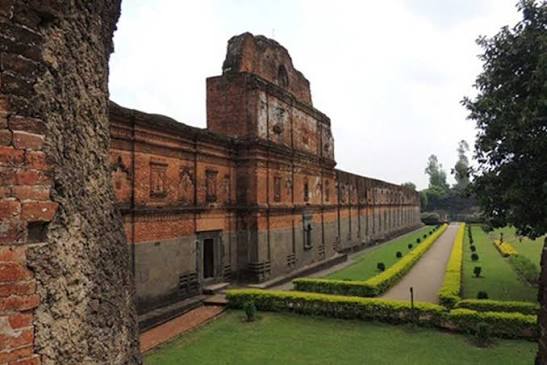
Murshidabad – Walk Through the Royal Heritage of Bengal
Murshidabad is one of West Bengal's most historically significant destinations. Once the capital of Bengal, the region preserves the legacy of Nawabs, grand palaces, historic mosques, temples, cemeteries, gardens, silk weaving and traditional handicrafts. The Battle of Plassey in 1757 also makes Murshidabad an important destination for understanding the political history of Bengal and the beginning of British dominance in the region.
Today, Murshidabad combines history, architecture, culture, traditional crafts and Bengali cuisine, making it an interesting destination for heritage and cultural tourism.
Quick Facts About Murshidabad
| Category | Details |
|---|---|
| State | West Bengal |
| Destination Type | Heritage & Cultural Destination |
| District Headquarters | Berhampore |
| Area | 5,324 sq km |
| Population | 7.103 million (2011 Census) |
| Literacy Rate | 63.88% |
| Subdivisions | 5 |
| Blocks | 26 |
| Municipalities | 8 |
| Major River | Bhagirathi |
| Best Known For | Nawabi heritage, Hazarduari Palace, silk, historic monuments and Bengali culture |
History of Murshidabad
The history of Murshidabad is closely connected with the political and cultural history of Bengal. The district takes its name from Murshid Quli Khan, who made the area an important centre of administration and shifted the capital of Bengal to the city.
Before British dominance, Murshidabad served as the capital of Bengal. The city developed as an important centre of administration, trade, craftsmanship and culture.
The Nawabi Era
During the 18th century, Murshidabad flourished under the Nawabs of Bengal. Palaces, mosques, gardens, tombs and administrative buildings were constructed across the region, many of which remain important heritage attractions today.
The Battle of Plassey
The Battle of Plassey in 1757 was a major turning point in the history of Bengal. British forces defeated Nawab Siraj-ud-Daulah, after which the East India Company gained increasing political and economic influence in Bengal.
After the Nawabi Period
Murshidabad gradually lost its political importance after the administrative capital shifted towards Calcutta, now Kolkata. However, its palaces, monuments, crafts and cultural traditions continue to preserve the memory of Bengal's Nawabi period.
Geography of Murshidabad
Murshidabad lies in the lower Ganga valley of West Bengal. The Bhagirathi River is one of the most important geographical features of the district and historically divided the region into distinct areas.
- Located in central West Bengal.
- The district has an area of approximately 5,324 sq km.
- The Bhagirathi is an important river flowing through the district.
- The district has an international boundary towards the east.
- Its landscape includes river plains, agricultural areas and historic settlements.
The district's rivers and fertile plains have historically supported agriculture, settlements, trade and traditional industries.
Culture and Traditions of Murshidabad
Murshidabad has a diverse cultural identity shaped by Bengali traditions, Islamic heritage, Hindu traditions and the artistic legacy of the Nawabi period.
Silk Tradition
Murshidabad silk is one of the region's best-known traditional industries. Silk weaving developed strongly around the Bhagirathi region and continues to support local artisans.
Sholapith Craft
Sholapith craft is another traditional art form of the district. Artisans create delicate decorative objects from the lightweight, milky-white material known as shola.
Baluchari Weaving
Baluchari sarees are associated with the Murshidabad region, particularly the Jiaganj area. They are recognised for their detailed woven designs and traditional motifs.
Folk Culture
Traditional performances and folk forms such as Bolan, Jari and Baul-related cultural traditions contribute to the cultural character of the region.
Architecture of Murshidabad
Murshidabad is known for its mixture of Indo-Islamic, Mughal, Nawabi, European and traditional Bengali architectural influences.
- Hazarduari Palace: A grand 19th-century palace and museum.
- Nizamat Imambara: A major Shia religious and architectural landmark.
- Katra Masjid: Historic mosque and former caravanserai.
- Cossimbazar Palace: A historic palace displaying European and Indian influences.
- Historic Temples: Several temples showcase Bengal's traditional architectural styles.
- Historic Cemeteries and Tombs: Important reminders of the Nawabi period.
Famous Places to Visit in Murshidabad
1. Hazarduari Palace
Hazarduari Palace is Murshidabad's most recognisable heritage landmark. Built in 1837 for Nawab Nazim Humayun Jah, the palace is known for its grand architecture and museum collections. The name Hazarduari means "Palace of a Thousand Doors." It now functions as a museum and houses historical objects, paintings, arms and other collections.
2. Nizamat Imambara
The Nizamat Imambara stands near Hazarduari Palace and is an important Shia Muslim religious and architectural landmark. The present structure was built in 1847 by Nawab Mansur Ali Khan after the earlier building was destroyed by fire.
3. Katra Masjid
Katra Masjid was built in the early 18th century during the reign of Murshid Quli Khan. It served as both a mosque and caravanserai and is closely associated with the early Nawabi history of Murshidabad.
4. Motijheel
Motijheel, meaning Pearl Lake, is a historic oxbow lake associated with the heritage landscape of Murshidabad. Today, the area offers visitors a combination of nature, history and leisure.
5. Khushbagh
Khushbagh is a historic garden cemetery associated with the Nawabs of Bengal. It is particularly connected with the tomb of Siraj-ud-Daulah and other members of the Nawabi family.
6. Tomb of Siraj-ud-Daulah
The tomb of Siraj-ud-Daulah is an important historical site connected with the last independent Nawab of Bengal before the Battle of Plassey.
7. Jafraganj Cemetery
Jafraganj Cemetery is a historic burial ground associated with the Nawabi period and the family of Mir Jafar.
8. Karnasubarna
Karnasubarna was an important ancient capital associated with King Shashanka and the Gauda Kingdom. The archaeological remains make it significant for visitors interested in the early history of Bengal.
9. Cossimbazar Palace of the Roys
Cossimbazar Palace is a historic palace complex displaying a combination of Indian and European architectural influences. It represents the region's later aristocratic and trading history.
10. Kathgola Bagan
Kathgola Bagan is a historic garden and palace complex associated with the wealthy merchant families of Murshidabad.
11. Nashipur Palace
Nashipur Palace is another important heritage building reflecting the architectural and social history of the region.
12. Armenian Church, Berhampore
The Armenian Church at Berhampore was established in 1757 and represents the historical presence of Armenian communities and traders in the region.
Famous Dishes of Murshidabad
Murshidabad's food culture combines traditional Bengali flavours with culinary influences that developed during the Nawabi period.
| Food / Product | Why It Is Known |
|---|---|
| Murshidabadi Biryani | A locally associated biryani style influenced by the region's Nawabi culinary heritage. |
| Chanabora | A traditional sweet associated with Murshidabad. |
| Jhurir Doi | A traditional dairy-based delicacy from the region. |
| Baluchuri Malpoya | A traditional sweet preparation highlighted in West Bengal Tourism material. |
| Kohitur Mango | A traditional mango variety associated with Murshidabad. |
| Sadulla Mango | Another locally known mango variety. |
| Padmar Ilish | Hilsa associated with the Padma river region. |
West Bengal Tourism specifically highlights these foods and local produce among Murshidabad's distinctive culinary experiences.
Famous Personalities Associated with Murshidabad
Murshid Quli Khan
Murshid Quli Khan was a major historical figure associated with the development of Murshidabad as the capital of Bengal. The district takes its name from him.
Alivardi Khan
Alivardi Khan was an important Nawab of Bengal during the 18th century and played a major role in the political history of the region.
Siraj-ud-Daulah
Siraj-ud-Daulah was the Nawab of Bengal during the Battle of Plassey in 1757. His history is closely connected with Murshidabad.
Mir Jafar
Mir Jafar became Nawab of Bengal after the Battle of Plassey and remains an important figure in accounts of 18th-century Bengal.
Jagat Seth
The Jagat Seth family was one of the prominent banking and merchant families associated with Murshidabad during the Nawabi period.
Festivals of Murshidabad
Bera Utsav
Bera Utsav is associated with the Lalbagh area and the Bhagirathi River. The celebration features cultural activities and traditional festivities.
Hazarduari Mela
Hazarduari Mela brings together handicrafts, local cultural performances and other activities connected with Murshidabad's heritage.
Durga Puja
Durga Puja is celebrated across Murshidabad with traditional Bengali rituals, decorations and community festivities.
Jhulon
Jhulon is another traditional festival observed in different parts of the district.
Kiriteswari Mela
The annual fair associated with Kiriteswari Temple attracts devotees and visitors interested in the religious traditions of the region.
Things to Do in Murshidabad
- Explore Hazarduari Palace Museum.
- Visit the Nizamat Imambara.
- See the historic Katra Masjid.
- Explore the tombs and cemeteries connected with the Nawabi era.
- Visit Motijheel and enjoy its historic surroundings.
- Explore Karnasubarna and its archaeological heritage.
- Discover the historic palaces of Cossimbazar, Nashipur and Kathgola.
- Shop for authentic Murshidabad silk.
- Explore Baluchari sarees and traditional textiles.
- Look for traditional sholapith, terracotta and brass/bell-metal crafts.
- Try local sweets and regional Bengali dishes.
- Explore Murshidabad's traditional folk culture and festivals.
Where to Eat, Shop, and Stay in Murshidabad
Where to Eat
Visitors can find restaurants and local eateries around Berhampore, Murshidabad-Lalbagh and Cossimbazar. Local Bengali meals, sweets and Murshidabadi specialities are worth exploring during a heritage trip.
What to Shop For
- Murshidabad Silk
- Baluchari Sarees
- Sholapith Craft
- Terracotta Work
- Kansa / Bell-Metal Items
- Traditional Wood Craft
West Bengal Tourism identifies Murshidabad silk, shola craft, terracotta work, Kansa products and Baluchuri sarees among the region's local craft traditions.
Where to Stay
Accommodation is available around Berhampore, Lalbagh, Murshidabad and nearby heritage areas, including hotels, guesthouses, tourism properties and registered homestays.
What is Murshidabad Famous For?
Murshidabad is particularly famous for its Nawabi heritage and historic monuments.
- Hazarduari Palace
- Nizamat Imambara
- Katra Masjid
- Siraj-ud-Daulah's historical association
- Battle of Plassey
- Murshidabad Silk
- Baluchari textiles
- Sholapith and traditional crafts
- Historic palaces, tombs and gardens
- Bengali sweets and regional cuisine
Best Time to Visit Murshidabad
| Season | Months | Travel Experience |
|---|---|---|
| Winter | October – February | Comfortable for sightseeing and heritage exploration. |
| Spring | March – April | Generally suitable for sightseeing, though temperatures begin rising. |
| Summer | May – June | Hot conditions can make daytime sightseeing less comfortable. |
| Monsoon | July – September | Green landscapes but rainfall may affect outdoor travel plans. |
October to February is generally a comfortable period for exploring Murshidabad's palaces, monuments and heritage sites.
How to Reach Murshidabad
By Air
The nearest major airport is Netaji Subhas Chandra Bose International Airport in Kolkata. From Kolkata, visitors can continue to Murshidabad by road or rail. West Bengal Tourism places the airport roughly 191 km from Murshidabad, while current district information gives approximately 195 km; the exact distance varies by destination point and route.
By Train
Rail is a convenient option for reaching the Murshidabad heritage area. Important railway stations include Murshidabad and Berhampore Court, with other stations serving different parts of the district.
By Road
Murshidabad and Berhampore are connected by road with Kolkata, Krishnanagar, Malda, Rampurhat, Bolpur, Burdwan and other towns of West Bengal. Bus and taxi services are available for different routes.
Nearby Places to Visit
| Place | Why Visit |
|---|---|
| Berhampore | District headquarters, urban centre and gateway to the heritage attractions. |
| Jiaganj-Azimganj | Known for historic buildings, temples, Jain heritage and Baluchari weaving. |
| Karnasubarna | Ancient archaeological and historical site. |
| Cossimbazar | Historic palaces, gardens and traditional craft heritage. |
| Plassey | Important location associated with the 1757 Battle of Plassey. |
| Farakka | Important river and infrastructure destination in northern Murshidabad. |
| Kiriteswari | Important religious and cultural destination. |
Best Duration for a Trip to Murshidabad
2–3 days is a suitable duration for exploring the major heritage attractions around Murshidabad and Lalbagh.
Suggested 2-Day Plan
- Day 1: Hazarduari Palace, Nizamat Imambara, Katra Masjid, historic tombs and nearby heritage sites.
- Day 2: Motijheel, Cossimbazar, Kathgola Bagan, Nashipur Palace and local shopping.
Suggested 3-Day Plan
- Day 1: Explore Lalbagh and the main Nawabi monuments.
- Day 2: Visit Cossimbazar, Kathgola, Nashipur and Motijheel.
- Day 3: Explore Karnasubarna, local crafts, temples and nearby attractions.
Travel Tips for Murshidabad
- Start sightseeing early, especially during warmer months.
- Keep enough time for museums and heritage buildings instead of rushing between attractions.
- Wear comfortable footwear because heritage sightseeing involves walking.
- Carry water and sun protection during outdoor sightseeing.
- Check the opening days and timings of museums and monuments before travelling.
- Respect photography restrictions inside heritage and religious sites.
- Dress appropriately when visiting religious places.
- Try local sweets and regional food from reliable establishments.
- For shopping, look for genuine Murshidabad silk and traditional handicrafts.
- Keep an extra half-day if you want to explore attractions outside the main Lalbagh heritage zone.
Why Visit Murshidabad?
Murshidabad offers a distinctive combination of history, architecture, culture, crafts and cuisine. It allows visitors to explore the former capital of Bengal while discovering palaces, mosques, temples, tombs, gardens and traditional artisan communities.
- To explore the legacy of the Nawabs of Bengal.
- To visit the iconic Hazarduari Palace.
- To understand an important chapter of Bengal's history.
- To experience traditional silk and Baluchari weaving.
- To discover historic Islamic, Hindu and European architectural influences.
- To explore traditional Bengali food and sweets.
- To experience the cultural atmosphere of historic Bengal.
Conclusion
Murshidabad is a destination where the history of Bengal can be experienced through its monuments, museums, palaces, religious sites, crafts and food traditions. From the grandeur of Hazarduari Palace and Nizamat Imambara to the historic Katra Masjid, Cossimbazar, Karnasubarna and traditional silk centres, the region offers a rich heritage experience.
For travellers interested in history, architecture, culture, handicrafts and Bengali traditions, Murshidabad provides an opportunity to explore one of West Bengal's most important historical landscapes.
"Travel is the only thing you buy that makes you richer."