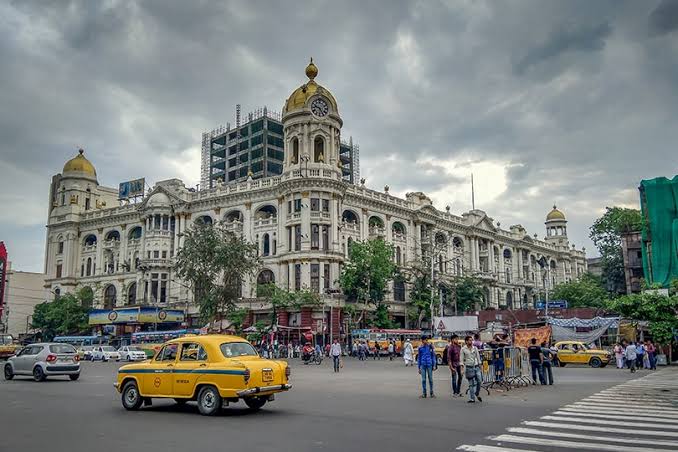
Kolkata Travel Guide: The Complete Story of the City of Joy
Introduction
Kolkata is fondly known as the "City of Joy," and the name fits perfectly. Sitting on the eastern bank of the Hooghly River, this city is the capital of West Bengal and is widely regarded as the cultural capital of India. History, art, literature, music, architecture and culinary traditions are woven so deeply into everyday life here that exploring this city feels unlike visiting anywhere else in the country.
Unlike modern cities racing toward skyscrapers, Kolkata has held on to its old-world identity. Walking its streets feels like stepping back in time — grand colonial buildings stand beside centuries-old temples, bustling traditional markets, artistic neighbourhoods and modern shopping malls. Yellow taxis, vintage trams, hand-pulled rickshaws and historic coffee houses all add to the city's timeless character.
Kolkata isn't just a destination — it's an emotion. The city is known for the warmth of its people, its intellectual spirit, artistic heritage and festive energy. From the grandeur of Durga Puja, which turns every neighbourhood into a living art gallery, to the aroma of freshly made Bengali sweets and street food on every corner, Kolkata has a story waiting at every turn.
Whether you're a history lover, an architecture enthusiast, a foodie, a photographer, a spiritual traveller, or someone on a family holiday, Kolkata has something memorable in store for you.
Why Is Kolkata Famous?
Kolkata is celebrated as one of India's most distinctive travel destinations for reasons including:
- Rich colonial-era architecture from British rule
- Grand Durga Puja celebrations, recognised by UNESCO
- The iconic Howrah Bridge
- Victoria Memorial
- Asia's oldest operating tram network
- Bengali cuisine and legendary street food
- World-famous sweets like Rasgulla and Mishti Doi
- Literature and Nobel laureates
- Art galleries and museums
- Cricket culture centred on Eden Gardens
- Markets filled with handicrafts and textiles
- The scenic Hooghly riverfront
- Spiritual landmarks like Dakshineswar and Kalighat Temple
- Warm, welcoming local culture
Unlike cities known for a single attraction, Kolkata offers a complete travel experience — history, heritage, spirituality, entertainment, shopping and gastronomy, all in one place.
History of Kolkata
The Early Years: Before growing into one of India's largest metropolitan cities, the region was made up of three small villages — Sutanuti, Gobindapur and Kalikata — situated along the Hooghly River and used as trading centres. In 1690, British East India Company official Job Charnock established a trading post here, laying the foundation for what would become Kolkata.
The Colonial Era: From 1772 to 1911, Kolkata served as the capital of British India. During this period, the British built grand structures that still define the skyline today — the Victoria Memorial, Writers' Building, St. Paul's Cathedral, General Post Office, Raj Bhavan, High Court and Town Hall. Wide roads, parks, libraries, museums and educational institutions turned the city into one of Asia's most important urban centres.
The Bengal Renaissance: The 19th century brought a remarkable period of cultural, educational and social reform known as the Bengal Renaissance. It produced towering figures such as Rabindranath Tagore, Swami Vivekananda, Raja Ram Mohan Roy, Bankim Chandra Chattopadhyay, Ishwar Chandra Vidyasagar, Subhas Chandra Bose, Jagadish Chandra Bose and Satyendra Nath Bose — names that shaped modern Indian literature, science, education and nationalism.
Modern Kolkata: Today's Kolkata blends tradition with progress. Metro rail, IT parks, shopping malls, luxury hotels, an international airport and smart-city developments like Eco Park exist comfortably alongside colonial buildings, temples and traditional neighbourhoods.
Geography and Climate
Kolkata lies on the eastern bank of the Hooghly River, a distributary of the sacred Ganges, at an elevation of roughly 9 metres above sea level. The climate is tropical, with distinct wet and dry seasons.
- Summer (April–June): 30°C to 42°C, hot and humid — better suited for indoor sightseeing and shopping.
- Monsoon (July–September): Moderate to heavy rain brings lush greenery and a picturesque riverfront, ideal for photographers.
- Winter (October–February): Pleasant, 12°C to 28°C — the best season for sightseeing, festivals and walking tours.
Best Time to Visit Kolkata
October to March is the ideal window, offering pleasant weather, clear skies and a packed festival calendar.
October is often called the best month, as the city celebrates Durga Puja — the biggest cultural festival in eastern India — with thousands of elaborately decorated pandals, art installations, music and food stalls drawing millions of visitors. November is great for sightseeing, photography and heritage walks. December brings festive Christmas celebrations around Park Street. January offers comfortable weather for museums and monuments, and February brings pleasant temperatures with blooming gardens and cultural festivals.
The Culture of Kolkata
Kolkata is often called the cultural heartbeat of India. Its culture revolves around literature, poetry, theatre, cinema, music, fine arts, festivals and food. It's entirely normal to find people discussing politics, literature, philosophy, cricket and cinema over a cup of tea at a roadside stall or a historic coffee house, and the city hosts concerts, art exhibitions and literary events year-round.
Kolkata is the birthplace of some of India's greatest literary and artistic minds — Nobel laureate poet Rabindranath Tagore, Oscar-winning filmmaker Satyajit Ray, and writers such as Bankim Chandra Chattopadhyay, Sarat Chandra Chattopadhyay, Sukumar Ray and Sunil Gangopadhyay. This literary heritage is still alive through College Street, the Indian Coffee House, book fairs, libraries and Rabindra Sadan. Every January, the Kolkata International Book Fair draws millions of visitors, ranking among the world's largest non-trade book fairs.
Architecture of Kolkata
For architecture lovers, Kolkata functions almost like an open-air museum. Colonial buildings such as the Victoria Memorial, Raj Bhavan, Town Hall, High Court and Writers' Building showcase marble facades, Corinthian columns, Gothic arches, large domes and ornamental balconies. Indo-Saracenic structures such as the General Post Office and Metropolitan Building blend Indian and European styles. Older neighbourhoods still preserve traditional Bengali courtyard houses with decorative balconies, colourful wooden windows and terracotta details — wonderful subjects for heritage photography.
The Spirit of the City
What truly makes Kolkata special isn't just its monuments — it's the people. Locals, affectionately called Kolkatans, are known for their warmth, hospitality and love of conversation. Mornings here begin with flower markets, temple bells and tea stalls, while evenings bring families strolling by the Hooghly, friends gathering at cafés, and the aroma of street food drifting through the air.
Top Tourist Attractions in Kolkata
1. Victoria Memorial
Built between 1906 and 1921 in memory of Queen Victoria, this white marble monument was designed by Sir William Emerson and inspired by the Taj Mahal, blending British and Mughal styles. Set in 64 acres of landscaped gardens with fountains and statues, it houses over 25 galleries of paintings, manuscripts, weapons, maps and photographs from the British era. The evening Sound and Light Show narrates the city's history through music and projections. Allow 2–3 hours, and visit early morning or late afternoon for the best light.
2. Howrah Bridge (Rabindra Setu)
One of the world's busiest cantilever bridges, completed in 1943 without a single supporting pillar in the river — a true engineering marvel. Over 100,000 vehicles and 150,000 pedestrians cross it daily, and it's especially striking when lit up at night. The nearby Mullick Ghat Flower Market is a favourite photography spot.
3. Princep Ghat
Built in 1843 in Greek and Palladian style, this riverside monument offers gorgeous views of the Hooghly and Vidyasagar Setu. Its promenade is a popular evening destination for boating, cycling, photography and carriage rides, with some of the finest sunsets in eastern India.
4. Dakshineswar Kali Temple
Built in 1855 by Rani Rashmoni, this temple on the eastern bank of the Hooghly is dedicated to Goddess Bhavatarini. Its nine-spired main shrine is surrounded by twelve Shiva temples and a Radha-Krishna temple. The site is closely tied to Sri Ramakrishna Paramahansa, and devotees often combine a visit with a ferry ride to Belur Math.
5. Belur Math
Headquarters of the Ramakrishna Mission, founded by Swami Vivekananda in 1897. The main temple is designed to resemble a temple, mosque and church depending on the angle, symbolising religious harmony. Beyond prayer, visitors come here for meditation, yoga and quiet reflection, with the riverside evening aarti being especially moving.
6. Kalighat Kali Temple
One of the 51 Shakti Peethas and among the holiest Kali temples in India, drawing thousands of devotees daily, especially during Kali Puja and Navratri. The surrounding market sells religious souvenirs, flowers and sweets — go early to avoid the crowds.
7. Indian Museum
Established in 1814, this is India's oldest and largest museum, famous for its Egyptian mummy, Buddhist relics, ancient sculptures, Mughal paintings, coins, fossils and dinosaur skeletons. History lovers can easily spend half a day exploring its galleries.
8. Marble Palace
Built in 1835 by the Mullick family, this heritage mansion is known for imported marble, Belgian glass, chandeliers, antique clocks and European sculptures, along with a small private zoo and landscaped gardens.
9. St. Paul's Cathedral
Completed in 1847, this Gothic Revival cathedral is one of India's largest Anglican churches, known for its stained-glass windows and serene atmosphere. It becomes a major draw during Christmas, when it's beautifully lit and decorated.
10. Eco Park
Spread across 480 acres in New Town, this is India's largest urban park, built around a lake with themed zones — Butterfly Garden, Bamboo Garden, Japanese Garden, Rose Garden, Tea Garden and a Seven Wonders replica park. Visitors can try kayaking, paddle boating, zorbing, cycling and archery — easily a full day out for families.
11. Science City
India's largest science centre, with interactive exhibits, space and robotics displays, an Evolution Park and a Space Theatre. Kids love the Time Machine and Dynamotion Hall, while adults enjoy the engaging demonstrations.
12. Eden Gardens
Often called the "Mecca of Indian Cricket," this iconic stadium was established in 1864 and has hosted historic Test matches, ODIs, World Cup games and IPL fixtures — the atmosphere on match day is unforgettable.
13. Jorasanko Thakur Bari
The ancestral home of Rabindranath Tagore, now a museum showcasing his manuscripts, paintings, furniture and personal belongings — offering deep insight into the Tagore family's role in the Bengal Renaissance.
14. Acharya Jagadish Chandra Bose Indian Botanic Garden
Located in nearby Howrah, this garden is famous for the Great Banyan Tree, one of the largest trees in the world by canopy area, spread across more than 270 acres and home to thousands of rare plant species.
15. Kumartuli
Kolkata's renowned artisan district, where skilled craftsmen hand-sculpt clay idols, especially for Durga Puja. Walking its narrow lanes and watching artisans at work is one of the most authentic cultural experiences the city offers.
Hidden Gems, Markets and Unique Experiences
Park Street, dubbed "the street that never sleeps," is Kolkata's entertainment and dining heart, lined with heritage restaurants, bakeries, pubs and live-music venues. It becomes especially magical during Christmas and New Year, when it's lit up with festive decorations and drawing huge evening crowds.
College Street, known as "Boi Para" (Book Colony), is one of the largest second-hand book markets in the world, stretching nearly 1.5 kilometres with hundreds of shops selling everything from rare first editions to academic textbooks. It's also home to the legendary Indian Coffee House, running since 1942, long a gathering place for writers, poets and intellectuals. The area also houses institutions like the University of Calcutta, Presidency University and Sanskrit College.
New Market (Sir Stuart Hogg Market), established in 1874, is one of Kolkata's oldest shopping districts with over 2,000 shops selling clothing, jewellery, leather goods, handicrafts and souvenirs — bargaining is part of the fun. Gariahat Market is known for traditional Bengali sarees, handloom products and affordable fashion, especially lively during Durga Puja and Diwali. Dakshinapan Shopping Complex offers fixed-price, government-approved emporiums selling authentic handicrafts from across India. Hatibagan Market and Burrabazar — one of Asia's largest wholesale markets — round out the city's shopping scene, alongside modern malls like Quest Mall, South City Mall and Acropolis Mall.
Other interesting spots include Millennium Park along the river, Nicco Park (often called the Disneyland of Eastern India, with over 35 rides and an adjoining water park), Alipore Zoological Garden (India's oldest official zoo, established in 1876), Birla Planetarium, Mother House (linked to Mother Teresa and the Missionaries of Charity), South Park Street Cemetery (built in 1767, one of the oldest Christian cemeteries outside Europe), Tangra (Kolkata's Chinatown), and Rabindra Sarobar, an urban lake known as the "Lungs of South Kolkata" and home to over 100 recorded bird species. Lesser-known gems include Bow Barracks, the Armenian Church (dating to 1724), Metcalfe Hall and Babu Ghat.
For photographers, the best spots include Victoria Memorial at sunrise, Howrah Bridge from Mullick Ghat, Princep Ghat at sunset, Kumartuli's artisan workshops, the flower market beneath Howrah Bridge, Bow Barracks at Christmas, and the colonial buildings around B.B.D. Bagh.
Unique experiences worth prioritising: ride Asia's oldest operational tram through North Kolkata, take a ferry across the Hooghly between Dakshineswar and Belur Math, watch artisans sculpt Durga idols in Kumartuli, attend an evening aarti at Dakshineswar or Belur Math, sip tea from a traditional clay cup (Bharer Cha), hunt for rare books on College Street, and take an evening cruise on the Hooghly to see the illuminated skyline.
Food in Kolkata
One of the biggest reasons travellers fall in love with Kolkata is its food. The city's cuisine has evolved through the influence of Bengali tradition, Mughal cooking, British colonial culture, Chinese immigrants, Armenian traders and Tibetan settlers — creating a food culture that is both diverse and deeply rooted in daily life and festivals.
Traditional Bengali dishes are built around rice, mustard oil and fresh, seasonal ingredients. Shorshe Ilish — Hilsa fish cooked in mustard paste — is considered the crown jewel of Bengali cuisine, especially popular during monsoon. Kosha Mangsho is a slow-cooked mutton curry served at festivals and weddings. Chingri Malai Curry features prawns in creamy coconut milk, while Macher Jhol is a lighter, everyday fish curry. Other staples include Bhapa Ilish, Pabda Jhal, Luchi and Aloor Dom, Cholar Dal, Mochar Ghonto, and Shukto, a mildly bitter mixed-vegetable stew traditionally eaten as the first course of a meal.
On the street food front, the Kathi Roll — Kolkata's most famous culinary invention, born on Park Street in the 1930s — remains an essential try, with egg, chicken, mutton and paneer varieties. Puchka, the local take on pani puri, has its own distinct tangy identity, filled with mashed potato, black chickpeas and tamarind water. Other favourites include Jhal Muri, Ghugni, Telebhaja (deep-fried vegetable fritters, best in monsoon), Mughlai Paratha, Fish Fry (served with kasundi mustard sauce) and Fish Cutlet. Chinese immigrants introduced Chowmein, which developed its own Indo-Chinese flavour here, while Tibetan Momos are also widely loved, especially around New Market and Salt Lake.
Kolkata is often called India's dessert capital. Rasgulla, Sandesh (in countless flavours from saffron to mango), Mishti Doi served in earthen pots, the winter-only Nolen Gur Sandesh, Pantua, Rajbhog and Chomchom are sweets no visitor should skip. Winter also brings seasonal treats like Patishapta and Pithe, while monsoon is Hilsa season and summer favours mango-based desserts and fresh lassi.
Tea culture runs deep here too — roadside stalls serve Bharer Cha, tea in small clay cups whose earthy aroma is part of the appeal, usually accompanied by lively conversation on politics, cricket or literature.
The best neighbourhoods to explore for food are Park Street (heritage restaurants and cafés), Tangra (authentic Indo-Chinese), New Market (street food and sweets), College Street (tea and local snacks), Vivekananda Park (Puchka and Chaat), Esplanade and Gariahat.
Where to Eat, Shop, and Stay
Among Kolkata's heritage restaurants, Peter Cat (running since the 1970s, famous for its Chelo Kebab) and Mocambo (established 1956, known for retro ambience and Continental classics like Devilled Crab) are Park Street institutions. Flurys, founded in 1927, is the city's most iconic bakery and tea room. For authentic Bengali food, try 6 Ballygunge Place, Bhojohori Manna, Oh! Calcutta, Sonar Tori or Kasturi. Tangra remains the best neighbourhood for Indo-Chinese food, with restaurants like Mainland China and Beijing Restaurant. For cafés, the Indian Coffee House, Blue Tokai Coffee Roasters and Roastery Coffee House (set in a restored heritage bungalow) are excellent choices, while Nahoum & Sons is famous for its Jewish-style cakes and pastries.
For shopping, New Market, Gariahat Market, College Street, Dakshinapan, Hatibagan Market and Burrabazar are the top traditional destinations, alongside modern malls like Quest Mall, South City Mall and Acropolis Mall. Good souvenirs include Tant, Baluchari and Jamdani sarees, terracotta figurines, Dokra metal crafts, handmade jewellery, and Bengali sweets like Sandesh and Nolen Gur specialities.
Nightlife centres around Park Street (live music, jazz bars, rooftop restaurants), Sector V (popular with IT professionals), Camac Street (upscale bars) and New Town (modern lounges and rooftop cafés).
For accommodation, Park Street suits first-time visitors and nightlife lovers, New Town works well for business travellers and families with easy airport access, Salt Lake offers a quieter mid-range option, Esplanade is best for budget travellers and public transport access, and Ballygunge suits those wanting a quieter, upscale residential stay. Backpackers will find affordable hostels and guesthouses around Esplanade, Sudder Street and Sealdah.
Travel Tips
- Carry cash for shopping in traditional markets, though digital payments are increasingly accepted.
- Bargaining is expected in local markets but not in malls or government emporiums.
- Buy Bengali sweets from reputed shops to ensure freshness and quality.
- Visit popular restaurants during off-peak hours to avoid long waits.
- Plan ahead during Durga Puja, when markets and restaurants get extremely busy.
- Respect local customs while visiting temples and traditional establishments.
- Dress modestly and be cautious of unauthorised guides at busy temples like Kalighat.
Conclusion
Kolkata isn't just about monuments and landmarks — it's about its people and the rhythm of everyday life. Mornings here begin with flower markets, temple bells and roadside tea stalls, while evenings bring families strolling along the Hooghly, friends gathering at cafés, and the aroma of street food drifting through the air.
Whether you're a history enthusiast, an architecture lover, a foodie, a photographer, a spiritual traveller or someone simply looking for a memorable family trip, Kolkata has something meaningful to offer. Wander its lanes, taste its sweets, watch the sun set over the Hooghly — and you'll understand why this city stays with every traveller long after they leave.
1. What is the best time to visit Kolkata?
October to March is the best period, offering pleasant weather, clear skies and major festivals like Durga Puja and Christmas celebrations on Park Street.
2. How many days are enough to explore Kolkata?
3 to 4 days are usually enough to cover the major attractions, markets and food spots comfortably. History and food enthusiasts may prefer 5–6 days for a deeper experience.
3. Is Kolkata safe for tourists?
Kolkata is generally considered one of India's safer metropolitan cities, known for its welcoming and hospitable locals. As with any big city, standard travel precautions are recommended.
4. What is Kolkata famous for?
Kolkata is famous for its colonial architecture, the Howrah Bridge, Victoria Memorial, Durga Puja celebrations, Bengali cuisine, sweets like Rasgulla, its literary heritage and its tram network — Asia's oldest.
5. What are the must-try foods in Kolkata?
Don't miss Kathi Rolls, Puchka, Shorshe Ilish, Kosha Mangsho, Luchi-Aloor Dom, and Bengali sweets like Rasgulla, Sandesh and Mishti Doi.
6. Which are the top places to visit in Kolkata?
Victoria Memorial, Howrah Bridge, Princep Ghat, Dakshineswar Kali Temple, Belur Math, Indian Museum, Eco Park and Eden Gardens are among the top attractions.
7. What is the best way to get around Kolkata?
The Kolkata Metro, buses, yellow taxis, app cabs and the iconic trams are all convenient ways to get around the city.
8. Is Kolkata a budget-friendly city for travellers?
Yes, Kolkata is one of India's more affordable metropolitan cities, with budget hotels, hostels, street food and public transport making it easy to travel on a modest budget.
9. What should I buy as a souvenir from Kolkata?
Popular souvenirs include Tant and Baluchari sarees, terracotta figurines, Dokra metal crafts, handmade jewellery, books from College Street, and Bengali sweets like Sandesh and Nolen Gur specialities.
10. Is Durga Puja a good time to visit Kolkata?
Yes, Durga Puja (usually in September–October) is one of the best times to experience Kolkata's culture, with elaborately decorated pandals, art, music and festive food across the city — though it does get very crowded, so advance planning is recommended.
"Travel is the only thing you buy that makes you richer."