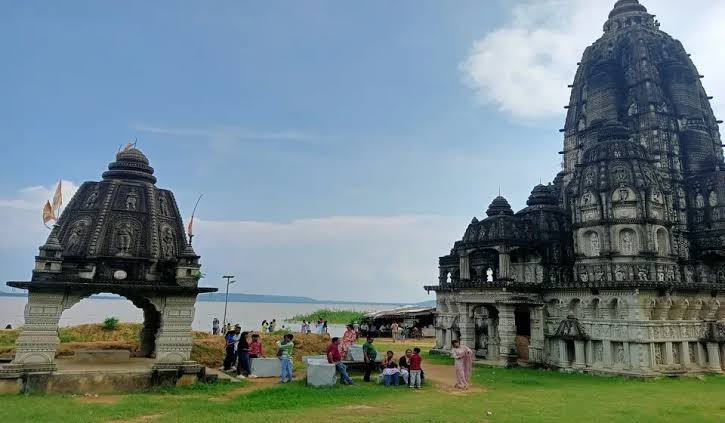
Balod, Chhattisgarh: Where Rivers, Temples and Tranquil Landscapes Meet
Balod is a peaceful city in central Chhattisgarh, situated on the banks of the Tandula River. Known for its temples, reservoirs, forests, agricultural landscapes and mineral resources, Balod offers a relaxed travel experience away from crowded tourist destinations.
From the scenic Tandula Dam and the spiritual Ganga Maiya Temple to the forested surroundings of Siya Devi Temple and Waterfall, Balod brings together nature, faith and local heritage.
For travellers exploring Balod tourism, the city is a convenient base for discovering temples, water bodies, rural landscapes and nearby destinations across central Chhattisgarh.
History
The history of Balod is closely connected with the wider historical development of the Durg region of Chhattisgarh. Before becoming an independent district, Balod was part of Durg district.
Formation of Balod District
Balod became a separate district of Chhattisgarh on 1 January 2012, becoming the state's 27th district at the time. It was notified as a civil district on 1 January 2012, while the revenue district came into effect from 10 January 2012.
| Period / Development | Historical Significance |
|---|---|
| Before 2012 | Balod was part of Durg district. |
| 1 January 2012 | Balod became a separate civil district. |
| 10 January 2012 | Balod was declared a revenue district. |
| Present day | Balod serves as the administrative headquarters of Balod district. |
Tandula Dam and Regional Development
The Tandula Dam, built in 1912 on the Sukha and Tandula rivers, is an important part of Balod's development and irrigation landscape. Along with the Kharkhara and Gondli dams, it supports irrigation in the district.
Today, Balod's identity combines its relatively recent administrative history with its long-standing agricultural, religious and natural heritage.
Geography
Balod is located in the central part of Chhattisgarh, on the banks of the Tandula River. The city has an average elevation of approximately 324 metres above sea level.
Location and Landscape
| Feature | Details |
|---|---|
| State | Chhattisgarh |
| Location | Central Chhattisgarh |
| District Headquarters | Balod |
| Elevation | Approximately 324 metres |
| Major River | Tandula River |
| Major Water Resources | Tandula, Kharkhara and Gondli dams |
Rivers and Water Resources
The Tandula River is closely associated with Balod city. The nearby Tandula Dam was constructed in 1912 on the Sukha and Tandula rivers and remains an important irrigation and water resource.
Forests and Natural Resources
Balod district has significant forest, water and mineral resources. Its mineral wealth is an important part of the local economy, while agriculture remains another major economic activity.
Climate
Balod has a tropical wet and dry climate. Around 93% of the district's annual rainfall occurs between June and September, making the monsoon an important season for agriculture and the surrounding landscape.
Culture and Traditions
The culture of Balod reflects the traditions of Chhattisgarh, with influences from rural communities, tribal heritage, agriculture and religious practices.
Local Lifestyle
Agriculture plays an important role in everyday life. The district is known for producing paddy, gram, sugarcane and wheat, while its rural communities continue to preserve traditional customs and local practices.
Tribal and Rural Heritage
Balod district includes tribal and forested areas where traditional lifestyles remain connected with agriculture, forests and local natural resources.
Folk Culture
Traditional Chhattisgarhi music, dance and community celebrations form part of the region's cultural identity. Folk traditions are particularly visible during religious occasions and village gatherings.
Local Religious Traditions
Temples such as Ganga Maiya Temple and Siya Devi Temple are important parts of Balod's religious landscape. Local beliefs and pilgrimage traditions add to the cultural character of the region.
Architecture
The architecture of Balod is primarily represented by temples and religious structures set within natural landscapes. The city's architectural interest is closely linked with its spiritual and cultural heritage.
Ganga Maiya Temple
Ganga Maiya Temple at Jhalmala has an interesting local history. According to the district administration, the original shrine was built by a local fisherman as a small hut before devotees contributed towards developing it into a temple complex.
Siya Devi Temple
Siya Devi Temple is an old temple situated amid forest greenery. Its natural surroundings and nearby waterfall make the site both a religious and scenic attraction.
Rudra Temple, Onakona
Rudra Temple at Onakona is a prominent Shiva temple associated with the reservoir landscape around the Mahanadi. Its large temple structure and waterside setting make it an interesting architectural and photographic attraction.
Temple and Natural Landscape
One of Balod's distinctive architectural characteristics is the close relationship between its religious sites and natural surroundings. Temples are often situated near rivers, forests, hills or reservoirs, creating a combination of spiritual and scenic experiences.
| Architectural Attraction | Known For |
|---|---|
| Ganga Maiya Temple | Religious heritage and local history |
| Siya Devi Temple | Temple, forest setting and waterfall |
| Rudra Temple, Onakona | Large Shiva temple and waterside setting |
Famous Places
Balod offers a combination of temples, reservoirs, waterfalls and natural landscapes. These are some of the key places to explore during a Balod trip.
Tandula Dam
Tandula Dam is one of Balod's best-known attractions. Built in 1912 on the Sukha and Tandula rivers, the reservoir offers scenic views and is especially attractive around sunrise and sunset. It is also a popular picnic destination.
Ganga Maiya Temple
Located at Jhalmala on the Balod-Durg road, Ganga Maiya Temple is an important religious destination with a distinctive local history and strong devotional significance.
Siya Devi Temple and Waterfall
Siya Devi Temple is situated amid natural greenery and is associated with local traditions connected with Sita Maiya and the Ramayana. A natural waterfall near the temple adds to its appeal.
Rudra Temple, Onakona
Rudra Temple at Onakona is a Shiva temple set beside the reservoir landscape. The combination of temple architecture, water and surrounding hills makes it an attractive destination for photography and peaceful sightseeing.
Dalli Rajhara
Dalli Rajhara is an important town in Balod district known for its mineral resources and mining-related landscape. It offers a different perspective on the district's industrial and economic character.
Kharkhara and Gondli Dams
The Kharkhara and Gondli dams are among the district's important water resources. They are particularly relevant to understanding Balod's irrigation network and agricultural landscape.
| Place | Best Known For |
|---|---|
| Tandula Dam | Reservoir views, picnic and sunsets |
| Ganga Maiya Temple | Religious heritage |
| Siya Devi Temple | Temple, forest and waterfall |
| Rudra Temple, Onakona | Temple architecture and reservoir views |
| Dalli Rajhara | Mineral and industrial heritage |
Famous Dishes
Balod does not have a widely documented signature-dish list specific only to the city. However, visitors can experience the traditional flavours of Chhattisgarhi cuisine, which is largely rice-based and uses locally available grains, pulses and vegetables.
Fara
Fara is a traditional rice-based preparation, usually steamed and served as a light savoury food. It is a familiar part of Chhattisgarhi cuisine.
Chila
Chila is a savoury pancake made from rice or gram-based batter. It is commonly enjoyed as breakfast or a snack.
Bafauri
Bafauri is a steamed snack prepared from gram flour and spices. It is a lighter traditional alternative to fried snacks.
Chousela
Chousela is a traditional rice-based preparation that can be enjoyed with vegetables, curries and other local accompaniments.
Traditional Chhattisgarhi Thali
A traditional Chhattisgarhi thali is a good way to experience regional flavours, with rice, dal or kadhi, vegetables, chutneys and other local preparations.
| Food | What to Expect |
|---|---|
| Fara | Steamed rice-based traditional food |
| Chila | Savoury rice or gram pancake |
| Bafauri | Steamed gram-flour snack |
| Chousela | Traditional rice-based preparation |
| Chhattisgarhi Thali | Combination of regional dishes |
Famous Personalities
Balod is better known for its religious heritage, natural attractions, agricultural traditions and mineral resources than for nationally famous personalities.
The official district tourism and administrative sources do not provide a sufficiently documented list of notable personalities directly associated with Balod. Rather than adding unrelated names simply for SEO, this section focuses on the local heritage and people who have shaped the region's religious and community traditions.
Local Community and Cultural Heritage
Local communities, farmers, artisans, temple traditions and forest-dependent groups have played an important role in preserving Balod's cultural identity and traditional way of life.
Festivals
The official Balod district website currently does not publish a dedicated district-specific festival list. However, religious sites such as Ganga Maiya Temple and Siya Devi Temple are associated with pilgrimage and local religious activity.
Navratri
Navratri is an important period for temple visits across Chhattisgarh. Travellers visiting Ganga Maiya and other major shrines during festival periods can experience a more active devotional atmosphere.
Mahashivratri
Mahashivratri is particularly relevant when visiting Shiva temples in and around Balod, including the Rudra Temple at Onakona. Visitors should check local arrangements and access conditions before travelling during major religious occasions.
Local Religious Celebrations
Temple fairs and local community celebrations may take place around important shrines at different times of the year. Dates can vary, so travellers should confirm the local calendar before planning a festival-focused trip.
| Festival / Occasion | Travel Experience |
|---|---|
| Navratri | Temple visits and devotional activities |
| Mahashivratri | Shiva temple visits and religious observances |
| Local Temple Events | Community celebrations and pilgrimage |
Things to Do
Balod is best experienced through a combination of nature, spirituality, sightseeing and local culture.
Visit Tandula Dam
Spend time beside the Tandula reservoir, enjoy the landscape and experience the changing views around sunrise or sunset.
Explore Ganga Maiya Temple
Visit Ganga Maiya Temple at Jhalmala to experience one of the region's important religious sites and learn about its distinctive local origin story.
Discover Siya Devi Waterfall
Combine a visit to Siya Devi Temple with the nearby natural waterfall and surrounding greenery for a peaceful nature and pilgrimage experience.
Explore Temple Architecture
Visit religious landmarks such as Rudra Temple at Onakona and other local shrines to explore Balod's spiritual and architectural character.
Enjoy Nature Photography
The reservoir, riverbanks, forests, waterfalls and rural landscapes provide opportunities for landscape and travel photography.
Experience Local Food
Try traditional Chhattisgarhi dishes at local eateries and markets to experience the region's simple, rice-based food culture.
| Experience | Best For |
|---|---|
| Tandula Dam | Nature, picnic and photography |
| Ganga Maiya Temple | Spirituality and local heritage |
| Siya Devi | Temple, waterfall and greenery |
| Onakona | Temple architecture and scenic views |
| Local markets | Food and everyday culture |
Where to Eat, Shop, and Stay
Where to Eat
Balod town is the most convenient place for everyday dining, with local eateries and restaurants serving North Indian and Chhattisgarhi-style food.
Visitors should try regional preparations such as Fara, Chila, Bafauri and other rice-based dishes where available.
Where to Shop
Local markets in Balod town are suitable for everyday shopping, snacks, groceries and locally available agricultural products.
Travellers interested in regional products can look for locally produced grains, pulses and other agricultural goods associated with Balod's farming economy.
Where to Stay
Balod town is the most practical base for exploring the city and nearby attractions. The district administration lists accommodation options including Sua Lake Resort, Circuit House/Guest House and Arvindo Hotel.
| Stay Type | Recommended Area | Best For |
|---|---|---|
| Budget | Balod town | Affordable city stay |
| Mid-range | Balod town | Comfort and convenience |
| Resort | Tandula area | Lake views and relaxation |
| Government accommodation | Balod | Officially listed stay options |
Practical Stay Tip
For a short Balod trip, staying in Balod town provides convenient access to transport and local facilities. A stay near Tandula Lake is better suited to travellers looking for a quieter nature-focused experience.
What is Balod Famous For?
Balod is best known for its combination of Tandula Dam, religious temples, forests, agricultural landscapes and mineral resources.
Tandula Dam
The historic Tandula Dam, constructed in 1912, is one of Balod's most recognisable landmarks and an important irrigation resource.
Ganga Maiya Temple
Ganga Maiya Temple at Jhalmala is a major religious attraction with a distinctive local origin story.
Siya Devi Temple and Waterfall
Siya Devi combines religious importance with a forest setting and natural waterfall, making it one of the district's notable tourist attractions.
Rich Natural Resources
Balod is known for its forest, water and mineral resources. Mineral wealth contributes significantly to the district economy, while agriculture remains an important livelihood.
Agricultural Production
The district is known for crops including paddy, gram, sugarcane and wheat, giving agriculture an important role in the local economy.
| Known For | Highlights |
|---|---|
| Water Tourism | Tandula Dam and reservoir |
| Religious Tourism | Ganga Maiya and Siya Devi temples |
| Nature | Forests, river landscapes and waterfalls |
| Agriculture | Paddy, gram, sugarcane and wheat |
| Mineral Resources | Mining and mineral-based economic activity |
Best Time to Visit
The best time to visit Balod is generally from October to March, when the weather is more comfortable for sightseeing, temple visits and outdoor activities.
October to March – Best Overall
Cooler and more comfortable weather makes winter the most convenient season for exploring Tandula Dam, temples and nearby attractions.
July to September – Green Season
The monsoon brings significant rainfall to Balod and surrounding areas, making the landscape greener and enhancing the visual appeal of reservoirs and waterfalls. Travellers should be prepared for wet roads and changing access conditions.
April to June – Summer
Summer can be hot, particularly during the afternoon. Early mornings and evenings are more comfortable for outdoor sightseeing.
| Season | Months | Best For |
|---|---|---|
| Winter | October–March | General sightseeing |
| Monsoon | July–September | Greenery and water landscapes |
| Summer | April–June | Early-morning and evening sightseeing |
Best recommendation: Choose October to March for a comfortable first visit. If your priority is greenery and fuller water bodies, the monsoon can offer a more scenic landscape, subject to local weather conditions.
How to Reach
Balod is connected by road and rail with several important towns and cities in Chhattisgarh. The nearest major airport is in Raipur.
By Air
There is no direct flight facility to Balod. Swami Vivekananda Airport in Raipur is the nearest major airport, with road and rail connections onward to Balod.
By Train
Balod Railway Station is located in the city and provides rail connectivity. The station is connected with the wider railway network through routes including Durg.
By Road
Balod is well connected by road with Dhamtari, Durg, Dalli Rajhara and Rajnandgaon. Regular buses and road transport services make it accessible from nearby cities.
| Mode | Main Option | Best For |
|---|---|---|
| Air | Raipur Airport | Long-distance travellers |
| Train | Balod Railway Station | Regional rail travel |
| Road | Dhamtari, Durg, Rajnandgaon and Dalli Rajhara routes | Flexible travel |
Distance from Major Cities
| Place | Approx. Distance from Balod |
|---|---|
| Dhamtari | 44 km |
| Durg | 58 km |
| Rajnandgaon | 60 km |
| Kanker | 100 km |
| Raipur | Approximately 125 km |
Nearby Places
Balod's location makes it convenient to combine a city visit with destinations in neighbouring districts of Chhattisgarh.
Dhamtari
Dhamtari is approximately 44 km from Balod and is a convenient nearby destination for travellers exploring central Chhattisgarh.
Durg
Durg is around 58 km from Balod and provides access to a larger urban centre, railway connections and onward travel options.
Rajnandgaon
Rajnandgaon is approximately 60 km away and can be added to a wider Chhattisgarh travel itinerary.
Kanker
Kanker lies around 100 km from Balod and offers access to the cultural and natural landscapes of southern-central Chhattisgarh.
Raipur
Raipur, the capital of Chhattisgarh, is approximately 125 km from Balod according to the district tourism information and is the nearest major air gateway.
| Nearby Destination | Approx. Distance | Best For |
|---|---|---|
| Dhamtari | 44 km | Nearby city exploration |
| Durg | 58 km | Transport and urban sightseeing |
| Rajnandgaon | 60 km | Regional travel |
| Kanker | 100 km | Nature and culture |
| Raipur | Approximately 125 km | Airport and city travel |
Best Duration for a Trip
A 1–2 day Balod trip is sufficient for most travellers who want to explore the city's main attractions and nearby religious and natural sites.
1 Day – Quick Visit
- Visit Tandula Dam.
- Explore Ganga Maiya Temple.
- Enjoy local food and city sightseeing.
- Return after exploring nearby attractions.
2 Days – Recommended
| Day | Suggested Plan |
|---|---|
| Day 1 | Balod town + Ganga Maiya Temple + Tandula Dam |
| Day 2 | Siya Devi Temple & Waterfall + Onakona / nearby attractions |
3 Days – Relaxed Exploration
- Day 1: Balod town and Ganga Maiya Temple.
- Day 2: Tandula Dam and nearby natural attractions.
- Day 3: Siya Devi, Onakona or a nearby destination.
Recommended duration: 2 days is ideal for a first-time Balod visit, while 3 days allows a slower exploration of nearby attractions.
Travel Tips
A little planning can make your Balod trip more comfortable, especially when visiting temples, reservoirs and attractions outside the city.
Plan Your Route
Several attractions are located outside Balod town. Group nearby destinations together to avoid unnecessary travel and make better use of your time.
Carry Comfortable Clothing
- Wear light and comfortable clothing during summer.
- Carry a light jacket during winter mornings and evenings.
- Carry rain protection during the monsoon.
Wear Suitable Footwear
Comfortable footwear is useful for temple visits, waterfalls, uneven paths and outdoor sightseeing.
Carry Essentials
- Drinking water
- Sunscreen
- Basic medicines
- First-aid supplies
- Power bank
- Rain protection during monsoon
Respect Religious Places
Dress respectfully when visiting temples and sacred sites. Follow local customs and avoid disturbing devotees or religious activities.
Travel During Daylight
When visiting waterfalls, forest areas or remote attractions, plan journeys during daylight and check local weather and road conditions.
Monsoon Precaution
Balod receives most of its annual rainfall between June and September. Roads and outdoor attractions may become more difficult to access during heavy rain, so check conditions before travelling.
| Travel Tip | Recommendation |
|---|---|
| Best Base | Balod town |
| Nature Trips | Carry water and comfortable footwear |
| Summer | Prefer morning and evening sightseeing |
| Monsoon | Check weather and road conditions |
| Religious Sites | Dress respectfully |
| Remote Areas | Prefer daylight travel |
Why Visit Balod?
Balod, Chhattisgarh is worth visiting for travellers looking for a quieter destination combining temples, water landscapes, nature and rural culture.
Peaceful Natural Landscapes
The Tandula reservoir, riverbanks, forests and countryside provide a calm setting for visitors looking to escape busy urban destinations.
Religious Heritage
Temples such as Ganga Maiya and Siya Devi give Balod a strong spiritual character and connect the destination with local religious traditions.
Water and Picnic Experiences
Tandula Dam is particularly suitable for a relaxed outing, photography and enjoying sunrise or sunset views.
Local Culture
Balod provides an opportunity to experience the everyday rural and agricultural character of Chhattisgarh through local food, markets and community traditions.
A Less-Explored Destination
For travellers who prefer destinations away from major tourist crowds, Balod offers a simple combination of temples, reservoirs, greenery and local heritage.
| Experience | What Balod Offers |
|---|---|
| Nature | Rivers, reservoirs and greenery |
| Spirituality | Ganga Maiya and Siya Devi temples |
| Photography | Tandula Dam and scenic landscapes |
| Culture | Rural and Chhattisgarhi traditions |
| Relaxation | Quiet surroundings and lake views |
For travellers seeking a destination that combines nature, spirituality and a peaceful rural atmosphere, Balod offers an easy and refreshing introduction to central Chhattisgarh.
Conclusion
Balod, Chhattisgarh is a destination where rivers, reservoirs, temples and rural landscapes come together. From the historic Tandula Dam to the spiritual atmosphere of Ganga Maiya Temple and the natural setting of Siya Devi Temple and Waterfall, the city and its surroundings offer a relaxed travel experience.
Its agricultural traditions, forests, water resources and religious heritage give Balod a character of its own. A 1–2 day trip is enough to experience the major attractions, while an additional day allows more time for nearby destinations.
For travellers looking for peaceful landscapes, temple visits, photography and an authentic glimpse of Chhattisgarh, Balod is a destination worth discovering.
"Travel is the only thing you buy that makes you richer."