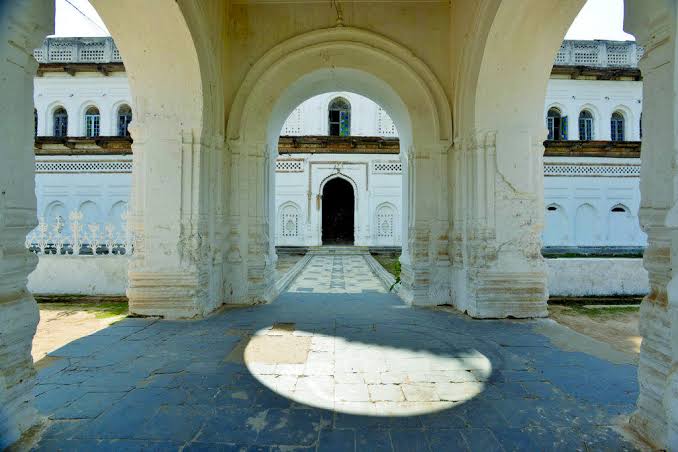
Surguja, Chhattisgarh: Where Forests, Waterfalls and Ancient Heritage Meet
Surguja is a beautiful destination in northern Chhattisgarh, known for its forested landscapes, waterfalls, hills, tribal culture and ancient heritage. With Ambikapur as its administrative centre, the region offers a mix of nature, history and spirituality.
From the scenic Mainpat plateau and Tiger Point to the historic Ramgarh Hills, Surguja has plenty to explore. Ancient caves, temples, archaeological sites and vibrant local traditions add to its cultural charm.
For travellers looking beyond conventional tourist destinations, Surguja tourism offers a refreshing experience filled with natural beauty, heritage and peaceful landscapes.
History
The history of Surguja dates back to ancient times, with temples, stone carvings and archaeological remains indicating that the region existed before the 3rd century BC. According to the district administration, the area was associated with the Nanda dynasty before the arrival of the Mauryas and was later brought under the control of Rajput rulers of the Rakshal clan.
Surguja as a Princely State
Surguja later developed as a princely state. It came under the protection of the British Government in 1818, following the Third Anglo-Maratha War. The Maharaja of Surguja held administrative and judicial authority over the state.
| Period | Historical Significance |
| Before 3rd century BC | Evidence of ancient settlements, temples and stone carvings |
| 4th century BC | Region was associated with the Nanda dynasty |
| 1818 | Surguja princely state came under British protection |
| 1820–1826 | Amar Singh ruled Surguja and was crowned Maharaja in 1826 |
| 1882 | Raghunath Sharan Singh Deo took control of the Surguja state |
| Late 19th–early 20th century | Ambikapur developed with institutions including a school, post office, telegraph office, medical facilities, jail and courts |
Raghunath Sharan Singh Deo played an important role in the development of Ambikapur, the historic capital of Surguja. His period saw the establishment of several public institutions that contributed to the region's administrative and educational development.
Surguja's history is also closely connected with tribal heritage and epic traditions. The district is home to communities including the Pando and Korwa, while places such as Ramgarh, Sita Bengra and Laxmangarh are associated with local traditions surrounding the Ramayana.
Geography
Surguja lies in the northern part of Chhattisgarh, extending across the Vindhyachal–Baghelkhand region. Its landscape is a mix of forested highlands, plateaus, hills and fertile central plains, giving the district a distinctive natural character.
Location & Landscape
| Feature | Details |
| Location | Northern Chhattisgarh |
| Landscape | Mountains, plateaus, hills and central plains |
| Major Plateaus | Mainpat, Jarang Pat, Jonka Pat, Jamirapat and Lahsunpat |
| Major Rivers | Rihand, Kanhar, Moran and Mahan |
| Important Drainage Systems | Rihand, Kanhar and Hasdo–Mahanadi basins |
| Key Natural Feature | Extensive forested and hilly terrain |
Rivers of Surguja
Rihand River is one of the major rivers of the region. Rising near the Mainpat plateau, it flows through central Surguja and helps create a fertile plain around Ambikapur, Lakhanpur and Pratappur. The Kanhar River forms part of the district's eastern boundary, while the Hasdo and Gej rivers contribute to the Mahanadi drainage system.
Hills, Plateaus and Forests
The district's terrain rises considerably in several areas, with average elevations in the highland zones reaching 600 metres and above. Mainpat and other local pat formations create elevated landscapes that are among Surguja's most distinctive geographical features.
Surguja is also known for its extensive forests, which support diverse vegetation and contribute significantly to the region's natural beauty and tribal way of life.
Climate
Surguja has a monsoon-influenced climate with noticeable seasonal changes. Its inland location means it does not receive a significant oceanic influence, while its position south of the Himalayas provides some protection from the cold northern winds.
Culture and Traditions
The culture of Surguja reflects a strong blend of tribal heritage, traditional beliefs, local crafts and religious traditions. The district has a significant tribal population, with communities such as the Pando and Korwa playing an important role in its cultural identity.
Tribal Heritage
Pando and Korwa Communities
The Pando and Korwa are among Surguja's notable tribal communities. According to local traditions recorded by the district administration, the Pando associate themselves with the Pandava clan, while the Korwa associate themselves with the Kaurava clan of the Mahabharata.
Traditional Crafts
Godna Craft
Godna is a distinctive traditional art form of Surguja. In Jamgala village of Lakhanpur block, local women have adapted traditional tattoo-inspired designs into printed artwork on fabrics, silk, brass, pottery, jute bags and other products.
Clay Art
Traditional clay work is also part of the region's craft culture. Local artisans shape clay into practical and decorative items such as pots, lamps, flower pots and animal figures.
Religious and Cultural Traditions
Surguja's cultural landscape includes Hindu temples as well as places reflecting religious diversity. Mahamaya Temple in Ambikapur attracts devotees, particularly during Chaitra and Sharadi Navratri. Takiya near Ambikapur is another culturally significant site where people from different communities visit the local mazar and pray.
A Unique Cultural Blend
Surguja's identity comes from the combination of tribal traditions, forest-based lifestyles, traditional crafts, religious practices and historical beliefs. This cultural diversity makes the region an interesting destination for travellers looking to experience the traditional side of Chhattisgarh.
Architecture
The architecture of Surguja reflects its ancient history, religious traditions and tribal heritage. The region is particularly known for ancient temples, rock-cut caves, stone sculptures and archaeological remains found across places such as Ramgarh, Deogarh, Maheshpur and Mainpat.
Ramgarh Caves and Rock Architecture
Ramgarh is one of Surguja's oldest historical sites. Its hills contain ancient caves, rock formations and inscriptions, including Jogi Mara Cave and Sita Bengra Cave. The site combines natural rock architecture with archaeological and cultural significance.
Deogarh Temple Architecture
Deogarh is known for the remains of ancient temples along the Renuka River. Its architectural heritage includes temple ruins, the Gauri Shankar Temple, an underground-style rectangular Shiva temple and Golphi Math, along with intricately carved archaeological sculptures.
Maheshpur's Ancient Stone Art
Maheshpur showcases ancient temple architecture and stone sculptures. Archaeological remains and carved stone figures provide a glimpse into the region's historic artistic traditions.
Mahamaya Temple, Ambikapur
Mahamaya Temple is an important religious landmark in Ambikapur. The temple was constructed by Maharaja Bahadur Raghunath Sharan Singh Deo and remains a major pilgrimage site, especially during Chaitra and Sharadi Navratri.
Mainpat's Buddhist Architecture
Mainpat adds a distinctive Buddhist influence to Surguja's architectural landscape. Its Tibetan community has established a Buddha Temple, creating a cultural setting that reflects Tibetan Buddhist traditions alongside the region's indigenous heritage.
Architectural Highlights of Surguja
| Architectural Feature | Notable Examples |
| Rock-cut caves | Ramgarh, Jogi Mara, Sita Bengra |
| Ancient temples | Deogarh, Maheshpur |
| Temple heritage | Mahamaya Temple, Ambikapur |
| Buddhist architecture | Buddha Temple, Mainpat |
| Archaeological sculptures | Deogarh, Maheshpur |
Surguja's architecture is therefore best experienced as a journey through caves, temples, sculptures and ancient stone heritage, rather than through monumental palaces alone.
Famous Places
Surguja offers a mix of waterfalls, hill landscapes, ancient caves, temples, archaeological sites and cultural attractions. These are some of the best places to visit in Surguja, Chhattisgarh.
Mainpat
Often called the **“Shimla of Surguja,” Mainpat is a scenic hill destination known for its forests, waterfalls, Tibetan settlements and panoramic landscapes. Popular attractions include Tiger Point, Fish Point, Mehta Point and Jaljali.
Tiger Point
Located in Mainpat, Tiger Point Waterfall is one of Surguja's popular natural attractions. The waterfall surrounded by hills and greenery makes it a favourite spot for sightseeing and photography.
Ramgarh Hill
Ramgarh is one of the most historically significant destinations in Surguja. The hill is associated with ancient caves and local Ramayana traditions, including Jogi Mara and Sita Bengra.
Mahamaya Temple, Ambikapur
Located in Ambikapur, Mahamaya Temple is an important religious landmark and pilgrimage site. The temple attracts large numbers of devotees, particularly during Chaitra and Sharadi Navratri.
Deogarh
Situated near the Rihand River, Deogarh combines natural scenery with ancient temple ruins and archaeological remains. Its Gauri-Shankar Temple and historic sculptures make it an interesting destination for heritage travellers.
Maheshpur
Maheshpur is an archaeological site known for ancient temple ruins, stone sculptures and carved figures. It offers a glimpse into the region's early architectural and artistic traditions.
Buddha Temple, Mainpat
The Buddha Temple in Mainpat reflects the area's Tibetan heritage. The surrounding Tibetan settlement, traditional crafts and Buddhist atmosphere make it a distinctive cultural attraction in Surguja.
Kailash Caves
Located near Sabarbar, around 60 km from Ambikapur, Kailash Caves is a forested religious destination featuring caves, a Shiva-Parvati temple and an ashram associated with Gahir Guru.
Rakasganda
Rakasganda is among Surguja's notable natural attractions and is included by the district administration among its major tourist destinations. It is particularly suited to travellers interested in the region's forest and waterfall landscapes.
Sitabengara
Located around the Ramgarh area, Sitabengara is an important heritage site associated with the region's ancient caves and Ramayana traditions. It can be combined with a visit to Ramgarh Hill and its surrounding archaeological attractions.
| Place | Best Known For |
| Mainpat | Hills, waterfalls and Tibetan culture |
| Tiger Point | Waterfall and scenic views |
| Ramgarh | Ancient caves and heritage |
| Mahamaya Temple | Pilgrimage and religious heritage |
| Deogarh | Ancient temples and archaeology |
| Maheshpur | Stone sculptures and temple ruins |
| Buddha Temple | Tibetan Buddhist culture |
| Kailash Caves | Caves, forest and spirituality |
| Rakasganda | Natural scenery and waterfalls |
| Sitabengara | Ancient caves and heritage |
Famous Dishes
Surguja's food culture is shaped by Chhattisgarh's traditional cuisine, local ingredients and tribal food traditions. For a travel blog, it is better to highlight regional dishes that visitors can realistically experience in Surguja rather than using a generic list of Chhattisgarhi foods.
Fara
Fara is a traditional Chhattisgarhi dish made from rice flour dough, usually steamed and served as a light savoury snack. Its simple preparation and soft texture make it a popular traditional food.
Chila
Chila is a thin savoury pancake prepared mainly with rice-based batter. It is commonly enjoyed as a breakfast or snack and is one of the familiar traditional foods of Chhattisgarh.
Aamat
Aamat is a traditional Chhattisgarhi preparation made using raw mango and other locally used ingredients. Its tangy flavour makes it a distinctive part of the region's traditional food culture.
Dehati Vada
Dehati Vada is a rustic-style lentil snack prepared in traditional households. Crispy on the outside and soft inside, it is commonly enjoyed with chutney or other accompaniments.
Chousela
Chousela is a traditional rice-based preparation associated with Chhattisgarhi cuisine. It is often enjoyed with vegetables, curries or other local accompaniments.
Surguja Food Experience
| Dish | What to Expect |
| Fara | Soft, steamed rice-based snack |
| Chila | Savoury rice pancake |
| Aamat | Tangy traditional preparation |
| Dehati Vada | Crispy lentil-based snack |
| Chousela | Traditional rice-based food |
Famous Personalities
Surguja's history is closely associated with rulers and figures who contributed to the region's political, cultural and social development. Among them, Maharaja Raghunath Sharan Singh Deo holds particular historical importance.
Maharaja Raghunath Sharan Singh Deo
Raghunath Sharan Singh Deo became the ruler of the Surguja princely state in 1882 and was later conferred the title of Maharaja. His contribution is particularly remembered for the development of Ambikapur, the headquarters of Surguja.
During his period, several important public institutions were established in Ambikapur, including Edward Middle School, a post office, telegraph office, medical facilities, jail and courts. His legacy remains an important part of Surguja's modern historical development.
Historical Figures Connected with Surguja
| Personality | Connection with Surguja |
| Raghunath Sharan Singh Deo | Maharaja of Surguja; contributed to Ambikapur's institutional development |
| Amar Singh | King of Surguja; crowned Maharaja in 1826 |
Amar Singh ruled the Surguja state from 1820 and was formally crowned Maharaja in 1826, making him another significant figure in the region's princely-state history.
Festivals
Festivals in Surguja, Chhattisgarh are closely connected with religious traditions, local customs and important temples. Visitors can experience particularly vibrant celebrations at major pilgrimage sites across the district.
Chaitra Navratri
Chaitra Navratri is an important religious occasion at Mahamaya Temple in Ambikapur. Devotees gather to worship Goddess Mahamaya, making the temple especially lively during the festival.
Sharadiya Navratri
Sharadiya Navratri is another major period of worship at Mahamaya Temple. Large numbers of devotees visit the temple during the nine-day festival, creating a vibrant spiritual atmosphere in Ambikapur.
Mahashivratri
Mahashivratri is celebrated prominently at Kailash Caves, around 60 km east of Ambikapur. A large festival is organised at the site, where visitors can also explore the Shiva-Parvati temple, ashram and surrounding natural landscape.
Festival Highlights
| Festival | Main Attraction | Experience |
| Chaitra Navratri | Mahamaya Temple, Ambikapur | Worship and pilgrimage |
| Sharadiya Navratri | Mahamaya Temple, Ambikapur | Religious celebrations |
| Mahashivratri | Kailash Caves | Temple visit and large festival |
For travellers, these occasions offer an opportunity to experience the religious and cultural traditions of Surguja while visiting some of its most important heritage sites.
Things to Do
Surguja offers a mix of nature, heritage, spirituality and local culture, making it suitable for travellers who enjoy experiences beyond conventional sightseeing.
Explore Mainpat
Spend time exploring the scenic Mainpat plateau, known for its hills, forests, waterfalls and Tibetan cultural influence. Visit Tiger Point, Fish Point and Jaljali for scenic views and nature experiences.
Discover Ancient Heritage
Explore Ramgarh, Sitabengara and Jogi Mara to experience Surguja's ancient caves, archaeological heritage and traditions associated with the Ramayana.
Visit Waterfalls
Surguja's hilly and forested landscape offers opportunities to discover waterfalls and natural viewpoints. Tiger Point, Fish Point and Rakasganda are among the places worth including in a nature-focused itinerary.
Experience Local Culture
Visit the Tibetan settlement in Mainpat and explore traditional crafts such as Godna art to understand the region's diverse cultural heritage.
Enjoy Temple Visits
Include Mahamaya Temple in Ambikapur, Kailash Caves and other important religious sites for a spiritual experience combined with local history.
Photography & Nature Walks
The combination of forests, plateaus, waterfalls, caves and rural landscapes makes Surguja a good destination for landscape photography, nature walks and peaceful outdoor experiences.
Quick Things to Do in Surguja
| Experience | Best For |
| Mainpat exploration | Nature & scenic views |
| Waterfall visits | Photography & relaxation |
| Ramgarh heritage tour | History & archaeology |
| Tibetan settlement visit | Culture |
| Godna craft experience | Traditional art |
| Temple visits | Spiritual tourism |
| Nature photography | Landscapes & wildlife surroundings |
Where to Eat, Shop, and Stay
Where to Eat
Ambikapur is the best base for exploring Surguja's food scene, with restaurants, local eateries and street-food options. Travellers can try traditional Chhattisgarhi dishes, North Indian food and everyday local snacks.
For a different food experience, visit Mainpat, where the Tibetan settlement offers an opportunity to try Tibetan-style food while exploring the area's unique cultural heritage.
Where to Shop
Ambikapur's local markets are convenient for everyday shopping, regional food products and locally made items. For a more distinctive souvenir, look for traditional handicrafts and textiles associated with Surguja and Mainpat.
Mainpat is particularly known for its Tibetan community and locally produced carpets and woollen products, making it a good place to look for regional handicrafts.
Where to Stay
Ambikapur is the most convenient base for travellers because it offers a wider choice of hotels and is the district headquarters. The district administration lists accommodation options ranging from government facilities to private hotels.
| Stay Type | Recommended Area | Best For |
| Budget | Ambikapur | Affordable city stay |
| Mid-range | Ambikapur | Comfort and easy transport |
| Resort stay | Mainpat | Hills, nature and relaxation |
| Government accommodation | Ambikapur / Mainpat | Officially listed options |
Practical Stay Tip
For a multi-day Surguja trip, staying in Ambikapur works well for access to city facilities and nearby attractions. Choose Mainpat if the priority is spending more time amid hills, waterfalls and nature.
What is Surguja Famous For?
Surguja, Chhattisgarh is best known for its combination of scenic hill landscapes, waterfalls, ancient heritage, tribal culture and distinctive Tibetan influence. The district's official tourism information highlights several attractions that define the region's travel identity.
Mainpat – The Hill Destination
Mainpat is one of Surguja's most recognisable attractions. Often called the “Shimla of Chhattisgarh,” it is known for its plateau landscape, waterfalls, greenery and Tibetan settlement. The area is also associated with carpets and woollen products.
Ramgarh's Ancient Heritage
Ramgarh Hill is among the oldest historical sites in Surguja. Its caves, inscriptions and associations with Lord Rama and Mahakavi Kalidasa give it considerable cultural and historical importance.
Waterfalls and Natural Landscapes
Surguja is known for scenic natural attractions including Tiger Point, Fish Point, Chendra Waterfall and Rakasganda. Its combination of forests, hills and waterfalls makes it appealing for nature lovers and photographers.
Tribal Culture and Traditional Crafts
The district has a strong tribal cultural identity, along with traditional crafts such as Godna art, practised in Jamgala village of Lakhanpur block.
Surguja at a Glance
| Known For | Highlights |
| Hill Tourism | Mainpat |
| Waterfalls | Tiger Point, Fish Point, Chendra |
| Ancient Heritage | Ramgarh, Maheshpur, Deogarh |
| Tribal Culture | Pando, Korwa and local traditions |
| Traditional Crafts | Godna craft and clay art |
| Tibetan Heritage | Buddha Temple and Tibetan settlement in Mainpat |
| Religious Tourism | Mahamaya Temple, Kailash Caves |
In short: Surguja is famous for its Mainpat hills, waterfalls, ancient caves, tribal heritage, traditional crafts and diverse cultural landscape, making it one of the distinctive travel destinations in northern Chhattisgarh.
Best Time to Visit
The best time to visit Surguja, Chhattisgarh is generally from October to March, when the weather is more comfortable for sightseeing, nature trips and exploring outdoor attractions such as Mainpat, Ramgarh and the region's waterfalls.
October to March — Best Overall
This is the most comfortable period for exploring Surguja tourist places. Pleasant weather makes it easier to travel between attractions, enjoy hill landscapes and visit heritage and religious sites.
July to September — Green Season
The monsoon transforms Surguja's forests, hills and waterfalls into lush green landscapes. Waterfalls such as those around Mainpat can become particularly scenic during this period. Travellers should, however, be prepared for rain and potentially slippery roads.
April to June — Summer
Summer can be hot, particularly during the daytime. Early mornings and evenings are more suitable for outdoor sightseeing. Hill destinations such as Mainpat can be considered for a comparatively cooler escape.
| Season | Months | Best For |
| Winter | October–March | Sightseeing & outdoor travel |
| Monsoon | July–September | Greenery & waterfalls |
| Summer | April–June | Early-morning sightseeing & hill areas |
Best Travel Recommendation
For a first trip, October to March is the safest overall choice. If your priority is lush greenery and waterfalls, consider visiting during or just after the monsoon season.
How to Reach
Surguja is well connected to other parts of Chhattisgarh and neighbouring states by road and rail, while air travel is possible through the Darima Airport near Ambikapur.
By Air
The nearest airport serving Surguja is Darima Airport, located near Ambikapur. It provides the most convenient air option for travellers heading to the district, subject to available flight schedules.
By Train
Ambikapur Railway Station is the main railhead for Surguja. It connects the district with important cities and railway networks in Chhattisgarh and neighbouring regions.
By Road
Surguja has a good road network connecting Ambikapur with major towns and cities in Chhattisgarh. Buses, taxis and private vehicles are practical options for reaching Ambikapur and travelling onwards to destinations such as Mainpat and Ramgarh.
Quick Travel Guide
| Mode | Main Point | Best For |
| Air | Darima Airport | Faster long-distance travel |
| Train | Ambikapur Railway Station | Comfortable rail travel |
| Road | Ambikapur & regional highways | Flexible travel and sightseeing |
Getting Around Surguja
For sightseeing, private vehicles or hired taxis are convenient because many attractions are spread across the district. A vehicle is particularly useful when visiting Mainpat, waterfalls, caves and other attractions outside Ambikapur.
Nearby Places
Surguja is surrounded by several natural, historical and cultural attractions that can be added to a longer Chhattisgarh itinerary. The following destinations are useful options for travellers staying in or around Ambikapur.
Mainpat
Located in the Surguja region itself, Mainpat is ideal for an extended nature trip. Its plateau, waterfalls, forests and Tibetan cultural attractions make it one of the area's most popular excursions.
Ramgarh
Ramgarh is a major heritage destination known for its ancient caves, archaeological remains and Ramayana-related traditions. It is particularly suitable for travellers interested in history and culture.
Deogarh
Deogarh combines natural surroundings with ancient temple ruins and archaeological remains. It is a good choice for travellers interested in exploring Surguja's lesser-known heritage sites.
Maheshpur
Maheshpur is known for its ancient temple remains and stone sculptures. The site offers an interesting glimpse into the region's archaeological heritage.
Kailash Caves
Located near Sabarbar, Kailash Caves is a forested religious destination featuring caves, a Shiva-Parvati temple and an ashram associated with Gahir Guru.
Quick Guide to Nearby Attractions
| Destination | Approx. Experience | Best For |
| Mainpat | Hills, waterfalls & Tibetan culture | Nature & relaxation |
| Ramgarh | Ancient caves & heritage | History |
| Deogarh | Temple ruins & archaeology | Heritage |
| Maheshpur | Stone sculptures & ruins | Archaeology |
| Kailash Caves | Caves, temple & forest | Spirituality & nature |
Planning Tip
If you have 2–3 days, combine Ambikapur with Mainpat and one heritage circuit such as Ramgarh or Deogarh. This gives you a balanced experience of nature, history, spirituality and local culture without making the itinerary unnecessarily rushed.
Best Duration for a Trip
For most travellers, 2–3 days is enough to explore Surguja comfortably. This allows time for the major attractions around Ambikapur while keeping the itinerary relaxed.
1 Day – Quick Visit
Best for travellers with limited time.
- Explore Ambikapur
- Visit Mahamaya Temple
- Experience local food and markets
- Cover nearby attractions if time permits
2 Days – Recommended
A 2-day Surguja trip offers a good balance of nature, culture and heritage.
| Day | Suggested Plan |
| Day 1 | Ambikapur + Mahamaya Temple + local sightseeing |
| Day 2 | Mainpat + Tiger Point + other scenic attractions |
3 Days – Best for Exploration
Choose 3 days if you want to explore Surguja at a slower pace.
- Day 1: Ambikapur and local attractions
- Day 2: Mainpat and its waterfalls, viewpoints and Tibetan heritage
- Day 3: Ramgarh or another heritage destination such as Deogarh or Maheshpur
Recommended Duration
2 days is ideal for a first-time visitor, while 3 days is better for travellers who want to combine nature, heritage, spirituality and local culture.
Travel Tips
A little planning can make your Surguja trip more comfortable, especially when travelling to hill areas, waterfalls and heritage sites located away from Ambikapur.
Plan Your Route
Surguja's attractions are spread across different parts of the district. Plan your route in advance and avoid trying to cover too many places in a single day.
Carry Suitable Clothing
- Carry light, comfortable clothes for daytime travel.
- Keep a light jacket or warm layer during winter, particularly for Mainpat.
- Carry a raincoat or umbrella during the monsoon.
Be Prepared for Outdoor Travel
Wear comfortable walking shoes when visiting caves, waterfalls, viewpoints and forest areas. Some attractions may involve uneven or slippery terrain.
Carry Essentials
Keep essentials such as drinking water, snacks, sunscreen, medicines and basic first-aid supplies when travelling to remote attractions.
Respect Local Culture
Surguja has a strong tribal and religious heritage. Dress respectfully at temples and religious sites, ask before photographing local people, and avoid disturbing traditional or sacred spaces.
Travel During Daylight
For attractions located outside Ambikapur, particularly forested or remote areas, it is preferable to plan journeys during daylight hours and return before late evening.
Check Local Conditions
During the monsoon, heavy rain can affect road conditions and access to waterfalls. Check local weather and road conditions before heading to remote attractions.
Quick Travel Checklist
| Tip | Recommendation |
| Best base | Ambikapur |
| For nature | Comfortable shoes & water |
| For winter | Carry warm layers |
| For monsoon | Rain protection |
| Remote attractions | Travel during daylight |
| Religious sites | Dress respectfully |
| Outdoor photography | Protect phones/cameras from rain |
Why Visit Surguja?
Surguja, Chhattisgarh is worth visiting for travellers who want to experience a destination where nature, history, tribal culture and spirituality come together.
Nature in Its Raw Form
From the Mainpat plateau and waterfalls to forested hills and scenic viewpoints, Surguja offers peaceful landscapes away from crowded tourist destinations.
Rich Historical Heritage
Ancient sites such as Ramgarh, Sitabengara, Deogarh and Maheshpur give travellers an opportunity to explore caves, sculptures, temple remains and archaeological heritage.
Distinctive Culture
Surguja's tribal traditions, Godna craft and Tibetan cultural influence in Mainpat make its cultural identity different from many other destinations in Chhattisgarh.
Spiritual Experiences
Places such as Mahamaya Temple and Kailash Caves add a strong spiritual dimension to a Surguja itinerary.
A Less-Explored Destination
Surguja is a good choice for travellers looking beyond mainstream tourist circuits. Its combination of hills, waterfalls, forests, heritage sites and local traditions allows visitors to experience several sides of Chhattisgarh in one trip.
Why Choose Surguja?
| Experience | What Surguja Offers |
| Nature | Hills, forests & waterfalls |
| History | Ancient caves & archaeological sites |
| Culture | Tribal traditions & Tibetan influence |
| Spirituality | Temples & sacred sites |
| Photography | Scenic and heritage landscapes |
| Relaxation | Peaceful hill and forest settings |
In short: Visit Surguja if you want a less-commercial, diverse and culturally rich travel experience combining natural beauty with the heritage of northern Chhattisgarh.
Conclusion
Surguja, Chhattisgarh is a destination where nature, history, culture and spirituality come together. From the scenic hills and waterfalls of Mainpat to the ancient heritage of Ramgarh, Deogarh and Maheshpur, the region offers experiences for different kinds of travellers.
Its tribal traditions, traditional crafts, religious sites and peaceful landscapes add to its distinctive character. Whether you are planning a short weekend escape or a 2–3 day exploration, Surguja offers an opportunity to discover a quieter and culturally rich side of Chhattisgarh.
For travellers looking for natural beauty, heritage and authentic local experiences, Surguja is a destination worth adding to their Chhattisgarh travel itinerary.
"Travel is the only thing you buy that makes you richer."