Jashpur, Chhattisgarh: A Beautiful Blend of Hills, Waterfalls, Forests and Heritage
Jashpur, Chhattisgarh, is one of the state's most naturally beautiful and culturally diverse destinations. Located in the north-eastern corner of Chhattisgarh, the region is known for its green forests, rolling hills, waterfalls, caves, rivers and rich tribal traditions.
With Jashpur Nagar as its administrative headquarters, the district offers a refreshing alternative to conventional city tourism. Here, travellers can explore destinations such as Rajpuri Waterfall, Rani Dah Waterfall, Kailash Gupha, Khuriarani Cave, Badalkhol Wildlife Sanctuary, Damera and Kunkuri Church.
Jashpur is especially appealing to travellers who enjoy nature, photography, waterfalls, adventure, spirituality and offbeat destinations.
Whether you are planning a weekend escape or a longer Chhattisgarh road trip, Jashpur offers plenty of reasons to slow down and experience the landscape.
History of Jashpur
The history of Jashpur goes back to the period when the region was ruled as a princely state. Before independence, Jashpur was one of the princely states associated with the Eastern States Agency.
According to the official district history, local traditions mention a Dom dynasty ruling the region during the middle of the 18th century. The present Jashpur State is traditionally associated with Sujan Rai, who is regarded as the founder of the state.
The region was historically known by names including Yashpur and Jagdishpur before becoming known as Jashpur.
Formation of Jashpur District
Jashpur became a separate district in 1998. The creation of the district was formally announced on 22 May 1998**, while the newly constituted district began its administrative journey with the appointment of its first Collector on 25 May 1998.
After the formation of Chhattisgarh as a separate state, Jashpur became part of Chhattisgarh.
Historical Heritage
The district also contains archaeological and historical sites such as Khuriarani Cave and Gondwana Mahadev. Remains of old temples, idols and smaller forts can be found in different parts of the region.
| Historical Point | Details |
|---|---|
| Historical Identity | Former princely state |
| Traditional Founder | Sujan Rai |
| District Formation | 1998 |
| District Headquarters | Jashpur Nagar |
| Historical Sites | Khuriarani Cave and other archaeological remains |
Geography of Jashpur
Jashpur is located in the north-eastern corner of Chhattisgarh, adjoining Jharkhand and Odisha.
The district forms part of the western extension of the Chhotanagpur Plateau. Its landscape is characterised by hills, forests, valleys, streams and waterfalls.
Geographically, Jashpur is divided into two broad regions:
- Upper Ghat: The northern hilly region.
- Nichghat: The southern part of the district.
The district stretches for approximately 150 km from north to south and around 85 km from east to west.
| Geographical Feature | Details |
|---|---|
| Location | North-eastern Chhattisgarh |
| Area | 6,205 sq. km |
| Latitude | 22°17′ to 23°15′ North |
| Longitude | 83°30′ to 84°24′ East |
| North-South Length | Approximately 150 km |
| East-West Width | Approximately 85 km |
Jashpur at a Glance
Here are some important numbers and facts that give a quick overview of Jashpur.
| Particular | Details |
|---|---|
| State | Chhattisgarh |
| District Headquarters | Jashpur Nagar |
| District Formation | 25 May 1998 |
| Area | 6,205 sq. km |
| Population | 8,51,669 (Census 2011) |
| Sex Ratio | 1,004 females per 1,000 males |
| Literacy Rate | 67.92% |
| Average Rainfall | Approximately 1,487 mm |
| Average Maximum Temperature | Approximately 38°C |
| Average Minimum Temperature | Approximately 5°C |
Note: Population figures above are from the 2011 Census, as reported by the official Jashpur district administration. They should not be treated as a current 2026 population estimate. :contentReference[oaicite:1]{index=1}
Culture and Traditions of Jashpur
The cultural identity of Jashpur is strongly connected with its tribal communities, forests, agriculture, traditional beliefs and close relationship with nature.
Tribal Heritage
Several tribal communities have traditionally lived in the region. Their customs, festivals, music, dance and relationship with the natural environment contribute significantly to the cultural character of Jashpur.
Traditional Lifestyle
Much of the district retains a rural character. Agriculture and forest-based activities continue to play an important role in the lives of local communities.
Folk Traditions
Traditional music, dance, community celebrations and oral traditions form an important part of Jashpur's cultural heritage.
Relationship with Nature
Forests, rivers and hills are not simply scenic attractions in Jashpur; they are closely connected with local traditions and everyday life.
Architecture of Jashpur
Jashpur's architecture reflects a mixture of religious heritage, tribal traditions and historic structures.
Kunkuri Cathedral
The Cathedral of Our Lady of the Rosary at Kunkuri is one of the best-known architectural landmarks in the district.
Its distinctive structure makes it an important religious and architectural attraction for visitors exploring Jashpur.
Kailash Gupha
Kailash Gupha is a natural and religious site formed within a mountain. The cave environment, rock formations and natural water source make it particularly interesting for visitors.
Khuriarani Cave
Khuriarani Cave combines historical, religious and adventure elements. The cave is associated with local traditions and the Korwa community.
Traditional Heritage
Scattered historical remains, temples, idols and old structures across the district provide glimpses into Jashpur's long cultural history.
Famous Places to Visit in Jashpur
1. Rajpuri Waterfall
Rajpuri Waterfall is one of the most popular natural attractions in Jashpur.
Located near Bagicha, approximately 90 km from Jashpur headquarters, the waterfall attracts nature lovers and visitors looking for a peaceful picnic destination.
The combination of flowing water, greenery and surrounding landscapes makes it an excellent spot for photography and relaxation. :contentReference[oaicite:2]{index=2}
2. Rani Dah Waterfall
Rani Dah Waterfall is surrounded by forests and hills, creating a beautiful natural setting.
The district administration describes it as a popular picnic destination, with a natural water pool and scenic surroundings.
It is located near Echkela, roughly 12–20 km from Jashpur headquarters depending on the access point described by the district website. :contentReference[oaicite:3]{index=3}
3. Kailash Gupha
Kailash Gupha is a cave carved into a mountain and is associated with both natural beauty and religious significance.
Visitors can see rock formations, natural water and vegetation around the cave. The site is located in a forested area near Samarbar.
The district tourism information places Kailash Gupha approximately 120 km from Jashpur headquarters and around 60 km from Ambikapur. :contentReference[oaicite:4]{index=4}
4. Khuriarani Cave
Khuriarani Cave is one of the historically significant attractions of Jashpur.
The cave is associated with local traditions and the Korwa Janjati. Reaching the interior involves a more adventurous route through the hills.
For travellers interested in history, local legends and offbeat experiences, Khuriarani Cave offers something different from conventional sightseeing. :contentReference[oaicite:5]{index=5}
5. Badalkhol Wildlife Sanctuary
Badalkhol Wildlife Sanctuary is a forested destination known for its hills, wildlife and birdlife.
The green environment and relatively cooler setting make it an appealing destination for nature lovers, especially during the warmer months.
6. Kunkuri Cathedral
Cathedral of Our Lady of the Rosary at Kunkuri is one of Jashpur's most recognisable religious landmarks.
The cathedral combines religious significance with distinctive architecture and is an important stop for visitors exploring the Kunkuri area.
7. Damera
Damera is located approximately 12 km from Jashpur Nagar near BadhyeeKhana village.
The destination is known for its annual fairs, particularly around Ram Navami and Kartik Purnima. :contentReference[oaicite:6]{index=6}
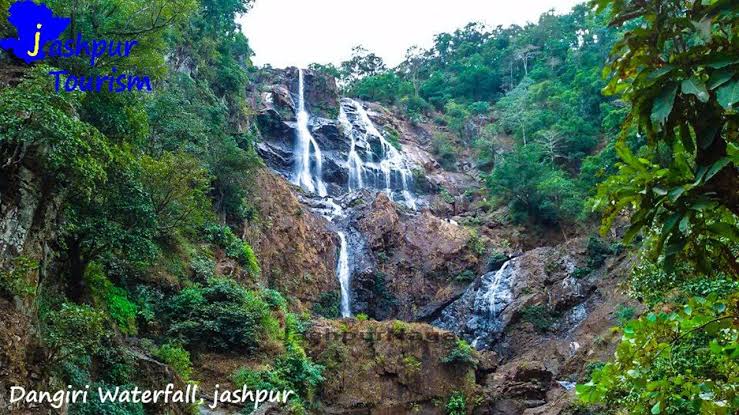
8. Danpuri Waterfall
Danpuri Waterfall is located in the forests of Jashpur and is particularly attractive to visitors who enjoy nature and forest excursions.
The district tourism page places it near Bagicha, approximately 95 km from Jashpur. :contentReference[oaicite:7]{index=7}
9. Sograh Aghor Ashram
Sograh Aghor Ashram is located approximately 18 km from Jashpur Nagar.
The site has a temple associated with Avdhoot Bhagwan Shri Ram and attracts visitors interested in spirituality and the history of Aghor traditions.
10. Gullu Waterfall
Gullu Waterfall is another scenic attraction listed by the Jashpur district administration.
It is a good choice for travellers looking to discover the less-commercialised natural side of the district.
11. Kotebira Eb River
Kotebira Eb River is known for its rocky landscape, hills and scenic surroundings.
According to local tradition, the rock formation resembles an incomplete dam. A worship fair is organised here every year.
The site is located near Tapkara, approximately 60 km from Jashpur headquarters. :contentReference[oaicite:8]{index=8}
12. Bel Mahadev
Bel Mahadev is another religious and natural attraction listed among Jashpur's tourist destinations.
The site can be included in an itinerary focused on the district's temples, forests and scenic landscapes.
Famous Dishes to Try in Jashpur
Jashpur's food culture reflects the broader culinary traditions of Chhattisgarh, Jharkhand and the tribal communities of the region.
Chila
Chila is a popular rice or lentil-based savoury pancake and is commonly enjoyed as a breakfast or snack.
Fara
Fara is a traditional steamed rice preparation and an important part of Chhattisgarhi cuisine.
Bafauri
Bafauri is a steamed snack made using gram flour, spices and other simple ingredients.
Angakar Roti
Angakar Roti is a traditional rice-based flatbread often served with vegetables, dal or chutney.
Local Forest Produce
Jashpur's forest environment also contributes to a food culture based on seasonal greens, fruits, roots and other locally available ingredients.
- Chila
- Fara
- Bafauri
- Angakar Roti
- Rice and dal
- Seasonal leafy vegetables
- Traditional local chutneys
Famous Personalities and Historical Figures Connected with Jashpur
Sujan Rai
Sujan Rai is traditionally regarded as the founder of the Jashpur State. According to the district's historical account, he defeated the Dom ruler Raibhan and established a new Jashpur State.
Jashpur Royal Dynasty
The present Jashpur royal family traces its heritage to the dynasty associated with Sujan Rai.
Tribal Community Leaders
Jashpur's cultural history has also been preserved through generations of tribal community leaders, elders and storytellers whose oral traditions continue to contribute to the region's identity.
Because much of Jashpur's early history is based on local traditions and limited archaeological documentation, some historical accounts should be understood as traditional narratives rather than fully established historical fact. :contentReference[oaicite:9]{index=9}
Festivals Celebrated in Jashpur
Ram Navami
Ram Navami is celebrated at religious sites throughout the district, with Damera being one of the places associated with a yearly fair.
Navratri
Navratri is celebrated with religious gatherings, temple visits and community activities.
Maha Shivratri
Maha Shivratri is important at Shiva temples and religious sites across Jashpur.
Kartik Purnima
Kartik Purnima is another important religious occasion, with fairs and community gatherings held at selected destinations.
Hareli
Hareli is a traditional Chhattisgarhi festival connected with agriculture, nature and rural life.
Diwali and Holi
Diwali and Holi are celebrated across the district with family gatherings, religious rituals and community festivities.
Things to Do in Jashpur
- Explore Rajpuri Waterfall and enjoy its natural surroundings.
- Visit Rani Dah Waterfall for a forest-and-hills experience.
- Explore Kailash Gupha and its unique cave landscape.
- Visit Khuriarani Cave for an offbeat historical and cultural experience.
- Visit Kunkuri Cathedral to admire its architecture and religious significance.
- Explore Badalkhol Wildlife Sanctuary and experience the forest landscape.
- Visit Danpuri Waterfall during a forest excursion.
- Explore Damera and experience its local religious traditions.
- Visit Sograh Aghor Ashram for a spiritual experience.
- Explore Kotebira Eb River and its rocky landscape.
- Visit Gullu Waterfall for a quieter nature experience.
- Try traditional Chhattisgarhi food at local eateries.
- Explore local markets and discover regional products.
- Go photography hunting across Jashpur's hills, forests and waterfalls.
- Plan a monsoon road trip to experience the greenery and waterfalls at their best.
Where to Eat, Shop and Stay in Jashpur
Where to Eat
Jashpur Nagar and other major towns are the most practical places to find restaurants and local eateries.
Travellers should try local dishes such as:
- Chila
- Fara
- Bafauri
- Angakar Roti
- Rice and dal
- Seasonal vegetable preparations
Where to Shop
Local markets are a good place to experience everyday life in Jashpur and look for regionally produced items.
- Bamboo and cane products
- Tribal handicrafts
- Traditional textiles
- Local agricultural products
- Religious items
Where to Stay
Jashpur Nagar is the most convenient base for travellers exploring destinations closer to the district headquarters.
For attractions around Bagicha, Kunkuri and other distant parts of the district, travellers should consider staying closer to their sightseeing route or returning to a larger town after the day's exploration.
| Stay Type | Best For |
|---|---|
| Hotels in Jashpur Nagar | General sightseeing |
| Budget Accommodation | Backpackers and road trips |
| Guest Houses | Short stays |
| Nature Camps | Nature-focused trips where available |
What is Jashpur Famous For?
Jashpur is famous for its waterfalls, forests, hills, caves, tribal culture and religious landmarks.
- Rajpuri Waterfall
- Rani Dah Waterfall
- Danpuri Waterfall
- Kailash Gupha
- Khuriarani Cave
- Badalkhol Wildlife Sanctuary
- Kunkuri Cathedral
- Damera
- Kotebira Eb River
- Sograh Aghor Ashram
- Gullu Waterfall
- Tribal culture and traditions
The official Jashpur tourism portal currently lists destinations including Badalkhol Abhyaran, Sograh Aghor Ashram, Khuriarani Cave, Damera, Kunkuri Cathedral, Rani Dah, Danpuri, Rajpuri and Kailash Gupha. :contentReference[oaicite:10]{index=10}
Best Time to Visit Jashpur
The best time to visit Jashpur is generally from October to March, when temperatures are more comfortable for sightseeing and outdoor activities.
However, if your main goal is to see waterfalls and lush green landscapes, the monsoon and post-monsoon months can provide a dramatically different experience.
| Season | Months | Travel Experience |
|---|---|---|
| Winter | October–February | Excellent for sightseeing and road trips |
| Spring | February–March | Comfortable weather and outdoor exploration |
| Summer | March–June | Warm; hill and forest areas can be relatively pleasant |
| Monsoon | June–September | Best for greenery and flowing waterfalls, but roads can be affected by rain |
Best overall period: October to March.
Best for waterfalls: Monsoon and early post-monsoon months, subject to local weather and road conditions.
How to Reach Jashpur
By Air
The nearest major airport listed by the Jashpur district administration is Birsa Munda Airport, Ranchi.
From Ranchi, travellers can continue to Jashpur by road.
By Train
The nearest major railway connections include Ranchi and Ambikapur.
The district administration notes that Ranchi Railway Station is approximately 150 km from Jashpur.
By Road
Jashpur is connected by road with major regional centres including Ranchi, Ambikapur and Raigarh.
Road travel is particularly useful because many of Jashpur's most attractive destinations are located away from the main urban centres.
| Mode | Recommended Route/Gateway |
|---|---|
| Air | Ranchi Airport |
| Train | Ranchi / Ambikapur |
| Road | Ranchi – Jashpur / Ambikapur – Jashpur / Raigarh – Jashpur |
The official district tourism information confirms road connectivity with Ranchi, Ambikapur and Raigarh and identifies Ranchi and Ambikapur as nearby railway options. :contentReference[oaicite:11]{index=11}
Nearby Places to Visit from Jashpur
Ambikapur
Ambikapur is an important nearby urban centre and transport gateway for exploring northern Chhattisgarh.
Ranchi
Ranchi, the capital of Jharkhand, is an important transport gateway for travellers arriving by air or rail and continuing towards Jashpur.
Raigarh
Raigarh is another important regional centre connected to Jashpur by road.
Bagicha
Bagicha is an important base for exploring attractions such as Rajpuri Waterfall and nearby natural destinations.
Kunkuri
Kunkuri is particularly known for its cathedral and is worth adding to a cultural and heritage-focused Jashpur itinerary.
Best Duration for a Jashpur Trip
A short 2-day trip can cover some of the major attractions close to Jashpur Nagar.
A 3-day itinerary allows you to combine waterfalls, caves and religious landmarks.
For a more relaxed exploration of the district's distant waterfalls, forests and cultural destinations, 4–5 days is a better option.
| Duration | Suggested Plan |
|---|---|
| 1 Day | Jashpur Nagar + nearby attractions |
| 2 Days | Jashpur + Rani Dah + Damera + nearby sites |
| 3 Days | Jashpur + waterfalls + Kunkuri + caves |
| 4 Days | Waterfalls + caves + forests + religious sites |
| 5 Days | Extended Jashpur road trip at a relaxed pace |
Travel Tips for Jashpur
- Plan according to the season: Monsoon is beautiful but can make some forest and waterfall routes difficult.
- Start early: Several attractions are located far from Jashpur Nagar.
- Carry comfortable footwear: Essential for waterfalls, caves and forest trails.
- Carry drinking water: Particularly when visiting remote attractions.
- Check local conditions: Waterfalls and forest roads can change significantly after heavy rainfall.
- Respect tribal communities: Ask before photographing people or private cultural activities.
- Follow forest rules: Do not disturb wildlife or remove plants, rocks or other natural material.
- Keep waterfall areas clean: Carry your waste back with you.
- Use local guidance: Some caves and remote attractions may be easier to access with local assistance.
- Carry some cash: Remote areas may have limited digital payment facilities.
- Keep a flexible itinerary: Weather can affect waterfall and forest visits.
- Respect religious customs: Follow local rules at temples, churches and ashrams.
Why Visit Jashpur?
Jashpur is ideal for travellers who want to experience a quieter, greener and more offbeat side of Chhattisgarh.
The region combines several different forms of tourism in one destination:
- Nature tourism – forests, hills, rivers and waterfalls.
- Adventure tourism – caves, trails and outdoor exploration.
- Religious tourism – temples, churches and ashrams.
- Tribal tourism – traditional communities and cultural heritage.
- Photography tourism – waterfalls, forests, hills and landscapes.
- Road-trip tourism – scenic routes connecting remote attractions.
The official district administration itself highlights Jashpur's combination of hills, waterfalls, natural water bodies, forests, historic sites and religious landscapes as a major tourism strength. :contentReference[oaicite:12]{index=12}
That combination makes Jashpur particularly attractive for travellers who want more than conventional sightseeing.
Conclusion
Jashpur, Chhattisgarh, is a destination where nature and culture exist side by side.
From the cascading waters of Rajpuri and Rani Dah to the mysterious landscapes of Kailash Gupha and Khuriarani Cave, the district offers plenty of experiences for curious travellers.
Its forests, hills, waterfalls, tribal traditions, religious landmarks and historic heritage give Jashpur a distinctive identity within Chhattisgarh.
For a first visit, 3 days can provide a good introduction to the region, while 4–5 days allow you to explore its more remote attractions without rushing.
If you are looking for an offbeat destination in Chhattisgarh filled with waterfalls, forests, caves and cultural experiences, Jashpur deserves a place on your travel list.
"Travel is the only thing you buy that makes you richer."