Explore Chhattisgarh
Discover Chhattisgarh
Cities of Chhattisgarh
Balod
Baloda Bazar
Balrampur
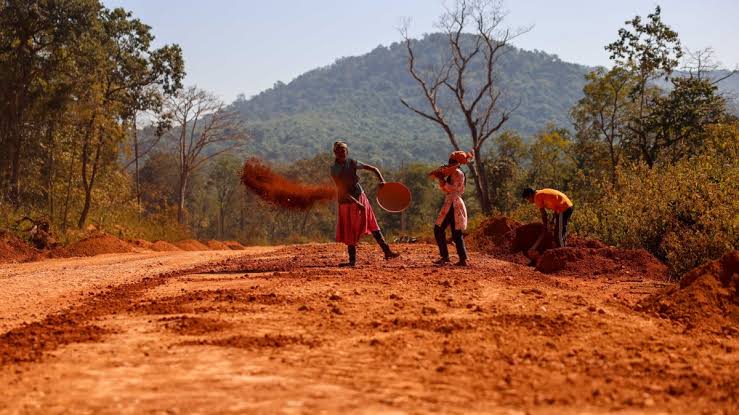
Bastar
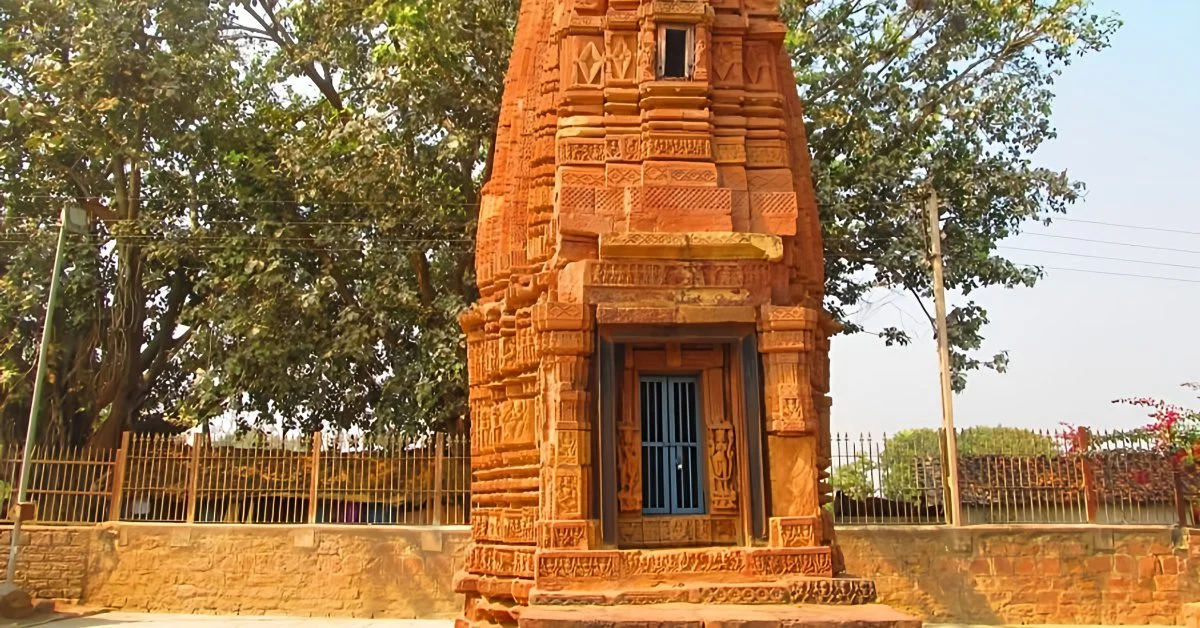
Bemetara
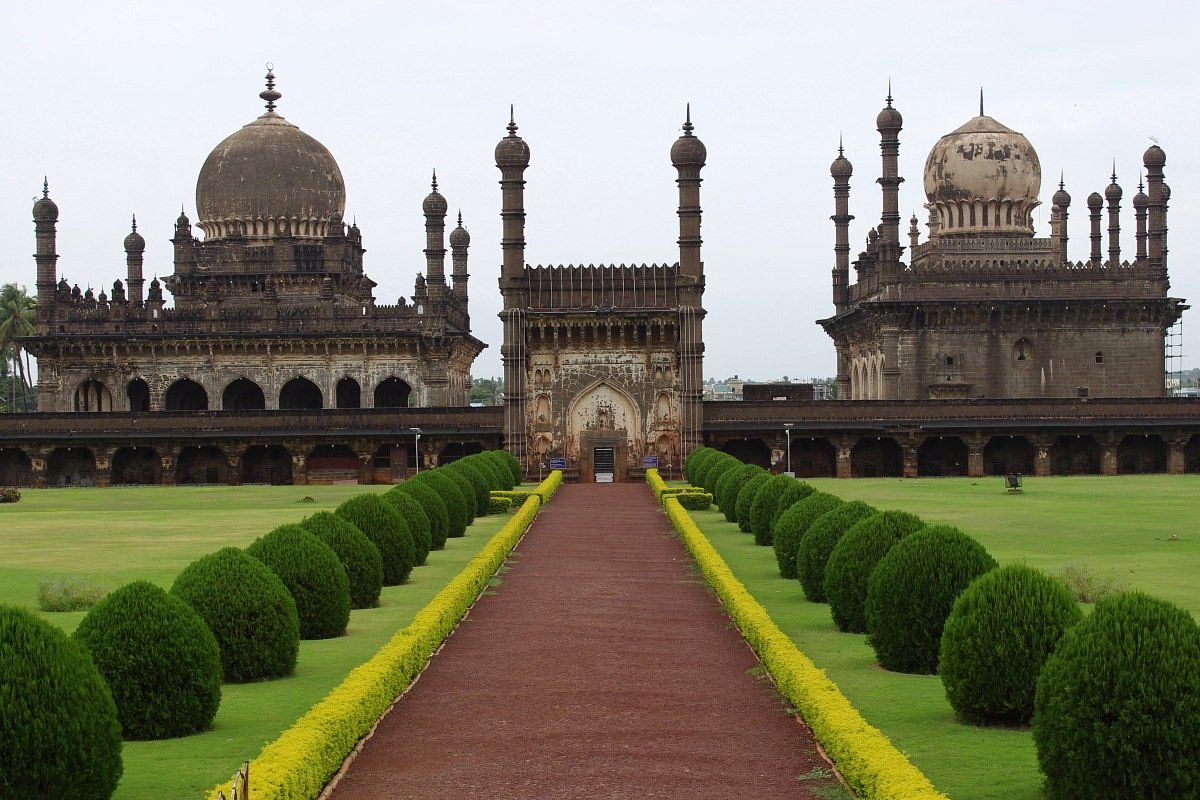
Bijapur
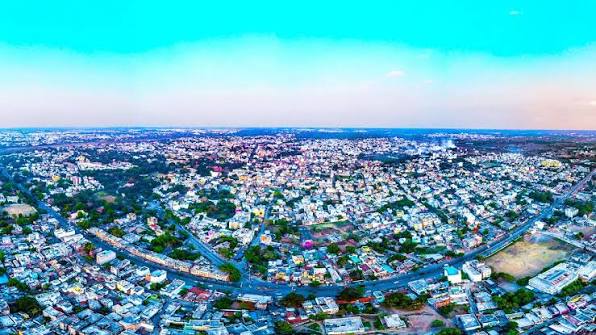
Bilaspur
Dantewada
Dhamtari
Durg
Gariaband
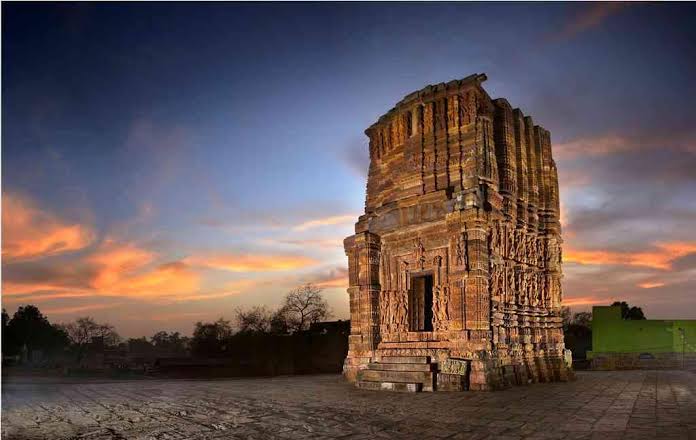
Janjgir-Champa
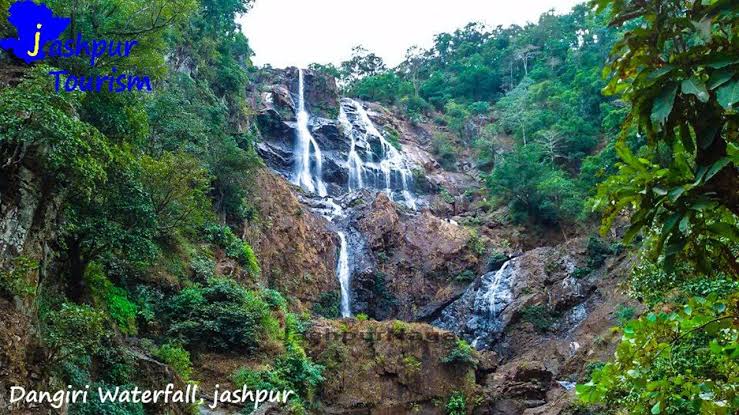
Jashpur
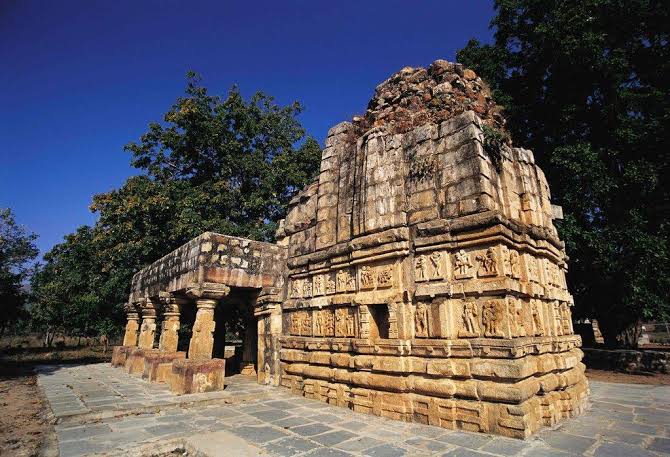
Kabirdham (formerly Kawardha)
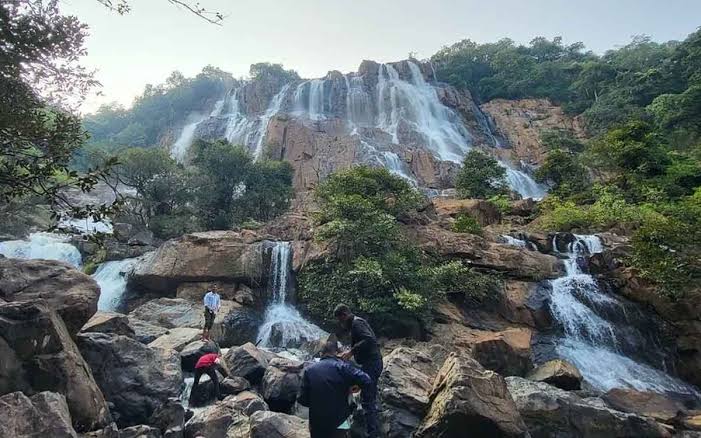
Kanker
Kondagaon
Korba
Koriya
Mahasamund
Mungeli
Narayanpur
Raigarh
Raipur
Rajnandgaon
Sukma
Surajpur
Surguja
Chhattisgarh: The Heart of Central India
Chhattisgarh is a state in central India known for its dense forests, ancient heritage, tribal traditions, waterfalls, temples, rivers and abundant mineral resources. The state was formed on 1 November 2000 after being separated from Madhya Pradesh.
With Raipur as its capital, Chhattisgarh has developed into an important centre for administration, industry, agriculture, education and commerce while retaining a strong connection with its traditional culture and natural environment.
The state is particularly known for its rice cultivation, forests, tribal heritage, mineral wealth, traditional handicrafts and diverse tourism destinations. Places such as Bastar, Chitrakote, Sirpur, Bhoramdeo, Mainpat, Kanger Valley and Barnawapara showcase different aspects of Chhattisgarh's cultural and natural heritage.
For travellers, Chhattisgarh tourism offers a combination of ancient temples, archaeological sites, wildlife sanctuaries, waterfalls, hill landscapes, tribal markets, traditional cuisine and vibrant festivals.
History
The history of Chhattisgarh stretches back to ancient times. The region has historically been associated with South Kosala and contains archaeological and religious sites representing several periods of Indian history.
Ancient Chhattisgarh
The region was historically known as part of South Kosala. Ancient settlements, temples, inscriptions and archaeological remains found across the state demonstrate the area's long cultural history.
Kalachuri and Other Dynasties
Different parts of present-day Chhattisgarh came under the influence of several dynasties, including the Kalachuris. Ratanpur became an important political centre, while Sirpur developed as a major religious and cultural centre.
Maratha Period
During the eighteenth century, the region came under Maratha influence, with Nagpur becoming the principal centre of Maratha administration in the area.
British Period
During British rule, much of the region was administered as part of the Central Provinces. Several princely states and zamindari areas existed across the territory.
Formation of Chhattisgarh
Chhattisgarh became a separate state on 1 November 2000 under the Madhya Pradesh Reorganisation Act, 2000.
Modern Chhattisgarh
Since statehood, Chhattisgarh has developed its administrative infrastructure while expanding sectors such as steel, power, mining, agriculture, manufacturing, education and tourism.
| Period | Historical Development |
|---|---|
| Ancient Period | Region associated with South Kosala and early settlements. |
| Medieval Period | Growth of regional kingdoms, temples and cultural centres. |
| Kalachuri Period | Ratanpur emerges as an important political centre. |
| 18th Century | Maratha influence expands across the region. |
| British Period | Region administered within the Central Provinces and associated princely states. |
| 1 November 2000 | Chhattisgarh becomes a separate state. |
| Modern Era | Expansion of industry, agriculture, infrastructure and tourism. |
Geography
Chhattisgarh is located in central India and occupies an area of approximately 1,35,192 square kilometres. It shares boundaries with Madhya Pradesh, Maharashtra, Uttar Pradesh, Jharkhand, Odisha, Telangana and Andhra Pradesh.
Geographical Profile
| Feature | Details |
|---|---|
| State | Chhattisgarh |
| Capital | Raipur |
| Formation | 1 November 2000 |
| Area | Approximately 1,35,192 sq. km. |
| Districts | 33 |
| Divisions | 5 |
| Major Rivers | Mahanadi, Shivnath, Hasdeo, Indravati, Arpa and Kelo |
Central Plains
The central part of Chhattisgarh consists largely of fertile plains and is strongly associated with rice cultivation. This agricultural landscape has contributed to the state's popular identity as the Rice Bowl of India.
Forested Regions
Forests cover a significant part of Chhattisgarh and support biodiversity as well as the livelihoods of many rural and tribal communities.
Government sources identify forest cover as one of the state's major natural assets, with approximately 44% of the state's area under forest cover in official state profiles.
Mountain and Plateau Regions
The state contains several important highland and plateau regions, including the Maikal Range, Bastar Plateau and northern hill areas.
Major Rivers
The Mahanadi is one of the most important river systems associated with Chhattisgarh. Other major rivers include the Shivnath, Hasdeo, Indravati, Arpa and Kelo.
Climate
Chhattisgarh experiences a predominantly tropical monsoon climate. Summers are generally hot, the monsoon brings most of the annual rainfall and winters are comparatively cooler.
| Geographical Feature | Importance |
|---|---|
| Central Plains | Major agricultural and rice-growing region |
| Forests | Biodiversity and forest-based livelihoods |
| Maikal Range | Important northern highland landscape |
| Bastar Plateau | Forests, hills and tribal landscapes |
| Mahanadi | Major river system |
| Indravati | Important river of southern Chhattisgarh |
Culture and Traditions
The culture of Chhattisgarh is shaped by its tribal communities, agricultural traditions, regional languages, folk music, dance, handicrafts, festivals and religious practices.
Tribal Heritage
Tribal communities form an important part of the cultural identity of Chhattisgarh. Communities including the Gond, Baiga, Maria, Muria, Oraon, Halba and Dhurva have contributed to the state's diverse cultural traditions.
Folk Music
Traditional folk music is performed during festivals, religious ceremonies, community gatherings and other cultural occasions.
Folk Dances
Popular folk traditions include Panthi, Raut Nacha, Sua and Karma. These performances combine music, movement and community participation.
Traditional Handicrafts
Chhattisgarh is known for traditional crafts including Bastar bell-metal work, bamboo crafts, wood carving, terracotta, wrought iron and Kosa textiles.
Haat Bazaars
Traditional weekly markets, known as haats, remain important centres for local commerce. Forest produce, vegetables, grains, handicrafts and everyday goods are commonly traded in these markets.
Traditional Lifestyle
Agriculture and forest-based activities continue to play an important role in rural areas. Rice cultivation, collection of minor forest produce and traditional crafts contribute to local livelihoods.
| Cultural Element | Known For |
|---|---|
| Tribal Heritage | Gond, Baiga, Maria, Muria and other traditions |
| Panthi | Traditional devotional folk dance |
| Raut Nacha | Traditional community dance |
| Sua | Traditional folk dance |
| Bell Metal | Bastar's traditional metal craft |
| Kosa | Traditional silk textile |
| Haat Bazaar | Traditional local markets |
Architecture
The architectural heritage of Chhattisgarh reflects the region's long history and includes ancient temples, Buddhist remains, forts, palaces, tribal structures and traditional religious architecture.
Sirpur
Sirpur is one of the state's most important archaeological destinations. The site contains ancient Hindu, Buddhist and Jain remains, including temples and monastic complexes.
Bhoramdeo Temple
The Bhoramdeo Temple complex in Kabirdham district is an important example of medieval temple architecture. The main temple is dedicated to Lord Shiva and is known for its detailed stone carvings.
Ratanpur
Ratanpur contains historic temples and was an important centre under the Kalachuri rulers.
Barsoor
Barsoor in southern Chhattisgarh is known for ancient temples and archaeological remains, including the famous Battisa Temple complex.
Ancient Temple Architecture
Stone carvings, sculptural panels, temple towers, mandapas and religious iconography can be found across several heritage sites of Chhattisgarh.
Tribal Architecture
Traditional tribal settlements often use locally available materials such as wood, bamboo, mud and natural fibres, creating architecture adapted to the local environment.
| Architectural Site | Known For |
|---|---|
| Sirpur | Ancient Hindu, Buddhist and Jain heritage |
| Bhoramdeo | Medieval temple architecture |
| Ratanpur | Kalachuri-era heritage and temples |
| Barsoor | Ancient temples and sculptures |
| Tribal Villages | Traditional wood, bamboo and mud architecture |
Famous Places
Chhattisgarh tourist places range from ancient archaeological sites and temples to waterfalls, forests, caves, wildlife sanctuaries and hill stations.
Chitrakote Waterfall
Chitrakote Waterfall in Bastar is one of the state's most recognised natural attractions. The waterfall is formed by the Indravati River and is popularly known for its broad horseshoe-shaped appearance.
Tirathgarh Waterfall
Tirathgarh Waterfall is located in the Kanger Valley region and is surrounded by forested landscapes.
Sirpur
Sirpur is an important archaeological destination known for ancient temples, Buddhist monasteries and other historical remains.
Bhoramdeo Temple
Bhoramdeo is a major heritage destination known for its historic Shiva temple and detailed stone carvings.
Kanger Valley National Park
Kanger Valley National Park in Bastar is known for its forests, biodiversity, caves and natural landscapes.
Amarkantak Region
The wider northern region of Chhattisgarh provides access to scenic highlands and forest landscapes around the Maikal range.
Mainpat
Mainpat in northern Chhattisgarh is a highland destination known for its pleasant climate, hills, forests, waterfalls and Tibetan cultural influence.
Barnawapara Wildlife Sanctuary
Barnawapara Wildlife Sanctuary is an important wildlife destination known for its forests and diverse fauna.
Danteshwari Temple
Danteshwari Temple at Dantewada is one of the most important religious destinations in southern Chhattisgarh and is closely associated with Bastar's cultural heritage.
| Destination | Best Known For |
|---|---|
| Chitrakote | Waterfall and river landscape |
| Tirathgarh | Waterfall and forest scenery |
| Sirpur | Archaeology and ancient temples |
| Bhoramdeo | Medieval temple architecture |
| Kanger Valley | Wildlife, forests and caves |
| Mainpat | Hills, waterfalls and landscapes |
| Barnawapara | Wildlife and forests |
| Dantewada | Danteshwari Temple and tribal heritage |
Famous Dishes
The food culture of Chhattisgarh is strongly connected with rice, pulses, seasonal vegetables, millets and locally available ingredients.
Fara
Fara is a steamed rice-based preparation and one of the well-known traditional foods of Chhattisgarh.
Chila
Chila is a savoury pancake prepared from rice or gram-based batter and commonly served as a breakfast or snack.
Bafauri
Bafauri is a steamed preparation made using gram flour, spices and herbs.
Angakar Roti
Angakar Roti is a traditional rice-based bread associated with Chhattisgarhi cuisine.
Aamat
Aamat is a traditional preparation associated particularly with Bastar and is made using vegetables and regional spices.
Dehati Bada
Dehati Bada is a traditional lentil-based snack commonly associated with Chhattisgarhi food culture.
Rice-Based Meals
Rice remains central to traditional meals across the state, reflecting Chhattisgarh's strong agricultural identity.
| Dish | Traditional Character |
|---|---|
| Fara | Steamed rice-based preparation |
| Chila | Savoury rice or gram pancake |
| Bafauri | Steamed gram-flour preparation |
| Angakar Roti | Traditional rice-based bread |
| Aamat | Bastar-style vegetable preparation |
| Dehati Bada | Lentil-based traditional snack |
Famous Personalities
Chhattisgarh has produced and inspired personalities associated with literature, social reform, tribal culture, sports, politics and public life.
Guru Ghasidas
Guru Ghasidas was an important social and spiritual reformer associated with the Satnami movement in the region. His teachings emphasised social equality and human dignity.
Mini Mata
Mini Mata was a prominent social and political figure associated with Chhattisgarh and became one of the early women leaders from the region to serve in Parliament.
Tejan Bai
Tejan Bai is internationally recognised for her performances of Pandavani, a traditional Chhattisgarhi narrative singing tradition based on stories from the Mahabharata.
Habib Tanvir
Habib Tanvir was a renowned theatre personality from the region. His work incorporated Indian folk traditions and Chhattisgarhi cultural elements into modern theatre.
Leslie Walter Claudius
Leslie Walter Claudius, born in Bilaspur, was one of India's celebrated field hockey players and an Olympic medallist.
| Personality | Field | Known For |
|---|---|---|
| Guru Ghasidas | Social & Spiritual Reform | Satnami movement and teachings of equality |
| Mini Mata | Public Life | Social and political leadership |
| Tejan Bai | Folk Arts | Pandavani tradition |
| Habib Tanvir | Theatre | Indian and Chhattisgarhi folk theatre |
| Leslie Walter Claudius | Field Hockey | Olympic medal-winning Indian hockey player |
Festivals
Festivals in Chhattisgarh reflect its agricultural traditions, tribal heritage, religious practices and community life.
Bastar Dussehra
Bastar Dussehra is one of the most distinctive festivals of Chhattisgarh. Unlike the conventional Dussehra narrative, the festival is strongly associated with Goddess Danteshwari and Bastar's traditional rituals.
Hareli
Hareli is an agricultural festival associated with farming, cattle and the beginning of the agricultural season.
Pola
Pola is traditionally associated with cattle and agriculture and is celebrated across rural parts of Chhattisgarh.
Teeja
Teeja is an important women's festival celebrated with traditional rituals and community gatherings.
Goncha
Goncha is a traditional festival associated with Bastar and Jagdalpur and features distinctive local customs and celebrations.
Chakradhar Samaroh
The Chakradhar Samaroh in Raigarh is an important cultural event featuring classical music, dance and artistic performances.
Madai Festival
Madai is a traditional tribal festival celebrated at different locations across the Bastar region. It combines religious practices, fairs, music and community participation.
Navakhai
Navakhai is associated with the traditional celebration of the new agricultural harvest and reflects the importance of farming in regional culture.
| Festival | Highlights |
|---|---|
| Bastar Dussehra | Danteshwari worship and tribal traditions |
| Hareli | Agriculture and cattle traditions |
| Pola | Farming and cattle |
| Teeja | Women's traditional festival |
| Goncha | Bastar cultural traditions |
| Madai | Tribal fairs and religious celebrations |
| Navakhai | Harvest traditions |
| Chakradhar Samaroh | Music, dance and performing arts |
Things to Do
A Chhattisgarh trip can include heritage exploration, wildlife experiences, temple visits, tribal culture, waterfalls, food and outdoor activities.
Explore Ancient Temples
Visit heritage sites such as Bhoramdeo, Sirpur, Ratanpur and Barsoor to explore the state's architectural and religious history.
Visit Chitrakote Waterfall
Experience the dramatic landscape of Chitrakote Waterfall and the surrounding Indravati River valley.
Explore Kanger Valley
Discover the forests, caves and biodiversity of Kanger Valley National Park.
Experience Tribal Culture
Explore local markets, festivals, crafts and traditional cultural performances while respecting local customs and communities.
Visit Wildlife Sanctuaries
Destinations such as Barnawapara Wildlife Sanctuary provide opportunities for wildlife and nature tourism.
Explore Mainpat
Visit Mainpat for its hills, waterfalls, forests and cool highland environment.
Try Chhattisgarhi Food
Experience traditional foods such as fara, chila, bafauri, angakar roti and aamat.
Shop for Handicrafts
Look for traditional bell-metal, bamboo, wood, terracotta and Kosa textile products.
| Activity | Best For |
|---|---|
| Temple Visits | History and spirituality |
| Waterfalls | Nature and photography |
| National Parks | Wildlife and forests |
| Tribal Markets | Culture and local shopping |
| Handicraft Shopping | Traditional products |
| Local Cuisine | Regional food experience |
Where to Eat, Shop, and Stay
Where to Eat
Major cities such as Raipur, Bilaspur, Bhilai, Durg, Jagdalpur and Ambikapur offer a wide range of restaurants, cafés and local eateries.
Travellers can also explore regional Chhattisgarhi cuisine, including fara, chila, bafauri, angakar roti and other rice-based dishes.
Where to Shop
Chhattisgarh offers a variety of traditional products including Bastar bell-metal crafts, bamboo products, woodwork, terracotta, Kosa silk and regional food products.
Tribal Markets
Local haat bazaars provide opportunities to experience traditional commerce and purchase regional produce and handicrafts directly from local markets.
Kosa Silk
Kosa silk is one of the state's best-known traditional textiles. Sarees, dress materials and other fabrics are available in different regional markets.
Where to Stay
Accommodation options range from business hotels and modern properties in major cities to budget hotels, guest houses and tourism accommodation near popular destinations.
| Stay Type | Suitable Locations | Best For |
|---|---|---|
| Hotels | Raipur, Bilaspur, Durg, Bhilai | Business and leisure travel |
| Budget Hotels | Major towns and cities | Budget travellers |
| Resorts | Nature and tourism destinations | Leisure trips |
| Guest Houses | Smaller towns | Short stays |
What is Chhattisgarh Famous For?
Chhattisgarh is famous for its forests, mineral resources, rice cultivation, tribal culture, waterfalls, ancient temples and traditional handicrafts.
Rice Production
Rice is the principal food crop of the state and forms an important part of its agricultural identity. Chhattisgarh is widely known as the Rice Bowl of India.
Forests
The state has extensive forest cover and rich biodiversity, making forests an important part of its ecology, culture and rural economy.
Mineral Resources
Chhattisgarh has significant deposits of coal, iron ore, limestone, bauxite and tin, supporting major industrial sectors.
Steel and Power Industry
The state is an important industrial centre for steel, power, cement, aluminium and mining.
Tribal Culture
Chhattisgarh is known for its diverse tribal traditions, folk dances, music, festivals, handicrafts and forest-based lifestyle.
Waterfalls
Chitrakote and Tirathgarh are among the best-known waterfalls associated with Chhattisgarh tourism.
Ancient Heritage
Sirpur, Bhoramdeo, Ratanpur and Barsoor showcase the state's historical and architectural heritage.
Bastar Crafts
Traditional bell-metal, wrought iron, bamboo and wood crafts are important examples of Chhattisgarh's living craft traditions.
| Known For | Highlights |
|---|---|
| Agriculture | Rice cultivation |
| Forests | Rich forest cover and biodiversity |
| Minerals | Coal, iron ore, limestone, bauxite and tin |
| Industry | Steel, power, cement and aluminium |
| Tourism | Waterfalls, temples, wildlife and heritage |
| Culture | Tribal traditions and folk arts |
| Handicrafts | Bell metal, bamboo, wood and Kosa |
Best Time to Visit
The best time to explore Chhattisgarh generally depends on the type of experience you want. For most sightseeing and heritage trips, the cooler months from October to February are comfortable.
October to February – Best Overall
The weather is generally more suitable for sightseeing, temple visits, heritage exploration and outdoor activities.
July to September – Waterfalls and Greenery
The monsoon transforms the state's forests, rivers and waterfalls. Destinations such as Chitrakote and Tirathgarh become particularly scenic during and after the rains.
However, heavy rainfall can affect road travel and access to remote destinations.
March to June – Summer
Summer can be hot across much of the state. Outdoor activities are more comfortable during mornings and evenings.
Festival Season
Travellers interested in local culture can plan around major festivals such as Bastar Dussehra, Madai and regional agricultural festivals.
| Season | Months | Best For |
|---|---|---|
| Winter | October–February | General sightseeing |
| Summer | March–June | Morning and evening travel |
| Monsoon | July–September | Waterfalls and greenery |
| Festival Period | Variable | Cultural and religious tourism |
Best recommendation: October to February is the most convenient period for a first Chhattisgarh trip, while the monsoon is ideal for travellers specifically interested in waterfalls and lush landscapes.
How to Reach
Chhattisgarh has strong connectivity through air, rail and road networks, making major cities and tourism centres accessible from different parts of India.
By Air
Swami Vivekananda Airport in Raipur is the state's principal airport and provides air connectivity to major Indian cities.
Bilasa Devi Kevat Airport near Bilaspur and Jagdalpur Airport provide additional regional air connectivity.
By Train
Chhattisgarh is crossed by several important railway routes. Major railway stations include Raipur, Bilaspur, Durg, Bhilai, Korba and Raigarh.
Bilaspur is particularly important as a major railway junction.
By Road
The state has an extensive road network connecting major cities and neighbouring states. Road travel is especially useful for exploring destinations such as Bastar, Mainpat, Bhoramdeo, Sirpur and wildlife areas.
| Mode | Main Options | Best For |
|---|---|---|
| Air | Raipur, Bilaspur, Jagdalpur | Long-distance travel |
| Train | Raipur, Bilaspur, Durg, Korba, Raigarh | Intercity and interstate travel |
| Road | State and national highway network | Regional sightseeing |
Nearby States and Regional Travel
Chhattisgarh shares borders with several states, making it a useful starting point for exploring central and eastern India.
Madhya Pradesh
The western and northwestern boundaries connect Chhattisgarh with Madhya Pradesh, providing road access to destinations across central India.
Maharashtra
The southwestern boundary connects Chhattisgarh with Maharashtra, particularly through the southern districts.
Odisha
The eastern boundary connects Chhattisgarh with Odisha, creating important cultural and commercial links.
Jharkhand
The northeastern part of Chhattisgarh shares a boundary with Jharkhand.
Uttar Pradesh
The northern part of the state connects with Uttar Pradesh.
Telangana and Andhra Pradesh
The southern and southeastern regions connect Chhattisgarh with Telangana and Andhra Pradesh.
| Neighbouring State | Direction |
|---|---|
| Madhya Pradesh | West / Northwest |
| Maharashtra | Southwest |
| Odisha | East |
| Jharkhand | Northeast |
| Uttar Pradesh | North |
| Telangana | South |
| Andhra Pradesh | Southeast |
Best Duration for a Chhattisgarh Trip
Because Chhattisgarh is geographically large and its major attractions are spread across different regions, a 5–7 day itinerary works well for an introductory trip.
3 Days – Short Trip
- Day 1: Raipur city and nearby attractions.
- Day 2: Sirpur heritage circuit.
- Day 3: Bhoramdeo or another nearby destination.
5 Days – Heritage and Nature
| Day | Suggested Plan |
|---|---|
| Day 1 | Raipur |
| Day 2 | Sirpur |
| Day 3 | Bhoramdeo and surrounding areas |
| Day 4 | Jagdalpur / Bastar |
| Day 5 | Chitrakote or Tirathgarh |
7 Days – Recommended State Experience
- Day 1: Raipur.
- Day 2: Sirpur.
- Day 3: Bhoramdeo.
- Day 4: Jagdalpur and Bastar culture.
- Day 5: Chitrakote.
- Day 6: Kanger Valley / Tirathgarh.
- Day 7: Return / local exploration.
Recommended duration: 5–7 days provides a balanced introduction to Chhattisgarh's major heritage, cultural and natural attractions.
Travel Tips
Chhattisgarh includes major cities as well as remote forest, hill and tribal regions. A little planning can make travel more comfortable.
Plan Long-Distance Routes
Major attractions are spread across different regions, so check distances and transport options before planning a multi-destination itinerary.
Choose the Right Season
October to February is generally convenient for broad sightseeing, while the monsoon is especially attractive for waterfalls and greenery.
Respect Local Culture
When visiting tribal areas, villages, temples and cultural events, respect local customs and ask permission before photographing people or ceremonies.
Protect Natural Areas
Do not litter, disturb wildlife or damage plants, caves, waterfalls and other natural environments.
Respect Heritage
Do not touch, climb or damage ancient sculptures, temple structures or archaeological remains.
Carry Essentials
- Drinking water
- Comfortable walking shoes
- Sun protection
- Basic medicines
- Rain protection during monsoon
- Power bank
- Cash for remote areas
Check Local Conditions
For forest areas, waterfalls and remote destinations, check local weather, road conditions and applicable access restrictions before travelling.
| Travel Tip | Recommendation |
|---|---|
| Best Season | October–February for general sightseeing |
| Monsoon | Ideal for waterfalls but check road conditions |
| Tribal Areas | Respect local customs and privacy |
| Heritage Sites | Protect monuments and sculptures |
| Forest Areas | Follow local and forest regulations |
| Remote Travel | Carry essential supplies |
Why Visit Chhattisgarh?
Chhattisgarh tourism offers a combination of experiences that range from ancient heritage and spirituality to forests, waterfalls, wildlife and living tribal traditions.
Ancient Heritage
Sites such as Sirpur, Bhoramdeo, Ratanpur and Barsoor showcase centuries of religious and architectural history.
Waterfalls and Nature
Chitrakote and Tirathgarh are among the state's most recognised waterfall destinations.
Wildlife
National parks and wildlife sanctuaries provide opportunities to explore the state's forest ecosystems and biodiversity.
Tribal Culture
The traditions of Chhattisgarh's tribal communities remain an important part of the state's cultural identity.
Traditional Crafts
Bell-metal, bamboo, wood, terracotta, wrought iron and Kosa textiles provide distinctive examples of the state's craftsmanship.
Regional Cuisine
Traditional dishes such as fara, chila, bafauri and angakar roti offer visitors an opportunity to experience local food traditions.
Rich Natural Resources
Chhattisgarh is endowed with significant deposits of coal, iron ore, limestone, bauxite and tin, supporting important industrial sectors.
Strong Agricultural Identity
Rice cultivation remains central to the state's agricultural landscape and cultural identity.
| Experience | What Chhattisgarh Offers |
|---|---|
| History | Ancient temples and archaeological sites |
| Nature | Forests, hills, rivers and waterfalls |
| Wildlife | National parks and wildlife sanctuaries |
| Culture | Tribal traditions and folk arts |
| Crafts | Bell metal, bamboo, wood and Kosa |
| Food | Traditional rice-based cuisine |
| Industry | Steel, power, mining and manufacturing |
Conclusion
Chhattisgarh is a state where ancient heritage, tribal traditions, forests, agriculture, industry and natural beauty coexist. Since becoming a separate state on 1 November 2000, it has developed rapidly while retaining its distinctive cultural identity.
From the waterfalls of Bastar and the archaeological treasures of Sirpur to the temples of Bhoramdeo and Ratanpur, the state offers a wide range of experiences for travellers.
Its extensive forests, wildlife areas, traditional handicrafts, rice-based cuisine and vibrant festivals further distinguish Chhattisgarh from many other destinations in central India.
Whether the interest is in history, spirituality, tribal culture, wildlife, waterfalls, food or adventure, Chhattisgarh provides a diverse travel landscape worth exploring.
With strong air, rail and road connectivity and a growing tourism infrastructure, Chhattisgarh tourism continues to offer opportunities to discover one of central India's most culturally and geographically diverse states.