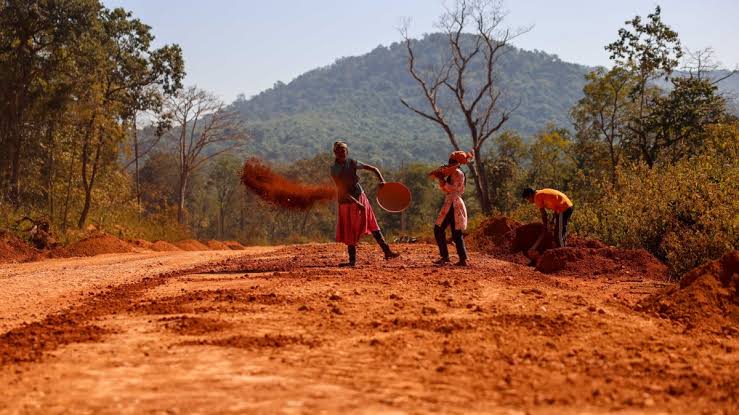
Bastar, Chhattisgarh: A Land of Waterfalls, Forests and Tribal Heritage
Bastar is one of the most culturally distinctive and naturally beautiful regions of Chhattisgarh. Known for its dense forests, waterfalls, caves, ancient temples, tribal traditions and traditional handicrafts, Bastar offers a diverse travel experience for nature and culture enthusiasts.
Jagdalpur serves as the headquarters of Bastar district and acts as the main gateway for exploring the region. From the spectacular Chitrakote Waterfall and Tirathgarh Waterfall to the caves and forests of Kanger Valley National Park, Bastar combines natural landscapes with a rich cultural heritage.
The region is also renowned for Bastar Dussehra, tribal dances and music, Bastar handicrafts, traditional markets and ancient religious sites. For travellers looking beyond conventional destinations, Bastar provides an opportunity to experience the natural and cultural diversity of southern Chhattisgarh.
History
The history of Bastar extends back centuries and is closely associated with the region's tribal communities, ancient kingdoms and religious traditions. The area has traditionally been identified with Dandakaranya, the legendary forest region mentioned in the Ramayana.
The Bastar Kingdom
According to the historical account maintained by the district administration, the Bastar princely state was established around 1324 AD by Annam Dev, who was associated with the Kakatiya royal lineage of Warangal.
The initial capital of the Bastar kingdom was established at Bastar before the capital was later shifted to Jagdalpur.
Royal History
Several rulers governed the Bastar state over the centuries, including Annam Dev, Hamir Dev, Baital Dev, Purushottam Dev, Pratap Dev, Dikpal Dev and Rajpal Dev.
The last ruler of Bastar was Maharaja Praveer Chandra Bhanj Deo, who ruled from 1936 to 1948. He was particularly popular among the tribal communities of Bastar.
Integration with India
Following India's independence, the Bastar princely state was integrated into the Indian Union in 1948.
| Period | Historical Development |
|---|---|
| Ancient Period | Region traditionally associated with Dandakaranya. |
| c. 1324 AD | Bastar princely state established under Annam Dev. |
| Later Period | Capital shifted from Bastar to Jagdalpur. |
| 1936–1948 | Rule of Maharaja Praveer Chandra Bhanj Deo. |
| 1948 | Bastar princely state integrated with India. |
Geography
Bastar is located in the southern part of Chhattisgarh and is characterised by forests, hills, valleys, rivers, caves and waterfalls. The region forms an important part of the state's natural and ecological landscape.
Geographical Profile
| Feature | Details |
|---|---|
| State | Chhattisgarh |
| Region | Southern Chhattisgarh |
| District Headquarters | Jagdalpur |
| District Area | Approximately 4,030 sq. km. in the present district configuration |
| Major River | Indravati |
| Landscape | Forests, hills, valleys, caves and waterfalls |
Indravati River
The Indravati River is one of the most important geographical features of Bastar. It flows through the region and is closely associated with the cultural and natural identity of Bastar.
Forests
Large forested areas form the visual and ecological character of Bastar. Sal, teak, bamboo and other vegetation contribute to the region's biodiversity.
Hills and Valleys
Bastar's landscape contains plateaus, valleys and forest-covered hills. These geographical features create the setting for several waterfalls, caves and wildlife habitats.
Waterfalls and Caves
The combination of rivers, rocky terrain and forested valleys has created numerous waterfalls and underground limestone caves, making Bastar an important destination for nature and adventure tourism.
Culture and Traditions
The culture of Bastar is deeply connected with its tribal communities, traditional beliefs, music, dance, festivals and handicrafts. The district administration identifies tribal communities including Gond, Maria, Muria, Bhatra, Halba and Dhruva.
Tribal communities form a significant part of Bastar's population, and traditional cultural practices continue to play an important role in community life.
Tribal Culture
Bastar's tribal heritage is reflected in traditional clothing, music, dance, religious practices, village customs and local markets.
Ghotul Tradition
Ghotul is a traditional institution associated particularly with the Madia tribal community. It represents an important aspect of traditional community and social life.
Traditional Dance and Music
Tribal dance and music are central to Bastar's cultural identity. Performances are commonly connected with festivals, ceremonies and community celebrations.
Dead Pillar Tradition
The dead pillar tradition is an unusual memorial practice associated with some tribal communities of Bastar. Memorial stones are erected to commemorate deceased family or community members.
Bastar Art
Bastar art is internationally recognised for its distinctive traditional craftsmanship. The major forms include woodwork, bamboo art, terracotta and metal craft.
| Tradition | Known For |
|---|---|
| Ghotul | Traditional tribal social institution |
| Tribal Dance | Festivals and community celebrations |
| Dead Pillars | Traditional memorial practice |
| Bastar Art | Wood, bamboo, terracotta and metal craft |
| Weekly Haat | Traditional markets and local commerce |
Architecture
The architecture of Bastar combines ancient temples, royal structures, traditional tribal construction and distinctive handicraft traditions.
Bastar Palace
Bastar Palace in Jagdalpur is an important historical monument associated with the former rulers of Bastar. The palace features decorative carvings and engravings on its walls and ceilings.
Narayanpal Temple
Narayanpal Temple is an ancient Vishnu temple located near the confluence of the Indravati and Narangi rivers. The temple dates to approximately the 11th century and displays influences of Chalukya-style architecture.
Danteshwari Temple
Danteshwari Temple at Dantewada is one of the most important religious landmarks associated with the Bastar region. The temple is dedicated to Goddess Danteshwari and has a strong connection with the religious traditions of Bastar.
Traditional Tribal Architecture
Traditional village structures in Bastar reflect the relationship between tribal communities and the surrounding environment. Local materials such as wood, bamboo, mud and natural fibres have historically been used in traditional construction.
Bastar Handicraft Architecture and Design
Decorative elements inspired by tribal life, animals, deities, festivals and nature are commonly represented in Bastar's traditional wood and metal craft.
| Architectural Attraction | Known For |
|---|---|
| Bastar Palace | Royal heritage and decorative carvings |
| Narayanpal Temple | 11th-century Vishnu temple |
| Danteshwari Temple | Religious heritage |
| Traditional Villages | Wood, bamboo and mud construction |
Famous Places
Bastar offers an impressive range of waterfalls, caves, national parks, temples, palaces and cultural attractions.
Chitrakote Waterfall
Chitrakote Waterfall is located on the Indravati River and is approximately 40 km from Jagdalpur. The waterfall is around 90 feet high and is famous for its horseshoe-shaped appearance.
It is widely known as the "Niagara of India" and is one of the most recognisable tourist attractions of Chhattisgarh.
Tirathgarh Waterfall
Tirathgarh Waterfall is located approximately 35 km from Jagdalpur within the Kanger Valley region. The water descends over natural stepped rock formations, creating a striking multi-level waterfall.
Kanger Valley National Park
Kanger Valley National Park covers approximately 200 sq. km and was declared a national park in 1982. The park contains dense mixed deciduous forests, wildlife, rivers and limestone caves.
Kotumsar Cave
Kotumsar Cave is one of the best-known natural caves in the Kanger Valley region. The underground limestone formations include stalactites and stalagmites.
Kailash Cave
Kailash Cave is another major cave attraction within the Kanger Valley region. The cave contains striking limestone formations and natural structures that have religious significance for local communities.
Tamda Ghumar
Tamda Ghumar Waterfall is located on the route towards Chitrakote and falls from approximately 100 feet. The surrounding valleys and greenery make it a scenic stop during a Bastar nature itinerary.
Dalpat Sagar
Dalpat Sagar is a major water body in Jagdalpur and an important part of the city's landscape. It is associated with fishing and local recreation.
Narayanpal Temple
The ancient Narayanpal Vishnu Temple is an important heritage site near the Indravati and Narangi river confluence.
Anthropological Museum
The Anthropological Museum at Dharampura provides visitors with an insight into the lifestyle, culture, traditions and material heritage of Bastar's tribal communities.
| Place | Best Known For |
|---|---|
| Chitrakote Waterfall | Horseshoe-shaped waterfall |
| Tirathgarh Waterfall | Stepped waterfall and nature |
| Kanger Valley National Park | Wildlife, forests and caves |
| Kotumsar Cave | Limestone formations |
| Kailash Cave | Natural cave formations |
| Tamda Ghumar | Scenic waterfall |
| Dalpat Sagar | Lake and recreation |
| Bastar Palace | Royal heritage |
| Narayanpal Temple | Ancient temple architecture |
Famous Dishes
Bastar's food culture reflects the region's tribal communities, forest environment and wider Chhattisgarhi culinary traditions. Local food commonly uses rice, seasonal vegetables, pulses and ingredients obtained from the surrounding region.
Fara
Fara is a traditional steamed rice-based preparation widely associated with Chhattisgarhi cuisine.
Chila
Chila is a savoury pancake prepared using rice or gram-based batter and is commonly eaten as a breakfast or snack.
Bafauri
Bafauri is a steamed preparation made primarily from gram flour and spices.
Angakar Roti
Angakar Roti is a traditional rice-based preparation associated with Chhattisgarhi food traditions and can be found in regional food settings.
Forest-Based Ingredients
Bastar's tribal food culture also reflects the availability of forest produce and seasonal ingredients. Local communities have traditionally used a variety of naturally available ingredients in their diets.
| Food | What to Expect |
|---|---|
| Fara | Steamed rice-based preparation |
| Chila | Savoury rice or gram pancake |
| Bafauri | Steamed gram-flour preparation |
| Angakar Roti | Traditional rice-based bread |
| Local Forest Produce | Seasonal ingredients used in traditional food |
Famous Personalities
Bastar's identity is strongly connected with its former rulers, tribal communities and cultural figures rather than a long list of modern celebrity personalities.
Maharaja Praveer Chandra Bhanj Deo
Maharaja Praveer Chandra Bhanj Deo was the last ruler of the Bastar princely state and ruled from 1936 to 1948. He was particularly popular among the tribal communities of the region.
Annam Dev
Annam Dev is traditionally recognised as the founder of the Bastar princely state around 1324 AD. His establishment of the kingdom forms an important part of Bastar's medieval history.
Tribal Cultural Communities
The cultural identity of Bastar has also been shaped by communities including the Gond, Maria, Muria, Bhatra, Halba and Dhruva. Their traditions, art, music and festivals remain central to the identity of the region.
| Person / Community | Connection with Bastar |
|---|---|
| Annam Dev | Founder of the Bastar princely state |
| Maharaja Praveer Chandra Bhanj Deo | Last ruler of Bastar princely state |
| Gond Community | Important tribal community of Bastar |
| Maria and Muria Communities | Major contributors to Bastar's tribal heritage |
Festivals
Bastar's festivals are among the strongest expressions of its tribal culture. The region's celebrations often combine religious traditions, community participation, music, dance and elaborate rituals.
Bastar Dussehra
Bastar Dussehra is the region's most famous festival. Unlike the conventional Dussehra celebrated in much of India, Bastar Dussehra is not centred on burning an effigy of Ravana.
The festival is associated with Goddess Danteshwari and traditional tribal and royal rituals. The celebration continues for approximately 75 days and includes rituals such as Pat Jatra, Rath Parikrama, Mavali Parghav and Muria Darbar.
Goncha Festival
Goncha is a traditional festival associated with Jagdalpur and the Bastar region. It features distinctive local customs and community participation.
Madai Festivals
Madai is a traditional tribal festival celebrated in different parts of Bastar. It is associated with local deities, village communities, music, dance and fairs.
Hareli
Hareli is an important agricultural festival celebrated across Chhattisgarh and has significance in the rural and tribal communities of Bastar.
Local Tribal Festivals
Other traditional celebrations include Chaitrai, Aamat, Akhti, Beej Khutni, Hariyali, Itwari and Nawa Khai, reflecting the agricultural and spiritual traditions of Bastar's tribal communities.
| Festival | Highlights |
|---|---|
| Bastar Dussehra | 75-day celebration, chariot rituals and Danteshwari traditions |
| Goncha | Traditional Jagdalpur festival |
| Madai | Tribal fairs and deity worship |
| Hareli | Agricultural and seasonal traditions |
| Nawa Khai | Traditional agricultural celebration |
Things to Do
Bastar offers plenty of experiences for travellers interested in nature, wildlife, adventure, heritage and tribal culture.
See Chitrakote Waterfall
Visit Chitrakote Waterfall to experience one of the most spectacular natural attractions in Chhattisgarh. The waterfall is especially impressive during the monsoon.
Explore Kanger Valley National Park
Explore the forests, wildlife and limestone landscapes of Kanger Valley National Park.
Discover Underground Caves
Explore the natural formations of Kotumsar and Kailash caves with authorised guides and subject to seasonal access conditions.
Visit Tirathgarh Waterfall
Enjoy the stepped cascade and forest landscape around Tirathgarh Waterfall.
Explore Bastar Art
Visit local handicraft centres and markets to discover traditional Dhokra-style metalwork, woodcraft, bamboo products and terracotta art.
Visit Bastar Palace
Explore the historical royal heritage of Bastar Palace in Jagdalpur.
Experience Bastar Dussehra
If your travel dates coincide with the festival period, experiencing Bastar Dussehra offers a unique insight into the region's religious and tribal traditions.
Explore Local Haats
Traditional weekly haats provide an opportunity to see local produce, handicrafts, food products and aspects of everyday tribal commerce.
| Experience | Best For |
|---|---|
| Chitrakote | Waterfall sightseeing |
| Kanger Valley | Wildlife and nature |
| Kotumsar Cave | Adventure and geology |
| Tirathgarh | Nature and photography |
| Bastar Art | Culture and shopping |
| Bastar Dussehra | Festivals and traditions |
Where to Eat, Shop, and Stay
Where to Eat
Jagdalpur is the most convenient base for dining while exploring Bastar. Visitors can find restaurants and local eateries serving North Indian, Chhattisgarhi and regional food.
Travellers interested in local cuisine can look for traditional rice-based preparations, snacks and seasonal dishes.
Where to Shop
Bastar is particularly famous for its traditional handicrafts. Visitors can look for woodcraft, bamboo products, terracotta items and traditional metal art.
Local haats and handicraft centres around Jagdalpur provide opportunities to purchase locally made products.
Bastar Art and Metal Craft
Bastar's traditional art includes wood, bamboo, terracotta and metal craft. Metal artisans traditionally work with copper and tin-based mixed metals to create figures, religious objects and decorative pieces.
Where to Stay
Jagdalpur is the most practical base for a Bastar trip because it provides better access to accommodation, restaurants, transport and major tourist circuits.
| Stay Type | Recommended Base | Best For |
|---|---|---|
| Hotels | Jagdalpur | General sightseeing |
| Budget Accommodation | Jagdalpur | Short stays |
| Nature-Oriented Stay | Near selected tourism zones | Forest and wildlife trips |
Practical Stay Tip
For a first-time visit, Jagdalpur is the recommended base. From here, travellers can plan separate excursions to Chitrakote, Kanger Valley, Tirathgarh, Narayanpal and other attractions.
What is Bastar Famous For?
Bastar is famous for its exceptional combination of tribal culture, waterfalls, forests, caves, handicrafts, festivals and ancient heritage.
Chitrakote Waterfall
Chitrakote Waterfall is one of Bastar's most recognisable attractions and is widely known for its horseshoe-shaped appearance.
Bastar Dussehra
The unique 75-day Bastar Dussehra is one of the region's most distinctive cultural traditions and differs significantly from conventional Dussehra celebrations elsewhere in India.
Kanger Valley National Park
Kanger Valley National Park is famous for its forests, wildlife, limestone caves and waterfalls.
Bastar Art
Bastar's traditional handicrafts are recognised for wood, bamboo, terracotta and metalwork created using traditional techniques.
Tribal Culture
The traditions of Gond, Maria, Muria, Bhatra, Halba and Dhruva communities form an important part of Bastar's cultural identity.
Ancient Caves and Temples
The region contains natural caves such as Kotumsar and Kailash as well as historic temples such as Narayanpal.
| Known For | Highlights |
|---|---|
| Waterfalls | Chitrakote, Tirathgarh and Tamda Ghumar |
| Wildlife | Kanger Valley National Park |
| Caves | Kotumsar and Kailash |
| Culture | Tribal traditions and Bastar Dussehra |
| Handicrafts | Wood, bamboo, terracotta and metal craft |
| Heritage | Bastar Palace and Narayanpal Temple |
Best Time to Visit
The official Bastar tourism website recommends November to June as the best period to visit. The monsoon season is less suitable for certain attractions because heavy rainfall can affect access and caves may be closed due to flooding.
November to February – Best Overall
The cooler months are comfortable for sightseeing, waterfalls, cultural experiences, heritage exploration and outdoor activities.
March to June – Nature and Waterfalls
The warmer months remain suitable for exploring the region, although afternoons can be hot. Early morning and evening are preferable for outdoor sightseeing.
July to October – Monsoon
The monsoon transforms Bastar into a lush green landscape and can make waterfalls particularly dramatic. However, heavy rainfall may affect roads, trekking routes and cave access.
| Season | Months | Best For |
|---|---|---|
| Winter | November–February | General sightseeing and culture |
| Summer | March–June | Nature and outdoor trips |
| Monsoon | July–October | Greenery and waterfalls |
Best recommendation: November to February is the most comfortable period for a first Bastar trip, while the monsoon can be attractive for waterfall photography if local conditions permit.
How to Reach
Jagdalpur, the headquarters of Bastar district, is the main transport hub for exploring the region.
By Air
Jagdalpur Airport provides air connectivity for the region. The district administration also identifies Swami Vivekananda Airport, Raipur as a major alternative, approximately 300 km from Jagdalpur.
By Train
Jagdalpur Railway Station provides rail connectivity towards Raipur and Visakhapatnam. The station is operated by East Coast Railway.
By Road
Bastar is connected by road through routes including NH 30. Regular bus services operate to and from Jagdalpur, connecting the region with neighbouring states and major cities.
| Mode | Main Option | Travel Advantage |
|---|---|---|
| Air | Jagdalpur Airport | Fastest option when flights are available |
| Air | Raipur Airport | Major alternative with wider connectivity |
| Train | Jagdalpur Railway Station | Rail connectivity to Raipur and Visakhapatnam |
| Road | NH 30 and regional highways | Flexible access to tourist destinations |
Nearby Places
Bastar's location makes Jagdalpur an excellent base for exploring several attractions across the surrounding region.
Chitrakote Waterfall
Chitrakote is approximately 40 km from Jagdalpur and is one of the most important destinations in a Bastar sightseeing itinerary.
Tirathgarh Waterfall
Tirathgarh is approximately 35 km from Jagdalpur and is located in the Kanger Valley region.
Kanger Valley National Park
Kanger Valley National Park is a major nature destination with forests, wildlife, caves and waterfalls.
Narayanpal
Narayanpal Temple is an ancient Vishnu temple located near the confluence of the Indravati and Narangi rivers.
Tamda Ghumar
Tamda Ghumar is a scenic waterfall on the Chitrakote route and can be combined with other attractions in the same circuit.
Dalpat Sagar
Dalpat Sagar is located in Jagdalpur and is suitable for a relaxed city-side visit.
| Destination | Approx. Distance / Location | Best For |
|---|---|---|
| Tirathgarh | 35 km from Jagdalpur | Waterfall and nature |
| Chitrakote | 40 km from Jagdalpur | Waterfall and sightseeing |
| Kanger Valley | Forest region near Jagdalpur | Wildlife and caves |
| Narayanpal | North-west of Jagdalpur | Heritage and temple |
| Tamda Ghumar | Chitrakote route | Nature and photography |
| Dalpat Sagar | Jagdalpur | Lake and recreation |
Best Duration for a Trip
A 3–4 day Bastar trip is ideal for travellers who want to experience the region's major waterfalls, caves, forests and cultural attractions without rushing.
1 Day – Quick Bastar Experience
- Explore Jagdalpur.
- Visit Dalpat Sagar.
- Explore local markets and Bastar handicrafts.
2 Days – Waterfall Circuit
| Day | Suggested Plan |
|---|---|
| Day 1 | Jagdalpur + Dalpat Sagar + local handicraft shopping |
| Day 2 | Chitrakote + Tamda Ghumar + nearby attractions |
3 Days – Recommended
- Day 1: Jagdalpur + Bastar Palace + Dalpat Sagar.
- Day 2: Chitrakote + Tamda Ghumar.
- Day 3: Kanger Valley + Tirathgarh.
4 Days – Complete Experience
- Day 1: Jagdalpur heritage and local culture.
- Day 2: Chitrakote circuit.
- Day 3: Kanger Valley, caves and Tirathgarh.
- Day 4: Narayanpal, local haat and Bastar handicrafts.
Recommended duration: 3 days is suitable for a focused Bastar itinerary, while 4 days allows a more relaxed combination of nature, culture and heritage.
Travel Tips
Bastar's major attractions are spread across forests, villages and rural areas, so careful planning can make the journey much easier.
Use Jagdalpur as Your Base
Jagdalpur is the most convenient base for accommodation, food, transport and sightseeing.
Plan Forest Trips in Advance
Check current access rules and opening conditions before visiting Kanger Valley National Park and its caves.
Carry Comfortable Footwear
Good walking shoes are useful for waterfalls, caves, forest trails and archaeological sites.
Carry Essential Items
- Drinking water
- Sunscreen
- Insect repellent
- Basic medicines
- First-aid supplies
- Power bank
- Rain protection during monsoon
Respect Tribal Culture
Bastar is home to diverse tribal communities with strong cultural traditions. Visitors should respect local customs, religious practices and community spaces.
Buy Authentic Handicrafts
When purchasing Bastar art, prefer established local artisans, recognised handicraft centres and genuine local markets.
Wildlife Precautions
Do not disturb animals or vegetation in forest areas. Follow the instructions of forest authorities and authorised guides.
Monsoon Precautions
Heavy rainfall can affect road conditions, waterfalls and cave access. Check local conditions before planning a monsoon trip.
| Travel Tip | Recommendation |
|---|---|
| Best Base | Jagdalpur |
| Forest Visits | Check current access rules |
| Waterfalls | Wear suitable footwear |
| Monsoon | Check road and weather conditions |
| Tribal Areas | Respect local customs |
| Shopping | Prefer authentic local handicrafts |
Why Visit Bastar?
Bastar, Chhattisgarh stands apart because it combines dramatic natural landscapes with a living tribal culture and centuries-old heritage.
Spectacular Waterfalls
Chitrakote and Tirathgarh are among the region's most memorable natural attractions, while smaller waterfalls such as Tamda Ghumar add variety to the Bastar landscape.
Unique Tribal Culture
Bastar's traditional festivals, dances, music, village customs and handicrafts offer travellers an opportunity to experience a distinctive cultural environment.
Ancient Caves
Kanger Valley's limestone caves provide a fascinating combination of geology, adventure and natural history.
Traditional Handicrafts
Bastar is internationally recognised for traditional wood, bamboo, terracotta and metal crafts.
Rich Heritage
From Bastar Palace and Narayanpal Temple to the history of the Bastar kingdom, the region offers several opportunities for heritage exploration.
Unique Festivals
Bastar Dussehra is one of the most distinctive cultural festivals in India, with a 75-day celebration rooted in local religious and tribal traditions.
| Experience | What Bastar Offers |
|---|---|
| Nature | Forests, waterfalls, rivers and valleys |
| Wildlife | Kanger Valley National Park |
| Adventure | Caves, trekking and forest exploration |
| Culture | Tribal traditions, dance and music |
| Crafts | Wood, bamboo, terracotta and metal art |
| Heritage | Palaces and ancient temples |
| Festivals | Bastar Dussehra and traditional tribal festivals |
For travellers searching for a destination that combines nature, tribal culture, waterfalls, wildlife, caves and heritage, Bastar offers one of the most distinctive travel experiences in Chhattisgarh.
Conclusion
Bastar, Chhattisgarh is a destination where forests, waterfalls, ancient heritage and tribal traditions come together. The spectacular Chitrakote Waterfall, scenic Tirathgarh Waterfall, forests of Kanger Valley National Park and natural caves create a strong natural tourism identity.
At the same time, Bastar Dussehra, traditional tribal festivals, Bastar handicrafts, ancient temples and royal heritage offer visitors a deeper understanding of the region's cultural history.
Jagdalpur provides the ideal base for exploring the wider Bastar region, with convenient access to major attractions, accommodation, food and transport.
A 3–4 day itinerary is recommended for travellers who want to combine waterfalls, caves, forests, heritage and local culture without rushing.
For anyone looking to explore a destination that feels distinctly different from conventional tourist circuits, Bastar is a remarkable place to discover the natural and cultural richness of Chhattisgarh.
"Travel is the only thing you buy that makes you richer."