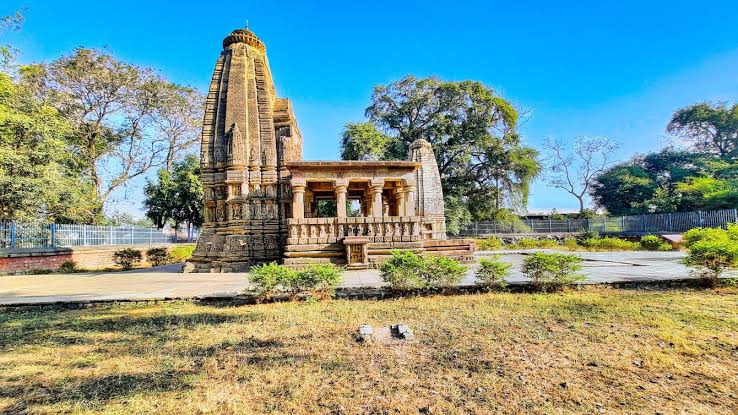
Narayanpur, Chhattisgarh: Into the Tribal Heart of Bastar, Where Forests Guard Ancient Traditions
Narayanpur is one of Chhattisgarh's most distinctive destinations—a place where dense forests, rolling hills, waterfalls and centuries-old tribal traditions come together. Located in the Bastar region, the district is closely associated with Abujhmarh, one of central India's most culturally distinctive forest landscapes.
Unlike conventional tourist destinations, Narayanpur is about experiencing the character of a region rather than ticking off a long list of monuments. Travellers can discover Gond and Muria traditions, Ghotul culture, Dhokra and bell-metal crafts, forest landscapes, waterfalls and indigenous festivals.
For visitors interested in responsible cultural tourism, tribal art, nature and offbeat Chhattisgarh, Narayanpur offers an experience that feels considerably different from the state's better-known urban destinations.
| Travel Snapshot | Details |
|---|---|
| State | Chhattisgarh |
| District Headquarters | Narayanpur |
| District Formation | 11 May 2007 |
| Former District | Bastar |
| Area | 6,913.16 sq. km |
| Population | 1,39,820 (2011 Census) |
| Literacy Rate | 49.59% |
| Tehsils | 4 |
| Development Blocks | 2 |
| Villages | 419 |
| Municipality | 1 |
| Major Communities | Gond, Muria, Maria, Bhatra, Dhurva, Halba and others |
| Major Languages | Gondi, Halbi and Abujhmadi |
| Best Known For | Abujhmarh, tribal culture, Dhokra craft, Ghotul traditions and forests |
The current district website lists an area of 6,913.16 sq. km, estimated population of around 1.61 lakh, 4 tehsils and 2 development blocks. For historical consistency with published tourism and Census material, the 2011 Census population of 1,39,820 is used above.
History
Narayanpur's history is closely linked with the larger history of Bastar. Government sources connect the wider region with the ancient geographical and cultural landscape of Dandakaranya mentioned in Indian epics.
The Bastar princely state emerged in the medieval period. According to the district's historical account, Annama Deva, associated with the Kakatiya dynasty of Warangal, established the Bastar kingdom around 1324 AD. The dynasty and its successors shaped the political and cultural history of the region for centuries.
Narayanpur and the Bastar State
Narayanpur's history developed within the political sphere of the Bastar princely state. The region experienced changes in capitals and administrative centres over time, while tribal communities continued to maintain their own social and cultural systems.
Praveer Chandra Bhanj Deo
Praveer Chandra Bhanj Deo, the 20th and last ruling chief of Bastar, is an important historical personality associated with the region. He ascended the throne in 1936 and the princely state was integrated into India in 1948. The district administration notes his popularity among tribal communities.
Formation of Narayanpur District
The modern Narayanpur district was created on 11 May 2007 after being separated from the erstwhile Bastar district. Narayanpur town became the administrative headquarters.
Geography
Narayanpur lies in the Bastar region of southern Chhattisgarh. Its landscape is very different from the open agricultural plains found in many other parts of the state. Dense forests, hills, streams, waterfalls, caves and remote villages define much of the district.
The district is particularly associated with Abujhmarh, a large hilly forest region extending across parts of southern Chhattisgarh. The name is commonly interpreted from the Gondi language, with Abujh referring to something not fully understood and marh meaning hill or mountain in the regional context.
- Area: 6,913.16 sq. km
- Population: 1,39,820 according to Census 2011
- Literacy: 49.59%
- Tehsils: Narayanpur, Orchha, Chhotedongar and Kohkameta
- Development Blocks: Narayanpur and Orchha
- Villages: 419 according to the current district profile
- Landscape: Dense forests, hills, rivers, waterfalls and caves
The region's forests are important not only ecologically but also culturally. Many communities depend traditionally on agriculture, forest produce and local natural resources.
Culture and Traditions
Culture is arguably Narayanpur's greatest attraction. The district is home to a large tribal population and preserves distinctive traditions associated with Gond, Muria, Maria, Bhatra, Dhurva, Halba and other communities. The district administration describes tribal culture, art and crafts as defining features of Narayanpur.
Gond Culture
Gond communities have a deep cultural presence in the region. Their traditions include distinctive social structures, oral traditions, music, dance, worship and craftsmanship.
Ghotul Tradition
Ghotul is one of the most distinctive cultural institutions associated with the Muria Gond community. Traditionally, it functioned as a youth social and educational institution where young people learned community values, music, dance, responsibilities and aspects of social life. The district administration notes that the tradition is gradually becoming less common.
Languages
Traditional languages spoken in the region include Gondi, Halbi and Abujhmadi. Halbi functions as an important contact language in Bastar, while tribal communities retain their own linguistic traditions.
Traditional Art and Craft
Narayanpur is particularly known for Dhokra and bell-metal handicrafts. Artisans create figures of tribal deities, animals, lamps, carts and decorative objects using traditional techniques.
Architecture
Narayanpur does not have the palace-filled urban architecture of cities such as Raipur or Bilaspur. Instead, its architectural character is strongly connected with tribal settlements, religious structures, community spaces and traditional craft.
Traditional Ghotul Architecture
The Ghotul represents an important form of community architecture. Traditionally constructed as a spacious youth dormitory or community structure, it reflects the social organisation of Muria Gond communities.
Rural and Tribal Settlements
Traditional villages in the region demonstrate a close relationship between homes, agricultural areas, community spaces and the surrounding forest. These settlements are an important part of the cultural landscape rather than simply architectural attractions.
Pahadi Mata Temple
Pahadi Mata Temple is one of the religious attractions listed by the district administration. Its location and association with local worship make it an interesting stop for travellers exploring Narayanpur's spiritual landscape.
Famous Places to Visit in Narayanpur
Handawada Waterfall
Handawada Waterfall is one of Narayanpur's most spectacular natural attractions. Located in the Orchha area of the Abujhmarh landscape, the waterfall drops from a height of more than 150 feet before flowing through rocky terrain and forming natural pools and springs. Its forest surroundings make it especially attractive to nature photographers and adventure-oriented travellers.
The district administration notes that access can be challenging because of the remote landscape and river crossings, so travellers should plan carefully and use local guidance.
Pahadi Mata Mandir
Pahadi Mata Mandir is a religious and adventure-category attraction listed on the official district tourism portal. The hill setting gives the temple a distinctly local character.
Ramakrishna Mission Ashram
The Ramakrishna Mission Ashram at Narayanpur began its work in 1985 for the upliftment of tribal communities of Abujhmarh. Its work has included education, vocational training, agriculture, healthcare and rural development.
The institution includes residential schools, training facilities, agricultural programmes, a library, healthcare services and other community initiatives. It is an important example of the social-development side of Narayanpur rather than simply a tourist attraction.
Abujhmarh
Abujhmarh is the defining natural and cultural landscape of Narayanpur. Its dense forests, hills and remote settlements have helped preserve distinctive indigenous traditions. Travel into the deeper areas requires careful planning, local knowledge and respect for community protocols.
Chhotedongar
Chhotedongar is one of the district's four tehsil areas and forms part of the wider forest and mineral-rich landscape of Narayanpur. It can be included in a broader regional itinerary when local access conditions permit.
Kachchapal Waterfall
Kachchapal Waterfall appears in the official Narayanpur district photo gallery and represents another of the district's lesser-known forest-waterfall experiences. Because access information is limited on the current official tourism pages, travellers should obtain local guidance before planning a dedicated visit.
Biodiversity Park
The district's official photo gallery also features a Biodiversity Park, offering visitors another way to experience the region's natural environment closer to the developed areas of Narayanpur.
Ghotul Cultural Sites
Traditional Ghotul structures are important cultural references in Narayanpur. Visitors should treat them as living cultural heritage rather than ordinary sightseeing objects and should photograph or enter only with appropriate local permission.
Famous Dishes
Narayanpur's food culture is closely connected with tribal agriculture, forest produce and the wider cuisine of Bastar. Exact dishes vary between communities and villages, so travellers should treat local meals as part of the cultural experience rather than look only for restaurant-style specialities.
Faraa
Faraa is a steamed rice-based preparation popular across Chhattisgarh. It is simple, filling and well suited to the region's rice-based food culture.
Chila
Chila is a savoury rice-and-lentil pancake commonly enjoyed as a breakfast or snack. It is often served with chutney.
Bara
Bara is made from fermented black gram and is commonly prepared for special occasions, festivals and family gatherings.
Angakar Roti
Angakar Roti is a rustic rice-flour bread associated with traditional Chhattisgarhi cooking. It pairs well with vegetables, lentils and local chutneys.
Aamat
Aamat is a traditional Bastar preparation made from vegetables and other locally available ingredients. Its thick, tangy character makes it one of the region's better-known traditional foods.
Forest Produce
Traditional tribal food culture also makes use of seasonal forest produce, leafy greens, tubers and locally collected ingredients. The exact food varies according to community, season and availability.
Famous Personalities
Praveer Chandra Bhanj Deo
Praveer Chandra Bhanj Deo was the last ruling chief of Bastar and an important historical figure connected with the wider region. He became ruler in 1936 and remained a prominent figure during the transition from princely rule to independent India. The Narayanpur district administration notes his popularity among tribal communities.
Swami Vivekananda – Institutional Influence
Although Swami Vivekananda was not personally associated with Narayanpur as a resident, his ideas strongly influence the work of the Ramakrishna Mission Ashram. The Narayanpur centre uses education, vocational training and social service to support tribal communities in the region.
Tribal Artists and Craftspeople
Narayanpur's most important cultural personalities are often its local artisans, musicians, dancers and traditional knowledge holders. Their skills in Dhokra, bell-metal work, folk music and community traditions form an important part of the district's identity.
Festivals
Narayanpur Dussehra
Narayanpur Dussehra is one of the region's major cultural celebrations. It reflects the religious traditions and community participation characteristic of Bastar's tribal society. The district administration identifies Dussehra among Narayanpur's best-known festivals.
Mata Mavli Mela
Mata Mavli Mela is an important tribal cultural and religious gathering in Narayanpur. The event brings together communities in an atmosphere of devotion, celebration, traditional practices and social interaction.
Amus Tihar
Amus Tihar is celebrated on the new moon of the month of Shravan and marks the beginning of the traditional festival cycle in the region. Farmers worship agricultural tools, prepare traditional foods and participate in community rituals.
Diwad
In parts of the tribal community, Diwad is observed instead of following conventional Diwali traditions. Lamps are associated with local deities, community spaces and the symbolic removal of negative forces.
Hareli
Hareli is an agricultural festival celebrated across Chhattisgarh and is particularly meaningful in rural and tribal communities. Farmers worship agricultural equipment and observe seasonal traditions.
Holi
Holi is celebrated with colours, music, dancing and community gatherings. Local tribal traditions add their own character to the wider festival.
Things to Do in Narayanpur
- Explore the tribal culture of Narayanpur.
- Visit the Ramakrishna Mission Ashram and understand its community-development work.
- Experience traditional Dhokra and bell-metal craft.
- Explore the forest landscape around Abujhmarh where permitted.
- Visit Handawada Waterfall with appropriate local guidance.
- Learn about the traditional Ghotul system.
- Visit Pahadi Mata Temple.
- Explore local markets for tribal handicrafts and traditional products.
- Try traditional Bastar and Chhattisgarhi food.
- Attend a local festival or Mela when dates coincide with your trip.
- Photograph forests, hills, streams and traditional crafts responsibly.
- Use local guides when travelling into remote areas.
Where to Eat, Shop, and Stay
Where to Eat
Narayanpur town is the most practical place for regular meals. Travellers should expect simpler dining options rather than a large restaurant scene.
For a more authentic experience, try traditional food prepared by local communities where it is offered through legitimate cultural or tourism initiatives.
What to Shop
Narayanpur is particularly interesting for Dhokra and bell-metal handicrafts. Look for traditionally crafted tribal figures, animals, lamps and decorative objects.
Buying directly from genuine artisan groups, cooperatives or recognised craft outlets is preferable because it helps support local craftspeople.
Where to Stay
Narayanpur town is the safest practical base for most visitors. Accommodation options become limited as you move towards remote forest areas.
- Budget: Local hotels, guesthouses and basic accommodation in Narayanpur
- Mid-range: Better-equipped hotels in and around the town
- Remote areas: Do not assume accommodation is available; plan with local authorities or recognised tourism providers
What is Narayanpur Famous For?
Narayanpur is famous less for monumental architecture and more for its tribal heritage, forests, indigenous art and distinctive cultural traditions.
| Known For | Why It Matters |
|---|---|
| Abujhmarh | Large forested and hilly cultural landscape |
| Tribal Culture | Gond, Muria, Maria, Bhatra, Dhurva and other communities |
| Ghotul | Traditional Gond/Muria youth social institution |
| Dhokra Craft | Traditional bell-metal handicraft made by local artisans |
| Handawada Waterfall | Major forest waterfall in the Orchha/Abujhmarh landscape |
| Mata Mavli Mela | Important tribal religious and cultural gathering |
| Narayanpur Dussehra | Major local festival rooted in Bastar traditions |
| Ramakrishna Mission | Long-running education and tribal-development initiative |
Best Time to Visit Narayanpur
The most comfortable period for exploring Narayanpur is generally October to March. Temperatures are more suitable for road travel, cultural exploration and outdoor activities.
- October–November: Good for pleasant weather, festivals and cultural experiences.
- December–February: Best for comfortable sightseeing and road travel.
- March: Suitable for nature trips before the stronger summer heat.
- Monsoon: Forests and waterfalls become lush and dramatic, but remote roads and river crossings can become difficult.
For attractions such as Handawada Waterfall, travellers should prioritise safe access conditions over a fixed travel date, particularly during periods of heavy rain.
How to Reach Narayanpur
By Air
The practical airport option for travellers is generally Jagdalpur Airport or Swami Vivekananda Airport, Raipur, depending on flight availability and the rest of the itinerary. Because flight schedules can change, travellers should verify current services before booking.
By Train
Narayanpur does not function as a major railway destination. Travellers generally use rail connectivity through Jagdalpur or other larger railway centres and continue by road.
By Road
Road travel is the most practical way to reach Narayanpur. The district administration lists several routes, including:
- Raipur → Abhanpur → Dhamtari → Kanker → Kondagaon → Narayanpur
- Raipur → Abhanpur → Dhamtari → Charama → Bhanupratappur → Antagarh → Narayanpur
- Rajnandgaon → Dalli Rajhara → Bhanupratappur → Antagarh → Narayanpur
- Jagdalpur → Kondagaon → Narayanpur
These routes are officially listed by the district administration as available road connections.
| Mode | Recommended Option |
|---|---|
| Air | Jagdalpur or Raipur, depending on flight availability |
| Rail | Use a major nearby railhead and continue by road |
| Road | Best practical option for Narayanpur and regional sightseeing |
Nearby Places to Visit
Kondagaon
Kondagaon is a natural addition to a Narayanpur road trip, particularly for travellers interested in Bastar handicrafts, Dhokra, bell-metal and other traditional arts.
Jagdalpur
Jagdalpur is the major cultural hub of the Bastar region. It provides access to museums, handicrafts, markets and famous natural attractions in the wider Bastar circuit.
Chitrakote Waterfall
Chitrakote Waterfall is one of Chhattisgarh's most famous natural attractions. It can be combined with Jagdalpur and other Bastar destinations for a longer itinerary.
Tirathgarh Waterfall
Tirathgarh Waterfall is another major Bastar waterfall, surrounded by forest and rocky terrain. It is best included as part of a wider Jagdalpur-Bastar trip.
Kanker
Kanker lies on the route between the northern Chhattisgarh plains and Narayanpur. Its waterfalls, hills and tribal cultural landscape make it a useful addition to a road-trip itinerary.
Bastar
The wider Bastar region is known for tribal culture, forests, waterfalls, caves, handicrafts and the famous Bastar Dussehra. Narayanpur works particularly well as part of a broader Bastar cultural journey.
Best Duration for a Narayanpur Trip
2 days is suitable for a focused Narayanpur visit, while travellers wanting to explore forests, crafts and the wider Bastar circuit should allow 3–5 days.
| Duration | Suggested Plan |
|---|---|
| 1 Day | Narayanpur town + Ramakrishna Mission + local craft experience |
| 2 Days | Narayanpur + cultural sites + local handicrafts + nearby nature attraction |
| 3 Days | Add Handawada/Orchha-area experience if access conditions permit |
| 4–5 Days | Narayanpur + Kondagaon + Jagdalpur + wider Bastar circuit |
Travel Tips for Narayanpur
- Plan ahead: Narayanpur is not a conventional mass-tourism destination.
- Use local guidance: Especially when travelling into remote forest and Abujhmarh areas.
- Check access conditions: Remote roads, rivers and forest routes can change seasonally.
- Respect tribal communities: Ask permission before photographing people, homes, rituals or cultural structures.
- Do not treat Ghotul as a tourist prop: It represents a living cultural tradition and should be approached respectfully.
- Carry cash: Card and digital-payment availability may be limited in remote areas.
- Carry essentials: Water, medicines, power bank, comfortable footwear and weather-appropriate clothing.
- Buy authentic crafts: Prefer recognised artisans, cooperatives or legitimate craft centres.
- During monsoon: Confirm waterfall and forest access before travelling.
- Follow local and official advisories: Some remote areas may have access restrictions or changing security conditions.
- Keep the environment clean: Avoid plastic waste and do not disturb wildlife.
Why Visit Narayanpur?
Narayanpur is for travellers who want to see a side of Chhattisgarh that cannot be understood through monuments alone.
Its greatest attraction is the relationship between people, forests, traditions and craftsmanship. The Ghotul tradition, Dhokra craft, indigenous festivals and Abujhmarh landscape provide a cultural depth that makes Narayanpur very different from a standard sightseeing destination.
Nature lovers will find waterfalls, forests and hills, while photographers and culture enthusiasts can explore one of the most visually distinctive regions of Bastar.
Most importantly, Narayanpur rewards slow, respectful and responsible travel. The destination is best experienced by observing, learning and supporting local communities rather than rushing from attraction to attraction.
Conclusion
Narayanpur is the kind of destination where the journey itself becomes part of the experience. Its forests, hills and waterfalls form the natural setting, while tribal communities, traditional crafts, festivals and social institutions give the region its identity.
From the powerful landscape of Abujhmarh and the dramatic Handawada Waterfall to the living traditions of Ghotul culture and the craftsmanship of Dhokra artisans, Narayanpur offers a rare window into Bastar's cultural heart.
If you are planning a Chhattisgarh road trip and want something genuinely different, keep Narayanpur on your itinerary—but travel with preparation, patience and respect for the communities that make this region unique.
"Travel is the only thing you buy that makes you richer."