Sukma, Chhattisgarh: Into the Forests, Tribal Heritage and Untouched Bastar Landscapes
Sukma, in the southernmost part of Chhattisgarh, offers a very different travel experience from the state's better-known cities. Surrounded by forests, tribal communities, rivers and quiet countryside, the district gives travelers a closer look at the traditional life and natural landscape of southern Bastar.
From the peaceful waters of Tungal Dam and the natural beauty of Dudma to the heritage of Ramaram and the ancient sculptures of Injeram, Sukma is best experienced slowly. It is a destination for travelers interested in tribal culture, forests, heritage, rural landscapes and offbeat Chhattisgarh.
Travel Snapshot of Sukma
| Travel Detail | Information |
|---|---|
| Location | Southern Chhattisgarh, Bastar region |
| District Formation | 16 January 2012 |
| Area | 5,897.79 sq. km |
| Population | 2,70,821 (2011 Census) |
| Forest Cover | About 65% |
| Scheduled Tribe Population | About 85% |
| Population Density | 45 persons per sq. km |
| Sex Ratio | 1,017 females per 1,000 males |
| Literacy Rate | 29% |
| Major River | Sabari River |
| Major Road | NH-30 |
| Nearest Major Railway Stations | Jagdalpur and Dantewada |
| Nearest Airport | Jagdalpur Airport, about 100 km |
History of Sukma
Sukma forms the southern part of the historic Bastar region. It became an independent district on 16 January 2012, after being separated from Dantewada. Before that, the area passed through several administrative stages under Bastar and later Dantewada.
The area has much older cultural associations. Local traditions connect parts of Sukma with the ancient Dandakaranya mentioned in the Ramayana. The district administration also records local beliefs connecting the Sabari River and places such as Injeram and Ramaram with the Ramayana tradition.
Sukma itself is believed to have developed as a settlement several centuries ago. The district's historical account also refers to the settlement of families associated with the former Bastar kingdom and traditions surrounding Mahadev Dongri, Ramaram and the local deity of Chitpitin Mata.
Important Historical Milestones
- 1952: Sukma was a Sub-Tehsil under the Bastar region.
- 1956: It was upgraded to a Tehsil.
- 1960: Konta Tehsil was formed.
- 1998: Sukma became part of Dantewada district after the division of Bastar.
- 2012: Sukma became a separate district.
Geography of Sukma
Sukma lies at the southern tip of Chhattisgarh and shares borders with areas of Odisha, Telangana and Andhra Pradesh. Within Chhattisgarh, it is connected with districts including Bastar, Bijapur and Dantewada.
The landscape is dominated by semi-tropical forests, hills, rural settlements and river valleys. The Sabari is one of the important rivers associated with the district, while forests cover roughly 65% of its geographical area.
| Geographical Feature | Details |
|---|---|
| Latitude | 18.2400° N |
| Longitude | 81.4000° E |
| Area | 5,897.79 sq. km |
| Forest Cover | Approximately 65% |
| Major River | Sabari |
| Landscape | Forests, hills, rivers and rural countryside |
Culture and Traditions of Sukma
The cultural identity of Sukma is deeply connected with the tribal communities of southern Bastar. The Gond community forms a major part of the district's tribal population, while traditional lifestyles remain closely connected with forests, agriculture, local deities and seasonal cycles.
Gondi and other regional languages, along with Hindi and Chhattisgarhi, can be heard across the region. Folk traditions, community gatherings, traditional music, dance, religious practices and forest-based livelihoods are important parts of local life.
Forest-Based Lifestyle
Forest produce has traditionally played an important role in the economy and daily life of communities in Sukma. Important minor forest produce associated with the district includes tamarind, mahua flowers and seeds, chironji, aonla and charota seeds.
Traditional Tribal Culture
Visitors interested in Bastar's tribal heritage can observe traditional community life, local markets, folk traditions and handicraft practices. Travelers should always approach tribal communities respectfully and avoid photographing people, rituals or private ceremonies without permission.
Architecture of Sukma
Sukma does not have the grand palaces and monumental architecture found in some historic cities. Its architectural interest lies mainly in small temples, ancient sculptures, traditional religious sites and buildings connected with local history.
Ancient Sculptures of Injeram
Injeram, around 70 km from Sukma toward Konta, contains ruins and ancient sculptures near the main road. The district administration notes sculptures depicting Hindu deities, including a rare stone representation associated with Brahma, Vishnu and Mahesh.
Mahadev Dongri Temple Tradition
Mahadev Dongri, about 3 km from Sukma, is associated with an ancient Shiva temple and local historical traditions. The site becomes particularly lively around Mahashivratri.
Famous Places to Visit in Sukma
Tungal Dam
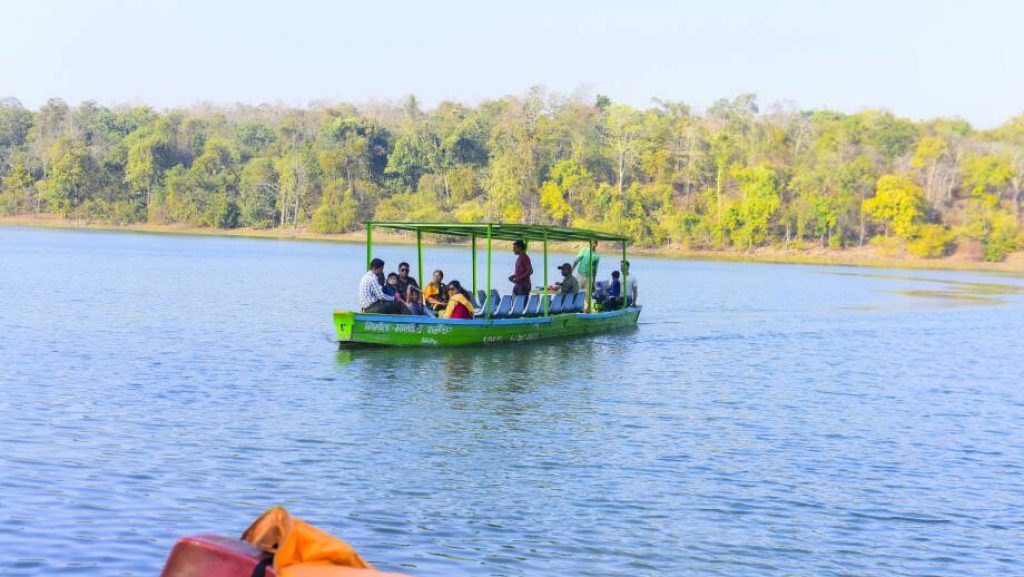
Located about 3 km from Sukma town, Tungal Dam was developed as an eco-tourism centre. Facilities have included boating arrangements, paddle boats, access roads and hut sites, making it one of the easiest nature-oriented outings close to the town.
Dudma Tourist Spot
Dudma is around 28 km from Sukma district headquarters. The destination is known for its natural surroundings and scenic landscape and is among the better-known local places for a short nature excursion.
Injeram
Located around 70 km from Sukma toward Konta, Injeram is interesting for travelers who enjoy history and archaeology. Ancient sculptures and ruins found near the village are connected with local historical and religious traditions.
Ramaram
Ramaram is associated with the famous local temple of Chitpitin Mata. Local traditions connect the deity and temple with the area's historic settlement stories and with links to Warangal.
Mahadev Dongri
Just around 3 km from Sukma, Mahadev Dongri is associated with an old Shiva temple. It is particularly significant during Shivratri and offers a simple religious experience close to town.
Dornapal Bridge
Located around 37 km from Sukma, Dornapal Bridge is an important road connection toward Odisha. Besides its infrastructure importance, the surrounding landscape makes it a notable point along a road trip through southern Sukma.
Sukma Town and Rajwada Area
The older parts of Sukma provide an opportunity to understand the town's historical development and local character. Travelers interested in heritage should combine the town visit with nearby religious and cultural sites.
Famous Dishes and Local Foods to Try in Sukma
Sukma's food culture is closely connected with the wider Bastar and southern Chhattisgarh region. Rice, chillies, tamarind, forest produce and traditional grains are important parts of the regional food identity.
Rice-Based Meals
Rice is a basic part of everyday food in the region. Simple rice-based meals are often paired with seasonal vegetables, chillies, chutneys and locally available ingredients.
Tamarind Chutney
Tamarind is an important forest produce of Sukma and is widely used for its sour flavour. Traditional tamarind-based chutneys add a strong tangy element to local meals.
Kodo and Kutki Preparations
Traditional millets such as Kodo and Kutki have historically been cultivated in parts of southern Bastar. Travelers may encounter millet-based preparations in local or traditional food settings.
Mahua-Based Traditional Foods
Mahua is an important forest produce of the region. Its flowers and seeds have several traditional uses, although visitors should distinguish between cultural food traditions and alcoholic preparations.
Chilli and Forest-Produce Chutneys
Strong flavours are characteristic of many traditional regional meals. Local chillies and forest-derived ingredients can produce chutneys with a distinctly bold taste.
Famous Personalities and Cultural Connections
Sukma has a strong collective cultural identity rather than a long list of nationally famous personalities directly associated with the town. Its cultural importance is better understood through its tribal communities, traditional knowledge and local religious heritage.
Traditional Tribal Communities
The tribal communities of Sukma are central to the district's cultural identity. Their knowledge of forests, seasonal resources, agriculture, traditional practices and community customs forms an important part of southern Bastar's heritage.
Local Religious and Cultural Custodians
Priests, traditional community leaders, artisans and performers continue to play an important role in maintaining local customs and religious traditions around places such as Ramaram and other village shrines.
Festivals of Sukma
The current Sukma district website does not provide a dedicated festival calendar. However, Sukma belongs to the wider Bastar cultural region, where tribal and seasonal festivals form an important part of community life.
Mahashivratri
Mahashivratri is particularly associated with the Mahadev Dongri area near Sukma, where local religious activity and celebrations can be seen around the Shiva temple.
Bastar Dussehra
Bastar Dussehra is one of the most distinctive cultural traditions of the Bastar region. Unlike the conventional Dussehra story centred on Ravana, Bastar Dussehra focuses on local deities and tribal rituals and traditionally continues for around 75 days.
Madai Festival
Madai is an important tribal festival tradition of Chhattisgarh and the Bastar region. It is associated with worship of local deities, community gatherings, folk traditions and travelling village celebrations.
Local Village Festivals
Across the forest villages, seasonal and deity-centred celebrations remain important. Dates and rituals can vary from one community or village to another, so travelers should check locally before planning a visit around a particular event.
Things to Do in Sukma
- Explore Tungal Dam: Enjoy a peaceful outing close to Sukma town and explore its eco-tourism setting.
- Visit Dudma: Spend time in a forested natural setting and photograph the landscape.
- Explore Ramaram: Visit the Chitpitin Mata temple and learn about local traditions.
- See Injeram's ancient sculptures: Explore one of the district's more interesting archaeological and cultural locations.
- Visit Mahadev Dongri: Combine a short local excursion with a visit to the Shiva temple.
- Take a road trip through southern Bastar: NH-30 connects Sukma with major destinations and neighbouring states.
- Experience tribal culture respectfully: Observe local markets, traditional crafts and community life without disturbing local customs.
- Try regional food: Taste rice-based meals, tamarind preparations and traditional forest-produce flavours.
Where to Eat, Shop, and Stay in Sukma
Where to Eat
Sukma is a small district headquarters rather than a conventional tourist city, so dining options are comparatively limited. Travelers should expect local restaurants, small eateries and simple food establishments rather than a large restaurant scene.
Where to Shop
Local markets are the best places to look for regional products and everyday goods. Depending on availability, travelers may find tamarind, mahua-related products, forest produce and locally made handicrafts.
Where to Stay
The district administration currently lists accommodation options in Sukma including the Circuit House, Hotel Raj Palace and Shree Shree Hotel.
| Stay Type | Suitable For |
|---|---|
| Circuit House | Official visitors and travelers looking for a basic government accommodation option, subject to availability |
| Hotel Raj Palace | Travelers looking for a conventional town hotel |
| Shree Shree Hotel | Budget and practical overnight stays |
What is Sukma Famous For?
Sukma is best known for its dense forests, tribal heritage, southern Bastar culture and offbeat natural landscapes. Its identity is strongly connected with communities whose traditional life has developed around forests, agriculture and local religious traditions.
- Tribal Culture: A major part of the district's identity.
- Forests: Around 65% of the district's area is covered by forest.
- Sabari River: One of the important rivers of the region.
- Tungal Dam: A local eco-tourism destination near Sukma town.
- Dudma: A popular nearby natural attraction.
- Ramaram: Known for Chitpitin Mata temple and local traditions.
- Injeram: Known for ancient sculptures and heritage associations.
- Forest Produce: Tamarind, mahua, chironji and other minor forest produce.
Best Time to Visit Sukma
The most comfortable period for exploring Sukma is generally during the cooler months from October to February. The weather is more suitable for road travel, sightseeing and outdoor activities.
| Season | Travel Experience |
|---|---|
| October–February | Best overall period for sightseeing and road trips |
| March–May | Hotter; forest landscapes can still be explored with proper planning |
| June–September | Monsoon brings greener landscapes but can make remote roads and outdoor travel more difficult |
Best choice: October to February for a comfortable first visit.
How to Reach Sukma
By Air
Jagdalpur Airport is the nearest airport listed by the district administration, at approximately 100 km from Sukma. The airport has air connectivity toward destinations including Bhubaneswar and Visakhapatnam. Rajahmundry Airport is another option at roughly 200 km.
By Train
Jagdalpur and Dantewada railway stations are the nearest railway stations for Sukma. From either station, travelers can continue by road or bus.
By Road
Road travel is the most practical way to reach Sukma. NH-30 passes through the district and connects it with Raipur, Hyderabad and other important destinations. Daily buses connect Sukma with Raipur, Jagdalpur, Dantewada, Malkangiri, Hyderabad and Vijayawada, while interstate services also operate toward Rajahmundry.
| Mode | Best Option |
|---|---|
| Air | Jagdalpur Airport – about 100 km |
| Train | Jagdalpur or Dantewada Railway Station |
| Road | NH-30 and state/interstate bus services |
Nearby Places to Visit from Sukma
Jagdalpur
Jagdalpur is an important gateway to Bastar tourism and is a practical base for exploring the wider region's waterfalls, caves, temples, tribal culture and heritage.
Dantewada
Dantewada is known for the famous Danteshwari Temple and is an important religious and cultural destination in southern Bastar.
Bastar
The wider Bastar region offers forests, waterfalls, caves, tribal traditions and major cultural celebrations such as Bastar Dussehra.
Konta
Konta lies in the southern part of Sukma district and is an important administrative and road destination near the Odisha–Chhattisgarh border region.
Malkangiri, Odisha
Malkangiri lies across the state border and can be reached by road from Sukma. It provides an opportunity to extend a southern Chhattisgarh trip into neighbouring Odisha.
Hyderabad
For travelers combining Sukma with a longer South India itinerary, Hyderabad is connected by road and interstate bus services from the Sukma region.
Best Duration for a Sukma Trip
For a first visit focused on the town and nearby attractions, 2 days is a practical duration. Travelers who want to explore more remote cultural and natural locations can plan 3 days or longer.
| Duration | Suggested Experience |
|---|---|
| 1 Day | Sukma town, Tungal Dam and nearby local attractions |
| 2 Days | Dudma, Tungal Dam, Ramaram and Sukma cultural experience |
| 3 Days | Add Injeram, Mahadev Dongri and a longer southern Bastar road trip |
Travel Tips for Sukma
- Plan transportation in advance: Public transport options are more limited than in major Chhattisgarh cities.
- Check local conditions: For remote areas, confirm current road and travel conditions with local authorities before setting out.
- Travel during daylight: For unfamiliar rural and forest routes, daytime travel is preferable.
- Carry essentials: Keep drinking water, medicines, snacks, cash, power banks and basic travel supplies with you.
- Respect tribal communities: Ask permission before photographing people, homes, ceremonies or religious activities.
- Dress comfortably: Light, breathable clothing works well in warmer months; carry rain protection during monsoon.
- Protect nature: Avoid littering and do not disturb wildlife or forest vegetation.
- Do not depend entirely on mobile connectivity: Remote areas may have weaker communication coverage.
- Book accommodation ahead: The number of formal accommodation options is limited compared with larger cities.
- Respect local religious customs: Dress modestly and follow instructions at temples and village shrines.
Why Visit Sukma?
Sukma is worth visiting for travelers who want to experience a quieter and less commercial side of Chhattisgarh. Instead of large urban attractions, the district offers forests, tribal culture, village traditions, rivers, religious sites and simple rural landscapes.
Its biggest attraction is the opportunity to understand the living cultural landscape of southern Bastar. A trip here is less about ticking off famous landmarks and more about experiencing the relationship between people, forests, traditions and the land.
Top Reasons to Visit
- Explore the tribal heritage of southern Bastar.
- Experience forest-rich landscapes.
- Visit Tungal Dam and Dudma.
- Explore the heritage of Injeram and Ramaram.
- Discover local food and forest produce.
- Enjoy an offbeat road-trip experience through southern Chhattisgarh.
Conclusion
Sukma is a destination for travelers who prefer authenticity over crowds. Its forests, tribal traditions, religious heritage, rivers and quiet countryside reveal a side of Chhattisgarh that feels distinctly connected to the land.
Whether you spend a weekend exploring Tungal Dam and Dudma, visit the heritage sites around Ramaram and Injeram, or use Sukma as part of a wider Bastar road trip, the experience is likely to be more cultural and nature-focused than conventional city tourism.
For travelers looking to discover offbeat Chhattisgarh, Sukma offers a meaningful journey into the forests and living traditions of southern Bastar.
"Travel is the only thing you buy that makes you richer."