Bemetara, Chhattisgarh: A Peaceful Blend of Heritage, Culture and Rural Charm
Bemetara is a district headquarters town in Chhattisgarh, known for its agricultural landscape, Chhattisgarhi traditions, religious heritage and easy road connectivity to major cities of the state.
The district was formed on 1 January 2012 after being separated from the former Durg district. Today, Bemetara combines a developing urban centre with a predominantly rural and agricultural landscape.
For travellers exploring Bemetara tourism, the region offers religious attractions such as Bhadrakali Temple, the historic Sita Devi Temple at Devarbija, traditional festivals and the bird-rich wetlands of Gidhwa-Parsada.
Unlike the heavily forested tourist destinations of southern Chhattisgarh, Bemetara offers a quieter experience centred around heritage, temples, agriculture, local culture and rural landscapes.
History
The history of Bemetara is connected with the wider historical development of the Durg and central Chhattisgarh region.
Ancient Historical Connection
According to the official district history, the wider Durg region, including Bemetara, was once associated with the empire of Emperor Ashoka.
The region later came under Maratha rule in 1742 AD and subsequently remained under the Bhonsle rulers from 1853.
The Story Behind the Name
The official district history records a local historical tradition according to which the area was once associated with a queen named Vyomtara, after whom the town is said to have received the name Bemetara.
Bemetara Under British-Era Administration
Between 1857 and 1906, the wider Durg region was administered as part of Raipur district. Bemetara was associated with Simga tehsil, while the Navagarh area was associated with Bilaspur district.
When Durg district was formed in 1906, Bemetara became one of its principal tehsils.
Formation of Bemetara District
Bemetara district was officially formed on 1 January 2012 after the division of the former Durg district. The earlier Bemetara tehsil included areas such as Navagarh, Berla and Saja, which became part of the newly formed district.
| Period | Historical Development |
|---|---|
| Ancient Period | Wider region associated with the Mauryan-era historical landscape. |
| 1742 AD | Region came under Maratha rule. |
| 1853 onwards | Region came under the Bhonsle rulers. |
| 1906 | Bemetara became a principal tehsil of the newly formed Durg district. |
| 1 January 2012 | Bemetara became a separate district after the division of Durg district. |
Geography
Bemetara lies in the northern part of the former Durg region of Chhattisgarh and is characterised largely by plains and agricultural land.
Geographical Profile
| Feature | Details |
|---|---|
| State | Chhattisgarh |
| District Headquarters | Bemetara |
| District Area | 2,854.81 sq. km. |
| Administrative Blocks | 4 |
| Villages | 702 |
| Major Landscape | Plains and agricultural land |
Rivers
The Shivnath River is one of the principal rivers associated with the district. Other rivers and streams include the Kharun, Surahi, Haff, Sakari and Phonk.
Plains and Agriculture
Bemetara has a predominantly plain landscape, making it suitable for extensive agricultural activity. Agriculture forms the foundation of the district's economy.
Climate
Bemetara experiences a tropical wet-and-dry climate with hot summers, a monsoon season and comparatively cooler winters.
The hottest period generally occurs between March and June, while the monsoon brings most of the annual rainfall between June and September.
Natural Landscape
Unlike the heavily forested districts of southern Chhattisgarh, Bemetara is predominantly an open agricultural landscape with comparatively limited forest cover.
Culture and Traditions
The culture of Bemetara is strongly influenced by traditional Chhattisgarhi customs, rituals, agricultural practices and community celebrations.
Chhattisgarhi Cultural Identity
Local customs reflect the wider cultural traditions of Chhattisgarh, with festivals and community events playing an important role in social life.
Mandai
Mandai is a traditional community celebration found across Chhattisgarh and is observed in Bemetara during the appropriate seasonal period.
Panthi
Panthi is an important cultural dance tradition of Chhattisgarh and forms part of the state's broader folk heritage.
Matar
Matar is traditionally associated with the period following Diwali and is celebrated around Bhai Dooj. It forms an important part of Bemetara's local festival traditions.
Rural Lifestyle
Agriculture remains central to everyday life in Bemetara. Seasonal farming activities, village markets and agricultural festivals are closely connected with the local social calendar.
Traditional Values
Community participation, agricultural traditions, religious customs and regional festivals continue to shape the cultural identity of Bemetara.
| Cultural Element | Significance |
|---|---|
| Mandai | Traditional community celebration |
| Panthi | Traditional Chhattisgarhi folk dance |
| Matar | Post-Diwali local celebration |
| Hareli | Agricultural and seasonal festival |
| Pola | Traditional agricultural festival |
Architecture
The architectural heritage of Bemetara is primarily represented by its historic temples and religious structures.
Sita Devi Temple, Devarbija
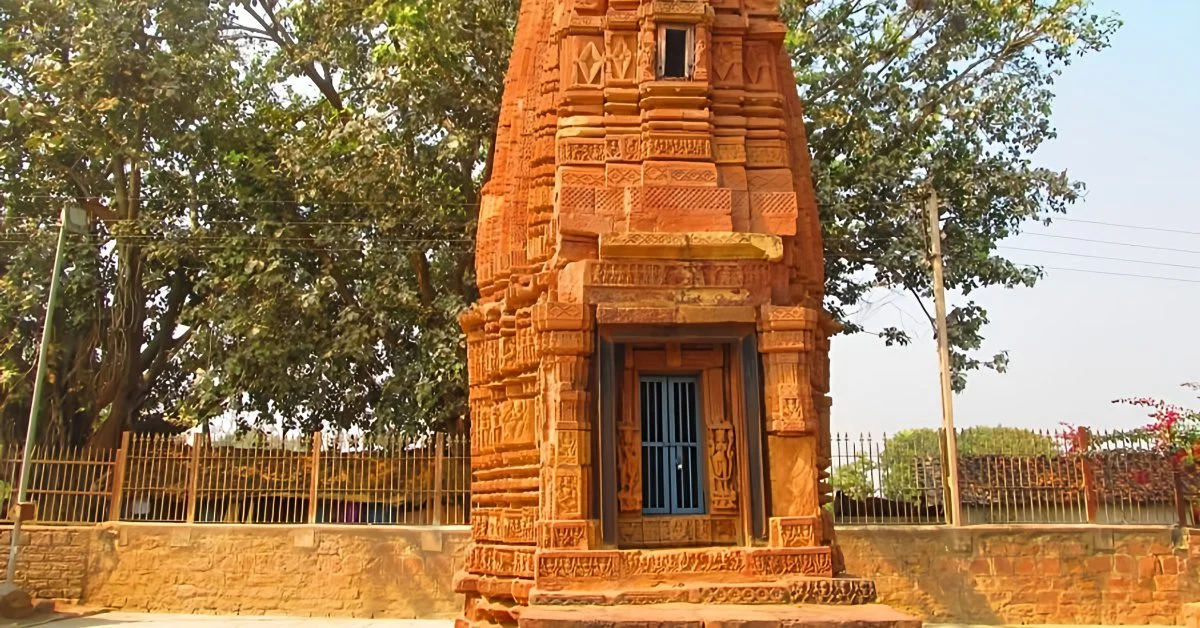
The Sita Devi Temple at Devarbija is one of the most important heritage structures associated with Bemetara district.
The temple is recognised as a protected monument and is associated with the historic temple architecture of Chhattisgarh.
The temple complex contains detailed stone carvings and traditional architectural elements, making it an important destination for visitors interested in history and heritage.
Temple Architecture
The historic temples of the region demonstrate the use of stone construction, carved architectural elements and traditional Hindu temple design.
Bhadrakali Temple
Jai Maa Bhadrakali Temple in Bemetara is an important religious landmark and one of the best-known places of worship in the district.
Traditional Rural Architecture
Outside the main town, traditional villages reflect the rural character of central Chhattisgarh, with houses and community spaces shaped by local materials, climate and agricultural life.
| Architectural Attraction | Known For |
|---|---|
| Sita Devi Temple | Historic temple architecture and stone carvings |
| Bhadrakali Temple | Religious importance |
| Traditional Villages | Rural Chhattisgarhi architectural character |
Famous Places
Bemetara is not a mass-tourism destination, but the district has several places of interest connected with religion, heritage, birdlife and rural landscapes.
Bhadrakali Temple
Jai Maa Bhadrakali Temple is located in Bemetara city and is one of the district's principal religious attractions.
The temple holds considerable religious importance for devotees and is among the official tourism destinations listed by the Bemetara district administration.
Sita Devi Temple, Devarbija
Sita Devi Temple at Devarbija is one of the most important heritage attractions in Bemetara district. The historic temple is associated with traditional stone architecture and is an important example of the region's archaeological heritage.
Gidhwa-Parsada Wetlands
Gidhwa and Parsada are known for their bird-rich wetlands and seasonal migratory bird population.
The district administration recorded the presence of around 150 types of birds at Gidhwa and noted that migratory birds arrive between approximately October and March.
Gidhwa-Parsada also hosted the First Bird Festival of Chhattisgarh from 31 January to 2 February 2021, highlighting the area's potential for birdwatching and eco-tourism.
Devarbija
Devarbija is known primarily for the historic Sita Devi Temple and its surrounding rural landscape.
Local Markets
Bemetara's local markets provide an opportunity to experience everyday commerce, agricultural products and regional food traditions.
| Place | Best Known For |
|---|---|
| Bhadrakali Temple | Religious heritage |
| Sita Devi Temple, Devarbija | Historic temple and architecture |
| Gidhwa-Parsada | Birdwatching and wetlands |
| Devarbija | Heritage and rural landscape |
| Bemetara Local Markets | Local culture and shopping |
Famous Dishes
Bemetara does not have a single officially designated dish that is exclusive to the city. Its food culture is instead part of the wider Chhattisgarhi culinary tradition.
Fara
Fara is a traditional steamed rice-based preparation and is commonly associated with Chhattisgarhi cuisine.
Chila
Chila is a savoury pancake prepared using rice or gram-based batter and is commonly enjoyed as a breakfast or snack.
Bafauri
Bafauri is a steamed gram-flour preparation traditionally seasoned with spices.
Angakar Roti
Angakar Roti is a traditional rice-based preparation associated with Chhattisgarhi food culture.
Rice-Based Meals
Rice forms an important part of the local diet, reflecting Bemetara's agricultural economy. Traditional meals may include rice, dal, seasonal vegetables and local chutneys.
Local Seasonal Food
The agricultural character of Bemetara means that seasonal vegetables, grains and locally available ingredients form an important part of everyday food habits.
| Food | What to Expect |
|---|---|
| Fara | Steamed rice-based preparation |
| Chila | Savoury rice or gram pancake |
| Bafauri | Steamed gram-flour preparation |
| Angakar Roti | Traditional rice-based food |
| Rice-Based Meals | Rice, dal and seasonal vegetables |
Famous Personalities
Bemetara is primarily known for its historical heritage, religious sites, agricultural identity and local cultural traditions rather than for a large number of nationally recognised personalities.
Historical Figures
The official history of Bemetara refers to Vyomtara, a queen associated with a local historical tradition regarding the origin of the town's name.
Local Cultural Contributors
The cultural identity of Bemetara has been shaped by generations of farmers, folk artists, religious communities and local cultural practitioners.
Rather than listing personalities without reliable documentation, this section focuses on historically and culturally relevant figures and communities directly connected with the region.
| Figure / Group | Connection |
|---|---|
| Queen Vyomtara | Associated with the local tradition behind the name Bemetara |
| Local Folk Artists | Preserve regional music, dance and cultural traditions |
| Agricultural Communities | Central to Bemetara's social and economic identity |
Festivals
Festivals in Bemetara reflect the region's Chhattisgarhi traditions, agricultural lifestyle and Hindu cultural practices.
Hareli
Hareli is an important agricultural festival of Chhattisgarh. It celebrates the agricultural cycle and traditional rural practices.
Pola
Pola is associated with agriculture and the traditional importance of cattle in rural life.
Teeja
Teeja is an important traditional festival celebrated by women in Chhattisgarh and is observed in Bemetara as part of the region's cultural calendar.
Matar
Matar is celebrated around the second day after Diwali, corresponding with the Bhai Dooj period. It is one of the distinctive local celebrations mentioned by the district administration.
Mandai and Mela
Mandai and local melas are generally associated with the Magh Purnima period, approximately February to March, and provide opportunities for community gathering and traditional celebrations.
Dev Uthani Ekadashi
Dev Uthani Ekadashi is another festival observed as part of the local religious calendar.
Kartik Purnima
Kartik Purnima is also observed in the region and forms part of Bemetara's wider Hindu festival traditions.
| Festival | Highlights |
|---|---|
| Hareli | Agriculture and rural traditions |
| Pola | Farming and cattle traditions |
| Teeja | Traditional women's festival |
| Matar | Post-Diwali community celebration |
| Mandai | Traditional community gathering |
| Kartik Purnima | Religious and cultural observance |
Things to Do
A Bemetara trip is best suited to travellers interested in heritage, temples, birdwatching, local culture and peaceful rural landscapes.
Visit Bhadrakali Temple
Visit Bhadrakali Temple in Bemetara to experience one of the city's principal religious landmarks.
Explore Sita Devi Temple
Travel to Devarbija to explore the historic Sita Devi Temple and appreciate its architectural and archaeological character.
Go Birdwatching at Gidhwa-Parsada
Visit Gidhwa-Parsada during the migratory season for birdwatching and nature observation. The area has been recognised for its diverse bird population.
Explore Local Markets
Spend time in Bemetara's local markets to experience everyday commerce and discover regional food products and agricultural produce.
Experience Local Festivals
If your visit coincides with Hareli, Pola, Teeja, Matar or Mandai, experiencing a local celebration can provide a deeper insight into Bemetara's culture.
Try Chhattisgarhi Food
Explore local eateries for traditional preparations such as fara, chila and bafauri alongside everyday rice-based meals.
| Experience | Best For |
|---|---|
| Bhadrakali Temple | Spiritual tourism |
| Sita Devi Temple | History and architecture |
| Gidhwa-Parsada | Birdwatching and nature |
| Local Markets | Culture and shopping |
| Local Festivals | Traditional culture |
| Regional Food | Chhattisgarhi cuisine |
Where to Eat, Shop, and Stay
Where to Eat
Bemetara town is the most convenient place for meals and refreshments. Visitors can find local eateries and restaurants serving North Indian and Chhattisgarhi-style food.
For a regional experience, look for traditional preparations such as chila, fara, bafauri and rice-based meals.
Where to Shop
Local markets in Bemetara are suitable for purchasing everyday goods, agricultural products, snacks and locally available items.
Visitors interested in the regional lifestyle can explore local markets around festival periods, when traditional goods and seasonal products are more visible.
Where to Stay
Bemetara city is the most practical base for exploring the district. Staying in town provides convenient access to restaurants, transport and the city's main religious attraction.
| Stay Type | Recommended Area | Best For |
|---|---|---|
| Hotels | Bemetara town | General sightseeing |
| Budget Accommodation | Bemetara town | Short stays |
| Guest / Dharamshala Options | Bemetara and religious areas | Budget travellers |
Practical Stay Tip
For a short Bemetara trip, staying in the city is preferable because the main attractions are relatively limited and the town provides easier access to food and transport.
What is Bemetara Famous For?
Bemetara is best known for its agricultural identity, religious heritage, Chhattisgarhi culture and bird-rich wetlands.
Agriculture
The district's economy is primarily dependent on agriculture, making farming an important part of Bemetara's identity.
Bhadrakali Temple
Bhadrakali Temple is one of Bemetara's most prominent religious attractions and is officially listed among the district's major tourist places.
Sita Devi Temple
The historic Sita Devi Temple at Devarbija provides Bemetara with an important archaeological and architectural attraction.
Gidhwa-Parsada Bird Habitat
Gidhwa-Parsada is notable for its bird diversity and seasonal arrival of migratory birds, making it an emerging eco-tourism destination.
Chhattisgarhi Festivals
Traditional celebrations such as Hareli, Pola, Teeja, Matar and Mandai reflect the cultural identity of the region.
| Known For | Highlights |
|---|---|
| Agriculture | Farming-based economy |
| Religious Heritage | Bhadrakali Temple |
| Architecture | Sita Devi Temple at Devarbija |
| Birdwatching | Gidhwa-Parsada wetlands |
| Culture | Mandai, Matar, Hareli and Pola |
Best Time to Visit
The best time to visit Bemetara depends on the type of experience you want. For general sightseeing and temple visits, the cooler months are more comfortable. For birdwatching, the period from approximately October to March is particularly attractive.
October to February – Best Overall
The cooler season is comfortable for visiting temples, exploring the town and travelling around the district.
October to March – Best for Birdwatching
Gidhwa-Parsada receives migratory birds during the winter season, with the district administration noting arrivals between approximately October and March.
March to June – Summer
Temperatures rise significantly during summer. Outdoor sightseeing is more comfortable during mornings and evenings.
July to September – Monsoon
The monsoon brings greenery to the agricultural landscape, although rainfall may affect road travel and outdoor plans.
| Season | Months | Best For |
|---|---|---|
| Winter | October–February | General sightseeing |
| Birdwatching | October–March | Gidhwa-Parsada |
| Summer | March–June | Morning and evening visits |
| Monsoon | July–September | Green landscapes and rural scenery |
Best recommendation: October to February is the most comfortable period for a general Bemetara trip, while October to March is preferable if birdwatching is part of your itinerary.
How to Reach
Bemetara has good road connectivity with several major cities of Chhattisgarh and neighbouring regions.
By Road
Bemetara is well connected by road with Raipur, Jabalpur, Bilaspur, Durg and Kawardha.
NH 30 passes through Bemetara and provides an important road connection between Raipur and Jabalpur. State Highway SH 7 connects Bemetara with Durg and Mungeli.
By Train
Bemetara district does not currently have a railway line. The nearest railway station listed by the district administration is Tilda Railway Station, approximately 35 km away.
Raipur Railway Station is the major nearby railway station, approximately 66 km from Bemetara according to the district administration.
By Air
Swami Vivekananda Airport, Raipur is the nearest major airport. The district administration lists Raipur Airport at approximately 85 km from Bemetara.
| Mode | Main Option | Approx. Distance |
|---|---|---|
| Air | Swami Vivekananda Airport, Raipur | Approximately 85 km |
| Train | Tilda Railway Station | Approximately 35 km |
| Train | Raipur Railway Station | Approximately 66 km |
| Road | NH 30 | Direct road connectivity |
| Road | SH 7 | Connects Durg and Mungeli |
Nearby Places
Bemetara's central location makes it possible to combine a visit with several destinations in the surrounding districts of Chhattisgarh.
Devarbija
Devarbija is one of the most important nearby destinations within Bemetara district because of the historic Sita Devi Temple.
Gidhwa-Parsada
Gidhwa-Parsada is a notable destination for birdwatching, particularly during the migratory season.
Durg
Durg is located to the south of Bemetara and can be incorporated into a wider central Chhattisgarh itinerary.
Raipur
Raipur, the capital of Chhattisgarh, is a practical nearby urban destination with major transport connections.
Kawardha
Kawardha lies to the west/north-west of Bemetara and can be included in a broader heritage and cultural itinerary.
Mungeli
Mungeli lies to the north-east and provides another option for extending a central Chhattisgarh road trip.
| Nearby Destination | Best For |
|---|---|
| Devarbija | Heritage and temple tourism |
| Gidhwa-Parsada | Birdwatching and eco-tourism |
| Durg | Urban and regional sightseeing |
| Raipur | City tourism and transport hub |
| Kawardha | Regional heritage and culture |
| Mungeli | Regional road-trip extension |
Best Duration for a Trip
A 1–2 day Bemetara trip is sufficient for travellers who want to explore the principal attractions of the district.
1 Day – Quick Bemetara Trip
- Visit Bhadrakali Temple.
- Explore Bemetara town.
- Travel to Devarbija and visit Sita Devi Temple.
- Return to Bemetara.
2 Days – Recommended
| Day | Suggested Plan |
|---|---|
| Day 1 | Bemetara town + Bhadrakali Temple + local market |
| Day 2 | Devarbija + Sita Devi Temple + Gidhwa-Parsada |
Birdwatching Trip
Bird enthusiasts can allocate additional time to Gidhwa-Parsada during the migratory season and plan the visit around early morning bird activity.
Recommended duration: One day is enough for the main heritage attractions, while two days provides a more relaxed experience including birdwatching and local exploration.
Travel Tips
Bemetara is relatively easy to explore compared with remote forest destinations, but a few practical tips can make the trip more comfortable.
Plan Around the Weather
Summer afternoons can be hot, so schedule outdoor sightseeing during mornings and evenings.
Visit Gidhwa-Parsada in the Right Season
If birdwatching is your priority, plan the trip between approximately October and March, when migratory birds are reported in the area.
Carry Comfortable Footwear
Comfortable footwear is useful when visiting temples, heritage sites, village areas and wetlands.
Carry Essentials
- Drinking water
- Sunscreen
- Hat or cap
- Basic medicines
- Camera or binoculars for birdwatching
- Rain protection during monsoon
Respect Religious Places
Visitors should dress appropriately and respect local customs while visiting Bhadrakali Temple and other religious sites.
Protect Bird Habitats
When visiting Gidhwa-Parsada, avoid loud noise, littering and disturbing birds or other wildlife.
Carry Cash
For smaller local markets and rural areas, carrying some cash can be useful where digital payment facilities may be limited.
Use Bemetara as Your Base
For a short trip, staying in Bemetara town provides convenient access to the city's facilities and nearby attractions.
| Travel Tip | Recommendation |
|---|---|
| Best Base | Bemetara town |
| Birdwatching | October–March |
| Summer Sightseeing | Prefer mornings and evenings |
| Temple Visits | Respect local customs |
| Wetland Visits | Avoid disturbing birds |
| Rural Travel | Carry water and basic essentials |
Why Visit Bemetara?
Bemetara is ideal for travellers who prefer quieter destinations and want to explore the cultural and rural character of Chhattisgarh without the crowds of major tourist centres.
Religious Heritage
Bhadrakali Temple provides an important spiritual attraction within Bemetara city.
Historic Architecture
Sita Devi Temple at Devarbija offers an opportunity to explore the region's historic temple architecture.
Birdwatching
Gidhwa-Parsada gives Bemetara an emerging eco-tourism identity through its diverse bird population and seasonal migratory birds.
Traditional Festivals
Festivals such as Hareli, Pola, Teeja, Matar and Mandai provide a window into local Chhattisgarhi traditions.
Agricultural Landscape
Bemetara's predominantly agricultural environment allows visitors to experience a quieter side of central Chhattisgarh away from heavily urbanised tourist destinations.
Easy Road Connectivity
With NH 30 passing through the town and good road connections to Raipur, Durg, Bilaspur, Jabalpur and Kawardha, Bemetara can be conveniently incorporated into a wider road trip.
| Experience | What Bemetara Offers |
|---|---|
| Religion | Bhadrakali Temple |
| Heritage | Sita Devi Temple |
| Nature | Gidhwa-Parsada wetlands |
| Culture | Chhattisgarhi festivals and traditions |
| Rural Experience | Agricultural landscapes and local markets |
| Connectivity | Strong road links through NH 30 and SH 7 |
For travellers looking for a peaceful Chhattisgarh destination combining temples, heritage, birdwatching, local culture and rural landscapes, Bemetara offers a simple and authentic travel experience.
Conclusion
Bemetara, Chhattisgarh offers a quieter side of the state, combining religious heritage, historic architecture, agricultural landscapes and traditional Chhattisgarhi culture.
The Bhadrakali Temple provides an important spiritual attraction within the city, while the historic Sita Devi Temple at Devarbija adds archaeological and architectural interest.
Nature enthusiasts can explore the bird-rich wetlands of Gidhwa-Parsada, particularly during the migratory season, while cultural travellers can experience local festivals such as Hareli, Pola, Teeja, Matar and Mandai.
A 1–2 day itinerary is generally sufficient to experience the major attractions of Bemetara, making it an easy addition to a wider Chhattisgarh road trip.
For travellers interested in heritage, spirituality, birdwatching, rural culture and authentic local experiences, Bemetara is a destination worth exploring.
"Travel is the only thing you buy that makes you richer."