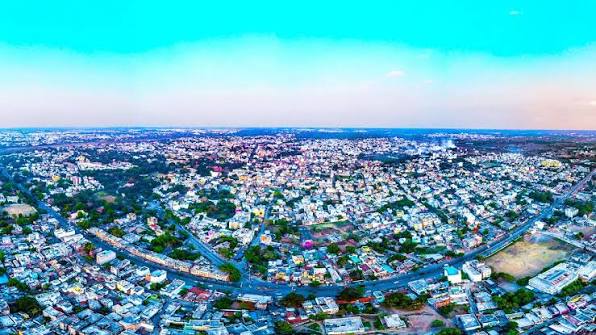
Bilaspur, Chhattisgarh: The Nyaydhani of Chhattisgarh
Bilaspur is one of the most important cities of Chhattisgarh and serves as the administrative headquarters of Bilaspur district. Known as the “Nyaydhani” or Law Capital of Chhattisgarh, the city is also an important centre of education, administration, railways, culture and commerce.
Bilaspur is more than an urban centre. Its surrounding region contains ancient temples, archaeological sites, wildlife attractions, scenic landscapes and important religious destinations. Places such as Ratanpur, Malhar, Tala, Kanan Pendari, Pali, Bilasa Tal and Urja Park form the core of the area's tourism circuit.
The city also has a strong cultural identity associated with Chhattisgarhi traditions, rice cultivation, Kosa silk and the legendary figure of Bilasa. The Arpa River, which flows through the district, is another important geographical feature connected with the city's identity.
For travellers searching for Bilaspur tourism, the city offers a balanced combination of heritage, spirituality, nature, culture, food and modern urban experiences.
History
The history of Bilaspur extends back several centuries. The city is approximately 400 years old, while the wider region has a much older historical and archaeological heritage.
Origin of the Name
According to the official district history, the name Bilaspur is associated with a fisherwoman named Bilasa. Her name is traditionally linked with the origin of the city's name.
Kalachuri Influence
Historically, the wider Bilaspur region was controlled by the Kalachuri dynasty of Ratanpur. Ratanpur served as an important political and cultural centre of the region.
Maratha Period
Bilaspur city became more prominent around 1741 during the period of Maratha rule. The Maratha period played an important role in the political development of the region.
Formation of Bilaspur District
Bilaspur district was constituted in 1861. The Bilaspur municipality was subsequently established in 1867.
Modern Bilaspur
During the modern period, Bilaspur developed into an important railway, administrative and commercial centre. Its location on a major railway route significantly contributed to its growth.
Today, Bilaspur is one of the major urban centres of Chhattisgarh and serves as the headquarters of the Bilaspur district and division.
| Period | Historical Development |
|---|---|
| Ancient & Medieval Period | Region associated with the historical kingdoms of South Kosala and the Kalachuris. |
| c. 17th Century | Bilaspur develops as an established settlement. |
| 1741 | Bilaspur gains prominence during Maratha rule. |
| 1861 | Bilaspur district constituted. |
| 1867 | Bilaspur municipality established. |
| Modern Era | Bilaspur develops as a major administrative, railway and commercial centre. |
Geography
Bilaspur is located in the central-northern part of Chhattisgarh and occupies an important geographical position within the state.
Geographical Profile
| Feature | Details |
|---|---|
| State | Chhattisgarh |
| District Headquarters | Bilaspur |
| Latitude Range | 21.47° to 23.8° North |
| Longitude Range | 81.14° to 83.15° East |
| District Area | Approximately 3,508.48 sq. km. |
| Major River | Arpa |
| Other Rivers | Leelagar and Maniyari |
Arpa River
The Arpa River is the most important river associated with Bilaspur. It originates in the Khodri-Khongsara area and flows for approximately 100 km through the district.
The river passes through Bilaspur city and is an important part of the city's geographical and cultural identity.
Climate
Bilaspur experiences a sub-tropical, semi-arid, continental and monsoon-type climate. Summers are hot, winters are comparatively cool and rainfall is concentrated mainly during the monsoon.
Summer
The summer season generally extends from around March to June, with maximum temperatures capable of reaching approximately 45°C.
Monsoon
The rainy season generally occurs from July to September, with around 80% of annual rainfall received during this period.
Winter
Winter begins around the latter part of November and continues until approximately the middle of March, providing comparatively comfortable weather for sightseeing.
Agricultural Landscape
The region is strongly associated with agriculture, particularly rice cultivation. Wheat, sugarcane and cotton are also important crops.
| Geographical Feature | Importance |
|---|---|
| Arpa River | Major river flowing through Bilaspur |
| Maniyari River | Important regional river |
| Leelagar River | Part of the district drainage system |
| Agricultural Plains | Rice and other crop cultivation |
| Monsoon Climate | Majority of rainfall between July and September |
Culture and Traditions
The culture of Bilaspur reflects the wider traditions of Chhattisgarh while retaining its own historical identity. Chhattisgarhi language, folk traditions, agriculture, religious practices, festivals and handicrafts are important elements of local life.
Bilasa Tradition
The cultural identity of Bilaspur is closely connected with the traditional story of Bilasa, the fisherwoman associated with the origin of the city's name.
Chhattisgarhi Language and Folk Culture
Chhattisgarhi is an important language of everyday cultural expression. Folk songs, dances, stories and traditional celebrations form an important part of community life.
Kosa Silk
Bilaspur district is known for its Kosa industry. Kosa silk is a traditional silk associated with Chhattisgarh and is used to create sarees, fabrics and other textiles.
Rice Culture
Rice occupies an important place in the cultural and economic life of Bilaspur. The district contributes to Chhattisgarh's identity as the “Dhan Ka Katora” or rice bowl.
Folk Dance
Traditional Chhattisgarhi folk forms such as Raut Nacha, Panthi and Sua are part of the wider cultural heritage experienced across the region.
Traditional Crafts
Handloom textiles, Kosa silk, bamboo products, traditional metalwork and other regional handicrafts reflect the artistic heritage of Chhattisgarh.
| Cultural Element | Known For |
|---|---|
| Bilasa Tradition | Traditional origin story of Bilaspur's name |
| Kosa Silk | Traditional silk and textile industry |
| Chhattisgarhi | Regional language and cultural expression |
| Raut Nacha | Traditional folk dance |
| Panthi | Traditional devotional folk dance |
| Rice Culture | Agricultural and culinary identity |
Architecture
The architectural heritage around Bilaspur is particularly rich in ancient temples, archaeological ruins, stone sculptures and traditional religious structures.
Mahamaya Temple, Ratanpur
The Mahamaya Temple at Ratanpur is one of the most important religious and architectural landmarks associated with Bilaspur district.
The temple dates to the medieval period and is associated with the former Kalachuri capital of Ratanpur. Its temple complex contains artistic architectural elements and religious sculptures.
Devrani-Jethani Temples, Tala
The Devrani-Jethani Temple complex at Tala is one of the most significant archaeological attractions near Bilaspur.
The site is known for its intricate stone sculptures and the famous Rudra Shiva sculpture. Tala's archaeological remains are generally associated with approximately the 6th–8th centuries AD.
Malhar Temples
Malhar contains several ancient temples and sculptures representing different phases of Chhattisgarh's religious and artistic history.
The Pataleshwar Temple, Deur Temple and Chaturbhuji Vishnu Temple are among the notable structures associated with the site.
Kirari-Gordhi Shiva Temple
The ancient Shiva Temple at Kirari-Gordhi is associated with the Kalachuri period and forms another part of Bilaspur's archaeological heritage.
Temple Architecture
Bilaspur's surrounding heritage sites demonstrate the use of carved stone, sculptural panels, temple mandapas, religious iconography and traditional South Kosala architectural influences.
| Architectural Site | Known For |
|---|---|
| Mahamaya Temple, Ratanpur | Medieval temple and Shakti tradition |
| Devrani-Jethani Temples, Tala | Ancient stone sculptures |
| Pataleshwar Temple, Malhar | Ancient Shaivite architecture |
| Deur Temple, Malhar | Historic temple architecture |
| Chaturbhuji Vishnu Temple | Ancient Vishnu sculpture and temple heritage |
| Kirari-Gordhi Shiva Temple | Kalachuri-period heritage |
Famous Places
Bilaspur tourist places combine historical monuments, temples, archaeological sites, wildlife attractions, parks and scenic destinations.
Ratanpur
Ratanpur is approximately 25 km from Bilaspur and was historically an important capital of the Kalachuri rulers.
The town is particularly famous for the Mahamaya Devi Temple, an important religious destination and Shakti tradition centre.
Tala
Tala is an important archaeological destination located near the confluence of the Shivnath and Maniyari rivers. It is famous for the Devrani-Jethani Temples and remarkable stone sculptures.
Malhar
Malhar is an ancient archaeological town known for temples, sculptures, inscriptions and remains from different historical periods.
Kanan Pendari Zoo
Kanan Pendari is a popular zoo and wildlife attraction located near Sakri, approximately 10 km from Bilaspur on the Mungeli Road.
The zoo provides visitors with an accessible wildlife experience close to the city.
Bilasa Tal
Bilasa Tal is a recreational destination associated with Bilaspur city and provides an urban leisure environment for visitors and residents.
Urja Park
Urja Park is an educational and recreational attraction associated with energy awareness and public recreation.
Pali
Pali is another heritage destination in the wider Bilaspur tourism circuit and is known for its historic temple architecture.
Lutra Sharif
Lutra Sharif is an important religious destination associated with the Dargah of Baba Sayed Insan Ali Shah. Devotees from different communities visit the shrine.
| Place | Best Known For |
|---|---|
| Ratanpur | Mahamaya Temple and Kalachuri heritage |
| Tala | Devrani-Jethani Temples and sculptures |
| Malhar | Archaeology and ancient temples |
| Kanan Pendari | Zoo and wildlife experience |
| Bilasa Tal | Recreation and leisure |
| Urja Park | Education and recreation |
| Pali | Temple and heritage tourism |
| Lutra Sharif | Religious tourism |
Famous Dishes
Bilaspur's food culture reflects the wider Chhattisgarhi cuisine, with rice, pulses, seasonal vegetables and traditional preparations forming an important part of everyday meals.
Fara
Fara is a steamed rice-based preparation and one of the well-known traditional foods of Chhattisgarh.
Chila
Chila is a savoury pancake prepared from rice or gram-based batter and commonly enjoyed as a breakfast or snack.
Bafauri
Bafauri is a steamed preparation made primarily with gram flour, spices and herbs.
Angakar Roti
Angakar Roti is a traditional rice-based bread associated with Chhattisgarhi food traditions.
Aamat
Aamat is a traditional Chhattisgarhi preparation made from vegetables and spices. It is particularly associated with the traditional food culture of the state.
Rice-Based Meals
Rice is central to the local diet, reflecting the agricultural character of Bilaspur and the wider Chhattisgarh region.
Kosa and Local Produce
Bilaspur's connection with agriculture and the Kosa industry also contributes to its broader regional identity, although Kosa is primarily a textile tradition rather than a food product.
| Dish | What to Expect |
|---|---|
| Fara | Steamed rice-based preparation |
| Chila | Savoury rice or gram pancake |
| Bafauri | Steamed gram-flour preparation |
| Angakar Roti | Traditional rice-based bread |
| Aamat | Traditional vegetable-based preparation |
| Rice-Based Meals | Rice, dal, vegetables and local accompaniments |
Famous Personalities
Bilaspur has produced or been associated with personalities from sports, mathematics, public life and social history.
Leslie Walter Claudius
Leslie Walter Claudius was a legendary Indian field hockey player born in Bilaspur in 1927. He won three Olympic gold medals and one silver medal representing India and captained the Indian team at the 1960 Rome Olympics.
His four Olympic medals place him among India's most decorated hockey players.
John William Theodore Youngs
John William Theodore Youngs, commonly known as J. W. T. Youngs, was an American mathematician born in Bilaspur in 1910.
He made important contributions to mathematics, particularly geometric topology and graph theory.
Dr. B. S. Moonje
Dr. B. S. Moonje was born in Bilaspur in 1872 and became known as a physician, public figure and advocate of military education in India.
Bilaspur's Sporting Legacy
Bilaspur's association with the Indian Railways has also contributed to its sporting culture, with railway institutions playing an important role in the development of local athletes.
| Personality | Field | Connection |
|---|---|---|
| Leslie Walter Claudius | Field Hockey | Born in Bilaspur; four-time Olympic medallist |
| J. W. T. Youngs | Mathematics | Born in Bilaspur; mathematician and topologist |
| Dr. B. S. Moonje | Medicine & Public Life | Born in Bilaspur in 1872 |
Festivals
Festivals in Bilaspur reflect the religious, agricultural and folk traditions of Chhattisgarh. Major Hindu festivals are celebrated alongside regional events and traditional community celebrations.
Navratri
Navratri is particularly important for devotees visiting the Mahamaya Temple at Ratanpur. The temple attracts large numbers of pilgrims during the festival period.
Hareli
Hareli is an important agricultural festival of Chhattisgarh associated with farming traditions, livestock and the beginning of the agricultural season.
Pola
Pola celebrates the importance of cattle in agricultural life and is traditionally observed across Chhattisgarh.
Teeja
Teeja is an important women's festival in Chhattisgarh and is observed with traditional rituals and community participation.
Diwali
Diwali is widely celebrated across Bilaspur with religious ceremonies, lights, family gatherings and traditional food.
Holi
Holi brings colour, music and community celebrations to the city and surrounding areas.
Raut Nacha Celebrations
Raut Nacha is a traditional Chhattisgarhi folk dance associated with the Yadav community and is commonly performed around the period following Diwali.
Local Religious Fairs
Religious fairs at destinations such as Ratanpur, Malhar and Lutra Sharif add to Bilaspur's cultural tourism calendar.
| Festival | Highlights |
|---|---|
| Navratri | Mahamaya Temple pilgrimage |
| Hareli | Agriculture and rural traditions |
| Pola | Cattle and farming traditions |
| Teeja | Traditional women's festival |
| Diwali | Lights and religious celebrations |
| Holi | Colour and community celebrations |
| Raut Nacha | Traditional folk dance |
Things to Do
A Bilaspur trip can combine heritage, spirituality, wildlife, recreation, food and cultural experiences.
Visit Mahamaya Temple at Ratanpur
Take a short trip to Ratanpur and visit the historic Mahamaya Devi Temple, one of the most important religious attractions in the Bilaspur region.
Explore Tala
Discover the archaeological heritage of Tala and admire the intricate sculptures of the Devrani-Jethani Temple complex.
Explore Malhar
Visit Malhar to explore ancient temples, sculptures and archaeological remains spanning different historical periods.
Visit Kanan Pendari Zoo
Spend time at Kanan Pendari Zoo, a convenient wildlife attraction located close to Bilaspur city.
Enjoy Bilasa Tal
Visit Bilasa Tal for leisure and recreational activities in an urban setting.
Explore Urja Park
Visit Urja Park for an educational and recreational experience centred around energy awareness.
Experience Local Food
Try traditional Chhattisgarhi preparations such as fara, chila, bafauri and angakar roti.
Shop for Kosa Silk
Explore local textile and handloom stores for Kosa silk sarees and traditional fabrics.
Explore Local Markets
Visit Bilaspur's markets to experience everyday city life and discover regional textiles, handicrafts and food products.
| Activity | Best For |
|---|---|
| Mahamaya Temple | Spiritual tourism |
| Tala | History and archaeology |
| Malhar | Ancient heritage |
| Kanan Pendari | Wildlife and family outing |
| Bilasa Tal | Leisure and recreation |
| Urja Park | Education and recreation |
| Kosa Shopping | Textiles and souvenirs |
Where to Eat, Shop, and Stay
Where to Eat
Bilaspur city has a wide range of restaurants, cafés, street-food outlets and local eateries.
Travellers looking for regional cuisine can try traditional Chhattisgarhi preparations such as chila, fara, bafauri, angakar roti and rice-based meals.
Street Food
Local markets and busy commercial areas offer snacks, sweets and everyday Indian street food. Traditional Chhattisgarhi dishes can also be found at selected local eateries.
Where to Shop
Bilaspur is particularly suitable for shopping for Kosa silk, handloom textiles, traditional fabrics, handicrafts and regional food products.
Kosa Silk
Kosa silk is one of Bilaspur's strongest traditional product associations. Visitors can look for sarees, dress materials and other handloom products made from traditional silk.
Where to Stay
Bilaspur offers a wider range of accommodation than many smaller destinations in Chhattisgarh. Visitors can choose from hotels, budget stays, business hotels and guest houses within the city.
| Stay Type | Recommended Area | Best For |
|---|---|---|
| Hotels | Central Bilaspur | General sightseeing |
| Business Hotels | Major commercial areas | Business travellers |
| Budget Hotels | Near transport and market areas | Short stays |
| Guest Houses | Various city locations | Budget travellers |
Practical Stay Tip
Staying in Bilaspur city is the most convenient option because the city provides better access to restaurants, shopping, transport and nearby tourist circuits.
What is Bilaspur Famous For?
Bilaspur is famous for its legal importance, railway heritage, Arpa River, rice production, Kosa silk, ancient temples and nearby archaeological destinations.
Nyaydhani of Chhattisgarh
Bilaspur is popularly known as the “Nyaydhani” or Law Capital of Chhattisgarh because it is home to the High Court of Chhattisgarh.
Arpa River
The Arpa River flows through Bilaspur and is one of the defining geographical features of the city.
Kosa Silk
Bilaspur district is recognised for its Kosa industry, making traditional silk and handloom products an important part of its identity.
Rice Production
Bilaspur contributes to Chhattisgarh's reputation as the “Dhan Ka Katora” or rice bowl because of its strong agricultural and rice-producing tradition.
Ratanpur
The historic city of Ratanpur and its Mahamaya Temple are among the most important religious and heritage attractions associated with Bilaspur.
Ancient Archaeology
Tala and Malhar contain important archaeological remains, ancient temples and sculptures that provide insight into the region's historical development.
Kanan Pendari
Kanan Pendari Zoo is one of the most accessible wildlife attractions near Bilaspur.
| Known For | Highlights |
|---|---|
| Legal Importance | Nyaydhani and High Court of Chhattisgarh |
| River | Arpa River |
| Textiles | Kosa silk industry |
| Agriculture | Rice production |
| Heritage | Ratanpur, Tala and Malhar |
| Wildlife | Kanan Pendari Zoo |
Best Time to Visit
The best time to visit Bilaspur is generally during the cooler months, particularly from October to February. This period is more comfortable for sightseeing, temple visits and day trips to nearby heritage destinations.
October to February – Best Overall
The weather is comparatively pleasant and suitable for exploring Bilaspur city, Ratanpur, Tala, Malhar and Kanan Pendari.
March to June – Summer
Temperatures rise considerably during summer and can reach around 45°C. Outdoor sightseeing is more comfortable during mornings and evenings.
July to September – Monsoon
The monsoon brings rainfall and greenery to the region. The Arpa and other rivers receive increased water, although heavy rain can affect outdoor travel.
Festival Season
Travellers interested in religious and cultural experiences can plan around Navratri to experience the festive atmosphere at Ratanpur's Mahamaya Temple.
| Season | Months | Best For |
|---|---|---|
| Winter | October–February | General sightseeing |
| Summer | March–June | Morning and evening visits |
| Monsoon | July–September | Green landscapes and river scenery |
| Navratri | Variable | Ratanpur religious tourism |
Best recommendation: October to February is the most comfortable period for a first Bilaspur trip.
How to Reach
Bilaspur is one of the better-connected cities in Chhattisgarh, particularly by rail and road.
By Air
Bilasa Devi Kevat Airport serves Bilaspur and is located in the Bilaspur region. The district administration continues to publish current administrative and operational notices relating to the airport.
Swami Vivekananda Airport, Raipur is another major airport option for travellers arriving from cities with wider flight connectivity.
By Train
Bilaspur Railway Station is a major railway junction located on the important Howrah–Mumbai railway route. Rail connectivity makes Bilaspur one of the most accessible cities in central Chhattisgarh.
By Road
Bilaspur is well connected by road with Raipur, Korba, Mungeli, Ambikapur, Durg and other major cities of Chhattisgarh and neighbouring states.
| Mode | Main Option | Travel Advantage |
|---|---|---|
| Air | Bilasa Devi Kevat Airport | Local airport access |
| Air | Raipur Airport | Wider flight connectivity |
| Train | Bilaspur Railway Station | Major national railway route |
| Road | State and national road network | Convenient regional travel |
Nearby Places
Bilaspur's location makes it an excellent base for exploring several historical, religious and natural destinations in the surrounding region.
Ratanpur
Ratanpur is approximately 25 km from Bilaspur and is famous for the Mahamaya Devi Temple and Kalachuri heritage.
Tala
Tala is an important archaeological destination known for the Devrani-Jethani temples and extraordinary stone sculptures.
Malhar
Malhar is an ancient archaeological site containing temples, sculptures and remains from different historical periods.
Pali
Pali is another heritage destination that can be incorporated into a wider Bilaspur road trip.
Lutra Sharif
Lutra Sharif is an important religious destination associated with the Dargah of Baba Sayed Insan Ali Shah.
Kuthaghat
Kuthaghat is a scenic reservoir and recreation destination in the wider Bilaspur region and can be considered for nature-oriented travel.
Kanan Pendari
Kanan Pendari Zoo is located close to Bilaspur and is suitable for a short family or wildlife outing.
| Nearby Destination | Best For |
|---|---|
| Ratanpur | Temple and heritage |
| Tala | Archaeology and sculptures |
| Malhar | Ancient temples and history |
| Pali | Heritage tourism |
| Lutra Sharif | Religious tourism |
| Kuthaghat | Nature and recreation |
| Kanan Pendari | Wildlife and family outing |
Best Duration for a Trip
A 2–3 day Bilaspur trip is ideal for travellers who want to explore the city along with its principal heritage and religious attractions.
1 Day – Bilaspur City
- Explore Bilaspur city.
- Visit Bilasa Tal.
- Explore local markets.
- Try traditional Chhattisgarhi food.
- Shop for Kosa silk and regional products.
2 Days – City + Heritage
| Day | Suggested Plan |
|---|---|
| Day 1 | Bilaspur city + Bilasa Tal + Urja Park + local shopping |
| Day 2 | Ratanpur + Mahamaya Temple + Kanan Pendari |
3 Days – Recommended
- Day 1: Bilaspur city + local food and shopping.
- Day 2: Ratanpur + Kanan Pendari.
- Day 3: Tala + Malhar.
4 Days – Heritage and Culture
- Day 1: Bilaspur city and Arpa region.
- Day 2: Ratanpur and Mahamaya Temple.
- Day 3: Tala archaeological circuit.
- Day 4: Malhar + Pali or another nearby destination.
Recommended duration: 3 days provides a good balance of city exploration, heritage, spirituality and nearby attractions.
Travel Tips
Bilaspur is comparatively easy to explore, but planning your day trips around the weather and distances will make the experience more comfortable.
Start Heritage Trips Early
Destinations such as Tala, Malhar and Ratanpur are best visited with sufficient time for sightseeing rather than rushed as short stops.
Plan Around Summer Heat
Summer temperatures can become very high, so outdoor sightseeing should preferably be scheduled during mornings and evenings.
Carry Water
Carry drinking water, especially when travelling to archaeological and rural destinations outside Bilaspur city.
Respect Religious Sites
Dress appropriately and follow local customs when visiting Mahamaya Temple, Malhar temples and Lutra Sharif.
Protect Heritage
Do not touch, damage or climb ancient sculptures and archaeological structures. Avoid littering at heritage sites.
Carry Cash
Although digital payments are common in Bilaspur city, carrying some cash is useful for rural markets and smaller attractions.
Shop Responsibly
When purchasing Kosa silk and handicrafts, prefer established local sellers and ask about the product's material and origin.
Check Local Conditions
During the monsoon, check road and weather conditions before visiting riverfront and outdoor destinations.
| Travel Tip | Recommendation |
|---|---|
| Best Base | Bilaspur city |
| Summer | Prefer morning and evening sightseeing |
| Heritage Sites | Respect archaeological structures |
| Religious Sites | Follow local customs |
| Shopping | Prefer authentic local products |
| Monsoon | Check road and weather conditions |
Why Visit Bilaspur?
Bilaspur is an excellent destination for travellers who want to combine the convenience of a developed city with access to historical, religious and cultural attractions.
Rich History
The city's history stretches back centuries, while nearby Ratanpur, Tala and Malhar provide access to much older archaeological heritage.
Nyaydhani Identity
Bilaspur is known as the Nyaydhani of Chhattisgarh because of the presence of the High Court of Chhattisgarh.
Arpa River
The Arpa River provides Bilaspur with a distinctive geographical and cultural identity.
Kosa Silk
The city's association with the Kosa industry makes it an interesting destination for travellers interested in traditional textiles.
Ancient Heritage
Tala and Malhar contain remarkable sculptures, temples and archaeological remains.
Religious Tourism
Ratanpur's Mahamaya Temple and Lutra Sharif provide important pilgrimage experiences.
Family Attractions
Kanan Pendari, Bilasa Tal and Urja Park provide accessible recreational options for families and local visitors.
Easy Connectivity
Bilaspur's major railway junction, road network and local airport make it a convenient base for exploring central Chhattisgarh.
| Experience | What Bilaspur Offers |
|---|---|
| History | 400-year-old city and ancient surrounding heritage |
| Religion | Ratanpur, Malhar and Lutra Sharif |
| Archaeology | Tala and Malhar |
| Nature | Arpa River and surrounding landscapes |
| Wildlife | Kanan Pendari Zoo |
| Shopping | Kosa silk and regional products |
| Culture | Chhattisgarhi traditions and folk arts |
For travellers looking for a destination that combines heritage, spirituality, culture, food, shopping and easy access to nearby attractions, Bilaspur offers one of the most balanced travel experiences in Chhattisgarh.
Conclusion
Bilaspur, Chhattisgarh is a city where history, law, railways, agriculture, culture and tourism come together. Known as the Nyaydhani of Chhattisgarh, the city has developed into an important administrative and commercial centre while retaining its traditional identity.
The nearby destinations of Ratanpur, Tala and Malhar add considerable historical and architectural depth to a Bilaspur trip, while Kanan Pendari, Bilasa Tal and Urja Park provide recreational options.
Bilaspur's cultural identity is further strengthened by its association with Bilasa, Kosa silk, rice cultivation, Chhattisgarhi food, folk dances and traditional festivals.
A 3-day itinerary is ideal for experiencing the city and its major surrounding attractions without rushing. Travellers with additional time can extend the journey towards other heritage and natural destinations in the wider region.
For anyone searching for a Chhattisgarh destination combining urban convenience, ancient heritage, religious tourism, traditional culture and regional cuisine, Bilaspur is a destination worth exploring.
"Travel is the only thing you buy that makes you richer."